情绪消费

Search documents
商贸零售行业周报:618电商高质增长,强品牌龙头及新锐功效品牌突围-20250622
KAIYUAN SECURITIES· 2025-06-22 13:51
Investment Rating - The industry investment rating is "Positive" (maintained) [1] Core Views - The 618 shopping festival saw a total e-commerce sales of 855.6 billion yuan, representing a year-on-year growth of 15.2% [23][24] - The beauty sector performed well during the 618 festival, with total GMV across four major platforms reaching 65.9 billion yuan, growing over 10% year-on-year [23][24] - International high-end beauty brands showed signs of recovery, with brands like Lancôme and Estée Lauder maintaining strong positions on platforms like Tmall and Douyin [32] Summary by Sections Retail Market Overview - The retail industry index closed at 2062.20 points, down 2.75% for the week, underperforming the Shanghai Composite Index by 2.24 percentage points [5][14] - The retail sector has seen a year-to-date decline of 7.89%, lagging behind the overall market performance [14][17] 618 Shopping Festival Insights - The 618 shopping festival was extended to the longest duration in history, from May 13 to June 20, 2025 [23] - Tmall's GMV during the festival grew by 10%, marking the largest increase in three years, with 453 brands achieving over 100 million yuan in sales [24][29] - Douyin's e-commerce saw over 60,000 brands doubling their sales, with more than 2,000 products exceeding 10 million yuan in sales [24][29] Investment Recommendations - Focus on high-quality companies in high-growth sectors driven by emotional consumption themes, particularly in gold and jewelry, offline retail, cosmetics, and medical aesthetics [6][35] - Recommended companies include Lao Pu Gold, Chao Hong Ji, Mao Ge Ping, and Pei Lai Ya, among others [38] Company Performance Highlights - Lao Pu Gold reported a revenue of 8.506 billion yuan for FY2024, up 167.5%, with a net profit increase of 253.9% [37] - Mao Ge Ping achieved a revenue of 3.885 billion yuan for FY2024, growing by 34.6%, with a net profit increase of 33% [37] - Pei Lai Ya's revenue for 2024 was 10.778 billion yuan, up 21%, with a net profit increase of 30% [37]
“新消费三姐妹”集体回调!百倍PE估值引基金激辩
证券时报· 2025-06-22 11:28
Core Viewpoint - The article discusses the recent decline in the "new consumption" sector, particularly focusing on Pop Mart and its associated IPs, highlighting concerns over valuation and market sustainability following a rapid price drop in collectibles and stocks [1][2][4]. Group 1: Market Performance - Pop Mart's stock price fell from a high of 283.4 HKD per share on June 12 to 239.6 HKD per share by June 20, marking a decline of over 15% [6][5]. - The market capitalization of Pop Mart decreased by more than 50 billion HKD from its peak of 3800 billion HKD [6]. - Other companies in the "new consumption" sector, such as Lao Pu Gold and Mixue Group, also experienced significant declines of approximately 19% and 17%, respectively [2][8]. Group 2: Investor Sentiment - Fund managers are divided in their outlook on the new consumption sector, with some optimistic about its growth potential while others express concerns over inflated valuations and potential bubbles [3][9]. - The recent market correction is viewed as a "stress test" for new consumption companies, providing an opportunity to reassess investment strategies and focus on genuine consumer demand rather than speculative trends [4][16]. Group 3: Valuation Concerns - As of June 20, Pop Mart had a dynamic price-to-earnings (P/E) ratio of 95.3, significantly higher than traditional consumer leaders like Kweichow Moutai, which has a P/E ratio of 20.2 [10][11]. - The article highlights that the valuation of Pop Mart and other new consumption companies may not be sustainable, especially when compared to established global brands like Disney and Hasbro [11][12]. - Some fund managers argue that the current market conditions reflect a speculative bubble, with valuations not justified by underlying business fundamentals [12][13]. Group 4: Future Outlook - Despite the current downturn, some fund managers remain optimistic about the long-term growth potential of new consumption companies, citing ongoing consumer interest and market expansion opportunities [13][14]. - The article emphasizes the importance of understanding consumer behavior and preferences in the new consumption landscape, suggesting that future investment strategies should focus on demographic insights rather than traditional metrics [19][20].


时报观察丨让情绪消费回归应有的“松弛感”
证券时报· 2025-06-21 00:21
Core Viewpoint - The rise of emotional consumption reflects the evolving spiritual needs of consumers, particularly among the Z generation, who seek products that provide emotional value and personal expression [2][3]. Group 1: Emotional Consumption Trends - Recent years have seen a surge in popularity for products like trendy toys, virtual collectibles, esports equipment, and cycling gear, which cater to individualistic and entertainment needs [1]. - Emotional consumption is characterized by products that emphasize healing, stress relief, and self-pleasure, with a focus on "emotional value" as a core selling point [1]. Group 2: Market Dynamics and Challenges - The phenomenon of emotional consumption is exemplified by the popularity of LABUBU, which highlights both the demand for emotional connection and the potential for market manipulation through scarcity marketing [2]. - The "tulip mania" effect in economics warns against the false prosperity created by artificial scarcity, suggesting that the pricing of emotional consumption products should not inflate irrationally [3]. Group 3: Regulatory and Cultural Considerations - There is a need for clearer regulatory frameworks regarding the attributes of emotional consumption products, especially concerning financial operations, to prevent speculative behaviors [3]. - Encouraging a more sustainable emotional consumption environment requires enhancing supply and reducing frenzied buying, allowing consumers to enjoy a more relaxed experience [3].

证券时报头版:让情绪消费回归应有的“松弛感”
news flash· 2025-06-20 23:15
情绪消费的兴起,是时代发展的写照,意味着人们的精神需求有了更丰富的延伸。最近爆火的 LABUBU,也是情绪消费崛起的一个典型。不过,LABUBU走红的过程,也让人们看到了情绪消费的 另一面。当"真爱粉"在为情感共鸣、文化认同、精神慰藉买单时,供给端的不充分、抑或稀缺营销,让 抢购、收藏LABUBU逐渐被异化,甚至成为"黄牛党"、资本方的投机、炒作工具。对于情绪消费品的属 性边界,监管层也有必要进一步厘清,特别是对于金融化操作,应予以约束。同时,也要为情绪消费提 供更良善的土壤,丰富消费供给,尽量减少疯狂抢购,让情绪消费回归应有的"松弛感",可持续发展。 (证券时报) ...
谁在定义新消费信仰?消费巨变进行时
格隆汇APP· 2025-06-20 08:19
Core Viewpoint - The article discusses the shift in consumer behavior in China, highlighting the rise of "new consumption" and its contrast with traditional consumption, emphasizing the emotional value and social aspects of modern purchasing decisions [1][4][21]. Group 1: Current Consumption Landscape - Domestic consumption has become a primary focus for the economy, with various government initiatives like subsidies and consumption vouchers aimed at boosting spending [1][2]. - China's household consumption accounts for less than 40% of GDP, significantly lower than the 70% in the US and 60% in Japan, indicating substantial growth potential [3]. - There is a notable disparity in the consumption market, with traditional sectors declining while new consumption categories are thriving [4]. Group 2: Traditional vs. New Consumption - Traditional dining sectors are struggling, with significant losses reported by established brands, while new beverage brands like Mixue Ice City are rapidly expanding [5]. - Traditional retail channels are experiencing a decline, with hypermarkets down 11.4% for four consecutive years, while snack stores are booming [7][8]. - The high-end liquor market is facing challenges, with prices for premium brands like Moutai dropping significantly, reflecting inventory pressures [9]. Group 3: Emotional and Social Aspects of New Consumption - New consumption is characterized by a shift from basic needs to "self-pleasing" demands, focusing on emotional value rather than practical utility [21][22]. - The success of products like LABUBU from Pop Mart illustrates the importance of social media and emotional marketing in driving consumer interest [30][31]. - Over 40% of young consumers prioritize emotional value in their purchases, with a significant portion seeking to please themselves through spending [35][36]. Group 4: Evolution of Consumer Behavior - The article outlines the historical evolution of consumer behavior in China, indicating three major shifts in consumption patterns since the 1990s [47][48]. - The emergence of the third consumption era reflects a transition towards valuing symbolic meanings over practical use, aligning with global trends [52][53]. - As consumer needs evolve, there is a potential shift towards a fourth consumption era, characterized by rational consumption and a focus on value [68][72]. Group 5: Future Outlook - The new consumption trend is expected to continue growing, particularly in sectors like pet economy and new consumer electronics, despite potential market corrections [62][63]. - The interplay between traditional and new consumption is seen as a driver for domestic demand recovery, supported by policy initiatives [75][76].



谁在定义新消费信仰?消费巨变进行时
格隆汇APP· 2025-06-20 08:08
Core Viewpoint - The article discusses the shift in consumer behavior in China, highlighting the rise of "new consumption" and its contrast with traditional consumption, emphasizing the importance of emotional value in purchasing decisions [1][2][4][30]. Group 1: Current Consumption Landscape - Domestic consumption in China accounts for less than 40% of GDP, compared to 70% in the US and 60% in Japan, indicating significant growth potential [3]. - There is a notable disparity in the consumption market, with traditional sectors declining while new consumption categories are thriving [4][5]. - Traditional dining categories are struggling, with brands like 湊湊火锅 closing 73 stores and incurring losses exceeding 3.5 billion yuan, while new tea beverage brands like 蜜雪冰城 are rapidly expanding [6]. Group 2: Traditional vs. New Consumption - Traditional consumption focuses on essential daily needs, while new consumption shifts towards "self-pleasing" demands [21][22]. - The rise of "emotional consumption" is evident, with over 40% of young consumers prioritizing emotional value in their purchases [31]. - The concept of new consumption encompasses various sectors, including snack retail and new tea beverages, reflecting a broader trend towards personalized and emotional purchasing [34]. Group 3: Market Trends and Future Outlook - The article notes that new consumption trends are not merely a passing fad but are rooted in changing consumer environments and behaviors [54]. - Despite the current enthusiasm for new consumption, many companies are experiencing stock price corrections, indicating potential overvaluation [52][53]. - Long-term prospects for sectors like pet economy and new consumer electronics appear promising, with emerging trends suggesting continued growth [55][56].

情绪消费创造了“只有我懂”的快乐
Zhong Guo Qing Nian Bao· 2025-06-20 02:59
Core Insights - The article discusses the rise of emotional consumption among young people in China, highlighting a shift from traditional consumption patterns to a focus on self-pleasure and emotional satisfaction [1][2][3] Group 1: Emotional Consumption Trends - In 2024, 46.28% of young consumers in China prioritize "self-pleasure" in their spending habits, indicating a significant trend towards emotional consumption [1] - Young consumers are increasingly willing to spend on low-cost, high-frequency emotional purchases, such as toys and experiences, as a way to cope with stress and anxiety [2][3] - The concept of "heart price ratio" is gaining importance among young consumers, contrasting with the previous generation's focus on "cost performance" [1][2] Group 2: Social and Economic Context - High housing prices and job market pressures have led young people to rethink their consumption goals, embracing the idea of enjoying life without the need for large purchases [2][3] - Emotional consumption is seen as a way to break the rigid routines of life, providing immediate rewards and a sense of joy [2][3] Group 3: Market Opportunities - The demand for emotional consumption is driving innovation across various sectors, including cultural tourism, content e-commerce, and experiential spaces [3] - Examples include the integration of digital performances in cultural sites and the emergence of unique food products that resonate with consumers emotionally [3] Group 4: Challenges and Considerations - Despite its growth, emotional consumption faces challenges such as product quality issues and a lack of transparency in data collection by platforms [4] - There is a need for companies to provide high-quality products and services while ensuring regulatory frameworks are in place to support sustainable growth in this sector [4][5]
Labubu价格崩盘,黄牛:跌麻了!
Huan Qiu Wang Zi Xun· 2025-06-20 01:32
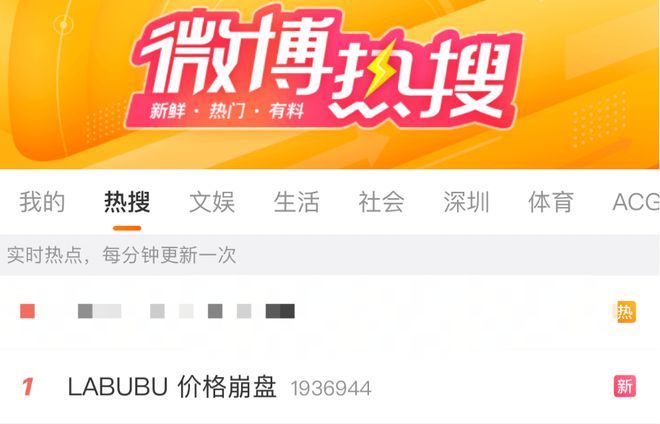
来源:中国青年报 19日,一则关于 "Labubu价格崩盘"的话题 冲上微博热搜榜第一 引发关注与热议 有分析称,Labubu价格大跌的原因是,泡泡玛特官方大量补货。自6月18日下午开始,泡泡玛特官方商 城小程序多次弹出相关商品的补货通知,同时在天猫官方旗舰店、抖音潮玩直播间等也大量放货。 受泡泡玛特官方大量补货影响,Labubu在二手市场的交易价格突然暴跌。 另据某潮玩二手交易软件的数据,Labubu 3.0盲盒价格普遍下跌约50%,整盒(含6个盲盒)回收价从补 货前的1500—2800元大幅跌至650—800元。 另据第一财经,泡泡玛特相关知情人士表示,泡泡玛特相关产品的补货不会呈现出规律,也是在一定程 度上规避黄牛的影响。 6月18日之前,在泡泡玛特二手交易群里,Labubu3.0一端(整盒内含6个盲盒)的价格多在1100—1500 之间,而本次补货之后,不少卖家开出600元—900元的价格。一位专做潮玩直播间的"黄牛"表示:"现 在没有那么稀缺了,如果卖不完,只能自己玩了。" Labubu热潮之后,谁能俘获消费者的心? 近期,线上线下Labubu"一娃难求"成为常态,伦敦、首尔等地的发售现场,甚至因抢 ...
买个产品→买种心情,情绪消费崛起ing | 红杉爱生活
红杉汇· 2025-06-19 14:16
Core Viewpoint - The article highlights the growing trend of "emotional consumption" among young consumers, emphasizing their unique purchasing behaviors driven by personal satisfaction and self-expression [2][4][7]. Group 1: Trend of Emotional Consumption - Young consumers are increasingly influenced by emotional value in their purchasing decisions, seeking products that resonate with their individuality and provide joy [2][4]. - The "潮玩" (trendy toys) market in China has seen significant growth, with market value increasing from 6.3 billion yuan in 2015 to 60 billion yuan in 2023, and projected to reach 110.1 billion yuan by 2026 [4]. - The popularity of products like LABUBU, which embodies a "cute-ugly" aesthetic, reflects the desire of Generation Z for unique and non-conformist expressions [4][5]. Group 2: The "谷子" Economy - The "谷子" economy, referring to merchandise derived from popular media, is projected to reach a market size of 168.9 billion yuan in 2024, growing over 40% from 2023 [7]. - This segment thrives on the emotional connection fans have with their favorite characters and stories, serving as a medium for social interaction among enthusiasts [7]. Group 3: Pet Economy - The pet industry is booming, with the number of pet dogs and cats in urban areas expected to exceed 120 million by 2024, indicating a strong trend among young people to treat pets as family members [8][9]. - Young pet owners are increasingly focused on high-quality, nutritious pet food and personalized services, driving a shift towards premium products in the pet market [9][10]. Group 4: Home Renovation Trends - The home renovation trend among young renters is characterized by a focus on aesthetic improvements and personalized spaces, with a significant online presence on platforms like Xiaohongshu [11][12]. - Young consumers prioritize cost-effectiveness while also being willing to invest in high-quality, stylish home decor items [16]. Group 5: New Tea Beverage Market - The new tea beverage market has become a social currency among young people, with brands rapidly emerging to cater to diverse tastes and preferences [17][18]. - The emotional satisfaction derived from these beverages contributes to their popularity, as they serve as a means to alleviate stress and enhance social interactions [18]. Group 6: Light Outdoor Activities - The "light outdoor" trend is gaining traction, with activities like camping and short trips becoming popular among young consumers seeking immediate enjoyment and relaxation [21][22]. - The camping economy is projected to reach nearly 214 billion yuan in 2024, reflecting a growing interest in outdoor experiences as a form of social engagement [21]. Group 7: Emotional Healing Products - There is a rising demand for products and services that address emotional well-being, including mindfulness and therapeutic offerings, as young consumers seek comfort amid various pressures [23]. - The willingness to spend on emotional value indicates a shift in consumer behavior, with a focus on experiences that enhance mental health and happiness [23].

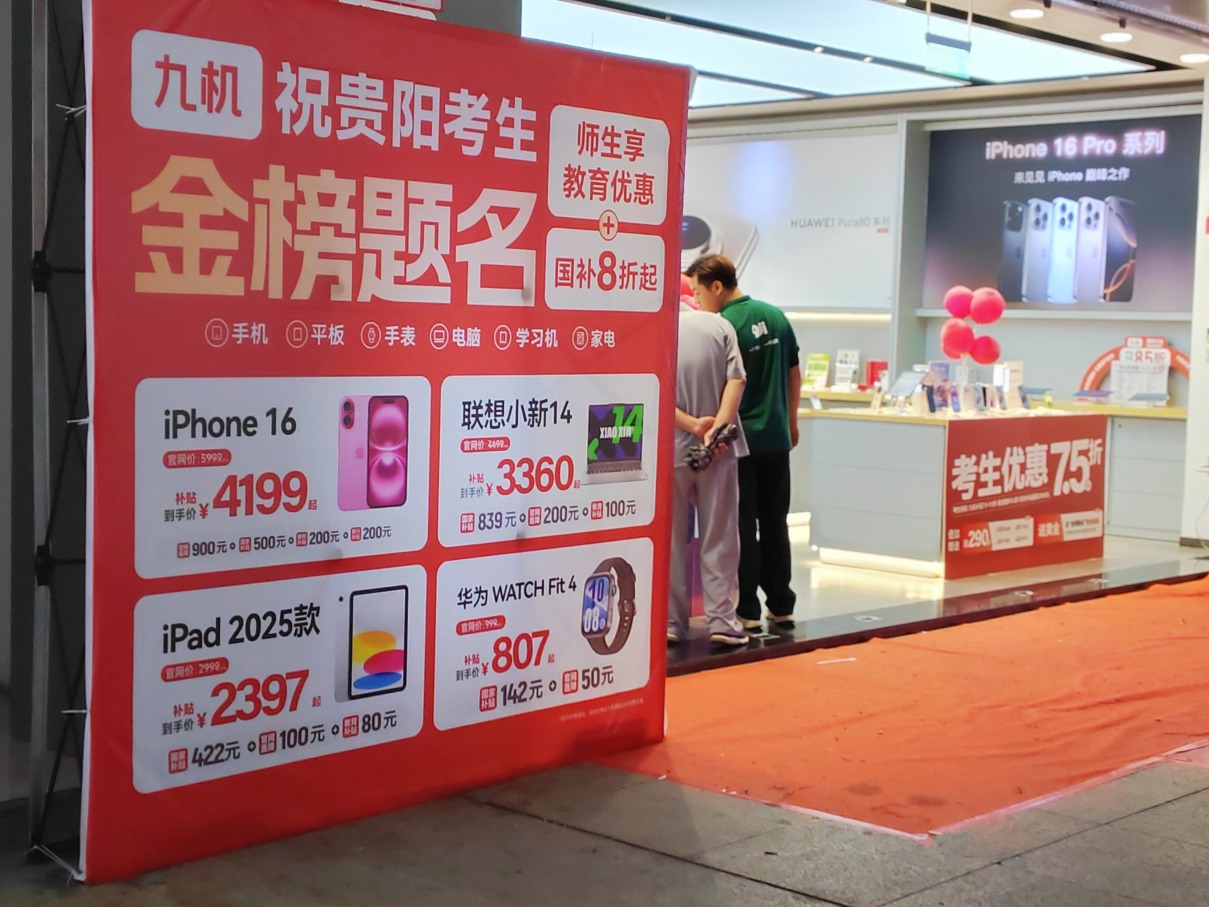
“考后经济”升温,透出青年消费新趋势
Xin Hua She· 2025-06-19 13:43
Core Insights - The "post-exam economy" is emerging as a significant trend among high school graduates, characterized by a surge in consumption related to travel, electronic products, and personal development activities [1][8]. Travel Consumption - High school graduates are increasingly engaging in emotional consumption, with travel being a primary focus. For instance, a graduate from Hubei took a spontaneous trip to Chongqing right after the exams, benefiting from various discounts offered to graduates [2][3]. - Data from Ctrip indicates that travel product bookings surged by 88% from June 9 to June 11, with many graduates opting for immediate travel post-exams, viewing it as a rite of passage [3]. Electronic Products - There is a notable increase in "reward-based consumption," particularly in electronic products such as smartphones, computers, and tablets, as parents purchase these items as rewards for their children after exams. Sales of these products have peaked during this period [4]. - Promotions during the 618 shopping festival have further boosted sales, with some products seeing a sales increase of 40% to 50% [4]. Personal Development - Graduates are also focusing on personal development activities, such as obtaining driving licenses and engaging in fitness training. Many graduates are enrolling in driving schools and gyms to prepare for their next life stages [6]. - The demand for corrective procedures, such as vision and dental corrections, has also risen, with Meituan reporting a 108% increase in vision surgery orders and nearly 30% growth in dental procedures [7][8]. Market Trends - The consumption preferences of high school graduates are shifting towards personalized and experiential products, driving market upgrades and product iterations [5]. - The "post-exam economy" is not just a short-term consumption spike but a reflection of the evolving needs and preferences of young consumers, suggesting a need for businesses to adapt and enhance their offerings [8].