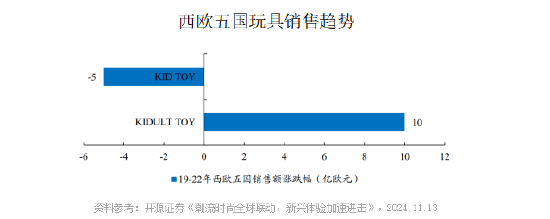
情绪消费

Search documents
【时代风口】 泡泡玛特重塑潮玩格局 情绪消费走出现象级发展曲线
Zheng Quan Shi Bao· 2025-06-12 17:46
Group 1 - The core viewpoint of the articles highlights the phenomenon of emotional consumption, exemplified by the success of Pop Mart, which has transformed niche collectibles into mainstream consumer products, achieving significant revenue growth and market influence [2][3] - Pop Mart's revenue for 2024 is projected to be approximately 13.04 billion RMB, representing a year-on-year increase of 106.9%, and its market capitalization has surpassed that of Japan's Sanrio, indicating a shift in the global toy market dynamics [2] - The company's business model focuses on providing instant emotional value through affordable toys, appealing to consumers' emotional needs and driving demand through a combination of collectibility and social currency [2][3] Group 2 - Emotional consumption is characterized by impulsive purchasing decisions aimed at fulfilling immediate emotional needs, which has contributed to the rise of brands like Pop Mart in a fast-paced lifestyle [3] - The success of Pop Mart reflects a broader shift in consumer behavior from functional needs to the pursuit of symbolic value, aligning with the theories of consumer society proposed by French philosopher Jean Baudrillard [3] - The rise of Pop Mart signifies a cultural shift among the younger generation, particularly Generation Z, who are redefining the commercial landscape from material consumption to emotional engagement [3]


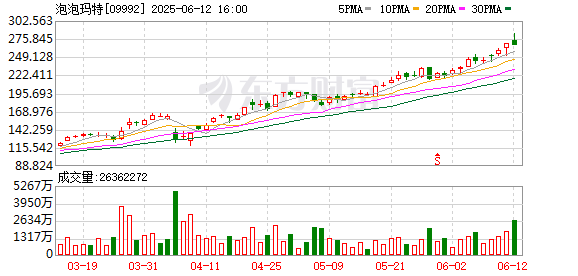
潮玩连锁店专家交流
2025-06-12 15:07
Summary of the Conference Call Company and Industry Overview - **Company**: Cool Play (酷乐潮玩) - **Industry**: Retail, specifically in the toy and trendy goods sector Key Points and Arguments 1. **Growth Strategy**: Cool Play maintains growth through emotional consumption products and a low-price strategy during economic downturns, with rapid expansion in cities like Wuhan and Changsha in 2023, indicating its potential to navigate economic cycles [1][4] 2. **Store Expansion Plans**: After rapid expansion in 2018, the company has adopted a cautious approach post-2023, planning to open no more than 30 new stores in 2025, reflecting a conservative industry outlook on market recovery [1][9][18] 3. **Sales Recovery**: Single-store sales have recovered to approximately 90% year-on-year, with average sales per store around 410,000 to 420,000 yuan [10] 4. **Store Characteristics**: Typical store size is about 200 square meters, with 2,500 to 3,000 SKUs, primarily categorized into toys (60%), daily necessities (20%), and trendy accessories (30%) [11][12] 5. **Profit Margins**: Profit margins vary by product category, with children's toys at 40%-60%, two-dimensional products at 35%-40%, and trendy accessories potentially exceeding 60% through promotions [13] 6. **IP Product Sourcing**: The company negotiates directly with IP holders or sources from authorized small brands, with high-profile IPs generally yielding lower margins due to higher costs [14][15] 7. **Market Competitors**: Major competitors include Miniso and GARM Party, with Cool Play ranking third in sales but having a higher average sales per store compared to competitors [19][20] 8. **Profitability Comparison**: Cool Play's net profit margin is in the double digits (approximately 12%-13%), while Miniso's is around 40%, highlighting Cool Play's more conservative growth strategy without external capital [21] 9. **International Expansion**: The company is focusing on international market expansion, particularly in Southeast Asia, where sales have reached three times that of domestic sales, with plans to enter the Thai market in 2025 [22] 10. **Supply Chain Advantages**: China's supply chain complexity and efficiency provide a competitive edge, allowing brands to meet consumer demands effectively [23] Additional Important Insights 1. **Trends in the Grocery Sector**: The grocery sector in China is experiencing positive growth, particularly during economic downturns, with a focus on emotional consumption products [3] 2. **Blind Box Market Decline**: The blind box market has rapidly shrunk, with only a few brands like Pop Mart remaining active, indicating a shift in consumer preferences [27] 3. **Impact of COVID-19**: The pandemic led to a temporary closure of underperforming stores, but the subsequent drop in rental prices has created opportunities for grocery stores to expand [7][8] 4. **Consumer Behavior**: Demand for children's products remains stable despite economic fluctuations, indicating resilience in this segment [17] 5. **Future Challenges**: The retail industry faces challenges, particularly in shopping centers where rising rents may hinder growth, while smaller discount and convenience stores are expected to thrive [61]

洞察消费需求 把握市场动向
Bei Ke Cai Jing· 2025-06-12 07:45
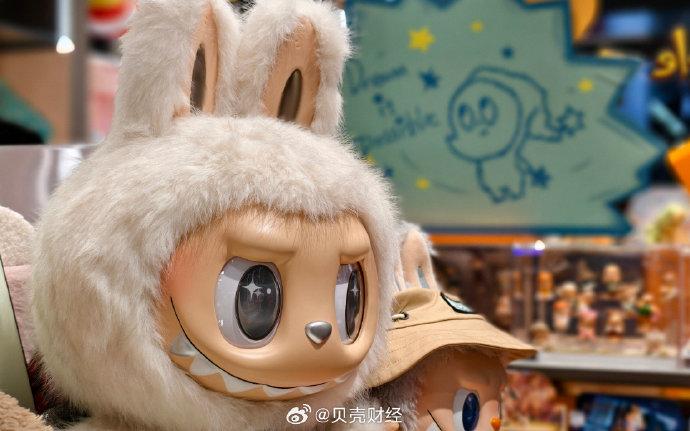
Group 1 - The core viewpoint of the articles highlights the rise of the "emotional value" driven consumption in China, particularly in the context of the "trendy toy economy" and the shift towards personalized and experiential consumption among younger consumers [1][2] - The company Bubble Mart has successfully tapped into this trend by offering unique IP characters like LABUBU, which resonate with young consumers' aesthetic preferences and emotional needs, leading to a significant increase in demand [1] - In the first quarter of this year, Bubble Mart's overseas business revenue saw a remarkable year-on-year growth of over 475%, indicating strong international interest in its products [1] Group 2 - The shift in consumer behavior from a focus on practicality to an emphasis on emotional resonance and psychological satisfaction is driving the growth of new consumption models, including the trendy toy economy and "guzi economy" [2] - The emotional consumption market in China is projected to exceed 20 trillion yuan by 2025, reflecting the increasing importance of emotional value in consumer spending [2]
国盛证券:2024年市场规模增速达30% Z世代情绪消费催生谷子经济新蓝海
Zhi Tong Cai Jing· 2025-06-12 01:33
Core Viewpoint - The millet market is experiencing rapid growth driven by the popularity of ACG (Anime, Comic, and Games) culture and the expansion of its consumer base, with a projected growth rate of 30% year-on-year in 2024 [1] Industry Characteristics - The rapid rise of the millet economy is attributed to the matching of supply and demand, with the female Gen Z being the main consumer group, driven by emotional consumption needs and the rise of quality IPs [1] - The growth is supported by the emergence of quality supply, including the rise of domestic animation IPs and the concentration of millet stores in the market [1] Business Model - The millet economy's value chain is structured into three main segments: upstream IP and raw material supply, midstream product development, and downstream diversified sales [2] - Upstream, IP development is the "heart" of the millet economy, with strong bargaining power and short authorization periods [2] - Midstream participants are numerous but concentrated in specific segments, while downstream sales channels include online, offline, and second-hand markets, with a focus on core business districts [2] - The overall markup in the millet economy's value chain is high, with substantial profit margins across all segments [2] Future Development - The macroeconomic environment and supply-demand alignment are expected to drive significant growth in the millet economy, similar to trends observed in the Japanese market [3] - The current economic foundation and demographic structure in China provide fertile ground for the development of the millet economy, with increasing IP supply and expanding audience demographics [3] - There remains considerable potential for per capita consumption growth compared to developed countries [3]
2025年轻人情绪消费趋势报告:为新奇付费 当代年轻人的精神快充
北京抖音信息服务· 2025-06-12 01:23
Investment Rating - The report indicates a positive outlook on the emotional consumption market, predicting significant growth in related industries [28][27]. Core Insights - Emotional consumption is increasingly recognized as a vital aspect of young people's spending habits, driven by the need for immediate emotional relief and self-expression [10][18]. - The emotional consumption market in China is expected to exceed 2 trillion yuan by 2025, with a compound annual growth rate of 12% since 2013 [28][27]. - Young consumers are willing to pay a premium for products that provide emotional value, with 90% expressing a readiness to spend more for emotional satisfaction [21][27]. Summary by Sections Section 1: Current Consumption Trends - 88.2% of young people report feeling stressed, leading to a rise in consumption behaviors that provide immediate positive feedback [4][7]. - Nearly 60% of consumers believe that spending helps alleviate stress, highlighting the importance of emotional products [8][21]. - Young consumers allocate nearly 30% of their spending to interests, indicating that consumption is a form of self-expression [10][14]. Section 2: Emotional Consumption Market Growth - The global healing economy is projected to reach $7 trillion by 2025, with emotional consumption being a key component [28]. - The report highlights rapid growth in sectors such as trendy toys, cultural tourism, and pet-related products, all benefiting from the emotional consumption trend [27][30]. - The trendy toy market in China is expected to reach 90 billion yuan in 2024, with a 14% annual growth rate [30]. Section 3: Consumer Behavior and Preferences - Young consumers are increasingly drawn to unique and quirky products that provide emotional satisfaction, often referred to as "spiritual fast charging" [33][34]. - The popularity of stress-relief products, such as fidget toys, has surged, with significant engagement on social media platforms [35][36]. - Emotional consumption is characterized by a shift towards instant gratification, with young people prioritizing experiences and products that offer immediate joy [18][19]. Section 4: Demographic Insights - The report categorizes young consumers into five distinct emotional consumption personas, each reflecting different motivations and spending behaviors [41][42]. - These personas include individuals who seek emotional release, self-reward, and novelty, showcasing the diverse motivations behind emotional spending [41][42]. Section 5: Future Outlook - The report anticipates continued growth in the emotional consumption market, driven by evolving consumer preferences and the increasing importance of emotional well-being [27][28]. - Platforms like Douyin (TikTok) are playing a crucial role in shaping trends and facilitating the discovery of new emotional products [106][108].
在北京景点「摆摊」拍照的年轻人,月入2万元?
36氪· 2025-06-11 23:48
Core Viewpoint - The article discusses the rise of street photography as a new employment trend among young people in China, driven by the demand for personalized and shareable experiences in the tourism sector, reflecting a shift towards "emotional consumption" [3][13][15]. Group 1: Employment Trends - Many young individuals are transitioning from traditional jobs to street photography, which offers flexibility and aligns with their desire for self-expression and social sharing [22][23]. - The article highlights various backgrounds of photographers, including former engineers, fitness trainers, and salespeople, indicating a diverse workforce entering this field [10][12][20]. - The income from street photography can vary significantly, with some photographers earning between 200 to 2,000 yuan per day, depending on the season and location [10][12][19]. Group 2: Consumer Behavior - Young consumers are increasingly engaging in "emotional consumption," seeking experiences that provide immediate gratification and social validation through platforms like social media [15][16]. - The trend of hiring photographers at tourist spots is particularly popular among young women and couples, who prefer professional photos over self-taken ones [14][15]. - The article notes that the demand for commercial photography services has surged, especially during peak tourist seasons, but has also faced fluctuations as consumer preferences evolve [19][22]. Group 3: Industry Challenges - The street photography industry faces challenges such as competition, income instability, and a lack of professional protections like social security and labor contracts [23][24]. - Some tourist sites have begun to restrict commercial photography, which could impact the availability of work for street photographers [21][23]. - The article suggests that policy support and industry standards could help stabilize this emerging employment sector and improve working conditions for photographers [23][24].

【西街观察】LABUBU不止于情绪经济学
Bei Jing Shang Bao· 2025-06-11 15:28
Group 1 - The core idea of the article revolves around the success of LABUBU, a product that has become a cultural phenomenon among Generation Z consumers, driven by emotional consumption and a desire for social connection [1][2][4] - LABUBU has transformed from a simple toy into a multifaceted emotional value container, appealing to consumers' fantasies of wealth and creating a micro-speculative market [3][4] - The rise of LABUBU highlights the importance of creating intellectual property (IP) as a key factor in the success of Chinese brands in the global market, showcasing not only manufacturing capabilities but also creativity and cultural confidence [4] Group 2 - The emotional consumption trend among young consumers has shifted the focus from functional value to emotional and social value, leading to a willingness to spend more for self-satisfaction and social presence [1][3] - The phenomenon of LABUBU has attracted a wide range of buyers, creating a speculative environment where not everyone can succeed, but many are eager to participate [2][3] - The sustainability of LABUBU's success and the potential for replicating its model remain uncertain, indicating a need for further exploration and development within the industry [4]
专家访谈汇总:包上没有LABUBU,爱马仕就不叫爱马仕?
阿尔法工场研究院· 2025-06-11 13:15
Group 1: Gaming Industry in Zhejiang - Zhejiang Province plans to create a gaming industry cluster centered around Hangzhou, integrating cities like Ningbo and Shaoxing, and establishing multiple cultural export platforms such as national cultural export bases and digital trade demonstration zones [1] - The initiative aims to support the development of high-quality original games, particularly AAA titles, and promote collaboration with smart hardware manufacturers to facilitate the international expansion of AR/VR devices [1] - The ultimate goal is to enhance industry aggregation, optimize the ecosystem, and increase policy support to position Zhejiang as a significant player in the global digital entertainment industry, thereby boosting the international competitiveness of Chinese gaming products [1] Group 2: Automotive Industry Developments - Major automotive companies, including GAC Group, FAW Group, Dongfeng Motor, BYD, Great Wall Motors, and Xiaomi, have announced a policy change to stabilize supply chains amid a challenging commercial environment and intense price competition [2][3] - The policy aims to alleviate the negative impacts of "involution" competition by shortening payment terms to ensure efficient capital turnover for suppliers, thereby enhancing the stability and collaboration within the industry [2] - The China Automobile Manufacturers Association reported that from January to May, sales of Chinese brand passenger cars reached 7.562 million units, a year-on-year increase of 26.3%, while traditional fuel vehicle sales declined by 10.1% [3] Group 3: Emotional Value in Consumer Products - Pop Mart's stock price has surged over 11 times since early 2024, highlighting the significant potential of the trendy toy industry and emotional consumption [4] - By deeply developing IPs like LABUBU, Pop Mart has created engaging toys that connect emotionally with consumers, establishing products with emotional value [4] - The blind box mechanism employed by Pop Mart generates uncertainty and anticipation, while limited and hidden editions enhance scarcity, driving strong consumer demand [4] Group 4: Impact of Autonomous Driving on Insurance - The current insurance system is based on driver behavior, but with autonomous driving, where vehicles are controlled by computers and humans are merely passengers, the issue of liability becomes complex [5] - Companies like Tesla, Alphabet, and Aurora Innovation are recommended for attention as beneficiaries of advancements in autonomous driving technology, along with insurance companies like Progressive that adapt to industry changes [5] - The technological progress in autonomous driving may provide long-term growth potential for related companies that embrace new technologies and industry shifts [5]
华泰证券:看好2025年大消费板块,建议关注四条消费板块结构性投资主线
news flash· 2025-06-11 09:51
Core Viewpoint - Huatai Securities remains optimistic about the large consumption sector in 2025, suggesting four structural investment themes within the consumption sector [1] Group 1: New Consumption Investment Opportunities - Head brands in beauty and personal care, as well as domestic fashion, are achieving market share breakthroughs through product innovation and omnichannel strategies [1] Group 2: High-Growth Emotional Consumption Sector - The market for emotional consumption, including trendy toys, pet economy, and immersive services, is building a high-prosperity market worth hundreds of billions through social and scenario-based consumption models [1] Group 3: Booming Silver Economy - The silver economy, focusing on age-friendly smart appliances and elderly education tourism, is expected to enter a golden development period supported by policy and changing perceptions [1] Group 4: "AI+" Consumption Technology Empowerment Opportunities - Companies providing computing power services and solutions, along with leading consumer stocks that are first to implement these technologies, show significant growth potential [1]

新消费潮词——“Kidult 经济”,到底是什么?
Xin Lang Ji Jin· 2025-06-11 08:47
Group 1: Kidult Economy Overview - The term "Kidult" combines "kid" and "adult," referring to adults aged 20 to 50 who are interested in traditional children's hobbies, leading to the emergence of a unique "Kidult economy" [2] - The Kidult economy is driven by two main factors: the need for stress relief and the desire for identity recognition among adults, with social media playing a significant role in sharing experiences and collections [2] - Market data shows that while overall toy sales in the U.S. declined by 8% in 2023, the adult consumer segment grew by 8%, accounting for approximately $6.7 billion in sales, demonstrating strong resilience [2] Group 2: Kidult Economy in China - In China, the Kidult economy is primarily driven by Generation Z and Millennials, becoming one of the fastest-growing segments in the consumer market [4] - A survey conducted by JD.com revealed that 56.8% of adults purchased toys for themselves, and 51.1% planned to celebrate Children's Day for themselves, indicating a shift in consumer behavior [4] Group 3: Emotional Economy - The Kidult economy is a branch of the broader "emotional economy," which emphasizes personalized, differentiated, and emotional consumption experiences, contrasting with traditional consumption focused on functionality [6] - According to a report, 42% of surveyed consumers indicated that their shopping motivation includes "pleasing oneself" or "enhancing mood," highlighting the rise of emotional consumption [6] Group 4: Impact on Businesses and Industries - The emotional value consumption presents both challenges and opportunities for businesses, potentially enhancing operational capabilities, consumer guidance, and profitability through increased consumer loyalty [6] - The emotional economy manifests in three main forms: "service + consumption value," "IP + self-pleasure consumption," and "social + pleasing others consumption," affecting various industries such as dining, retail, and cosmetics [6][9] - The emotional consumption market in China is projected to exceed 20 trillion yuan, indicating a significant shift towards mainstream acceptance of emotional economy concepts [9]