
价值竞争

Search documents
抢占发展新机遇,奇瑞商用车2026合作伙伴大会盛大启幕
Zhong Guo Qi Che Bao Wang· 2025-12-26 02:17
Core Viewpoint - The Chery Commercial Vehicle 2026 Partner Conference aims to redefine the industry landscape through innovation and intelligence, focusing on the strategic vision of becoming the "global leader in new energy commercial vehicles" while enhancing collaboration with partners [4][15]. Group 1: Performance and Growth - In 2025, Chery Commercial Vehicles achieved a remarkable 67% year-on-year growth, reflecting strong market recognition and effective strategic planning [2][4]. Group 2: Technological Advancements - The company is upgrading its technology strategy by leveraging Chery Group's global R&D system, integrating core technologies such as intelligent networking, efficient new energy powertrains, and safety features to meet diverse user demands [6][8]. - Chery Commercial Vehicles is focusing on six core technology areas: intelligent driving, intelligent cabins, electric drive bridges, integrated controllers, vehicle networking, and design [6][8]. Group 3: Product and Market Strategy - The conference will showcase a complete value chain from product innovation to industrial ecology, covering six business segments: heavy-duty trucks, light-duty trucks, vans, unmanned vehicles, pickups, and buses, with a total of 75 exhibits [8][15]. - The event will highlight new product launches and solutions tailored for high-end logistics, urban delivery, and engineering construction [8][15]. Group 4: Ecosystem Development - Chery's ecosystem encompasses eight business scenarios, including leasing, used vehicles, vehicle networking, unmanned vehicles, services, spare parts, derivative businesses, and international operations, aiming to create a commercial value closed loop [13][15]. Group 5: Future Vision and Leadership - The conference will introduce Chery Commercial Vehicle's new leadership team, which aims for a sales target of one million units by 2030, focusing on product structure optimization, technological innovation, and global expansion [15][16]. - The event serves as a platform for exploring industry transformation opportunities and sustainable development, marking a significant milestone in defining the future direction of commercial vehicles [16].


伍强智能科技董事长尹军琪:"价格"——“价值”,转变思路,走高质量发展之路
Sou Hu Cai Jing· 2025-12-25 08:40
Core Viewpoint - The article emphasizes the detrimental effects of price wars in the logistics industry, advocating for a shift from price competition to value competition to foster sustainable development and industry health [1][10]. Group 1: Causes of Price Wars - Price wars are primarily driven by overcapacity in the industry, leading to a supply-demand imbalance, where companies resort to lowering prices to survive [4][5]. - Factors contributing to price wars include product homogeneity, lack of competitive advantages, and pressures from market growth not meeting corporate growth expectations [4][5]. - Companies facing financial pressures, such as those preparing for IPOs or those without financing, often engage in price wars as a last resort for survival [4][5]. Group 2: Consequences of Price Wars - Price wars lead to a shrinking "effective market capacity," resulting in reduced employment opportunities within the industry, with estimates suggesting a potential loss of 30% to 50% of jobs in the logistics equipment sector [6]. - The competitive landscape becomes weakened as companies focus on cost-cutting measures rather than innovation, ultimately leading to a decline in market competitiveness [7][8]. - As price wars escalate, companies may compromise product quality to reduce costs, resulting in a market filled with low-quality products [7][8]. Group 3: The Illusion of Winners - Price wars create a multi-loss situation where suppliers lose their innovation capabilities and market competitiveness, often leading to a decline in brand reputation [8][9]. - Users who prioritize lower prices over quality may ultimately face negative consequences, as the quality of products and services deteriorates [9]. - The article stresses that maintaining a healthy industry requires mutual responsibility from both suppliers and users, highlighting the need for a balanced approach to competition [9]. Group 4: Understanding Value - The focus should shift from seeking the lowest prices to providing maximum value to users, ensuring that every investment is justified [10]. - Users must consider comprehensive comparisons of construction, equipment, and operations, as well as short-term and long-term costs and benefits when investing in logistics systems [13][14]. - The reliability and longevity of equipment are critical factors in evaluating value, as users often overlook the impact of product quality on overall costs [14]. Group 5: Strategies for Cost Reduction and Efficiency - Companies can enhance value through higher automation and flexibility in logistics systems, which can significantly improve operational efficiency [15][17]. - Standardization across various aspects of logistics can lead to better replicability and connectivity, maximizing industrial advantages [15]. - Optimizing processes and providing better solutions are essential for improving logistics systems, focusing on simplicity and reliability [17][18]. Group 6: Brand, Quality, and Service - From a supplier's perspective, brand, quality, and service are key indicators of value, and users should prioritize these over merely seeking lower prices [19]. - The lack of regulatory and certification mechanisms in the industry contributes to market chaos, necessitating a focus on quality and service in international markets [19]. - The article advocates for aligning Chinese standards with global standards to enhance the reputation of Chinese products abroad, moving away from reliance on price competition [19].

市说新语丨平台经济反“内卷”向无序价格行为“亮剑”
Sou Hu Cai Jing· 2025-12-24 07:03
着力规范互联网平台价格行为,将推动平台企业从价格竞争加快转向价值竞争,形成优质优价、良性竞 争的市场秩序,更好构建"共赢生态",支撑我国经济高质量发展。 ■郭锦辉 平台经济领域反"内卷"再次加码。近日,国家发展改革委、市场监管总局、国家网信办联合发布《互联 网平台价格行为规则》。我国平台经济正加快在规范中发展、在治理中转型升级。着力规范互联网平台 价格行为,将优化形成公开透明的价格环境,推动形成优质优价、良性竞争的市场秩序,更好构建良好 平台生态,推动平台经济创新和健康发展。 2025年以来,我国平台经济领域的反"内卷"呈现出"立法引领、监管约谈、平台整改"多措并举的态势。 修订后的《中华人民共和国反不正当竞争法》于2025年10月15日起施行,其明确规定,平台经营者不得 强制或者变相强制平台内经营者按照其定价规则,以低于成本的价格销售商品,扰乱市场竞争秩序。严 禁虚构原价、先涨后降、强制搭售等价格欺诈行为;计价单位须清晰标注,平台佣金等收费项目及标准 须在显著位置公示;杜绝恶意压价等不正当竞争行为……监管"利剑"直指扰乱市场秩序的行为。一些平 台企业被先后约谈,一批典型案例被曝光,对平台生态的健康发展起到了 ...



“以价换量”淡出!A股快递公司11月业绩分化依然明显
Mei Ri Jing Ji Xin Wen· 2025-12-23 12:45
Core Insights - November is the peak season for the express delivery industry in China, influenced by events like "Double 11" and overseas "Black Friday," making it a crucial indicator for the following year's market dynamics [1] Group 1: Company Performance - SF Express reported a revenue of 20.66 billion yuan in November, a year-on-year increase of 9.88%, with a business volume of 1.534 billion packages, up 20.13% [3] - YTO Express achieved a revenue of 6.474 billion yuan, growing 11.08% year-on-year, with a business volume of 2.886 billion packages, an increase of 13.55% [3] - Shentong Express saw a significant revenue increase of 33.10% to 6.028 billion yuan, with a business volume of 2.502 billion packages, up 14.67% [3][4] - Yunda Express reported a slight revenue increase of 2.17% to 4.698 billion yuan, but its business volume declined by 4.19% to 2.175 billion packages, making it the only major company to experience a decrease in volume [5] Group 2: Industry Trends - The express delivery industry is witnessing a clear performance divergence among major listed companies, with a shift from price competition to a focus on service quality and logistics efficiency [2] - The "anti-involution" trend has led to a recovery in single-package revenue, with a reduction in price wars that have plagued the industry [7] - A price increase trend began in August 2025, with November data showing improvements in single-package revenue compared to July, indicating a stabilization in pricing [8] - The industry is transitioning from a model of "price for volume" to one of "value competition," with a focus on differentiated services and cost efficiency [9]



政策续航+技术赋能,华帝引领厨电行业迈入“价值竞争”新时代
Xin Lang Cai Jing· 2025-12-23 07:19
Core Insights - The national "trade-in" subsidy policy for consumer goods is entering its final phase, with 231 billion yuan of the 300 billion yuan allocated for 2025 already disbursed, and the application channel will close on December 31, 2025 [1][10] - The central economic work conference indicated that the subsidy will continue into 2026, further optimizing its implementation to boost domestic consumption [1][10] - This policy extension represents a critical opportunity for the kitchen appliance industry to shift from "scale expansion" to "value competition" [10][19] Industry Developments - The coverage of the subsidy policy has expanded to include new kitchen appliance categories such as microwaves, water purifiers, and dishwashers, with significant effects observed in the market [12][15] - From January to November 2025, over 128 million home appliances were traded in under the subsidy program, demonstrating its effectiveness [12] - The subsidy amount for 2026 is expected to increase, with some forecasts suggesting it could reach 500 billion yuan, and the focus will shift towards high-energy efficiency and smart products [13][19] Company Actions - Vatti, as a leading brand in the kitchen appliance sector, is actively responding to the policy by launching high-end products that meet subsidy standards, with R&D investment reaching 172 million yuan in the first three quarters of 2025 [12][15] - The company has introduced a series of services to lower the barriers for consumers, including free installation and removal of old appliances [12][15] - Vatti's E6095ZS model has won the prestigious Red Top Award, highlighting its innovative design and alignment with the "green and smart" direction of the 2026 subsidy policy [16][19] Product Innovations - The E6095ZS features a 22.5 cm ultra-thin design, integrating seamlessly with kitchen cabinetry, and offers advanced functionalities such as a microwave radar sensing system and AI smoke sensing technology [16][18] - The product includes a PM2.5 sensor for real-time air quality monitoring and an upgraded cleaning system that achieves a 99.9% sterilization rate [18][19] - Vatti's commitment to sustainability is evident, with its rooftop solar project generating 32% of the company's total electricity consumption [19]


2025年光伏行业攻坚战: 从价格厮杀到价值重构
Zhong Guo Zheng Quan Bao· 2025-12-21 23:45
Core Insights - The photovoltaic industry is transitioning from a price war to a focus on value creation, with "anti-involution" becoming the consensus for overcoming challenges in 2025 [1][2][3] Industry Overview - The industry has faced severe losses due to overcapacity, with losses reaching 31.039 billion yuan in the first three quarters of 2025, and a loss of 6.422 billion yuan in Q3, despite a 46.7% reduction from Q2 [2] - The utilization rate of photovoltaic power generation in China was only 94.9% from January to October, a decrease of 2.2 percentage points year-on-year, indicating increasing pressure on consumption [2] Market Dynamics - The "anti-involution" consensus has led to the establishment of a multi-crystalline silicon capacity integration acquisition platform, promoting capacity optimization through a "debt acquisition + flexible capacity utilization" model [3] - The industry is shifting from a focus on scale expansion to value creation, driven by the "136 Document" which encourages a market-oriented transformation [3][4] Technological Innovation - Companies are focusing on technological innovation to create sustainable value for customers, with an emphasis on optimizing product performance and reducing impurities in silicon wafers [4][5] - The current evaluation system in the photovoltaic industry is criticized for being short-sighted, focusing too much on standard testing conditions rather than real-world performance metrics [5] Regulatory Environment - The Ministry of Industry and Information Technology plans to eliminate outdated capacity by 2026 through market-oriented and legal means, while also establishing a price monitoring mechanism [6] - The National Energy Administration is accelerating the implementation of the "136 Document" to facilitate the transition from guaranteed quantity and price to market-driven dynamics [6] Future Outlook - The photovoltaic industry is expected to see a recovery in the second half of 2026, driven by efficiency and power improvements, with companies that possess these advantages likely to navigate the cycle successfully [9] - The industry's ability to exit the adjustment period depends on three key variables: the execution of industry self-discipline, the speed of technological innovation, and the improvement of policy and market mechanisms [8][9]


2025年光伏行业攻坚战:从价格厮杀到价值重构
Zhong Guo Zheng Quan Bao· 2025-12-21 20:12
2025年,"反内卷"成为光伏行业摆脱困境的核心共识与行动纲领。历经约两年产能过剩引发的惨烈价格 战,行业已全面进入深度调整期。从政策引导市场化转型到企业布局价值创造,从产业链价格触底回升 到产能出清持续深化,光伏行业正经历一场从"规模竞赛"到"质量比拼"的转型攻坚。 当前,行业破内卷成效初显,但彻底走出调整期仍面临多重考验。多位受访的业内人士对中国证券报记 者表示,这场攻坚的成效将取决于行业自律的执行力度、技术创新的突破速度以及政策与市场机制的完 善程度,这三个关键变量决定着光伏行业能否真正走出调整期,迈向高质量发展的新阶段。 ● 本报记者 刘杨 从价格战泥潭到反内卷共识 过去一段时期,产能过剩引发的惨烈价格战,让光伏行业陷入"增量不增利"的恶性循环,整个产业链利 润被极度压缩。中国光伏行业协会数据显示,2025年前三季度光伏主产业链环节企业亏损达310.39亿 元,其中三季度亏损64.22亿元,虽较二季度收窄46.7%,但亏损面仍未根本扭转。 价格战的后遗症不仅体现在财务数据上,更侵蚀了行业发展的根基。记者调研了解到,当组件价格被压 至现金成本线附近,研发投入成为最先被削减的选项,技术创新陷入停滞,部分产 ...
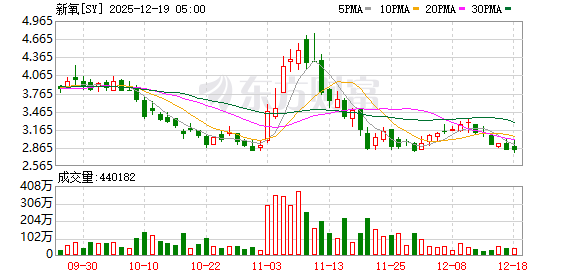
万元童颜针跌至千元内 你的“美”只值这点钱?业内:低价是行业整合期必然 信任与技术将是核心壁垒
Mei Ri Jing Ji Xin Wen· 2025-12-19 14:28
Core Insights - The launch of a group-buy price for the "童颜针" product at 996 yuan by New Oxygen's youth clinic disrupts the pricing structure of the light medical beauty industry, which previously had an average price above 10,000 yuan [2] - Industry experts believe that the low-price strategy is a natural phenomenon during the industry's consolidation phase, but long-term survival will depend on medical integrity, compliance, and user trust [2] Pricing and Competition - The low-price strategy initiated by New Oxygen reflects intensified competition in the light medical beauty sector, with various innovative materials emerging, such as agarose and PDRN [3] - Experts warn that current price competition is unhealthy, particularly for smaller institutions reliant on capital, and that future competitiveness should focus on proprietary technology, market education, and brand building [3][7] - The market for hyaluronic acid fillers dominates, accounting for 70% to 80% of the global market share, with its safety and long-lasting effects ensuring its continued prominence [3] Consumer Trends and Preferences - A report by Allergan Aesthetics indicates that 95% of hyaluronic acid filler users are satisfied with their results, and 78% of consumers prefer more natural aesthetic outcomes [4] - The evolution of hyaluronic acid products has led to a diverse product matrix, allowing for personalized aesthetic solutions [5] Industry Dynamics and Regulatory Environment - The light medical beauty industry is transitioning from a phase of rapid expansion to one of consolidation, with approximately 50,000 institutions competing, leading to increased industry concentration [7] - The competition is shifting from price wars to value-based competition focused on compliance, technology, and service, driven by stricter regulatory policies [8][9] Strategic Paths for Institutions - Chain operations are becoming a core choice for scalable development, allowing for resource sharing and enhanced brand influence [11] - Boutique clinics are gaining traction by offering specialized and personalized services, appealing to both ordinary and high-end clients [12] - The entry of state-owned capital is reshaping the industry landscape, providing compliance and credibility while private institutions focus on consumer medical markets [13] Consumer Behavior and Market Segmentation - Consumers are increasingly making value-based decisions, with safety, doctor expertise, and product brand becoming more important than price [15] - The current pricing structure is categorized into three segments: economic products under 5,000 yuan, mainstream products between 5,000 and 10,000 yuan, and high-end products above 10,000 yuan [14]

【乘联分会论坛】12月狭义乘用车零售预计230.0万辆,新能源预计138.0万辆
乘联分会· 2025-12-19 08:34
Core Viewpoint - The automotive market in China is experiencing a slowdown due to the withdrawal of replacement subsidies and consumer hesitation, with a notable decline in overall vehicle sales while the new energy vehicle (NEV) segment shows some resilience [2][7]. Group 1: November Market Review - As of mid-November, the retail sales of narrow-sense passenger vehicles reached 2.225 million units, a year-on-year decrease of 8.1% and a month-on-month decrease of 1.1% [2]. - In contrast, the retail sales of new energy narrow-sense passenger vehicles were 1.321 million units, showing a year-on-year growth of 4.2% and a month-on-month growth of 3.0%, with a market penetration rate of 59.3% [2]. Group 2: December Market Outlook - December is traditionally a peak season for the automotive market, with manufacturers leveraging the "Double Twelve" e-commerce event for promotions to boost annual sales targets [3]. - Despite the withdrawal of the old-for-new subsidy increasing consumer hesitation, the market is gradually returning to a seasonal norm due to year-end demand and expectations of reduced purchase tax subsidies [3]. Group 3: Manufacturer Sales Trends - Due to the significant adjustment of the old-for-new policy in November, most manufacturers have a neutral to conservative sales outlook for December, with major manufacturers maintaining or slightly increasing their retail targets compared to November [4]. - The estimated retail market size for December is approximately 2.3 million units, reflecting a month-on-month increase of 3.4% but a year-on-year decrease of 12.7%. The expected retail volume for new energy vehicles is around 1.38 million units, with a penetration rate of 60% [4]. Group 4: Weekly Sales Trends - In the first week of December, daily retail sales averaged 42,000 units, a year-on-year decline of 32.3% and a month-on-month decline of 7.8% [5]. - The second week saw an increase in daily retail sales to 67,000 units, a year-on-year decline of 16.8% but a month-on-month increase of 8.8% due to promotional efforts [5]. - The overall estimated retail market for December remains at 2.3 million units, with a month-on-month increase of 3.4% and a year-on-year decrease of 12.7% [5][6]. Group 5: Market Normalization Post-Policy Changes - The automotive market is currently in an adjustment phase following the exit of multiple consumer stimulus policies, with growth momentum shifting towards a demand-supply driven seasonal operation [7]. - As the new energy vehicle purchase tax subsidy transitions from full exemption to a 50% reduction, there has not been a significant "last-minute rush" effect observed in the market [7]. - Several automakers, including Weilai, Xiaopeng, and Aito, have introduced "tax coverage plans" to stabilize consumer expectations and mitigate market fluctuations caused by policy changes [7].

监管出手 为商用车行业良性发展立规定向
Zhong Guo Qi Che Bao Wang· 2025-12-18 01:58
Core Viewpoint - The National Market Supervision Administration has released the "Guidelines for Compliance of Pricing Behavior in the Automotive Industry (Draft for Comments)", aiming to regulate pricing behaviors throughout the automotive production and sales chain, addressing issues like price fraud and vicious competition, particularly in the commercial vehicle sector [1][2] Group 1: Regulatory Framework - The guidelines aim to unify regulatory rules and clarify legal boundaries for automotive production and sales enterprises, promoting compliance and protecting consumer rights [2][3] - The guidelines establish a comprehensive pricing compliance management system covering all aspects of automotive production and sales, focusing on both manufacturers and sales enterprises [2][3] Group 2: Pricing Control - A key focus is on price control at the production end, detailing compliance requirements for pricing strategies from vehicle manufacturing to sales, emphasizing cost-based pricing and market demand [3] - The guidelines specify high-risk behaviors such as below-cost sales and price collusion, providing clear criteria for identifying unfair pricing practices [3] Group 3: Consumer Protection - The guidelines enhance consumer rights protection by addressing issues like misleading promotions and lack of clear pricing in new car sales, encouraging the establishment of internal compliance management systems [3] Group 4: Industry Transformation - The commercial vehicle industry has faced challenges from low-price competition, leading to reduced profitability and innovation, with some companies selling below cost to gain market share [4][5] - The guidelines are expected to curb this low-price competition, steering the industry towards value competition and sustainable development [4][5] Group 5: Focus on Quality and Innovation - By regulating pricing behaviors, the guidelines will compel companies to shift focus towards improving product quality, enhancing technology research and development, and optimizing after-sales services [5][6] - The industry is moving towards a new competitive cycle centered on value, where product performance, reliability, and service quality will be critical [6]