
美国债务危机

Search documents
黄金走势推演与后市机会分析(2025.7.6)
Sou Hu Cai Jing· 2025-07-06 14:03
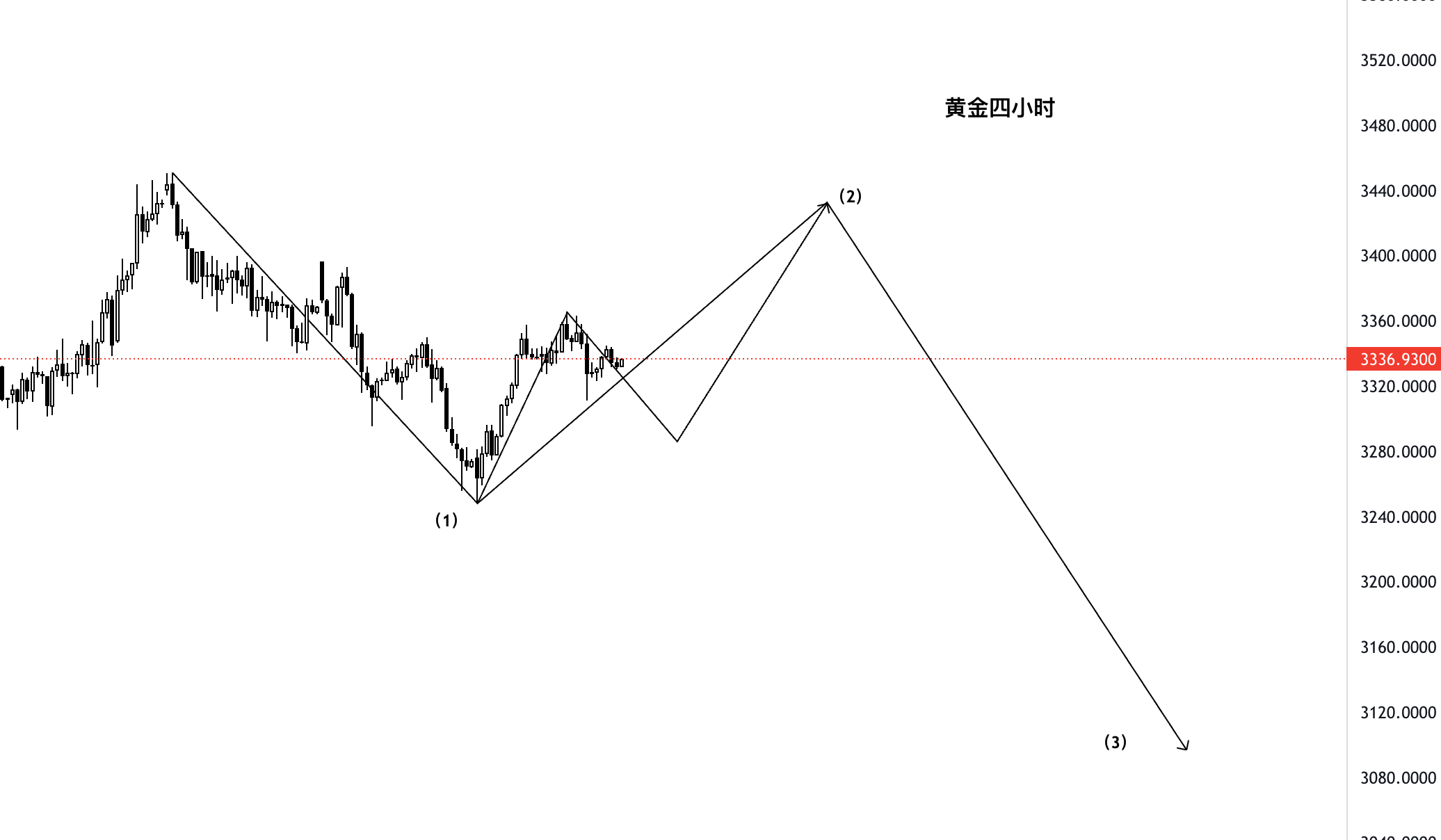
Core Viewpoint - The gold market experienced a three-day upward trend driven by safe-haven demand and a weak dollar, but faced a pullback due to stronger-than-expected U.S. non-farm payroll data, ultimately closing the week with a slight gain [1] Group 1: Fundamental Analysis - U.S. non-farm payroll data for June showed an increase of 147,000 jobs, surpassing the expected 111,000, with the unemployment rate dropping to 4.1%. This data weakened expectations for a Federal Reserve rate cut in July, leading to a significant drop in gold prices on Thursday [2] - Uncertainty surrounding Trump's tariff policy, with a 90-day tariff suspension period ending on July 9, has supported gold as a safe-haven asset while increasing market volatility [2] - The U.S. Congress passed a tax reform bill that will increase the federal deficit by $3.4 trillion over the next decade, with total U.S. debt exceeding $37 trillion. This rising sovereign debt diminishes the dollar's attractiveness and supports a long-term upward trend for gold [2] - Easing geopolitical tensions, particularly regarding the Russia-Ukraine conflict and progress in Iran nuclear negotiations, have reduced the geopolitical risk premium, putting some pressure on gold prices [2] Group 2: Upcoming Events - Key events to watch next week include the Reserve Bank of Australia's monetary policy decision on July 8, the release of the Federal Reserve's June FOMC meeting minutes on July 9, and the weekly initial jobless claims data on July 10. These events may provide insights into monetary policy and economic outlook, impacting gold prices [3] - July 9 marks the deadline for Trump's tariffs, with ongoing negotiations with major economies like Japan and India progressing slowly. The market anticipates potential threats of increased tariffs to compel concessions from other countries, although an extension of the deadline is also likely [3] Group 3: Technical Analysis - The gold market exhibited a fluctuating upward trend this week, closing with a bullish candlestick, aligning with the expectation of a near-term bottom and subsequent rebound [4] - The current market is in a corrective phase following a rise from a low of 3347 to a high of 3365, indicating a second wave adjustment within a larger upward structure. The focus will be on the progress of this correction, with anticipation for a subsequent third wave upward movement [5][7] - After the completion of the second wave rebound, attention will shift to potential opportunities in the third wave downward movement, which is a key focus for upcoming trading strategies [8]

美元储备地位动摇?鲍威尔表态背后的隐忧
Sou Hu Cai Jing· 2025-06-29 07:09
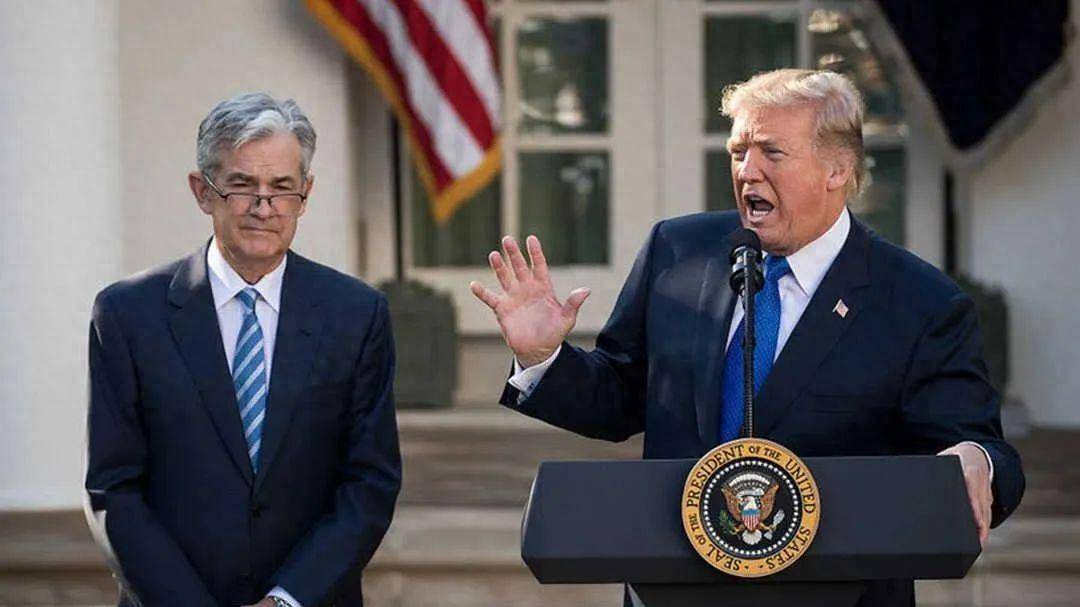
Core Viewpoint - Recent negative economic data from the United States has intensified expectations for a Federal Reserve interest rate cut, leading to a decline in the US dollar's value and raising concerns about its status as the global reserve currency [1][2]. Economic Data Summary - In May, the core PCE price index slightly exceeded expectations with a month-on-month increase of 0.2%, while consumer spending fell by 0.3%, marking the largest decline since the beginning of the year [1]. - The final GDP for Q1 and new home sales data released on June 25 were disappointing, further fueling rate cut expectations [1]. - Market data indicates a 27% probability for a rate cut in July and an 84% probability for September [1]. Dollar Performance Summary - The US dollar index has fallen for five consecutive trading days, dropping below the 97 mark, reaching its lowest point since March 2022 [1]. - Year-to-date, the dollar has depreciated by 10.34%, with a 4.59% decline in the last two months [1]. Factors Influencing Dollar Decline - The strong performance of the euro has exerted direct pressure on the dollar, as the euro accounts for over 60% of the dollar index [1]. - A historic agreement among NATO members to significantly increase defense spending has injected new vitality into the European economy, further supporting the euro's appreciation [1]. Federal Reserve's Stance - Federal Reserve Chairman Jerome Powell has been cautious about rate cuts, citing concerns over inflation pressures from trade wars, and has not provided clear guidance to investors [2]. - Powell's recent comments during a congressional hearing suggested a potential openness to rate cuts, but his statements remain ambiguous [2]. Political Pressure - Former President Trump has expressed strong dissatisfaction with Powell's reluctance to cut rates, arguing that the lack of action has negatively impacted the US economy and contributed to the dollar's decline [4]. - The conflicting economic data in the US has created uncertainty for investors regarding the future value of the dollar, exacerbating its downward trend [4]. Concerns Over Dollar's Reserve Status - Powell defended the dollar's status as a safe-haven currency during congressional hearings, asserting its continued strength as the world's largest reserve currency [4]. - Despite his confidence, there are underlying concerns reflected in his statements regarding the sustainability of US federal debt and the potential impact of the "Big Beautiful Bill" on the dollar's reserve currency status [5].

狂的没边了!黑莉扬言:如果不买美债,她当选总统后一定报复中国
Sou Hu Cai Jing· 2025-06-24 05:38
近年来,美国对华政策越来越走向极端。 从特朗普政府大张旗鼓地发起"贸易战",到疫情期间美国不断指责中国,再到拜登政府加大对华制裁力度,美国将中国视作"威胁"的言论变得越来越直白、 公开。特别是在一些美国政客眼中,宣扬"中国威胁论",甚至成为"反华先锋",似乎是为自己政治生涯获取关注和话语权的捷径。为了迎合这一政治需要, 某些政客频频发表无视事实、充满荒谬的言论。 近日,美国总统竞选人妮基·黑莉更是公开表示,若中国停止购买美国国债,她将在当选总统后对中国采取报复和打击措施。言辞如此激烈,简直让人难以 置信! 黑莉的言论就像是强买强卖的典型强盗逻辑,简直让人忍不住发笑。自她宣布参选2024年美国总统以来,这位印度裔女性候选人凭借自己独特的身份和一系 列极端的言辞吸引了不少眼球。虽然她的言论引发了热议,但她并非真正的总统热门人选——不仅在民主党阵营中有众多有力的竞争对手,在共和党内部, 民调也显示她的支持率远远落后于特朗普和德桑蒂斯。 正因如此,黑莉才急于通过攻击中国来吸引选民眼球、拉拢支持。她这种做法,实在是荒唐可笑。而这也恰恰暴露了美国经济背后的隐患——美国经济正在 深陷困境,需要一位真正有能力的人来应对这一局 ...

美债将要被引爆?中国会出手相助吗?白宫放出重大涉华消息
Sou Hu Cai Jing· 2025-06-09 12:34
Group 1 - The U.S. Treasury Secretary, Janet Yellen, reassured that U.S. government bonds will "never default," despite warnings from industry leaders about a potential collapse in the bond market [1][3] - The U.S. is facing significant pressure regarding its debt situation, with concerns raised about the government's increasing debt and its impact on the bond market [5][8] - China, as the second-largest holder of U.S. debt, has significantly reduced its holdings, selling $18.9 billion in March alone, and its total holdings have decreased by 42% from peak levels [3][5] Group 2 - The bond market is experiencing unprecedented sell-offs, with U.S. bond yields rising nearly 20 basis points, marking the largest volatility in 20 years [3][5] - There are growing concerns among U.S. lawmakers and business leaders that the increasing government debt could lead to the bond market exerting control over national policies [5][8] - The U.S. government is under pressure to negotiate with China to encourage more purchases of U.S. debt, but China's recent actions indicate a clear stance against this [8]

美国会机构响应马斯克警告:特朗普支出法案将增加赤字2.4万亿,众议长指马斯克出尔反尔
Hua Er Jie Jian Wen· 2025-06-04 19:15
Core Points - The Congressional Budget Office (CBO) predicts that the "Big Beautiful Plan" proposed by the Trump administration will increase the U.S. federal budget deficit by $2.4 trillion over the next decade, despite potential economic boosts that could offset some revenue losses [1][2] - Elon Musk publicly criticized the plan, calling it "disgusting" and claiming it would exacerbate the already significant U.S. budget deficit [2] - Republican leaders expressed shock at Musk's sudden criticism after he had previously pledged support for the party [3] Summary by Sections CBO Predictions - The CBO's latest forecast indicates that the "Big Beautiful Plan" will reduce federal revenue by $3.67 trillion and decrease government spending by $1.25 trillion, resulting in a net increase of $2.42 trillion in the budget deficit by 2034 [1] - Previous CBO estimates suggested a $2.3 trillion increase in the deficit due to the same plan [1] Political Reactions - Musk's comments were echoed by Democratic leaders, who criticized the Republican party for increasing the debt while in power [2] - House Speaker Johnson noted Musk's prior commitment to help the Republican party regain control of the House, highlighting the unexpected nature of Musk's criticism [3] Government Response - Trump administration officials have dismissed CBO's predictions as historically inaccurate, arguing that they fail to account for the economic growth resulting from tax cuts and deregulation [4][5] - The administration's stance is that rising GDP will alleviate debt burdens, with Treasury Secretary Basent predicting GDP growth exceeding 3% by next year [5] Impact of the "Big Beautiful Plan" - The plan includes extending tax cuts from Trump's first term, raising the SALT deduction cap, increasing the debt ceiling, and imposing work requirements on Medicaid [5] - CBO estimates that the plan will result in 10.9 million people losing health insurance, including 1.4 million with uncertain immigration status [6] - Additionally, 7.8 million people are expected to lose Medicaid coverage, with a total reduction in federal spending on Medicaid and the Affordable Care Act projected at $902 billion over ten years [6]
6万亿债务将到期,特朗普亲自面见鲍威尔:不降息让我们输给中国
Sou Hu Cai Jing· 2025-06-04 03:17
Group 1 - The core issue is the pressure on the U.S. government due to a looming debt crisis of over $6 trillion, prompting Trump to urge the Federal Reserve to lower interest rates [1][5][7] - Trump's initial strategy to increase federal revenue through tariffs has been deemed illegal, leading to a failure in expected outcomes and exacerbating the debt situation [1][3] - The meeting between Trump and Powell marks the first since November 2019, focusing on economic growth, employment, and inflation, but not on future monetary policy [3][5] Group 2 - Trump's insistence on lowering interest rates stems from the growing U.S. debt crisis, as high-interest payments are becoming unsustainable for the government [7][9] - The Federal Reserve has maintained a stable interest rate for five months, contrary to Trump's calls for immediate rate cuts, indicating a divergence in economic strategies [3][5] - Analysts suggest that merely lowering interest rates will not fully resolve the risk of a debt crisis or improve competitiveness against China, highlighting the need for a cooperative approach in U.S.-China trade relations [7][9]
渣打银行警告:2026年或成美债“血崩”的起点!
Jin Shi Shu Ju· 2025-05-28 11:16
Core Viewpoint - Standard Chartered's G10 FX Research Head, Steve Englander, warns of an imminent liquidity crisis facing U.S. assets, with 2026 potentially being a critical point for foreign investors' decisions on U.S. debt purchases [1] Group 1: U.S. Debt and Foreign Investment - Over the past decade, U.S. external debt has surged, with fiscal deficits heavily reliant on international capital inflows [1] - If foreign investors lose confidence in U.S. Treasuries and the dollar, the market will quickly feel the pain of "blood loss" [1] - The recent "Beautiful Bill" passed by the Senate failed to alleviate concerns about fiscal sustainability, with economists believing it will exacerbate deficits rather than resolve them [1] Group 2: Economic Indicators and Risks - Despite a 15 basis point decline in 10-year Treasury yields this year, the dollar index has plummeted 8% in 2025, signaling potential risks [1] - The low domestic savings rate in the U.S. poses a significant challenge, making foreign investor confidence crucial for maintaining the debt chain [1] - Englander cites Hemingway's quote about crisis patterns, suggesting that while the U.S. may maintain a "boiling frog" state for a while, 2026 could mark a turning point [1] Group 3: Inflation and Currency Concerns - Inflation and exchange rate risks are core concerns for foreign investors [2] - Even if the Federal Reserve eases monetary policy, rising risk premiums could deter foreign capital, potentially leading to an increase in long-term Treasury yields [2] - The lack of alternative options in the global market is currently delaying the crisis, with international investors likely to adopt a wait-and-see approach regarding tariff conflicts and the effects of the Trump administration's tax reforms and deregulation policies in 2025 [2]
张尧浠:欧美贸易谈判与地缘局势、金价多头减弱仍有反弹
Sou Hu Cai Jing· 2025-05-26 23:41
Core Viewpoint - The international gold price is expected to rebound despite recent fluctuations, influenced by geopolitical tensions and changes in trade negotiations between the US and EU [1][10][11]. Market Performance - On May 26, gold opened at $3354.98 per ounce, dipped to a low of $3323.64, and closed at $3341.30, marking a decrease of $16.4 or 0.49% from the previous close of $3357.70 [1][3]. - The daily trading range was $34.06, indicating volatility in the market [1]. Influencing Factors - The US dollar index showed weakness, which limited bullish momentum for gold [3][6]. - Geopolitical risks, particularly tensions involving Iran and Israel, have led to a resurgence in safe-haven demand for gold [5][11]. - The recent shift in President Trump's stance on EU tariffs has created uncertainty in trade negotiations, potentially impacting gold prices [10]. Technical Analysis - The monthly chart indicates that gold remains above the 5-month moving average, suggesting a bullish trend despite recent volatility [13]. - The weekly chart shows that gold has regained strength, moving above the 5-week moving average, with potential targets of $3400 and $3500 [14]. - The daily chart indicates that gold is near resistance levels around $3500, with short-term bullish signals still present [16]. Economic Indicators - Upcoming US economic data, including durable goods orders and consumer confidence indices, are expected to influence market sentiment and gold prices [8][10]. - The potential for a US debt crisis and expectations of future interest rate cuts by the Federal Reserve may further support gold prices as a hedge against inflation [11].
全球抛售美债潮开始?穆迪这一刀砍出了比2008年更危险的信号
Sou Hu Cai Jing· 2025-05-26 08:08
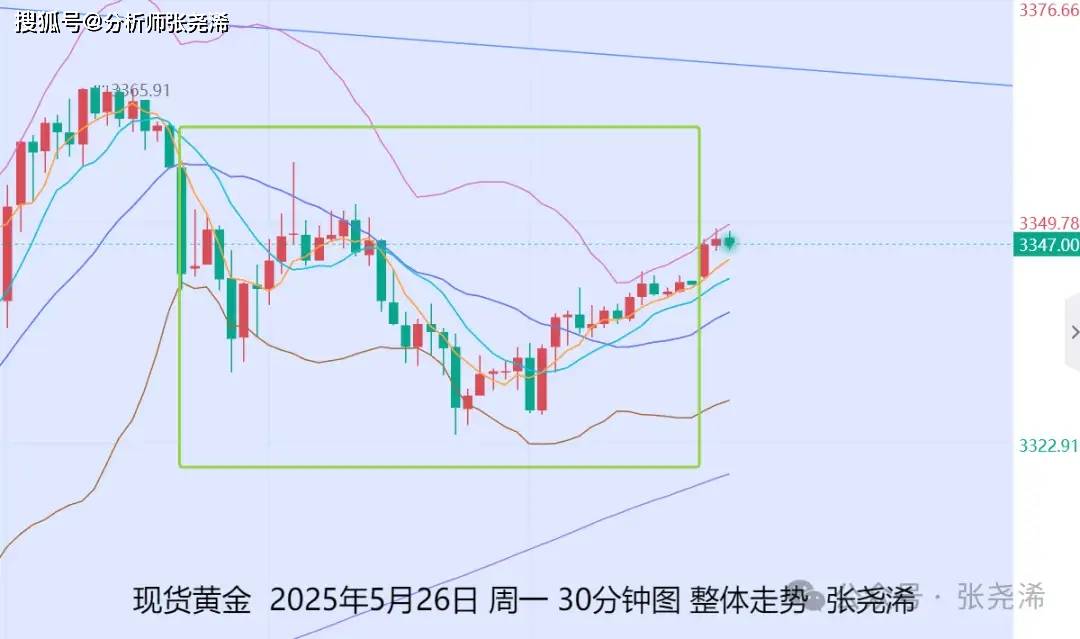
Core Points - Moody's downgraded the U.S. credit rating from "AAA" to "Aa1" on May 16, 2025, due to rising deficits and interest costs over the past decades [1][5] - The downgrade signifies the loss of the last perfect credit rating for the U.S., marking a significant shift in its financial standing [2][3] - This downgrade is the first time in over a century that the U.S. has lost its perfect credit rating, potentially indicating the beginning of a decline for the country [3][5] Financial Metrics - The total U.S. federal debt has surpassed $36 trillion, accounting for 124% of GDP, with interest payments rising from 9% of federal revenue in 2021 to 18% in 2024 [6] - Interest payments on U.S. debt have doubled in just three years, a rare occurrence, and projections suggest that by 2035, debt could rise to 134% of GDP, consuming 30% of federal revenue [7] - The fiscal deficit for the first half of the 2025 fiscal year has already exceeded $1.3 trillion, marking the second-highest half-year deficit in history [9] Market Reactions - Following the downgrade, U.S. stock index futures fell over 0.4%, and the dollar index dropped by 15 points, indicating a loss of confidence in U.S. assets [13] - The yield on 10-year U.S. Treasury bonds increased by 5 basis points to 4.49%, suggesting rising future financing costs for the U.S. [13] - The downgrade may weaken the status of U.S. Treasuries as a global safe-haven asset, leading investors to demand higher risk premiums [13][15] Political Context - The U.S. Congress has been unable to reach a substantial agreement on deficit reduction, with proposed tax cuts facing bipartisan opposition [13] - Former President Trump's attempts to address the trade deficit and increase tariffs to boost revenue have shown limited success, highlighting the challenges in managing the debt crisis [10][13] Long-term Implications - The downgrade by Moody's could signal a more dangerous economic situation than the 2008 financial crisis, as it stems from national debt rather than mortgage debt [15] - The ongoing rise in debt and interest payments poses significant challenges for the U.S., raising questions about the sustainability of its financial model [15]

美国债务危机:现状、影响与未来展望
Di Yi Cai Jing· 2025-05-25 12:40
Group 1 - The U.S. debt issue has become a global economic focus, affecting both the stability of the U.S. economy and the global financial market [1][14] - Moody's downgraded the U.S. debt rating from Aaa to Aa1, marking the first downgrade of U.S. sovereign debt by a major rating agency [1][2] - The downgrade has led to significant fluctuations in long-term bond yields, reaching the highest levels since 2008, with 10-year U.S. Treasury yields rising to 4.48%-4.54% and 30-year yields nearing 4.97% [1][2] Group 2 - Moody's report highlights systemic risks in U.S. federal finances, predicting a structural deterioration in the fiscal deficit, which could reach 9% of GDP by 2035 [2] - The Congressional Budget Office (CBO) projects that if current policies persist, federal debt could reach 180% of GDP by 2050, with interest payments rising from 1.6% of GDP in 2023 to 6.7% [2] - Political polarization is hindering necessary reforms, with ongoing conflicts between the Republican and Democratic parties over tax cuts and welfare expansion [2][3] Group 3 - The current administration's tax cut proposals could lead to a $4.2 trillion reduction in fiscal revenue over ten years, exacerbating the deficit and debt situation [3] - The projected budget indicates a 33% increase in the deficit, driven by rising interest payments and social security expenditures [3] - Comparisons are drawn to the UK's fiscal situation, noting that the U.S. deficit is significantly higher than the UK's at the time of its crisis [3] Group 4 - Rising U.S. bond yields are prompting a global asset repricing, with long-term bond yields increasing while stock markets decline [4] - As of May 2025, the U.S. national debt has surpassed $35 trillion, with $7 trillion maturing within the next 12 months [4] - Foreign investors are gradually reducing their exposure to U.S. securities, with notable sell-offs from countries like China and Japan [4] Group 5 - Central banks, including China's, are increasingly interested in gold, leading to a record high in global central bank gold purchases [5][6] - China's central bank increased its gold reserves by 280 tons, raising the proportion of gold in its foreign reserves from 3.3% to 7.8% [6] Group 6 - The rising cost of borrowing for the U.S. government is projected to consume 22% of tax revenue by the 2030s for debt interest payments [7] - The Federal Reserve's shift from quantitative easing to tightening has increased market supply pressure on bonds, contributing to rising yields [7][11] - The potential for a return to quantitative easing raises concerns about inflation, especially given the recent inflation rates [7][12] Group 7 - The U.S. faces a pressing need to refinance $7 trillion in maturing debt, with rising yields making borrowing more expensive than in the past decade [11] - The reversal of quantitative easing has led to increased bond supply, while demand remains weak, resulting in falling bond prices and rising yields [11] Group 8 - Political gridlock poses a significant challenge to addressing the debt crisis, with both parties showing little willingness to compromise on fiscal policies [13] - Public sentiment largely opposes cuts to social security and other welfare programs, complicating efforts to reduce the deficit [13] Group 9 - Long-term economic growth trajectories will be crucial in determining the sustainability of U.S. debt levels, with potential declines in innovation and productivity posing risks [14] - The U.S. must navigate the balance between fiscal responsibility and political feasibility to address its growing debt challenges [14]