
贸易协定

Search documents
印度卢比测试历史新低 贸易协议僵局使90关口面临风险
Sou Hu Cai Jing· 2025-12-02 05:27
Core Viewpoint - The Indian Rupee has tested historical lows multiple times this year, with analysts warning that failure to quickly achieve a key trade agreement with the U.S. could lead to the Rupee falling below the psychological level of 90 against the dollar [1] Group 1: Currency Performance - The Rupee reached a historical low of 89.8537 against the dollar on Tuesday, and further declined to 90.05 in the offshore market [1] - The delay in reaching a trade agreement with Washington has negatively impacted market sentiment, contributing to the Rupee's depreciation [1] Group 2: Trade Agreement Implications - India remains one of the major economies yet to sign a trade agreement with the U.S., despite optimistic statements from officials about a potential agreement [1] - The postponement of the trade deal has led to an expansion of India's current account deficit for the September quarter, adding further pressure on the Rupee [1] Group 3: Central Bank Strategy - According to David Forrester, a forex strategist at Crédit Agricole, the Reserve Bank of India may allow the Rupee to weaken slightly to enhance export competitiveness in the context of U.S. tariffs [1]
US to exempt UK pharmaceuticals and ingredients under trade deal
Reuters· 2025-12-01 14:48
Core Viewpoint - The U.S. government will exempt U.K.-origin pharmaceuticals, pharmaceutical ingredients, and medical technology from current and future tariffs as part of a negotiated agreement in principle [1] Group 1: Tariff Exemption - U.K.-origin pharmaceuticals will be exempt from tariffs imposed under two U.S. laws [1] - Pharmaceutical ingredients from the U.K. will also be exempt from these tariffs [1] - Medical technology from the U.K. will benefit from the tariff exemption as well [1]

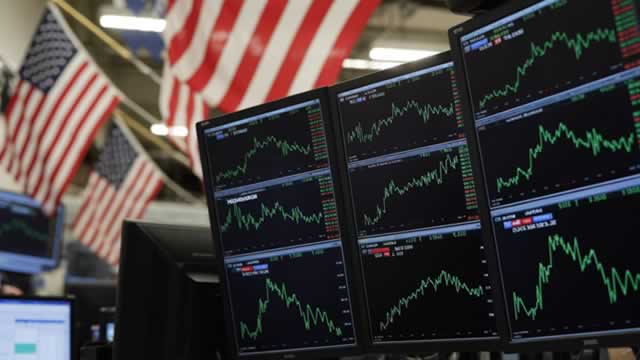
危中有机!美财长爆料:政府停摆损失千亿,但超级大礼包在路上!
Sou Hu Cai Jing· 2025-11-24 07:35
Core Viewpoint - US Treasury Secretary Bessent publicly refuted recession concerns, expressing strong confidence in the economic outlook and depicting a robust growth scenario for the future [1][2]. Economic Growth and Legislative Impact - Bessent attributed his optimistic forecast largely to a significant bill passed in July, which includes various stimulus measures such as substantial tax cuts and tax credits for auto loan interest income [2]. - He highlighted that due to this legislation, working families are expected to receive substantial tax refunds in the first quarter of next year, which will directly increase household disposable income and effectively stimulate consumer market growth [4]. Trade Agreements and External Stability - The government’s efforts in achieving multiple trade agreements and international peace accords are expected to provide a stable external environment for economic development [4]. Current Economic Challenges - Bessent acknowledged existing challenges in the economy, particularly in the real estate sector and certain interest-sensitive industries that are currently stagnant [5]. - He clarified that the weakness in these sectors is localized and not indicative of a broader economic crisis [7]. Inflation and Tariff Analysis - On inflation and tariffs, Bessent noted that recent price increases are primarily driven by the service sector, particularly rising labor costs, while inflation levels for imported goods remain stable [7]. - He explained the recent decision to eliminate tariffs on over 200 food items, including coffee, tea, and beef, as a result of trade negotiations with Latin American countries, aimed at enhancing trade relations rather than responding to inflationary pressures [7]. Government Operations and Public Confidence - Bessent mentioned the significant negative impact of previous government shutdowns on the US GDP [8]. - He announced an upcoming initiative aimed at reducing health insurance premiums, which is seen as a measure to stabilize living conditions for the public [9]. - The coordinated messaging from economic leaders follows recent electoral setbacks for their party, aiming to reassure the market and public regarding the economic outlook [9].
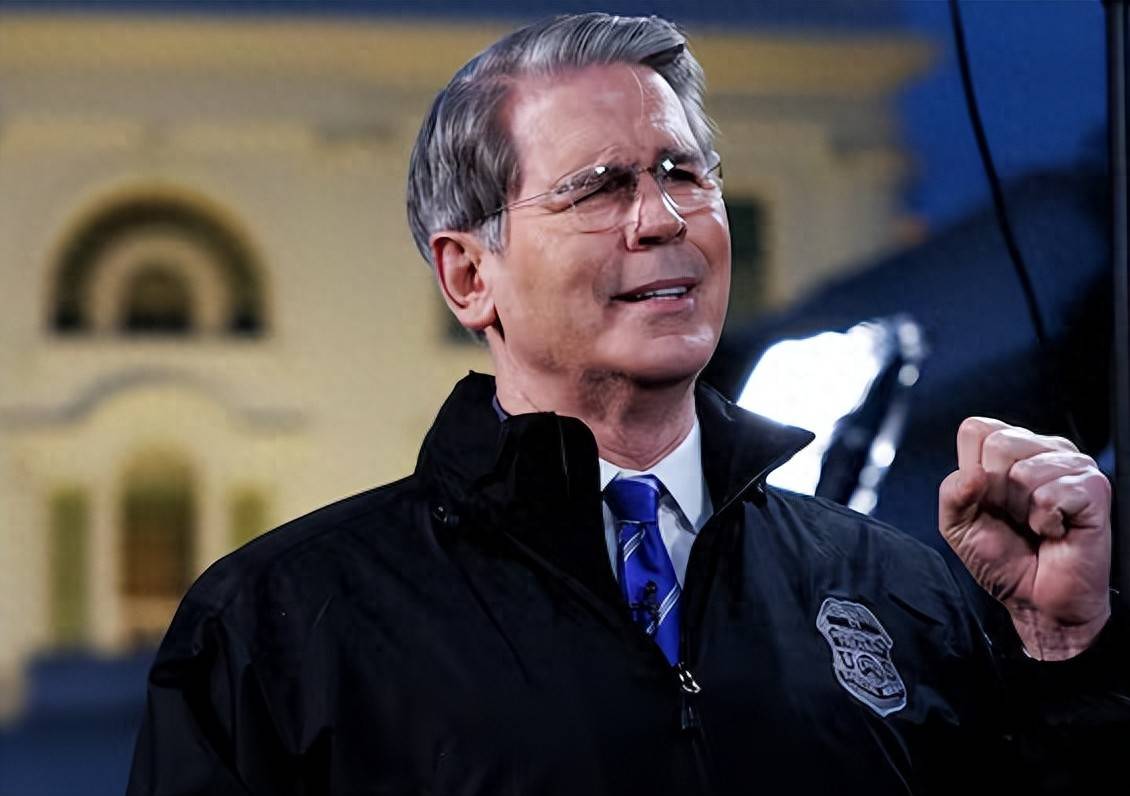
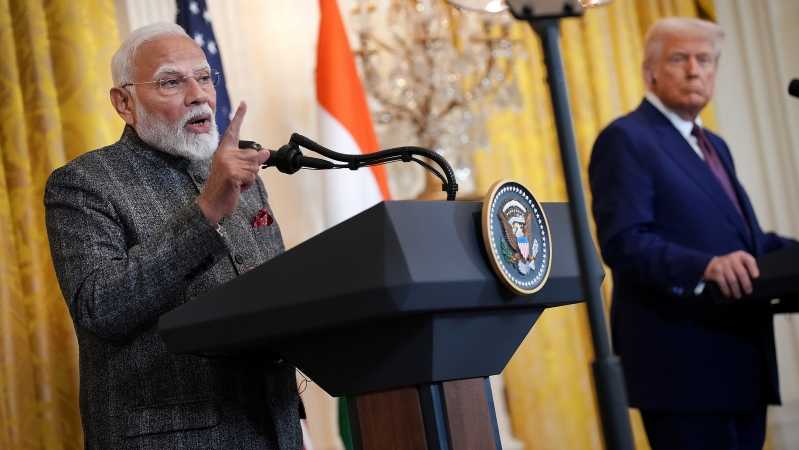
印度答应向美国买液化石油气,能否为贸易谈判铺平道路
Di Yi Cai Jing· 2025-11-18 10:29
印度拟从美国墨西哥湾沿岸每年进口约220万吨液化石油气,协议有效期至2026年。 在寻求美国关税减免之际,印度首次同意从美国大量采购液化石油气(LPG)。 据报道,当地时间17日上午,印度石油和天然气部部长普里(Hardeep Puri)宣布,印度国有石油公司与美国签署 了史上首个采购协议,拟从美国墨西哥湾沿岸每年进口约220万吨液化石油气,协议有效期至2026年。 普里表示,这是印度市场首个美国液化石油气结构化采购合同,采购量约占印度年进口量的10%。 同时,美国和印度之间仍在就贸易协定进行谈判,目前双方在美国产品进入印度农产品和乳制品市场等问题上仍 存在明显分歧。 "收益将是政治性的,而非经济性的" 印度对美出口连续第二个月大幅下滑 根据当地时间17日公布的数据,10月印度对美国出口额同比下降8.6%,至63亿美元。印度10月出口总额同比下降 0.7%,至729亿美元。印度对美出口连续第二个月大幅下滑。 "史上首次!"普里在社交媒体平台上发帖称"全球最大、增长最快的液化石油气市场之一向美国敞开了大门。" 根据印度政府数据,在截至2025年3月的财年中,印度进口了约2100万吨液化石油气,价值145亿美元, ...
为了咖啡、香蕉“服软”?特朗普政府将减免拉丁美洲四国部分关税
Di Yi Cai Jing· 2025-11-14 07:03
Core Points - The Trump administration has reached a trade agreement framework with Argentina, Guatemala, El Salvador, and Ecuador, which includes tariff reductions on certain goods [1][5] - The agreement aims to enhance the ability of U.S. companies to sell industrial and agricultural products in these countries [4] - Specific goods, such as coffee and bananas from Ecuador, are expected to benefit from tariff exemptions [2][5] Group 1: Tariff Reductions - Tariff rates for most goods from Guatemala, El Salvador, and Argentina will remain at 10%, while Ecuador's tariff rate will stay at 15%, with some goods receiving tariff reductions [1][5] - Approximately 70% of goods exported from Guatemala to the U.S. will be exempt from tariffs due to the inability to produce these goods domestically [5] Group 2: Focus on Beef - The agreement with Argentina emphasizes improving market access for beef, with a commitment to mutually beneficial trade conditions [6] - The U.S. is experiencing significant increases in beef prices, with some products rising by 12% to 18% year-over-year [6] - The agreement is expected to exempt Argentine beef from a 10% import tariff, although it may not change the existing export quota limitations for Argentine beef to the U.S. [7] Group 3: Broader Trade Negotiations - The U.S. Trade Representative is also engaging in discussions with Switzerland, indicating ongoing efforts to negotiate trade agreements that may include tariff reductions [7]

法国为欧盟与南共市贸易协定设定农业保护红线
Shang Wu Bu Wang Zhan· 2025-11-12 15:15
Core Viewpoint - France's Agriculture Minister, Julien Denormandie, stated that France will not sign any trade agreements that undermine its farmers, emphasizing the need for specific safeguards in the EU-Mercosur trade negotiations [1] Group 1: Trade Agreement Conditions - The French government has outlined three non-negotiable conditions for the EU-Mercosur trade agreement: inclusion of special safeguard clauses for agriculture, measures to prevent non-EU standard agricultural products from entering Europe, and enhanced sanitary and phytosanitary controls [1] - Denormandie highlighted the necessity of establishing an emergency brake mechanism to intervene promptly if a surge in imports threatens to cause price drops in the agricultural sector [1] Group 2: Support and Opposition - Despite President Macron's previous optimism regarding the agreement's prospects, the French government maintains a stance of opposition until written guarantees are obtained, with support from other EU member states such as Poland and Austria [1] - The long-negotiated agreement, if finalized, would facilitate reciprocal trade between the EU and South America, particularly in vehicles, machinery, beef, and soybeans, but France insists on ensuring that European farmers' interests are protected [1]
大越期货贵金属周报-20251103
Da Yue Qi Huo· 2025-11-03 05:08
Report Summary 1. Investment Rating The provided text does not mention the industry investment rating. 2. Core View Last week, with concentrated events including a hawkish stance from the Fed Chair and an optimistic outcome of China - US consultations, precious metal prices stopped falling and rebounded. However, the upward momentum of gold and silver is significantly weakened due to optimistic trade expectations and cooling rate - cut expectations, and they are expected to fluctuate mainly this week [15]. 3. Summary by Directory 3.1 Last Week's Review - **Price Changes**: All precious metal varieties showed price fluctuations. For example,沪金2512 fell 2.53%, COMEX gold fell 2.95%,沪银2512 fell 0.06%, and COMEX silver fell 0.69%. The US dollar index rose 0.8%, and the US dollar against the offshore RMB depreciated 0.05% [4][15]. - **Policy Events**: The Fed cut interest rates by 25 basis points to 3.75% - 4.00%, ending the balance - sheet reduction from December 1st. The European Central Bank kept the benchmark interest rate at 2% for the third consecutive time, and the Bank of Japan kept the benchmark interest rate at 0.5% for the sixth consecutive time. China - US economic and trade teams reached a three - aspect consensus, and the US reached trade agreements with Japan, South Korea, and Southeast Asian countries [15][16][17]. - **Investment and Trade Agreements**: Japan plans to invest $550 billion in the US, with energy as the key area. South Korea will invest $350 billion in the US, and the US will reduce the tariff on South Korean cars from 25% to 15% [18]. 3.2 Weekly Review This week, China will release important economic data for October, the US will release the ADP employment report, and Fed officials will speak frequently. Attention should be paid to the US Supreme Court's tariff ruling. With optimistic trade expectations and cooling rate - cut expectations, the upward momentum of gold and silver is weakened, and they will mainly fluctuate [15]. 3.3 Fundamental Data - **Price and Ratio Charts**: There are charts showing the ratio of domestic and foreign precious metal spot prices, the relationship between London gold spot prices and the US dollar index, and the relationship between London silver spot prices and the US dollar index [19][21][22]. - **Yield Data**: The yield of the 10 - year US Treasury bond fluctuated and fell back to 4.38% [25]. 3.4 Position Data - **Domestic Positions**: The net position of Shanghai gold began to rise, with both long and short positions increasing. The net position of Shanghai silver continued to decrease, with both long and short positions decreasing. As of September 23rd, the net long position of CFTC gold slightly increased, and the net long position of CFTC silver continued to increase [28][30][32]. - **ETF Positions**: The positions of SPDR gold ETF continued to decrease, and the positions of silver ETF also continued to decrease [35][37]. - **Inventory Data**: Shanghai gold inventory continued to increase, COMEX gold inventory continued to decrease, Shanghai silver inventory stopped falling and rebounded, and COMEX silver inventory continued to decrease [39][40][42].
并非互惠?美国与东南亚四国的贸易协定浮出水面
第一财经· 2025-10-29 00:51
Core Viewpoint - The article discusses the recent trade agreements between the United States and four Southeast Asian countries: Vietnam, Cambodia, Thailand, and Malaysia, highlighting the implications for trade tariffs and market access [3][4][5]. Trade Agreements Overview - The U.S. will maintain a 19% tariff rate on exports from Cambodia, Thailand, and Malaysia, with some products seeing tariffs reduced to zero. Vietnam will face a 20% tariff on its exports to the U.S. [3][4]. - The agreements include commitments to eliminate trade barriers and provide preferential market access for U.S. goods, covering areas such as digital trade, services, and investment [3][4]. Specific Country Commitments - Malaysia is estimated to receive tariff exemptions on approximately $12 billion worth of exports to the U.S., which is about 2.8% of its GDP. However, most of these products are subject to restrictions, limiting the actual benefits [4]. - Cambodia has committed to zero tariffs on 100% of U.S. industrial and agricultural products, while also agreeing to eliminate import licenses and barriers related to intellectual property [5]. - Thailand will eliminate tariffs on about 99% of U.S. industrial and agricultural products and has committed to accepting U.S. vehicle safety standards and import licenses for medical products [4][5]. Economic Cooperation and Investments - The agreements include significant commitments for purchasing U.S. goods, with Malaysia planning to buy nearly $150 billion worth of U.S. semiconductors, data center, and aerospace equipment over the next decade [7]. - Cambodia has expressed satisfaction with the agreement but seeks tariff exemptions for clothing and footwear, which constitute about 50% of its exports [8]. - Vietnam has committed to purchasing 50 Boeing aircraft valued at over $8 billion and has signed agreements for agricultural product procurement totaling approximately $2.9 billion [7]. Strategic Implications - The agreements are seen as enhancing economic ties and strategic cooperation between the U.S. and Southeast Asia, potentially impacting regional supply chains and global trade dynamics [8]. - The nature of the agreements has raised concerns about unequal terms, particularly in the case of Cambodia, where the trade terms appear to favor the U.S. [5].
美国与东南亚四国的贸易协定浮出水面,有何玄机
Di Yi Cai Jing· 2025-10-28 11:27
Core Points - The United States has imposed tariffs of 19% to 20% on exports from four Southeast Asian countries: Cambodia, Thailand, Malaysia, and Vietnam [1][2] - The agreements reached include commitments to eliminate trade barriers and provide preferential market access for various U.S. goods [1][5] - The agreements are perceived as unequal, with concerns of "bullying" by the U.S. and limited reciprocal benefits for the Southeast Asian countries [5][6] Summary by Sections Tariff Details - The U.S. will maintain a 19% tariff rate on exports from Cambodia, Thailand, and Malaysia, with some products seeing a reduction to zero tariffs [1] - Vietnam will face a 20% tariff on its exports to the U.S. under a similar framework agreement [1] Market Access and Commitments - Southeast Asian countries have committed to providing preferential market access for U.S. goods, with specific commitments from each country [2][4] - Malaysia will impose tariffs on U.S. products as per the agreement, while Vietnam will offer preferential access for nearly all U.S. industrial and agricultural products [3][4] Economic Impact and Investment - Malaysia is expected to purchase nearly $150 billion worth of U.S. goods, including semiconductors and aerospace equipment, and invest approximately $70 billion in the U.S. over the next decade [6] - Thailand has committed to purchasing $2.6 billion in U.S. agricultural products and $5.4 billion in energy products annually [6] Perceptions of the Agreements - Experts suggest that the agreements are not mutually beneficial, with significant limitations on the tariff exemptions for the Southeast Asian countries [2][5] - Cambodia's Vice Prime Minister expressed satisfaction with the agreement but seeks further tariff exemptions for key export products [7] Strategic Implications - The agreements are expected to enhance economic ties and strategic cooperation between the U.S. and Southeast Asia, impacting regional supply chains and global trade dynamics [6][7]
哥伦比亚总统:对美国“不会让步”
Huan Qiu Shi Bao· 2025-10-21 22:51
Group 1 - Colombia's Foreign Ministry recalled its ambassador to the U.S., Daniel García-Peña, amid escalating tensions over trade agreements and tariffs [1] - President Petro emphasized that the U.S. decision to impose a 10% tariff violates the existing free trade agreement, stating he will not concede [1] - The relationship between Colombia and the U.S. has deteriorated since Trump's return to power, with issues arising in immigration, tariffs, and drug policy [1] Group 2 - Michael Shifter, former director of the Dialogue Center, stated that the U.S. is no longer a reliable partner, suggesting that "Trumpism" may drive further regional integration [2]