
货币政策

Search documents
多重因素引发贵金属价格暴跌
Xin Lang Cai Jing· 2026-02-01 00:44
Core Viewpoint - The international gold and silver prices experienced significant declines on January 30, marking the largest single-day drop in decades due to multiple factors including profit-taking and short-term futures traders closing long positions [1] Group 1: Price Movements - Gold prices on the New York Mercantile Exchange fell below $4,800 per ounce, with a drop exceeding 10%, representing the largest single-day decline since the 1980s [1] - Silver prices for March futures fell below $80 per ounce, with a decline exceeding 30%, setting a record for the largest single-day drop in history [1] Group 2: Influencing Factors - The nomination of Kevin Walsh as the next Federal Reserve Chairman by President Trump on January 30 intensified the decline in precious metal prices [1] - The U.S. Department of Labor reported that the core Producer Price Index (PPI) for December 2025 and the entire year exceeded economists' expectations, indicating that inflation is gradually integrating into the overall economy [1] - Rising producer prices may compel the Federal Reserve to maintain a "neutral" monetary policy for a longer period than previously anticipated, which is bearish for gold prices [1] Group 3: Market Analysis - Analysts from the British research firm Metal Focus noted that the recent rally in precious metals appeared irrational; however, given the ongoing geopolitical risks and economic uncertainties faced by investors, the market sell-off may not be sustainable [1]
国信期货有色(镍)周报:高位震荡,上冲乏力-20260201
Guo Xin Qi Huo· 2026-01-31 23:30
Group 1: Report Title and Date - The report is titled "High-level Volatility, Lack of Upward Momentum - Guoxin Futures Non-ferrous (Nickel) Weekly Report" dated February 1, 2026 [2][3] Group 2: Table of Contents - The report includes sections on market review, fundamental analysis, and future outlook [4] Group 3: Market Review - The section presents the price trend of the nickel futures main contract [6] Group 4: Fundamental Analysis - Upstream: It shows the inventory of nickel ore ports in China [10] - Midstream: It covers the prices of electrolytic nickel, nickel sulfate, and the monthly import volume of ferronickel and the price of 8 - 12% ferronickel [13][15][17] - Downstream: It includes the price, futures positions, and inventory of stainless steel, as well as the production of power and energy storage batteries and new energy vehicles [19][21][26][29] Group 5: Future Outlook - In the US, on January 29, the Federal Reserve kept the federal funds rate target range at 3.5% - 3.75%. Market analysis predicts the first interest rate cut may be postponed to June 2026 [34] - In China, economic data in December 2025 provides a positive start for 2026. The manufacturing PMI rose to 50.1%, non - manufacturing business activity index reached 50.2%, and the CPI rose 0.8% year - on - year [34] - The Shanghai nickel market showed a volatile trend this week. Nickel inventory is at a high level, and supply disturbance factors are still at play. The market is in high - level consolidation [34] - It is expected that the operating range of the main Shanghai nickel contract is approximately 130,000 - 160,000 yuan/ton, and that of the main stainless steel contract is about 13,800 - 15,500 yuan/ton [34]
美联储批评者获提名 美货币政策面临挑战
Sou Hu Cai Jing· 2026-01-31 19:04
1月30日,美国总统特朗普宣布提名美国联邦储备委员会前理事凯文·沃什出任下一任美联储主席。如果 获得美国国会参议院批准,沃什将接替任期将于今年5月结束的现任主席鲍威尔。 如果出任美联储主席,作为美联储批评者和曾经的美联储理事,沃什预计将和特朗普政府多名高官一样 推动机构变革。但伴随联邦政府施压、持续的内部分歧和复杂的宏观环境,美联储的货币政策制定将面 临多重挑战。 美联储"独立性"受考验 即使沃什具备相应的专业性,但由于他与特朗普的密切关系,外界仍然担忧他能否维护美联储"独立 性"。 特朗普此前表示,他挑选美联储下任主席的明确标准是要支持低利率水平,且美联储主席在制定货币政 策时应征求他的意见。 据报道,沃什的亿万富豪岳父罗纳德·劳德与特朗普是宾夕法尼亚大学沃顿商学院的同学,在2025年3月 向特朗普超级政治行动委员会捐款500万美元。沃什在2024年年底一度成为美国财政部长的潜在人选, 也是特朗普再次当选后过渡团队的重要成员。特朗普1月30日承认,他认识沃什已有很长时间。 一些国会参议员正试图让美联储免受政治压力的影响。共和党籍联邦参议员汤姆·蒂利斯1月30日说,尽 管沃什是合格的人选,但由于司法部正对鲍威 ...


贵金属周报:鹰派沃什被提名为新任联储主席,金银价格受挫-20260131
Wu Kuang Qi Huo· 2026-01-31 14:33
鹰派沃什被提名为新任联 储主席,金银价格受挫 贵金属周报 2026/01/31 0755-23375128 jiangwb@wkqh.cn 从业资格号:F3048844 交易咨询号:Z0017196 蒋文斌(宏观金融组) CONTENTS 目录 01 周度评估及行情展望 04 宏观经济数据 02 市场回顾 05 贵金属价差 03 利率与流动性 06 贵金属库存 01 周度评估及行情展望 周度总结 ◆ 本周行情回顾:贵金属价格在沃什被宣布为新任联储主席人选后受到重挫,1月26日至1月30日,COMEX黄金主力合约价格下跌2.11%至 4907.5美元/盎司,COMEX白银主力合约价格下跌18.5%至85.25美元/盎司。 ◆ 特朗普宣布"温和鹰派"凯文沃什为新任美联储主席提名人选,宽松货币政策预期受到重挫,是金银价格在周五出现大幅下跌的主要原因: 特朗普于周五宣布正式提名前美联储理事凯文沃什为新任联储主席。在沃什前一联储理事任期中,他主张减少货币政策对于市场的干预, 呈现温和偏鹰派的表态。在利率和资产负债表操作方面,沃什反对进行长期的量化宽松和零利率政策,并批评美联储的资产负债表扩张大 幅透支央行信用。在联储政 ...
美国12月PPI涨幅超预期
Qi Huo Ri Bao· 2026-01-31 14:15
Group 1 - The Producer Price Index (PPI) in the U.S. for December 2025 increased by 0.5% month-over-month and 3% year-over-year, exceeding market expectations [1] - Core PPI, excluding food and energy, rose by 0.7% month-over-month and 3.3% year-over-year, also higher than anticipated [1] - Service costs saw a significant rise, with trade profit margins experiencing the highest month-over-month increase since mid-2024, driven mainly by wholesale machinery equipment profit margins [1] Group 2 - Despite a decline in energy prices keeping overall commodity prices flat, core commodity prices continued to accelerate, with notable price increases in household appliances, construction machinery, industrial chemicals, and light trucks [1] - The PPI is closely monitored by economists and investors as its components directly influence the Personal Consumption Expenditures (PCE) price index, a key inflation measure for the Federal Reserve [1] - The Federal Reserve decided to pause further interest rate cuts after three consecutive reductions at the end of 2025, with Chairman Powell indicating that economic activity remains robust and the labor market shows signs of stabilization [1] Group 3 - Former Federal Reserve Governor Kevin Walsh is proposed by President Trump to replace Jerome Powell as Fed Chair, which may alleviate market concerns regarding the Fed's independence [2] - Walsh's hawkish stance could potentially lead to interest rate cuts in the short term, but the financial markets believe he will maintain the credibility of monetary policy rather than fully comply with presidential directives [2]
信用周报 20260131:债市延续修复,中长普信债表现偏强-20260131
Huachuang Securities· 2026-01-31 13:47
1. Report Industry Investment Rating - Not provided in the given content 2. Core Viewpoints of the Report - This week, the yields and credit spreads of credit bonds showed a divergent trend. The credit bonds performed better than interest - rate bonds. The yields of medium - to long - term general credit bonds (3y and above) and 2 - 4y brokerage subordinated bonds declined, and the spreads narrowed. The rest of the varieties mostly saw rising yields, and the spreads, except for 1y varieties, mainly widened. The credit bond market continued to recover, and the spreads of 3 - 5y general credit bonds were further compressed due to the peak of amortized bond fund openings [1][7]. 3. Summaries According to the Table of Contents 3.1 Credit Bond Market Review - This week, the yields and credit spreads of credit bonds showed a divergent trend. The equity market was in a high - level shock. Driven by the continuation of the early - year allocation market and the innovation of central bank monetary policy tools, the yields continued to recover. Credit bonds outperformed interest - rate bonds. The yields of 3y and above medium - to long - term general credit bonds and 2 - 4y brokerage subordinated bonds declined, and the spreads narrowed. The 3 - 4y general credit bonds, 5y urban investment bonds, and 4y brokerage subordinated bonds performed relatively well. The yields of most other varieties rose, and the spreads, except for 1y varieties, mainly widened. Currently, it is still the peak of amortized bond fund openings, and the spreads of 3 - 5y general credit bonds are further compressed [1][7]. 3.2 Key Policies and Hot Events - On January 26, the deputy governor of the central bank stated that the supply of offshore RMB treasury bonds would be increased, which is conducive to meeting the needs of overseas investors for high - quality RMB asset allocation, activating market transactions, and enhancing RMB pricing ability [10]. - On January 27, Jilin Province successfully exited the list of key provincial - level debt regions. The relatively small debt volume in Jilin Province and its early exit from the list basically met market expectations. Attention can be paid to the regional development opportunities and the new financing space of bond - issuing entities after the exit [10]. - On January 28, Vanke announced a borrowing plan of up to 2.36 billion yuan from Shenzhen Metro Group. The borrowing plan backed by Shenzhen Metro will provide funds for partial bond repayment, and the mitigation of Vanke's debt risk will help stabilize market expectations in the short term [11][12]. - On January 28, it was reported that many real - estate enterprises are no longer required by regulatory authorities to report "three red lines" - related data monthly. Only some troubled real - estate enterprises need to regularly report core financial indicators. This reflects the regulatory shift towards enterprise - specific and precise classification [12]. - On January 29, it was mentioned at the press conference on Yunnan's financial operation in 2025 that the number of bond - issuing entities in Yunnan increased steadily in 2025. Bonds are becoming an important way for enterprises to expand financing channels, which is conducive to promoting the stable and high - quality development of the regional economy [12]. 3.3 Secondary Market - The yields and credit spreads of credit bonds showed a divergent trend. For medium - and short - term notes, except for the 1 - 2y, 5y, and 10y varieties whose yields rose by 0 - 1BP, the yields of the remaining varieties declined by 0 - 4BP. In terms of spreads, except for the 2y, 5y varieties and the 3y implicit - rating AAA variety whose spreads widened by 0 - 2BP, the spreads of the remaining varieties narrowed by 0 - 4BP [15]. - For urban investment bonds, except for the 2 - 3y implicit - rating AAA variety whose yield rose by 1BP, the yields of the remaining varieties declined by 0 - 6BP. In terms of spreads, except for the 2 - 3y implicit - rating AA+ and above varieties whose spreads widened by 0 - 2BP, the spreads of the remaining varieties narrowed by 0 - 6BP. Regionally, except for the Gansu urban investment bonds whose spreads widened by 2BP, the spreads of urban investment bonds in other provinces generally narrowed by 0 - 4BP, with the credit spreads of Heilongjiang narrowing by 4BP [15]. - For real - estate bonds, the yields of the 1y implicit - rating AAA and AA varieties, 2y varieties, and 5y varieties rose by 0 - 8BP, while the yields of the remaining varieties declined by 0 - 4BP. In terms of spreads, except for the 1y implicit - rating AA+ variety, 3y implicit - rating AA+ and below varieties, 4y varieties, and 5y implicit - rating AA+ variety whose spreads narrowed by 1 - 4BP, the spreads of the remaining varieties widened by 0 - 8BP [15]. - For cyclical bonds, for coal bonds, except for the 3 - 4y varieties whose yields declined by 0 - 4BP, the yields of the remaining varieties rose by 0 - 1BP. In terms of spreads, except for the 2y, 5y varieties and the 3y implicit - rating AAA variety whose spreads widened by 0 - 2BP, the credit spreads of the remaining varieties narrowed by 0 - 3BP. For steel bonds, the yields of the 1y implicit - rating AAA - variety, 2y varieties, and 5y implicit - rating AA variety rose by 0 - 1BP, while the yields of the remaining varieties declined by 0 - 5BP. In terms of spreads, except for the 2y varieties, 3y implicit - rating AAA - variety, and 5y implicit - rating AA variety whose spreads widened by 1 - 2BP, the spreads of the remaining varieties narrowed by 0 - 4BP [16]. - For financial bonds, for bank secondary bonds, except for the 5y varieties whose yields declined by 0 - 2BP, the yields of the remaining varieties rose by 0 - 3BP. In terms of spreads, for bank secondary capital bonds, except for the 1y, 5y varieties whose spreads narrowed by 0 - 2BP, the credit spreads of the remaining varieties widened by 1 - 4BP. The yields of bank perpetual bonds rose by 0 - 2BP, and the credit spreads widened by 0 - 1BP. The yields of 2 - 4y brokerage subordinated bonds declined by 1 - 4BP, while the yields of the remaining varieties rose by 1 - 2BP. In terms of spreads, the spreads of 2 - 4y varieties narrowed by 0 - 4BP, while the spreads of the remaining varieties widened by 1 - 2BP. The yields of 1y varieties and 4y implicit - rating AA+ variety of insurance subordinated bonds declined by 1BP, while the yields of the remaining varieties rose by 0 - 2BP. In terms of spreads, the spreads of 1y varieties and 4 - 5y implicit - rating AA+ variety narrowed by 1BP, while the spreads of the remaining varieties widened by 0 - 3BP [17]. 3.4 Primary Market - This week, the issuance scale of credit bonds was 307.4 billion yuan, a decrease of 21.4 billion yuan compared with the previous week, and the net financing amount was 155.7 billion yuan, an increase of 14.8 billion yuan compared with the previous week. Specifically, the issuance scale of urban investment bonds was 110.5 billion yuan, an increase of 12.9 billion yuan compared with the previous week, and the net financing amount was 48.3 billion yuan, an increase of 54.4 billion yuan compared with the previous week. In terms of varieties, the net financing amounts of short - term commercial paper and corporate bonds increased to 63 billion yuan and 62.1 billion yuan respectively compared with the previous week; the net financing amounts of medium - term notes and enterprise bonds decreased to 31.5 billion yuan and - 6.8 billion yuan respectively compared with the previous week. In terms of ratings, the issuance proportion of AAA varieties decreased to 69.66%, while the issuance proportions of AA+ and AA varieties increased to 23.60% and 6.74% respectively. In terms of terms, the issuance proportions of 1 - 3y, 3 - 5y, and 5y varieties decreased to 4.19%, 21.44%, and 25.70% respectively, while the issuance proportions of varieties within 1y and over 5y increased to 37.84% and 10.83% respectively. In terms of enterprise nature, the issuance proportions of central state - owned enterprises, local state - owned enterprises, and private enterprises increased to 34.20%, 61.21%, and 2.80% respectively, while the issuance proportion of other enterprises decreased to 1.79%. In terms of industries, the industries with large issuance scales this week were urban investment, public utilities, and comprehensive industries. In terms of cancelled issuances, a total of 2 credit bonds were cancelled or postponed for issuance this week, involving a scale of 700 million yuan, a decrease of 200 million yuan compared with the previous week [42]. 3.5 Trading Liquidity - This week, the trading activity in the inter - bank market and the exchange market for credit bonds decreased. The trading volume in the inter - bank market decreased from 601.6 billion yuan last week to 544.4 billion yuan, and the trading volume in the exchange market decreased from 391.1 billion yuan last week to 338.2 billion yuan [59]. 3.6 Rating Adjustments - This week, the ratings of 7 entities were upgraded. Among them, Shandong Shouguang Jinxin Investment Development Holding Group Co., Ltd., Nanjing Liuhe New City Construction (Group) Co., Ltd., and Shaoxing Shangyu Water Group Co., Ltd. are urban investment entities [61].
特朗普提名新任主席后,美联储货币政策将面临哪些变化
Sou Hu Cai Jing· 2026-01-31 13:20
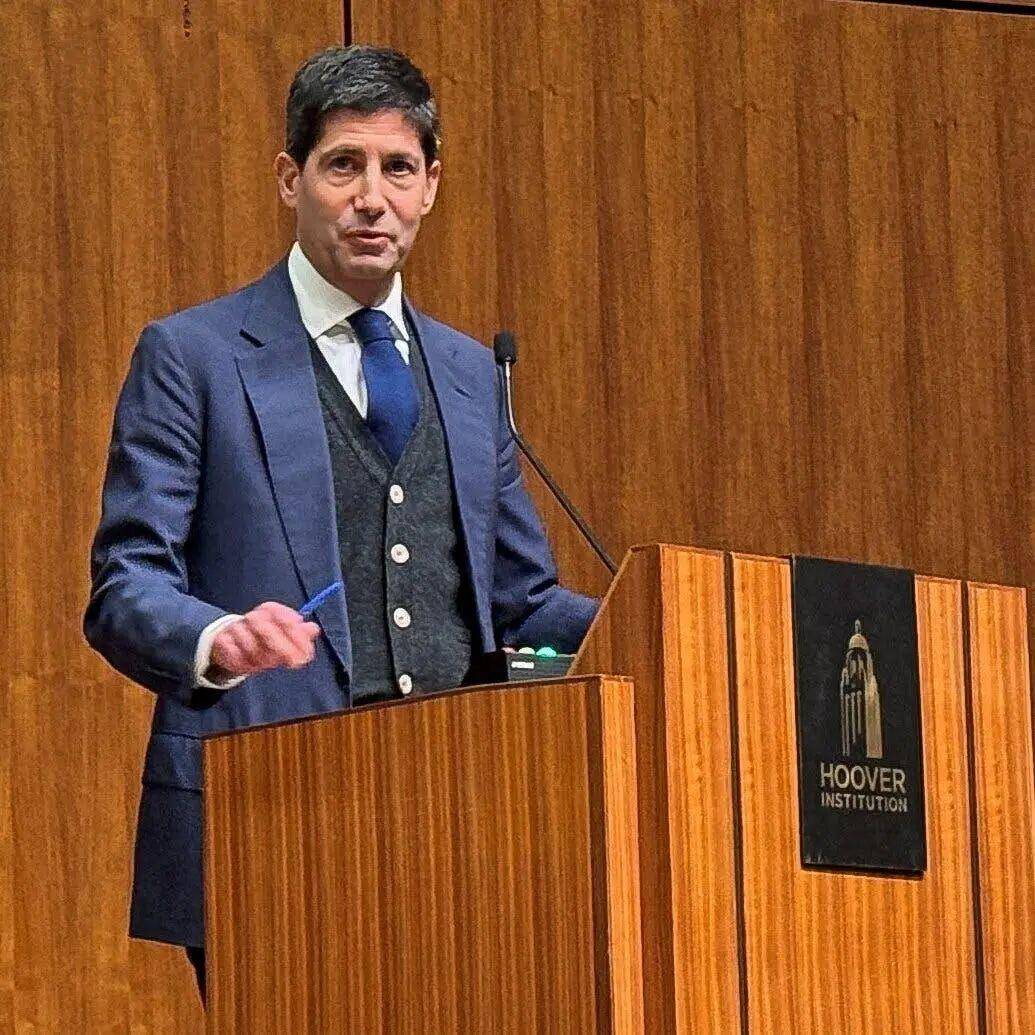
Group 1 - Kevin Walsh has been nominated by President Trump to replace Jerome Powell as the next Chairman of the Federal Reserve, pending Senate approval [1] - Walsh has a background in investment banking, having worked at Morgan Stanley and served as a Federal Reserve Governor from 2006 to 2011, making him one of the youngest members in that role [1] - During the 2008 financial crisis, Walsh was a key liaison between then-Fed Chairman Ben Bernanke and Wall Street, supporting tighter monetary policies [1] Group 2 - Walsh was previously seen as a supporter of free trade and a hawkish figure in monetary policy, but has recently shifted to support Trump's tariff policies and calls for quicker interest rate cuts [4] - He has criticized the Fed's loose monetary policies since the financial crisis, stating that the refusal to cut rates was a "major mistake" and has expressed a preference for lower interest rates [5] - Walsh advocates for comprehensive reforms of the Fed, including reducing its balance sheet and easing bank regulations, which contrasts with typical behaviors during a rate-cutting cycle [5] Group 3 - Analysts suggest that Walsh's nomination may not lead to significant rate cuts, as he is perceived to be less dovish compared to other candidates [7] - There is uncertainty regarding Walsh's confirmation in the Senate, especially following Powell's criminal investigation, with some Republican senators expressing opposition to any Fed-related nominations until the issue is resolved [7]
特朗普修正8年前的“失误”
财富FORTUNE· 2026-01-31 13:07
Core Viewpoint - Donald Trump has announced Kevin Warsh as the next Federal Reserve Chairman, aiming to resolve ongoing political tensions with Jerome Powell's leadership [1][3]. Group 1: Background and Context - Warsh was a candidate during Trump's first term, but Powell was ultimately chosen. Trump later regretted this decision due to Powell's commitment to the Fed's independence [3]. - Trump's selection criteria for officials have shifted to prioritize loyalty over professionalism, a lesson learned from his experience with Powell [3]. Group 2: Warsh's Profile and Views - Warsh served on the Federal Reserve during the 2008-2009 financial crisis and is known for his hawkish stance. He has been critical of Powell's policies, particularly regarding the Fed's balance sheet and inflation management [4][5]. - Despite his hawkish reputation, Warsh has recently suggested that the Fed should lower interest rates, indicating a potential shift in his stance [4]. Group 3: Potential Changes Under Warsh - Warsh's appointment could lead to significant changes in the Fed's operations, as he advocates for a transformation of the institution's approach and decision-making processes [5]. - Trump and his administration have proposed increasing White House oversight of the Fed, which could alter the traditional independence of the central bank [5]. Group 4: Challenges Ahead - Warsh will face the challenge of navigating political pressures that Trump aims to exert on the Fed, a situation that could test his expertise and political acumen [5]. - Powell's advice to the new chairman emphasizes the importance of avoiding involvement in electoral politics, a cautionary note for Warsh as he steps into this role [6].
金银创纪录暴跌背后核心推手 分析称贵金属市场抛售或难以持续
Sou Hu Cai Jing· 2026-01-31 12:39
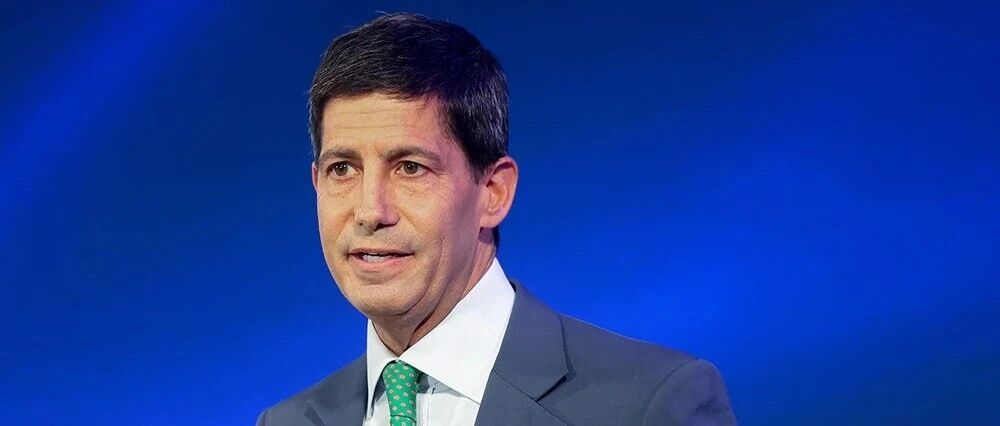
【#金银创纪录暴跌背后核心推手# #分析称贵金属市场抛售或难以持续#】本周,国际贵金属价格遭 遇"过山车"行情。[话筒]市场分析认为,美国总统特朗普30日提名美国联邦储备委员会前理事凯文·沃什 为下任美联储主席,加剧此次贵金属价格大跌。沃什曾公开批评量化宽松政策的副作用,认为美联储需 要与美国财政部在政策上更紧密地协作。[话筒]美国劳工部30日公布,2025年12月份和全年核心生产者 价格指数(PPI)均高于经济学家此前预期,显示通胀逐渐融入整体经济。生产者价格上涨可能迫使美 联储维持"中性"货币政策的时间长于预期,利空金价。[话筒]分析人士认为,经历近一个月来金银价格 暴涨,此次市场抛售在所难免。总部位于伦敦的布里坦尼亚全球市场公司资产经纪公司分析师表示,考 虑到1月份贵金属上涨的速度和幅度,此次回调并不出乎意料。[话筒]英国研究机构金属聚焦公司分析 师认为,近来贵金属上涨行情呈现非理性,但鉴于投资者面临持续的地缘政治风险和经济不确定性,市 场抛售或难以持续。#金价银价暴跌三大原因# 来源:@央视财经微博 ...
分析师:获利了结与对冲行为可能也助推了贵金属抛售
Xin Lang Cai Jing· 2026-01-31 12:17
格隆汇1月31日|周五金银的暴跌始于特朗普将提名沃什为美联储新任主席的报道。SLC管理公司董事 总经理德克·马拉基表示,沃什的履历带有鹰派色彩,这降低了美元全面贬值的风险。市场正在回归有 序的货币政策轨道。此外分析师们还提到,月末快速获利了结的交易员,或为防范突然下跌影响而进行 对冲操作的银行,也可能助推了这次贵金属抛售。BullionVault研究主管阿德里安·阿什表示,他已经参 与贵金属市场20年了,从没见过像现在这样的情况。但他淡化了散户投资者突然在周五撤出资金的可能 性,并指出了铜等基本金属市场的类似异常走势,例如铜期货周五下跌了4.5%。阿什还表示,只看金 银,很容易说这是散户的狂热,但基本金属市场没有散户参与。 ...