
产业升级

Search documents
让劳务品牌成为就业金字招牌(纵横)
Ren Min Ri Bao· 2025-12-28 22:16
Core Viewpoint - The article highlights the innovative practices in employment promotion through the development of labor brands in China, showcasing nearly 2,500 labor brands that have created millions of job opportunities [1][3]. Group 1: Labor Brand Development - The labor brands reflect the responsiveness to emerging fields such as green economy and low-altitude economy, leading to the creation of brands like "Guangxi New Energy Vehicle Craftsman" and "Yangpu Low-altitude Flight CNC Technician" [1]. - Labor brands facilitate a positive cycle of skills training and industrial cultivation, exemplified by the "Zheng'an Guitar Craftsman" brand contributing to the establishment of the world's largest guitar manufacturing base in Guizhou [1]. Group 2: Challenges in Labor Brand Construction - Some labor brands remain small and scattered, lacking nationally and globally recognized brands, and there is a phenomenon of brands being disconnected from market demands [1]. - There is a need for a collaborative effort to promote high-quality development of labor brands, addressing the issues of brand cultivation and its alignment with digital and intelligent job training [1]. Group 3: Strategic Recommendations - A problem-oriented approach is suggested for the precise cultivation of labor brands, supporting established brands to extend their industrial chains and create more job opportunities [2]. - The establishment of a lifelong vocational skills training system is recommended, ensuring that labor brand workers are included and that training content is updated in line with industry upgrades and technological changes [2]. - The government is encouraged to utilize various policy tools such as financial subsidies and tax incentives to support labor brand cultivation, enhancing the efficiency of brand development [2].
筑牢经济大区担当 全力书写浑南高质量发展时代答卷
Xin Lang Cai Jing· 2025-12-28 20:28
Group 1 - The core viewpoint of the article emphasizes the economic blueprint and path outlined for the city of Shenyang in the upcoming year, focusing on the "14th Five-Year Plan" goals and the commitment to economic revitalization in the region [1] - The investment target includes the completion of over 450 key projects, with a total investment of 41 billion yuan, and the aim to sell more than 30 land parcels [1][2] - The tourism sector aims to attract over 20 million visitors, with initiatives to host 100 promotional events and introduce more than 20 new flagship stores [1] Group 2 - Innovation is highlighted as a key driver for development, with plans to conduct over 30 core technology breakthroughs and support the establishment of national-level innovation centers [2] - The article mentions the goal of achieving a total scale of over 160 billion yuan in three leading industries, including new-generation information technology, high-end equipment manufacturing, and the biopharmaceutical industry [2] - The focus on improving the business environment includes creating over 200 "immediate enjoyment" scenarios and reducing project approval times by over 40% [3] Group 3 - The reform initiatives aim to enhance the operational efficiency of state-owned enterprises and promote foreign trade, with a target of increasing second-hand car trade by over 25% [3] - The comprehensive action plan for 2026 includes 8 actions, 26 projects, and 435 specific tasks to ensure effective implementation and coordination of development and safety [3]
海南封关,最大的受害者出现?曾经劝中国大度,在自己身上应验了
Sou Hu Cai Jing· 2025-12-28 20:16
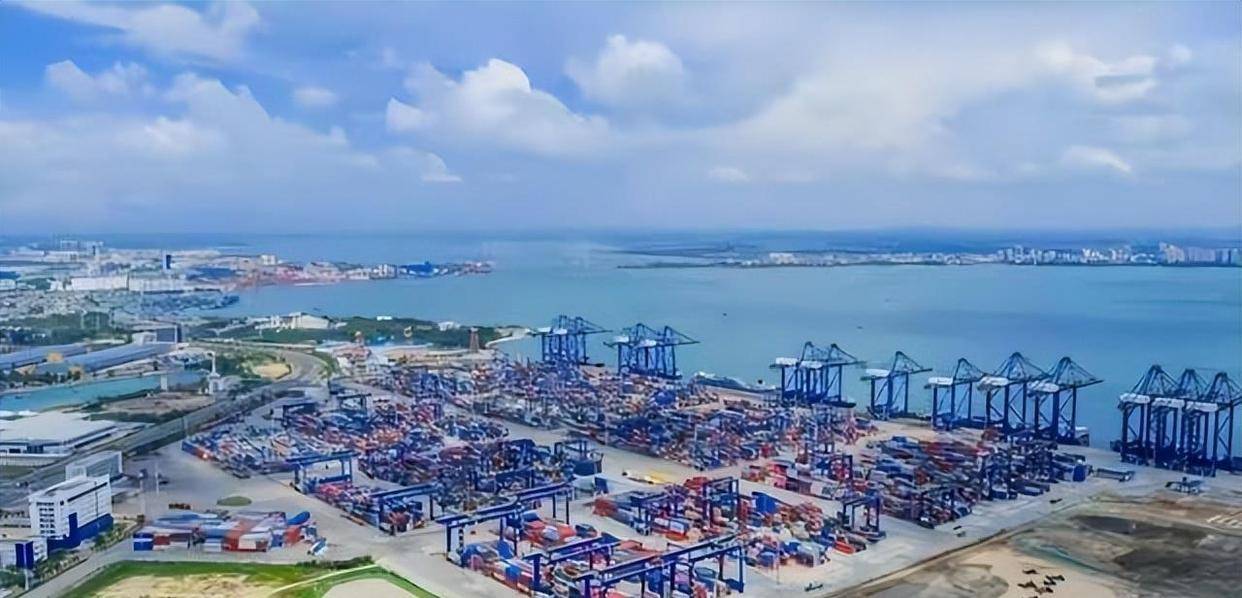
Group 1 - Hainan Free Trade Port officially launched on December 18, creating a zero-tariff zone that facilitates trade and attracts global businesses [1][3] - Southeast Asian goods are now flowing into Hainan, with companies able to process and export to mainland China tax-free if they add 30% value [1][3] - The shift in trade routes has led to a decrease in business for Singapore's port, with a notable drop in fuel and maintenance orders [1][3] Group 2 - Hainan's policies provide a competitive advantage for ASEAN countries, allowing them to bypass Singapore for processing and shipping, thus reducing costs and time [3][11] - The transition has resulted in increased shipping activity at Yangpu Port, while Singapore's container throughput has declined [11][13] - Global shipping companies are relocating their headquarters to Hainan due to its favorable business environment and lower costs [11][13] Group 3 - Singapore's economic reliance on transshipment trade is being challenged by Hainan's emergence, leading to potential job losses and increased pressure on its workforce [11][13] - The diplomatic efforts by Singapore to mediate between China and Japan have backfired, causing tensions with China and highlighting Singapore's limited influence [5][7][9] - The changing trade dynamics emphasize the importance of efficiency and cost in global trade, with Hainan's advantages prompting Singapore to reconsider its economic strategies [9][18]

2025年GDP20强城市预测:苏州远超成都,天津第12,西安强势入围
Sou Hu Cai Jing· 2025-12-28 17:11
Core Insights - The competition among major cities in China is intensifying, with a clear trend of GDP growth, energy transformation, and ranking changes predicted for the top twenty cities by 2025 [1] Group 1: Top Cities and GDP Projections - Shanghai is projected to break the 5.7 trillion yuan mark in GDP by 2025, reaching 57,073.36 billion yuan, with an increase of 3,146.65 billion yuan [3][6] - Beijing follows closely with a forecasted GDP of 52,781.23 billion yuan, an increase of 2,938.13 billion yuan [3][6] - Shenzhen is expected to maintain its third position with a GDP of 39,025.67 billion yuan, leading in growth rate among top cities at 6.04% [3][6] - Chongqing is projected to secure the fourth position with a GDP of 33,816.36 billion yuan, reflecting a growth of 1,623.21 billion yuan [3][6] Group 2: Emerging Cities and Growth Dynamics - Suzhou and Chengdu are expected to widen their GDP gap, with Suzhou at 28,002.25 billion yuan and Chengdu at 24,981.35 billion yuan, indicating a strong economic performance from Suzhou [5][6] - Hangzhou and Wuhan are both projected to be key members of the "two trillion" club, with GDPs of 23,150.60 billion yuan and 22,146.31 billion yuan respectively [5][6] - The cities of Nanjing and Ningbo are reinforcing their roles as significant growth poles in the Yangtze River Delta, with GDPs of 19,472.11 billion yuan and 18,803.08 billion yuan respectively [5][6] Group 3: Notable Trends and Signals - The rankings indicate that leading cities maintain significant scale advantages, with innovation being crucial for sustaining leadership, as seen in Shenzhen and Hangzhou [8] - There is a notable rise of central cities in the central and western regions, such as Changsha, Hefei, and Xi'an, which are rapidly emerging as important economic players [8] - The competition among cities is evolving beyond mere GDP totals, focusing on high-quality development, industrial upgrades, and sustainable growth capabilities [8]

浙江美妆“十四五”蝶变:产业升级与品牌出海并行
Xin Lang Cai Jing· 2025-12-28 10:11
Core Insights - The Chinese cosmetics industry has undergone significant transformation over the past five years, shifting from dominance by international brands to the rise of domestic brands, with the retail market expected to reach 1,073.8 billion yuan in 2024 and domestic market share increasing from 52% to 55% [1] Group 1: Market Performance - Zhejiang province reported a retail sales figure of 32.41 billion yuan for cosmetics in the first three quarters of 2025, marking a year-on-year growth of 12.3% [1] - The province's cosmetics export value reached 11.058 billion yuan, with a year-on-year increase of 14.9%, ranking first in the country [1] Group 2: Industry Structure - During the 14th Five-Year Plan period, Zhejiang's cosmetics industry has developed a structure characterized by "one center, one window, and four bases," with Hangzhou as the headquarters and other cities focusing on various aspects of the cosmetics supply chain [1] - The "Beauty Town" in Huzhou has attracted over 100 upstream and downstream enterprises, showcasing a complete range of production lines for skincare, color cosmetics, and fragrances [2] Group 3: Corporate Development - Zhejiang Diefei Cosmetics Co., Ltd. has established a standardized GMP factory and an e-commerce park in Yiwu, along with a research and brand incubation center in Hangzhou, creating a new ecosystem for the beauty industry [4] - The Zhejiang Provincial Drug Administration has signed strategic cooperation agreements to promote high-quality development in the cosmetics industry, supporting regional brand building and cross-industry development [5] Group 4: Innovation and Sustainability - The province is leveraging its ecological resources to cultivate unique plant-based raw materials, transforming "green mountains and clear waters" into "ecological beauty" products [5] - Zhejiang has established a new raw material service channel and research centers, leading to 30 new raw material registrations, ranking third in the country, with a 300% year-on-year increase in new registrations this year [5] Group 5: Global Expansion - The global expansion of "Zhejiang Beauty" is supported by a well-structured supply chain and a thriving e-commerce economy, with a focus on enhancing brand recognition and influence internationally [6] - Policies have been introduced to facilitate the export of cosmetics, including customized measures for customs clearance and inspections, enabling faster and smoother international trade for Zhejiang's beauty products [6]

钢材需求超预期下滑,10大省份已出手
21世纪经济报道· 2025-12-28 09:12
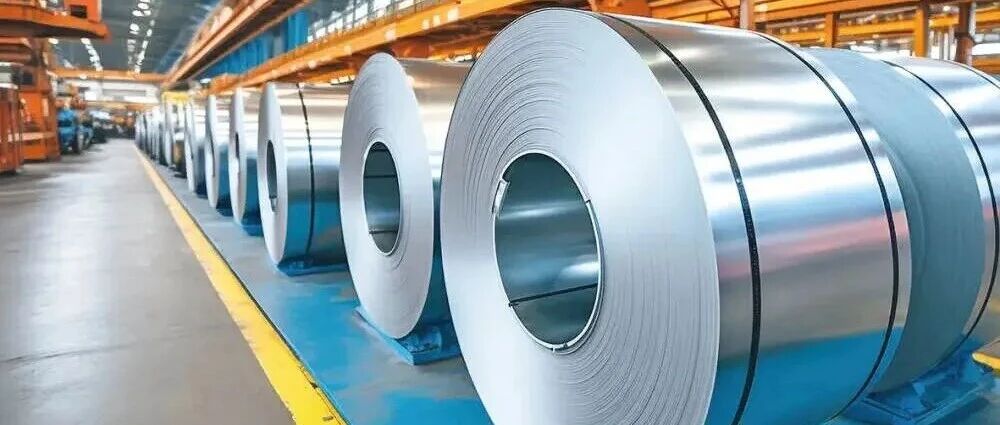
Core Viewpoint - The steel industry is facing a "capacity control" battle as demand is projected to decline, with steel consumption expected to reach approximately 800 million tons by 2026, a year-on-year decrease of 1.0% [1][4]. Group 1: Demand Forecast - The Metallurgical Industry Planning and Research Institute predicts that steel consumption in China will be approximately 808 million tons in 2025, a year-on-year decrease of 5.4%, and around 800 million tons in 2026, a decrease of 1.0% [4]. - Specific sectors such as construction and containers are expected to see significant declines in steel demand, with the construction sector projected to consume about 400 million tons in 2025, down 12.9%, and 384 million tons in 2026, down 4.1% [4]. - The container industry is forecasted to consume about 800,000 tons in 2025, a decrease of 35.5%, and 610,000 tons in 2026, down 23.8% [4]. Group 2: Industry Challenges - The steel industry's profitability is currently better than last year, but many companies believe this situation may not be sustainable during the 14th Five-Year Plan period [6]. - Despite multiple rounds of capacity adjustments since 2015, the supply-demand imbalance in the steel industry remains unresolved, with policies often diluted at the local level [6][9]. - The demand decline is outpacing the reduction in production capacity, with new construction areas decreasing and the marginal effectiveness of infrastructure support diminishing [9]. Group 3: Structural Issues - The steel industry is characterized by a "small, scattered, and low" structure, with a concentration ratio (CR10) of crude steel production rising only slightly from 41.4% in 2021 to 42.0% in 2024, which is still low compared to developed countries [9]. - Many small private steel mills produce low-end products, leading to severe price competition and a failure of market signals to eliminate outdated capacity [9]. - Local governments often provide subsidies and low-interest loans to keep steel companies afloat, complicating the industry's ability to address its structural issues [10]. Group 4: Focus on Upgrading - The 14th Five-Year Plan emphasizes the need for upgrading traditional industries, with ten provinces outlining plans for the steel industry, focusing on transformation from raw material to material-grade production [12]. - Hebei province, as the largest steel producer, aims to enhance its competitiveness in global industrial division by transitioning its steel production [12]. - The demand for high-end steel products is expected to rise due to the acceleration of manufacturing upgrades and the growth of strategic emerging industries [13][14].
中国经济样本观察·“镇”了不起|一根细线,“缝”出200亿元大产业
Xin Hua Wang· 2025-12-28 09:00
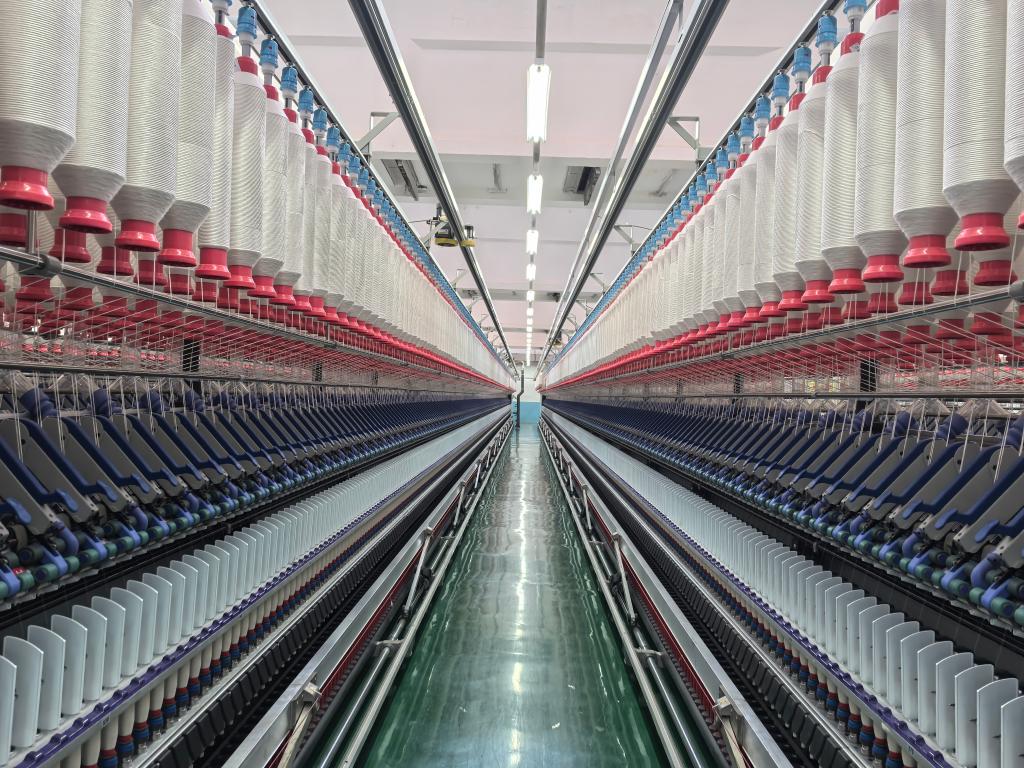
新华社武汉12月28日电(记者田中全)一件衣服的袖子、领子等怎么连在一起?这少不了一根叫"缝纫线"的功劳。这根隐藏起来的缝纫线, 以涤纶纤维为原料,强度高、耐水洗,能保障多块布料缝合后的牢固度。 你也许不知道的是,这种用于服装制作核心辅料的缝纫线,不少产自江汉平原腹地的一座小镇——湖北省汉川市马口镇。 马口镇被称为"中国制线名镇",共有50余家纺织企业,其中规模以上纺织企业达40家,凭借105万锭的生产规模、30万吨的产能和200亿元的 综合产值,占据了国内缝纫线市场的六成份额,远销东南亚、中东、欧美等海外市场。 图为湖北名仁纺织科技有限公司生产车间。新华社记者 田中全 摄 在生产车间,往复式抓棉机正在"吞吐"物料。新华社记者 田中全 摄 困境倒逼变革,马口镇的创业者们不断"求生",引进先进技术、更新智能设备、加大研发投入,向技术要效率、向创新要竞争力,掀起一场 技改扩能风潮。 "我们投资1.2亿元,引进络筒机、倍捻机等自动化生产设备,建成智慧工厂。"湖北名仁纺织科技有限公司副总经理王琦说,"如今产能提升 了45%,客户回头率也提升了。" 马口镇落后的生产模式逐渐成为"过去式"。今天,穿镇而过的105省道旁, ...
枣庄再绘民生答卷,“两院一体”让养老更有“医” 靠
Qi Lu Wan Bao· 2025-12-28 05:04
Group 1 - The core viewpoint of the news is that Zaozhuang is implementing a comprehensive "two-in-one" medical and elderly care integration plan to address the challenges posed by an aging population, ensuring that elderly citizens have access to both care and medical services [2][3][4] - The "two-in-one" initiative is part of a broader strategy that aligns with urban transformation and industrial upgrading, emphasizing the importance of maintaining a high proportion of public spending on social welfare, which is around 80% [3] - Specific goals outlined include the construction and expansion of at least five integrated medical and elderly care institutions and the establishment of specialized care areas for disabled and cognitively impaired elderly individuals, providing a clear path for the implementation of these commitments [2][3] Group 2 - The integration of medical and elderly care services is expected to stimulate related industries such as health care, medical devices, and traditional Chinese medicine, creating a positive feedback loop that enhances both social welfare and economic development [3] - The ongoing commitment to improving social welfare through the "two-in-one" initiative aims to fulfill the aspirations of elderly citizens for quality care and support, contributing to a warmer social environment in Zaozhuang [4] - The strategic focus on "strong industry and prosperous production" is anticipated to inject sustained momentum into Zaozhuang's high-quality development, reinforcing the connection between social needs and economic growth [4]
中国经济多长时间赶上美国,重返世界第一
Sou Hu Cai Jing· 2025-12-28 04:11
Economic Growth Comparison - In 1978, China's GDP was $147.9 billion, only 6.29% of the U.S. GDP, with a per capita income of $156, significantly lower than sub-Saharan Africa [2] - By 2025, global GDP is projected to reach $117.16 trillion, with the U.S. surpassing $30 trillion and China's GDP expected to be $19.39 trillion, approximately 63.3% of the U.S. GDP [4] Historical Context - China lost its title as the "Celestial Empire" in 1870 when its economic output was surpassed, and the U.S. took the lead from the U.K. in 1894, maintaining dominance ever since [5] Future Scenarios for Economic Growth - **Baseline Scenario (50% probability)**: If China maintains a 2% average growth rate advantage over the U.S., it could reach over 80% of the U.S. GDP in 20-30 years [8] - **Optimistic Scenario (25% probability)**: If reform benefits are realized, with China's growth at over 5% and the U.S. at 2%, the gap could close in 15-20 years [8] - **Pessimistic Scenario (25% probability)**: If China's growth slows to 3-4% while the U.S. maintains 2.5%, surpassing the U.S. could be delayed by 30 years or more [9] Internal Growth Drivers - **Industrial Upgrade**: Transitioning from a "world factory" to a "world laboratory" to capitalize on innovations in AI, quantum information, and other advanced sectors [11] - **Consumption Upgrade**: Addressing income inequality and enhancing social security to convert potential consumer demand into actual economic activity [11] - **Regional Coordination**: Leveraging growth in key regions to balance costs and unlock potential in less developed areas [11] - **New Urbanization**: Reforming urban policies to integrate rural workers into cities, driving investment and consumption [11] External Growth Constraints - **Global Demand**: Rising protectionism and shifts in supply chains may limit export growth [12] - **U.S. Policies**: Fiscal expansion and monetary tightening in the U.S. could elevate global interest rates and exacerbate technological decoupling [12] - **Financial Cycles**: Changes in capital flows and the internationalization of the RMB will be critical for maintaining growth [12] - **Geopolitical Risks**: Tensions in regions like Taiwan and the South China Sea could disrupt economic progress [12] Strategic Battles for Economic Leadership - **Industrial Leap**: Aiming for high-tech manufacturing to constitute 30% of the economy [13] - **Consumer Economy**: Increasing the final consumption rate to 70% and expanding the middle-income group [13] - **Spatial Restructuring**: Developing a multi-centered, networked economic landscape [13] - **Financial Innovation**: Establishing non-dollar financial infrastructures to enhance global resource allocation [13] - **Risk Mitigation**: Creating a safety net across technology, energy, food, and finance to sustain growth [13] Long-term Projections - China is projected to potentially surpass the U.S. in total economic output between 2045 and 2050, contingent on maintaining a high-quality growth rate of 4-5% [14]
【昔日贫困村现今的模样】富民新村:荒滩养出了特色羊,村民走上了致富路
Xin Lang Cai Jing· 2025-12-27 19:44
【昔日贫困村现今的模样】 光明日报记者 尚杰 王冰雅 初冬时节,走进甘肃古浪县干城乡富民新村,整齐划一的养殖暖棚里羊群攒动,"咩咩"声此起彼伏。 凭借政府的各项扶持政策和蒲万林自己的一股闯劲,5个月后,第一批20只羊赚了钱。她当即贷款再次 购进更多羊羔。 "没想到短短几年,从300只扩增到600只,再从一茬育肥出售600只到1000只,我成了村里的'养殖大 户'。"接受记者采访时,蒲万林脸上洋溢着欣慰的笑容。是啊,养殖为她家带来了每年八九万元的纯收 入,这样的生活以前她做梦都不敢想。 蒲万林的成功产生了强大的示范效应。乡亲们看到养羊的效益,从最初的犹豫观望转变为争相参与。 随着养殖户越来越多,如何避免小散乱、提升产业整体竞争力,成为新的课题。富民新村开始推动产业 从"扩量"向"提质"升级。 古浪县紧傍腾格里沙漠,土地贫瘠、干旱少雨,农业生产长期受制于自然,"春天种了一袋子,秋天收 了一帽子"是当地农业的真实写照。 荒滩上种粮食不行,村党委进行了认真调研后,决定引导村民利用大片的戈壁荒滩养羊。因为,独特的 沙漠性气候为古浪羊养殖创造了得天独厚的条件,这里的羊长期食用碱性饲草,畅饮祁连山冰雪融水, 因而味道鲜美。 ...