人民币国际化

Search documents
人民币国际化是市场逻辑下的必然选择
Guo Ji Jin Rong Bao· 2025-12-01 12:20
近日,俄罗斯财政部宣布将于2025年12月8日首次发行以人民币计价的主权债券,认购登记已于12 月2日启动。这一举措再次引发国际舆论关注。人民币国际化并非出于对抗目的,而是全球市场逻辑演 进、国际贸易结构变化与中国金融体系稳健发展的自然结果。它既非刻意为之的战略进攻,也非被动防 御的权宜之计,而是在多重动因交织下水到渠成的历史进程。 首先,人民币债券海外市场追捧,源于其高收益高稳定性的市场主动选择。近年来,包括俄罗斯、 匈牙利、印度尼西亚、阿联酋等国纷纷发行人民币计价主权债券,同时越来越多外国机构在中国境内发 行"熊猫债券"。这些行为的背后是对人民币资产价值的认可。在全球主要经济体利率持续波动、部分货 币信用风险上升的背景下,人民币资产展现出相对稳定的收益率和较低的波动性,成为全球投资者优化 资产配置、分散风险的重要选项。这种由市场供需关系主导的资本流动,恰恰体现了人民币作为国际投 资货币的功能正在稳步增强。 其次,人民币国际化是应对美元霸权及其支付工具武器化的被动适应。近年来,美国频繁将美元清 算系统(如SWIFT)作为制裁他国的工具,使得许多国家深刻意识到过度依赖单一货币带来的战略脆弱 性。在此背景下,推 ...
展望“十五五” 专家学者共话经济金融新机遇
Sou Hu Cai Jing· 2025-12-01 10:34
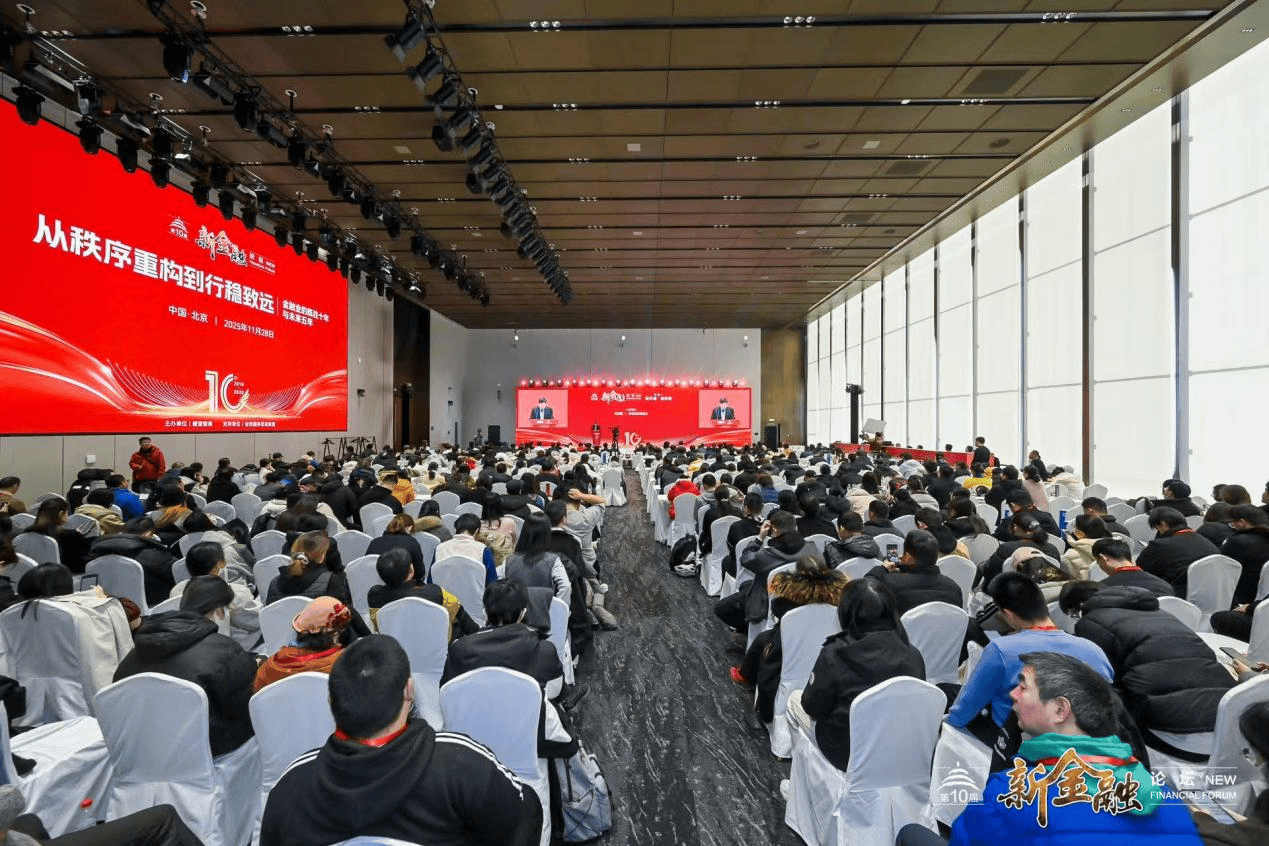
全国人大常委会委员、全国人大社会建设委员会委员郑功成分享了对养老金融的看法。首先,养老金融关系到老年人未来的生活保障,发展养老金融既是老 龄社会加速发展的现实需要,也是提供清晰稳定预期的重要制度安排,建议把养老金融作为积极应对人口老龄化国家战略的重要组成部分。其次,正视养老 金融发展中存在的结构性失衡问题,需有清晰的判断和理性的认识。第三,要进一步提高养老金融政策的精准度。他表示,"十五五"时期,我国基本养老保 险制度必定成熟定型,多层次养老金结构将优化重组,对养老金融的需求也会持续增加。 财政部原副部长朱光耀表示,中国式现代化是在人口规模巨大的国家实现的现代化,是全体人民共同富裕的现代化,是物质文明和精神文明相协调的现代 化,是人与自然和谐共生的现代化,是走和平发展道路的现代化。"十四五"时期我国取得了巨大的发展成绩,为2035年基本实现社会主义现代化这一目标奠 定了良好基础,但同时也要看到国际环境的变化。面对国际挑战,我们需坚持新发展理念,以高质量发展的稳定性战胜外部环境的不确定性,确保2035年基 本实现社会主义现代化目标的实现。 央广网北京12月1日消息(记者 樊瑞)11月28日,由瞭望智库主办、全球 ...

“金融有为”地方纵横谈丨以构建市场体系为核心的区域金融中心模式
申万宏源研究· 2025-12-01 06:38
Core Viewpoint - The article emphasizes the importance of developing regional financial centers in China during the "14th Five-Year Plan" period, highlighting the need for a strong economic foundation, a complete financial market system, and supportive mechanisms to enhance local financial effectiveness [1][2][3]. Group 1: Building Regional Financial Centers - The development of regional financial centers requires a strong regional economic foundation, characterized by a large economic scale and strong growth momentum to attract financial institutions and talent [1]. - A complete financial market system is essential, comprising market entities, financial institutions, trading markets, regulatory mechanisms, and financial infrastructure [2]. - The establishment of supportive mechanisms, including legal frameworks, talent development, credit systems, and financial culture, is crucial for the success of regional financial centers [3]. Group 2: Shanghai's Exploration of Financial Center Models - Shanghai serves as a global financial center, with a complete financial market system that includes a variety of financial institutions and a robust trading market, with 1,782 licensed financial institutions by the end of 2024, one-third of which are foreign [5]. - The city has enhanced its financial service capabilities, particularly in the Yangtze River Delta, by implementing platforms for data sharing and financing needs, addressing financing challenges for small and medium-sized enterprises [6]. - Shanghai's GDP has surpassed 5.3 trillion yuan, with key industries such as integrated circuits, biomedicine, and artificial intelligence exceeding 1.8 trillion yuan, further solidifying its role as a national economic engine [7].

谁才是真正的大国?如今中国的实力不一样,美国的实力也不一样了
Sou Hu Cai Jing· 2025-12-01 05:47
Core Viewpoint - The ongoing trade conflict between China and the United States in 2025 reflects a significant shift in global dynamics, with China no longer being the same nation it was in 2000 or 2008, and both countries' positions have evolved dramatically [1][3]. Group 1: Trade Dynamics - China has leveraged its strategic stability and market size to gain industrial advantages, while the U.S. relies on fiscal deficits and monetary manipulation to maintain its hegemony [3][4]. - The trade volume between China and ASEAN has grown from $40 billion in 2000 to nearly $1 trillion in 2024, showcasing China's strategic foresight in establishing trust through concessions [3][4]. - The U.S. has imposed tariffs exceeding 40% on smaller economies, demonstrating a punitive approach that contrasts with China's trust-building strategies [4][6]. Group 2: Currency and Payment Systems - The internationalization of the Renminbi (RMB) is gaining traction, with over 140 countries having China as their main trading partner, leading to a shift away from the U.S. dollar for trade settlements [4][6]. - China's CIPS payment system offers near-zero transaction fees and real-time processing, contrasting sharply with the SWIFT system, which incurs high fees and delays [4][6]. Group 3: Military and Strategic Calculations - The U.S. military acknowledges the growing disparity in military capabilities, with concerns about the potential consequences of conflict with China [6][7]. - China's military deterrence is now a factor in U.S. strategic calculations, indicating a shift in the balance of power [7]. Group 4: Future Predictions - The U.S. tariff strategy is unlikely to yield institutional benefits and may accelerate the fragmentation of global supply chains and the de-dollarization process [11]. - China is expected to further integrate its strategy of RMB, technology, and trade, thereby constraining the U.S. dollar's influence [11]. - ASEAN, RCEP, and Belt and Road Initiative countries are projected to be central to China's strategic growth over the next decade [11]. Group 5: Global Order Shift - The world is transitioning from a U.S.-dominated era to one characterized by China's contributions, with nations that have recognized and invested in China reaping early rewards [15].
农银汇理基金:细水长流行更远
Sou Hu Cai Jing· 2025-12-01 05:47
"十五五规划"中提出了十五五时期经济社会发展的主要目标,其中首要提出"高质量发展取得显著成 效。经济增长保持在合理区间,全要素生产率稳步提升,居民消费率明显提高,内需拉动经济增长主动 力作用持续增强,经济增长潜力得到充分释放,全国统一大市场建设纵深推进,超大规模市场优势持续 显现,新兴工业化、信息化、城镇化、农业现代化取得重大进展,发展新质生产力、构建新发展格局、 建设现代化经济体系取得重大突破"。这一部署充分凸显我国超大规模市场的独特优势与内需驱动的战 略重要性,我们长期看好内需领域优质企业的投资价值与回报潜力。 规划同时将"科技自立自强水平大幅提高"列为核心目标之一,明确提出培育壮大新兴产业与未来产业, 打造新兴支柱产业,加快新能源、新材料、航空航天、低空经济等战略性新兴产业集群化发展。 展望未来,"十五五规划"明确指出:"世界百年变局加速演进,国际力量对比深刻调整,新一轮科技革 命和产业变革加速突破,我国具备主动运筹国际空间、塑造外部环境的诸多有利因素。"这一判断已在 多重领域得到实践验证:9月3日纪念抗日战争胜利80周年阅兵顺利举行,多款先进武器装备集中亮相, 既彰显了我国制造业的核心竞争力,也为市场 ...
特讯!最近的世界格局在发生变化,两个超级大国,到底在争什么?引发全球关注
Sou Hu Cai Jing· 2025-12-01 03:44
Group 1: Core Economic Competition - The ongoing economic tug-of-war between China and the U.S. is fundamentally about global dominance, particularly in trade, technology, and finance [1] - The U.S. aims to reduce reliance on China by relocating supply chains, which is framed as "de-risking," but is essentially about maintaining control over global industry [3] - Despite pressures, both countries are unlikely to fully decouple; trade volumes are expected to continue rising in 2024, indicating interdependence [3] Group 2: Technological Rivalry - The U.S. has intensified efforts to restrict China's high-tech industries, particularly in semiconductors and AI, through various legislative measures [5] - China is significantly increasing its R&D spending, projected to reach 3.61 trillion yuan in 2024, with a focus on overcoming key technological challenges [5][8] - Both nations recognize that technology is a critical battleground for future dominance, making it unlikely for either side to concede easily [5] Group 3: Financial Dynamics - The U.S. is using interest rate hikes and balance sheet reductions to maintain the dollar's dominance and attract global capital, while also exerting financial pressure on other nations [5] - China is gradually promoting the internationalization of the yuan and maintaining a stable monetary policy to mitigate financial risks and external shocks [5] - Both countries are strategically maneuvering to increase their shares in the global financial system, as finance is essential for modern economies [5] Group 4: Evolving Trade Relations - The previous economic relationship, once a stabilizing force, has transformed into a battleground with increasing friction, yet both countries remain interdependent [7] - The U.S. attempts to use tariffs and supply chain shifts to pressure China, but alternatives like Vietnam and India lack the capacity to fully replace China [7] - China is focusing on internal improvements, such as expanding domestic demand and reforming income distribution to drive economic growth [7] Group 5: Future Outlook - The competition between the two nations is expected to be a long-term struggle, with both sides seeking a balance rather than a definitive victory [9][11] - Ongoing dialogues and negotiations indicate a pragmatic approach, as neither side wants to push the other to a breaking point [11] - The competition reflects structural tensions between a dominant power and an emerging one, with internal governance and strategic stability being crucial for long-term success [11]
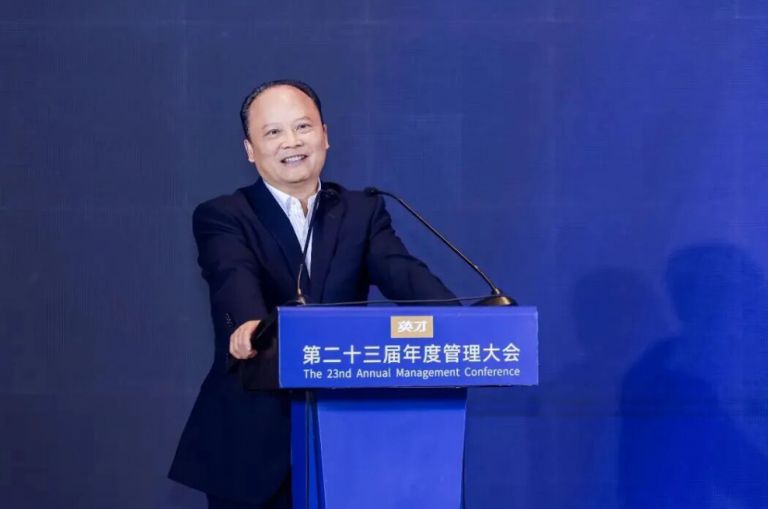
刘汉元:AI 背后的能源支撑 清洁能源成中国经济新引擎
Xin Lang Cai Jing· 2025-12-01 01:39
Core Viewpoint - The development of AI is heavily reliant on energy support, and China's energy security is a growing concern due to high foreign dependence and significant foreign exchange expenditures [1][3]. Energy Landscape and Economic Growth - China has become the world's largest energy consumer, with electricity consumption exceeding that of the U.S. by more than double since 2011, and energy increments are closely linked to GDP growth [3][4]. - The high foreign dependence on energy reached 70%-75% in previous years, with energy imports exceeding $470 billion in 2024, making it the largest area of foreign exchange expenditure [3][4]. Transition Pathways - The majority of China's oil consumption (over 70%) is used in transportation, and 1 trillion kilowatt-hours of electricity can replace 500 million tons of oil, which cost over $300 billion in 2024 alone [4]. - The current energy structure, primarily based on coal, is a major source of carbon emissions and faces international environmental pressures [4]. - Clean energy sources, particularly solar and wind power, are identified as the core of the transition, with predictions that by 2050, 50%-80% of China's electricity consumption (30 trillion kilowatt-hours) could be met through clean energy [4]. Economic Opportunities and Global Participation - The transition to renewable energy is expected to create a massive industry cluster worth 10 to 20 trillion RMB annually, comparable to the size of the real estate sector, providing sustained economic growth for the next 10 to 20 years [4]. - The development of the renewable energy sector will also facilitate the internationalization of the RMB, as Chinese products in solar energy, electric vehicles, and energy storage enter the global market, participating in a $200 trillion market for global energy carbon neutrality [5].
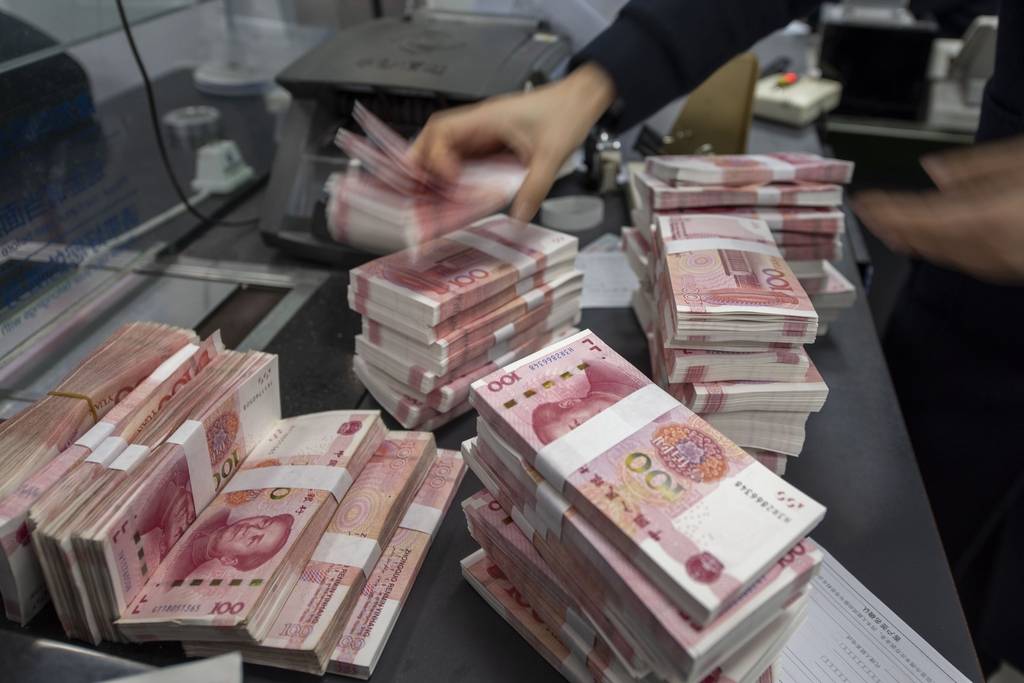
俄罗斯即将发行首支人民币主权债券,“将助推人民币国际地位和去美元化”
Sou Hu Cai Jing· 2025-12-01 01:36
Core Viewpoint - Russia is set to issue its first sovereign bond denominated in RMB, which will enhance the international status of the Chinese currency [1][3]. Group 1: Bond Issuance Details - The Russian Ministry of Finance will start accepting subscriptions for two domestic RMB-denominated bonds on December 2, with a target coupon rate of 6.25%-6.5% for the 3.2-year bond and a maximum rate of 7.5% for the 7.5-year bond [1]. - This issuance is driven by a significant trade surplus with China, leading Russian exporters to hold large amounts of RMB, while facing a fiscal deficit and limited access to USD and EUR financing [1][3]. Group 2: Historical Context and Market Dynamics - The idea of issuing RMB sovereign bonds in Russia dates back to 2015, following sanctions that isolated Russian enterprises from global capital markets [3]. - In the first ten months of this year, China's trade deficit with Russia reached $19 billion, the highest since 2022, despite stable energy product purchases [3]. Group 3: Broader Implications for RMB Internationalization - The issuance of RMB sovereign bonds is seen as a significant step towards the internationalization of the RMB and a structural shift away from reliance on the USD [1][5]. - Analysts suggest that the expansion of RMB holdings in Russia's sovereign wealth fund, which increased from 31% to 57% in less than two years, will support the development of cross-border RMB payment infrastructure [5]. Group 4: Global Trends in RMB Financing - The issuance of offshore RMB bonds (known as "dim sum bonds") has reached a record of 855 billion RMB this year, while "panda bonds" issued in China by foreign borrowers also hit a historic high of 195 billion RMB [4]. - Countries like Kazakhstan and Kenya are exploring RMB financing options, indicating a growing trend in the use of RMB for international debt [4]. Group 5: Economic Perspectives - Economists suggest that the issuance of RMB bonds by Russia could set a precedent for other countries, potentially leading to a broader acceptance of RMB in global finance [6]. - The ongoing geopolitical tensions and the shift towards a bipolar currency system may challenge the dominance of the USD in the coming decade [6].
国际金融格局重塑与人民币新机遇
Sou Hu Cai Jing· 2025-11-30 19:54
Core Viewpoint - The book "New Monetary Landscape" discusses the evolution of the international monetary system, the inherent contradictions of the current system, and the progress and lessons of RMB internationalization, proposing strategies to advance it [3][4]. Group 1: Historical Context and Lessons - The authors provide a detailed analysis of the rise of the US dollar and the decline of the British pound, emphasizing the historical significance of the Marshall and Dodge Plans in saving the Bretton Woods system and reinforcing the dollar's international status [3]. - The book highlights two critical steps in the dollar's internationalization: the entry of major US banks into foreign markets and the Federal Reserve's support for dollar-denominated commercial paper, leading to over 50% of US trade being settled in dollars by the 1920s [4]. Group 2: RMB Internationalization Strategies - The book argues that RMB internationalization must be grounded in China's domestic economy, maintaining monetary policy independence and macroeconomic stability [5]. - It suggests that cultivating and developing the RMB's pricing function is crucial, with practical paths including promoting RMB pricing through economic aid to African countries, addressing trade deficits with neighboring countries, and facilitating RMB transactions in commodity trading [5][6]. Group 3: Comparative Analysis and Challenges - The authors analyze Japan's failed yen internationalization efforts, attributing the failure to the inability to maintain a stable yen exchange rate, which diminished its international value [5]. - The book posits that the current international monetary system's sustainability hinges on whether peripheral countries will continue to purchase US debt, which is influenced by the US's growing external debt and trade deficits [6][8]. Group 4: Financial Cooperation and Regional Currency - The book advocates for regional monetary cooperation to promote domestic financial reform and open up, aiming to establish the RMB as a regional international currency in Asia [6]. - It emphasizes the dangers of financial liberalization combined with rigid exchange rates, suggesting that the interaction between RMB internationalization and capital account liberalization requires more detailed discussion [7]. Group 5: Global Reserve Asset Diversification - The authors note that diversification of reserve assets among US allies cannot effectively mitigate systemic risks, as demonstrated by the sanctions against Russia following the Ukraine conflict [8]. - They argue for a strategic shift towards a new development pattern that prioritizes domestic circulation while reducing asymmetries in dollar assets and liabilities [8].
怒省2亿美元!俄罗斯疯狂清仓,中方出手捡漏,美国也没辙!
Sou Hu Cai Jing· 2025-11-29 13:09
Core Insights - The global energy landscape is undergoing significant changes, driven by a geopolitical struggle involving energy, finance, and international status, particularly highlighted by Russia's sale of liquefied natural gas (LNG) to China at a steep discount [1][3] Group 1: Russia's LNG Strategy - Russia sold 14 LNG ships to China at less than 60% of the original price, saving China approximately $200 million in just three months [3] - The decision to sell at a loss is closely tied to Russia's financial situation, as energy exports account for 30% of its fiscal revenue, making it critical to avoid a complete failure of the Arctic LNG2 project [3][9] - The sale allows Russia to maintain its energy industry and potentially secure a long-term customer in China, trading short-term losses for long-term stability [9] Group 2: China's Energy Considerations - China, as a major global manufacturing hub, has a massive energy consumption requirement, making it one of the few countries capable of absorbing such large-scale LNG supplies [7] - The transaction allows China to secure stable energy supplies, particularly during peak winter demand, alleviating issues related to factory production limits and residential energy shortages [11] - The use of the Chinese yuan for these transactions represents a significant step towards the internationalization of the yuan and challenges the dominance of the US dollar in global energy trade [7][11] Group 3: Implications for Global Energy Markets - The LNG deal signifies a strategic cooperation between China and Russia, countering US sanctions and reshaping the international energy market [11] - The transaction is seen as a precursor to a shift towards a multipolar world order, moving away from US hegemony in global affairs [11] - The immediate savings of $200 million are viewed as just the beginning, with the potential for establishing new rules in international energy trade [11]