中国品牌出海

Search documents
中国机器人,正在占领全球私人泳池
Guan Cha Zhe Wang· 2025-09-03 09:49
Core Insights - The Chinese pool cleaning robot brand Seauto is disrupting the European market with a combination of technological breakthroughs and competitive pricing, positioning itself as a necessity for middle-class households [1][9] - Seauto's strategy includes offering products at around $300, significantly undercutting traditional overseas brands priced between $1000 and $2000, thus transforming the perception of pool robots from luxury items to essential household tools [1][3] Market Dynamics - The global market has over 28 million private pools, with nearly half relying on manual cleaning, leading to an average annual maintenance cost of $1432 for American households [3][6] - Seauto's entry into the market highlights a mismatch between high prices and low quality, creating an opportunity for Chinese brands to penetrate the market [3][6] Technological Advantages - Seauto's competitive edge stems from its fully self-developed supply chain, including unique components like planetary gears and brushless motors, which lower production costs and enhance product longevity [4][6] - The company’s innovative detachable battery design addresses a common industry pain point, allowing for battery replacement when capacity drops to 50-60% [4][6] E-commerce Strategy - Seauto's partnership with AliExpress has been crucial for its European market penetration, benefiting from a significant price subsidy of around 20% and seasonal promotions that can bring prices below $300 [7] - The overseas warehousing model of AliExpress reduces logistics costs by 15-20%, facilitating quicker delivery and enhancing overall cost efficiency [7] Growth Projections - Seauto anticipates shipping nearly 100,000 units in 2024, with annual export volumes doubling in recent years, indicating strong growth momentum [7][9] - The company is expanding globally, targeting North America, Europe, Australia, and eventually South America and Southeast Asia, with a strategic focus on balancing seasonal sales fluctuations [7][9] Industry Outlook - The pool cleaning robot market is expected to evolve similarly to the vacuum cleaner market, with a gradual consolidation around a few leading brands, while smaller players may struggle to compete [7][9] - The shift from manual to automated cleaning solutions represents a significant transformation in the industry, with Chinese brands poised to redefine market rules through high-quality, cost-effective products [9]


中国品牌全球化,谁才是出海模式“最优解”?
阿尔法工场研究院· 2025-08-30 08:22
Core Viewpoint - The article emphasizes the successful globalization of Chinese tea brands, particularly in Southeast Asia, with Mixue Ice City as a leading example of this trend [1][5][13]. Group 1: Market Dynamics - Southeast Asia is identified as the primary market for Chinese brands, with a natural affinity for Chinese tea culture, significantly reducing market education costs [4][5]. - The region's climate and youthful population create a strong demand for cold beverages, making it an ideal market for tea drinks [4][5]. - The Southeast Asian ready-to-drink beverage market is projected to grow at a compound annual growth rate (CAGR) of 19.8% from 2023 to 2028, outpacing other regions [4][5]. Group 2: Mixue Ice City's Performance - Mixue Group reported a revenue of 14.87 billion yuan in the first half of 2025, a year-on-year increase of 39.3%, and a net profit of 2.72 billion yuan, up 44.1% [1]. - The number of global stores reached 53,014, with nearly 10,000 new stores opened within a year, covering China and 12 overseas countries [1][5]. - Mixue Ice City has become the leading ready-to-drink tea brand in Southeast Asia within five years, with over 4,000 stores planned by 2025 [5][13]. Group 3: Localization Strategies - Successful market entry is attributed to a comprehensive localization strategy, including adapting flavors and operational models to meet local preferences [7][8]. - Mixue Ice City has established a global supply chain that supports local operations, ensuring cost control and product quality [7][9]. - The "Snow King" IP has been effectively localized through cultural adaptations and interactive marketing, enhancing brand connection with local consumers [8][9]. Group 4: Future Prospects - The experience gained in Southeast Asia is seen as a blueprint for further expansion into markets like Japan, South Korea, and Europe, indicating a scalable growth model [13][14]. - The launch of the coffee brand Lucky Coffee in Malaysia marks the next phase of Mixue Group's global strategy, leveraging the established supply chain and localization methods [12][14]. - The article concludes that the journey of Chinese brands in global markets is just beginning, with significant potential for further innovation and expansion [15].

从单打独斗到集体出海,新消费品牌掀起一场"中国潮流"风暴
Sou Hu Cai Jing· 2025-08-28 18:07
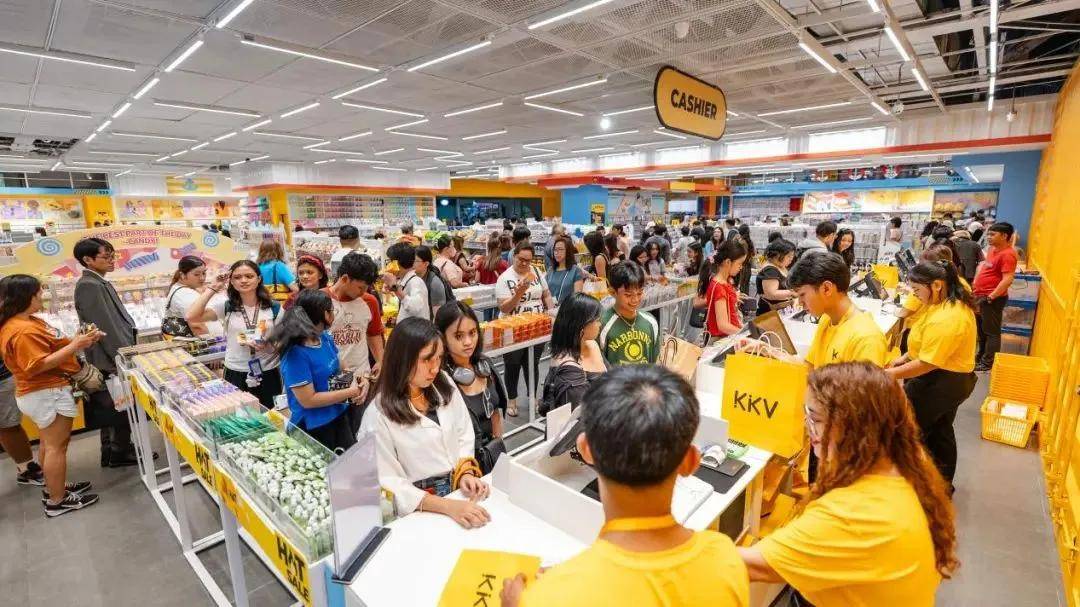
Core Insights - A new wave of Chinese brands is rapidly expanding in Southeast Asia, driven by a collective approach to market entry, contrasting with the previous individualistic strategies [3][4][9] - The success of brands like KKV and Mixue Ice City highlights the effectiveness of this "group army" strategy, allowing for shared resources and reduced entry barriers [4][10][16] Group 1: Market Dynamics - Southeast Asia is experiencing a "new consumption boom," with Chinese brands redefining market rules through collective efforts [3][4] - The region's young population, with a median age below 30, presents significant consumer potential, as these individuals are more open to new brands and products [21][23] - Cultural similarities, particularly in areas with large Chinese communities, lower the adaptation costs for Chinese brands entering these markets [23][24] Group 2: Brand Success Stories - Mixue Ice City has opened nearly 5,000 stores in Southeast Asia within two years, showcasing a rapid expansion strategy that resonates with local consumers [4][6] - Bubble Mart's LABUBU character has gained popularity in Thailand, indicating a shift in local consumer habits towards Chinese trendy products [6][8] - Brands like KKV are facilitating the entry of over 100 Chinese brands into Southeast Asia, significantly increasing their market presence and sales [9][10] Group 3: Innovative Business Models - KKV's model includes zero entry fees and comprehensive support for product certification and logistics, making it easier for brands to enter the market [10][16] - The establishment of a unified certification service and shared marketing strategies among brands enhances operational efficiency and reduces costs [16][17] - Data-driven decision-making through KKV's retail management system allows brands to quickly adapt to consumer preferences and optimize their offerings [17] Group 4: Strategic Advantages - The RCEP agreement has facilitated trade by reducing tariffs and improving logistics, further benefiting Chinese brands in Southeast Asia [25][26] - The ongoing infrastructure development in Southeast Asia provides ample opportunities for retail brands to establish a strong presence [27] - The rise of social media and e-commerce platforms has created new marketing channels, allowing brands to engage with consumers effectively [27][28] Group 5: Future Outlook - The success of Chinese brands in Southeast Asia is seen as a stepping stone for global expansion, with plans to replicate successful models in other regions [28][36] - The anticipated growth of KKV and its associated brands could lead to a significant increase in their international market share by 2027-2028 [32] - The overall trend indicates a shift from "Made in China" to "Created in China," emphasizing cultural influence alongside commercial success [36]
珀莱雅(603605):夯实品牌,行稳致远
Ping An Securities· 2025-08-27 05:42
Investment Rating - The investment rating for the company is "Recommended" [1][10] Core Views - The company achieved revenue of 5.362 billion yuan in the first half of 2025, representing a year-on-year increase of 7.21%, with net profit attributable to shareholders increasing by 13.8% to 799 million yuan [4] - The company is focusing on brand enhancement and market responsiveness, leveraging its R&D capabilities to optimize its core product matrix and explore overseas market opportunities [8] - The company plans to issue H shares and list on the Hong Kong Stock Exchange, aiming for a broader market presence after reaching a revenue milestone of 10 billion yuan in 2024 [8] Financial Summary - Revenue projections for 2025-2027 are 18.05 billion yuan, 21.09 billion yuan, and 24.29 billion yuan respectively, with corresponding P/E ratios of 20, 17, and 15 times [8] - The company reported a gross margin of 73.38% in the first half of 2025, an increase of 3.56 percentage points year-on-year, and a net profit margin of 15.41% [7] - The company’s total assets are projected to grow from 75.30 billion yuan in 2024 to 125.87 billion yuan by 2027 [9]

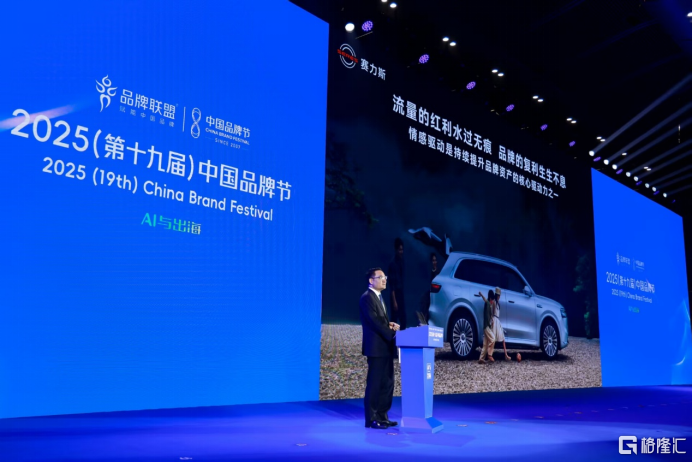
董明珠张琦齐聚深圳:中国品牌节解码AI出海黄金路线图
Nan Fang Du Shi Bao· 2025-08-15 08:06
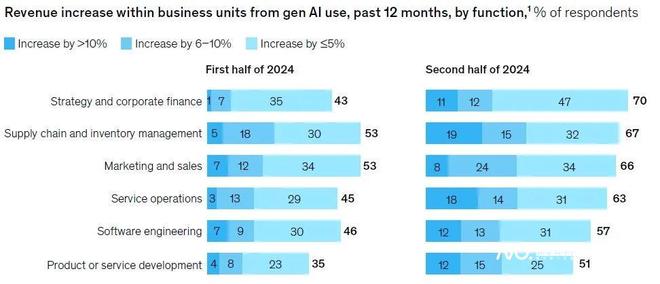
Group 1 - The core theme of the 2025 China Brand Festival is "AI and Going Global," focusing on how artificial intelligence can enhance rather than replace human creativity [2][16] - McKinsey's report indicates that over 60% of companies have achieved revenue growth through generative AI in the past 12 months [16] - The event gathered over 2,000 participants, including government officials, business leaders, and media representatives, highlighting the importance of AI in brand upgrading [2][5] Group 2 - Keynote speeches were delivered by prominent figures such as Dong Mingzhu, Chairman of Gree Electric Appliances, emphasizing the importance of quality and technological accumulation in building international brands [9][16] - Zhang Qi, a commercial IP expert, discussed the structural challenges faced by companies going global, including geopolitical trade restructuring, new technological cycles, and changing demographic trends [9][16] - The "Top Brand 2025 China Innovation Brand 500" list was released, featuring leading companies like Huawei, Douyin, and CATL, showcasing the competitive landscape of innovative brands [11]

KKV携百余中国品牌“抢占”东南亚黄金商圈
Hua Er Jie Jian Wen· 2025-08-13 13:05
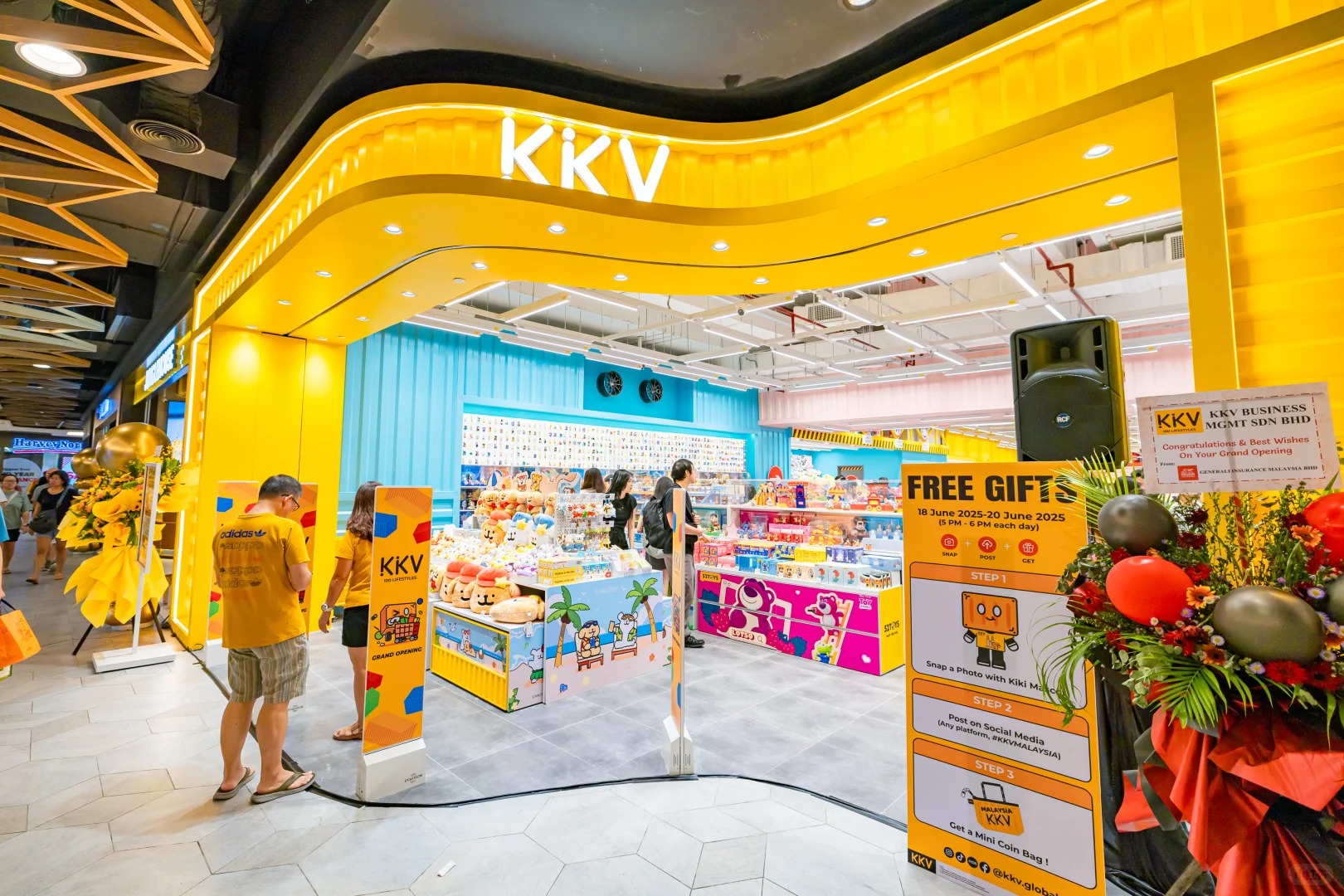
Core Viewpoint - A new wave of Chinese retail brands is emerging in Southeast Asia, with KKV leading the expansion by opening over 50 stores in five countries, including Singapore, Vietnam, and the Philippines, capitalizing on the region's young consumer base and cultural similarities with China [2][6][15]. Group 1: KKV's Expansion Strategy - KKV has opened its first flagship store in Singapore's Tiong Bahru Plaza, attracting significant attention from local youth and media, reinforcing its rapid expansion strategy in Southeast Asia [2][6]. - The company plans to open 19 stores in four countries within a year and aims to reach nearly 50 stores by mid-2025, with a long-term goal of over 150 stores [15][16]. - KKV's market entry strategy is characterized by a "high-profile" approach, targeting prime locations in major shopping centers to maximize visibility and consumer engagement [19][40]. Group 2: Consumer Engagement and Social Media Impact - KKV's stores are popular among young consumers, with social media influencers sharing their shopping experiences, leading to significant online engagement and foot traffic [7][12]. - The brand's unique store designs and product offerings resonate well with local youth, as evidenced by high engagement rates on platforms like TikTok [9][12]. - KKV's marketing strategy effectively leverages local trends and consumer preferences, enhancing brand recognition and sales performance [20][24]. Group 3: Support for Chinese Brands - KKV serves as a platform for various Chinese brands to enter Southeast Asian markets, providing logistical support and reducing barriers to entry for smaller companies [21][23]. - The company has established partnerships with over 200 brands and aims to increase this number to over 500 by 2025, facilitating a broader range of products in its stores [16][30]. - Successful brands like 半亩花田 have reported significant sales growth through KKV's network, highlighting the effectiveness of this collaborative approach [20][30]. Group 4: Market Dynamics and Future Outlook - KKV's rapid expansion is driven by the need to capture market share in a region with a young demographic and growing consumer spending [19][46]. - The company has built strong relationships with local retail giants, enhancing its ability to secure prime retail locations and adapt to market demands [40][42]. - KKV's international ambitions extend beyond Southeast Asia, with plans to explore markets in the Middle East and Europe, indicating a broader strategy for global brand presence [35][46].
“出海”又“出圈”的中国品牌(市场漫步)
Ren Min Ri Bao· 2025-08-12 21:53
Core Insights - Chinese brands are increasingly gaining recognition in international markets, showcasing the evolution of Chinese manufacturing from large-scale production to high-quality, innovative products [1][2] - The success of Chinese brands abroad is attributed to a complete industrial system and a vast domestic market that allows for rapid product iteration based on international demand [2] - Cultural depth and emotional resonance of Chinese IPs contribute to the appeal of brands, with successful examples of cultural exports enhancing brand visibility [3] Group 1: Market Performance - Chinese brand Heytea's concept store in New York sold over 3,500 cups on its opening day, while Stone Technology's European sales increased by 124% year-on-year during Amazon's promotional period [1] - The transition from OEM production to owning independent brands has been a challenging journey, requiring continuous innovation and market expansion [1] Group 2: Competitive Advantages - Chinese companies leverage their industrial capabilities and domestic market size to quickly adapt products to meet global consumer needs [2] - The shift from "scale advantage" to "quality advantage" is evident as Chinese brands compete effectively in various sectors, from daily consumer goods to high-end equipment [2] Group 3: Cultural Influence - The global popularity of Chinese cultural icons, such as Sun Wukong and Nezha, enhances the emotional connection with international audiences [3] - Companies like Miniso are capitalizing on cultural trends by launching IP derivative products, further expanding brand reach and engagement [3] Group 4: Policy Support - The Chinese government is enhancing intellectual property protection, with customs seizing 11,000 batches of suspected infringing goods in the first half of the year [3] - Efforts to improve cross-border trade facilitation are aimed at creating a more efficient and transparent business environment for brands looking to expand internationally [3]
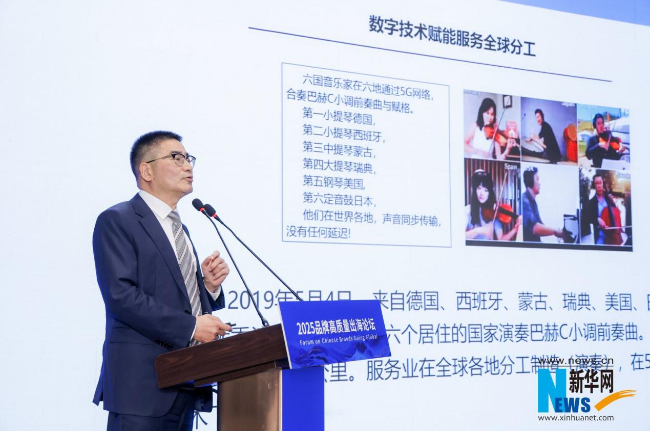
郑吉昌:中国品牌出海已进入新阶段
Xin Hua Wang· 2025-08-12 05:55
Group 1 - The core viewpoint is that China has entered a new stage of brand globalization driven by technology, localization, and the construction of a digital ecosystem [2] - The transition to a service economy and digital economy is characterized by the integration of artificial intelligence, which enhances service efficiency and user experience while creating new business models [2] - The 2025 World Brand Moganshan Conference is being held in Deqing, Zhejiang, focusing on exploring diversified development paths for brand globalization [3] Group 2 - The forum emphasizes that brand globalization is not merely geographical relocation but involves the reprogramming of global resource factors [2] - Future competitiveness will rely on the organic combination of humanized services and intelligent technology, requiring systematic collaboration in technology, ethics, and education [2] - The event aims to gather insights from various sectors to address new challenges and opportunities in brand globalization [3]
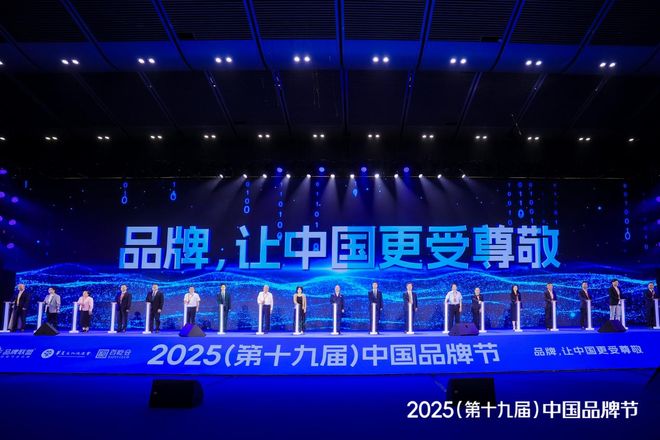
AI、出海如何与品牌发展结合?中国品牌节在深圳举办
Nan Fang Du Shi Bao· 2025-08-11 08:53
Core Insights - The 2025 (19th) China Brand Festival was held in Shenzhen, focusing on the theme of "AI and Going Global" to discuss new strategies for brand building and provide advice for Chinese brands expanding internationally [1][5] Group 1: Event Overview - The festival adopted a "1958" model, featuring one large opening ceremony, nine key events, fifty parallel forums and brand launch events, and eight master classes [3] - The festival aims to promote the vision of "Brands make China more respected" and is held annually in major cities across the country [3] Group 2: Key Themes and Discussions - Notable speakers emphasized the importance of AI as a "super partner" in brand enhancement, the role of culture in brand dialogue, and the need for core technology and innovation to build influential Chinese brands [5] - Discussions included the idea that going global is about coexistence rather than conquest, and that the essence of a brand lies in its emotions, stories, and values [5][7] Group 3: Main Forum Highlights - The main forum on August 8 featured discussions on "brand innovation in the digital intelligence era," addressing topics such as AI-driven productivity transformation, cross-cultural brand narrative innovation, and sustainable global growth strategies [7]
赛力斯康波:用户自豪是品牌忠诚度的最高体现 也是品牌工作者的最高使命
Ge Long Hui· 2025-08-09 03:01
Core Insights - The core focus of the news is on the brand innovation practices of Seres Group in the electric vehicle (EV) sector, highlighted during the 2025 China Brand Festival in Shenzhen [1] Group 1: Company Transformation and Achievements - Seres Group has fully transformed into the EV sector since 2016 and launched the high-end smart EV brand "AITO" in collaboration with Huawei in 2021, with four models (M5, M7, M9, M8) launched and over 700,000 units delivered, setting a record for delivery speed among Chinese luxury EV brands [3] - The AITO M9 model has surpassed 200,000 deliveries, making it the best-selling luxury car in the 500,000-unit market segment. In 2024, Seres is projected to sell over 420,000 EVs, generating revenue of 145.2 billion yuan, becoming the fourth profitable EV company globally [3] Group 2: Brand Positioning and Marketing Strategy - The core of Seres' marketing strategy is achieving differentiated positioning, adhering to the principle of "either first or unique." The brand declaration "Smart Reshapes Luxury" and the new luxury concept of "Traditional Luxury + Technological Luxury" have established a differentiated positioning and advantage [5] - A user survey indicates that smart technology has become a key brand identifier for AITO, with the top three reasons for purchase being smart features, brand reputation, and safety, which are increasingly influential in consumer decision-making [5] Group 3: Innovation and Global Strategy - As a technology-driven company, Seres focuses on "IP-based technology branding," launching innovative platforms such as the Seres Cube Technology Platform and Seres Super Range Extender to enhance user perception of the brand's technological capabilities [7] - For international market expansion, Seres employs a "high-profile" strategy, exemplified by the "AITO Mountain River - Smart Driving Europe Tour," covering 15,000 kilometers across 12 countries and gaining global attention at the Paris Auto Show [7] - The company emphasizes that establishing a high-end brand image for Chinese brands abroad requires localized products, a comprehensive service system, and leveraging global partnerships and local talent [7]