出口

Search documents
高频经济周报:地产市场回升,港口吞吐量下行-20251018
Shenwan Hongyuan Securities· 2025-10-18 12:08
Industry Investment Rating The provided content does not mention the industry investment rating. Core Viewpoints The report analyzes the economic situation from multiple aspects, including industrial production, people and freight flow, consumption, investment, export, and the performance of major asset classes. It points out that industrial production shows seasonal recovery, people flow increases while freight prices decline slightly, consumption has mixed performance, construction shows weakness while the real - estate market recovers seasonally, port throughput decreases, and shipping indices are differentiated. Also, major asset classes show distinct trends with bond indices rising, stock indices falling, most commodities dropping, and foreign currencies appreciating [1]. Summary by Directory 1. Major Asset Classes - This week, bond indices generally rose, stock indices generally fell, most commodities declined, and foreign currencies generally appreciated. Among them, the ChinaBond 7 - 10 - year China Development Bank Bond Index rose the most, with a weekly increase of 0.33%; the STAR 50 Index fell the most, with a weekly decline of 6.16%. The Nanhua Precious Metals Index rose the most among commodities, with a gain of 10.76%, and the Nanhua Energy and Chemicals Index fell the most, with a decline of 3.43%. Foreign currencies appreciated against the RMB, with the Japanese yen having the largest increase, a weekly gain of 1.22%, and the US dollar appreciating against the RMB, with a weekly gain of 0.05% [1]. 2. Industrial Production - Production shows seasonal recovery. In the upstream, the weekly coal consumption in the national power plant sample area decreased by 1.27% week - on - week, the operating rate of petroleum asphalt plants increased by 1.30 pcts to 35.80% week - on - week, the blast furnace operating rate remained flat at 84.25% compared with last week, and the crude steel output increased by 7.57% week - on - week. In the real - estate chain, the operating rate of rebar production increased by 1.35 pcts to 41.33% week - on - week, the operating rate of float glass increased by 0.34 pcts to 76.65% week - on - week, and the mill operation rate decreased by 0.49 pcts to 37.89% week - on - week. In the consumer goods chain, the operating rate of polyester filament decreased by 0.03 pcts to 91.06% week - on - week, the operating rate of PTA decreased by 1.92 pcts to 75.56% week - on - week, and the operating rate of methanol increased by 4.00 pcts to 84.38% week - on - week. In the automotive chain, the operating rate of automobile semi - steel tires increased by 26.21 pcts to 72.72% week - on - week, and the operating rate of automobile all - steel tires increased by 20.56 pcts to 64.52% week - on - week [1]. 3. People and Freight Flow - People flow increased, while freight prices declined slightly. The 7 - day moving average (7DMA) of the national migration scale index increased by 3.25% week - on - week. The 7DMA of the number of domestic flights decreased by 0.66% week - on - week, and the 7DMA of the number of international flights decreased by 0.11% week - on - week. The subway passenger volumes in Beijing, Shanghai, Shenzhen, and Guangzhou all decreased. In terms of freight flow, the 4 - week moving average (4WMA) of the road logistics freight rate index decreased by 0.02% week - on - week, but the total volume was higher than the same period in previous years [1]. 4. Consumption - Automobile retail sales showed a decline, and prices were differentiated. The previous period's automobile wholesale sales decreased by 1.00% year - on - year, and retail sales increased by 7.00% year - on - year. The 4WMA of the wholesale and retail year - on - year growth rates both declined. This period's movie box office decreased by 73% week - on - week, and the 7DMA of the number of movie - goers decreased by 73% week - on - week. Agricultural product prices were differentiated, with pork prices decreasing by 2.38% week - on - week and vegetable prices increasing by 0.13% week - on - week [1]. 5. Investment - Construction showed weakness, while the real - estate market recovered seasonally. The cement storage capacity ratio increased by 1.6 pcts week - on - week, the cement price index increased by 0.01% week - on - week, and the cement shipping rate decreased by 2.1 pcts week - on - week. The rebar inventory decreased by 2.4% week - on - week, the proportion of profitable steel mills nationwide decreased by 0.9 pcts week - on - week, and the apparent demand for rebar decreased by 39.4% week - on - week. Overall, the terminal demand for construction was weak. The 7DMA of the commercial housing transaction area in 30 large and medium - sized cities increased by 171.0% week - on - week. By city - tier, the commercial housing transaction areas in first - tier, second - tier, and third - tier cities all increased. The 7DMA of the second - hand housing transaction area in 16 cities increased by 165.6% week - on - week, and the national second - hand housing listing price index decreased by 0.1% week - on - week. The land transaction area in 100 cities increased, and the land transaction premium rate decreased week - on - week [1]. 6. Export - Port throughput decreased, and shipping indices were differentiated. This period's port cargo throughput decreased by 8.4% week - on - week, and the container throughput decreased by 6.1% week - on - week. The BDI index increased by 6.87% week - on - week, the SCFI index increased by 12.92% week - on - week, and the CCFI index decreased by 4.11% week - on - week [1].
尿素早评:关键还是在出口-20251016
Hong Yuan Qi Huo· 2025-10-16 02:58
Report Summary 1. Report Industry Investment Rating - Not provided in the report. 2. Core Viewpoint - The rebound of the urea futures market is mainly due to short - term profit - taking by short sellers. The spot market remains dull. The previously expected upward drivers (chemical anti - involution and exports) have not materialized. If there is no further change in exports and domestic agricultural demand weakens, domestic demand may not be able to absorb the high supply pressure, and urea prices may continue to fluctuate at a low level. However, the current urea valuation is already at a low level, and it is not recommended to continue short - selling. The trading strategy is to wait and see, with a view score of 0 [1]. 3. Summary by Related Catalogs Urea Futures Prices (Closing Price) - On October 15, UR01 was 1597 yuan/ton, a decrease of 3 yuan or 0.19% from October 14; UR05 was 1671 yuan/ton, a decrease of 2 yuan or - 0.12%; UR09 was 1707 yuan/ton, a decrease of 5 yuan or - 0.29% [1]. Domestic Spot Prices (Small - Granule) - On October 15, the prices in Shandong, Henan, Hebei, Northeast, and Jiangsu remained unchanged at 1550 yuan/ton, 1540 yuan/ton, 1590 yuan/ton, 1620 yuan/ton, and 1560 yuan/ton respectively. The price in Shanxi was 1460 yuan/ton, an increase of 10 yuan or 0.68% from October 14 [1]. Basis and Spread - On October 15, the spread between Shandong spot and UR01 was - 121 yuan/ton, an increase of 2 yuan from October 14; the spread between 01 - 05 was - 74 yuan/ton, an increase of 5 yuan [1]. Upstream Cost - On October 15, the anthracite coal prices in Henan and Shanxi remained unchanged at 1000 yuan/ton and 880 yuan/ton respectively [1]. Downstream Prices - On October 15, the prices of compound fertilizer (45%S) in Shandong and Henan remained unchanged at 2900 yuan/ton and 2500 yuan/ton respectively. The melamine prices in Shandong and Jiangsu remained unchanged at 5084 yuan/ton and 5100 yuan/ton respectively [1]. Important Information - On the previous trading day, the opening price of the urea futures main contract 2601 was 1600 yuan/ton, the highest price was 1611 yuan/ton, the lowest price was 1596 yuan/ton, the closing price was 1600 yuan/ton, and the settlement price was 1604 yuan/ton. The position of 2601 was 322,686 lots [1].
尿素不香了?价格处近10年低位,企业库存高企
Hua Xia Shi Bao· 2025-10-13 12:39
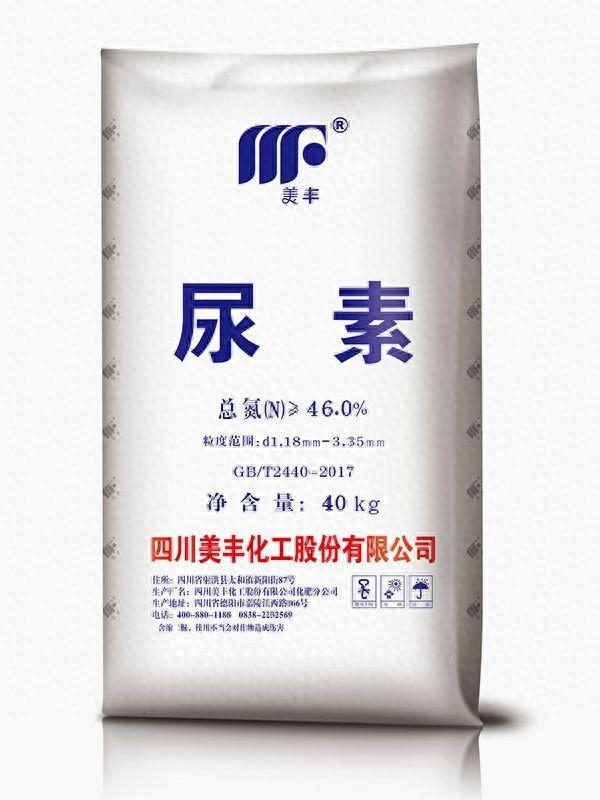
Core Viewpoint - The price of urea in China has been declining, with the average price for small granular urea at 1616.50 yuan/ton as of October 11, 2025, representing a 16.19% decrease compared to 2024, and is now below the average price of the past decade [2] Supply and Demand - Both supply and demand for urea are expected to grow in 2025, but the growth rate of demand is significantly lower than that of supply, leading to a persistent supply-demand imbalance [2][4] - Urea production capacity in China has increased to 79.15 million tons in 2025, a 2.51% increase year-on-year, with an average daily output of 197,000 tons, which is higher than the previous years' levels of 150,000 to 170,000 tons [4][5] - The domestic urea inventory reached 1.338 million tons as of October 9, 2025, a 101.8% increase from the year's low, with an average annual inventory of 1.073 million tons, marking a 70.6% increase from 2024 [5] Price Trends - The urea market has shown a trend of first rising and then falling throughout 2025, with significant price drops in the third quarter. Prices fell from over 1800 yuan/ton in June to as low as 1560 yuan/ton in early October [4] - The decline in urea prices is primarily attributed to oversupply, as new production capacities have been added over the past three years, while domestic consumption growth has not kept pace [4][6] Industry Performance - Companies in the urea sector are experiencing significant financial difficulties due to falling prices. For instance, Lu Hua Technology reported a net loss of 229 million yuan in the first half of 2025, while Sichuan Meifeng's net profit dropped by 95.17% to 803,130 yuan [3][10] - The overall performance of the urea industry has been impacted by high operating rates and adverse weather conditions, leading to a sustained oversupply and downward pressure on prices [11] Future Outlook - The market is currently under pressure, but there may be opportunities for price rebounds in the fourth quarter as domestic storage efforts begin and some production facilities undergo maintenance [7] - The focus will be on export dynamics and changes in domestic production capacity, as the market continues to navigate the challenges of high supply levels [7]


X @外汇交易员
外汇交易员· 2025-10-13 02:00
Trade Performance - China's total goods trade (imports and exports) reached 33.61 trillion yuan, a 4% year-over-year increase for the first three quarters [1] - Exports amounted to 19.95 trillion yuan, showing a 7.1% year-over-year increase [1] - Imports totaled 13.66 trillion yuan, a 0.2% year-over-year decrease [1] - In September alone, total trade volume was 4.04 trillion yuan, an 8% year-over-year increase [1]
高频|内需待提振,外需有隐忧
CAITONG SECURITIES· 2025-10-11 11:41
Report Industry Investment Rating No relevant content provided. Core Views - The main concerns this week include the escalation of Sino-US shipping friction, the weak real estate sales, the downward trend of commodity prices, the decline in most production开工率, the strong mobility in consumption, the downward trend of prices in inflation, and the upward trend of SCFI and downward trend of BDI in exports [2]. - Real estate sales were weak this week, with the new - home transaction area in 20 cities showing a significant decline both month - on - month and year - on - year, and the new - deal effect of the new policy is diminishing. The transaction area of second - hand housing also decreased significantly [2]. - In terms of investment and production, most commodity prices declined, including steel, cement, asphalt, and glass futures. In industrial production, most开工率 decreased, while PTA开工率 increased slightly [2]. - In consumption, mobility was strong, with subway rides and domestic flights above the seasonal level, car consumption in line with the season, and movie box office below the seasonal level [2]. - In terms of inflation, pork, vegetable, and oil prices all declined [2]. - In exports, SCFI increased and BDI decreased significantly due to the escalation of Sino - US shipping friction [2]. Summary by Directory 1. Real Estate Sales: The Effect of New Policies is Diminishing - This week (October 3 - 9), the new - home transaction area in 20 cities decreased by 74.87% month - on - month and 31.63% year - on - year. The new - home transaction area in all tiers of cities turned negative month - on - month, mainly due to the holiday, and remained negative year - on - year, indicating the diminishing effect of new policies [2][7]. - For second - hand housing, the transaction area in each city decreased significantly both month - on - month and year - on - year [2]. 2. Investment: Most Commodity Prices Declined - Investment - related commodity prices mostly declined this week. The price of rebar decreased slightly due to weak demand and anti - seasonal inventory accumulation; the cement price decreased slightly due to weak demand, over - capacity, and insufficient cost support; the asphalt price dropped as supply increased and demand was hindered by rainfall in the South; the glass futures price decreased during the inventory - building period and due to continuous rainy weather affecting enterprise shipments [2]. 3. Production: Most Operating Rates Declined - In industrial production, most operating rates declined. The operating rates of coking enterprises and polyester filament decreased slightly, the operating rate of automobile tires decreased significantly, the operating rate of steel - mill blast furnaces remained basically flat, and the PTA operating rate increased slightly [2]. 4. Consumption: Mobility was Strong - In consumption, mobility was strong. Subway rides and domestic flights were above the seasonal level, car consumption was in line with the season, and movie box office was below the seasonal level [2]. 5. Exports: SCFI Increased, BDI Decreased - This week, the Shanghai Containerized Freight Index (SCFI) increased, while the Baltic Dry Index (BDI) decreased significantly. The escalation of Sino - US shipping friction led to a slight increase in freight rates [2]. 6. Prices: Pork, Vegetable, and Oil Prices Declined - In terms of prices, pork, vegetable, and oil prices all declined. Vegetable prices decreased due to sufficient supply and weakening consumption demand; crude oil prices decreased as geopolitical risks eased [2].

宏观经济专题:9月出口或仍有强韧性
KAIYUAN SECURITIES· 2025-09-29 09:02
Supply and Demand - Construction starts show divergence, with asphalt plant operating rates rebounding to historical median levels, while cement dispatch and mill operation rates remain at historical lows[2] - Industrial production maintains a high level of overall activity, with PX operating rates at historical highs and PTA rates at historical lows[2][23] - Demand in construction remains weak, with rebar and building materials demand at historical lows, and automotive and home appliance sales also underperforming[3][31] Prices - Domestic industrial products are experiencing a strong fluctuation, with the Nanhua Composite Index showing an upward trend[4][43] - International commodity prices, including oil, copper, and gold, are also on the rise[4][38] Real Estate - New housing transactions in 30 major cities increased by 33% compared to the previous two weeks, with year-on-year changes of -39% and +12% compared to 2023 and 2024 respectively[5][58] - Second-hand housing transactions in major cities like Beijing, Shanghai, and Shenzhen have shown significant recovery, with year-on-year increases of +49%, +42%, and +71% respectively[5][63] Exports - Port throughput in September increased by 7.3% year-on-year, with export growth projected at approximately +6.7% based on multiple indicator models[6][66] Liquidity - Recent weeks have seen an upward trend in funding rates, with R007 at 1.64% and DR007 at 1.56% as of September 28[6][71] - The central bank has implemented a net injection of 171.1 billion yuan in recent weeks[6][73]
高频经济周报(2025.9.21-2025.9.27):人员流动回落,需求环比改善-20250927
Shenwan Hongyuan Securities· 2025-09-27 13:36
Report Information - Report Date: September 27, 2025 [1] - Report Title: High - frequency Economic Weekly (2025.9.21 - 2025.9.27) [3] - Analysts: Huang Weiping, Luan Qiang [1] - Research Support: Wang Zheyi [1] Industry Investment Rating No industry investment rating information is provided in the report. Core View The report shows that personnel flow has declined while demand has improved month - on - month. Industrial production is generally stable, personnel and freight flows have changed, consumption shows a mixed picture, investment in construction and the real - estate market has improved, exports have seen some fluctuations, and there have been some important policies and events during the period [3]. Summary by Directory 1. Big - class Assets - This week, bond indices generally declined. The China Bond 7 - 10 - year China Development Bank Bond Index fell the most, with a weekly decline of 0.19%. - Most stock indices rose. The Science and Technology Innovation 50 Index rose the most, with a weekly increase of 6.47%. - Commodities showed mixed performance. The Nanhua Precious Metals Index rose the most, with a gain of 4.48%, while the Nanhua Black Index fell the most, with a decline of 1.95%. - Most foreign currencies depreciated against the RMB. The Japanese yen had the largest decline, with a weekly decline of 0.95%, and the US dollar appreciated against the RMB, with a weekly increase of 0.31% [3] 2. Industrial Production - Production is marginally stable. From the upstream, the weekly coal consumption in the national power plant sample area decreased by 1.27% month - on - month, the weekly operating rate of petroleum asphalt plants increased by 5.70 pcts to 40.10%, the weekly blast furnace operating rate increased by 0.47 pcts to 84.47%, and the weekly crude steel output decreased by 0.67%. - In the real - estate chain, the weekly operating rate of rebar decreased by 2.31 pcts to 40.65%, the operating rate of float glass remained flat at 76.31% compared with last week, and the mill operation rate remained flat at 38.55% compared with last week. - In the consumer goods chain, the operating rate of polyester filament remained flat at 91.54% compared with last week, the PTA operating rate decreased by 0.81 pcts to 76.48%, and the methanol operating rate increased by 0.12 pcts to 79.51%. - In the automotive chain, the operating rate of automobile semi - steel tires decreased by 0.08 pcts to 73.58%, and the operating rate of automobile all - steel tires increased by 0.06 pcts to 65.72% [3] 3. People and Goods Flow - Personnel flow has significantly declined. The 7 - day moving average (7DMA) of the national migration scale index decreased by 7.21% week - on - week. The 7DMA of domestic flight operations decreased by 2.93% week - on - week, and the 7DMA of international flight operations decreased by 1.01% week - on - week. The passenger volume in Beijing and Shanghai increased, while the subway passenger volume in Guangzhou and Shenzhen decreased. - Freight prices decreased slightly. The 4 - week moving average (4WMA) of the road logistics freight rate index decreased by 0.04% week - on - week, and the total volume was higher than the same period in previous years [3] 4. Consumption - Automobile wholesale and retail sales increased year - on - year. In the previous period, the year - on - year growth rates of passenger car market wholesale and retail sales were 6.00% and 9.00% respectively, and both the 4WMA of the wholesale year - on - year growth rate and the 4WMA of the retail year - on - year growth rate increased. - The film box office and the number of moviegoers decreased. The weekly film box office decreased by 55% week - on - week, and the 7DMA of the number of moviegoers decreased by 55% week - on - week. - Agricultural product prices showed a mixed performance. The weekly price of pork decreased by 0.31%, while the weekly price of vegetables increased by 4.23% [3] 5. Investment - Construction showed good performance. The weekly cement inventory - to - capacity ratio increased by 0.4 pcts, the weekly cement price index increased by 2.97%, and the weekly cement shipment rate increased by 0.4 pcts. The rebar inventory decreased by 2.8% week - on - week, the proportion of profitable steel mills nationwide decreased by 0.9 pcts week - on - week, and the apparent demand for rebar increased by 5.0% week - on - week. - The real - estate market improved. The 7DMA of the commercial housing transaction area in 30 large and medium - sized cities increased by 21.2% week - on - week. The transaction areas of first - tier, second - tier, and third - tier cities all increased. The 7DMA of the second - hand housing transaction area in 16 cities increased by 1.6% week - on - week, and the national second - hand housing listing price index decreased by 0.1% week - on - week. The land transaction area in 100 cities increased, and the land transaction premium rate decreased week - on - week [3] 6. Exports - Port throughput increased slightly. The weekly port cargo throughput increased by 0.1%, and the weekly container throughput increased by 0.2%. - Most shipping indices declined. The BDI index increased by 2.54% week - on - week, while the SCFI index and the CCFI index decreased by 6.98% and 2.93% respectively week - on - week [3] 7. Important Policies/Events - On September 22, the LPR quotation remained unchanged. - On September 22, the State Council Information Office held a press conference to introduce the development of the financial industry during the 14th Five - Year Plan period, without involving short - term policy adjustments. - On September 24, the central bank announced an operation of 600 billion MLF on September 25. - On September 26, the central bank's third - quarter monetary policy meeting continued to emphasize a "moderately loose" monetary policy [3]
高频经济周报:人员流动回落,需求环比改善-20250927
Shenwan Hongyuan Securities· 2025-09-27 12:45
Report Industry Investment Rating No relevant content provided. Core Viewpoints of the Report - The overall industrial production is stable, with some indicators showing upward trends and others showing downward trends. Personnel flow has significantly declined, and freight prices have slightly decreased. Automobile sales have increased year-on-year, and price performance is differentiated. Construction is performing well, and the commercial housing market has improved. Port throughput has increased, while most shipping indices have declined. Bond indices have generally fallen, most stock indices have risen, commodities have shown mixed performance, and most foreign currencies have depreciated [1]. Summary According to the Table of Contents 1. Large - scale Assets - This week, bond indices generally declined, most stock indices rose, commodities showed mixed performance, and most foreign currencies depreciated. The China Bond 7 - 10 - year China Development Bank Bond Index fell the most, with a weekly decline of 0.19%. The Sci - tech Innovation 50 Index rose the most, with a weekly increase of 6.47%. The Nanhua Precious Metals Index rose the most among commodities, with a gain of 4.48%, while the Nanhua Black Index fell the most, with a decline of 1.95%. Most foreign currencies depreciated against the RMB, with the Japanese yen having the largest decline of 0.95%, and the US dollar appreciated against the RMB, with a weekly increase of 0.31% [1][6]. 2. Industrial Production - Production is marginally stable. From the upstream perspective, the weekly coal consumption in the national power plant sample area decreased by 1.27% week - on - week, the operating rate of petroleum asphalt plants increased by 5.70 pcts to 40.10% week - on - week, the blast furnace operating rate increased by 0.47 pcts to 84.47% week - on - week, and the crude steel output decreased by 0.67% week - on - week. In the real estate chain, the rebar operating rate decreased by 2.31 pcts to 40.65% week - on - week, the float glass operating rate remained flat at 76.31% compared with last week, and the mill operating rate remained flat at 38.55% compared with last week. In the general consumer goods chain, the polyester filament operating rate remained flat at 91.54% compared with last week, the PTA operating rate decreased by 0.81 pcts to 76.48% week - on - week, and the methanol operating rate increased by 0.12 pcts to 79.51% week - on - week. In the automotive chain, the operating rate of automobile semi - steel tires decreased by 0.08 pcts to 73.58% week - on - week, and the operating rate of automobile all - steel tires increased by 0.06 pcts to 65.72% week - on - week [1][9]. 3. People and Goods Flow - Personnel flow has significantly declined, and freight prices have slightly decreased. The 7 - day moving average (7DMA) of the national migration scale index decreased by 7.21% week - on - week. The 7DMA of the number of domestic flights decreased by 2.93% week - on - week, and the 7DMA of the number of international flights decreased by 1.01% week - on - week. The passenger volumes in Beijing and Shanghai increased, while the subway passenger volumes in Guangzhou and Shenzhen decreased. The 4 - week moving average (4WMA) of the road logistics freight rate index decreased by 0.04% week - on - week, and the total volume was higher than the same period in previous years [1][32]. 4. Consumption - Automobile sales have increased year - on - year, and price performance is differentiated. Both the year - on - year wholesale and retail sales of automobiles increased. In the previous period, the year - on - year sales of passenger cars in the wholesale and retail markets increased by 6.00% and 9.00% respectively compared with last year, and both the 4WMA of the year - on - year wholesale growth rate and the 4WMA of the year - on - year retail growth rate increased. The weekly box office of movies decreased by 55% week - on - week, and the 7DMA of the number of moviegoers decreased by 55% week - on - week. Agricultural product prices showed differentiation, with the pork price decreasing by 0.31% week - on - week and the vegetable price increasing by 4.23% week - on - week [1][46]. 5. Investment - Construction is performing well, and the commercial housing market has improved. The cement inventory - to - capacity ratio increased by 0.4 pcts week - on - week, the cement price index increased by 2.97% week - on - week, and the cement shipment rate increased by 0.4 pcts week - on - week. The rebar inventory decreased by 2.8% week - on - week, the proportion of profitable steel mills nationwide decreased by 0.9 pcts week - on - week, and the apparent demand for rebar increased by 5.0% week - on - week. Overall, the terminal demand for construction is performing well. The 7DMA of the commercial housing transaction area in 30 large - and medium - sized cities increased by 21.2% week - on - week. By city tier, the commercial housing transaction areas in first - tier, second - tier, and third - tier cities all increased. The 7DMA of the second - hand housing transaction area in 16 cities increased by 1.6% week - on - week, and the national second - hand housing listing price index decreased by 0.1% week - on - week. The land transaction area in 100 cities increased, and the land transaction premium rate decreased week - on - week [1][55]. 6. Export - Port throughput has increased slightly, and most shipping indices have declined. The weekly port cargo throughput increased by 0.1% week - on - week, and the container throughput increased by 0.2% week - on - week. The BDI index increased by 2.54% week - on - week, while the SCFI index and CCFI index decreased by 6.98% and 2.93% respectively week - on - week [1][73].
九部门发文扩大服务消费,稳增长的财政政策仍可加码
Hua Xia Shi Bao· 2025-09-16 12:43
Economic Growth and Demand - China's economic growth remains strong, but domestic demand is slightly below expectations, with key production and demand indicators showing stable growth in the first eight months of the year [2] - In August, there was a marginal decline in economic performance, with year-on-year growth rates for industrial value added, service production index, retail sales, fixed asset investment, and export amounts all weakening [2] - The internal driving force for economic growth has not yet solidified, with ongoing transitions between old and new growth drivers, particularly due to household deleveraging impacting economic circulation [2] Service Consumption Policies - The Ministry of Commerce and nine other departments issued policies on September 16 to expand service consumption, enhancing consumer credit support and promoting collaboration between financial institutions and businesses [3][4] - Service consumption is identified as a crucial support for improving livelihoods and upgrading consumption, with a projected 6.2% year-on-year growth in service retail sales for 2024, outpacing goods retail sales by 3 percentage points [5] - The government aims to attract more foreign consumers and reduce restrictions in high-end medical and leisure sectors to increase quality service supply [6] External Trade and Export Dynamics - In August, China's total goods imports and exports grew by 3.5% year-on-year, with both exports and imports achieving three consecutive months of growth [7] - The export of electromechanical products saw a significant increase, with a 9.2% year-on-year growth in the first eight months [7] - Despite a decline in export growth rate, the resilience of exports is expected to exceed expectations due to adjustments in export markets, particularly with ASEAN and EU countries compensating for reduced exports to the US [7][8] Economic Outlook and Policy Implications - The economic growth is primarily supported by policy measures and structural highlights, but challenges remain due to weak internal and external demand, low corporate profit expectations, and funding constraints [8] - The fourth quarter is seen as a critical period for economic stabilization, with the effectiveness of policy financial tools, local government projects, and consumption stimulus policies being pivotal for maintaining growth [8]

8月重磅经济数据出炉
2 1 Shi Ji Jing Ji Bao Dao· 2025-09-15 13:13
Economic Performance Overview - In August, the industrial added value of large-scale enterprises increased by 5.2% year-on-year and 0.37% month-on-month [1] - The service production index rose by 5.6% year-on-year in August [1] - The total retail sales of consumer goods grew by 3.4% year-on-year and 0.17% month-on-month in August [1] - From January to August, fixed asset investment (excluding rural households) increased by 0.5% year-on-year, while excluding real estate development investment, it grew by 4.2% [1][4] Investment Trends - Manufacturing investment increased by 5.1% year-on-year from January to August, although the growth rate is declining [4] - Infrastructure investment (excluding power, heat, gas, and water production and supply) grew by 2.0%, down 1.2 percentage points from the previous period [4] - Real estate development investment decreased by 12.9% year-on-year, with the decline rate widening by 0.9 percentage points [4][5] Real Estate Market Dynamics - The real estate market is experiencing fluctuations but is moving towards stabilization, with a narrowing decline in sales and housing prices [5] - Recent adjustments in housing policies in some cities have shown positive effects, leading to improved market transactions [5] - The government is focusing on enhancing urban renewal and increasing the supply of high-quality housing to meet demand [5][6] Consumer Market Insights - The retail sales of consumer goods showed a year-on-year growth of 4.6% from January to August, with service retail sales increasing by 5.1% [8] - Key consumer goods categories, such as furniture and home appliances, saw significant sales growth in August, with increases of 18.6% and 14.3% respectively [8] - The film industry also experienced a surge, with box office revenue and attendance increasing by 48.6% and 66.9% year-on-year in August [8][9] Trade and Export Performance - In August, the total goods import and export volume increased by 3.5% year-on-year, with exports growing by 4.8% and imports by 1.7% [9] - Cumulatively, from January to August, exports rose by 6.9%, while imports fell by 1.2% [9] - Exports to the U.S. saw a significant decline of 32.9%, which was a major drag on overall export performance [9] Price Trends - The Producer Price Index (PPI) decreased by 2.9% year-on-year in August, but the decline rate narrowed by 0.7 percentage points compared to the previous month [9][10] - Factors contributing to the PPI changes include improved market competition, increased demand in emerging industries, and the effects of consumption-boosting policies [10]