
品牌化

Search documents
中金:维持美丽田园医疗健康(02373)跑赢行业评级 目标价42港元
智通财经网· 2025-11-21 06:43
Core Viewpoint - 中金上调美丽田园医疗健康(02373)的归母净利润预测,预计2025年和2026年分别为3.0亿和3.6亿元,当前股价对应的市盈率为20x和17x [1] Group 1: Strategic Upgrades - 公司发布战略升级,提出"超级品牌、超级连锁、超级数字化"的三大战略 [2] - 在品牌化方面,公司计划通过新空间和新体验的升级,强化品牌推广及内容营销 [2] - 连锁化战略将深耕中国20个核心经济发达城市,计划将年收入超1亿元的城市数量从8个提升至12个 [2] - 数字化方面,公司已构建38个数字化系统,自研比例达70%,计划通过精准营销提升运营效率 [2] Group 2: Acquisitions and Revenue Growth - 公司以4,000万元人民币收购珠海和东莞的19家奈瑞儿加盟门店,预计新增近7,500万元收入和750万元税后净利润 [3] Group 3: Shareholder Returns - 公司发布长期股东回报计划,未来三年将动用最高12亿港币进行股东回报,包括每年派息不低于归母净利润的50%及回购股份 [4] - 中金看好公司在内生和外延驱动下的广阔成长空间 [4]
中金:维持美丽田园医疗健康跑赢行业评级 目标价42港元
Zhi Tong Cai Jing· 2025-11-21 06:41
Core Viewpoint - 中金上调美丽田园医疗健康(02373)的归母净利润预测,预计2025年和2026年分别为3.0亿和3.6亿元,当前股价对应的市盈率为20x和17x,维持跑赢行业评级及目标价42港元,具有49%的上行空间 [1] Group 1: Strategic Upgrades - 公司发布战略升级,提出"超级品牌、超级连锁、超级数字化"的三大战略,旨在推动中长期成长 [2] - 在品牌化方面,公司计划通过升级服务流程和强化品牌推广,提升品牌声量 [2] - 在连锁化方面,公司计划在20个核心经济发达城市深耕,短期内将年收入超1亿元的城市数量从8个提升至12个 [2] - 在数字化方面,公司已构建38个数字化系统,自研比例达70%,计划通过精准营销提升运营效率 [2] Group 2: Acquisition and Revenue Growth - 公司以4,000万元人民币收购珠海和东莞的19家奈瑞儿加盟门店,预计将为集团新增近7,500万元收入和750万元税后净利润 [3] Group 3: Shareholder Returns - 公司发布长期股东回报计划,未来三年将动用最高12亿港币提供股东回报,包括每年派息不低于归母净利润的50%及回购公司股份 [4] - 中金看好公司在内生和外延驱动下的广阔成长空间 [4]
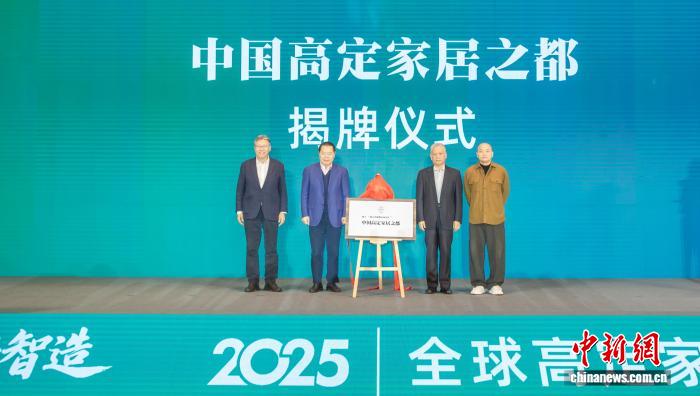
浙江区县观察:中国高定家居何以看南浔?
Zhong Guo Xin Wen Wang· 2025-11-20 13:16
Core Insights - The article highlights the transformation of Nanxun, a city in Huzhou, Zhejiang, into a hub for high-end customized home furnishings, showcasing its industrial evolution and innovation in the sector [1][5]. Industry Development - The 2025 Global High-End Home Furnishing Design Innovation Conference was held in Nanxun, bringing together industry experts and leaders to discuss the future of high-end home furnishings [1]. - Nanxun's wood industry has evolved from traditional processing to high-end customization, with an annual output value exceeding 10 billion yuan, benefiting thousands of families [1]. - The local government has implemented policies to support the wood industry, including the "Chain Leader System" and nine measures to promote high-quality development in the home furnishing sector [2]. Company Innovations - Companies like Zhejiang Kaixin Home Technology Co., Ltd. are adopting automation and upgrading production lines, achieving a transformation from flooring manufacturers to high-end home furnishing providers, with steady growth in output value over three consecutive years [1][5]. - The integration of craftsmanship and technology is evident, with skilled artisans working alongside automated systems to enhance product quality [1]. Cultural and Market Trends - Nanxun's unique cultural heritage, including its reputation as the "Home of Silk" and "Capital of Lake Brushes," provides a competitive advantage in high-end customization, emphasizing the importance of cultural roots in design [5]. - The shift in consumer preferences towards personalized, emotional, and scenario-based home furnishing solutions is driving the industry towards a more collaborative approach between designers and manufacturers [6]. Strategic Initiatives - The establishment of the "China High-End Home Furnishing Capital" and the signing of the "China High-End Home Furnishing Research and Development Plan" indicate Nanxun's readiness to expand into global markets [5]. - The local industry is focusing on transitioning from product output to brand output, positioning itself as a key player in the high-end home furnishing market [5].

“贡当神山”区域公用品牌发布,助力当地蜂蜜产业提质升级
Bei Ke Cai Jing· 2025-11-19 07:32
Core Viewpoint - The "Gongdang Shenshan" brand launch represents a significant transition for Gongshan's agricultural products from raw ecological offerings to branded goods, emphasizing the collaboration between government, enterprises, and cultural empowerment [1][2]. Group 1: Brand Development - The "Gongdang Shenshan" brand was officially launched, showcasing the integration of Gongshan's natural scenery and ethnic culture [1]. - The brand will feature a dual-label system with "honey" and "general" labels, aiming to cover more specialty agricultural products and cultural tourism services [1]. - The brand aims to establish a unified perception through standardized quality control, packaging, and communication, focusing on the combination of region, culture, and quality [1]. Group 2: Industry Collaboration - The brand's development is a result of systematic practices involving government and enterprise collaboration, as well as industry chain dynamics [2]. - The company responsible for executing the brand enhancement project has focused on four key areas: industry planning, technical training, technical services, and brand strategy and sales planning [2]. - The upgraded "Gongdang Shenshan" honey is now available across all channels of the company, including promotion through its app and mini-programs [2].
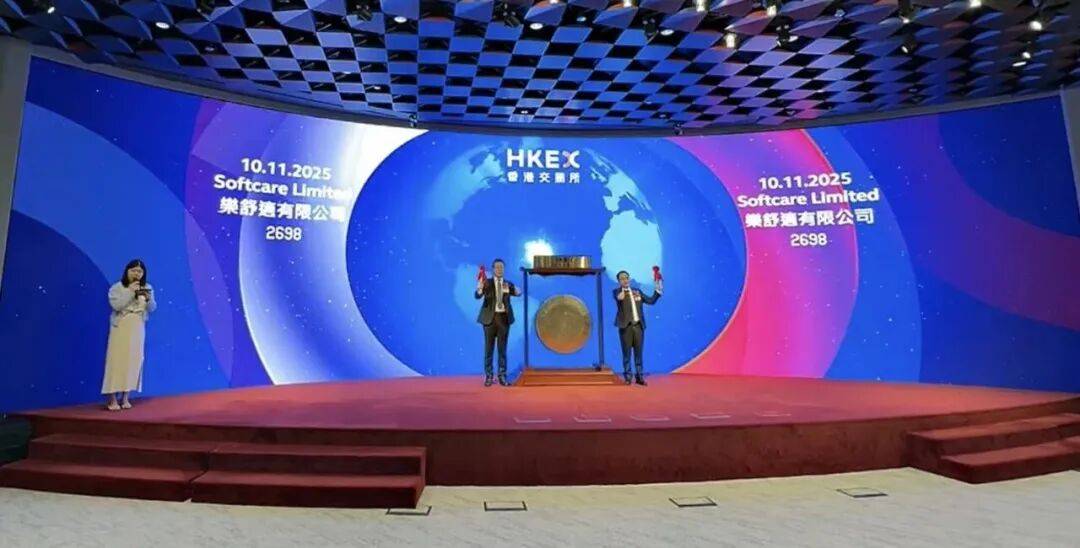
上市首日市值超186亿!又一大卖成功敲钟
Sou Hu Cai Jing· 2025-11-14 15:29
Core Viewpoint - The successful IPO of Leshushit, known as the "King of Diapers in Africa," on the Hong Kong Stock Exchange highlights the potential of Chinese brands in emerging markets, driven by a strategy of "branding" and "localization" [1][3]. Company Overview - Leshushit has established a strong market presence in Africa, holding a 20.3% market share in the baby diaper segment and a 15.6% share in the sanitary napkin market as of 2024 [1]. - The company has generated significant revenue, with annual earnings projected to reach $450 million by 2024, reflecting a steady growth trajectory [6]. Business Strategy - The company began its journey in 2009 by launching its first diaper brand, Softcare, in Ghana, focusing on local needs and differentiating itself from competitors [3]. - Leshushit has developed a diverse brand portfolio, including brands like Maya and Veesper, catering to various consumer segments across different regions [3]. - The company has established eight production bases and 51 production lines in Africa, with an annual capacity exceeding 6.3 billion diapers and 2.8 billion sanitary napkins [4]. Financial Performance - Revenue figures for Leshushit from 2022 to 2024 are projected to be $320 million, $410 million, and $450 million, respectively, indicating a consistent upward trend [6]. - The company reported a 15.5% year-on-year revenue growth in the first four months of the current year, with gross profit expected to reach $160 million in 2024, showcasing a compound annual growth rate of 47.6% [6]. Market Potential - The global baby products market is expected to grow significantly, reaching $355.9 billion by 2025 and $475.2 billion by 2030, with emerging markets like Africa and Latin America leading the growth [9]. - The increasing awareness of child-rearing practices among young parents is driving demand for high-quality baby products, creating opportunities for brands like Leshushit [11]. Future Plans - Proceeds from the IPO will be primarily allocated to capacity upgrades, marketing, and strategic acquisitions, with over 70% directed towards new factory construction in Ghana and Senegal [8]. - The company aims to replicate its successful "branding + localization" model in other emerging markets, including Latin America and Central Asia [8].
媒体+赋能,京东集团与珠海年鱼企业座谈共商“年鱼+闪购”合作模式
Nan Fang Nong Cun Bao· 2025-11-13 10:31
Core Viewpoint - JD Group is collaborating with local fish enterprises in Zhuhai to explore a new retail model combining "New Year Fish" and instant retail, aiming to enhance brand promotion and sales during the upcoming New Year season [2][18]. Group 1: Collaboration and Discussions - On November 13, JD Group representatives visited the Zhuhai prepared food industry park to discuss cooperation with local fish enterprises, focusing on the upcoming "JD New Year Dish Festival" and instant retail business [2][3]. - The atmosphere during the discussions was positive, with local enterprises expressing strong interest in participating and expanding new retail channels [4][18]. Group 2: Instant Retail Model - JD introduced its advantages and the "instant retail" model, which allows consumers to receive products quickly through online ordering, store delivery, and immediate dispatch [6][7]. - This model breaks traditional e-commerce time constraints, providing a new sales and consumption experience for perishable goods, prepared dishes, and festive products [8]. Group 3: New Year Fish Industry - The "New Year Fish" industry in Zhuhai has developed rapidly, becoming a representative of branded and festive seafood products, symbolizing prosperity and good wishes [9][10][16]. - The industry has successfully penetrated the national market through standardized processing, cold chain distribution, and brand operation, making it a popular choice for New Year celebrations [16]. Group 4: Innovative Consumption Chain - The discussions centered on the innovative model of "New Year Fish + Instant Retail + Media," aiming to integrate JD's online channels, instant retail resources, and media promotion to create a new consumption chain [17][19]. - This model is expected to promote the national branding of Zhuhai's New Year Fish and provide valuable opportunities for local prepared food enterprises to expand into new retail sectors [20][21]. Group 5: Future Prospects - Participating enterprises expressed commitment to enhance product standardization and supply capabilities to bring "Zhuhai New Year Fish" to more consumers' dining tables [21][23]. - JD plans to strengthen connections with the Zhuhai prepared food industry and explore digital and brand development paths for regional specialty agricultural products [23][24]. - The discussions laid a solid foundation for deep cooperation between JD and the Zhuhai New Year Fish industry, injecting new momentum into the integration of "prepared dishes + instant retail" [25].


券商晨会精华 | 应用商业化加速 寻找AI对各行业赋能和改造的投资机会
智通财经网· 2025-11-12 00:36
Market Overview - The market experienced fluctuations with the three major indices opening high but closing lower, with the Shanghai Composite Index down by 0.39%, the Shenzhen Component Index down by 1.03%, and the ChiNext Index down by 1.4% [1] - The trading volume in the Shanghai and Shenzhen markets was below 2 trillion, a decrease of 180.9 billion compared to the previous trading day [1] AI Industry Outlook - CITIC Securities forecasts that by 2026, AI investment opportunities will focus on two main areas: 1) Investment opportunities around computing power, emphasizing leading companies, new technology upgrades, and local industrial clusters [2] - The report highlights the rapid growth in revenue from companies like OpenAI, indicating a shift towards commercializing AI applications across various industries [2] Coal-to-Gas Industry - Tianfeng Securities notes that the coal-to-gas sector is entering a new phase of industrial catalysis due to improved market pricing mechanisms and fair access for coal-to-gas companies [3] - There are currently 12 projects planned in China with a total capacity of 44 billion cubic meters per year, supported by abundant coal resources in Xinjiang and advancements in coal chemical technology [3] Automotive Industry Trends - Guosen Securities states that the Chinese automotive industry is transitioning from a growth phase to a mature phase, with annual sales growth slowing down and structural changes occurring due to the rise of new energy vehicles [4] - The report emphasizes the importance of brand development and globalization as key strategies for automotive companies to navigate the competitive landscape, alongside the significant market potential for smart driving applications [4]



国信证券:汽车产业迈向品牌化、全球化、智能化 迎接AI浪潮下的产业升级机遇
智通财经网· 2025-11-11 22:35
Group 1 - The domestic automotive industry in China is transitioning from a growth phase to a mature phase, with annual sales growth slowing down and single-digit growth becoming the norm [1] - The increase in market share of new energy vehicles (NEVs) is leading to overcapacity in traditional fuel vehicles and rapid expansion in NEV production, indicating a structural shift in the industry [1] - By 2025, under the influence of tax incentives and subsidies, wholesale sales (including exports) are expected to exceed 34 million units, with NEV passenger vehicle and overall passenger vehicle export growth rates projected at 23% and 15% respectively [1] Group 2 - Brand building and globalization are identified as key strategies for automotive companies to maintain their market position amid intense competition in the NEV sector [2] - The domestic automotive supply chain has a strong foundation, with capabilities in production processes and cost control, which can support the expansion into new markets such as North America, Mexico, Europe, and Southeast Asia [2] - The advent of intelligent driving technology is expected to reshape the automotive industry, with significant market potential due to the large user base of 1.4 billion vehicles globally [2] Group 3 - The robotics industry is anticipated to follow a path from specialized to general applications, with smart vehicles being a key category within this sector [3] - The year 2026 is projected to be significant for the robotics industry, marking the mass production of Tesla's Gen3 robot and the listing of domestic manufacturers [3] - Investment opportunities are expected to arise in various segments of the robotics supply chain, driven by major players and technological advancements [3]
汽车2026年投资策略:品牌化、全球化、智能化,迎接AI浪潮下的产业升级机遇【国信汽车】
车中旭霞· 2025-11-11 16:02
Core Viewpoint - The Chinese automotive industry is transitioning from a growth phase to a mature phase, with a significant slowdown in sales growth and a shift in focus towards brand building and globalization to maintain profitability and market share [1][11]. Group 1: Industry Characteristics and Changes - The automotive industry is experiencing three main characteristics: diminishing total volume dividends, low growth normalization in sales, and a shift in production capacity from traditional fuel vehicles to new energy vehicles [11][19]. - The industry has undergone significant changes, including the transition from a focus on meeting transportation needs to a broader application in various life scenarios, and the evolution of vehicles from mere transportation tools to intelligent entities [42][45]. Group 2: Sales and Market Trends - The sales volume of the automotive industry is expected to reach 34.89 million units in 2025, with a growth rate of approximately 11%, driven by tax incentives and subsidies [1][11]. - The penetration rate of new energy vehicles is projected to increase significantly, with sales expected to rise from 1.21 million in 2019 to 14 million by 2024, reflecting a compound annual growth rate of 63% [19][24]. Group 3: Brand and Globalization Strategies - Brand building and globalization are essential strategies for automotive companies to counteract intense competition and maintain market share, with a focus on creating brand premiums and establishing barriers through advanced technologies [2][4]. - Domestic automotive brands are increasingly expanding overseas, supported by the establishment of production capacities, distribution channels, and service systems in international markets [2][4]. Group 4: Technological Advancements - The automotive industry is on the brink of a technological revolution, with advancements in intelligent driving expected to transition from co-pilot (L3) to agent (L4) capabilities, creating new investment opportunities in various components [2][3]. - The expected mass production of robots in 2026 will mark a significant milestone for the robotics industry, with a high overlap in components between automotive and robotics sectors, presenting investment opportunities in related supply chains [3][4]. Group 5: Policy and Economic Influences - The automotive industry is influenced by macroeconomic cycles, industry cycles, and policy cycles, with the latter playing a crucial role in shaping market dynamics through incentives and regulations [1][50]. - The upcoming reduction in new energy vehicle purchase tax incentives in 2026 is anticipated to stabilize overall automotive sales, with a slowdown in the growth rate of new energy vehicle sales [1][50].





江苏河蟹全产业链创新发展大会举办
Xin Hua Ri Bao· 2025-11-08 19:15
Core Insights - The "Water Rhythm Su Crab" Jiangsu River Crab Industry Chain Innovation Development Conference was held in Nanjing, focusing on key topics such as aquatic animal breeding improvement and green ecological farming [1] - The event gathered over 150 industry experts, representatives from fishery authorities, and leaders from river crab farming enterprises to discuss industry challenges and innovations [1] - The conference emphasized "innovation" and targeted three core directions: digitalization, technological advancement, and branding to address industry pain points and signal new upgrades [1] Industry Developments - The "Digital Construction Guide for the River Crab Industry" was released, proposing solutions for real-time monitoring of farming environments, full traceability of product quality, and efficient market circulation [1] - Three core technological achievements in ecological farming, deep processing technology, and tailwater purification were announced during the conference [1] - The "High-quality Development Report of the Gucheng Lake River Crab Industry" was also published, highlighting the industry's progress [1] Awards and Recognition - Suzhou Water Source Da Zha Crab Farming Co., Ltd. showcased a male crab weighing 551.5 grams and a female crab weighing 419.6 grams, winning the "Crab King Award" and "Crab Queen Award" respectively [1]