高端化

Search documents
元鼎智能:泳池机器人赛道的攀登者
雷峰网· 2025-07-04 04:50
Core Viewpoint - Yuan Ding Intelligent has established itself as a leading player in the pool cleaning robot market, leveraging strong product capabilities and innovative technology to create a significant competitive advantage in both online and offline channels [2][23]. Group 1: Market Position and Competitors - Yuan Ding Intelligent is currently the top seller of pool cleaning robots globally, with over 2 million units sold and a presence in 7,000 retail stores across Europe and North America [5][21]. - Competitors recognize Yuan Ding Intelligent as both a formidable challenge and a benchmark to aspire to, highlighting its dominant market position [2][5]. - The company has achieved significant sales success on platforms like Amazon, with a market share of 51% in the $500-$700 price range for its Aiper Scuba S1 model [6][12]. Group 2: Product Innovation and Technology - Yuan Ding Intelligent has pioneered a wireless revolution in pool cleaning robots, creating a generational gap in user experience compared to competitors [8]. - The company has developed a leading underwater fluid simulation platform to enhance cleaning capabilities, achieving a performance rating of 7.5 compared to competitors' 6 [8][9]. - The third-generation Scuba X series has successfully addressed underwater communication challenges, allowing for remote control and improved coverage [9][10]. Group 3: Brand Reputation and Consumer Insights - Yuan Ding Intelligent has built a strong brand reputation, with 22.7% of users praising its powerful suction and 18.2% highlighting excellent battery life [7]. - The company has received multiple design awards, including six iF Design Awards and three Red Dot Design Awards in 2025, further solidifying its market position [7][12]. - The company's approach to understanding consumer needs involves direct engagement with users, ensuring that product development aligns closely with market demands [16][18]. Group 4: Channel Strategy and Market Expansion - Yuan Ding Intelligent has successfully penetrated both online and offline channels, with over 40% of sales coming from physical retail locations [19][21]. - The company has established partnerships with major retailers like Home Depot and Walmart, which are critical for gaining shelf space in a competitive market [21]. - A strategic collaboration with Fluidra, a global leader in the pool industry, has further enhanced Yuan Ding Intelligent's market presence and credibility [21].


惠泉啤酒20250703
2025-07-03 15:28
Key Points Summary of Huiquan Beer Conference Call Industry Overview - The Chinese beer industry is currently in a stage of stock competition, focusing on personalization, premiumization, health, and youthfulness [3][23]. Company Performance - Huiquan Beer achieved record high performance in Q1, driven by refined market cultivation, performance management system implementation, standardized execution, and enhanced technological innovation [2][3]. - The company reported significant growth in revenue and profit, outperforming the industry [3]. Product Strategy - Huiquan Beer has developed a product matrix led by key products such as Yina Beer, Xiaoxian Beer, Laohuiquan Beer, and Huiquan 1983, targeting the premium market and significantly contributing to profits [2][4]. - The company is actively promoting craft beer series products, such as Chulian Craft and White Tea Beer, to attract loyal consumers [4]. - The proportion of premium products is currently around 20%, with plans for continuous improvement [2][12]. Market Expansion - Huiquan Beer is expanding into diverse consumption scenarios, including traditional dining, nightlife, music festivals, barbecue stalls, and camping, particularly in the Quanzhou market where the market share has reached approximately 30% [2][6][10]. - The company plans to replicate the successful Quanzhou market model in other regions [10][11]. Pricing Strategy - The company has begun to gradually increase prices for its Yimai products, which account for over 50% of total sales, with plans to stabilize prices at 7 yuan and gradually raise them to 8 yuan [2][9]. - The cancellation of 5 yuan products in the Fujian region indicates a strategic shift towards higher pricing [9]. Cost Management - Raw material costs are expected to remain stable, with the company implementing price locking for mass products by the end of the year [20]. - The overall cost control measures are favorable for the company's development [7][20]. Marketing and Sales Strategy - Huiquan Beer focuses on precise marketing investments targeting specific consumer groups rather than broad-based spending [15][16]. - The company has established a strong presence in community retail, with restaurant sales accounting for about 30% of total sales [19]. Financial Outlook - The company anticipates improvements in gross margin due to product structure optimization and price increases [21]. - Huiquan Beer plans to continue increasing its dividend rate as a commitment to returning value to investors [26]. Competitive Landscape - The competitive environment in Fujian is open, with major competitors including Budweiser and Snow Beer. Huiquan Beer aims to capture more market share from competitors [23][24]. - The company has a strong focus on product quality, which has led to high consumer recognition and loyalty [24]. Capacity and Investment Plans - Current production capacity is approximately 500,000 tons, with a designed capacity of 800,000 tons, indicating room for improvement in utilization [28]. - The company does not plan to build new production lines but will invest in automation, quality upgrades, and technological innovation [27].

Babycare出海“镀金”的真相
Sou Hu Cai Jing· 2025-07-03 15:15
Core Insights - Babycare, a Chinese maternal and infant brand, has announced its entry into the Japanese market, aiming to establish its brand through product exports rather than traditional retail expansion [2][3] - The company faces significant challenges in gaining consumer trust in Japan, a market known for its high standards and preference for local brands [2][6] - Babycare's strategy appears to be a response to stagnation in its domestic market, seeking to enhance its brand image and prepare for an upcoming IPO [3][26] Market Positioning - Babycare's flagship product, the purple cover wet wipes, has been introduced in 8,000 stores across Japan, including major retail chains like 7-ELEVEn [2][6] - The Japanese maternal and infant market is valued at 12 trillion yen, making it a critical target for Babycare's growth strategy [6] - The company aims to leverage its product's physical attributes, such as thickness and liquid absorption, to differentiate itself in a competitive market [6][10] Challenges and Risks - Babycare's reliance on an outsourcing model for production has raised concerns about quality control, especially given past controversies regarding product safety [11][16] - The Japanese market has stringent compliance requirements, and any quality issues could lead to significant repercussions for Babycare's brand reputation [16][22] - The company must navigate a complex landscape of established competitors, including local brands with strong market presence and consumer loyalty [27][28] Strategic Insights - Babycare's approach to product design and marketing may not fully align with Japanese consumer expectations, which prioritize safety and durability over mere aesthetic appeal [22][30] - The brand's previous controversies and shifting market positioning could hinder its ability to establish a clear identity in Japan [28][30] - The case of Babycare highlights the need for Chinese brands to focus on genuine product innovation and quality assurance rather than superficial marketing strategies [30][31]
复兴上海家化,林小海行不行?
Sou Hu Cai Jing· 2025-07-03 08:34
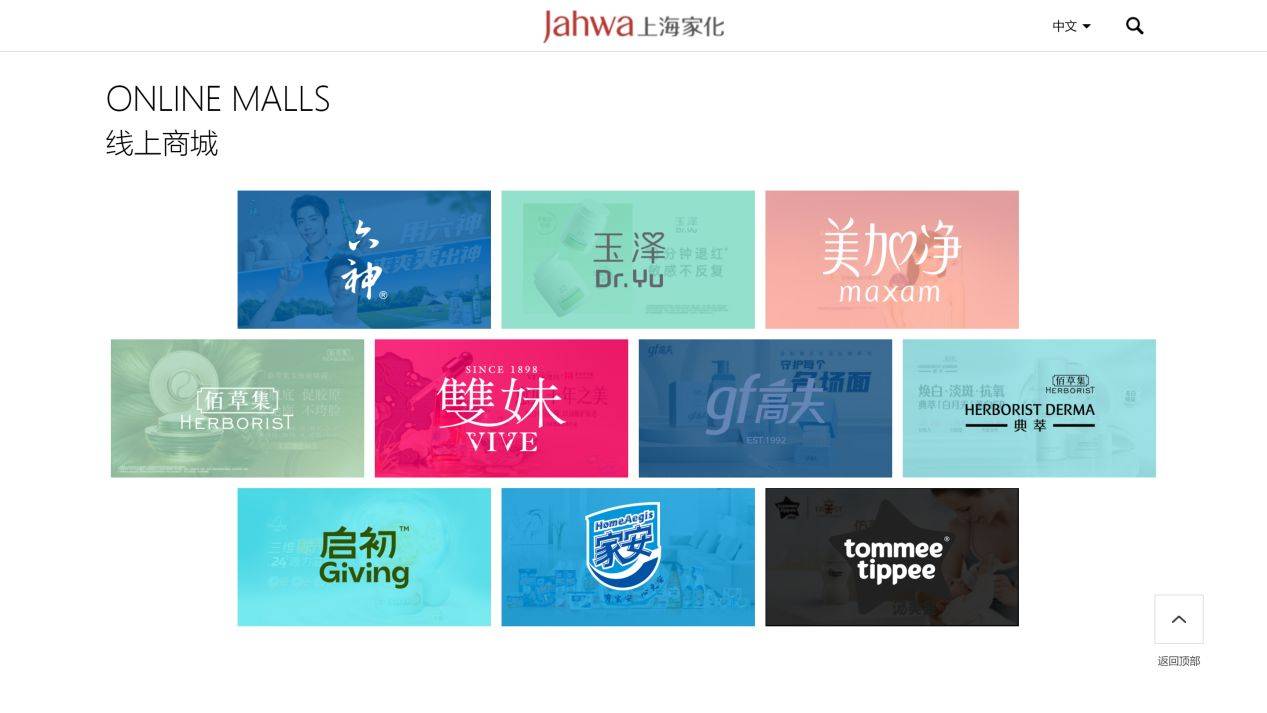
Core Viewpoint - Shanghai Jahwa's new CEO Lin Xiaohai is implementing significant reforms to revitalize the company amidst declining performance and increasing competition from international brands and emerging domestic products [1][8]. Group 1: Leadership and Strategy - Lin Xiaohai, with over 25 years of experience at Procter & Gamble, is focusing on brand consolidation and high-end product development [3][4]. - The company is eliminating underperforming sub-brands to concentrate resources on key brands like Six Gods, Baicaoji, and Yuze [4]. - A high-end product line, "Taiji Dan," is being launched under Baicaoji to compete with international brands [4]. Group 2: Operational Changes - The company is optimizing its distribution channels by closing inefficient stores and enhancing online sales, aiming for online revenue to exceed 50% by 2025 [4][10]. - A membership system is being established to improve customer retention and repurchase rates [5]. - The introduction of Procter & Gamble alumni into the management team is expected to enhance operational efficiency [6]. Group 3: Financial Performance - In 2024, Shanghai Jahwa reported a total revenue of 5.679 billion yuan, a year-on-year decline of 13.93%, and a loss of 833 million yuan, a significant drop of 266.60% [8]. - The Q1 2025 report shows a revenue decline of 10% to 1.704 billion yuan, but a profit turnaround to 217 million yuan, indicating a recovery compared to the previous year [10]. Group 4: Future Outlook - The company aims for a revenue target of over 9.5 billion yuan in 2025, with a net profit margin of 8% [15]. - Key brand revenue targets include 2.5 billion yuan for Yuze, 1.8 billion yuan for Baicaoji, and maintaining 3 billion yuan for Six Gods [15]. - The company plans to innovate in both offline and online channels, including the introduction of "smart beauty stores" and doubling GMV on Douyin to 2 billion yuan [15]. Group 5: Market Trends and Challenges - The market for functional skincare is expected to exceed 100 billion yuan by 2026, with "medical research collaboration" becoming a standard in the industry [13]. - International brands maintain a competitive edge in the high-end market, and domestic brands need to establish "technology + culture" barriers [13]. - Rising raw material costs and increasing online customer acquisition costs are significant challenges [13].

比亚迪(002594):海外销量再创新高全球化稳步推进
Xin Lang Cai Jing· 2025-07-03 07:09
Core Insights - The company reported a total of 383,000 wholesale sales of new energy vehicles in June, representing a year-on-year increase of 12.0% and a month-on-month increase of 0.03% [1] - The wholesale sales of new energy passenger vehicles reached 378,000 units in June, with a year-on-year growth of 11.0% and a month-on-month growth of 0.2% [1] - The company achieved record overseas sales of 90,000 units in June, driven by increasing demand in markets such as Turkey, Brazil, and Europe [2] Sales Performance - In June, the sales of new energy passenger vehicles included 173,000 plug-in hybrid vehicles, which saw a year-on-year decline of 11.5% and a month-on-month decline of 1.1% [1] - Pure electric passenger vehicle sales reached 207,000 units, marking a year-on-year increase of 42.5% and a month-on-month increase of 1.2% [1] - The sales breakdown by brand showed that the Dynasty and Ocean series sold 343,000 units, while other brands like Tengshi and Fangchengbao contributed 15,783 and 18,903 units respectively [1] International Expansion - The company is accelerating its overseas factory establishment, with plans to invest in markets such as Brazil, Uzbekistan, Hungary, Turkey, and Indonesia [2] - The introduction of additional roll-on/roll-off ships is expected to enhance shipping capacity, with a fleet expansion to 8 ships by January 2026 [2] - The overseas market is anticipated to experience rapid growth, particularly in Europe, Southeast Asia, and Australia/New Zealand, which is expected to boost profitability [2] Product Development - The year 2025 is projected to be significant for the company's high-end product offerings, with flagship models like Han L and Tang L launched in April featuring advanced driving systems and fast-charging technology [3] - The Fangchengbao Titanium 7, set to launch in Q4 2025, is designed for urban family use, emphasizing spaciousness and advanced technology [3] - The combination of high-end design and smart driving features is expected to cater to family users' needs, further driving brand premiumization [3] Financial Outlook - Revenue projections for 2025-2027 are estimated at 990.81 billion, 1,188.97 billion, and 1,397.04 billion respectively, with net profits of 55.20 billion, 65.81 billion, and 75.33 billion [3] - The expected earnings per share (EPS) for the same period are 10.05, 11.98, and 13.71, with corresponding price-to-earnings (PE) ratios of 33, 28, and 24 [3]

比亚迪(002594):系列点评三十:海外销量再创新高,全球化稳步推进
Minsheng Securities· 2025-07-03 05:51
Investment Rating - The report maintains a "Recommended" rating for the company [5]. Core Views - The company has achieved a record high in overseas sales, with a total of 90,000 units exported in June, marking a year-on-year increase of 12.0% in total new energy vehicle wholesale sales [1][2]. - The company is expected to see significant revenue growth driven by its high-end product offerings, with projected revenues of 990.8 billion, 1,188.97 billion, and 1,397.04 billion yuan for 2025, 2026, and 2027 respectively [3][4]. - The company is actively expanding its global footprint, with plans to establish factories in Brazil, Uzbekistan, Hungary, Turkey, and Indonesia, which is anticipated to enhance profitability [2][3]. Summary by Sections Sales Performance - In June, the company sold 378,000 new energy passenger vehicles, a year-on-year increase of 11.0% and a month-on-month increase of 0.2% [1]. - The breakdown of sales includes 343,000 units from the Dynasty and Ocean series, 15,783 units from Tengshi, 18,903 units from Fangchengbao, and 205 units from Yangwang [1]. Export Growth - The company’s overseas sales reached 90,000 units in June, benefiting from increased demand in Turkey, Brazil, and Europe [2]. - The company plans to enhance its shipping capacity with the introduction of additional roll-on/roll-off ships, expanding its fleet to 8 vessels by January 2026 [2]. Product Development - 2025 is projected to be a significant year for the company’s high-end products, with flagship models like Han L and Tang L featuring advanced driving systems and fast-charging technology [2]. - The Fangchengbao Titanium 7 is set to launch in Q4 2025, targeting family users with its spacious design and advanced technology [2]. Financial Projections - The company forecasts revenues of 990.8 billion yuan in 2025, with net profits expected to reach 55.2 billion yuan, translating to an EPS of 10.05 yuan [3][4]. - The projected PE ratios for 2025, 2026, and 2027 are 33, 28, and 24 respectively, indicating a favorable valuation trend [3][4].
侯孝海卸任华润啤酒:34年“倔强”职业生涯,起落之间未改“勇闯”本色
Cai Jing Wang· 2025-06-27 09:43
Core Viewpoint - The resignation of Hou Xiaohai from China Resources Beer marks a significant transition in the company, as he has been a pivotal figure in its growth and strategic direction, particularly in the high-end beer market and the recent foray into the white liquor sector [1][2][17]. Group 1: Resignation Announcement - Hou Xiaohai officially announced his resignation as Executive Director and Chairman of the Board of China Resources Beer, citing a desire to spend more time on personal matters [2]. - Following his resignation, the position of Chairman will be temporarily vacant until a suitable successor is appointed, with current Executive Director and President Zhao Chunwu taking on the responsibilities during the transition [2]. Group 2: Career Background - Hou Xiaohai has worked in the beer industry for over 20 years, with significant contributions to China Resources Beer, which has been a leader in the domestic beer market, focusing on capacity efficiency and high-end transformation [1][3]. - His career trajectory includes experiences in various companies, including a notable tenure at PepsiCo, where he developed key marketing strategies that later influenced China Resources Beer [6][7]. Group 3: Strategic Developments - Under Hou's leadership, China Resources Beer successfully implemented the "Courage to Explore the World" marketing strategy, which helped the company achieve significant sales milestones, including becoming the top-selling beer brand in China by 2008 [8][9]. - The company has also made strategic moves to enter the white liquor market, with a significant acquisition of a controlling stake in Guizhou Jinsha Liquor, marking a major investment in diversifying its product offerings [16][17]. Group 4: Market Position and Future Outlook - China Resources Beer is positioned to capitalize on the growing high-end beer market, with a reported 60% increase in sales for the Heineken brand, indicating strong performance in its premium segment [18]. - The company aims to navigate the challenges in the white liquor sector, addressing inventory and pricing issues while maintaining a focus on high-quality development and consumer engagement [19][20].

再次对标特斯拉,雷军深夜复盘小米YU7创造奇迹背后的热门问题
Bei Ke Cai Jing· 2025-06-27 06:45
Core Viewpoint - Xiaomi has achieved remarkable success in the automotive industry, with significant pre-orders for its new model, the YU7, indicating strong market demand and consumer trust in the brand [1][4]. Group 1: Pre-Order Success - Xiaomi received 196,000 orders within 2 minutes and over 289,000 orders within 1 hour of launching the YU7, showcasing an overwhelming market response [1]. - The stock price of Xiaomi surged nearly 10% following the announcement of these pre-orders, reaching a historical high of 61 HKD [1]. Group 2: Production and Delivery - CEO Lei Jun expressed excitement about the order volume, emphasizing the need to enhance production capacity to meet demand [3][4]. - The company aims to ensure product quality and timely delivery to maintain customer trust and satisfaction [4]. Group 3: Competitive Landscape - Lei Jun acknowledged the intense competition in the SUV market and highlighted the importance of product quality over marketing strategies [5]. - Comparisons between the YU7 and Tesla's Model Y were made, with Lei Jun recognizing the strengths of Model Y while asserting Xiaomi's commitment to innovation and quality [6][7]. Group 4: Supply Chain and Local Partnerships - Xiaomi's strategy includes prioritizing suppliers from the Beijing-Tianjin-Hebei region, with approximately 60-70% of suppliers located within this area [8]. - The company is focused on aligning with national strategies for industrial development and aims to contribute positively to the local economy [8]. Group 5: Future Outlook and Industry Position - Lei Jun emphasized the need for continuous improvement in capabilities and standards as Xiaomi transitions from a newcomer to a key player in the automotive industry [11][12]. - The company aims to leverage opportunities in the smart electric vehicle sector, positioning itself to compete effectively against established global brands [13][14].
小米汽车胜在营销?雷军:我们在绝大部分层面都是领先的
Sou Hu Cai Jing· 2025-06-27 05:26
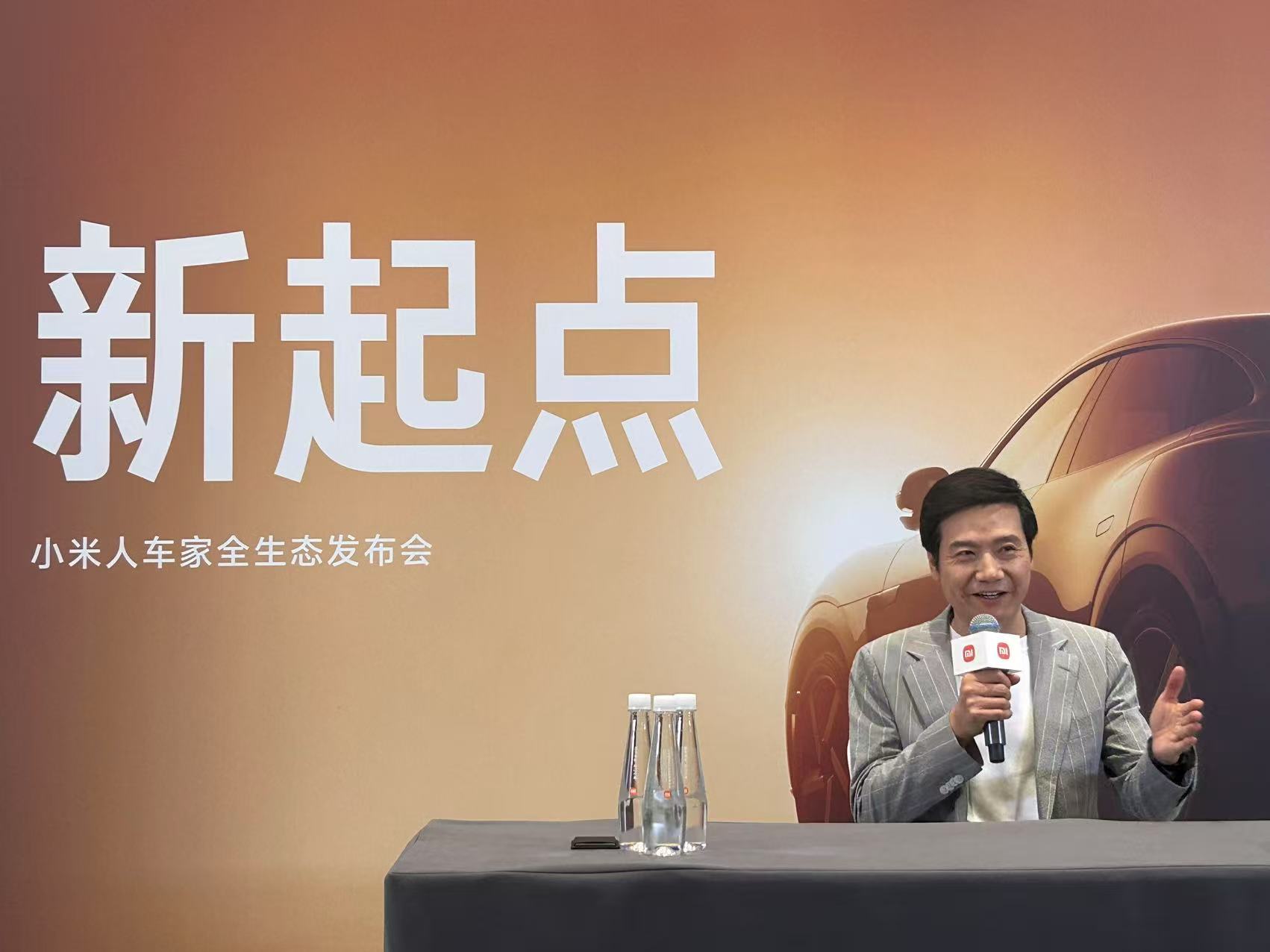
Core Insights - Xiaomi's Yu7 model achieved 196,000 pre-orders in just 2 minutes, with 122,000 locked orders, indicating strong market interest [1] - The company aims to position itself as a key player in the automotive industry, emphasizing high standards and a shift in mindset [3] - Xiaomi's self-developed V8S super electric motor is produced in-house to ensure quality and avoid reliance on third-party manufacturers [3] Company Strategy - Xiaomi plans to adopt a cautious approach in communications, recognizing that any misstep could be magnified in public perception [3] - The company is confident that the Yu7 will not cannibalize sales of the SU7, as it believes there are distinct consumer segments for sedans and SUVs [3] - Xiaomi is committed to technological innovation and quality improvement, opposing internal competition that detracts from these goals [3] Industry Context - The Chinese automotive industry is positioned to excel in areas such as chips, operating systems, AI, and consumer electronics, with the potential to surpass Japanese and German competitors [4] - The company has conducted a thorough analysis of Tesla's Model Y, acknowledging the need to learn from its success in various aspects beyond brand recognition [4] - Xiaomi prioritizes local suppliers from the Beijing-Tianjin-Hebei region in its manufacturing strategy, aiming to enhance the local economy [4]

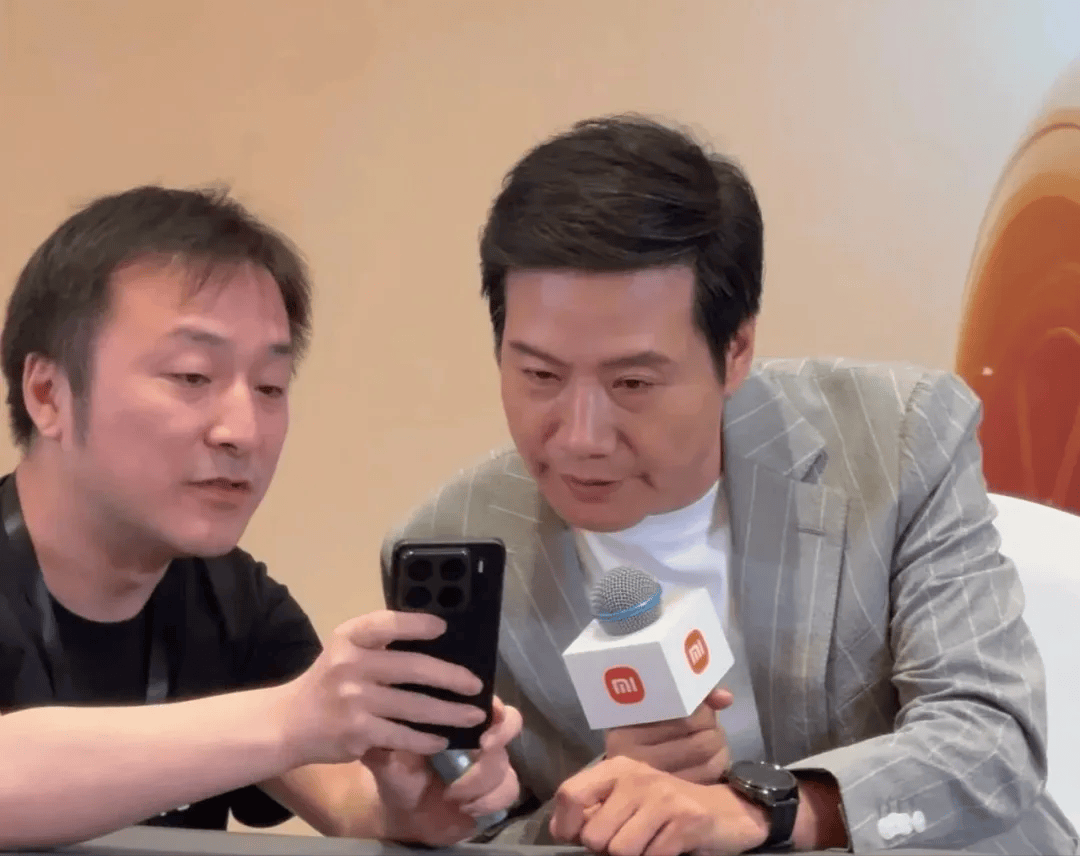
雷军:Model Y确实做得不错,但小米要敢于亮剑不能以新手自居
Tai Mei Ti A P P· 2025-06-27 00:12
Group 1 - Xiaomi's first SUV, the YU7, was officially launched on June 26, with a starting price of 253,500 yuan for the standard version, 279,900 yuan for the Pro version, and 329,900 yuan for the Max version, making it 10,000 yuan cheaper than the Tesla Model Y while offering 200 kilometers more range [2] - The YU7 has received significant pre-orders, with 196,000 orders within 2 minutes and 122,000 locked orders, indicating strong market interest and consumer confidence [2][4] - Xiaomi's strategy involves pricing based on BOM costs, allowing for reduced marginal costs per vehicle through economies of scale, which is expected to enhance profitability as production volumes increase [2][4] Group 2 - In the previous year, Xiaomi faced skepticism regarding its automotive strategy, with a reported net loss of 1.8 billion yuan in its electric vehicle segment, translating to a loss of over 60,000 yuan per vehicle based on quarterly delivery figures [3] - The latest financial report for 2025 shows a revenue of 18.58 billion yuan from the electric vehicle segment, with a 10.7% quarter-on-quarter growth, and a reduced operating loss of 500 million yuan, indicating improved financial performance [4] - The gross margin for Xiaomi's electric vehicles reached 23.2% in Q1 2025, surpassing BYD's margin of 20.07%, suggesting a positive trend towards profitability [4] Group 3 - Xiaomi's CEO Lei Jun emphasized the importance of technological innovation and quality in maintaining competitive advantages in the automotive market, particularly against established players like Tesla [7][10] - The company aims to enhance its manufacturing capabilities and product quality, with plans to invest 100 billion yuan in research and development to strengthen its position in the automotive sector [12] - Xiaomi's approach to the automotive market includes a commitment to high standards and a focus on safety, quality, and durability, as evidenced by rigorous testing protocols [7][11] Group 4 - The YU7's launch is expected to coexist with the SU7, with Lei Jun expressing confidence that both models will attract different consumer segments, thus not cannibalizing each other's sales [17] - The company has prioritized local suppliers in the Beijing-Tianjin-Hebei region, with an estimated 30-40% of suppliers located there, aiming to increase this to 60-70% with battery suppliers included [13] - Xiaomi's self-developed chips are planned for future automotive applications, with ongoing development efforts to enhance their integration into vehicle systems [18]