
长期主义

Search documents
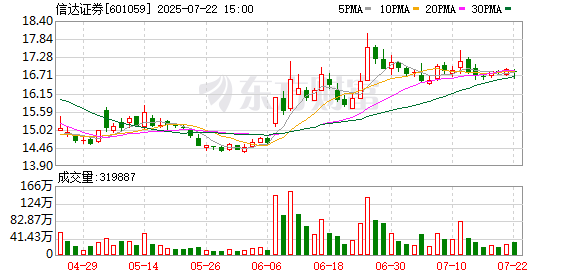
下矿百次的他,升任券商研究所负责人
Shang Hai Zheng Quan Bao· 2025-07-22 07:36
Core Viewpoint - The appointment of Zuo Qianming as the new head of the research institute at Xinda Securities marks a strategic shift towards prioritizing quality over speed in sell-side research, emphasizing long-term value and deep industry insights [2][10]. Group 1: Leadership Transition - Xinda Securities announced the appointment of Zuo Qianming, previously the chief of the energy sector, as the new head of its research institute [2]. - Zuo Qianming has over ten years of experience in coal and energy research, having previously worked at the China Coal Industry Association [2][4]. Group 2: Research Philosophy - Zuo advocates for a strategic transformation from "speed expansion" to "quality first" in sell-side research, emphasizing the importance of long-termism and deep value [10]. - He believes that true understanding of the industry comes from hands-on experience, having visited numerous coal mines to gain insights [4][6]. Group 3: Industry Insights - The research team under Zuo has gained a strong reputation for in-depth industrial research and has successfully facilitated hundreds of billions in investment projects [4]. - Zuo emphasizes the need for analysts to adopt a patient approach to research, focusing on gradual accumulation of knowledge and insights [7][10]. Group 4: Future Directions - Zuo envisions the research business as a key component of the national governance system, aiming to enhance the quality of capital market development [9][10]. - He stresses the importance of building a team of analysts who understand both industry and finance, bridging the gap between primary and secondary investments [10].


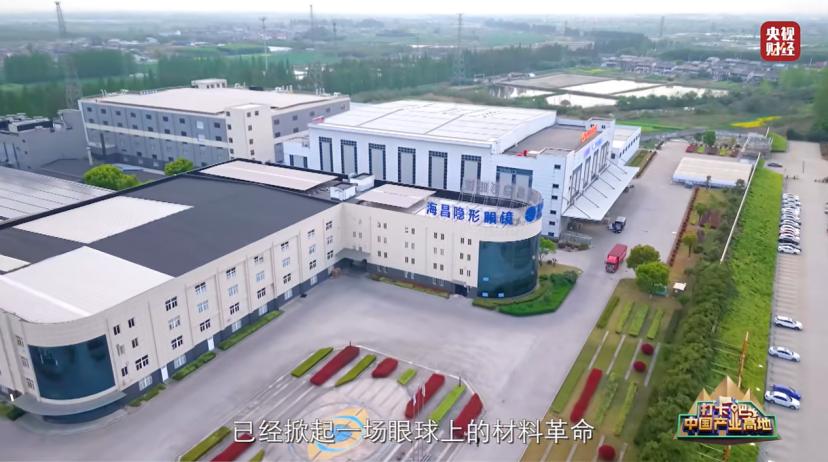
海昌的突围之道:三十年产业深耕,锻造中国品牌竞争力
3 6 Ke· 2025-07-22 02:42
Core Insights - The article highlights Haichang's transformation from a traditional manufacturer to a leading player in the contact lens industry, emphasizing its comprehensive ecosystem that integrates raw materials, production, and logistics [1][2][14] - Haichang's competitive edge is attributed to its 30 years of industry experience and continuous innovation driven by consumer needs, resulting in a robust technological moat [2][15] - The company has successfully aligned its product offerings with emotional and aesthetic values, appealing to younger consumers and establishing a strong brand presence [8][13] Industry Positioning - Haichang has established itself as a benchmark enterprise in the contact lens sector, receiving recognition from national media outlets like CCTV and People's Daily [1][2] - The company has integrated a full industry chain, producing over 1.2 billion contact lenses annually, and holds 83 national patents across key technological dimensions [2][15] - Haichang's focus on user-centric innovation addresses common issues such as discomfort during prolonged wear, enhancing user experience significantly [4][7] Technological Advancements - The company has developed advanced materials and technologies, such as third-generation silicone hydrogel and unique color aesthetic techniques, to improve product performance and appeal [4][5][7] - Haichang's proprietary "光心黄" filter technology effectively blocks harmful blue light, catering to the needs of urban professionals and frequent screen users [7][8] Marketing Strategy - Haichang's marketing strategy emphasizes emotional connection and individual expression, particularly targeting Gen Z consumers who view contact lenses as a fashion accessory [8][13] - The launch of the "星眸异想Artist" series has generated significant consumer interest, achieving over 6 million in sales on its first day on Tmall [9][11] - Collaborations with popular platforms like Douyin have further enhanced brand visibility and consumer engagement, showcasing Haichang's commitment to long-term brand values [11][13] Future Outlook - Haichang aims to continue its innovation trajectory by focusing on smart manufacturing processes and enhancing its global competitiveness in the contact lens market [17][18] - The company's evolution reflects a broader trend in the Chinese manufacturing sector, transitioning from scale-driven growth to innovation-led development [17][18]
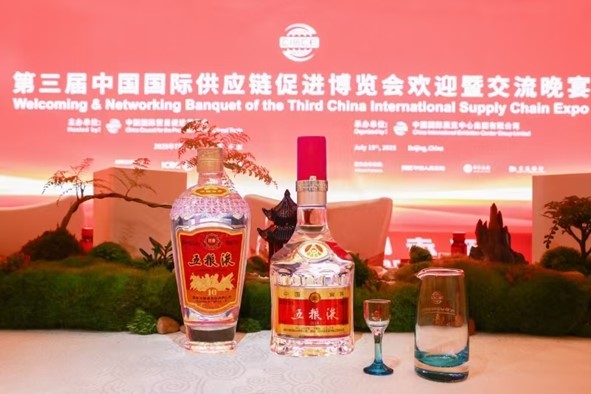
和美链接世界:五粮液飘香国际舞台展现中国白酒魅力
Zhong Jin Zai Xian· 2025-07-22 01:29
Core Insights - The article highlights the importance of high-end international platforms for companies to showcase their strengths and seek cooperation in the context of a changing global economic landscape [1] Group 1: Event Participation - The third China International Supply Chain Promotion Expo attracted 651 enterprises and institutions from 75 countries and regions, with Wuliangye being the only designated liquor [3] - Wuliangye showcased its core products, including the Eighth Generation Wuliangye and various creative cocktails, enhancing its brand influence in the international business community [3] Group 2: Corporate Strategy - Wuliangye's management emphasizes the need for long-termism and innovation to navigate external uncertainties while maintaining its cultural roots and emotional attributes [5][6] - The company has been recognized as a model for ESG practices in the liquor industry, reflecting its commitment to high-quality development and effective governance [6] Group 3: Future Outlook - Wuliangye plans to continue leveraging high-end international platforms to deepen global exchanges and cooperation, aiming to enhance its brand influence and contribute to the internationalization of Chinese liquor [8]

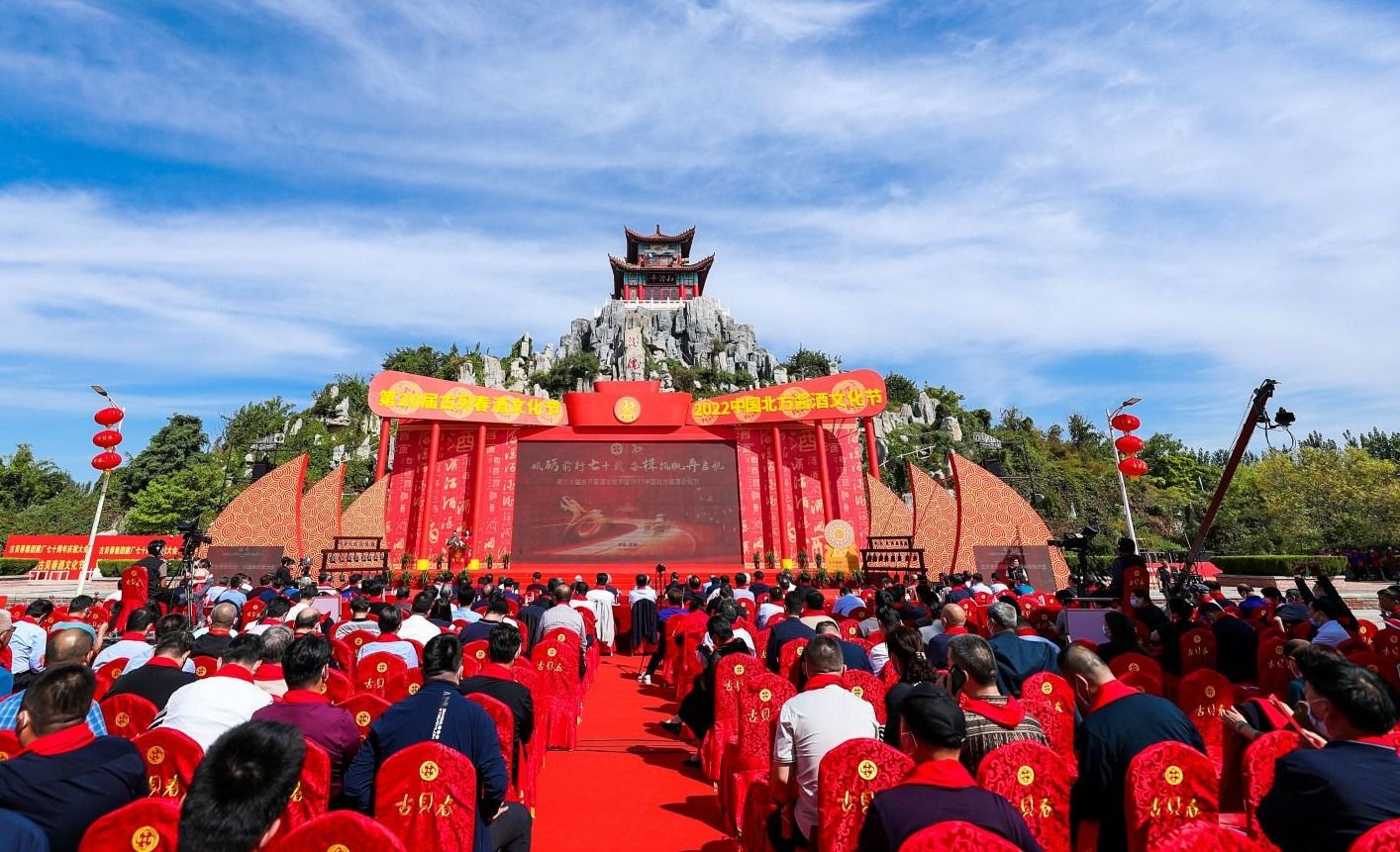
古贝春的“时间炼金术”
Qi Lu Wan Bao· 2025-07-21 06:47
Core Viewpoint - The article emphasizes the importance of time and craftsmanship in the design and production of high-quality liquor, particularly focusing on the ancient techniques and cultural heritage of the Gu Beichun brand [1][15]. Group 1: Company Achievements and Recognition - Gu Beichun has received numerous awards for its liquor design, including the 2025 Qilu Baijiu Liquor Design Gold Award for its 52-degree crystal white version [1]. - The company maintains over 10,000 jars of aged original liquor, with some stored for up to 40 years, showcasing its commitment to quality and tradition [3]. Group 2: Craftsmanship and Techniques - The company employs a meticulous approach to liquor design, emphasizing comfort and health in its products, such as low alcohol content for a smoother experience [5]. - The aging process and traditional brewing techniques are highlighted as essential to the quality of Gu Beichun's products, with a focus on ecological and sustainable practices [8][12]. Group 3: Cultural Significance and Brand Strategy - Gu Beichun integrates cultural elements into its branding, aiming to provide consumers with a deeper connection to the product through historical narratives and cultural heritage [15][17]. - The company adopts a long-term strategic approach, balancing quick market responses with slow, steady brand and quality development, as articulated by its management [18].
雷克萨斯的稳健增长:长期主义策略应对市场挑战
Huan Qiu Wang· 2025-07-21 02:26
Core Viewpoint - The Chinese automotive market showed strong performance in the first half of the year, with multiple economic indicators achieving double-digit growth year-on-year. However, the industry faces challenges such as intense competition and price wars, particularly in the luxury car segment, necessitating a return to long-term value-driven strategies [3]. Group 1: Market Performance - The overall automotive market in China performed well in the first half of the year, with significant year-on-year growth in various economic indicators [3]. - Toyota's sales in China reached 837,739 units in the first half of 2025, maintaining a strong position among mainstream joint venture brands [3]. Group 2: Lexus Performance - Lexus achieved a sales volume of 85,000 units in the luxury car market during the first half of the year, making it one of the few brands to experience positive growth amidst market pressure [5]. - Lexus's focus on diverse consumer needs has been crucial to its market performance [5]. Group 3: Product Strategy - Lexus has developed a product matrix tailored to various usage scenarios, including the ES series for urban commuting, LX and GX series for outdoor exploration, and LM series for business reception [6]. - The brand emphasizes systematic solutions in product development, integrating user needs into design, technology, and service systems [8]. Group 4: Resale Value - Lexus leads Japanese brands with a three-year resale value of 60.51%, with specific models like the ES and LM achieving top rankings in their respective categories [9][14]. - The ES model boasts a three-year resale rate of 63.89%, while the LM model leads the MPV category with a 77.06% resale rate [14][13]. Group 5: Quality and Reliability - Lexus ranked highly in the 2025 U.S. Initial Quality Study (IQS), reflecting its strong performance in product reliability and manufacturing quality [16]. - The brand's commitment to quality and user value is evident in its diverse product line and high resale values [14]. Group 6: Service and Localization - Lexus views after-sales service as a key component of brand competitiveness, offering extensive warranty and maintenance services for various vehicle types [19]. - The brand has implemented a "IN CHINA FOR CHINA" localization strategy, which has been vital for its stable development in the competitive luxury car market [19][21]. - Lexus has invested in local manufacturing and development, including the establishment of a new electric vehicle factory in Shanghai and the launch of a direct used car business [21].
耐心资本与民企成长同频共振
Su Zhou Ri Bao· 2025-07-21 00:19
Core Viewpoint - Suzhou Rural Commercial Bank has established a long-term partnership with private enterprises, demonstrating a commitment to supporting their growth through various stages of development, from initial funding to overcoming operational challenges and facilitating generational transitions [1][2][3]. Group 1: Financial Performance - As of the end of 2024, Suzhou Rural Commercial Bank's total assets reached 213.36 billion, with deposits of 170.25 billion and loans of 129.32 billion [1]. - Nearly 90% of the bank's loans support the real economy, with over 60% directed towards private enterprises and more than 30% towards the manufacturing sector, maintaining the highest proportion of manufacturing loans among listed banks for several consecutive years [1]. Group 2: Support for Startups - The bank has a history of providing crucial initial loans, exemplified by a nearly 400,000 loan issued 28 years ago that helped a now-prominent enterprise in the silk industry [2]. - The concept of "patient capital" has been a long-standing practice for the bank, focusing on early, small, and growth-oriented loans to foster long-term relationships with businesses [2]. Group 3: Relationship with SMEs - Suzhou Rural Commercial Bank benefits from its familiarity with local businesses, resulting in high loyalty among SMEs, which is difficult for other banks to replicate [3]. - The bank maintains close ties with over 90% of the textile enterprises in the region, with more than 600 loan clients, including two Fortune 500 companies [3]. Group 4: Crisis Management - During the textile industry's crisis from 2012 to 2014, the bank played a crucial role in stabilizing the local economy by helping 664 enterprises navigate challenges through various financial solutions [5]. - The bank's proactive approach includes restructuring loans and providing tailored repayment plans to support businesses facing temporary financial difficulties [5]. Group 5: Generational Transition Support - The bank emphasizes the importance of supporting the transition of second-generation entrepreneurs, ensuring continuity and growth in family businesses [7]. - A recent project focused on low-carbon transformation in the textile industry showcases the bank's commitment to innovation and sustainability, helping local enterprises achieve international certification [8]. Group 6: Future Outlook - The bank aims to continue its role as a "benchmark bank" and "value bank," focusing on long-term partnerships and innovative financial solutions to support local economic development [8].
《人民日报》头版“任正非”之后,为什么是“魏建军”?
汽车商业评论· 2025-07-20 15:52
Core Viewpoint - The article emphasizes the significance of Great Wall Motors under the leadership of Wei Jianjun, highlighting its commitment to "technology-driven enterprise" and alignment with national strategies for high-quality manufacturing and a healthy industrial ecosystem [4][11]. Group 1: Industry Context - Great Wall Motors is positioned as a benchmark in the automotive industry, showcasing a dual-driven model of "global layout + technological innovation" that serves as a reference for industry transformation [4]. - The automotive sector is currently facing a price war, and Great Wall Motors' refusal to engage in such practices is reshaping the competitive landscape of the Chinese automotive industry [11][14]. Group 2: Leadership and Vision - Wei Jianjun is portrayed as a "guardian of healthy industry development," akin to Ren Zhengfei in his long-term vision and technological focus, emphasizing responsibility over market trends [5][9]. - His critiques of the "bloodletting" price war have been validated by subsequent government policies aimed at regulating competition in the automotive market [10][11]. Group 3: Commitment to Quality and Innovation - Great Wall Motors has established a comprehensive quality management system, achieving high standards in product quality, as evidenced by multiple certifications [25]. - The company has invested nearly 10 billion in building a leading experimental system, which includes the first safety testing lab and various other innovative facilities [26][29]. Group 4: Global Expansion and Market Presence - Great Wall Motors has successfully expanded its operations globally, with over 1,400 overseas sales channels and cumulative sales exceeding 2 million units [20]. - The company is recognized for its ecological export model, with significant praise from international leaders and plans for new factories in key markets [21]. Group 5: Long-term Strategy and Corporate Responsibility - The company's long-term strategy is characterized by a commitment to quality, innovation, and social responsibility, as demonstrated by its substantial investments in employment and community initiatives [30]. - Great Wall Motors' approach reflects a philosophy of "doing the right thing" rather than "doing easy things," which is essential for the sustainable development of the automotive industry [24].

汽车行业“反内卷”方法论:不唯销量 构建品质、品牌、创新壁垒
Zhong Guo Jing Ying Bao· 2025-07-18 21:06
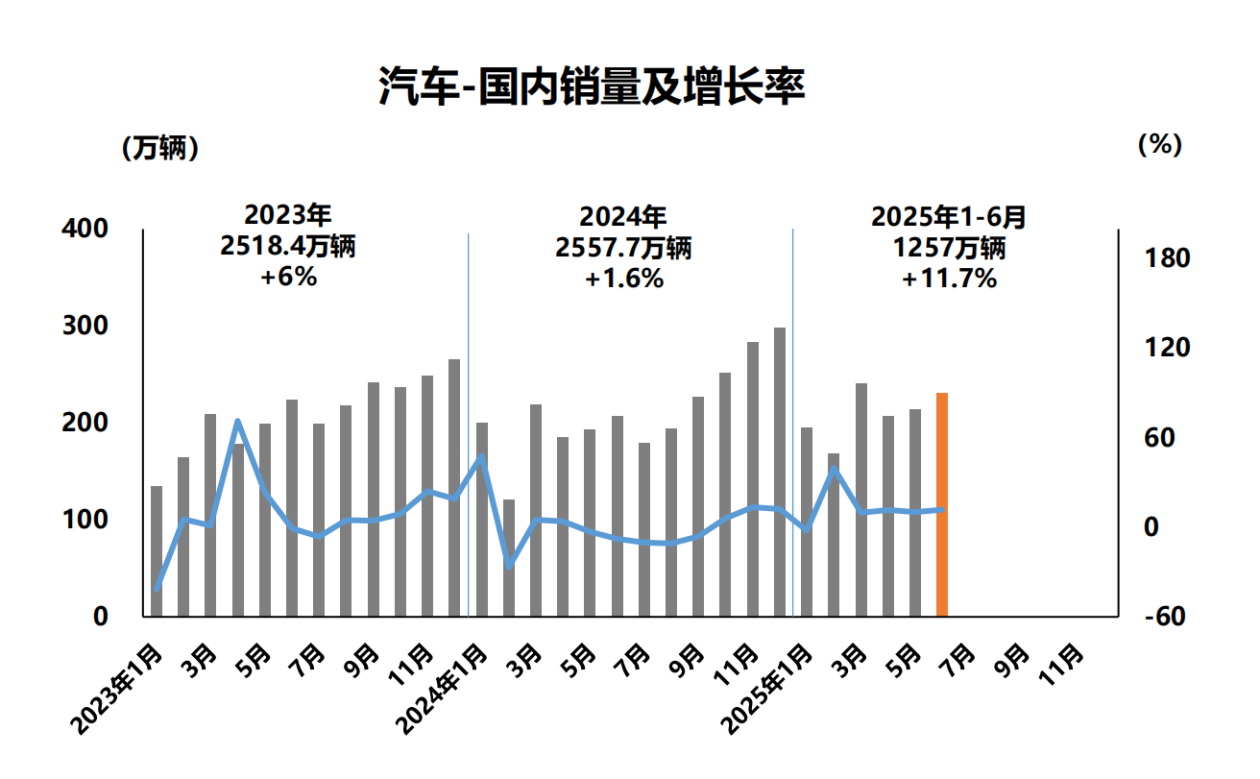
Core Insights - The Chinese automotive industry is experiencing rapid growth, surpassing 30 million units in production and sales in 2024, with a year-on-year increase of 12.5% in production and 11.4% in sales for the first half of 2025 [2] - However, this growth is accompanied by intense competition characterized by irrational price wars, leading to a significant compression of profit margins [2][3] - The industry is facing a "hidden decline" in profitability, with per vehicle profit dropping from over 20,000 yuan in 2022 to 14,000 yuan in the first five months of 2025 [2][3] - Industry leaders are advocating for a shift towards long-termism and brand building to navigate the current challenges and ensure sustainable development [5][6][7] Industry Challenges - The automotive sector is grappling with "involutionary" competition, which is detrimental to healthy industry growth and profitability [3][4] - Continuous price wars have led to a loss of 200 to 300 billion yuan in revenue for the industry over the past two years [3] - The current competitive landscape is causing a conflict between long-term strategic goals and short-term profit-driven behaviors among companies [4] Strategic Initiatives - The China Automotive Industry Association (CAIA) is actively promoting "anti-involution" measures and has initiated several guidelines to foster healthy competition [5] - CAIA has launched three key initiatives aimed at regulating data publication, addressing excessive marketing of autonomous driving, and maintaining fair competition [5] - Industry leaders emphasize the need for a return to quality and innovation as the foundation for long-term competitiveness, rather than relying on short-term tactics [5][6] Brand Development - Long-termism is defined as a commitment to quality, innovation, and sustained investment in brand building, which is essential for navigating market fluctuations [6][7] - Executives stress the importance of brand loyalty and the dangers of succumbing to short-term pressures that can undermine long-term brand value [7][8] - The formation of a strong Chinese automotive brand is seen as crucial, with calls for a collective effort to define and enhance the global image of Chinese vehicles [8]
新能源浪潮迭起,岚图为何坚持做用户型科技企业?
Di Yi Cai Jing· 2025-07-17 11:36
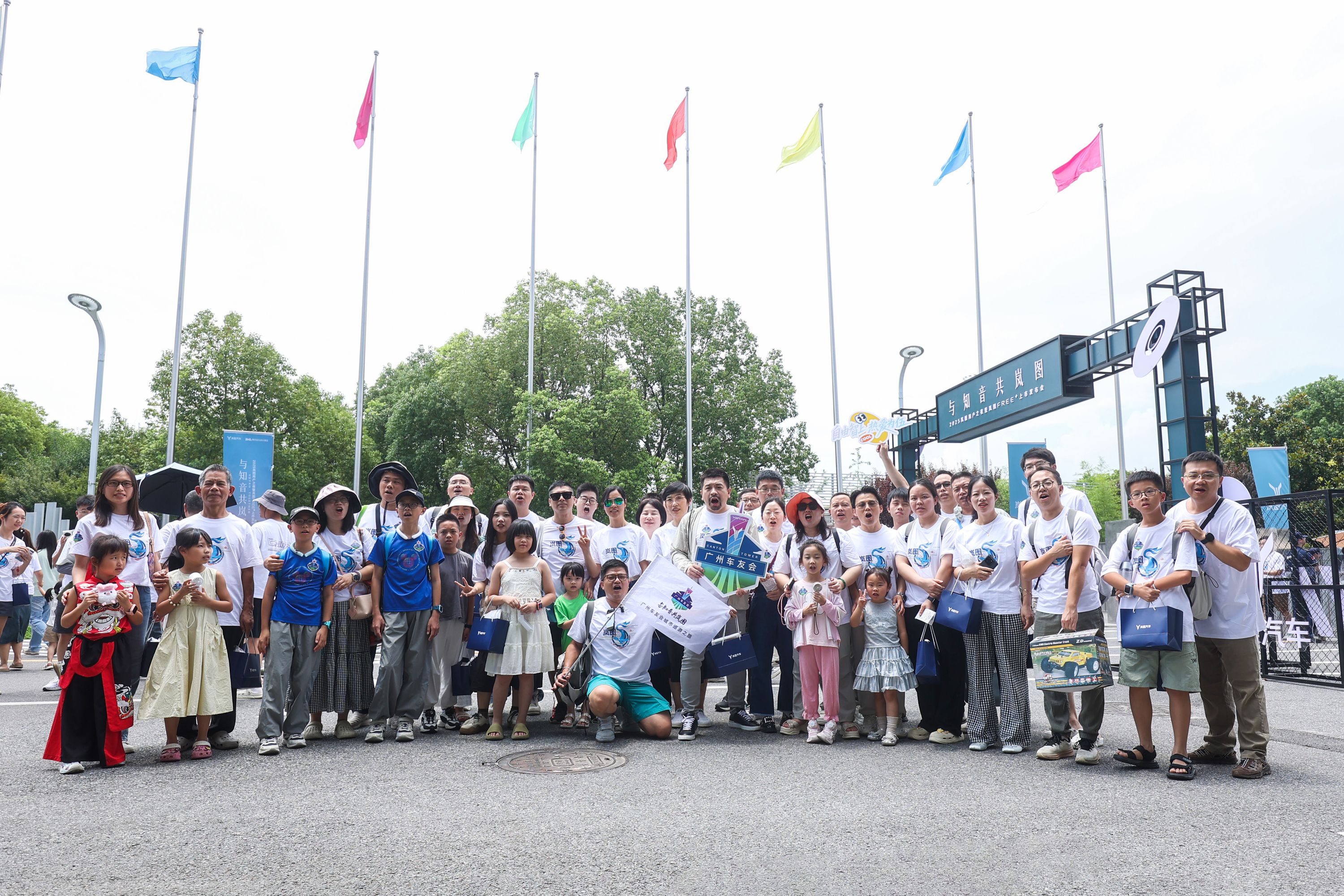
Core Viewpoint - The automotive industry is undergoing a transformation towards user-centric technology companies, with a focus on listening to consumer needs and building strong relationships with users [1][6][10]. Group 1: User-Centric Approach - Lantu has positioned itself as a "user-centric technology company" since its inception, emphasizing the importance of user feedback in product development and service optimization [6][10]. - The company aims to create a community where users are seen as "insiders" rather than mere customers, fostering genuine relationships through sincere communication and practical actions [6][10][15]. Group 2: Product Development and Innovation - The newly launched Lantu FREE+ SUV represents the culmination of a four-year development process, incorporating 1.366 billion yuan in upgrades and 1366 functional enhancements, with 82 features leading in its class [10][12]. - The FREE+ is equipped with advanced technologies from Huawei, including the ADS4 driving system and HarmonyOS cockpit, bringing premium features to a more affordable price point [12][13]. Group 3: Long-Term Strategy - Lantu emphasizes a long-term approach, focusing on sustainable value creation rather than short-term sales spikes, with a target of 200,000 annual sales [13][15]. - The company is expanding its product matrix, moving from the initial FREE model to a diverse range of SUVs and MPVs, including the upcoming Lantu Zhi Yin, which will also feature Huawei's latest technologies [13][15]. Group 4: User Engagement and Community Building - Lantu aims to build lifelong relationships with users, viewing sales as a means to foster deeper connections rather than just a transactional goal [15][20]. - The company has implemented a "direct sales + ecological agency" model to enhance user trust and understanding of consumer needs, driving repeat purchases [15][17]. Group 5: Brand Evolution - Over five years, Lantu has transformed user satisfaction into deep brand loyalty, evolving from functional satisfaction to emotional attachment, encapsulated in the brand's new slogan [20].
阿维塔科技总裁陈卓:汽车行业要回归长期主义,坚守价值底线
Zhong Guo Jing Ying Bao· 2025-07-17 08:48
Core Insights - The Chinese automotive industry has seen the emergence of numerous outstanding brands and companies, driving advancements in intelligence, new energy, and design, positioning itself among global leaders [1] - The industry faces profound contradictions, including rapid technological iterations, evolving consumer demands, and intense competition, necessitating a shift towards long-term value and brand integrity [1][5] Industry Changes - The automotive marketing landscape is undergoing significant transformation, with new entrants like Xiaomi demonstrating effective marketing strategies that challenge traditional approaches [1][2] - A shift from platform-based product planning to "explosive product" thinking is observed, allowing for rapid market response and flexibility in product development [2] - The marketing approach is evolving from a one-way push to a two-way interaction, enhancing user engagement and reducing marketing costs [3] Product Development and User Engagement - The industry is moving towards dynamic validation capabilities, enabling immediate adjustments based on user feedback, which is crucial for maintaining competitiveness [4] - Alvita emphasizes the importance of original design and intelligent technology, aiming to build a world-class brand through deep collaboration with industry leaders [5][6] - User feedback has been instrumental in product iterations, with over 150,000 units delivered, showcasing the company's commitment to aligning products with consumer needs [6] Talent and Innovation - Alvita views talent as a core asset, fostering an international and diverse team to drive innovation and product development [6] - The company encourages a culture of creativity and pride among employees, believing that emotional connections with users will fuel long-term brand strength [6]