
金融

Search documents
北京绿色外债试点政策施行首日四笔业务顺利落地,金额合计逾6000万人民币
Bei Jing Shang Bao· 2026-01-05 09:55
下一步,国家外汇管理局北京市分局将不断完善绿色外债试点运行机制,持续跟踪试点政策实施效果, 加强政策宣传与指导,充分释放试点政策红利,推动做好金融"五篇大文章",服务实体经济高质量发 展。 绿色外债试点政策是国家外汇管理局深入贯彻落实党中央、国务院绿色金融发展决策部署,支持绿色金 融发展的一项新政,北京地区被列入首批试点。国家外汇管理局北京市分局经国家外汇管理局同意发布 《绿色外债试点业务指引(试行)》(京汇发〔2025〕74号文印发),积极支持辖内非金融企业借入外 债资金用于绿色或低碳转型项目。试点政策生效首日,辖内银行成功为4家企业办理绿色外债签约登 记,签约金额合计逾6000万人民币,所涉资金将投向于光伏行业、绿色智能交通体系及信息化建设等, 为首都绿色金融再添新章。 北京商报讯(记者 岳品瑜 董晗萱)2026年1月5日,据人民银行北京市分行官微消息,绿色外债试点政 策施行首日四笔业务顺利落地。 ...
商务部等9部门关于实施绿色消费推进行动的通知
中汽协会数据· 2026-01-05 09:04
Core Viewpoint - The article emphasizes the importance of promoting green consumption as a means to accelerate economic and social development while achieving a comprehensive green transformation during the "14th Five-Year Plan" period [1]. Group 1: Enriching Green Product Supply - Encourage the supply of green agricultural products, including organic and high-quality goods, and support the establishment of dedicated sales areas for these products [1]. - Promote the purchase of green home appliances and building materials, focusing on energy efficiency and sustainability [2]. - Support the consumption of new energy vehicles and explore the potential of the automotive aftermarket [2]. Group 2: Enhancing Green Service Consumption - Develop green dining practices by encouraging restaurants to adopt standards that reduce waste and promote the use of biodegradable materials [3]. - Foster green accommodation by promoting eco-friendly practices in hotels and encouraging the use of sustainable products [4]. - Innovate in green housekeeping services by promoting the use of non-toxic cleaning products and smart home technologies [4]. Group 3: Innovating Green Consumption Models - Promote the development of green supply chains and encourage the use of environmentally friendly products and packaging [5]. - Establish a green consumption points system to incentivize consumers for purchasing green products and services [5]. - Encourage innovative sharing models in green consumption, leveraging technology for efficient resource use [6]. Group 4: Promoting Green Circular Recycling - Reduce the use of single-use plastic products and promote the use of reusable alternatives [7]. - Establish a comprehensive recycling system for waste materials, focusing on furniture, electronics, and textiles [8]. - Support the development of second-hand goods markets and encourage community initiatives for recycling and reuse [8]. Group 5: Optimizing the Green Consumption Environment - Promote energy-efficient facilities and encourage the use of green electricity in businesses [9]. - Raise awareness of green consumption and advocate for low-carbon lifestyles among consumers [9]. - Strengthen public awareness campaigns to promote green consumption as part of national environmental initiatives [9]. Group 6: Strengthening Policy Support - Enhance policy integration and coordination among various departments to support green consumption initiatives [12]. - Increase credit support for green consumption loans and encourage financial institutions to collaborate with businesses [12]. - Innovate financial products to provide insurance and investment opportunities for green consumption projects [12].


加大信贷投放,创新金融产品——九部门联合部署绿色消费推进行动!
Xin Lang Cai Jing· 2026-01-05 08:35
Core Viewpoint - The Ministry of Commerce and nine other departments jointly issued the "Notice on Implementing Green Consumption Promotion Actions," outlining arrangements for green consumption during the 14th Five-Year Plan period, aiming to enhance the incentive mechanism for green consumption and promote a green, low-carbon lifestyle for high-quality development [1][5]. Group 1: Enhancing Green Product Supply - The notice emphasizes increasing the supply of green agricultural products, encouraging enterprises to expand procurement of high-quality items such as organic and geographical indication products, and supporting the establishment of dedicated sales areas for green products [2][6]. - It advocates for the promotion of green home appliances and home decoration, encouraging the purchase of certified green products and improving energy and water efficiency standards [2][6]. - The notice also supports the promotion of green automotive consumption, including the purchase of electric vehicles and the exploration of potential in the used car and car-sharing markets [2][6]. Group 2: Improving Green Service Consumption - The notice calls for the development of green dining services, urging restaurants to implement standards that reduce waste and promote the use of biodegradable packaging [3][7]. - It highlights the need for green accommodation, encouraging hotels to adopt eco-friendly practices and provide sustainable amenities [3][7]. - The notice promotes green housekeeping services, advocating for the use of non-toxic cleaning products and innovative service models [3][7]. Group 3: Financial Support for Green Consumption - The notice proposes increasing credit support for green consumption loans, encouraging financial institutions to offer favorable services to consumers with good green consumption records [4][8]. - It calls for the innovation of financial products to provide insurance for green consumption and the establishment of a project library for green consumption infrastructure [4][8].
清华周道许:AI于金融是一把“双刃剑”,如何握住剑柄?
2 1 Shi Ji Jing Ji Bao Dao· 2026-01-05 07:27
Core Viewpoint - Artificial intelligence (AI) is reshaping the financial industry, presenting both opportunities for efficiency and challenges such as algorithmic opacity and systemic risks [1][13]. AI Application in Finance - AI's role in finance is evolving from an auxiliary tool to collaborative and even autonomous decision-making, transitioning the industry from an "experience-driven" to a "data-driven + algorithm-driven" paradigm [2][14]. - The application of AI in finance has not yet reached its ceiling, with potential for further integration into core decision-making processes such as investment research and credit pricing [7][19]. Governance and Regulation - AI governance in finance should focus on being "controllable, trustworthy, and sustainable," with key dimensions including algorithm compliance and transparency, data governance, and privacy protection [5][16]. - A dynamic risk monitoring system is essential to address new systemic risks arising from AI, such as model homogeneity and algorithmic resonance [6][17]. - Ethical norms and responsibility identification are crucial, advocating for a principle of "human ultimate responsibility" in AI decision-making [8][18]. Emerging Risks - AI introduces new risks, including model risk and algorithmic resonance, which can lead to collective misjudgments in extreme market conditions [20]. - Data pollution and adversarial attacks pose significant threats to AI model integrity, necessitating the development of robust AI security defense technologies [20]. - Ethical issues such as algorithmic bias and digital discrimination require proactive measures, including fairness audits and diverse evaluation mechanisms [20]. Regulatory Balance - Achieving a balance between innovation and safety in financial regulation is critical, with suggestions for enhancing regulatory sandboxes and developing intelligent regulatory platforms [10][22]. - Differentiated regulatory requirements based on the risk level and maturity of AI applications are essential for effective oversight [22][23]. Talent Development - The financial sector's talent requirements are evolving, necessitating a shift in educational frameworks to produce professionals who understand finance, technology, and ethics [12][24]. - Curriculum redesign should integrate practical modules on AI and ethics, fostering critical thinking and innovative leadership skills among students [24].
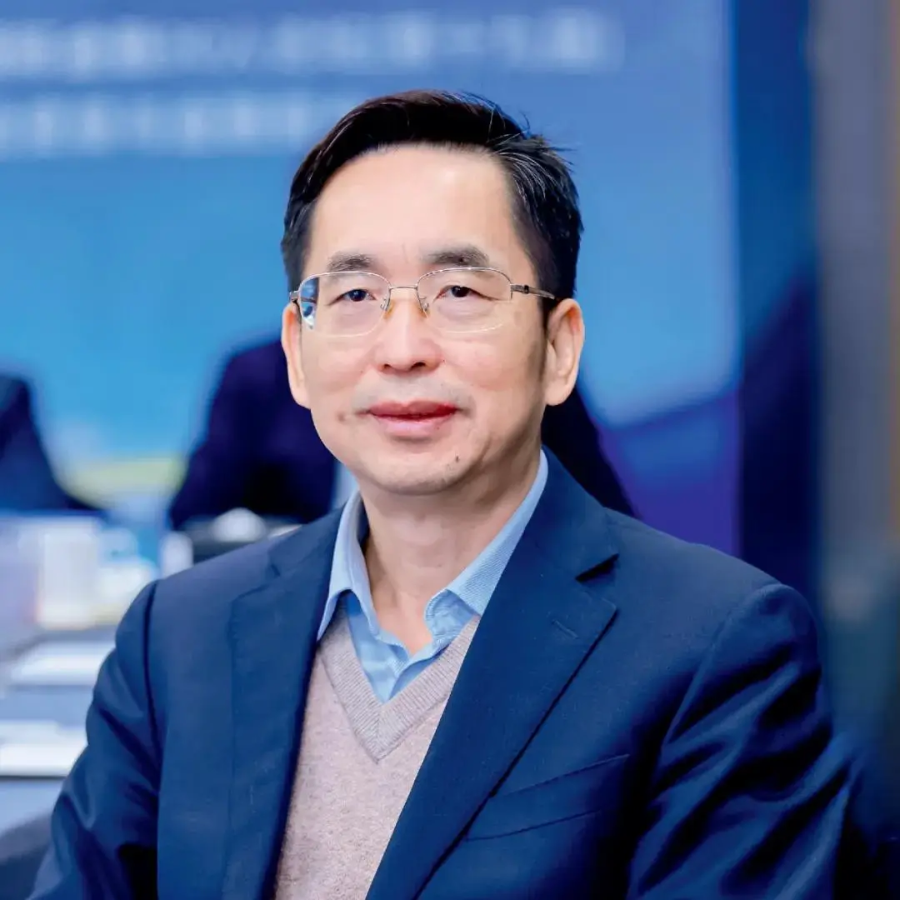
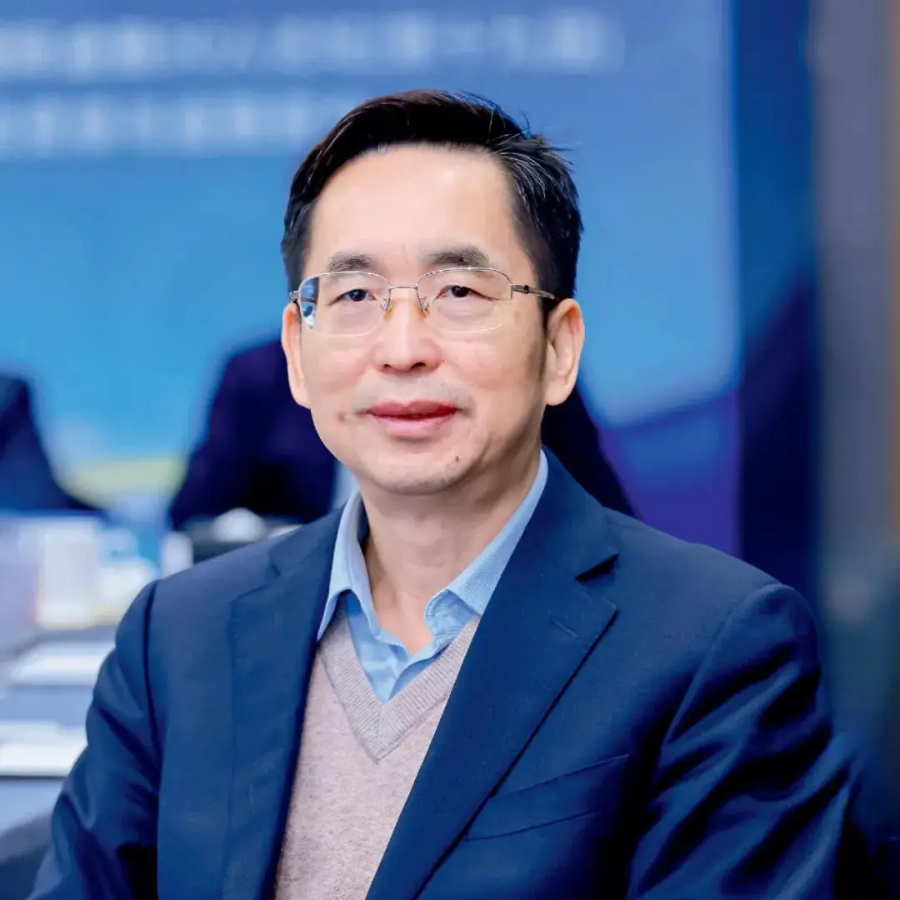
专访清华周道许:AI于金融是一把“双刃剑”,如何握住剑柄?
2 1 Shi Ji Jing Ji Bao Dao· 2026-01-05 06:50
Core Insights - Artificial Intelligence (AI) is reshaping the financial industry by enhancing efficiency and effectiveness while also introducing challenges such as algorithmic opacity and systemic risks [1][4][7] Group 1: AI Integration in Finance - The application of AI in finance is evolving from an auxiliary role to one of collaboration and even autonomous decision-making, transitioning the industry from an "experience-driven" to a "data-driven + algorithm-driven" paradigm [1][6] - The Chinese government is promoting the integration of AI with finance, emphasizing the need for a clear and flexible regulatory framework to guide this development [1][4] Group 2: Governance and Regulation - AI governance in finance should focus on controllability, trustworthiness, and sustainability, with key dimensions including algorithm compliance and transparency, data governance, and privacy protection [4][5] - A dynamic risk monitoring system is essential to address new systemic risks arising from AI, such as model homogeneity and algorithmic resonance [5][7] - Ethical norms and responsibility identification are crucial, advocating for a principle of "human accountability" in AI decision-making processes [5][7] Group 3: Future Potential of AI in Finance - AI's future applications in finance are expected to expand from process optimization to decision reconstruction, playing a critical role in investment decisions and risk management [6][8] - The integration of AI with various data sources will lead to the creation of "scene financial intelligent bodies," enhancing real-time analysis and decision-making capabilities [6][8] Group 4: Addressing New Risks - New risks associated with AI include model risk, data pollution, and ethical issues, necessitating the development of diverse algorithms and robust AI safety defense technologies [7][8] - The rapid evolution of AI technology outpaces regulatory updates, highlighting the need for regulatory technology (RegTech) to monitor AI effectively [8][9] Group 5: Balancing Innovation and Regulation - Achieving a balance between innovation and regulation is essential, with recommendations for regulatory sandboxes and intelligent regulatory platforms to facilitate safe AI experimentation [10][11] - A tiered regulatory approach based on risk levels and technology maturity is advocated to ensure a supportive environment for innovation while maintaining safety [11] Group 6: Talent Development in AI - The financial sector's talent requirements are evolving, necessitating a shift in educational focus towards a blend of finance, technology, and ethics to prepare future professionals [12] - Educational institutions should foster practical experience through collaboration with financial and tech companies, emphasizing critical thinking and innovative leadership skills [12]
A500ETF南方(159352)交投活跃涨近2%,A股市场情绪持续回暖,喜迎2026“开门红”
Xin Lang Cai Jing· 2026-01-05 06:44
Group 1 - A500ETF Southern (159352) has shown a significant increase of 1.85%, with a trading volume of 10.655 billion yuan and a turnover rate of 21.73%, indicating active market participation [1] - The index tracks the CSI A500 Index, which includes a balanced mix of traditional industries and emerging sectors such as technology innovation and green economy, providing a stable investment foundation [1] - The top ten weighted stocks in the CSI A500 Index include Ningde Times, Kweichow Moutai, and China Ping An, among others, highlighting the index's strong composition [1] Group 2 - In December, A500ETF experienced a notable net subscription of 81 billion yuan, contributing to a total net inflow of 95.3 billion yuan, which positively influenced market sentiment [2] - The financing funds returned to net inflow, totaling 72 billion yuan, with the financing balance exceeding 2.5 trillion yuan, marking a historical high and indicating increased risk appetite [2] - The capital market reforms in 2026 are expected to focus on supporting new productive forces and enhancing long-term investments, which aligns with the strategic goals of the technology-driven economy [2] Group 3 - The A500ETF Southern (159352) has a low tracking error and a high excess return rate, making it an attractive investment option with a low absolute premium rate [3] - The fund offers the lowest management fee of 0.15% and a custody fee of 0.05%, providing a cost-effective investment channel for investors [3] - The high liquidity of the fund meets trading demands, while the associated funds facilitate convenient investment strategies, positioning it as a versatile investment tool [3]
资本市场月报2026年1月-20260105
Ping An Securities Hongkong· 2026-01-05 06:31
Group 1: Global Stock Market Performance - The global stock indices in 2025 exhibited a clear "divergent upward" trend, with the South Korean Composite Index leading at 75.6% growth, significantly higher than other markets[4] - The second tier of performance was concentrated in Hong Kong and Northeast Asian markets, including the Hang Seng Index and Nikkei 225, with growth rates ranging from 23.0% to 31.1%[4] - European markets showed moderate performance, while global benchmarks and U.S. tech-related indices remained relatively strong[4] Group 2: Hong Kong Stock Market Insights - The Hong Kong Hang Seng Industry Index displayed a "strong structure, weak diffusion" characteristic, with materials leading at 161.3% growth, while defensive sectors like utilities and telecommunications lagged[6] - In 2025, the Hong Kong IPO market welcomed 117 new listings, raising approximately HKD 285.7 billion, with notable first-day performance from Nobikang (2635.HK) at 363.75%[9] - The largest fundraising project was CATL (3750.HK), which raised around HKD 41 billion, while 685 companies announced additional share placements, expected to raise about HKD 361.8 billion, mainly in TMT and financial sectors[9] Group 3: U.S. Economic Overview - In Q3 2025, the U.S. GDP growth rate was 4.3%, exceeding expectations of 3.3%, driven by resilient private consumption and improved net exports[10] - Personal consumption expenditures contributed 2.4 percentage points to GDP growth, indicating strong consumer resilience despite tariff impacts[10] - Market expectations for interest rate cuts have shifted to April and July 2026, with anticipated reductions of 25 basis points each[10] Group 4: Chinese Economic Trends - Industrial profits in China showed a slight year-on-year increase of 0.1% from January to November 2025, with notable growth in high-tech manufacturing sectors[11] - The solar and semiconductor industries are experiencing a new wave of growth, supported by policy adjustments and rising prices in key materials[11] - The government initiated a venture capital fund of HKD 100 billion to stimulate investment in high-tech sectors, including AI and quantum technology[11]
假期消费温和增长,文旅消费多元扩容
China Post Securities· 2026-01-05 06:05
Group 1: Consumer Trends - During the New Year's holiday, inter-regional mobility increased by 19.62% year-on-year, with a total domestic travel expenditure of CNY 847.89 billion, up 6.35% from 2024, reflecting a compound annual growth rate of 3.12%[1][12] - The average ticket price for domestic flights reached CNY 684.6, a 9.8% increase compared to 2025, indicating a strong recovery in travel demand[16] - Dining consumption showed robust growth, with key provinces reporting increases of 18% in Zhejiang and 36.5% in Nanjing, while overall dining consumption in Guangxi rose by 5.8%[17] Group 2: Economic Indicators - The manufacturing PMI returned to the expansion zone at 50.1%, reflecting a 0.9 percentage point increase, indicating improved economic conditions[2][18] - The construction sector's PMI rose to 52.8%, a 3.2 percentage point increase, benefiting from favorable weather and ongoing policy support[23] - The service sector's PMI was at 49.7%, showing a slight recovery but still below the expansion threshold, indicating mixed performance across industries[24] Group 3: Policy and Market Outlook - The "Two New" policies are expected to provide support for stable consumption, despite a potential mild contraction in funding scale for 2026[26] - International commodity prices are rising, which may pressure corporate profits and indirectly affect employment, potentially limiting demand recovery[26] - The government has initiated a CNY 295 billion investment plan for key projects, including the Guangzhou New Airport, to stabilize investment growth[26]
关注新兴成长板块投资机会,成长ETF易方达(159259)标的指数早盘涨超2%
Sou Hu Cai Jing· 2026-01-05 05:11
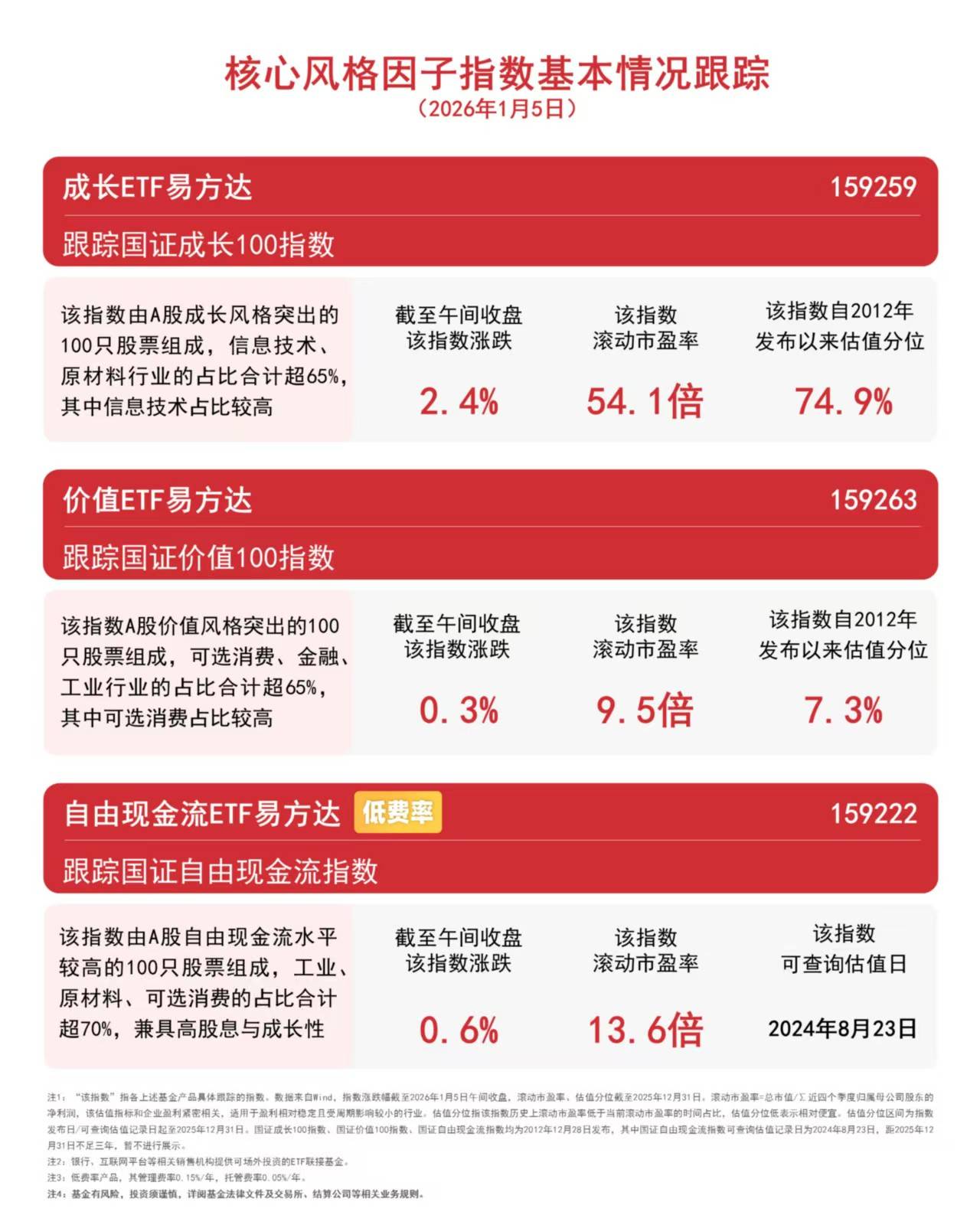
Group 1 - The technology growth sector showed strong performance, with the Guozheng Growth 100 Index rising by 2.4%, the Guozheng Free Cash Flow Index increasing by 0.6%, and the Guozheng Value 100 Index up by 0.3% as of midday close [1] - Huaxi Securities predicts that 2026 will be a significant year due to multiple positive factors, indicating a solid foundation for a bull market, with early signs of spring rally already observed [1] Group 2 - The Guozheng Growth 100 Index consists of 100 stocks with a strong growth style in the A-share market, with over 65% of its composition in the information technology and materials sectors, and a rolling P/E ratio of 54.1 times [3] - The Guozheng Value 100 Index is made up of 100 stocks with a strong value style, with over 65% in consumer discretionary and financial sectors, and a rolling P/E ratio of 9.5 times [3] - The Guozheng Free Cash Flow Index includes 100 stocks with high free cash flow levels, with over 70% in industrial, materials, and consumer discretionary sectors, and a rolling P/E ratio of 13.6 times [4]
3%股权,100%转型,中石油牵手国家电网下了一步大棋
Tai Mei Ti A P P· 2026-01-05 03:52
Core Viewpoint - The collaboration between China National Petroleum Corporation (CNPC) and State Grid Corporation of China represents a strategic shift in the energy sector, moving from traditional oil and gas reliance to a comprehensive energy ecosystem that integrates electricity, hydrogen, carbon, and financial tools [1][7]. Group 1: Transaction Insights - CNPC transferred 3% of its stake in China Oil Capital to State Grid's subsidiary, establishing a deeper partnership that transforms their relationship from mere cooperation to a shared interest [1][2]. - China Oil Capital's acquisition of 100% of Yingda Futures for 1.129 billion yuan is crucial for CNPC's entry into the electricity market, allowing it to manage price volatility independently and enhance operational security [2][3]. Group 2: Strategic Implications for CNPC - The transaction serves as a "safety cushion" for CNPC's aggressive transformation strategy, enabling better risk management through financial instruments like futures and options [3][4]. - By securing a stake in State Grid, CNPC gains access to the core electricity ecosystem, facilitating smoother integration in distributed solar, energy storage, and charging networks [3][4]. Group 3: Broader Energy Ecosystem Strategy - The collaboration is part of CNPC's larger strategy to establish a dual-driven approach, combining physical energy production (oil, gas, electricity, hydrogen) with financial capital management to optimize resource allocation and risk control [5][6]. - This shift indicates a transition from point-to-point competition to ecosystem-based competition, where the focus is on building resilient and dynamic industry networks [7]. Group 4: Future Outlook - The partnership signals a new era in the energy sector, where capital and financial tools play a crucial role in addressing common challenges such as investment risks and market pricing [7]. - The essence of this collaboration lies in leveraging financial flexibility to navigate the complexities of industrial transformation, with the potential for significant competitive advantages in the evolving energy landscape [7].
