外卖

Search documents
博时市场点评9月10日:两市缩量反弹,成交略过2万亿
Xin Lang Ji Jin· 2025-09-10 08:16
Market Overview - The Shanghai and Shenzhen stock markets experienced a slight rebound with a trading volume just exceeding 2 trillion yuan, indicating a slowdown in trading activity [1] - The margin financing balance continued to increase, surpassing 2.3 trillion yuan, with an inflow of over 6 billion yuan, suggesting ongoing leverage funding inflow [1] Economic Data - The National Bureau of Statistics reported that the Consumer Price Index (CPI) fell by 0.4% year-on-year in August, remaining flat month-on-month, while the Producer Price Index (PPI) decreased by 2.9% year-on-year, with the decline narrowing by 0.7 percentage points from the previous month [2] - The core CPI, excluding food and energy, rose by 0.9% year-on-year, marking a 0.1 percentage point increase from the previous month, indicating a mild recovery in domestic demand [2] Industry Insights - The PPI's month-on-month stabilization is seen as a positive signal, benefiting from policies aimed at optimizing market competition and a rebound in commodity prices, although significant industry differentiation remains evident [1][2] - The regulatory authority is focusing on the food delivery industry, aiming to curb unhealthy competition and excessive subsidies, which may impact short-term revenue growth for platforms but could enhance long-term profitability and industry health [3] Market Performance - On September 10, the A-share indices showed an upward trend, with the Shanghai Composite Index rising by 0.13% and the Shenzhen Component Index increasing by 0.38% [4] - The trading volume for the market was recorded at 20,042.36 billion yuan, reflecting a decrease from the previous trading day, while the margin financing balance rose to 23,197.18 billion yuan [5]
财达证券每日市场观察-20250910
Caida Securities· 2025-09-10 08:02
Market Performance - On September 9, the Shanghai Composite Index fell by 0.51%, the Shenzhen Component Index dropped by 1.23%, and the ChiNext Index decreased by 2.23%[3] - The total trading volume in the Shanghai and Shenzhen markets exceeded 2.1 trillion yuan, a decrease of over 300 billion yuan compared to the previous trading day[1] Sector Analysis - The number of declining sectors outnumbered those that rose, with real estate, non-ferrous metals, commerce, and food and beverage sectors showing gains, while electronics and computer sectors experienced declines[1] - The precious metals sector saw an upward trend due to rising gold prices, with domestic gold jewelry prices surpassing 1,070 yuan per gram[5] Fund Flow - On September 9, net outflows from the Shanghai Stock Exchange amounted to 2.117 billion yuan, while the Shenzhen Stock Exchange saw net outflows of 8.788 billion yuan[4] - The top three sectors for capital inflow were batteries, precious metals, and automotive parts, while the sectors with the highest outflows were semiconductors, consumer electronics, and photovoltaic equipment[4] Investment Trends - Institutional investors conducted over 47,000 company surveys in the past month, focusing on industry conditions and company performance[14] - Active equity fund stock positions have surpassed 90%, reaching the highest level since March 2021[14] Industry Developments - The Ministry of Industry and Information Technology plans to promote high-quality development in the AI industry and will introduce an implementation plan for AI + manufacturing[6] - China's manufacturing robot density has reached 470 units per 10,000 people, significantly exceeding the global average[12]
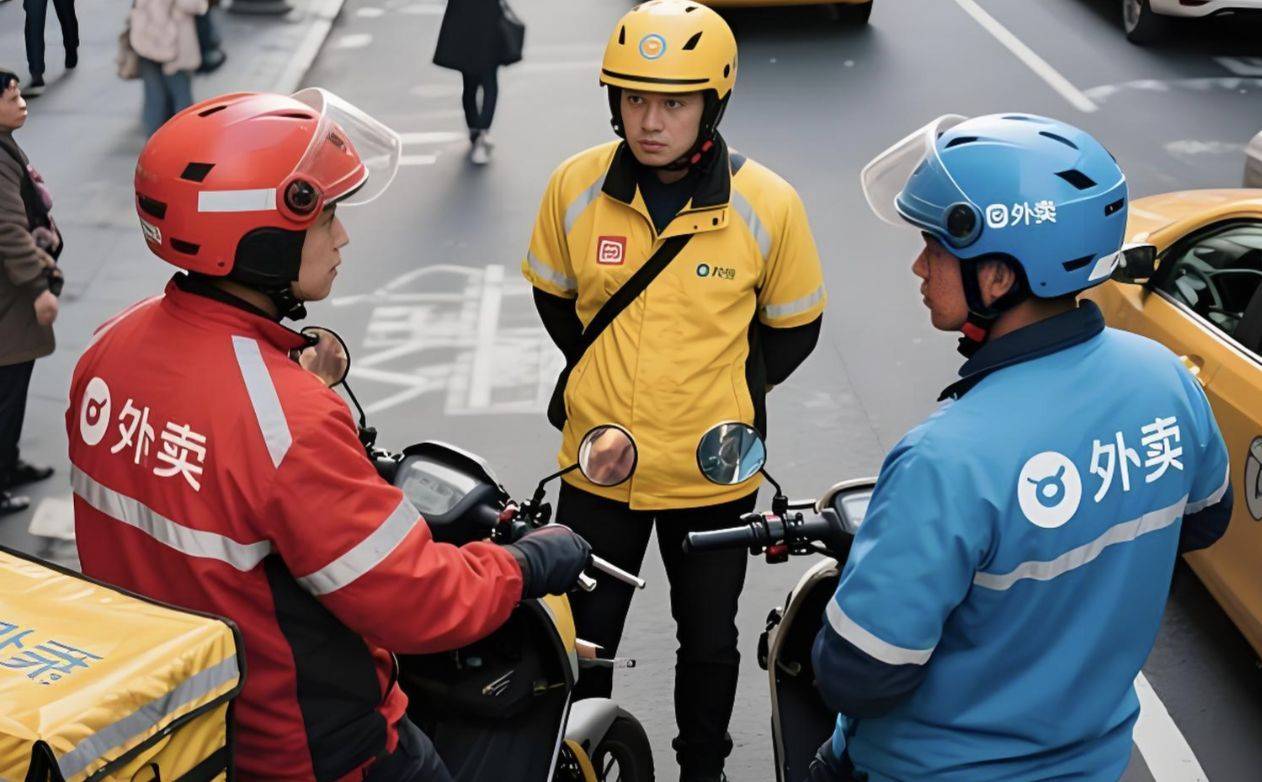
1分钱外卖终结?监管叫停恶性补贴,美团京东饿了么集体“刹车”
Sou Hu Cai Jing· 2025-09-10 06:29
Core Viewpoint - The Chinese food delivery market is entering a "strong constraint" era due to intensified regulations aimed at curbing irrational competition and excessive subsidies among major platforms [1][4][6]. Regulatory Environment - The State Administration for Market Regulation (SAMR) has mandated major food delivery platforms to adhere strictly to laws and regulations, prohibiting unfair competition and harmful subsidies [4][6]. - The revised Anti-Unfair Competition Law introduced in 2025 explicitly prohibits platforms from forcing merchants to sell below cost, providing a legal basis to combat harmful subsidies [6]. Market Dynamics - The food delivery market has seen a significant shift in competition, evolving from a "duopoly" dominated by Meituan and Ele.me to a "tripartite" battle involving Meituan, Alibaba, and JD.com [3][14]. - Following JD.com's entry into the market with a "0 commission + 10 billion subsidies" strategy, a fierce subsidy war ensued, leading to extreme promotional tactics and a surge in order volumes [5][9]. Financial Impact - The intense competition has severely eroded profits for the major players. For instance, Meituan's adjusted net profit for Q2 2025 plummeted by 89% year-on-year, while Alibaba and JD.com also reported significant profit declines [9][10]. - High marketing expenditures have become a norm, with the three companies collectively spending over 1 trillion yuan on sales and marketing in Q2 2025, averaging over 30 billion yuan per month [9][10]. Merchant and Consumer Behavior - Merchants are increasingly diversifying their partnerships across multiple platforms to mitigate risks associated with reliance on a single platform [11]. - The competitive landscape has led to a re-evaluation of consumer preferences, with active user engagement on the apps of Meituan, Alibaba, and JD.com showing varying growth rates [14]. Future Outlook - Analysts predict a potential shift towards a "duopoly" market structure, with Alibaba and Meituan leading, contingent on continued financial investments and strategic adaptations [16]. - The industry is expected to transition from a "price war" to a "value war," focusing on technological innovation and sustainable business practices to foster long-term growth [17].



刘强东拿下新加坡物流枢纽
Sou Hu Cai Jing· 2025-09-10 05:48
Core Insights - JD.com is expanding its global logistics footprint by acquiring four logistics assets in Singapore for approximately 3.06 billion SGD, equivalent to about 1.7 billion RMB [1][2] - The acquisition includes significant properties such as a major logistics hub on Pandan Avenue, which has a total area of approximately 87,842 square meters and is valued at 140 million SGD, accounting for half of the total transaction price [1][2] - This move is part of JD.com's broader strategy to enhance its logistics capabilities and supply chain network globally, particularly in Southeast Asia [2] Acquisition Details - The four logistics assets acquired are located in key industrial and logistics areas in Singapore, including Ubi Road, Changi South Avenue, and Jurong East [1][2] - The Ubi Road industrial asset is strategically positioned in a region with a strong presence of electronics and precision manufacturing companies, aligning with JD.com's retail business [1] - The Changi South Avenue warehouse benefits from proximity to Changi Airport, providing unique advantages for air freight logistics [2] Previous Acquisitions - JD.com has also made significant acquisitions in Europe, including a voluntary public offer to acquire Ceconomy AG for approximately 22 billion EUR, or about 185 billion RMB, which is expected to complete by mid-2026 [8] - Ceconomy is a major player in the European consumer electronics market, owning brands like MediaMarkt and Saturn, which will enhance JD.com's retail network and supply chain in Europe [8] Hong Kong Market Strategy - JD.com has been actively expanding in the Hong Kong market, recently completing the acquisition of Hong Kong's well-known supermarket chain, Jia Bao, to strengthen its local supply chain [11][12] - The company has invested significantly in logistics and service optimization in Hong Kong, including establishing multiple self-operated delivery centers [12][14] Broader Business Expansion - JD.com is diversifying its business model by entering new sectors such as food delivery, travel, and short video content, all while maintaining a focus on supply chain management [15][34] - The company has launched initiatives like "Seven Fresh Kitchen" for quality food delivery and is actively recruiting talent for its travel and short video divisions [20][31] Strategic Vision - JD.com's overarching strategy revolves around enhancing its supply chain capabilities across various business segments, with a commitment to innovation and long-term growth [34][35] - The company's leadership emphasizes that all business activities are centered around supply chain efficiency, aiming for sustainable development over the long term [34][35]

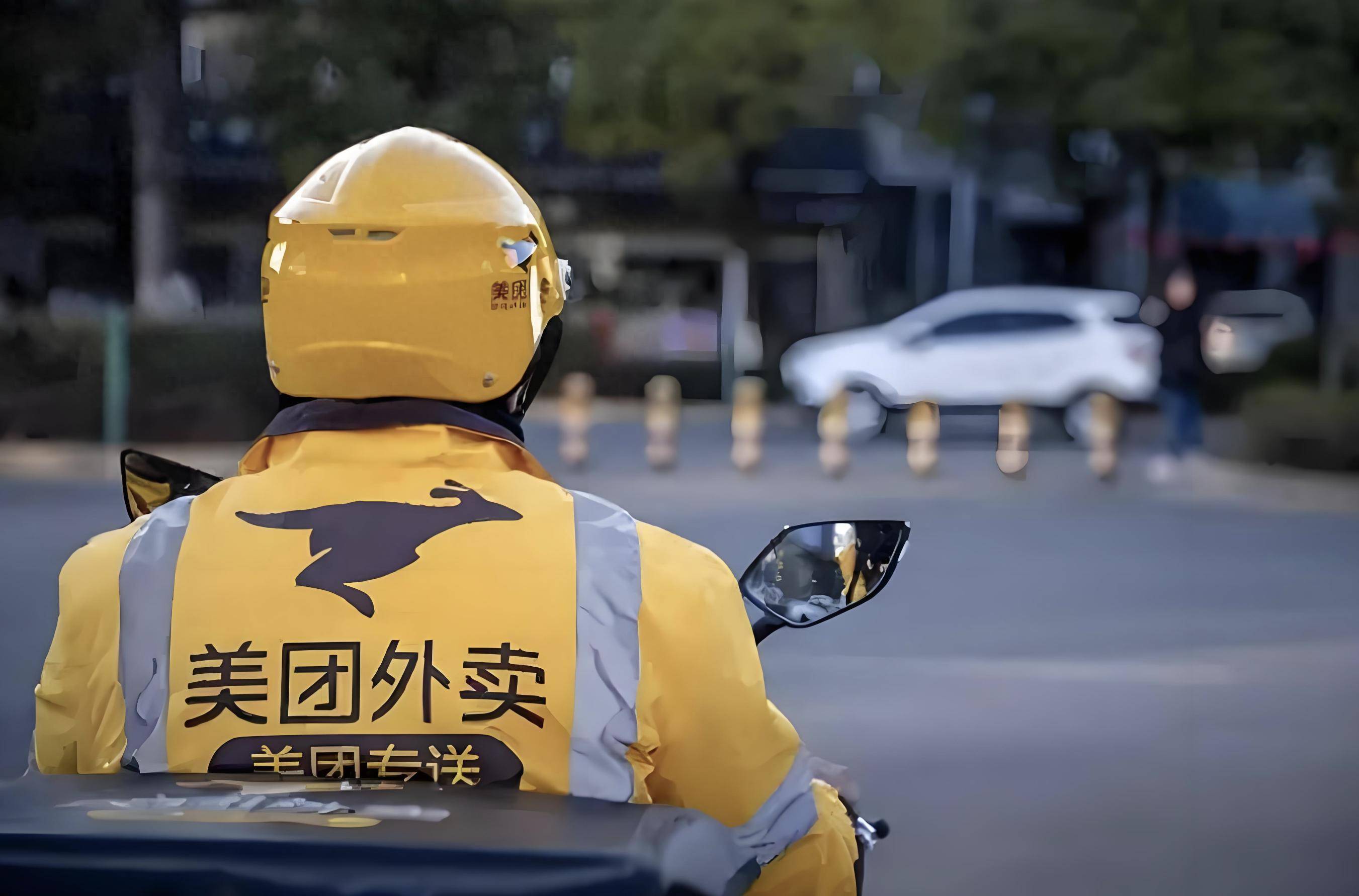
美团CEO王兴发布全员信:高频骑手月均收入达7230至10100元
Sou Hu Cai Jing· 2025-09-08 02:25
Core Insights - Meituan's CEO Wang Xing disclosed that in Q3 2023, the average monthly income for high-frequency riders (those completing over 26 orders per month) ranged from 7,230 to 10,100 RMB [2] - The company served 770 million users and 14.5 million active merchants over the past year, with a peak daily order volume exceeding 150 million [2] Income and Earnings Structure - The income stability for riders has been enhanced through technological upgrades and rule optimizations, including a dynamic pricing mechanism that can increase rider earnings by 30% to 50% during peak times and adverse weather [3] - A tiered reward system provides additional subsidies and bonuses for high-frequency riders, with some experienced riders earning over 10,000 RMB per month [3] - Delivery fees account for approximately 75% of rider income, with the remainder coming from user tips, platform rewards, and activity subsidies [3] Financial Performance - Meituan's revenue for Q2 2025 reached 91.84 billion RMB, an 11.7% increase from 82.3 billion RMB in the same period of 2024 [4] - The operating profit for the core local business segment significantly declined to 3.7 billion RMB due to intense competition in the food delivery sector [4] Rider Welfare Initiatives - Meituan is enhancing rider welfare by launching pilot programs for occupational injury insurance in nine provinces, covering over 1.2 million riders, with plans for nationwide coverage by 2024 [5] - The company plans to invest 500 million RMB in 2024 to improve rider benefits, including health check-ups and education subsidies for riders' children [5] Industry Context - The disclosure of rider income data is seen as a significant move for the industry, promoting transparency and potentially driving companies to optimize management practices [6] - The number of food delivery riders in China surpassed 7 million in 2022, with the instant retail market expected to grow at a compound annual growth rate of over 20% [6]
外卖大战下,打不垮的“夫妻店”|一线
吴晓波频道· 2025-09-08 00:30
Core Viewpoint - The article discusses the impact of the recent food delivery war on small and micro businesses, highlighting the decline in profit margins and the challenges faced by local eateries amidst aggressive competition from major platforms [2][3][7]. Group 1: Market Dynamics - The food delivery market has significantly expanded, with daily orders from major platforms reaching 250 million, up from 80 million before the competition intensified [4]. - Major platforms like Meituan, JD, and Alibaba reported a combined profit drop of over 20 billion yuan in the second quarter, with net profits down 89%, 50.8%, and 18% respectively [3][5]. - The competition has led to a substantial increase in user engagement, with Taobao's flash purchase orders peaking at 12 million daily and Meituan maintaining a dominant market share with over 15 million daily orders [5]. Group 2: Impact on Small Businesses - Small and micro businesses, particularly those with low average transaction values, have seen profit margins decline by 7.2% overall, with those under 20 yuan experiencing a 12.61% drop [7][10]. - Community-based eateries, often family-run, are struggling as consumer preferences shift towards cheaper delivery options, leading to a decrease in foot traffic and profitability [12][13]. - Many small business owners report that participation in delivery services often results in losses, as they are forced to subsidize delivery costs while receiving only half the profit compared to dine-in orders [15][16]. Group 3: Survival Strategies - Some small businesses have adapted by focusing on enhancing the dine-in experience, using delivery as a supplementary channel rather than a primary revenue source [21][26]. - Successful examples include eateries that maintain a strong local presence and customer loyalty by offering unique dining experiences and quality service, which helps convert delivery customers into dine-in patrons [26][31]. - The article suggests that the future of small eateries may involve either enhancing dine-in experiences or embracing retail trends, similar to successful models seen in Japan and Singapore [34][39][43].

美团 CEO 王兴发全员信:高频骑手平均收入 7230~10100 元
Sou Hu Cai Jing· 2025-09-07 23:49
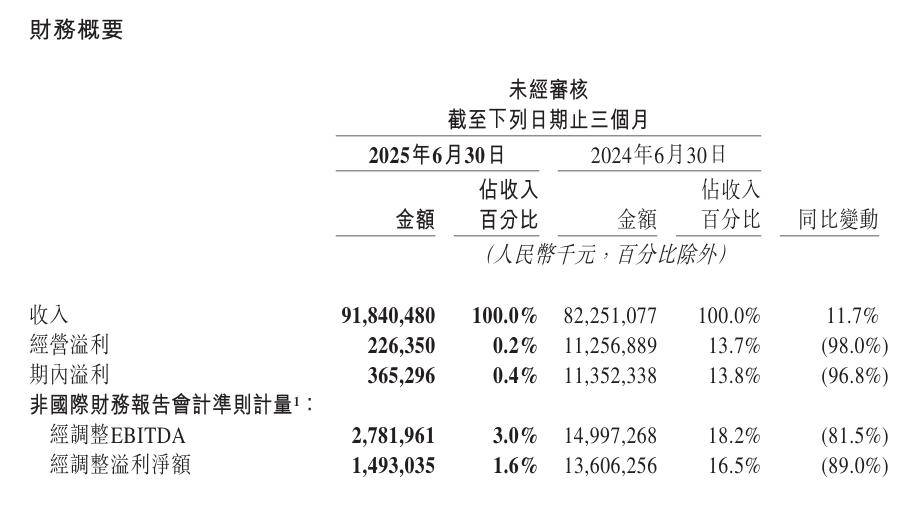
Core Insights - Meituan's CEO Wang Xing communicated to employees that the company served 770 million users and 14.5 million active merchants over the past year, with a peak daily order volume exceeding 150 million in instant retail [1] - The average income for high-frequency delivery riders increased by 12% to between 7,230 and 10,100 RMB in Q1 2025 compared to the end of 2024, and the company plans to extend pension insurance subsidies to all types of riders nationwide [1][3] Financial Performance - In Q2 2025, Meituan's revenue rose by 11.7% year-on-year to 91.84 billion RMB from 82.25 billion RMB in the same period of 2024 [2][3] - The operating profit of Meituan's core local commerce segment significantly declined to 3.7 billion RMB, while the new business segment reported an operating loss of 1.9 billion RMB due to overseas expansion [2] - The adjusted EBITDA for the period was 2.78 billion RMB, down 81.5% from the previous year, indicating substantial pressure on profitability [3] Strategic Focus - Meituan aims to enhance rider welfare and security mechanisms, having expanded occupational injury protection to all riders in 17 provinces and cities as of July 1 [3] - The company maintains a long-term profitability assumption of "1 RMB per order and approximately 3% profit margin" for 2025, despite anticipated short-term financial pressures due to increased strategic investments [4]
外卖补贴热度退去,茶饮增长何以为继?
Sou Hu Cai Jing· 2025-09-07 16:22
Core Insights - The tea beverage industry must seek new growth avenues as reliance on delivery subsidies diminishes [2][4] - Despite the external challenges, several tea brands reported significant growth in their financial results, contrasting with the declining profits of major delivery platforms [5][6][10] Group 1: Impact of Delivery Subsidies - The delivery subsidy war has significantly boosted user demand for tea brands, with Luckin Coffee reporting a 31.6% year-on-year increase in average monthly transaction customers, reaching 91.7 million [5][6] - Luckin Coffee's GMV for Q2 reached 14.2 billion yuan, a 46.2% year-on-year increase, while net income rose to 12.359 billion yuan, marking a 47.1% increase [6] - Other brands like Gu Ming also experienced substantial growth, with a 121.5% year-on-year increase in net profit, reaching 1.625 billion yuan [8] Group 2: Challenges Post-Subsidy - The sustainability of high order volumes for tea beverages is in question as delivery subsidies fade, raising concerns about the operational viability of newly opened stores [4][18] - Brands like Nayuki Tea have faced declines in revenue, with a 14.4% year-on-year drop, despite a significant contribution from delivery orders [10] - The rapid expansion of store numbers has led to increased competition and operational challenges, as seen with Ba Wang Tea Ji, which reported a 1.5% decline in GMV [10][21] Group 3: Market Dynamics and Strategies - The delivery subsidy war has intensified competition among major platforms, with significant investments from JD, Meituan, and Alibaba to attract consumers [13][15] - Tea brands have adopted various strategies to leverage seasonal demand, including launching new products and optimizing supply chains [12][18] - The industry is exploring new growth avenues, such as expanding product lines and international markets, with brands like Luckin and Mi Xue Bing Cheng leading overseas expansion efforts [22][24][25]


美国AI独角兽禁令:不准世界范围任何中国公司使用Claude;美国基金又投了一位中国00后丨Going Global
创业邦· 2025-09-07 10:29
Key Points - The article discusses significant events in the international expansion of various companies, highlighting trends and developments in the global market [2][3]. Group 1: Company Developments - TikTok Shop in the US has hired Autumn Communications as its public relations agency, with sales in the US increasing by 120% year-on-year as of mid-June [5][8]. - TikTok Shop's gross merchandise volume (GMV) in Indonesia reached $6.2 billion, a 39% increase year-on-year, while the US remains the largest market with $9 billion [10]. - Temu has captured 15.98% of the Mexican e-commerce market, surpassing competitors like Mercado Libre and Amazon [10][11]. - AliExpress is preparing a high-profile brand export project, aiming to launch before the Double 11 shopping festival, with aggressive growth targets [14]. - Meituan's food delivery service Keeta plans to pilot in Brazil in October, targeting a market worth $12 billion with an expected annual growth rate of 20% [15][17]. - Baidu has launched the "SnapEat AI" app for fitness tracking overseas, utilizing AI to provide nutritional information from food images [19]. - Bawang Tea has opened its first stores in the Philippines, expanding its international presence to seven markets [20][22]. - TOP TOY has opened its first store in Japan, achieving sales of over 11 million yen on the first day [25]. Group 2: Industry Trends - AI is increasingly becoming a partner for small and medium enterprises, with 63% of global SMEs adopting AI in trade [27]. - New cross-border e-commerce policies in China have eliminated the registration requirement for overseas warehouses, enhancing operational efficiency by 35% [28]. - The US AI startup Anthropic has banned Chinese companies from using its services, citing legal and security risks [30][32]. - Mercado Livre is entering the pharmaceutical retail sector in Brazil through the acquisition of a pharmacy, aiming to leverage its logistics network [35]. - The Mexican government plans to increase tariffs on Chinese goods, particularly in the automotive and textile sectors, to protect local businesses [37]. - The largest Korean fashion e-commerce platform, MUSINSA, is entering the Chinese market with plans to open over 100 stores by 2030 [38][40]. - B&Q, the UK's largest home and garden retailer, is opening its platform to Chinese sellers, creating new opportunities for cross-border e-commerce [42][43].

阿里以一己之力干崩了中美两个巨头
老徐抓AI趋势· 2025-09-06 22:33
Core Viewpoint - Alibaba's recent financial report showed disappointing revenue and profit figures, yet the stock surged by 12.9%, indicating that the market is more focused on future potential rather than past performance [2][4]. Group 1: Reasons for Alibaba's Stock Surge - **Victory in Subsidy War**: Alibaba, along with competitors like Meituan, has been engaged in aggressive subsidy battles. While Meituan's profits plummeted by 98% to only 230 million, Alibaba managed to leverage its dual business model of food delivery and e-commerce to gain market share and increase monthly active users by 25% [5][7][9]. - **International E-commerce Approaching Break-even**: Alibaba's international e-commerce business has reached a point of near profitability, which is crucial for its long-term growth strategy. This move is essential for any major Chinese tech company aiming for a market cap of one trillion USD [10][12]. - **Rapid Growth in Cloud AI Business**: Alibaba Cloud's revenue grew by 26% year-on-year, with AI-related income increasing for eight consecutive quarters, now accounting for 20% of cloud revenue. This indicates a significant shift towards scalable AI solutions [12][14]. - **Development of New AI Chip**: Alibaba's semiconductor division, "Pingtouge," is reportedly developing a new AI chip that could achieve 90% of Nvidia's H20 performance while consuming 15% less energy. This development aims to reduce reliance on foreign chips and could significantly boost market confidence [14][15]. Group 2: Competitive Landscape - **Meituan's Decline**: Meituan's lack of a competitive moat in the food delivery sector has led to its profit evaporating due to price wars. Unlike Alibaba, which can recover through its e-commerce segment, Meituan is left vulnerable [17]. - **Nvidia's Stock Decline**: Nvidia's stock fell by 3% following concerns about the potential for self-sufficiency in China's AI chip market. This could threaten Nvidia's market position, especially given that half of the world's AI researchers are based in China [18][21]. Group 3: Strategic Insights - **Importance of Clear Strategy**: Alibaba's recent success is attributed to a clear strategic focus established after the return of its founder. The company is concentrating on becoming a comprehensive consumer platform and enhancing its AI and cloud capabilities [22][24]. - **Market Dynamics**: The capital market prioritizes future potential over past performance. Alibaba's clear strategy and growth prospects led to its stock increase, while Meituan's uncertain future resulted in a stock decline. Nvidia faces pressure due to emerging competition in the chip sector [24].