新能源

Search documents
机构论后市丨A股进入传统做多窗口,节前板块轮动向上或是主基调
Di Yi Cai Jing· 2026-02-01 10:02
Core Viewpoint - The A-share market is currently experiencing a short-term adjustment, but institutions remain optimistic about the potential for upward movement in February, traditionally a strong month for the market [1][3]. Group 1: Market Performance - The Shanghai Composite Index fell by 0.44% this week, while the Shenzhen Component dropped by 1.62%, the ChiNext Index decreased by 0.09%, and the Sci-Tech Innovation Board Index declined by 3.54% [1]. - Historical data indicates that February has a 76% probability of positive returns, with an average increase of 3.4% and a median increase of 3.0%, making it a traditional window for bullish sentiment in the A-share market [1]. Group 2: Investment Strategies - Focus areas for investment include sectors with strong performance indicators such as AI hardware, storage chips, and industrial software, as well as the renewable energy sector, particularly in energy storage and lithium battery supply chains [2]. - The report emphasizes the importance of sectors highlighted in the 14th Five-Year Plan, including commercial aerospace, 6G technology, nuclear power, hydrogen energy, quantum communication, and brain-computer interfaces, which are expected to receive policy support [2]. Group 3: Market Dynamics - The market's short-term fluctuations are attributed to natural digestion after high turnover rates and a peak in the proportion of transactions in non-ferrous metals, but the underlying logic for a spring rally remains intact [3]. - The liquidity environment is expected to remain supportive, with multiple factors such as increased insurance allocations, the maturation of fixed deposits, and foreign capital inflows contributing to a favorable market outlook [3]. Group 4: Sector Rotation - The A-share market is experiencing accelerated sector rotation, with semiconductors, liquor, and real estate showing temporary gains, although the sustainability of these trends is uncertain [4]. - The report suggests that structural opportunities will continue to arise, particularly in technology innovation themes and manufacturing sectors, with a focus on recovery paths for profitability in resource sectors [4]. Group 5: Market Sentiment - The market is currently in a high-level consolidation phase, with technology and cyclical sectors reaching historical valuation highs, indicating that upward movement will depend on substantial industry trends and earnings growth [5]. - The focus remains on cyclical recovery and advanced manufacturing, with ongoing attention to sectors such as non-ferrous metals and basic chemicals, which are expected to show resilience despite market fluctuations [6].
独家专访英国商贸大臣凯尔:中英已超越“黄金时代”模式,更务实、更有建设性
Di Yi Cai Jing· 2026-02-01 08:22
Group 1 - The UK government aims to establish a long-term, stable, and comprehensive relationship with China to enhance bilateral trade and investment opportunities [1][3] - The recent visit by UK Prime Minister Starmer and Trade Minister Kyle signifies a shift from the previous "ice age" in UK-China relations towards a more constructive partnership [3][4] - The UK government has introduced a ten-year modern industrial strategy to support key industries, which aligns with China's "14th Five-Year Plan," indicating potential for policy collaboration [4] Group 2 - The UK seeks to attract Chinese investment in high-end manufacturing, highlighting the complementary strengths of both countries in various sectors [5] - AstraZeneca plans to invest over 100 billion RMB in China by 2030, indicating strong bilateral investment flows [5] - The UK and China have agreed to conduct a feasibility study for a service trade agreement, focusing on sectors like creative industries, professional services, and healthcare [6] Group 3 - Both countries recognize the potential for collaboration in rapidly growing sectors such as life sciences, green technology, and artificial intelligence, which could enhance global trade [7]


嘉泽新能:GLP Renewable Energy Investment I Limited持股比例已降至5.64%
2 1 Shi Ji Jing Ji Bao Dao· 2026-02-01 08:20
Core Viewpoint - GLP Renewable Energy Investment I Limited has reduced its stake in Jiaze New Energy by selling 36.0231 million shares, representing 1.24% of the company's total equity [1] Group 1 - The shareholding of GLP Renewable Energy Investment I Limited decreased from 200.4235 million shares to 164.4004 million shares [1] - The ownership percentage of GLP Renewable Energy Investment I Limited fell from 6.88% to 5.64% following the transaction [1] - The reduction in shareholding was completed between January 28 and January 30, 2026 [1]

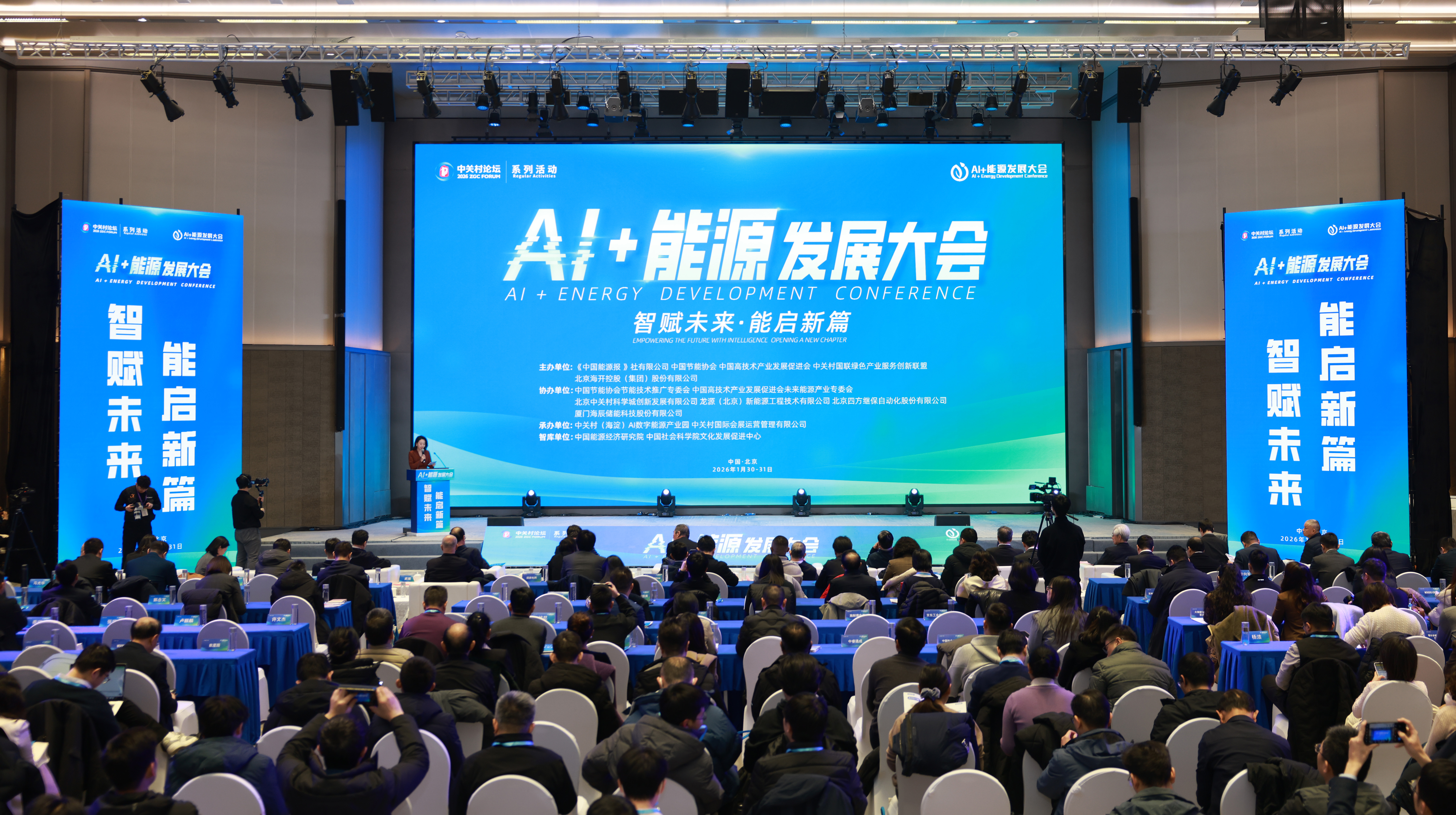
大咖云集!AI+能源发展大会在京举办
Zhong Guo Neng Yuan Wang· 2026-02-01 08:05
Core Insights - The "ZGC Forum Series Event - AI + Energy Development Conference" was held on January 30-31, 2026, in Beijing, focusing on the integration of AI and the energy industry [72]. Group 1: Event Overview - The conference was co-hosted by several organizations, including China Energy News, China Energy Conservation Association, and Beijing Haikai Holdings Group [72]. - Over 300 representatives from government departments, energy companies, and innovation enterprises attended the event, including academicians and experts [72]. Group 2: Key Themes and Discussions - The main theme revolved around the deep integration of AI with the energy industry, discussing topics such as energy system transformation and the construction of new power systems [72]. - The conference aimed to address technical application challenges, policy support pathways, and industrial innovation practices [72]. Group 3: Initiatives and Future Plans - The event launched a series of initiatives, including the "AI + Energy Green Industry Journey" and preparations for an industrial chain alliance [72]. - These initiatives are intended to gather collective efforts towards building a strong energy nation and achieving the "dual carbon" goals [72].
十大机构看后市:本轮ETF集中赎回潮结束,A股有望在春节前企稳,春节前后迎新一轮上行行情,2月上涨概率76%
Xin Lang Cai Jing· 2026-02-01 07:49
Core Viewpoint - The A-share market is experiencing adjustments, with major indices showing declines, but there are expectations for stabilization and potential upward trends in the near future [20][22][30]. Group 1: Market Trends and Predictions - The current round of ETF redemption is believed to be coming to an end, providing a repair window for heavyweight stocks, with a style shift from small-cap to large-cap stocks occurring [21]. - A short-term adjustment in the A-share market is anticipated, but the overall adjustment space is limited, with expectations for stabilization before the Spring Festival and a new upward trend afterward [22]. - The spring market is expected to continue, with a potential for a new upward phase following a period of consolidation [23][30]. Group 2: Sector Focus and Investment Strategies - Focus on sectors with competitive advantages in global pricing power, such as chemicals, non-ferrous metals, electric equipment, and new energy, while being cautious of speculative precious metals [21]. - The food and beverage and real estate sectors are viewed as short-term opportunities rather than long-term investment options [24]. - Investment strategies should consider a balanced approach between growth and value sectors, with particular attention to technology and cyclical stocks [31][32]. Group 3: Economic Indicators and Policy Impact - February is traditionally a strong month for the A-share market, with a 76% probability of index increases based on historical data [28]. - The market is expected to benefit from ongoing policy support aimed at boosting consumption and economic growth, particularly as local government meetings approach [34]. - The macroeconomic environment is likely to remain loose, supporting continued inflows into the stock market [34][35].
中信证券:脱虚向实,重视涨价线索的扩散
Xin Lang Cai Jing· 2026-02-01 07:11
Group 1 - The current wave of ETF redemptions is coming to an end, providing a recovery window for large-cap stocks [2][10] - The shift in investment style is occurring on a macro level, transitioning from small-cap to large-cap and from thematic to quality stocks [3][11] - The nomination of Waller as the next Federal Reserve Chair reflects a policy intention towards "real economy" in the U.S., which could significantly impact global risk assets [3][11] Group 2 - Price increases are expected to be a theme throughout the first quarter, driven by various sectors including upstream resources, midstream manufacturing, and downstream real estate [4][13] - The underlying commonality in cyclical sectors is the significant potential for profit margin recovery, as China's policy shifts from expansion to quality improvement [6][12] - The investment strategy should focus on industries where China has competitive advantages and is undergoing a reassessment of global pricing power, particularly in chemicals, non-ferrous metals, and new energy [7][14] Group 3 - The recovery in consumer and real estate sectors is anticipated to occur in the spring, aligning with the broader market recovery [8][15] - Current market capitalization of real estate companies is only 1.0% of the total A-share market, indicating a potential for recovery in this sector [8][15] - Recommendations for the consumer sector include focusing on duty-free, aviation, hotels, and tea beverage industries, while for the real estate sector, attention should be on quality developers and building materials [8][16]

电新行业周报:SpaceX申请部署百万颗卫星,发电侧容量电价机制出台-20260201
Western Securities· 2026-02-01 07:02
Investment Rating - The report recommends specific companies in the power equipment sector, including Maiwei Co., Foster, and Mingyang Smart Energy, while suggesting to pay attention to Huazhong Cable, Liansheng Technology, Dongfang Risheng, Taisheng Wind Power, Junda Co., Haiyou New Materials, Yujing Co., and Yonggui Electric [2][3]. Core Insights - SpaceX's application to deploy a constellation of up to 1 million satellites is expected to benefit the industry chain, particularly in the demand for space photovoltaic equipment and products [2]. - The introduction of a new capacity pricing mechanism for power generation, with a coal power compensation ratio increased to no less than 50%, is part of the "14th Five-Year" energy planning [3]. - The energy bureau has set a target of adding an average of 200 million kilowatts of wind and solar power annually during the "14th Five-Year" period [3]. - The European offshore wind power development is advancing, with nine countries signing an agreement for a 100GW investment in the North Sea [5][49]. - The report highlights the significant growth in domestic power battery installations, with a cumulative installed capacity of 717.44GWh in 2025, reflecting a year-on-year increase of 35.12% [9][10]. Summary by Sections Power Generation Capacity Pricing Mechanism - The new pricing mechanism aims to enhance the recovery of fixed costs for coal power plants and establish a reliable capacity compensation system for the grid side [3][52][53]. - The energy bureau's planning emphasizes integrated development and aims for a significant increase in renewable energy capacity [56][57]. Solid-State Battery Projects - Significant progress in the solid-state battery industry includes the launch of projects in Zhejiang and Jiangsu, with investments around 1 billion yuan [4]. - Companies like Dangsheng Technology are recognized for their advancements in solid-state battery materials [42]. Offshore Wind Power Agreements - The North Sea summit resulted in commitments from nine European countries to develop 100GW of offshore wind power, aiming for a total capacity of 300GW by 2050 [5][49][50]. Photovoltaic Industry Developments - The report notes a slight increase in prices across the photovoltaic supply chain, with specific attention to the dynamics of silicon and module pricing [26][32][37]. - The Ministry of Industry and Information Technology is focusing on addressing "involution" in the photovoltaic industry to promote healthy competition [46].
2026年地方政府专项债重点支持领域和谋划要点
Sou Hu Cai Jing· 2026-02-01 06:10
Core Viewpoint - The 2026 local government special bond policy will undergo significant optimization, emphasizing "relaxation and empowerment" along with "precise drip irrigation" to support infrastructure and public welfare projects with stable revenue streams [1] Group 1: Urban Renewal Sector - The urban renewal sector will account for 25%-30% of the special bond issuance, focusing on "bridging gaps and improving quality" with clear priorities and funding requirements [1] - Key projects include urban village renovations, old community upgrades, and underground pipeline improvements, with funding support ratios and operational revenue requirements established [2] Group 2: Safety Sector - The safety sector will represent 20%-25% of the funding, targeting food security, energy security, and supply chain safety, with a focus on quantifiable assessments and precise funding allocation [3] - Specific investments will include high-standard farmland construction, energy storage upgrades, and critical technology development [4] Group 3: New Quality Productivity Cultivation - This sector will receive at least 15% of the funding, concentrating on infrastructure for strategic emerging industries, while excluding projects without physical assets [5] - Key areas of investment include low-altitude economy, quantum technology, chip production, and renewable energy infrastructure [6] Group 4: "Two Heavy" Sector - The "Two Heavy" sector will account for 20%-25% of the funding, aligning with national strategic deployments and focusing on major regional development projects and safety capabilities [7] - Investments will support cross-regional transportation projects and public health emergency systems [8] Group 5: Green and Low-Carbon Sector - This sector will receive 5%-7% of the funding, aimed at achieving carbon neutrality goals through projects that provide both ecological benefits and operational revenue [9] Group 6: Livelihood Security Sector - The livelihood security sector will account for 3%-5% of the funding, focusing on public service upgrades in education, healthcare, and elderly care [10] Group 7: Rural Revitalization Sector - This sector will represent 2%-3% of the funding, supporting rural infrastructure improvements and aligning with food security needs [11] Group 8: Key Application Points - Projects should align with policy directions, focusing on urban renewal, new quality productivity, and safety sectors [11] - Emphasis on thorough preparation of project documentation and clear project boundaries to avoid overlaps with ineligible projects [12] - Diverse revenue models should be established to ensure financial sustainability and compliance with funding requirements [13] - Application materials must clearly articulate project value and adhere to submission standards [14] - Strengthening communication with relevant authorities and establishing a project reserve library for efficient management [15][16][17]
全文来了!2026年山东省政府工作报告
Bei Jing Ri Bao Ke Hu Duan· 2026-02-01 04:50
Core Viewpoint - The government work report outlines the achievements and future goals of Shandong Province, emphasizing economic growth, industrial upgrades, and improvements in people's livelihoods while addressing challenges and setting targets for the upcoming years [2][20]. Economic Growth - In 2025, Shandong's GDP grew by 5.5%, reaching 10.3 trillion yuan, making it the first northern province to surpass 10 trillion yuan [3] - Agricultural, industrial, and service sectors showed strong performance, with agricultural output exceeding 1.3 trillion yuan, industrial value-added increasing by 7.6%, and service sector growth at 6.1% [3] - Retail sales rose by 5.1%, and exports increased by 4.5%, both outperforming national averages [3] Industrial Optimization and Upgrading - The province implemented 167 major technological innovations, with over 85% led by enterprises, enhancing the innovation ecosystem [4] - High-tech product output saw significant increases, including a 103.1% rise in lithium batteries and a 19.2% increase in integrated circuit wafers [4] - The establishment of 15 high-value patent cultivation centers and 44 key industry patent pools supports industrial advancement [4] Reform and Opening Up - Significant reforms in state-owned enterprises and the introduction of regulations to promote the private economy were highlighted [5][6] - The province's financial services expanded, with 10 new listed companies and successful reforms in 35 village banks [6] - Shandong's foreign trade initiatives led to an 8.4% increase in exports to non-U.S. markets and a 37% rise in "new three samples" exports [6] Major Strategic Implementation - The Yellow River national strategy was emphasized, with significant investments in water quality management and infrastructure projects [7] - The province's rural revitalization efforts included the construction of over 2,070 rural revitalization areas, covering more than 18,000 administrative villages [7] Green and Low-Carbon Transition - Shandong is advancing its carbon peak initiatives, with a focus on energy system optimization and significant investments in renewable energy projects [8] - The average PM2.5 concentration dropped to 32.4 micrograms per cubic meter, achieving national air quality standards [8] Improvement of People's Livelihoods - In 2025, urban employment increased by 124.9 million, with significant investments in education and healthcare [9][10] - The province's social welfare initiatives included the construction of over 1,125 integrated medical and nursing institutions, the highest in the country [10] - Housing projects included the completion of 14.1 million housing units for urban village renovations and 2.5 million units of affordable rental housing [10] Future Goals - The "15th Five-Year Plan" aims for significant enhancements in economic strength, technological capability, and overall competitiveness, with a focus on green and high-quality development [21][22] - Key initiatives include expanding domestic demand, enhancing market vitality, and promoting rural revitalization [22][23]
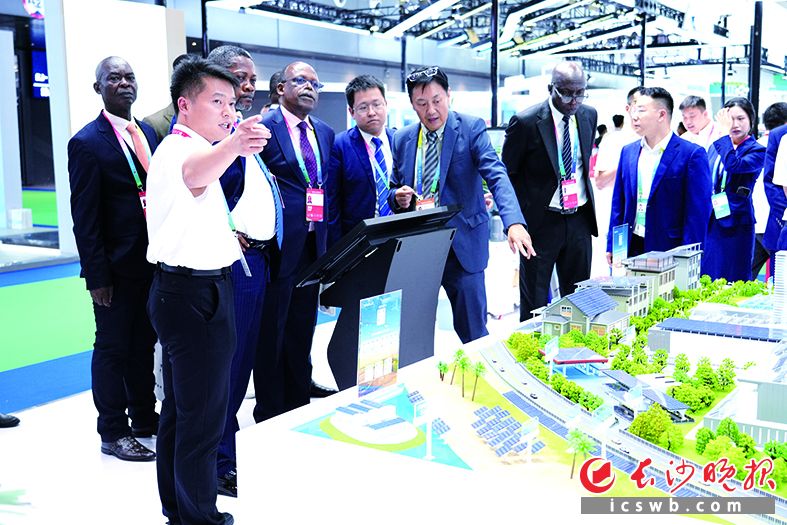
2025年长沙对非进出口突破303亿元,创历史新高,稳居中西部首位
Chang Sha Wan Bao· 2026-02-01 02:53
Core Viewpoint - In 2025, Changsha's trade with Africa is expected to reach a record high of 30.35 billion yuan, reflecting a year-on-year growth of 28.9%, showcasing the city's economic vitality and potential for cooperation with Africa [3][13]. Trade and Investment Growth - Changsha's trade with Africa is projected to achieve breakthroughs in trade quality, market layout, and investment collaboration, with an average monthly import and export value of approximately 2.5 billion yuan, an increase of 560 million yuan compared to 2024 [4]. - The number of newly registered investment projects in Africa is expected to reach 13, with a total contract investment amount of 185 million USD, marking a year-on-year growth of 15% [4]. Export Highlights - The most significant growth in Changsha's exports to Africa in 2025 will come from lithium batteries, electric vehicles, and photovoltaic products, with respective year-on-year increases of 160.4%, 840.4%, and 62.1% [6][7]. - Changsha's advanced manufacturing capabilities are highlighted by the explosive growth of these "new three items," establishing them as new symbols of Hunan products entering Africa [6][7]. Customized Solutions and Market Penetration - The microgrid project by Hunan Hongyang New Energy Technology Co., Ltd. in Abuja, Nigeria, features 12,164 high-efficiency photovoltaic modules and a 7.6 MW solar power station, addressing local power outages and providing 24-hour electricity to public buildings [8]. - Hunan Xingtong Automobile's customized export strategy, including establishing warehouses in Ghana and Madagascar, has facilitated the entry of electric vehicles into the African market [8]. Import Trends - In 2025, Changsha's imports from Africa are expected to see significant growth, with notable increases in the import value of specialty agricultural products such as sesame, coffee, and dried chili, with dried chili increasing by 10.1 times and sea cucumber by 454.6% [11]. - The introduction of African specialty products into Changsha's supermarkets has become a new consumer choice, supported by innovative trade practices that enhance import efficiency [12]. Strategic Initiatives - The fourth China-Africa Economic and Trade Expo resulted in 62 signed projects worth a total of 3.8 billion USD, with over 1,200 enterprises engaged in trade with Africa, reflecting a 10% year-on-year increase [14]. - Future plans include optimizing trade structures and deepening industrial cooperation to elevate Changsha's economic collaboration with Africa to new heights [15].