
冰雪产业

Search documents
“AI造雪” 湾区智造入局万亿冰雪产业
Nan Fang Du Shi Bao· 2025-12-21 23:14
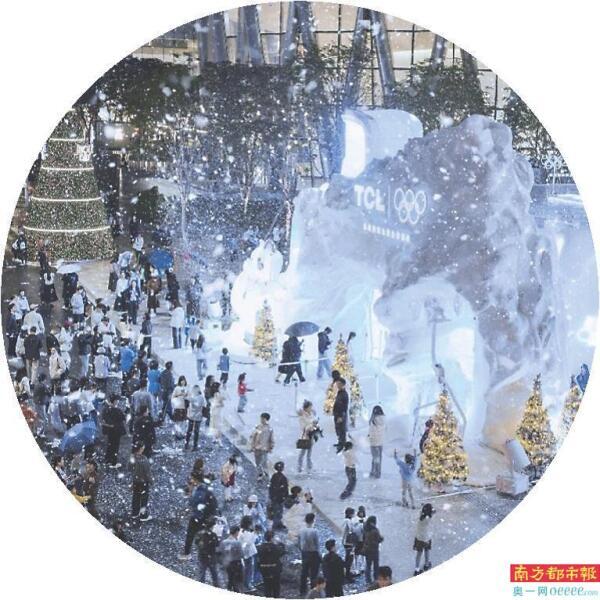
Core Insights - The article highlights the growing interest and investment in the ice and snow industry in Shenzhen, exemplified by the opening of the "TCL Winter Ice and Snow Paradise" in the Shenzhen Bay MixC, which allows residents to experience the Cortina snow mountain through technology before the Milan-Cortina Winter Olympics [2] Industry Developments - Shenzhen is not alone in its push for the ice and snow industry, as the "world's largest indoor ski center," Shenzhen Qianhai Huafa Ice and Snow World, opened two months prior, indicating a strong demand for ice and snow experiences among high-net-worth individuals in southern China [3] - The Chinese ice and snow industry is projected to exceed 1 trillion yuan this year, with southern cities like Shenzhen attempting to reshape the geographical landscape of this market through a combination of commerce and technology [3] Technological Innovations - TCL's "Ice and Snow Paradise" employs a lightweight solution by using optoelectronic technology instead of traditional physical snow-making systems, showcasing advancements in high-end display technology and AI algorithms [3] - The recent launch of TCL's G8.6 generation printed OLED production line, with an investment of approximately 29.5 billion yuan, is expected to enhance cost control and display quality, facilitating immersive experiences in commercial settings [3] AI Integration - AI technology plays a crucial role in the "snow-making" process, with TCL's founder revealing plans to implement AI applications by 2025, potentially generating over 1 billion yuan in comprehensive benefits [4] - Interactive areas featuring AR snow goggles and AI-generated winter Olympic experiences demonstrate the transition of industrial AI technology to consumer scenarios [4] Market Challenges - Despite the promising outlook for the industry, challenges remain, as seen in the operational shortcomings of Shenzhen Qianhai Huafa Ice and Snow World, which faced issues such as strong renovation odors and fluctuating ticket prices [5] - The "technology + ice and snow" model aims to lower the barriers for public participation in ice sports, allowing southern residents to experience winter sports without traveling north or waiting for winter [5]


中国冰雪版图,何以熠熠生辉?
Xin Lang Cai Jing· 2025-12-21 07:20
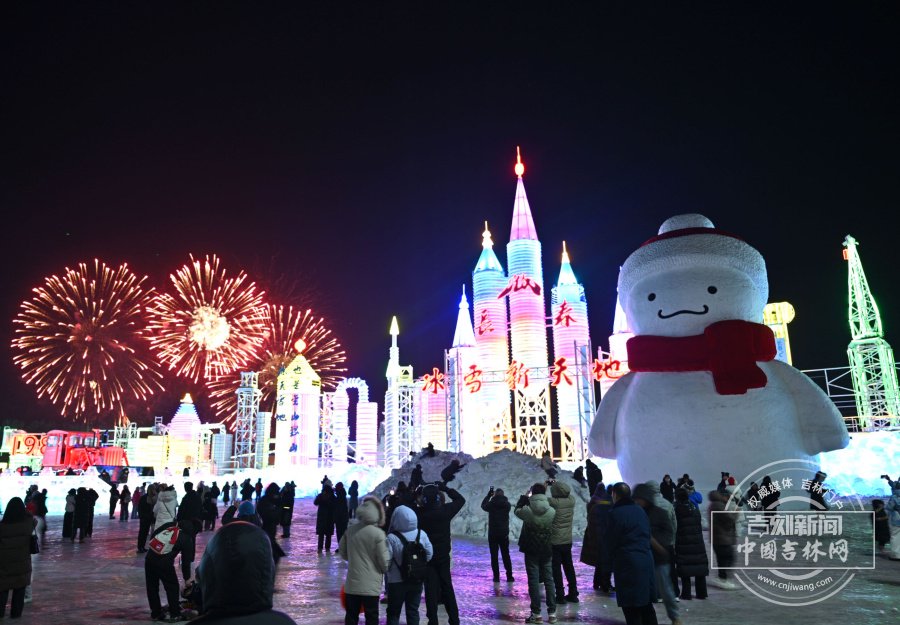
Core Viewpoint - The development of China's ice and snow economy is driven by policy support, industry innovation, and regional collaboration, creating a vibrant and expansive ice and snow landscape across the country [4][5][23]. Policy Guidance - The rise of the ice and snow economy is supported by top-level design and local practices, with the State Council issuing guidelines to stimulate high-quality development in this sector [5]. - The 2025 Central Economic Work Conference emphasizes domestic demand and the expansion of quality goods and services, providing strong momentum for the ice and snow economy [5]. Regional Initiatives - Local governments are implementing targeted strategies, such as Liaoning's plan to attract over 260 million visitors and achieve over 250 billion yuan in revenue by 2027 [7]. - Jilin Province has introduced measures to enhance its ice and snow economy, including the "Jilin Ice and Snow Talent" initiative [7]. - Beijing's implementation plan aims to promote ice and snow sports and leverage Winter Olympic legacies for broader participation [7]. Industry Innovation - The ice and snow economy is evolving from a single tourism model to a multi-faceted industry, with Northeast China leading the way [10]. - Harbin's Ice and Snow World has expanded to 1.2 million square meters, creating a fairy-tale experience for visitors [10]. - Jilin's first "snow holiday" engaged approximately 220,000 students in ice and snow sports, with significant increases in tourist numbers and revenue [10]. Collaborative Development - The Northeast provinces are breaking down barriers to create a cooperative ice and snow tourism mechanism, enhancing regional synergy [17]. - A new tourism ticketing product allows travelers to explore multiple provinces' ice and snow attractions, promoting a unified travel experience [19]. Market Expansion - Xinjiang is enhancing its ice and snow tourism by improving transportation and offering bundled packages to reduce visitor costs [20]. - The overall ice and snow consumption market is expanding through infrastructure connectivity and product promotion across regions [20]. Future Outlook - The ice and snow economy is transitioning to a new phase of immersive experiences, aiming for year-round engagement rather than being limited to winter [21]. - The ice and snow industry in China is projected to exceed 1 trillion yuan by 2025, becoming a key driver for consumption and regional revitalization [23].
从“资源驱动”到“价值驱动”:第九届吉林省“雪博会”展现冰雪产业新生态
Xin Lang Cai Jing· 2025-12-21 03:16
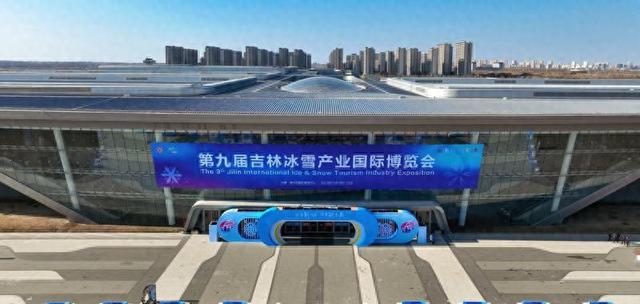
Core Viewpoint - The 9th Jilin Ice and Snow Industry International Expo will be held from December 18 to 22 in Changchun, showcasing a comprehensive display of the ice and snow industry, including equipment, sports, intangible cultural heritage, and smart technology, aiming to drive the industry towards a "value-driven" transformation [1]. Group 1 - The expo will utilize three exhibition halls (A1, A2, A3) with a total area of 61,500 square meters [1]. - The event aims to provide an experience that combines appreciation, interaction, and consumption within the ice and snow sector [1]. - The expo will highlight the achievements across the entire ice and snow industry chain [1].
市政府分别召开冰雪产业、参菌特色产业高质量发展座谈会
Xin Lang Cai Jing· 2025-12-20 05:45
Group 1: Ice and Snow Industry Development - The municipal government held a meeting focused on the high-quality development of the ice and snow industry, engaging with industry experts, company representatives, and financial institution leaders to discuss project implementation, industrial chain construction, and investment cooperation [1] - Representatives from over ten companies, including Jilin Longze Ice and Snow Equipment and Beijing Cabin Ski Sports, provided suggestions on upgrading ice and snow equipment, innovating tourism scenarios, and enhancing talent retention [1] - A specialized task force for the ice and snow industry will be established to strengthen policy support and address development challenges, while leading companies will be encouraged to attract quality enterprises for investment [1] Group 2: Specialty Mushroom Industry Development - A meeting on the specialty mushroom industry featured reports from experts and discussions among representatives from various pharmaceutical companies and banks, emphasizing the need for collaborative innovation and high-value product development [2] - The meeting highlighted the importance of industry associations in facilitating communication between government and enterprises, focusing on addressing the pain points and challenges faced by companies [2] - There is a push to form enterprise alliances to integrate resources across the industrial chain, promoting coordinated development and activating new momentum for high-quality growth [2]
热雪沸腾 相约吉林|冰雪裹着烟火气 非遗撞上新潮流——雪博会“冰雪风物馆”亮点扫描
Xin Lang Cai Jing· 2025-12-20 03:38
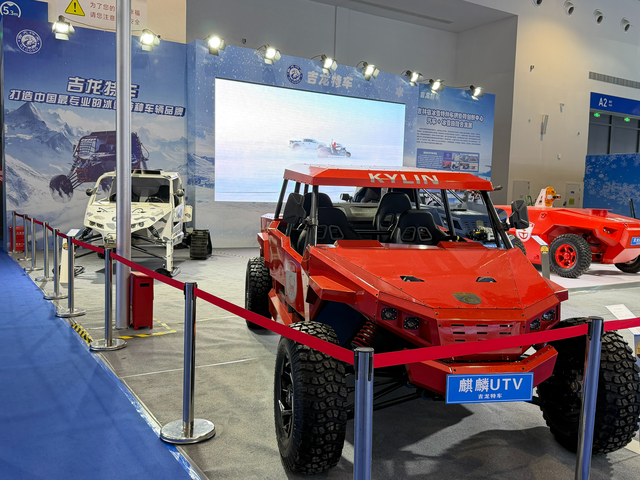
Core Insights - The 9th Jilin Ice and Snow Industry International Expo showcases a vibrant atmosphere with a blend of traditional culture and modern ice and snow products [1][10] - The event highlights the strategic layout of "One Heart, Two Parks, and Six Venues," featuring various snow sports equipment and innovative products [3][10] Group 1: Exhibition Highlights - The "Learn to Ski in Changchun" themed exhibition area spans 2400 square meters, displaying snow gear and advanced products like snowmobiles and space capsules [3] - The intangible cultural heritage (ICH) exhibition area attracts significant attention, showcasing traditional crafts such as Manchu paper-cutting and regional delicacies [5][10] Group 2: Visitor Experience - Visitors express satisfaction with the opportunity to experience traditional culture and taste diverse regional foods, enhancing their overall experience [7] - Special promotions for ski tickets, including discounts and bundled offers with local attractions, are well-received by attendees [7] Group 3: Product Promotion - The "Changchun Gifts" booth features popular new products, including a ski-themed three-in-one pendant that appeals to younger audiences [9] - The event successfully merges traditional craftsmanship with modern trends, transforming ice and snow resources into consumer hotspots [10]
新华视点丨冰雪经济“冷资源”激发产业发展“热活力”
Xin Hua Wang· 2025-12-20 01:36
Core Viewpoint - The ice and snow economy is experiencing significant growth, driven by increasing consumer interest and supportive government policies, with projections indicating a thriving market by 2025 [1][6]. Industry Growth - The ice and snow industry is expected to see a substantial increase in demand, with ski goggles orders projected to grow by 61.8% and ski helmet orders by 14% by 2026 [3]. - The 2024-2025 snow season is anticipated to generate a total consumption amount of 786.13 billion yuan across ski resorts, with a 27.97% increase in spending within a two-kilometer radius of these resorts [10]. Policy Support - The Chinese government has issued several policies to promote the development of the ice and snow economy, including the "Opinions on Stimulating the Vitality of the Ice and Snow Economy" and initiatives to boost consumption [6]. - The 2025 Central Economic Work Conference emphasized the importance of domestic demand and the expansion of quality goods and services, providing a clear direction for the ice and snow economy [6]. Regional Developments - Yiwu, known as the "world supermarket," is experiencing a surge in orders for ice and snow products, such as ice skates and ski goggles, due to the onset of the ice and snow season [7]. - The Shengxianli International Ski Resort in Hangzhou welcomed nearly 70,000 visitors last season, generating revenue of 20 million yuan, indicating a growing trend in winter leisure activities [8]. Technological Advancements - The ice and snow equipment sector in China is witnessing advancements in self-research capabilities, with breakthroughs in key areas such as carbon fiber ski boards and indoor ski simulators [15]. - Companies like Taishan Sports are developing innovative products, including big data ski simulators and proprietary ice sports safety mats, enhancing the technological support for ice and snow sports [17]. Industry Ecosystem - The Chinese ice and snow industry encompasses a complete ecosystem, from resource development and equipment manufacturing to service operations and consumer spending, indicating a well-rounded market structure [10]. - In Shandong, over 100 ice and snow equipment manufacturing companies have formed clusters that include facilities for ice and snow venues, competition gear, and leisure equipment, showcasing the region's robust industry growth [22].
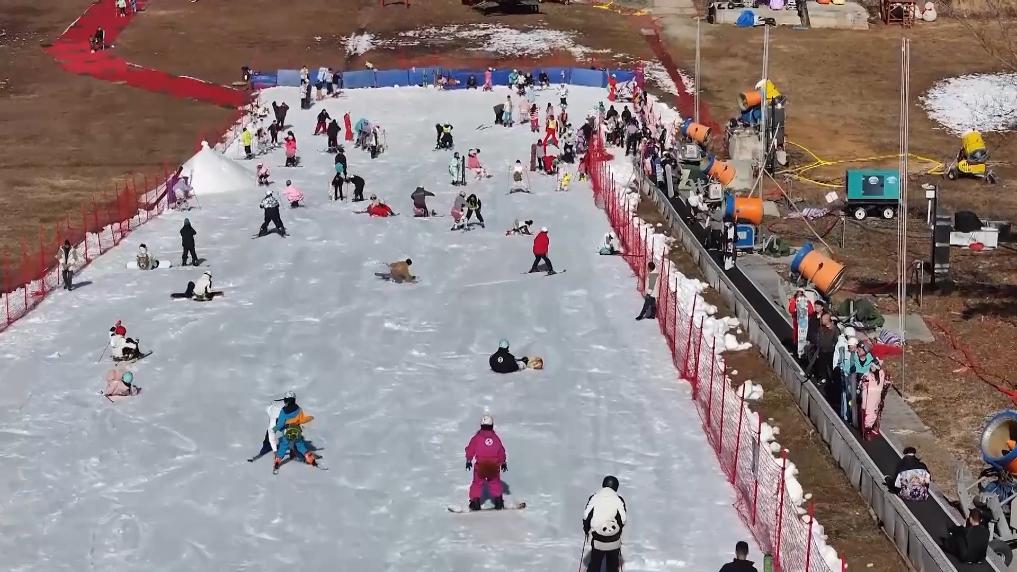
“雪假”来了!多地打响年底消费“冰雪之战”
2 1 Shi Ji Jing Ji Bao Dao· 2025-12-19 09:04
Core Insights - The introduction of the "snow holiday" in Jilin Province has significantly boosted local tourism and winter sports participation, with ski resorts experiencing high demand during this period [1][4] - Various regions, including Xinjiang, have implemented similar "snow holiday" initiatives, along with promotional activities to enhance winter tourism [2][7] - The Chinese ice and snow industry is projected to exceed 1 trillion yuan by 2025, with a notable increase in consumer spending on winter sports [3][8] Group 1: Snow Holiday Impact - Jilin Province's first "snow holiday" from December 3 to 7 has led to increased visitor numbers at ski resorts, with local businesses reporting full bookings for ski lessons [1][4] - The introduction of discounts and free entry for students has encouraged family participation in winter sports, contributing to higher foot traffic in ski areas [4][5] - The "snow holiday" has resulted in a 119% year-on-year increase in domestic tourist arrivals in Jilin Province, with total spending rising by 31% [5] Group 2: Industry Growth and Trends - The number of ski enthusiasts in China is growing, with a forecasted industry scale of 1,005.3 billion yuan by 2025, and a 25% increase in consumer spending expected during the 2024-2025 winter season [3][8] - The demand for specialized ski equipment maintenance and advanced skiing lessons is on the rise, indicating a shift towards more professional and higher-value consumer experiences [9][12] - The trend of increased participation in winter sports is also reflected in the growing popularity of ski resorts in southern regions, with significant ticket sales growth reported [8]

万亿元赛道上的冰雕师:“冷”职业迎来“热”发展
Zhong Guo Qing Nian Bao· 2025-12-18 23:40
Core Insights - The ice sculpture industry is experiencing significant growth, with the total scale of China's ice and snow industry projected to increase from 270 billion yuan in 2015 to 980 billion yuan by 2024, and expected to surpass 1 trillion yuan by 2025 [2][3] Industry Overview - The 27th Harbin Ice and Snow World opened on December 17, featuring a 70-meter-long ice train created by a team of nearly 100 ice sculptors [1] - The ice sculpture profession, once a niche activity, is now gaining popularity and recognition, with more people interested in learning about ice sculpture techniques [2][3] Economic Impact - The ice and snow economy is projected to reach 1.5 trillion yuan by 2030, as outlined in the State Council's 2024 policy document [2] - The demand for ice sculptors has led to the establishment of specialized programs in universities, with student enrollment in ice sculpture courses increasing from 3 to over 60 [3] Professional Development - Ice sculptors can earn between 200 to 500 yuan per day, with skilled artisans making up to 30,000 yuan per month [3] - The profession faces challenges such as harsh winter conditions and the need for teamwork and coordination among large groups of workers [3][4] Skills and Techniques - Ice sculpting requires knowledge of mechanics to ensure structural stability, especially for complex designs like arches [4] - The seasonal nature of the profession limits work to about two months per year, prompting some sculptors to diversify their income through summer activities related to ice and snow culture [4]
撬动超万亿元产业规模 中国冰雪经济何以滚烫
Xin Hua She· 2025-12-18 23:24
Core Viewpoint - The central economic work conference emphasizes the importance of domestic demand and building a strong domestic market, with the booming ice and snow economy driving new consumption scenarios and regional development [1] Group 1: Individual Impact - The Beijing Winter Olympics has significantly increased the popularity of winter sports, with over 300 million people participating in ice and snow activities in China [1] - Local residents, such as Lang Engge, have transformed their homes into guesthouses, capitalizing on the influx of tourists and promoting winter sports in their communities [2] - The transformation of local economies is evident, with many villagers becoming ski instructors or opening businesses related to the ice and snow industry, providing diverse income opportunities [3] Group 2: Regional Development - The ice and snow economy is expanding from traditional northern regions to a nationwide presence, breaking geographical and seasonal limitations [4] - In Harbin, the 2024-2025 winter season is expected to attract 90.35 million visitors and generate 137.22 billion yuan in tourism revenue, showcasing the region's cultural and economic potential [4] - The growth of indoor ski resorts is notable, with 79 facilities projected by April 2025, a 33.9% increase, primarily concentrated in Eastern and Southern China [5] Group 3: Industry Growth - Participation in ice and snow sports is projected to reach 292 million people in the 2024-2025 season, with a participation rate of 20.61%, reflecting a significant increase from the previous season [6] - The ice and snow industry is developing a comprehensive supply chain, including equipment manufacturing, event management, and tourism integration, creating substantial growth opportunities [6] - The number of companies in the ice and snow equipment sector has increased from approximately 300 in 2015 to around 900 in 2023, with sales revenue rising from less than 5 billion yuan to 22 billion yuan [6][7]
优化技术创新推动冰雪产业要素配置
Xin Hua Ri Bao· 2025-12-18 23:23
Core Insights - The breakthrough in technologies such as artificial intelligence and VR/AR is reshaping traditional industries, particularly in the southern regions of China, creating new economic growth points in the ice and snow consumption sector [1][2] Group 1: Strategic Value and Economic Impact - The transformation of ice and snow resources from natural endowments to economic resources is crucial for reshaping production relationships and resource allocation, allowing for a revaluation of these resources [2] - The ice and snow industry connects supply and demand tightly, becoming a key driver for consumption upgrades and new growth points, especially as China enters a phase of rapid growth in ice and snow consumption due to rising income levels [2][3] - The integration of digital technologies and smart manufacturing is enhancing the marginal productivity of resources, shifting the industry from resource dependency to technology-driven growth [2][4] Group 2: Optimization of Resource Allocation - There is a long-standing mismatch between ice and snow resources and consumption markets in China, with high-quality snowfields in the north and strong consumer bases in the southeast, necessitating technological and market mechanisms to bridge this gap [3] - The supply side is evolving from specialization to mass appeal, with technologies like artificial snowmaking and smart management being widely adopted to stabilize and sustain supply [3] - The demand side is shifting from traditional sports consumption to a comprehensive service model that includes cultural tourism and health, enhanced by digital technologies that allow for immersive experiences [3][4] Group 3: Technological Innovation in Southern Regions - Southern regions, despite lacking natural ice and snow resources, are leveraging technological innovation to develop a technology-driven ice and snow industry, creating regional industry clusters with demonstrative effects [4] - Breakthroughs in manufacturing, such as snowmaking systems and smart venue operations, are reducing costs and allowing for year-round operations, thus enhancing supply-side vitality [4] - The application of digital technologies in venues is improving operational efficiency and catering to diverse consumer needs, while new business models are emerging that integrate ice and snow activities into urban and cultural settings [4] Group 4: Practical Pathways for Optimization - Emphasizing technological innovation as a breakthrough point, southern manufacturing provinces should strengthen their capabilities in key areas like snowmaking systems and smart temperature control [6] - Facilitating the flow of resources and establishing collaborative platforms between northern and southern regions can help address supply-demand mismatches [6] - Promoting industry integration by combining ice and snow sports with cultural tourism and health services can create new business models and extend the value chain [6] Group 5: Institutional Support - Establishing a standard system and safety regulations for the ice and snow industry is essential to support the development of new technologies and business models [7] - Strengthening the integration of education and industry to cultivate talent in ice and snow equipment development and venue management is crucial [7] - The government's role should shift from direct subsidies to creating platforms and optimizing the environment for better market-driven resource allocation [7]