科技

Search documents
北京经纬恒润科技股份有限公司2023年限制性股票激励计划部分激励对象所持已获授但尚未解除限售的限制性股票回购注销实施公告
Shang Hai Zheng Quan Bao· 2026-02-24 17:10
Core Viewpoint - The company has announced the repurchase and cancellation of 18,080 shares of restricted stock from certain incentive recipients due to their departure from the company or failure to meet performance criteria [2][4][6]. Group 1: Decision and Disclosure - On December 8, 2025, the company held board and supervisory meetings to approve the repurchase of restricted stock from 23 incentive recipients who left the company, totaling 17,600 shares [2]. - Additionally, 3 incentive recipients failed to meet performance targets, leading to the cancellation of 480 shares, bringing the total to 18,080 shares to be repurchased [2][6]. - The repurchase price is set at 75.00 yuan per share plus interest from the People's Bank of China [2][5]. Group 2: Repurchase Details - The repurchase involves 26 incentive recipients and represents 3.0113% of the total restricted stock granted under the incentive plan, and 0.0151% of the company's total share capital of 119,959,040 shares [7]. - The company has opened a dedicated securities account for the repurchase and expects the cancellation to be completed by February 27, 2026 [8]. Group 3: Share Structure Changes - Following the repurchase and cancellation, the company's share capital structure will be adjusted, with details to be finalized based on the completion of the cancellation process [9]. Group 4: Compliance and Commitments - The board confirms that the decision-making process and disclosures comply with relevant laws and regulations, ensuring no harm to the rights of the company, incentive recipients, or creditors [10]. - The company has verified the accuracy of the information regarding the repurchase and has informed the relevant incentive recipients, who have not raised objections [11].

全球第三经济大国,倒向中国!去年1.8万家公司歇业,扛不住了?
Sou Hu Cai Jing· 2026-02-24 16:54
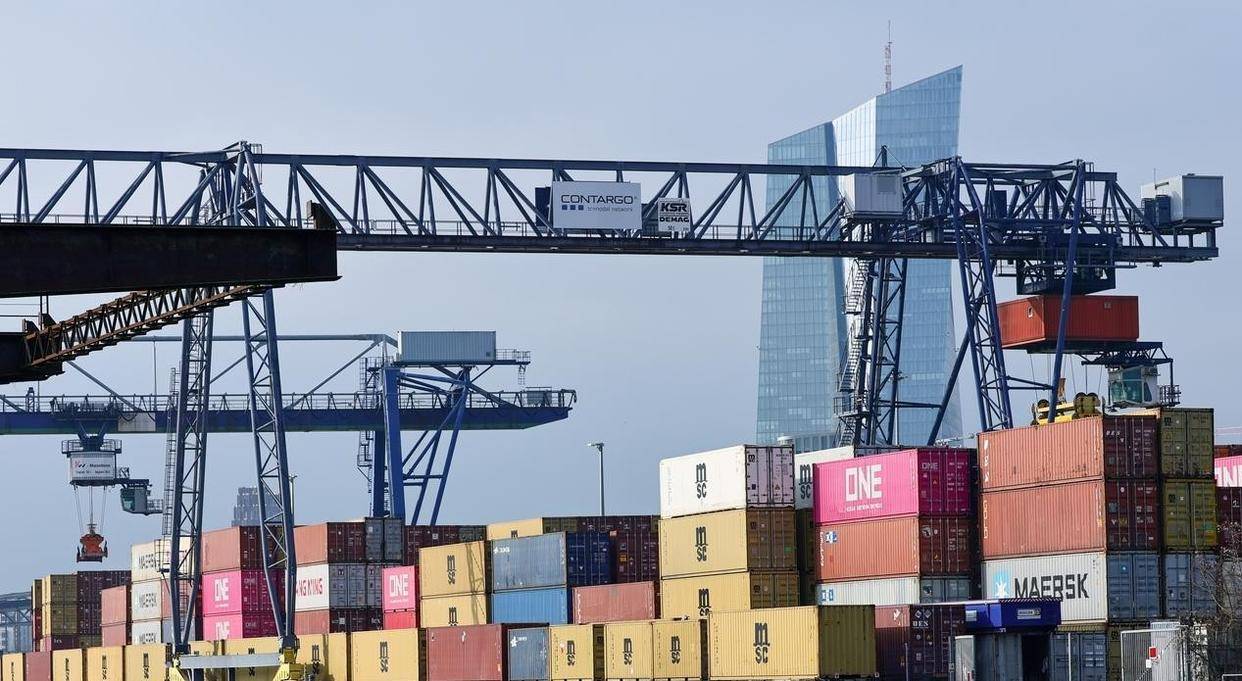
Group 1 - The number of companies in Germany applying for bankruptcy has surged by over 25%, with 471 firms reporting revenues exceeding 80 million RMB unable to sustain operations [2] - The German economy is facing significant challenges, exacerbated by the Russia-Ukraine conflict disrupting its reliance on cheap Russian energy, leading to soaring energy prices and a failure of the "cheap energy high-end manufacturing" model [2] - Exports from Germany to the United States have dropped nearly 8% in the first three quarters of 2025, while trade with China has increased, with a trade volume of 251.8 billion euros, marking a 2.1% year-on-year growth [4] Group 2 - German companies are increasingly viewing the Chinese market as a critical necessity for survival rather than just a growth option, as evidenced by a high-profile delegation accompanying Chancellor Merz on his visit to China [6] - The visit included meetings with Chinese leaders and a tour of a robotics company, signaling Germany's recognition of China's technological competitiveness and the potential for mutual cooperation [8] - BASF's investment of approximately 8.7 billion euros in an integrated facility in Guangdong represents the largest single investment in the company's history, highlighting the strategic shift towards China [10]

在这场广东开年大会上,我感受到几个“新”丨记者观察
Xin Lang Cai Jing· 2026-02-24 14:10
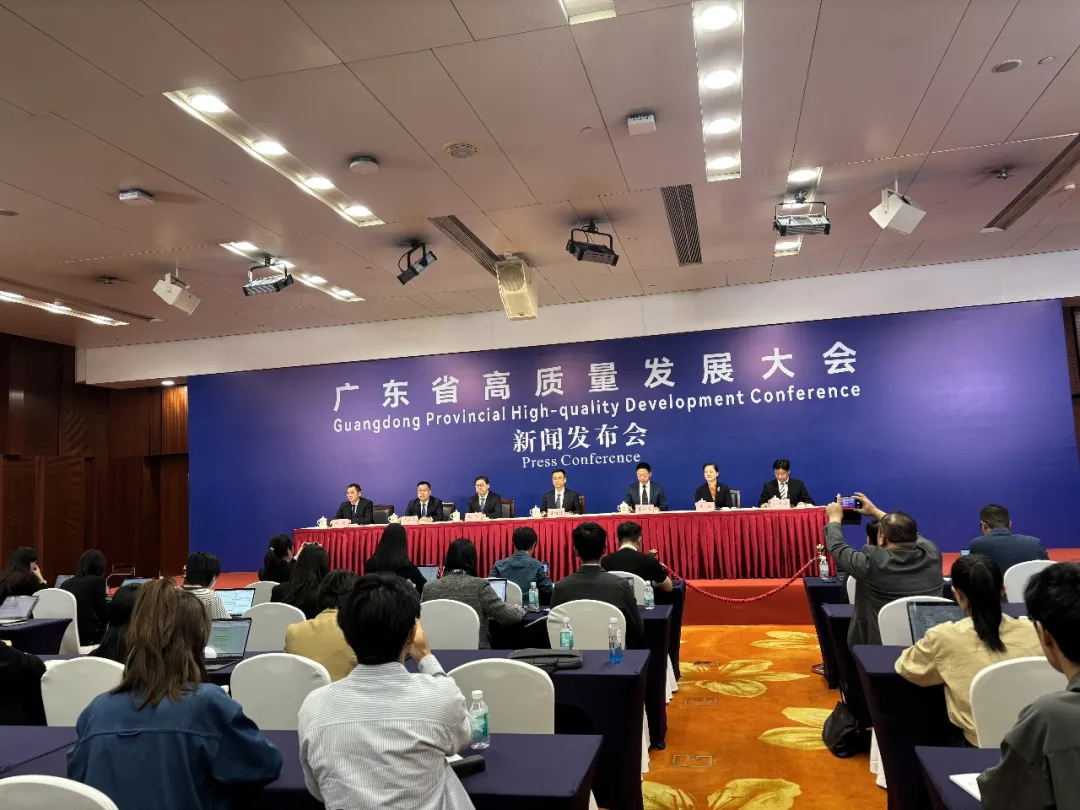
Core Viewpoint - The Guangdong province emphasizes "high-quality development" for the fourth consecutive year, focusing on the collaborative development of manufacturing and service industries as a new strategic direction for 2024 [1][2]. Group 1: Collaborative Development - The term "collaboration" is highlighted, indicating a shift from separate strategies for manufacturing and services to a unified approach that enhances competitive advantages through mutual support [2][3]. - Manufacturing is encouraged to embrace service elements, requiring upgrades through industrial internet, software algorithms, and system integration, thus extending beyond production to include R&D, design, and marketing [2][3]. Group 2: Service Industry Enhancement - The service sector is urged to enhance its quality and efficiency, leveraging technology to boost the core competitiveness of manufacturing, while financial services are seen as vital for injecting vitality into the real economy [3][4]. - The integration of services into manufacturing is viewed as a "dual-driven" approach, essential for rapid industrial development, with a focus on sales, operations, and maintenance alongside manufacturing [4]. Group 3: Innovation and Policy Support - The conference featured seven business leaders, particularly from Shenzhen, emphasizing the role of technological innovation in driving high-quality development across the province [4][6]. - A white paper on the collaborative development of manufacturing and services was introduced, outlining supportive policies aimed at ensuring these strategies are effectively implemented [6][7]. Group 4: Future Outlook - As Guangdong embarks on a journey to ascend the global value chain, the dual advancement of manufacturing and services is positioned as a powerful engine for economic growth [7][8].
焦点访谈|这个春节假期,消费市场“马”力十足
Yang Shi Wang· 2026-02-24 13:31
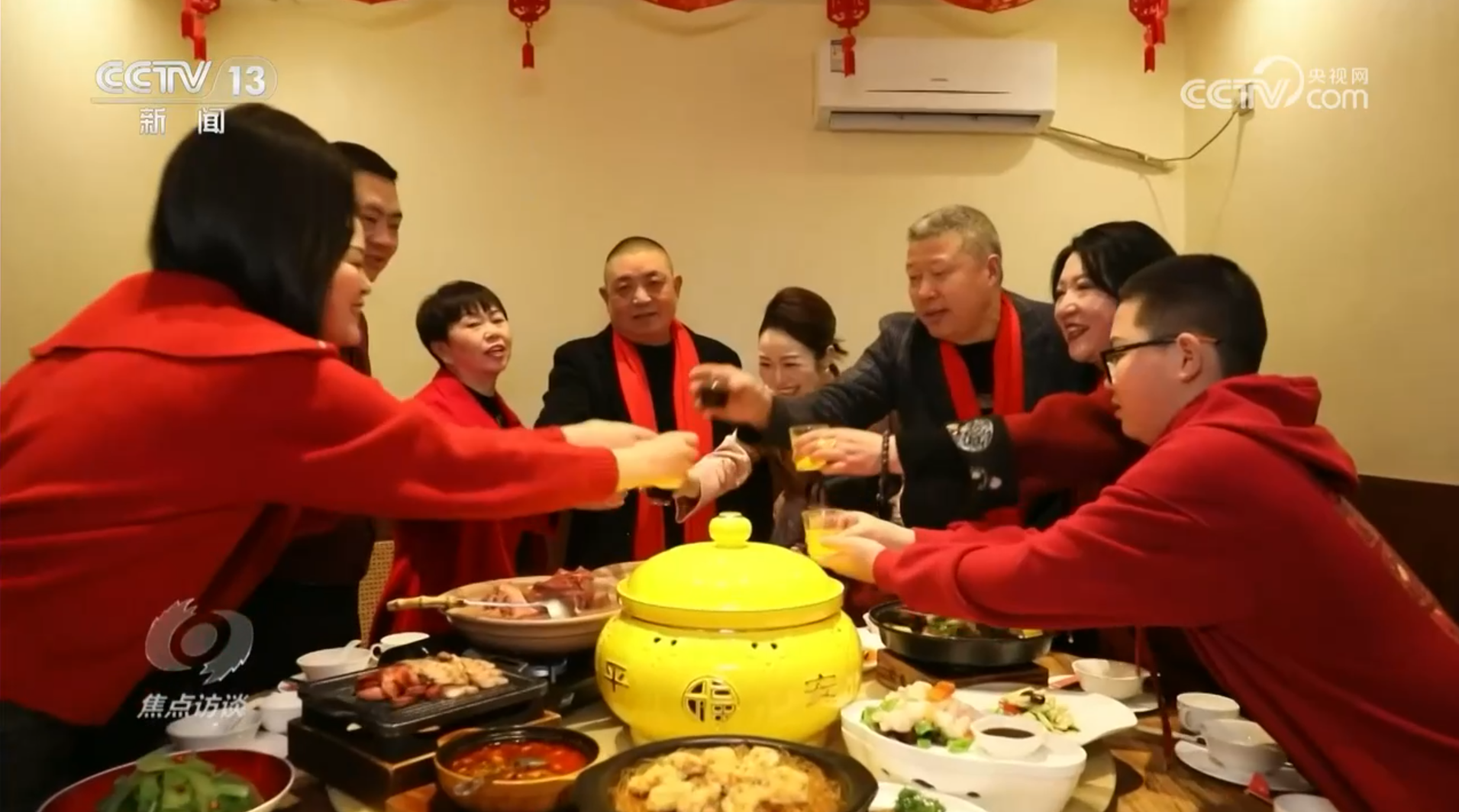
Core Insights - The Chinese consumer market showed strong resilience and vitality during the recent Spring Festival, with government policies effectively stimulating consumption potential [1][3][20] - The extended nine-day holiday allowed for more diverse and personalized consumption choices, reflecting an improvement in residents' quality of life and consumption concepts [5][13] Group 1: Consumer Behavior and Trends - The Spring Festival saw a record high in cross-regional mobility, with over 2.8 billion people traveling, averaging 311 million daily, a year-on-year increase of 8.2% [3] - There is a notable shift towards experience-based and emotional consumption, with consumers willing to pay for innovative and personalized products and services [7][19] - The integration of traditional and modern elements in consumption was highlighted, with technology such as AI and robotics enhancing the festive experience [11][19] Group 2: Government Policies and Economic Impact - The government launched the "2026 'Happy Shopping Spring Festival' Special Activity Plan," promoting consumption through subsidies and vouchers across various sectors [13][15] - The introduction of prize invoices in 50 cities is expected to distribute 10 billion yuan in rewards, significantly boosting shopping enthusiasm during the holiday [15] - The Hainan Free Trade Port saw a 30.8% increase in duty-free sales, amounting to 2.72 billion yuan, showcasing the effectiveness of new policies in enhancing consumer convenience [19] Group 3: Cultural and Social Aspects - The Spring Festival served as a significant cultural event, with various locations becoming popular tourist spots due to their association with the festival, enhancing local economies [9][17] - The concept of "ticket root economy" emerged, where movie ticket stubs provided discounts at cultural and commercial venues, demonstrating the interconnectedness of different consumption sectors [17] - The festive atmosphere and consumer activities during the Spring Festival reflect broader economic vitality and social happiness, contributing to a positive outlook for the Chinese economy [20][21]
沪金、沪银马年“开门红” 多家金店宣布近期将涨价
2 1 Shi Ji Jing Ji Bao Dao· 2026-02-24 12:31
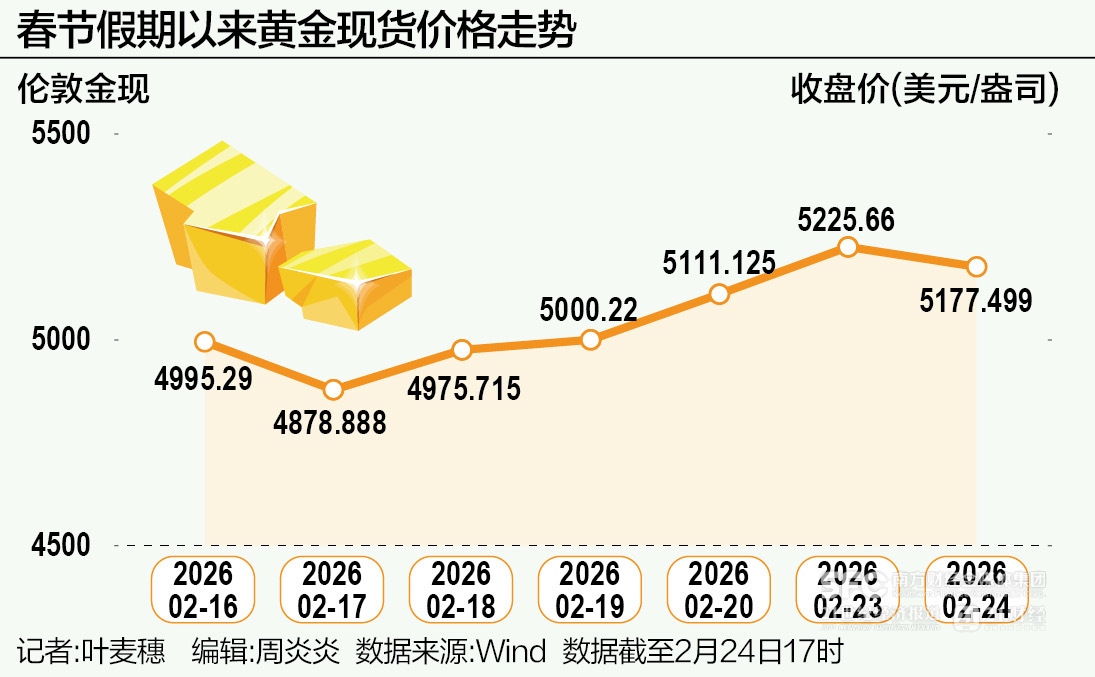
Market Trends - During the Spring Festival holiday, gold and silver experienced significant price fluctuations, with gold prices dropping on February 16 and 17, followed by a five-day increase from February 18 to 23 due to uncertainties in U.S. trade policies and escalating tensions in Iran [1][5] - Silver showed even more volatility, with a cumulative increase of nearly 17% during the holiday, including a notable 8.19% surge on February 20 [3][5] Consumer Behavior - The Spring Festival is a peak consumption period for precious metals, with consumers showing strong interest in gold purchases, including significant single transactions of nearly 80,000 yuan [4] - Younger consumers, particularly those born after 1995, are becoming the main force in gold consumption, favoring small, creatively designed gold items as gifts [4] Price Adjustments - Following the holiday, domestic gold and silver prices saw a rebound, with Shanghai gold futures rising by 3.5% and silver by 12.7% [5] - Several gold retailers announced price increases, with some stores indicating potential hikes of 15% to 30% for certain products [9][8] Global Demand and Supply - The World Gold Council's report indicates that global gold demand is expected to exceed 5,000 tons by 2025, driven by investment demand and geopolitical tensions [6][7] - Central bank gold purchases remain high, with a total of 863 tons expected in 2025, although the pace has slowed compared to previous years [7] Geopolitical Factors - The resurgence of U.S. tariffs and tensions with Iran are contributing to increased demand for gold as a safe-haven asset, with market participants reacting to geopolitical uncertainties [5][6] - The Federal Reserve's mixed signals regarding interest rates are also influencing gold prices, with a potential decrease in rates expected to support gold in the long term [5][6] Investment Sentiment - A recent survey indicated that buying gold remains one of the most crowded trades among fund managers, with 50% indicating a bullish stance on gold [11] - However, some analysts express concerns that gold prices may have become detached from rational valuations, warning of potential corrections in the future [12]
热点追踪丨春节消费新趋势,一组数据带你感受
Sou Hu Cai Jing· 2026-02-24 12:21
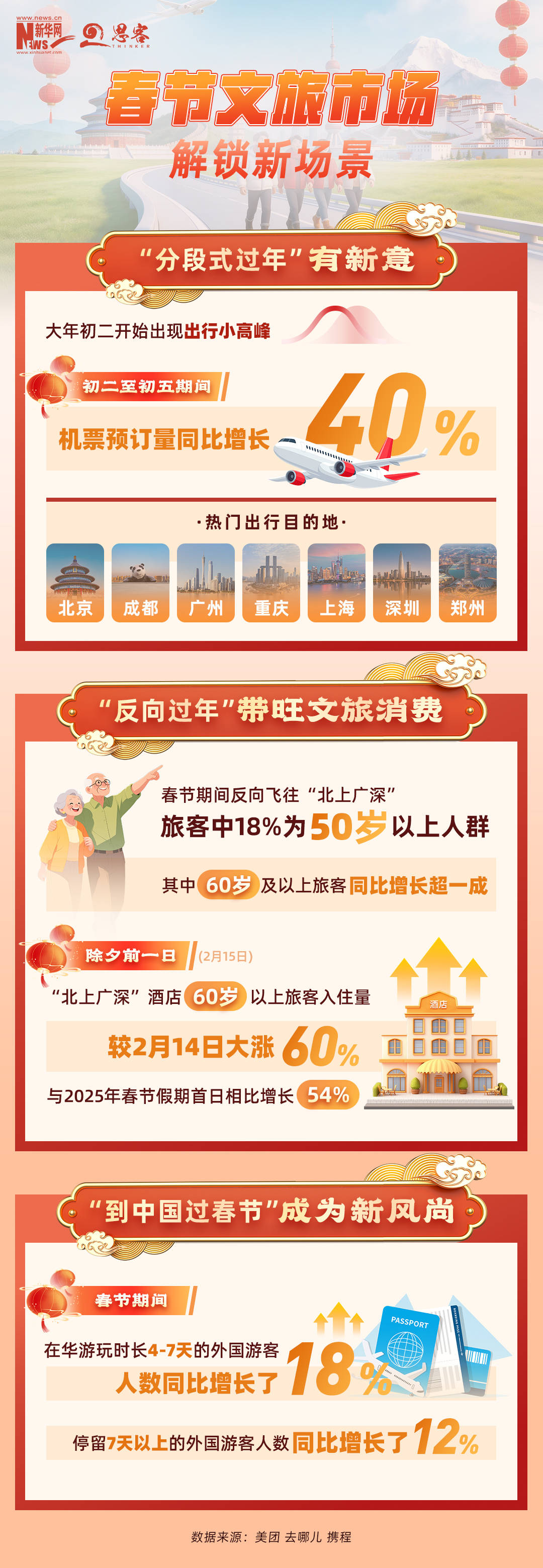
Core Insights - The recent Spring Festival holiday in China saw a vibrant consumer market with new trends and experiences emerging [1] Group 1: New Travel Trends - The concept of "segmented New Year celebrations" gained popularity, with families prioritizing reunion before embarking on travel [2] - "Reverse New Year" became a notable trend, where families brought parents to their working cities for celebrations, boosting cultural and travel consumption [2] Group 2: Foreign Tourist Engagement - There was a significant increase in foreign tourists celebrating the New Year in China, with a notable rise in visitors staying for 4-7 days and over 7 days [4][6] - Major cities like Beijing and Shanghai introduced curated travel routes for foreign visitors, enhancing their experience of traditional Chinese culture [6] Group 3: Cultural and Technological Integration - The integration of intangible cultural heritage (ICH) experiences shifted from "check-in" to "immersive" formats, attracting younger tourists [10] - The Winter Olympics coinciding with the Spring Festival spurred interest in winter sports, with indoor skiing facilities seeing a 117% increase in search volume [10] Group 4: Emerging Service Consumption - The "on-demand economy" emerged as a new highlight in Spring Festival consumption, with services like pet care and home chefs gaining traction [11] - The demand for "home chef" services surged, catering to the younger demographic's preference for quality and convenience during family gatherings [13] - Home nursing services also saw significant growth, particularly among older adults in major cities [13]
美股异动|科技七巨头盘前多数反弹
Ge Long Hui A P P· 2026-02-24 11:55
格隆汇2月24日|美股科技七巨头中有六只在盘前交易中上涨,仅特斯拉盘前跌0.77%。纳斯达克指数 期货从周一因担忧人工智能工具颠覆性影响而引发的抛售中反弹。 ...

法国荣获2026戛纳狮子国际创意节“年度创意国家”称号
Jing Ji Guan Cha Bao· 2026-02-24 10:14
Core Viewpoint - France has been awarded the title of "Creative Country of the Year" for 2026 at the Cannes Lions International Festival of Creativity, recognizing its long-term commitment to creativity across various sectors, including advertising, fashion, technology, and culture [1]. Group 1: Recognition and Achievements - The award highlights France's significant contributions to creativity, with the government investing €10 billion in over 20,000 creative companies since 2020, and the cultural and creative industries generating annual revenues of €92 billion [1]. - France has consistently ranked among the top ten in award performances at the Cannes Lions, achieving fourth place in 2024, and has won a total of 1,603 Lion awards and 39 Grand Prix since the festival's inception [2]. Group 2: Events and Initiatives - The 2026 festival will feature a series of France-themed activities, including showcases of French creative achievements, celebrations, forums, and brand activation projects, aimed at uniting global creative professionals [2]. - A special mechanism will be introduced to support emerging creative talents, allowing French representatives to offer free passes to first-time attendees, facilitating their exposure to global creative trends [3]. Group 3: Historical Context and Future Plans - France's historical connection with the Cannes Lions dates back to 1954, when it won its first Lion award, and the "France 2030" national investment plan emphasizes the strategic importance of cultural and creative content production [2][3]. - The festival will take place from June 22 to 26, 2026, with registration for passes currently open, supported by various institutions including AACC and Publicis [3].
港股收盘(02.24) | 恒指收跌1.82% AI模型“双雄”逆市上涨 存储概念、油气股走强
智通财经网· 2026-02-24 08:43
Market Overview - On the first trading day after the resumption of Northbound trading, Hong Kong's three major indices collectively declined, with the Hang Seng Index falling below the 27,000 mark, closing down 1.82% or 491.59 points at 26,590.32 points, with a total turnover of HKD 250.99 billion [1] - The Hang Seng China Enterprises Index dropped 2.06% to 9,007.86 points, while the Hang Seng Tech Index fell 2.13% to 5,270.70 points [1] Sector Performance - The technology sector remains a long-term investment focus, with valuation pressure easing after recent pullbacks, and potential for rebound driven by accelerated AI model updates and applications [1] - The energy and precious metals sectors are expected to rise amid heightened geopolitical risks in the Middle East and adjustments in U.S. tariff policies [1] - The consumer sector, currently undervalued, is anticipated to have upward potential as consumption policies are strengthened [1] Blue-Chip Stocks - WH Group (00288) led blue-chip gains, rising 4.42% to HKD 10.39, contributing 5.87 points to the Hang Seng Index [2] - Other notable blue-chip performers included Henderson Land (00012) up 2.08% and China Resources Beer (00291) up 2.02% [2] - China Biologic Products (01177) fell 6.58%, negatively impacting the index by 7.48 points [2] Hot Sectors - Major tech stocks faced pressure, with Tencent down over 3% and Alibaba down over 2% [3] - Storage concepts saw significant gains, with Zhaoyi Innovation (03986) up 11.91% and Longsys Technology (06809) up 4.92% [3] - Oil and gas stocks rose amid concerns over escalating tensions in Iran, with Shandong Molong (00568) up 11.41% [4] AI and Technology - The AI sector continues to show promise, with significant growth in token usage, particularly in Chinese models, which account for 61% of the total token volume [5] - The market anticipates ongoing rapid growth in AI applications and commercial viability [5] Film Sector - The film sector faced challenges, with the 2026 Spring Festival box office down approximately 40% year-on-year, indicating a need for improved content quality [6] - Major film stocks like Maoyan Entertainment (01896) and Huayi Brothers (01003) saw declines of 8.18% and 5.26%, respectively [6] Notable Stock Movements - Kwan Hung Holdings (01888) surged 12.37% following a profit forecast indicating a 165% increase in net profit for the fiscal year ending December 2025 [7] - Weichai Power (02338) rose 7.29% after a report highlighted its emergency generator's use in a major data center [8] - China Shipbuilding Defense (00317) reached a new high, up 5.37%, following a significant shipbuilding contract announcement [9] - Standard Chartered (02888) saw a 3.07% increase after reporting a 6% rise in operating income for the fiscal year 2025 [10] - China Duty Free Group (01880) faced a 10.51% drop due to losing some operating rights at major airports [11]


美国关税一天涨五个点,欧盟刚掏钱就作废,这事儿真不是闹着玩的
Sou Hu Cai Jing· 2026-02-24 08:32
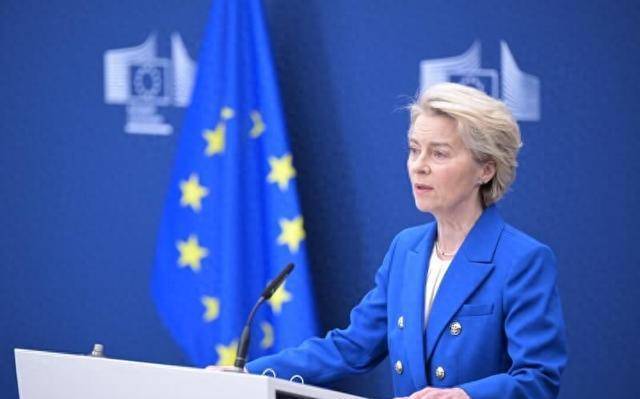
Group 1 - The recent court ruling limits the President's power to impose tariffs, stating that national security cannot be an all-encompassing excuse for trade negotiations [1][3] - Following the court's decision, the White House issued a new order to increase tariffs on Europe from 10% to 15%, indicating a shift in strategy despite previous temporary concessions [1][3] - The European Union (EU) has made concessions in negotiations, such as agreeing to establish battery plants and chip joint ventures in Europe, but these efforts have not yielded tangible results [3][5] Group 2 - The EU faces significant challenges in confronting the U.S. due to its reliance on American military support and the economic impact of potential tariffs on European exports [5][7] - Recent EU actions include investigating U.S. tech companies for government subsidies and implementing new regulations on battery materials, indicating a shift towards reducing dependency on the U.S. [7][8] - The evolving geopolitical landscape suggests that traditional alliances are becoming more fluid, prompting Europe to quietly adapt its strategies and regulations to mitigate reliance on the U.S. [8]