智能汽车

Search documents
懂车帝不是马斯克的通行证
36氪· 2025-07-29 13:35
Core Viewpoint - The article discusses the results of a recent driving assistance system test conducted by Dongche Di, highlighting the performance of various popular models, particularly Tesla's, while raising concerns about consumer perceptions and safety standards in the autonomous driving industry [3][4][5]. Summary by Sections Test Results and Methodology - The test involved 36 models equipped with driving assistance systems, with Tesla's Model 3 and Model X achieving an 83.3% success rate in high-speed scenarios, outperforming other brands [3][4]. - The testing scenarios were based on data from three years of national traffic accident statistics, ensuring realistic conditions [3][7]. - The test included high-risk situations such as sudden obstacles and blind spots, with vehicles required to react within 1.5 seconds at speeds of 100 km/h [7]. Industry Reactions and Concerns - While Tesla's performance was highlighted, industry analysts cautioned that a single test cannot define overall safety and effectiveness [4][5]. - The increase in complaints related to driving assistance accidents, which reached 327 in 2024 (up 47% from 2023), indicates a growing consumer misunderstanding of these technologies [5]. - The article emphasizes that many automakers use "safety redundancy" as a marketing tool, potentially misleading consumers about the actual safety of these systems [5]. Testing Standards and Future Directions - The need for standardized testing in the industry is underscored, as current tests often lack comparability and transparency [8][9]. - Critics argue that the extreme scenarios used in testing do not accurately reflect real-world conditions, which could mislead consumers [8][9]. - The article notes that the China Automotive Industry Association is working on establishing a standardized testing scenario library, expected to be released by 2025 [8]. Safety and Redundancy Issues - The article discusses the "safety redundancy paradox," where the presence of multiple sensors may create a false sense of security among users, leading to dangerous behaviors such as distracted driving [10]. - It highlights that 47% of drivers become distracted when using driving assistance features, with 87% of accidents involving these systems attributed to driver inattention [10]. Regulatory Developments - There is a growing consensus on the need for quantifiable safety redundancy standards, with the EU and China moving towards regulations that require manufacturers to disclose specific performance metrics under various conditions [16][17]. - The article suggests that the focus of competition in the industry will shift from hardware quantity to the effectiveness of safety measures, emphasizing the importance of algorithm optimization over mere sensor count [19].



AI+汽车如何进化?吉利剑指全球最大的的机器人公司
Zhong Guo Jin Rong Xin Xi Wang· 2025-07-29 12:52
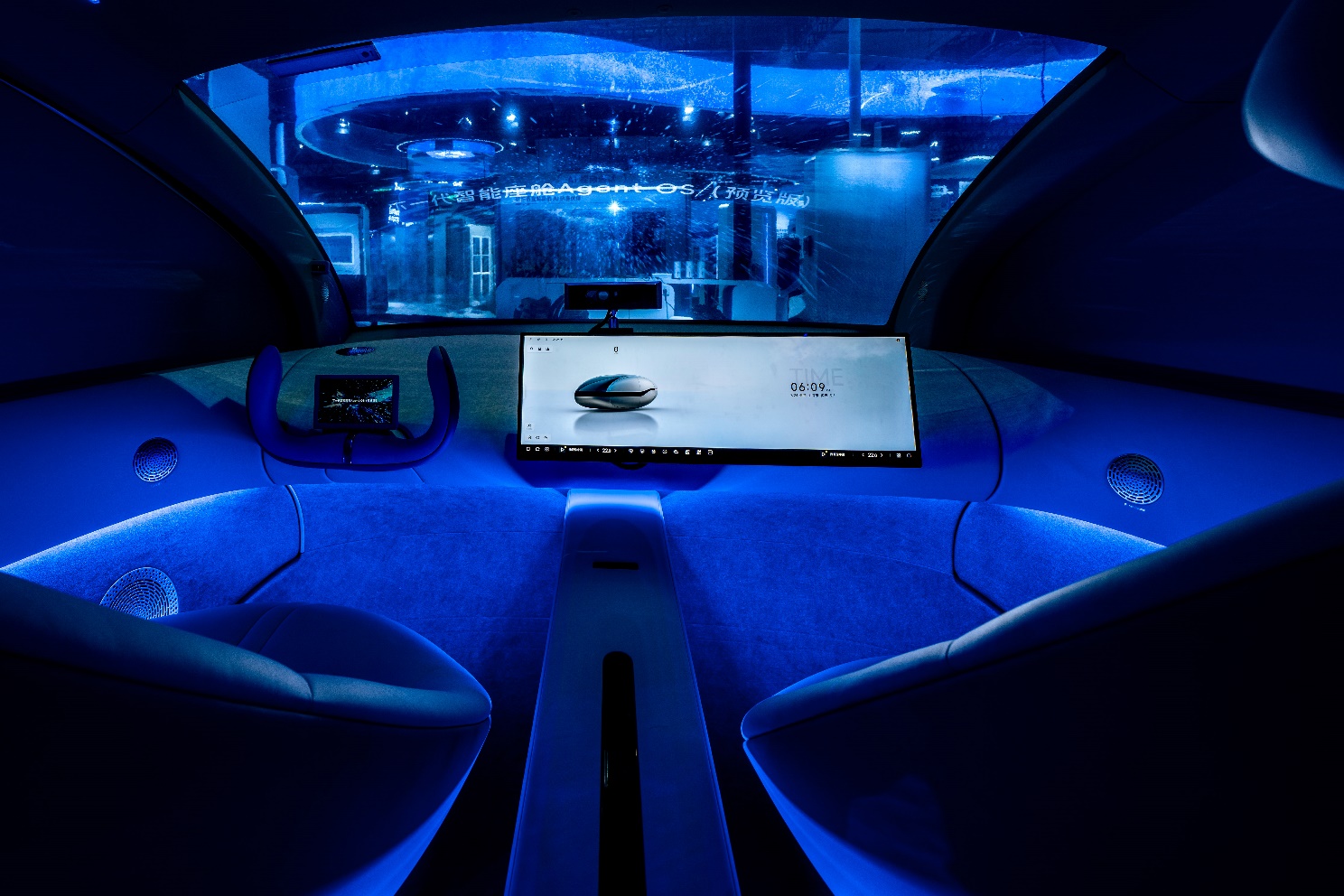
Core Viewpoint - The 2025 World Artificial Intelligence Conference (WAIC 2025) showcased over 3,000 cutting-edge exhibits from more than 800 companies, highlighting advancements in AI technology, particularly in smart vehicles, with Geely's "Smart Egg Cabin" receiving the highest honor [1] Group 1: Geely's AI Strategy - Geely is not just an automotive company but one of the earliest adopters of AI technology in the industry, emphasizing the importance of user safety in the application of AI in vehicles [3][5] - The company has established a comprehensive "full-domain AI" technology system, becoming the only automaker globally to achieve such a layout, leveraging advantages like early deployment and rapid development [5][7] - Geely's "Smart Geely 2025" strategy aims to lead in electric intelligence by creating a robust technological foundation through big data, satellite networks, and AI ecosystems [5][7] Group 2: Technological Infrastructure - Geely has built a leading technological foundation comprising computing power, algorithms, and data, forming the "Smart Car Computing Alliance" with partners, achieving a total computing power of 23.5 EFLOPS [7] - The company has developed the world's first full-scenario AI model system for the automotive industry, including language, multi-modal, and digital twin models, and has accumulated 10 terabytes of token data and 40 billion automotive-specific data points [7][8] - Geely's "AI+" technology system includes various innovations in intelligent driving, power systems, chassis, and architecture, all of which are now in mass production [8] Group 3: Collaborative Innovations - At WAIC 2025, Geely and partners introduced the next-generation intelligent cockpit Agent OS, which features advanced multi-modal interaction capabilities [10][11] - The collaboration with partners like Jiyue Star and Qianli Technology has led to significant advancements in multi-modal models and intelligent driving systems, enhancing the overall automotive experience [8][10] - Geely aims to evolve from a traditional car manufacturer to a leading robotics company, integrating AI deeply into its vehicles and services [11][13] Group 4: Industry Transformation - The automotive industry is transitioning from mere transportation to becoming intelligent entities, necessitating a shift in automotive companies towards technology-driven organizations [13] - The integration of AI and electric vehicles positions Chinese companies at the forefront of global innovation, with Geely's approach exemplifying a strategic move towards becoming a leader in the AI era [13]


深度报告:谁在为汽车智能化买单?
2025-07-29 02:10
Summary of Conference Call Notes Industry Overview - The report focuses on the automotive industry, specifically the development and adoption of intelligent driving technologies and electric vehicles (EVs) [1][3][6]. Key Insights and Arguments - Intelligent driving has become a significant factor in car purchasing decisions, with high demand from tech enthusiasts, long-distance commuters, and novice drivers [1][4]. - The penetration rate of advanced intelligent driving technology in domestic new energy vehicles is expected to rise from 7.8% in 2024 to over 30% by the end of 2025, driven by brands like Huawei, Tesla, Xiaopeng, and Li Auto [3]. - Consumer preferences indicate that the primary factors influencing car purchases are automatic driving (23%), aesthetics, and space [12]. - The market is sensitive to self-driving accidents and regulatory changes, impacting sales for brands like BYD and Tesla [5]. Development Trends - The future of intelligent vehicles requires simplifying concepts for consumers, with "RoboTaxi" commercialization expected to significantly boost consumer demand, similar to the EV adoption surge post-2020 [6][26]. - Users primarily utilize automatic driving for parking, highways, and urban roads, with a lower frequency of use in complex urban environments due to trust issues [15]. Investment Opportunities - Investors should focus on companies with capabilities in computing power, algorithms, and data integration, such as Tesla, Xiaopeng, Huawei, and Li Auto, as well as RoboTaxi operators like Cao Cao Mobility and Didi [7][8]. - Traditional automakers like BAIC, GAC, and SAIC are also potential investment targets, especially those involved in the production of autonomous vehicle components [8]. Consumer Behavior and Preferences - The survey indicates that male owners dominate the user demographic, with a significant portion being first-time EV buyers [10]. - Users show varying levels of acceptance towards automatic driving technology, categorized into four groups based on their willingness to trust and use the technology [16][17]. - Aesthetic appeal is crucial for consumers, as evidenced by the popularity of Xiaomi vehicles, which highlights the importance of design in purchasing decisions [19]. Additional Insights - Consumers are increasingly concerned about product quality, chip upgrades, and the overall driving experience, with many expressing a desire for continuous improvements in intelligent driving capabilities [20][24]. - The acceptance of different technological approaches, such as LiDAR versus pure vision systems, is influenced more by brand trust and user experience than by technical specifications [18]. Conclusion - The automotive industry is at a pivotal point with the rise of intelligent driving technologies and EVs, presenting numerous investment opportunities and challenges. The focus on consumer preferences, regulatory impacts, and technological advancements will shape the future landscape of the market [1][26].
汽车智能化月报系列(二十六):上海新一批智能网联汽车示范运营牌照7月26日发放,Robotaxi商业化落地加速-20250728
Guoxin Securities· 2025-07-28 08:51
Investment Rating - The report maintains an "Outperform" rating for the automotive intelligence sector [6]. Core Insights - The report highlights the acceleration of commercial deployment of Robotaxi in Shanghai, with new operational licenses issued on July 26 [1]. - The penetration rates of advanced driver-assistance systems (ADAS) and various automotive technologies are on the rise, indicating a growing trend towards vehicle intelligence [3][4]. Summary by Sections Industry News - Tesla's smart assisted driving plan is set to further expand in China within the year [1]. - Shanghai has issued a new batch of demonstration operation licenses for intelligent connected vehicles [1]. - Pony.ai has received approval to conduct Robotaxi operations in central Shanghai [1]. - Various companies, including WeRide and Horizon Robotics, are advancing their autonomous driving technologies and solutions [1]. High-Frequency Core Data Updates - By May 2025, the penetration rate of 8 million pixel front-view cameras in passenger vehicles is projected to reach 66.7%, with 38.6% of that being 8 million pixel cameras, showing a year-on-year increase of 23 percentage points [2]. - NVIDIA's driving chip market share is increasing, with a projected penetration rate of 29% for passenger vehicle driving domain controllers by May 2025 [2]. - The market share of LiDAR in passenger vehicles is expected to reach 10% by May 2025, reflecting a year-on-year increase of 4 percentage points [2]. Intelligent Driving - The penetration rate of passenger vehicles equipped with L2 level or higher functions reached 28.1% by May 2025, up 13 percentage points year-on-year [3]. - The penetration rates for various sensors, including front-view cameras and radar, are also increasing, indicating a trend towards more sophisticated vehicle sensing capabilities [3]. Investment Recommendations - Recommended companies for whole vehicles include XPeng Motors, Leap Motor, and Geely [4]. - For L4 level technologies, Pony.ai is recommended [4]. - Component recommendations include companies like Hesai Technology and SUTENG for data acquisition, and Horizon Robotics for data processing [4]. Key Company Earnings Forecast and Investment Ratings - XPeng Motors: Outperform, with a projected EPS of -3.03 in 2024 and -0.83 in 2025 [5]. - Xingyu Co., Ltd.: Outperform, with an EPS of 4.93 in 2024 and 5.95 in 2025 [5]. - Horizon Robotics: Outperform, with an EPS forecast of 0.18 in 2024 and -0.14 in 2025 [5].


汽车智能化月报系列二十六:上海新一批智能网联汽车示范运营牌照7月26日发放,Robotaxi商业化落地加速【国信汽车】
车中旭霞· 2025-07-28 08:24
Core Viewpoint - The article discusses the rapid advancements in the automotive intelligence sector, highlighting the commercialization of autonomous driving technologies and the issuance of operational licenses for smart connected vehicles in Shanghai, which marks a significant step towards the integration of autonomous vehicles into everyday life [2][19][21]. Group 1: Key Developments in Autonomous Driving - Tesla's intelligent driving plan is set to further localize in China within the year, with the launch of Robotaxi services in various regions [17][18]. - Shanghai has issued a new batch of operational licenses for smart connected vehicles, allowing companies like Pony.ai and Baidu to commence autonomous driving services [19][21]. - Pony.ai's Robotaxi has received approval for demonstration operations in central Shanghai, expanding its autonomous driving network across major cities [21][22]. Group 2: Industry Data and Trends - As of May 2025, the penetration rate of L2 and above functions in passenger vehicles reached 28.1%, showing a year-on-year increase of 13 percentage points [6][7]. - The penetration rate of 800 million pixel cameras in passenger vehicles increased to 66.7%, with an annual growth of 23 percentage points [4][5]. - The market share of lidar in passenger vehicles reached 10%, reflecting a year-on-year increase of 4 percentage points [5]. Group 3: Technological Innovations - Pony.ai's seventh-generation Robotaxi has completed over 2 million kilometers of road testing, marking a significant milestone in the mass production of L4 autonomous driving technology [23]. - WeRide has launched a high-performance computing platform based on NVIDIA's latest DRIVE Thor X chip, enhancing the capabilities of its Robotaxi [25]. - 行深智能 has introduced an L4 autonomous driving solution based on Horizon's computing platform, expanding its application to urban logistics [26]. Group 4: Collaborations and Partnerships - Uber has partnered with Lucid and Nuro to launch an autonomous taxi fleet by 2026, integrating Nuro's technology into Lucid vehicles [30]. - Baidu and Uber have announced a strategic partnership to deploy autonomous taxi services in various markets outside the US and mainland China [32]. - GAC Group plans to deepen its strategic cooperation with Huawei to promote high-quality development in the automotive industry [36].


斑马智行:推动汽车智能座舱迈入主动智能时代
Ren Min Wang· 2025-07-28 07:10
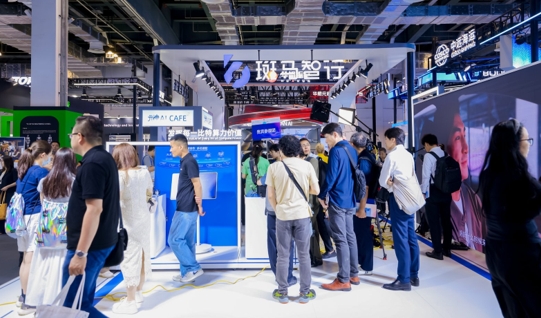
Core Viewpoint - The collaboration between Zebra Zhixing, Tongyi, and Qualcomm aims to advance automotive smart cockpit technology into an era of proactive intelligence through the release of an edge-side multimodal large model solution [1][2]. Group 1: Product Features - The edge-side multimodal large model solution, based on the Qualcomm 8397 platform, can achieve a 90% service loop of 'perception-decision-execution' purely on the vehicle side [2]. - The solution enables a generational upgrade from being a "command receiver" to a "dialogue participant" through multimodal intent perception and interaction [2]. - The local lifestyle agent, part of the "One Arrow Ten Stars" interactive intelligence released in April, reconstructs food delivery services based on travel scenarios [2]. Group 2: User Experience - Users can interact with the AI to order coffee through natural dialogue, with the AI providing a seamless experience that surpasses mobile operations [2]. - The AI can proactively adjust the vehicle's environment based on user status, recommend playlists during traffic jams, and engage in multi-user dialogue scenarios [2]. Group 3: Strategic Development - Since launching the "AI in All" strategy in 2024, Zebra Zhixing has rapidly iterated and commercialized its Yuan Shen AI across various automotive brands, including Zhiji, Roewe, and BMW [3]. - The company is moving towards a human-machine symbiosis by collaborating with customers and the ecosystem, starting from proactive intelligence [3].
50%!20%!70%!汽车智能化“中国样本”如何炼成?
Zhong Guo Qi Che Bao Wang· 2025-07-28 02:23
Core Viewpoint - The rapid advancement of China's automotive industry in smart technology is positioning it as a global leader in the intelligent vehicle sector, with significant opportunities for international expansion [2][4]. Group 1: Industry Development - China's passenger cars with L2 and above driver assistance features have surpassed a 50% installation rate, leading globally [3]. - The penetration rate of smart cockpits in domestic passenger vehicles is expected to exceed 70% by 2024, indicating a strong market presence [3]. - Key domestic companies like Horizon Robotics, Black Sesame, Huawei, and Baidu are making significant breakthroughs in smart driving algorithms, lidar, high-precision maps, and automotive-grade chips [3]. Group 2: International Expansion - Companies like Zhiji and Leap Motor are launching models equipped with advanced driving systems in international markets, such as the UK [4]. - Robotaxi companies like Baidu's Apollo and Pony.ai are expanding overseas through partnerships with local governments and international ride-hailing platforms [5]. - The penetration rate of L2-L3 automated driving features in new vehicles in China is leading the global average by nearly 20%, providing a strong foundation for international growth [5]. Group 3: Challenges and Compliance - The automotive industry's international expansion faces challenges related to geopolitical factors, technical standards, and data compliance [7][8]. - Over 100 countries have issued data security regulations, complicating compliance for companies looking to expand their smart vehicle offerings [8]. - Differences in consumer willingness to adopt smart features in foreign markets, particularly in Europe, pose additional challenges for Chinese automakers [9]. Group 4: Strategic Recommendations - Companies are advised to adopt localized strategies for data storage and processing to ensure compliance with local regulations [11]. - Establishing smart technology R&D centers in overseas markets can help companies better understand local consumer needs and regulatory requirements [12]. - Active participation in the formulation of international standards for intelligent connected vehicles is crucial for enhancing China's influence in the global automotive landscape [12][13].

贾跃亭新车发布视频被曝车头是P的,网友:认真起来连自己也骗;雷军:我们已站在全球SoC研发的最前列;传京东已成立智能机器人事业部
雷峰网· 2025-07-28 00:32
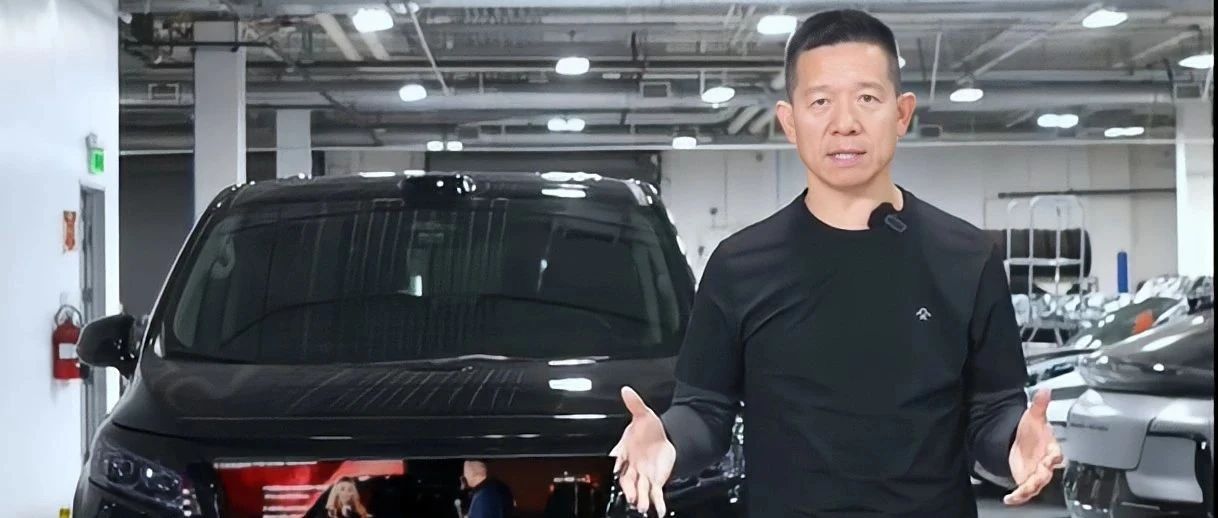
Group 1 - Xiaomi's first high-end flagship SoC, the玄戒O1, is a significant achievement in China's chip development, marking a milestone in 3nm process technology [4] - The development of the玄戒O1 took over four years and an investment of 135 billion, with an additional 60 billion planned for this year [4] - Faraday Future's new vehicle, the SuperOne, faced criticism for apparent digital manipulation in promotional materials, raising concerns about its design integrity [7] - Tencent's mixed model team has attracted top talent, including former Alibaba's visual team leader, indicating a shift towards a more competitive stance in AI technology [9][10] Group 2 - JD.com has established a new intelligent robotics division under its 3C home appliance sector, reflecting its commitment to advancing robotics technology [10][11] - BYD announced a record-breaking dividend of 12 billion, the largest in its history, supported by strong financial performance and significant cash reserves [13] - Tencent's internal coding efficiency has improved by 16% due to AI integration, with 30% of its code being written by AI [14] - The launch of the Quark AI glasses by Alibaba showcases its advancements in AI hardware, integrating various functionalities and aiming to differentiate from competitors [12] Group 3 - The global user base for Kuaishou's AI platform has surpassed 45 million, highlighting its rapid growth and the introduction of new creative tools [24] - Meta appointed a key figure from OpenAI to lead its Super Intelligence Lab, emphasizing its focus on AI development and competition in the tech landscape [26][27] - Tesla's new "affordable" Model Y variant has been revealed, featuring design changes aimed at cost reduction while maintaining essential functionalities [27][28]

齐心协力唱好下半年消费大戏
Zheng Quan Ri Bao· 2025-07-27 15:43
Core Viewpoint - The Ministry of Agriculture and Rural Affairs, along with ten other departments, has released the "Implementation Plan for Promoting Agricultural Product Consumption," which aims to boost consumer spending in the second half of the year, following strong performance in the first half of 2023 [1] Group 1: Consumer Spending Trends - In the first half of 2023, the retail sales of consumer goods showed a steady increase, with the growth rate in the second quarter rising by 0.8 percentage points compared to the first quarter, contributing 52% to economic growth [1] - The average contribution rate of final consumption to China's economic growth over the past four years has been 56.2% [1] Group 2: Policy Measures - The issuance of long-term special government bonds has significantly stimulated consumption, with 162 billion yuan allocated in January and April, leading to a 5% year-on-year increase in retail sales of consumer goods in the first half of the year, surpassing last year's growth by 1.5 percentage points [2] - A third batch of 69 billion yuan in special government bond funds has been allocated to support the replacement of old consumer goods, with an additional 69 billion yuan expected to be released in October [2] Group 3: Supply and Demand Optimization - The consumer market has shown a clear trend towards new products, with upgrades in smart vehicles, smart home appliances, and digital products, indicating a dual push from both supply and demand sides [3] - There is a need to further optimize the supply of consumer goods to align with current market demands, encouraging consumers to spend willingly [3] Group 4: Consumer Environment Improvement - The consumer environment encompasses various aspects such as supply, order, rights protection, and governance, all of which impact consumer confidence [4] - The "Special Action Plan for Boosting Consumption" and the "Three-Year Action Plan for Optimizing the Consumer Environment (2025-2027)" aim to enhance the consumer environment, with a focus on improving product recall systems and addressing unreasonable restrictions on consumer spending [4] - As of June 30, 2023, there have been 6,470 product recalls involving 108 million items, indicating ongoing efforts to improve consumer safety and confidence [4]
中小盘周报:看好AI+应用,关注膳食营养补充剂-20250727
KAIYUAN SECURITIES· 2025-07-27 14:09
AI and Market Trends - AI applications are entering a rapid growth phase, supported by mature infrastructure and decreasing costs of large model calls, enhancing commercial potential[3] - China possesses significant data reserves and a broad demand scale, providing a competitive advantage for AI development[3] Market Performance - The A-share market experienced a general rise, with the Shanghai Composite Index up by 1.67% and the Shenzhen Component Index up by 2.33% during the week[15] - Mid-cap indices such as the CSI 500 and CSI 1000 outperformed large-cap indices, with increases of 3.28% and 2.38% respectively[17] Dietary Supplements Industry - The global dietary supplement market is projected to reach $223 billion by 2026, driven by population growth and increasing health awareness[5] - HMB, a key nutrient for muscle health, is expected to see global production reach 3,572 tons by 2030, indicating strong market potential[5] Investment Recommendations - Recommended stocks include Toris (拓尔思), which has a robust open-source intelligence data resource, and Songlin Technology (松霖科技), focusing on health robots[3] - Other notable mentions are Rongxin Culture (荣信文化), which is expanding into AI+ education scenarios[3] Corporate Actions - This week, two companies listed on the A-share market, with C Shanda and C Jiyuan seeing first-day gains of 356% and 274% respectively[33] - There were six new public offerings announced, with an average discount rate of 18.9% and an average return of 40.7% on recent fundraising projects[34][40]