
财政

Search documents
IMF大幅上调今年中国经济增长预期
Zheng Quan Shi Bao· 2025-07-29 18:47
Core Viewpoint - The International Monetary Fund (IMF) has revised its global economic growth forecasts for the next two years, expecting growth rates of 3% and 3.1% respectively, which is an upward adjustment of 0.2 and 0.1 percentage points compared to the previous forecast in April [1] Economic Growth Projections - The upward revision in global economic growth expectations is attributed to better-than-expected international trade, lower average effective tariff levels in the U.S., improved global financial conditions, and fiscal expansion in major economies [1] - The most significant upward adjustment in growth forecasts was for China, with the IMF raising its expected growth rate for this year by 0.8 percentage points compared to the April forecast [1] Factors Influencing China's Growth - The adjustment for China's economic growth is primarily due to stronger-than-expected economic activity in the first half of the year and significant reductions in U.S.-China tariffs [1] - The IMF also raised its growth forecast for China in 2026 by 0.2 percentage points, indicating a positive long-term outlook [1] - The strong export performance of China, particularly to regions outside the U.S., has offset the decline in exports to the U.S., contributing to the economic growth [1] - Fiscal policies supporting consumption have also played a role in driving China's economic growth [1] Recommendations for Policy - The IMF suggests that countries should promote clear and transparent trade frameworks to reduce policy-induced uncertainties [1] - Central banks are advised to carefully calibrate monetary policies based on specific national conditions to maintain price and financial stability amid ongoing trade tensions and changing tariffs [1]
财政专题分析报告:财政数据背后的宏观线索
SINOLINK SECURITIES· 2025-07-29 15:17
Group 1: Tax Revenue Insights - Personal income tax (PIT) increased by 8% year-on-year in the first half of the year, despite overall tax revenue declining by 1.2%[3] - Value-added tax (VAT) grew by 2.8%, while corporate income tax (CIT) saw a decline of 1.9%[7] - Non-tax revenue turned negative, with a 3.7% year-on-year decrease in June, primarily due to reduced contributions from state-owned assets and improved business environment leading to lower fees and penalties[28] Group 2: Fiscal Expenditure and Investment Trends - General fiscal expenditure rose by 17.6% year-on-year in June, significantly up from 5.3% for infrastructure investment, which fell by 3.9% compared to the previous month[4] - The acceleration in fiscal spending is largely attributed to a one-time injection of special bonds into commercial banks, with actual growth being slower when excluding this factor[34] - Special bonds are increasingly being used for debt repayment, with 46.7% of newly issued bonds in July allocated for this purpose, compared to only 41.7% for project construction[51] Group 3: Future Fiscal Outlook - The fiscal revenue and expenditure are expected to face pressure in the second half, with projected year-on-year growth rates of -4.5% for revenue and 1.5% for expenditure[5] - The anticipated budget gap for the year is estimated at 516.6 billion yuan for revenue and 547.2 billion yuan for expenditure, with limited necessity for additional deficits[5] - The government plans to utilize fiscal reserves, including the budget stabilization fund and profits from central financial enterprises, to cover a projected 120 billion yuan shortfall due to new subsidies[69]
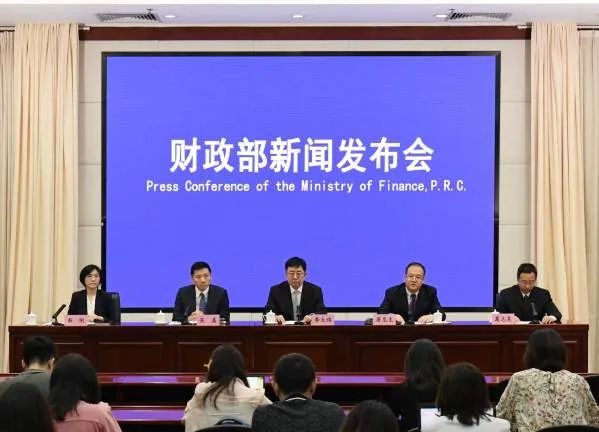
上半年财政运行总体平稳 有力保民生促增长
Jin Rong Shi Bao· 2025-07-28 02:33
Group 1: Fiscal Revenue and Expenditure - In the first half of the year, the national general public budget revenue was 11.5566 trillion yuan, a year-on-year decrease of 0.3%, with tax revenue at 9.2915 trillion yuan, down 1.2%, and non-tax revenue at 226.51 billion yuan, up 3.7% [1] - The national general public budget expenditure reached 14.1271 trillion yuan, a year-on-year increase of 3.4%, with significant growth in social security and employment spending by 9.2%, education spending by 5.9%, and health spending by 4.3% [1][3] - Monthly tax revenue has shown a recovery trend since April, with a continuous increase for three months, indicating a gradual improvement in economic conditions [1] Group 2: Fiscal Policy and Support Measures - The Ministry of Finance has implemented a more proactive fiscal policy to boost consumption and stabilize employment, ensuring timely budget approvals and fund disbursements [2] - In the first half of the year, the central government allocated 929 billion yuan in transfer payments to local governments, accounting for 89.8% of the annual budget, which is an increase of 1.7 percentage points compared to the previous year [2] - Special bonds worth 2.6 trillion yuan were issued to support major projects at the local level, with an additional 658.3 billion yuan allocated for long-term special bonds to support key projects [2] Group 3: Special Bonds Management - The issuance and use of special bonds have accelerated, with 2.16 trillion yuan of new local government special bonds issued in the first half of the year, a year-on-year increase of 45% [4] - The management of special bonds has shifted to a "negative list" approach, allowing more projects to qualify for funding, including land reserves and affordable housing [5] - The Ministry of Finance has enhanced supervision of special bond funds to prevent misappropriation and ensure proper management of assets and repayment [6] Group 4: Debt Replacement Policy - As of the end of June, 1.8 trillion yuan of the 2 trillion yuan debt replacement bonds for 2025 had been issued, with 1.44 trillion yuan already utilized [7] - The debt replacement policy has alleviated liquidity pressure by replacing high-interest, short-term hidden debts with low-interest bonds, thus reducing overall debt servicing costs [8] - The implementation of the replacement policy has released significant financial resources for local governments, allowing them to focus on economic development and structural adjustments [8]


2025上半年全国财政支出超14万亿 国债发行规模达7.88万亿创新高
Chang Jiang Shang Bao· 2025-07-27 23:29
Group 1 - The overall fiscal operation in the first half of 2025 is stable, with general public budget expenditure reaching 14.13 trillion yuan, a year-on-year increase of 3.4% [1][3] - National general public budget revenue is 11.56 trillion yuan, showing a slight decline of 0.3% year-on-year [1] - The issuance of new local government general and special bonds amounts to 2.6 trillion yuan, aimed at supporting major projects in key areas [1][3] Group 2 - Tax revenue for the first half of 2025 is 9.29 trillion yuan, down 1.2% year-on-year, but has shown a recovery with three consecutive months of growth starting from April [2] - Major tax categories such as domestic value-added tax, domestic consumption tax, and individual income tax have seen increases of 2.8%, 1.7%, and 8% respectively [2] - Non-tax revenue for the first half of 2025 is 2.27 trillion yuan, with a year-on-year growth of 3.7%, although the growth rate has decreased compared to the first quarter [2] Group 3 - Significant increases in spending on social security and employment (9.2%), education (5.9%), and scientific technology (9.1%) have been noted [3] - The issuance and utilization of bond funds have accelerated, with 2.43 trillion yuan spent from government fund budgets, leading to a 30% increase in government fund budget expenditure [3] - Central government transfer payments to local governments have reached 9.29 trillion yuan, accounting for 89.8% of the annual budget, which is an increase of 1.7 percentage points compared to the previous year [3] Group 4 - The issuance of national bonds has reached a historical high of 7.88 trillion yuan in the first half of 2025, an increase of 20.55 billion yuan or 35.28% year-on-year [4] - The special bond issuance has progressed well, with 555 billion yuan of ultra-long-term special bonds issued, accelerating by 18 percentage points compared to the previous year [4] - The "old-for-new" consumption initiative has resulted in sales of 1.6 trillion yuan in various consumer goods, contributing to a 5% year-on-year increase in total retail sales of consumer goods [4] Group 5 - The Ministry of Finance plans to arrange 2 trillion yuan in local government debt limits annually from 2024 to 2026 to support the replacement of existing hidden debts [5] - By the end of June 2025, 1.8 trillion yuan of the 2 trillion yuan replacement bonds for 2025 had been issued, with 1.44 trillion yuan already utilized [5] - The implementation of the replacement policy has alleviated liquidity pressure and facilitated the reform and transformation of financing platforms [5]
6月财政数据点评:财政前置之后
Changjiang Securities· 2025-07-26 08:12
Fiscal Performance - General fiscal expenditure growth reached 8.9% in the first half of 2025, approaching the budget target of 9.3%[2] - Total public budget revenue was 11.6 trillion yuan, a year-on-year decline of 0.3%[5] - Total public budget expenditure was 14.1 trillion yuan, a year-on-year increase of 3.4%[5] Revenue Insights - Tax revenue showed positive year-on-year growth for three consecutive months, while non-tax revenue declined[6] - Specific tax growth rates included: VAT at 2.8%, consumption tax at 1.7%, personal income tax at 8%, and property tax at 12%[6] - Export tax rebates amounted to 1.27 trillion yuan, an increase of 132.2 billion yuan compared to the previous year[6] Expenditure Trends - First account expenditure growth slowed, with a year-on-year increase of only 0.3% in June 2025[6] - Key areas such as social security and technology saw expenditure growth exceeding 9%[6] - Infrastructure spending experienced a year-on-year decline[6] Fund Revenue Improvement - Special government bonds and improved land sale revenues contributed to a significant recovery in government fund revenues, with a year-on-year increase of 20.3% in June[6] - Land sale revenue turned positive with a year-on-year growth of 21.6%[6] Future Outlook - The government is expected to adopt a more proactive fiscal stance, but there may be downward pressure on fiscal spending in the second half of 2025[6] - Net financing of government bonds in the first half of 2025 was nearly 8 trillion yuan, expected to decrease by 1.4 trillion yuan in the second half[6]
财政部最新下达:690亿元
Jin Rong Shi Bao· 2025-07-26 04:19
Group 1 - In the first half of the year, the national general public budget revenue was 115,566 billion yuan, a year-on-year decrease of 0.3%, with tax revenue at 92,915 billion yuan, down 1.2%, and non-tax revenue at 22,651 billion yuan, up 3.7% [1] - The national general public budget expenditure reached 141,271 billion yuan, an increase of 3.4% year-on-year [1] - The Ministry of Finance addressed key social concerns such as local government debt risk, fiscal spending for people's livelihoods, and the issuance of government bonds during a press conference [1] Group 2 - By the end of June, 90% of the 20,000 billion yuan local government debt replacement bonds for 2025 had been issued, with 14,400 billion yuan already utilized [3] - The implementation of the replacement policy has significantly reduced debt interest payments and repayment pressures, while also releasing economic development momentum [3] Group 3 - The central government has allocated 66.74 billion yuan in employment support funds this year, focusing on employment priority strategies and reducing unemployment insurance rates [4] - Basic pension benefits for retirees have been increased by 2% nationwide, with the minimum standard for urban and rural residents' basic pensions raised by 20 yuan [4] Group 4 - The per capita financial subsidy standard for basic public health services has been increased by 5 yuan to 99 yuan per person per year, while the subsidy for urban and rural residents' medical insurance has been raised by 30 yuan to 700 yuan per person per year [5] - The central government has allocated 5,522 billion yuan in related subsidy funds for medical assistance this year [5] Group 5 - A record high of 78,800 billion yuan in government bonds was issued in the first half of the year, an increase of 20,547 billion yuan or 35.28% year-on-year, with an average issuance interest rate of 1.52% [6] - The average bid-to-cover ratio for book-entry government bonds was 3.03 times, indicating strong investor interest [6] Group 6 - The Ministry of Finance has allocated 690 billion yuan in the third batch of ultra-long-term special government bond funds to support the "old for new" consumption initiative, with total sales in this area reaching 1.6 trillion yuan in the first half of the year [7] - Retail sales of home appliances and other consumer goods saw significant year-on-year growth, contributing to a 5% increase in total retail sales of consumer goods [7]
城市24小时 | 中西部非省会第一城,GDP总量负增长了
Mei Ri Jing Ji Xin Wen· 2025-07-25 16:19
Economic Performance of Yulin - Yulin's GDP for the first half of the year reached 348.74 billion yuan, with a year-on-year growth of 5.4% [1] - The primary industry added value was 5.53 billion yuan, growing by 2.4%; the secondary industry added value was 253.52 billion yuan, increasing by 7.0%; the tertiary industry added value was 89.52 billion yuan, also growing by 2.4% [1] - In comparison to the previous year, Yulin's economic total experienced negative growth [1] Coal Industry Dependency - Yulin's economic trajectory is closely tied to coal market conditions, with a notable GDP decline in 2020 and a significant nominal growth of 33% in 2021 due to rising coal prices [2] - The coal market is currently under pressure, with coal prices hitting a five-year low and significant declines in prices for coking coal and coke [2] - Yulin's economy, heavily reliant on coal, faces challenges similar to other coal-dependent cities like Ordos and Shanxi, which also reported negative GDP growth [2] Industrial Transition Efforts - Yulin is actively pursuing industrial restructuring, focusing on emerging sectors such as hydrogen energy, modern coal chemical industry, and new energy equipment [2] - Despite these efforts, traditional industries remain dominant, making it difficult for new sectors to offset the downturn in traditional industries in the short term [2][3] - The local government acknowledges the challenges of transitioning to a low-carbon economy while managing price volatility in energy and commodities [3][4]
上半年证券交易印花税同比大增54.1%!财政部最新发布
证券时报· 2025-07-25 15:54
Core Viewpoint - The overall fiscal operation in the first half of 2025 is stable, with a rapid disbursement of budget funds and an increased focus on basic livelihood guarantees [1][2]. Fiscal Revenue and Expenditure - Public fiscal revenue reached 11.56 trillion yuan, a year-on-year decrease of 0.3%, while public fiscal expenditure was 14.13 trillion yuan, an increase of 3.4% [1]. - Tax revenue, seen as an economic "barometer," has gradually rebounded since the second quarter, with three consecutive months of year-on-year growth [1][4]. - Central public fiscal revenue decreased year-on-year, while local public fiscal revenue increased by 1.6%, with 27 out of 31 provinces reporting growth [4]. - Tax revenue for the first half was 9.29 trillion yuan, down 1.2%, but showed improvement with a 1% increase in June [4]. - Major tax categories such as domestic VAT, consumption tax, and personal income tax saw increases of 2.8%, 1.7%, and 8% respectively, while corporate income tax fell by 1.9% [4][5]. Government Bond Issuance - The issuance of government bonds maintained a high level, with national bonds reaching a record high of 7.88 trillion yuan, a 35.28% increase year-on-year [1][10]. - The average issuance rate for national bonds was 1.52%, down 43 basis points year-on-year, with a high investor subscription rate [10][11]. - New local government special bonds totaled 2.16 trillion yuan, a 45% increase year-on-year, with a significant acceleration in issuance and usage [1][10]. Focus on Social Welfare and Consumption - Public fiscal expenditure has increased, particularly in social security, education, and health care, while traditional infrastructure spending has declined [8]. - The central government has allocated 9.29 trillion yuan in transfer payments to local governments, representing 89.8% of the annual budget, with a faster disbursement rate than the previous year [8]. - The Ministry of Finance plans to introduce policies to boost consumption and improve the consumption environment, particularly in key cities [8].

盘点2024北京“账本”,市人大常委会批准2024年市级决算
Xin Jing Bao· 2025-07-25 10:34
Core Viewpoint - Beijing's 2024 fiscal budget shows stable growth in revenue and effective expenditure management, supporting the city's economic recovery and social stability [1][2]. Fiscal Revenue and Expenditure - The city's general public budget revenue reached 637.27 billion yuan, an increase of 3.1%, with tax revenue accounting for 85.9% [2][3]. - General public budget expenditure totaled 839.65 billion yuan, growing by 5.3%, focusing on key areas such as education, employment, and healthcare [2][5]. Support for Economic Growth - The government implemented tax reductions and refunds exceeding 150 billion yuan to support technological innovation and manufacturing [3]. - New government bonds issued amounted to 121.6 billion yuan, funding major projects in infrastructure and housing [3]. Social Welfare Initiatives - The city introduced a universal childcare subsidy policy, adding nearly 19,000 new childcare places, with a 93% enrollment rate for eligible children [4]. - The minimum living guarantee was raised to 1,450 yuan per month, benefiting over 4 million people [5]. Budget Management and Efficiency - A reduction of 3.03 billion yuan in non-essential expenditures was achieved through strict budget management practices [6]. - The city adopted a comprehensive performance management system to enhance budget execution and monitoring [6][7].
上半年广西财政收支实现“双过半”
Sou Hu Cai Jing· 2025-07-25 00:43
Group 1 - The region's general public budget revenue and expenditure achieved a "double growth" for six consecutive months, with revenue at 964.55 billion and expenditure at 3359.72 billion, representing year-on-year growth of 3.2% and 5.9% respectively [1] - The successful hosting of the 2025 Guangxi Government Investment Fund high-quality development promotion and signing conference led to the signing of 30 sub-funds with a total subscribed scale of nearly 60 billion, indicating strong financial engagement [1] Group 2 - A total of 120 billion has been allocated to support a new round of industrial revitalization, along with 31.43 billion for artificial intelligence development, aiming to build a cross-border AI industry ecosystem [2] - Over 150 billion has been coordinated to advance water transport infrastructure construction, with additional funds allocated for highway and railway projects, demonstrating a commitment to improving transportation networks [2] - The region is actively utilizing policy opportunities to secure central long-term special bonds for key projects, with 346.73 billion in special bonds and 139.47 billion in "two heavy" funds allocated for infrastructure in education, healthcare, and urban renewal [2] Group 3 - Public spending on people's livelihoods reached 2671.56 billion, a year-on-year increase of 6.6%, with around 80% of general public budget expenditure dedicated to social welfare projects [3] - Significant increases in spending were noted in education (91.64 billion), transportation (42.93 billion), and health (42.2 billion), reflecting a focus on quality development in these sectors [3] - Environmental protection spending increased by 7.53 billion, supporting efforts to combat heavy metal pollution and enhance overall environmental quality [3]