家电

Search documents
珠海印发行动方案 冲刺一季度经济“开门红” 企业增产最高奖70万
Nan Fang Ri Bao Wang Luo Ban· 2026-01-15 10:08
Group 1 - The "2026 Zhuhai Economic High-Quality Development Action Plan" was officially issued, introducing 22 policy measures aimed at boosting investment, consumption, enterprise expansion, and livelihood protection to achieve a strong economic start in Q1 [1] - In the industrial investment sector, the plan offers rewards for industrial enterprises completing investment progress exceeding 50 million, 100 million, 200 million, and 500 million yuan, with maximum rewards of 70,000, 150,000, 250,000, and 400,000 yuan respectively [1] - Differentiated production incentive policies are established for various industries, with manufacturing enterprises achieving year-on-year output growth receiving rewards ranging from 70,000 to 700,000 yuan based on different scales [1] Group 2 - Wholesale and retail enterprises will receive direct support, with rewards for wholesale sales growth of 200 million, 500 million, and over 1 billion yuan, and retail sales growth of 30 million, 50 million, and over 100 million yuan, with maximum support of 80,000, 200,000, and 400,000 yuan respectively [2] - The real estate market will focus on stimulating housing demand, with a subsidy of 1% on the net signing price for residents participating in housing exchanges, capped at 30,000 yuan per unit [2] - The "Yue Enjoy Warm Winter, Shop Guangdong" consumption season will provide special consumption subsidies for automobiles, home appliances, and local products, along with dining promotions offering up to 100 yuan in discounts [2]
“广货行天下”春季行动于1月15日启动 超6000家企业参与
Nan Fang Ri Bao Wang Luo Ban· 2026-01-15 10:08
"广货行天下"春季行动汇聚了家电、手机、服装、食品、智能终端、汽车、美妆日化、文旅、农业等各 大品类超6000家企业参与,获得阿里国际、淘天、京东、抖音、拼多多、唯品会、快手、辛选、希音、 苏宁易购、同程等大型商业平台和一大批线下商超支持。活动将遴选一批重点产业、重点品类,特别是 选取优秀品牌企业、产品质量"红榜"企业,推动企业拿出最新、最好、最具性价比的产品,按照"一周 一品"的节奏进行推广和促销。同时,积极对接零售商、经销商、采购商等销端资源,收集厂商需求, 开展好产销对接活动。 全省各地市将结合本地特色产业,发动各大龙头企业、产业园区、产业集群等积极参与,并结合地方节 庆活动、文旅活动、年俗民俗等,组织系列推广活动和促销活动,将产品与文旅相结合,产业与文化相 关联,通过文化赋能好产品。全省媒体将充分发挥"媒体+"功能,积极参与"广货行天下"春季行动,助 力广货品牌提升和产品销售。 想要淘最新、最好、最具性价比的广货?1月15日,"广货行天下"春季行动启动仪式在佛山举行,超 6000家企业参与,10余家大型商业平台和一大批线下商超齐发力,全方位助力广货出彩、出圈、出海。 "广货行天下"春季行动由省委宣传部 ...
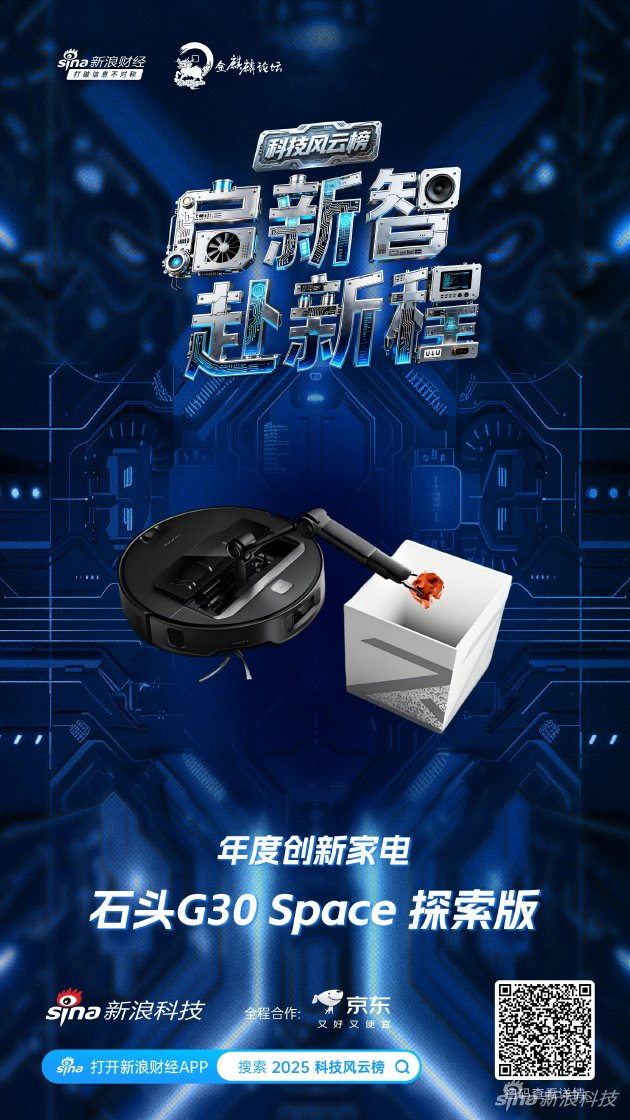
石头G30 Space 探索版获新浪2025科技风云榜年度创新家电奖
Xin Lang Cai Jing· 2026-01-15 09:32
Group 1 - The "2025 Technology Wind List" annual event was held on January 15, co-hosted by Sina Finance and Sina Technology, with the theme "Inspire New Intelligence, Embark on a New Journey" [1][6] - The event gathered industry elites, research pioneers, and industry representatives to discuss the practical application and future direction of AI technology, aiming to assist the intelligent transformation of industries [1][6] - Awards were presented to companies and innovative technology products that demonstrate insight into opportunities, courage to innovate, and value creation [1][6] Group 2 - The Stone G30 Space Exploration Edition won the Annual Innovative Home Appliance Award at the Sina 2025 Technology Wind List [5][9] - This year marks the 13th edition of the "Technology Wind List," featuring nearly 20 prominent guests, including senior academicians from the Chinese Academy of Engineering and the European Academy of Sciences [5][9]

中国央行下调结构性工具利率0.25个百分点
Sou Hu Cai Jing· 2026-01-15 09:28
Group 1: Monetary Policy Changes - The People's Bank of China announced a 0.25 percentage point reduction in the structural monetary policy tool rate, effective January 19, lowering the one-year re-lending and re-discount rates to 1.25% [2] - The re-lending quota for technological innovation was increased from 800 billion to 1.2 trillion yuan, with a separate quota of 1 trillion yuan for private enterprises [2] - The minimum down payment ratio for commercial property loans was reduced to 30%, while residential mortgage rates remained unchanged [3] Group 2: Market Reactions - The A-share market reacted positively to the policy, with brokerages and technology sectors seeing a boost, although there were concerns about funds not flowing into infrastructure and real estate [5] - Precious metals surged, with gold surpassing $4,630 per ounce and silver reaching a historical high of $92, driven by global rate cut expectations and increased demand from the photovoltaic and AI industries [5] Group 3: Impact on Individuals and Enterprises - For individuals, the pressure on existing mortgage holders may ease, but the downward trend in deposit rates could reduce annual interest on a 100,000 yuan fixed deposit by approximately 200 yuan [8] - Technology and manufacturing sectors are expected to benefit from low-cost financing, while demand for silver in the photovoltaic and new energy vehicle sectors is driving up industrial metal prices [10] - Export-oriented companies face pressure due to the appreciation of the yuan, which is squeezing profits in industries like textiles and home appliances [11] Group 4: International Dynamics - The political pressure on the Federal Reserve has intensified, with former President Trump calling for rate cuts and initiating a criminal investigation against Powell, which raises concerns about the independence of the central bank [7] - If the Federal Reserve implements rate cuts, a weaker dollar could lead to capital inflows into emerging markets, benefiting A-shares and RMB assets [13] - Japan's plan to raise interest rates to 0.75% may create risks associated with carry trade unwinding due to diverging policies from the US and Europe [13]
“广货群侠传”登场,粤家电靠这招畅销全球40年
2 1 Shi Ji Jing Ji Bao Dao· 2026-01-15 08:59
Core Insights - Guangdong manufacturing is a significant contributor to the national market, producing 1 out of every 2 color TVs and 1 out of every 3 air conditioners in China [1] - The "Guangdong Goods Going Global" spring campaign has been launched to promote Guangdong's manufacturing capabilities, particularly in the home appliance sector [1] - Guangdong's home appliance industry has achieved over 10 national firsts in various categories, establishing a strong industrial foundation [1] Group 1: Industry Overview - Guangdong's home appliance industry has developed a highly collaborative and resilient supply chain, with Guangzhou and Shenzhen as R&D hubs and Foshan, Zhongshan, and Zhuhai as manufacturing centers [2] - The industry has diversified into health appliances and smart home products, showcasing a variety of innovative offerings [3] Group 2: Promotional Activities - In the first quarter of this year, 12 online and offline promotional events will be held, along with 18 supporting activities as part of the "Guangdong Goods Going Global" campaign [4]
“广货行天下”春季行动在佛山启动 首站聚焦家电专场促消费
Sou Hu Cai Jing· 2026-01-15 07:18
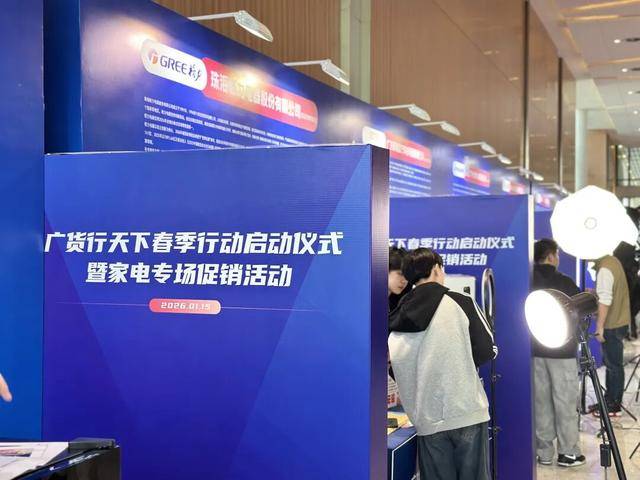
1月15日上午,由省委宣传部、省委网信办、省工业和信息化厅、省农业农村厅、省商务厅、省文化和 旅游厅联合主办,佛山市人民政府承办的"广货行天下"春季行动启动仪式在佛山潭洲会展中心举行,作 为首场的家电专场促销活动也在现场同步开展。 此次活动标志着2026年度广东省大规模线上促销行动正式拉开序幕,旨在贯彻落实党的二十届四中全会 精神及省委经济工作会议部署,以高质量供给激发消费潜能,为"十五五"时期发展开好局、起好步注入 强劲动力。 多维发布:政策、平台、产品协同赋能 本次活动突破了传统发布会形式,创新设置了"展示直播专区"。现场还汇聚了广州、珠海、佛山、中山 等30余家广东家电企业的拳头产品,并同步开启多平台、多矩阵的直播带货。企业负责人变身"产品推 荐官",深度讲解产品创新亮点;头部平台主播轮番上阵,现场展示与促销无缝衔接。这种"现场发布 +即时体验+线上直销"的模式,形成了流量叠加效应,瞬间带旺了消费气氛。 全域联动:整合资源塑造长效品牌 为确保活动影响力持续深入,各大电商平台同步上线"广货行天下"春季行动专区;活动同期,相关媒体 还深入佛山多家企业的家电制造基地进行探厂直播。此外,佛山市开展的"悦购佛山 ...
“广货行天下”叠加“年味肇庆” 多重消费补贴迎新春
Nan Fang Du Shi Bao· 2026-01-15 05:10
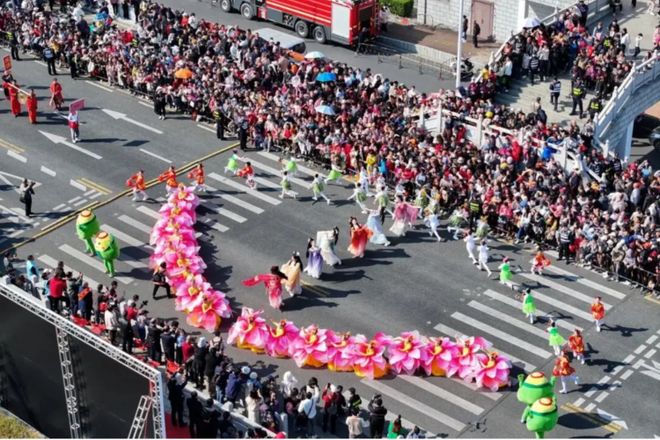
Core Viewpoint - The article highlights the vibrant consumer spending initiatives in Zhaoqing, Guangdong, as part of the "New Year Celebration" campaign, showcasing significant financial incentives and cultural activities to stimulate local tourism and consumption [2]. Group 1: Consumer Incentives - Zhaoqing has issued 4,876 consumption vouchers, generating a direct consumption boost of 332 million yuan as of January 2 [2]. - The "Old for New" subsidy program continues, offering substantial rebates: up to 20,000 yuan for cars, 1,500 yuan for home appliances, and 500 yuan for digital products [3]. - A new initiative called "Buy New, Get Subsidy" has been launched, with an investment of nearly 20 million yuan, resulting in a consumption increase of 530 million yuan, benefiting 17,000 participants [6]. Group 2: Dining and Lottery Promotions - Dining vouchers are available, providing discounts of 40 yuan for 200 yuan spent, 100 yuan for 500 yuan, and 200 yuan for 1,000 yuan, usable at 46 local merchants [7]. - A lottery campaign encourages consumers to obtain invoices for purchases over 100 yuan, with chances to win a Xiaopeng M03 car and local specialty gifts [7][8]. - The lottery will have two rounds, with the first round in early February 2026 and the second in early March 2026, offering additional prizes such as scenic tickets and local food [8]. Group 3: Cultural and Tourism Activities - Zhaoqing plans to integrate cultural resources into a series of events from early February to the Lantern Festival, expecting to attract over 3 million participants [9]. - Key activities include traditional lion dances, flower lantern exhibitions, and various cultural fairs, connecting historical sites and promoting local heritage [9]. - The events will also feature fireworks displays and sports competitions, enhancing community engagement and consumer spending [9].
广货行天下 行出个“广东智造”的海阔天空
Nan Fang Du Shi Bao· 2026-01-15 04:53
Group 1 - The "Guangdong Goods Going Global" spring event was launched on January 15, featuring over 1,300 local home appliance companies, showcasing high-quality products and conducting live-streaming sales [1][2] - The event highlights the importance of the home appliance industry in Guangdong's traditional advantages, emphasizing the ambition for intelligent upgrades and renewal in "Guangdong Manufacturing" [2][4] - The initiative represents a digital evolution of the long-standing practice of sourcing goods from Guangdong, with over 30 key activities involving more than 6,000 enterprises across various sectors [3] Group 2 - Guangdong is recognized as a manufacturing powerhouse, with a robust industrial base and a vast consumer market, which allows for the continuous transformation of supply advantages into market strengths [2][4] - The event serves as a platform for real-time consumer engagement, showcasing innovative products and technologies, thus enhancing the purchasing experience [3][4] - Guangdong's manufacturing capabilities extend beyond traditional goods, with significant contributions to emerging sectors such as biomanufacturing, low-altitude economy, and humanoid robotics [4]
“广货行天下”春季行动首站走进佛山,全力托举家电销售
2 1 Shi Ji Jing Ji Bao Dao· 2026-01-15 04:22
Core Viewpoint - The "Guangdong Goods Going Global" spring action has been launched to enhance the visibility and market influence of high-quality Guangdong products, particularly in the home appliance sector, aiming for breakthroughs in online sales and long-term brand building [1][2]. Group 1: Event Overview - The event was co-hosted by various provincial departments and the Foshan municipal government, marking the start of a large-scale online promotion campaign for 2026 [1]. - The home appliance sector is the first focus of this initiative, with plans to expand to other advantageous industrial clusters in Guangdong [1]. Group 2: Participation and Innovation - Major e-commerce platforms like Taotian, Vipshop, and Xinxuan announced plans to create dedicated sections for "Guangdong Goods," showcasing quality products and providing promotional support through data-driven marketing [2]. - The event featured an innovative "live demonstration area," where over 30 leading Guangdong home appliance companies showcased their products through live streaming, enhancing consumer engagement and sales [2]. Group 3: Supporting Policies - Foshan's broader "Warm Winter Shopping Season" initiative aligns with national and provincial policies to stimulate consumption, including a "trade-in" program and local promotional activities, creating a synergistic effect with the spring action [2].
焕新惠民政策红利精准激发消费热情 消费市场持续火热迎来“开门红”
Yang Shi Wang· 2026-01-15 04:14
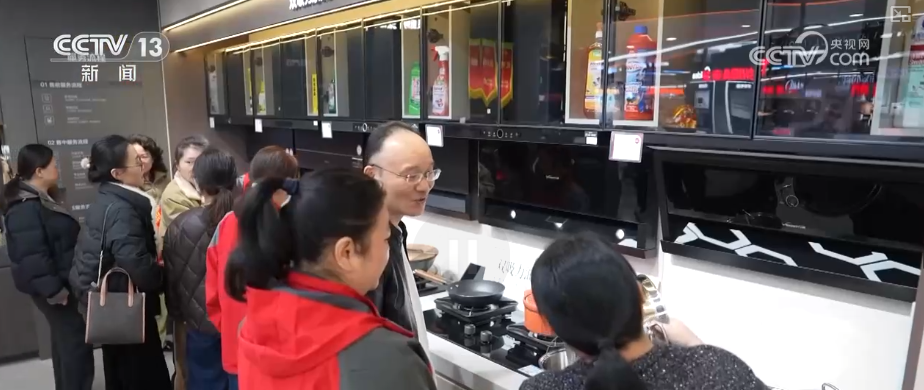
Core Insights - The new round of consumer goods trade-in policy has been implemented, leading to a surge in the consumption market in regions like Hunan and Shanxi, marking a strong start to the new year [1] Group 1: Policy Impact - The trade-in policy has resulted in significant consumer interest, with many consumers in Hunan's Changsha city actively inquiring about the "national subsidy" policy at large appliance stores [3] - The subsidy from businesses and manufacturers can reach up to 45%, contributing to a sales increase of over 30% since January 1 [7] Group 2: Product Coverage - Hunan's 2026 trade-in policy has expanded the scope of subsidized products to include "digital and smart products," covering smartphones, tablets, smartwatches, smart glasses, and smart home products [9] - The current "national subsidy" program includes six categories of home appliances and four categories of digital smart products, with a subsidy standard of 15% off the final price after all discounts [14] Group 3: Consumer Behavior - Consumers are taking advantage of the subsidies, with reports of significant discounts, such as a consumer purchasing a refrigerator for 2,000 yuan less on the first day of the subsidy [13] - The addition of smart glasses in the 2026 policy is particularly appealing to younger consumers, indicating a shift in consumer preferences [13]