军工

Search documents
泉果基金赵诣: “困境反转”开启锂电池步入量价齐升新阶段
Zheng Quan Shi Bao· 2025-10-19 17:57
Core Viewpoint - The renewable energy sector is showing signs of stabilization and recovery after nearly four years of deep adjustment, with significant increases in indices related to lithium batteries and electric vehicles, outperforming the broader market [1][2] Industry Overview - The current state of the renewable energy sector is characterized by "positive changes" and a "reversal of difficulties," with prices and profits at historical lows, indicating a shift in the core contradictions of the industry [2] - The lithium battery supply chain is experiencing price increases, suggesting a reversal in supply and demand after four years of adjustment [2] Demand and Supply Dynamics - Demand for lithium batteries remains strong, with applications expanding beyond electric vehicles to include electric ships, robots, low-altitude economy, energy storage, sanitation vehicles, and heavy trucks, supporting a compound annual growth rate of 20% to 30% [2] - The industry is expected to face a supply-demand gap starting in 2024, leading to a sustained price increase cycle [2] Lithium Battery Industry Insights - The lithium battery industry is at a new starting point characterized by simultaneous increases in volume and price, driven by diverse demand [2] - Leading companies in the lithium battery supply chain are operating at full capacity, indicating a tightening supply situation [3] Solid-State Battery Developments - Solid-state batteries are viewed as the "future battery" of the renewable energy industry, with recent breakthroughs in technology significantly enhancing performance, including potential range improvements [3] - However, solid-state batteries have not yet achieved mass production and lack commercial competitiveness due to low lithium prices [3] Investment Strategy - The investment strategy focuses on maintaining a clear framework based on company fundamentals and industry competition, emphasizing high-end manufacturing and technology sectors [4][5] - The current portfolio is balanced between growth sectors like AI and industries in a "reversal of difficulties" phase, such as renewable energy and military [5] - In AI investments, the focus is on efficiency-driven internet leaders, new application-driven companies, and cloud service providers, while military investments are driven by increasing domestic and international demand [5]
招商证券:投资者逢低加仓意愿较强 市场有望重拾升势
Zheng Quan Shi Bao Wang· 2025-10-19 15:05
Core Viewpoint - The current market is experiencing a strong inflow of incremental funds, with investors showing a strong willingness to accumulate positions on dips, indicating a potential recovery in market momentum [1] Short-term Strategy - Focus on previously popular sectors such as domestic computing power, semiconductor self-sufficiency, controllable nuclear fusion, military industry, and commercial aerospace, which may rebound as risk appetite increases [1] Long-term Strategy - Long-term investments should consider the potential economic resonance between China and the U.S. in 2026 and the trend of rising Producer Price Index (PPI), with an emphasis on allocating resources to low-position cyclical sectors [1]

泉果基金赵诣:新能源供需格局出现逆转短期调整不改向好态势
Shang Hai Zheng Quan Bao· 2025-10-19 12:31
Core Insights - The new energy sector is experiencing a reversal in supply and demand dynamics, with positive changes on the supply side driven by market factors and "anti-involution" policies [1][2] - Investment opportunities are not only arising from supply improvements but also depend on sustained demand performance [1][3] Supply and Demand Dynamics - After a prolonged adjustment period, the new energy sector has shown significant strength this year, with prices and profits at low levels across various segments [2] - The supply-demand gap in the industry has been narrowing since last year, and there is a strong possibility of a supply shortage next year, leading to a sustained price increase cycle [2] - Recent stabilization in lithium carbonate prices is crucial for the new energy industry, as it is more market-driven compared to cobalt prices, which are influenced by non-market factors [2] Investment Strategy - The investment strategy focuses on high-end manufacturing and technology sectors, selecting companies with global competitiveness and supporting their growth over the long term [4] - The current investment portfolio is concentrated in new energy, electronics, machinery, and military industries, with a "two-end allocation" strategy that emphasizes technology and AI on one end and new energy and military on the other [4] - AI technology is accelerating its implementation across various sectors, contributing to actual revenue for some companies, indicating a continuous emergence of high-quality investment opportunities [4]
中国稀土出口管制政策对全球高端制造业的影响分析
Sou Hu Cai Jing· 2025-10-19 06:57
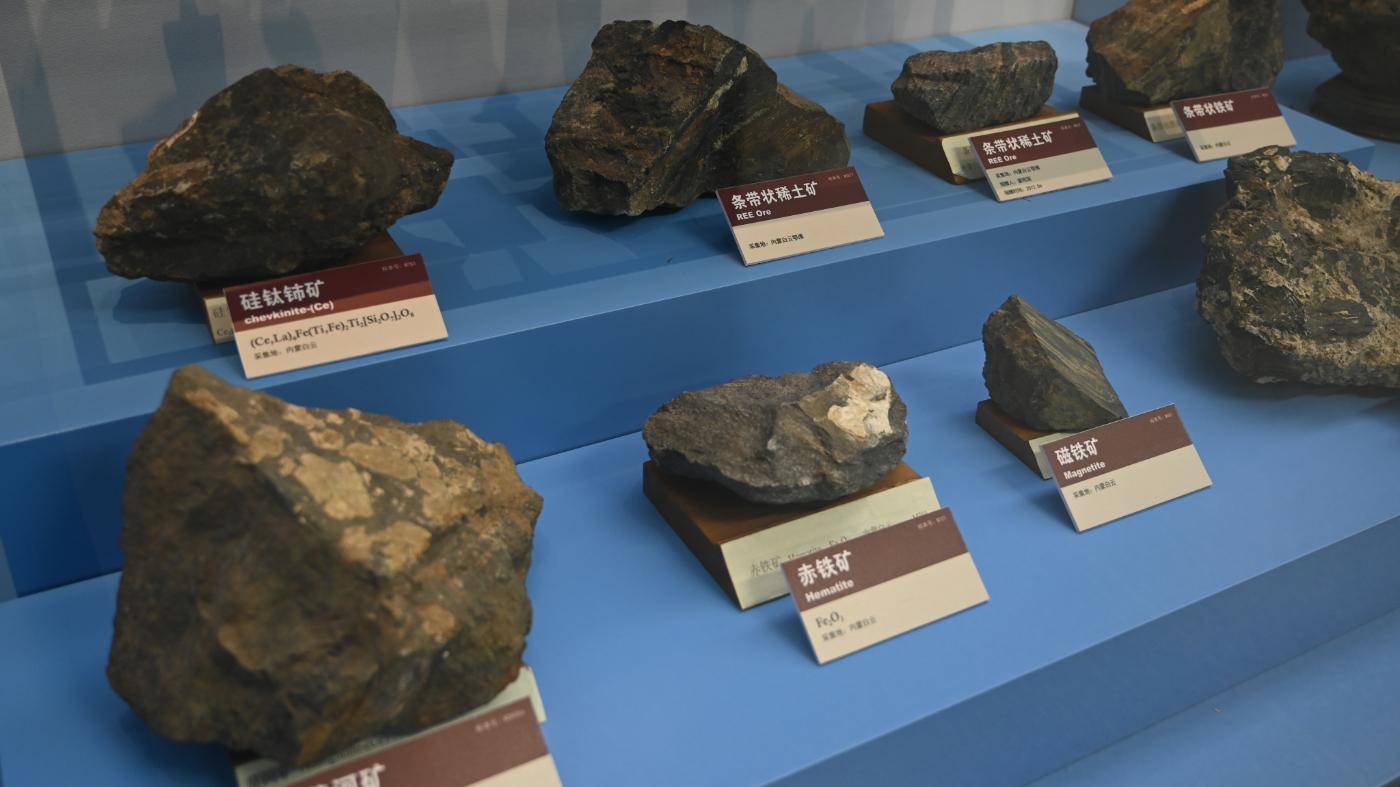
Core Insights - China's new rare earth export regulations, effective from October 9, 2025, significantly impact the global supply chain, reflecting a shift in strategic resource management and the competitive landscape in technology [1][11] - The regulations introduce a comprehensive control system that includes not only the export of raw materials but also extends to products containing Chinese rare earth elements, with a threshold of 0.1% for controlled substances [3][11] Regulatory Framework - The new regulations feature a "full-chain penetration control" approach, covering all aspects of the rare earth industry from mining to recycling [3] - Key elements include a 0.1% content threshold focusing on critical applications like high-performance magnets and semiconductor materials, and a 45-day approval cycle affecting global supply chain timelines [3][11] Global Manufacturing Impact - Rare earth elements are essential in high-end manufacturing, with significant applications in products like the F-35 fighter jet and Tesla Model 3 [4] - China dominates the rare earth market, controlling 70% of global mining, 90% of separation processing, and 93% of permanent magnet manufacturing [4] Case Studies - ASML, the sole producer of advanced EUV lithography machines, faces potential production disruptions due to the new regulations, as its products contain 0.3% dysprosium, exceeding the new threshold [5] - The U.S. military and semiconductor industries are also at risk, with rising costs and potential delays in production schedules due to increased rare earth prices [5][6] Market Reactions - The stock market has reacted variably, with Chinese rare earth companies seeing price increases while U.S. firms like Applied Materials experienced declines, indicating a reassessment of the strategic value of rare earths [6][11] Strategic Responses - Countries are diversifying their supply chains in response to the new regulations, with the U.S. supporting domestic rare earth industries and forming partnerships with countries like Australia and Canada [8] - Companies are adjusting inventory and procurement strategies, with some exploring alternative technologies to reduce reliance on rare earths [8] Industry Evolution - China's rare earth industry is focusing on upgrading and transitioning towards high-end, circular, and clustered development, enhancing its competitive edge in advanced processing technologies [9] - The new regulations signify a shift in China's role in global governance, moving from rule adaptation to active participation in rule-making [11][12]



美联储十月降息重大转折!10月19日,今日凌晨的三大消息冲击股市!
Sou Hu Cai Jing· 2025-10-18 19:55
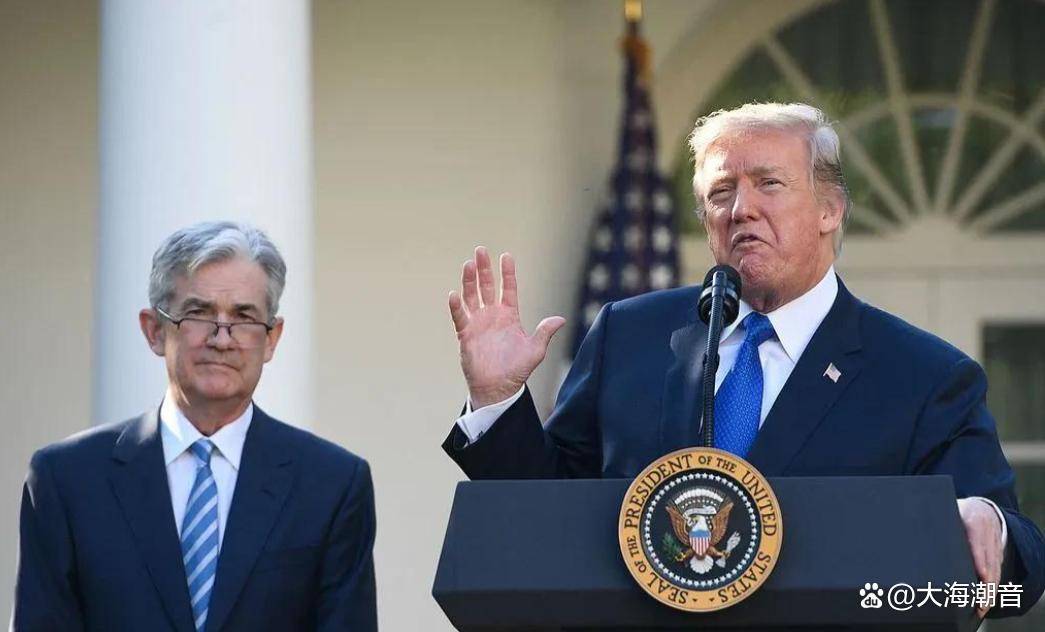
Group 1: Immigration and Employment Policy - The ongoing dispute over H-1B visa application fees has escalated, with costs rising from thousands of dollars to $100,000, significantly impacting the U.S. tech industry that relies on foreign talent [1] - Large companies may absorb the increased costs, but startups and small businesses are likely to struggle, potentially weakening their competitiveness in R&D and product innovation [1] - The rising costs may push some tech talent to other countries, threatening the U.S.'s attractiveness in the global high-skilled talent market [1] Group 2: Resource Security - The U.S. Department of Defense has halted a $500 million cobalt procurement bid, which was intended to build strategic reserves for the renewable energy and military sectors [2] - The global cobalt supply is heavily concentrated in the Democratic Republic of Congo, and previous export policy tightening has caused prices to double, complicating U.S. procurement efforts [2] - The lack of domestic refining and processing capabilities indicates that the U.S. will need more international cooperation and long-term investment to address raw material security weaknesses [2] Group 3: Monetary Policy - Ahead of the October Federal Reserve meeting, there is a surprising shift in internal positions, with most officials leaning towards a 25 basis point rate cut, and some suggesting a possibility of 50 basis points [4] - Current signs of economic slowdown and labor market risks make a rate cut almost certain, with the probability of a 25 basis point cut nearing 100% [4] - The potential for a shift in liquidity management, including halting balance sheet reduction, may provide a supportive signal for both the bond and stock markets [4] Group 4: Market Implications - The intersection of immigration policy barriers, resource reserve bottlenecks, and monetary easing creates a complex environment for the U.S. market [4] - While short-term liquidity signals may dominate market behavior, long-term attention should be given to changes in industry competitiveness and supply chain security [4] - If the anticipated rate cut occurs, combined with improved liquidity by year-end, it could enhance global risk appetite, although underlying issues in talent and resource availability may continue to drive market volatility [4]
美联储十月降息重大转折!10月19日,今日凌晨的四大消息正式来袭!
Sou Hu Cai Jing· 2025-10-18 18:30
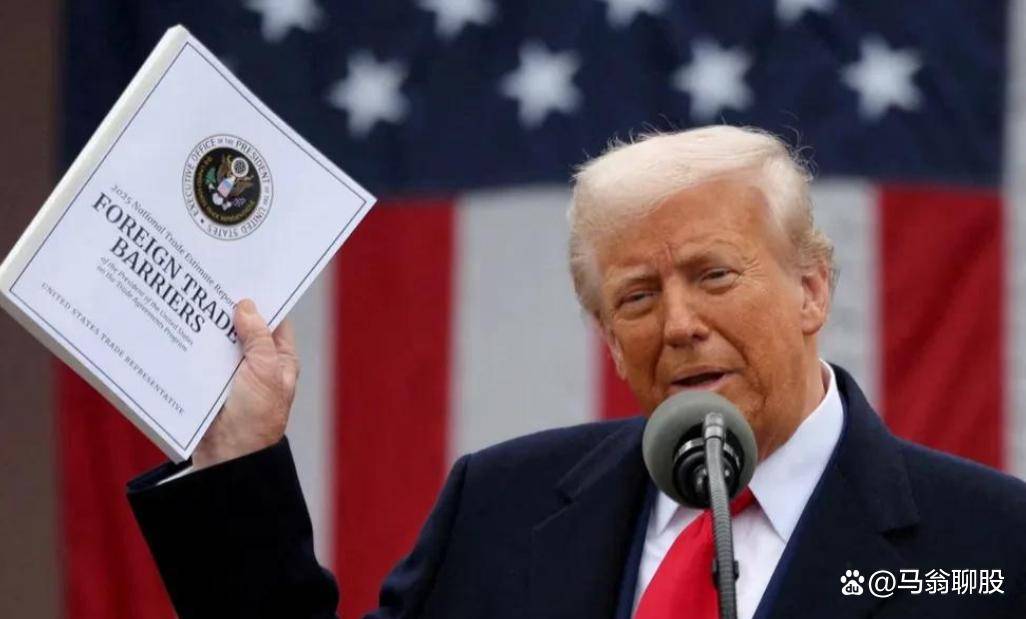
Group 1: Impact of Trump's H-1B Visa Policy - The new H-1B visa regulation increases application fees for high-skilled foreign workers to $100,000 from a few thousand dollars, significantly raising employment costs for companies, particularly small businesses and startups [1] - The policy contradicts the goal of boosting U.S. manufacturing, which requires more high-skilled workers, thus potentially leading to a talent drain to competing countries [1] Group 2: U.S. Defense Department's Cobalt Procurement Cancellation - The U.S. Defense Department canceled a $500 million cobalt procurement tender, which was intended to secure over 7,000 tons of alloy-grade cobalt for strategic reserves, marking the largest scale since the 1990s [3] - The cancellation highlights vulnerabilities in the U.S. supply chain for critical resources, as the country relies heavily on overseas suppliers, particularly from the Democratic Republic of Congo [3] Group 3: Federal Reserve's Interest Rate Decision - Ahead of the October 28-29 meeting, Federal Reserve officials are discussing potential interest rate cuts, with a consensus leaning towards a 25 basis point reduction, while some suggest a more aggressive 50 basis point cut [4] - The possibility of halting balance sheet reduction could signal increased liquidity in the market, positively impacting risk assets [4] Group 4: Overall Market Implications - The combination of these three developments suggests a reassessment of investment strategies in technology and resource sectors, as investors may reposition their portfolios in response to the changing landscape [4] - The uncertainty in U.S. policies and resource procurement may accelerate competition among global economies for talent and resources, potentially reshaping global supply chains [4]
美专家:若中国限制稀土出口,美国将承受“毁灭性”后果
Sou Hu Cai Jing· 2025-10-18 13:25
Core Viewpoint - The recent threats by Trump to impose an additional 100% tariff on Chinese goods highlight the U.S.'s panic and helplessness regarding its dependence on Chinese rare earth elements, particularly in the context of national security and military capabilities [1][12]. Group 1: U.S. Dependence on Chinese Rare Earths - Approximately 70% of the U.S.'s rare earth supply is imported, with China controlling 90% of the global medium and heavy rare earth refining capacity [4]. - 75% of the U.S. military supply chain relies on Chinese rare earth exports, indicating a critical vulnerability in national defense [4]. - The U.S. military's reliance on Chinese rare earths is evident, as 87% of the supply chain for 153 types of military equipment is dependent on Chinese processing [3]. Group 2: Challenges in Reducing Dependence - The true advantage of China in the rare earth sector lies in its complete industrial chain, from mining to manufacturing, along with decades of accumulated technological patents [5]. - Despite significant investments, Japan has struggled to reduce its dependence on Chinese rare earths, with over 70% still reliant on imports [5]. - Even with the discovery of rare earth resources, Japan faces technological and environmental challenges that hinder commercial extraction [8]. Group 3: Implications for U.S. National Security - The new export controls by China on rare earths directly threaten U.S. military capabilities, potentially leading to a situation where the U.S. military could be severely compromised in a conflict [12][14]. - If the U.S. cannot access the necessary rare earths, its military equipment, including aircraft and missiles, may become inoperable, rendering military spending ineffective [14]. - The ongoing situation underscores the need for the U.S. to acknowledge its vulnerabilities and consider cooperation with China rather than relying solely on tariffs and sanctions [15].
策略周专题(2025年10月第2期):短期调整,无需悲观
EBSCN· 2025-10-18 12:31
Group 1 - The A-share market experienced a pullback this week, influenced by declining risk appetite and increased uncertainty in US-China relations, with the STAR 50 index dropping 6.2% and the Shanghai 50 index only 0.2% [1][11][20] - The overall market is still in a bull market phase, but may enter a wide fluctuation stage in the short term, with the current maximum drawdown being 4.01%, which is within historical levels [3][39][41] - Short-term focus should be on defensive and consumer sectors, while mid-term attention should be on TMT (Technology, Media, and Telecommunications) and advanced manufacturing sectors [4][43][46] Group 2 - The market style this week favored value stocks, with large-cap value stocks increasing by 2.1%, while mid-cap growth stocks decreased by 5.8% [15][18] - In terms of industry performance, banking, coal, and food and beverage sectors performed relatively well, with respective increases of 4.9%, 4.2%, and 0.9% [15][70] - The TMT sector is expected to become a mid-term focus due to various catalysts, including the ongoing development of AI and the Federal Reserve's interest rate cuts [46][48]
中美关税大战:最后谁赢了不重要,而美国再无可能排除中国
Sou Hu Cai Jing· 2025-10-18 12:17
Group 1 - The core issue of the ongoing tariff war is not merely about trade disputes but reflects a broader geopolitical struggle between the US and China, impacting industries, security, and strategy [2][17] - In 2025, the US raised tariffs on Chinese goods to unprecedented levels, with some rates reaching as high as 145%, significantly affecting various sectors including steel, automobiles, and electronics [4][6] - China's response to the tariffs has been strategic and multifaceted, including a 34% indiscriminate counter-tariff, export controls on rare earths, and the introduction of a list of unreliable entities [6][15] Group 2 - The US's attempts to decouple from China through initiatives like "reshoring" and "friend-shoring" have largely failed, as alternative countries lack the necessary infrastructure and supply chain capabilities to replace China's comprehensive industrial system [8][11] - China's logistics, efficiency, and industrial collaboration capabilities serve as significant competitive advantages, exemplified by major projects like the New Western Land-Sea Corridor and the China-Europe Railway Express [9] - The tariff war has inadvertently led to increased domestic demand in China, with contributions from domestic consumption to economic growth nearing 70% by 2025, indicating a shift towards a more self-reliant economy [13][15] Group 3 - The tariff conflict has highlighted the unsustainable nature of the US's strategy, resulting in domestic inflation and increased costs for American consumers, while China has used the situation to accelerate its industrial upgrades and structural adjustments [13][15] - The ongoing competition between the US and China is evolving, focusing on stability, resilience, and foresight rather than mere strength, suggesting a significant shift in the global economic landscape [19]
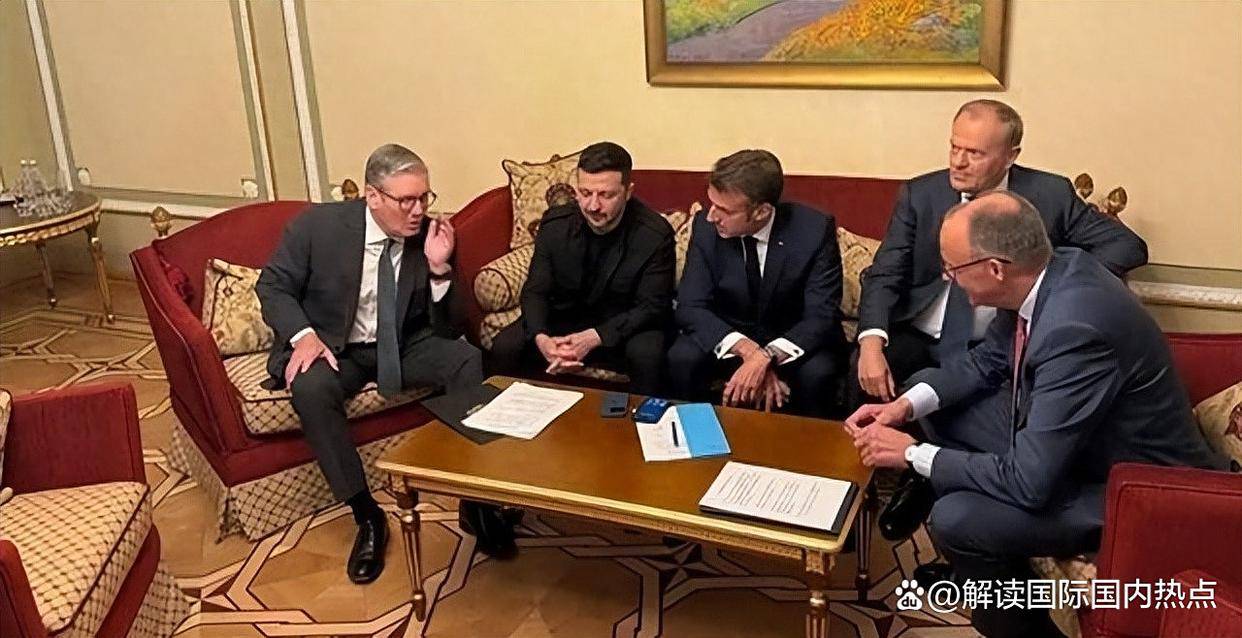
打了1000多天烧光1690亿欧元,欧洲27国终于集体认怂,开始捡起了中国的老办法
Sou Hu Cai Jing· 2025-10-17 22:50
Core Viewpoint - The article discusses the significant shift in Europe's stance regarding the Russia-Ukraine conflict, moving from aggressive support for Ukraine to advocating for peace negotiations, highlighting the economic pressures that have influenced this change [1][5][6]. Economic Impact - The economic strain on Europe has been severe, with natural gas prices soaring tenfold and inflation rates in France and the UK reaching alarming levels, leading to public protests over rising living costs [3]. - By mid-2025, the EU's total aid to Ukraine reached an astonishing €169 billion, with Germany contributing €17 billion, surpassing the US's aid of €114 billion, indicating Europe's unexpected role as the largest financial supporter of Ukraine [3]. Political Shift - In August 2025, 26 EU countries and the UK issued a rare joint statement calling for an immediate unconditional ceasefire for 30 days, reflecting a newfound urgency to end the conflict despite still emphasizing the need to prevent Russian success [5]. - The EU has begun utilizing frozen Russian assets to fund aid to Ukraine, indicating a shift from broad financial support to more strategic and limited assistance, demonstrating a pragmatic approach to the ongoing crisis [5]. Strategic Realignment - The article notes a growing realization among European nations that they cannot rely solely on the US for security, prompting calls for greater European strategic autonomy, as seen in France's push for domestic defense procurement and Germany's shift away from US military systems [6][8]. - The current European approach of advocating for dialogue and political solutions mirrors China's long-standing position, suggesting a broader recognition of the value of diplomacy over confrontation [8].