外卖

Search documents
美团:已有5.2亿外卖用户选择“无需餐具” 骑行减碳量超210万吨
Zhong Guo Jin Rong Xin Xi Wang· 2025-08-15 08:05
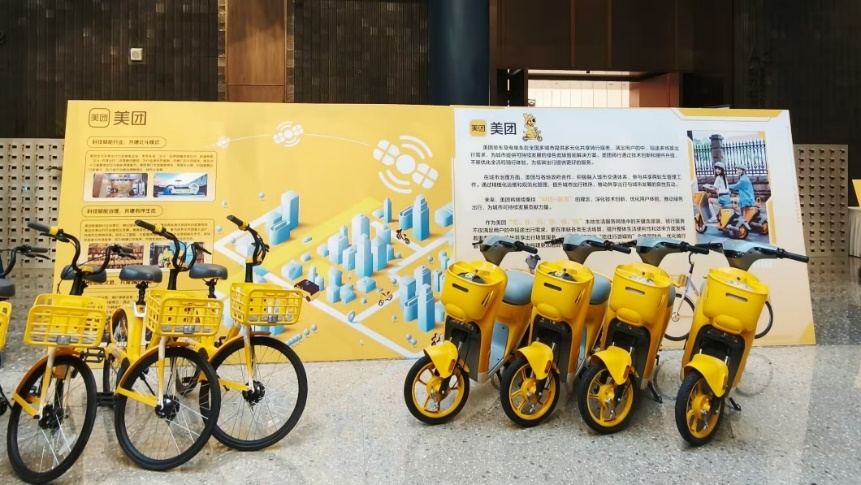
Core Insights - The article highlights the significant progress made by Meituan in promoting environmental sustainability through various initiatives over the past years, particularly in the context of the "Green Mountains and Clear Water are Gold and Silver Mountains" philosophy established 20 years ago [1] Group 1: Environmental Initiatives - As of July 2025, over 2.6 million merchants will have "Merchant Green Mountain Profiles," with 520 million Meituan takeaway users opting for "no tableware," resulting in over 10 billion related orders and a carbon reduction of 360,000 tons [1] - 13,000 merchants have adopted the "Support Self-Carry Cup" label, reaching 7 billion people through environmental advocacy [1] - Meituan has implemented large-scale waste sorting and takeaway box recycling projects in 22 cities across 20 provinces, recovering over 35,000 tons of takeaway boxes [1] Group 2: Green Transportation - In the past year, Meituan's shared two-wheeled vehicles have achieved a total riding distance of 10.78 billion kilometers, resulting in a carbon reduction of over 583,000 tons [2] - User surveys indicate that approximately 23% of Meituan bike users have replaced high-carbon travel methods such as cars, while 36% of electric bike users have also substituted high-carbon travel, effectively reducing urban carbon emissions [2] - From January 2019 to the present, Meituan users have accumulated a riding distance of about 40.7 billion kilometers, leading to a total carbon reduction of over 2.1 million tons [2] Group 3: Local Innovations - Huzhou has innovatively proposed the construction of "Ecological ID Cards," allowing citizens to track their riding activities and convert them into corresponding carbon reduction amounts, earning "Green Coins" for rewards [3] - Hefei has launched a carbon benefit platform "Carbon Benefit Luzhou," with Meituan riding responding to green travel scenarios by transforming over 4,000 old tires into community sports spaces, providing convenience to urban residents [3]


外卖业务拖累,京东第二季度净利润“腰斩”,科技股业绩还靠谱不?|公司观察
Di Yi Cai Jing Zi Xun· 2025-08-15 07:52
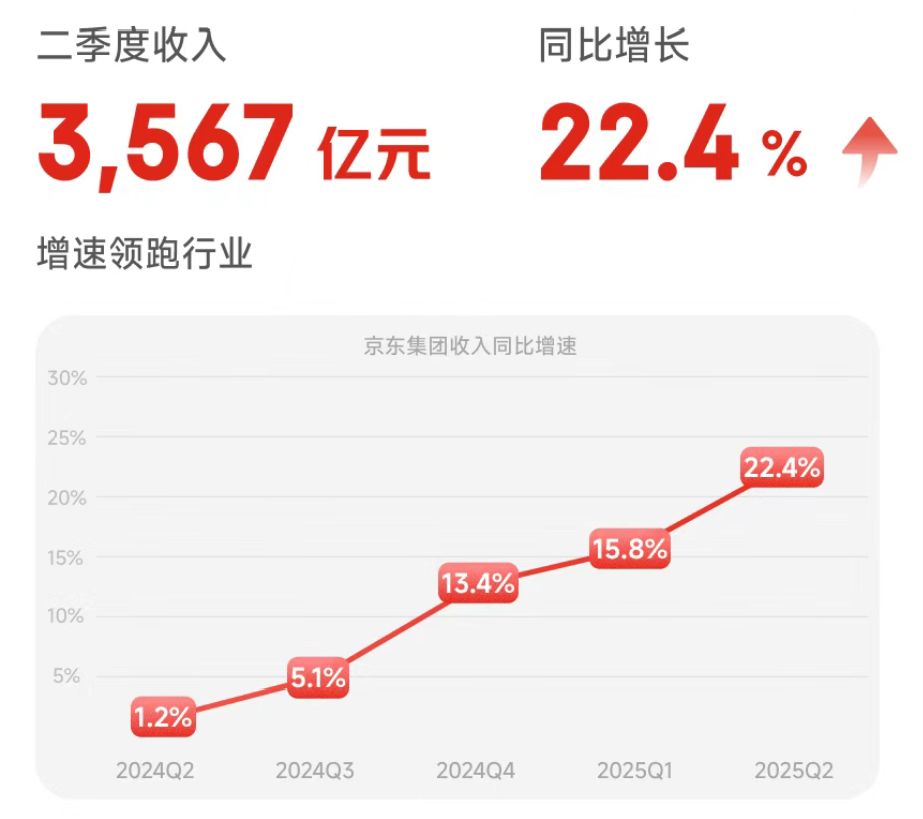
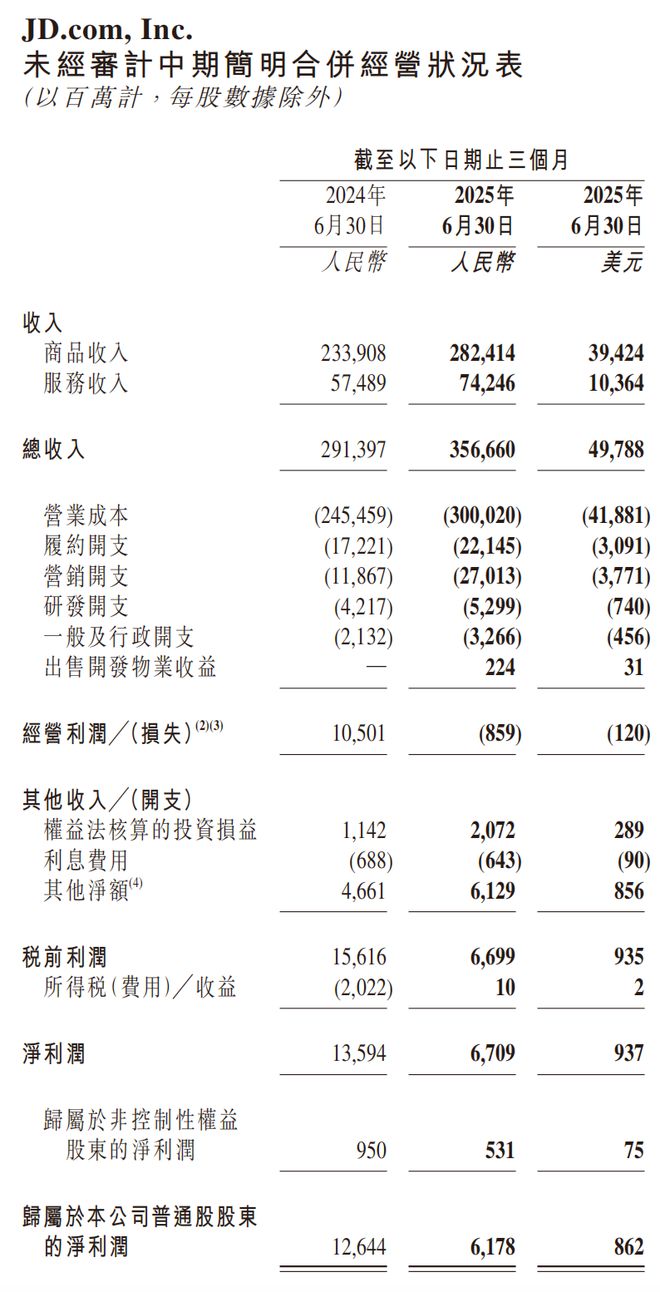
Core Viewpoint - JD Group reported a significant decline in net profit for Q2 2025, primarily due to losses from its new food delivery business, despite overall revenue growth [1][2]. Financial Performance - JD's Q2 2025 operating loss was 859 million RMB, a stark contrast to an operating profit of 10.5 billion RMB in Q2 2024 [2][4]. - The net profit attributable to shareholders for Q2 2025 was 6.178 billion RMB, down 50.8% year-on-year [1][4]. - Total revenue for Q2 2025 reached 356.66 billion RMB, reflecting a year-on-year growth of 22.4% [2][3]. - Operating costs increased by 22.2% to 300 billion RMB, with marketing expenses surging by nearly 129% to 27.013 billion RMB [2][3]. Business Segments - The food delivery segment generated 13.852 billion RMB in revenue but reported a staggering operating profit margin of -106.7% [5]. - The company’s strategic investments in new businesses, including food delivery, have led to increased operational costs, impacting overall profitability [2][4]. Market Dynamics - Intense competition in the food delivery market has led to unsustainable pricing strategies, affecting the industry’s price structure and creating challenges for merchants [4][7]. - Analysts predict that losses in the food delivery segment may continue to expand in Q3 2025, further impacting JD's overall financial performance [6][7]. Cash Flow and Share Buyback - JD's free cash flow for Q2 2025 was 22.018 billion RMB, a significant decrease from 49.555 billion RMB in the same period last year [8][9]. - The company repurchased approximately 80.7 million Class A ordinary shares, totaling around 1.5 billion USD, with a remaining buyback amount of 3.5 billion USD as of August 14 [5]. Industry Outlook - Other tech companies, including Meituan and Alibaba, are expected to report similar challenges due to their early investments in the food delivery sector, although the impact may not be as severe as JD's [10][11]. - The competitive landscape is anticipated to remain challenging, with potential pressure on profit margins across the sector due to increased subsidies and promotional activities [11].

京东集团-SW(09618):25Q2财报点评:电商收入及利润超预期,关注外卖后续投入与生态协同
CMS· 2025-08-15 07:04
Investment Rating - The report maintains a "Strong Buy" rating for JD Group [4][6] Core Views - JD Group's Q2 2025 performance exceeded expectations with revenue of 356.66 billion yuan, a year-on-year increase of 22.4%, driven by government subsidies and user growth [1][6] - The retail segment generated revenue of 310.075 billion yuan, up 20.6% year-on-year, with retail operating profit reaching 13.94 billion yuan, a 37.9% increase [1][6] - Non-GAAP net profit for the quarter was 7.394 billion yuan, down 48.9% year-on-year, but better than consensus expectations [1][6] - The report highlights the robust growth of the takeaway business and its potential synergy with the retail segment, emphasizing the need to monitor future investments in this area [1][6] Financial Data and Valuation - Projected revenue for JD Group is expected to grow from 1,084.662 million yuan in 2023 to 1,383.240 million yuan in 2027, with a compound annual growth rate (CAGR) of approximately 3% [3][7] - Non-GAAP net profit is projected to fluctuate, with estimates of 27.603 billion yuan in 2025, 49.083 billion yuan in 2026, and 63.430 billion yuan in 2027 [3][7] - The report provides a target valuation range of 146-182 HKD per share based on a 2026 Non-GAAP net profit multiple of 8-10 times [4][6] Stock Performance - JD Group's stock has shown a 1-month absolute performance of 9.1%, a 6-month performance of 17.6%, and a 12-month performance of 20.0% [5]
京东集团-SW(09618):零售板块稳健增长带动收入超预期
HTSC· 2025-08-15 06:39
Investment Rating - The report maintains a "Buy" rating for the company [6][22]. Core Insights - The company's revenue for Q2 2025 reached 356.7 billion RMB, representing a year-on-year growth of 22.4%, exceeding both consensus expectations and previous forecasts [1][11]. - Non-GAAP net profit for Q2 2025 was 7.4 billion RMB, a decline of 48.9% year-on-year, but still better than expected [1][11]. - The retail segment's operational profit exceeded expectations, contributing significantly to the overall performance [1][4]. Revenue and Profitability - The total revenue for JD's retail segment in Q2 2025 was 310.1 billion RMB, with a year-on-year increase of 20.6% [2][21]. - The operating profit for the retail segment was 13.9 billion RMB, reflecting a year-on-year growth of 37.9% [2][11]. - The number of active buyers in the retail segment grew by over 40% year-on-year, marking the seventh consecutive quarter of double-digit growth [2][21]. Business Development and Strategy - The report highlights the rapid development of JD's food delivery business, with peak daily orders exceeding 25 million during Q2 2025 [3][21]. - Management aims to enhance the synergy between the food delivery and retail businesses, focusing on improving core system capabilities and optimizing order algorithms [3][21]. - The company is expected to enter an efficiency optimization phase for its delivery business starting Q3 2025, influenced by the overall growth in order volume [1][3]. Financial Forecasts and Valuation - The report revises the non-GAAP net profit forecasts for 2025-2027 upwards by 25.7%, 9.8%, and 7.1% to 278 billion RMB, 455 billion RMB, and 590 billion RMB respectively [4][19]. - The target price based on SOTP valuation is set at 46.35 USD per ADS and 181.94 HKD per ordinary share, reflecting an increase from previous estimates [4][22]. - The company is currently trading at adjusted PE ratios of 13.3x, 8.1x, and 6.3x for 2025-2027 [4][22].
京东谈外卖价格战:过度竞争行为“不可持续”
Huan Qiu Wang Zi Xun· 2025-08-15 04:25
Group 1 - JD's Q2 revenue reached 356.7 billion yuan, a year-on-year increase of 22.4% [1] - The company emphasizes a long-term strategy in the competitive food delivery market, focusing on sustainable business models over short-term gains [3] - JD's management highlighted the importance of a "quality delivery" model, distancing itself from unsustainable competitive behaviors that disrupt market order [3] Group 2 - Management noted that while investments in new business areas may impact short-term profit margins, they are expected to create larger growth opportunities and synergize with core operations in the long run [3] - JD aims to maintain investment discipline, focusing on return on investment (ROI) during the investment process [3] - The company expressed a commitment to long-term success in the food delivery business, aiming for sustainability over a period of 5, 10, or even 20 years [3]
3000万人的行业,将被颠覆?
Sou Hu Cai Jing· 2025-08-15 03:35
Core Viewpoint - The article discusses the transformative impact of new delivery models in the restaurant industry, highlighting how companies like Meituan and JD.com are reshaping consumer habits and the market landscape [1][18]. Group 1: New Restaurant Models - Meituan's "Raccoon Canteen" operates as a "no-dine-in delivery store," utilizing big data to identify optimal locations for opening stores, thus reducing rental costs [3][4]. - JD.com's "Seven Fresh Kitchen" directly engages in food preparation, sharing operational responsibilities and profits with partners, and aims to establish 10,000 locations in three years [6][7]. Group 2: Impact on the Restaurant Industry - The restaurant industry employs over 30 million people, including 20 million in restaurants and 10 million delivery workers, indicating a significant workforce affected by these changes [9]. - The shift towards delivery as a primary dining option is driven by changing consumer habits among younger generations, leading to a decline in dine-in experiences [10][11]. Group 3: Economic and Social Implications - Major platforms are expected to capture a larger share of restaurant profits, benefiting leading restaurant brands while potentially pushing smaller establishments out of the market [11]. - The reliance on delivery services will likely increase, leading to a decrease in home cooking among urban residents and a further decline in dine-in restaurant visits [12]. - Rental prices for restaurant spaces are projected to decrease as new models favor lower-cost properties, impacting traditional commercial real estate investments [13]. - The new delivery models may exacerbate urban-rural divides, with larger cities becoming more attractive due to enhanced convenience and lower costs, while smaller cities may struggle with population decline [14]. Group 4: Recommendations for Stakeholders - Stakeholders in the restaurant industry should adapt to the evolving landscape by enhancing food quality and considering exit strategies if positioned in the lower tiers of the market [16]. - Real estate investors in smaller cities should assess their assets in light of urban migration trends and consider divesting before potential declines in property value [16]. - Investors looking to capitalize on urban growth should focus on rental opportunities in core city areas, as demand for housing is expected to rise [16].

京东二季度新业务收入同比增长199% 外卖业务达成初期战略目标
Zhong Guo Xin Wen Wang· 2025-08-15 03:13
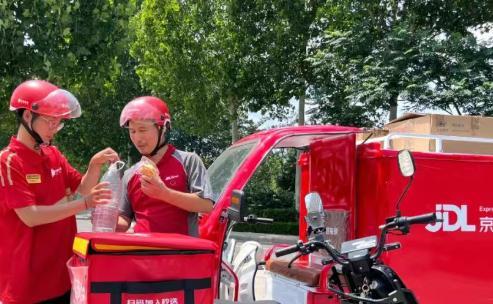
Core Insights - JD Group reported Q2 2025 revenue of 356.7 billion RMB, a year-on-year increase of 22.4%, exceeding market expectations and setting a new record for revenue growth in nearly three years [2] - The acceleration in revenue growth is primarily driven by the core retail business, with significant increases in key categories such as electrical appliances (up 23.4%) and daily necessities (up 16.4%), while the supermarket category has maintained double-digit growth for six consecutive quarters [2] - New businesses, including JD's food delivery service, saw a substantial revenue increase of 199% year-on-year, contributing to the overall growth [2] User Engagement and Business Performance - The number of active users and shopping frequency both experienced over 40% year-on-year growth, marking the seventh consecutive quarter of double-digit growth in active users [2] - JD's retail revenue grew by 20.6% year-on-year, with an operating profit margin of 4.5%, the highest recorded for any promotional quarter in the company's history [3] - The food delivery service achieved over 25 million daily orders, expanding its coverage to 350 cities and onboarding over 150,000 quality restaurants [3] Strategic Initiatives - JD's food delivery service emphasizes quality and service over aggressive market positioning, avoiding practices like "0 yuan purchase" and focusing on sustainable competition [4] - The launch of the "Seven Fresh Kitchen" platform aims to support partner restaurants by covering costs and promoting sustainable growth, with plans to establish 10,000 locations nationwide within three years [4] - The first "Seven Fresh Food MALL" opened, utilizing live-streaming and a quality development plan to enhance consumer trust and operational efficiency for restaurants [4]
京东外卖等新业务亏损147亿
2 1 Shi Ji Jing Ji Bao Dao· 2025-08-15 03:11
Core Viewpoint - JD Group's Q2 financial report shows significant revenue growth but also highlights challenges in profitability due to increased competition and investment in new business areas, particularly in the food delivery sector [2][4][6]. Financial Performance - The company's revenue for the quarter reached 356.7 billion CNY, a year-on-year increase of 22.4%, marking the highest growth rate in nearly three years [2]. - The net profit attributable to ordinary shareholders was 6.2 billion CNY, down from 12.6 billion CNY in the same period last year [2]. - Non-GAAP net profit was 7.4 billion CNY, compared to 14.5 billion CNY in the previous year [2]. User Engagement - The number of active users and shopping frequency both increased by over 40% year-on-year [2]. - The food delivery business achieved a daily order volume exceeding 25 million, covering 350 cities and over 1.5 million quality restaurant stores [2]. New Business Growth - Revenue from new businesses, including food delivery, surged by 198.79% year-on-year, reaching 13.85 billion CNY [4]. - However, the operating loss for this segment expanded significantly from 695 million CNY to 14.78 billion CNY, resulting in an operating profit margin of -106.7% [4]. Strategic Insights - JD's management emphasized that short-term profit margins may fluctuate due to competitive pressures and investment strategies, but these investments are intended to drive long-term growth and synergy with core retail operations [6][7]. - The integration of food delivery services is seen as a way to enhance cross-selling opportunities and solidify JD's position as a comprehensive service platform [6][8]. Competitive Landscape - JD is actively participating in the competitive food delivery market, which has been described as a "three-way battle" among major players [8]. - The company has established a robust service network, with nearly 200 restaurant brands achieving over one million sales and over 150,000 full-time delivery personnel under contract [8].
京东外卖等新业务亏损147亿
21世纪经济报道· 2025-08-15 03:07
Core Viewpoint - JD Group's second-quarter financial report shows significant growth in revenue and user engagement, but also highlights substantial losses in its new business segment, particularly in food delivery services [1][4][7]. Financial Performance - The company's revenue for the quarter reached 356.7 billion yuan, a year-on-year increase of 22.4%, marking the highest growth rate in nearly three years [1]. - Active user numbers and shopping frequency both grew by over 40% year-on-year [1]. - The net profit attributable to ordinary shareholders was 6.2 billion yuan, down from 12.6 billion yuan in the same period last year [1]. - The new business segment, which includes food delivery, saw revenue surge from 4.636 billion yuan to 13.852 billion yuan, a staggering increase of 198.79% year-on-year [4]. New Business Segment Analysis - Despite the revenue growth in the new business segment, operating losses expanded dramatically from 0.695 billion yuan to 14.777 billion yuan, resulting in an operating profit margin of -106.7% [4][8]. - The management indicated that short-term profit margins may fluctuate due to industry competition and investment pace, but these investments are aimed at breaking through growth ceilings and will eventually create new growth momentum [7]. Strategic Insights - The management emphasized that the new business is not a reckless venture but is intended to create a synergistic relationship with the core retail business, enhancing cross-selling opportunities [7]. - The food delivery service is positioned as a high-frequency consumption entry point, which is expected to solidify JD's platform as a "one-stop lifestyle service entry" [7]. - JD's logistics network and supply chain capabilities are being leveraged to optimize efficiency and enhance service offerings in the food delivery sector [7][8]. Competitive Landscape - JD is committed to resisting market practices that create bubbles, such as "0 yuan purchases," and aims to maintain a healthy profit margin in its core retail business [8]. - The company has established a robust service network with nearly 200 restaurant brands achieving over one million sales and has signed contracts with over 15,000 full-time delivery riders [8].

新业务收入同比增长199%,刘强东做外卖划算吗?京东交卷了
Mei Ri Jing Ji Xin Wen· 2025-08-15 02:04
Core Insights - The core viewpoint of the article emphasizes that JD Group is committed to long-term growth in its food delivery business, aiming for sustainability over immediate results [1][5][12] Financial Performance - In Q2, JD Group reported revenue of 356.7 billion yuan, a year-on-year increase of 22.4%, marking the highest growth rate in nearly three years [1][8] - JD Retail's revenue grew by 20.6% year-on-year, with an operating profit margin of 4.5%, the highest for any promotional quarter in the company's history [1][8] - Non-GAAP net profit attributable to shareholders was 7.4 billion yuan, a decline of 48.87% year-on-year, slightly below broker expectations [2] Business Growth and User Engagement - The food delivery segment contributed significantly, with new business revenue increasing by 199% year-on-year [1][8] - The number of active users and shopping frequency both grew by over 40% year-on-year, with active users achieving double-digit growth for seven consecutive quarters [1][8] Strategic Initiatives - JD Group views food delivery and instant retail as essential supplements to its core e-commerce business, indicating no intention to retract from these areas [5][6] - The company has launched its first restaurant infrastructure brand, "Seven Fresh Food Mall," and plans to establish 10,000 "Seven Fresh Kitchens" across the country within three years [9] International Expansion - JD Group is accelerating its international market strategy, including a bid to acquire European consumer electronics retailer CECONOMY for approximately 2.2 billion euros [10] - The company aims to leverage its supply chain capabilities to support both Chinese brands entering overseas markets and local e-commerce operations [10][11] Future Outlook - JD Group's investments in embodied intelligence and various sectors indicate a focus on enhancing logistics and supply chain efficiency [12] - The food delivery business is seen as a defensive strategy to stabilize the core e-commerce operations while exploring long-term sustainable growth through international expansion and supply chain development [12][13]