银行业

Search documents
变现不急了“旧换新”多了
Xin Lang Cai Jing· 2026-02-08 07:08
Core Insights - The recent fluctuations in gold prices have led to increased consumer activity in both selling and purchasing gold products, with many opting to wait and observe the market before making decisions [1][2][3] Group 1: Market Trends - There has been a noticeable increase in consumers visiting gold shops and banks to sell their gold products, particularly as international gold prices have experienced significant volatility [1][2] - The current gold recovery price is reported at 1059 yuan per gram, with many consumers choosing to hold off on selling due to recent price drops [2] - The "old for new" exchange model is gaining popularity among consumers, as it is perceived as a more cost-effective option compared to outright selling [3] Group 2: Consumer Behavior - Many consumers are adopting a wait-and-see approach due to the unpredictable nature of gold prices, with some expressing regret for not selling earlier [2][3] - As the Chinese New Year approaches, there is a surge in demand for gold jewelry, particularly items with symbolic meanings, which are especially popular among younger consumers [3] - The trend of consumers opting for smaller, intricately designed gold pieces is evident, with a focus on practicality and aesthetics [3] Group 3: Investment Strategies - Investors are becoming more rational in their approach to gold investments, choosing to accumulate gold in a staggered manner rather than making impulsive decisions based on price spikes [4] - There has been a noticeable increase in inquiries and purchases of investment gold bars, although sales have normalized following a price reversal at the end of January [4] - Financial institutions are adjusting their gold accumulation services in response to market fluctuations, indicating a shift in investment strategies among consumers [4]
2月7日金价对比!同样是黄金,价格却能差出430一克?
Sou Hu Cai Jing· 2026-02-08 06:09
Core Insights - The gold market experienced unprecedented price fluctuations on February 7, 2026, with international gold prices surging over 5%, reaching above $5000 per ounce, while domestic gold prices varied significantly across different sales channels [1][3]. Price Disparity - The price divergence in the gold market is attributed to different pricing mechanisms in international and domestic markets, influenced by geopolitical tensions in the Middle East and U.S. economic data, which affected investor sentiment and demand [3][6]. - Domestic gold consumption faced a seasonal demand slump post-Chinese New Year, leading brand gold stores to reduce prices to stimulate sales, while the Shanghai Gold Exchange reported a rise in spot prices [3][5]. Channel Pricing Differences - Bank investment gold bars are priced lower due to their focus on investment attributes, with prices around 1079.60 to 1106.64 yuan per gram, reflecting lower premiums compared to brand gold stores [5][6]. - Brand gold stores incorporate various costs such as design, processing, and operational expenses, leading to higher prices, with quotes ranging from 1480 to 1500 yuan per gram [5][10]. - The Shenzhen Shui Bei wholesale market offers competitive pricing at approximately 1247 yuan per gram, appealing to consumers seeking better value [5][11]. Recovery Market Dynamics - The gold recovery market operates on a different pricing structure, with recovery prices for 999 gold around 1050-1070 yuan per gram, disregarding brand premiums and craftsmanship [6][8]. - Consumers face potential pitfalls in the recovery market, including deceptive practices by some shops that reduce the actual recovery price [8][13]. Regional and Timing Factors - Regional price variations exist, with first-tier cities generally having higher prices due to increased operational costs, and the timing of price adjustments in domestic markets lagging behind international fluctuations [8][10]. - The gold market's short-term volatility is normal, with significant price swings observed, highlighting the risks for leveraged traders [10][15]. Consumer Guidance - Understanding the gold market's pricing logic and channel differences is crucial for consumers to make informed purchasing decisions and avoid overspending due to information asymmetry [15].


财通证券:节前流动性无忧
Sou Hu Cai Jing· 2026-02-08 05:51
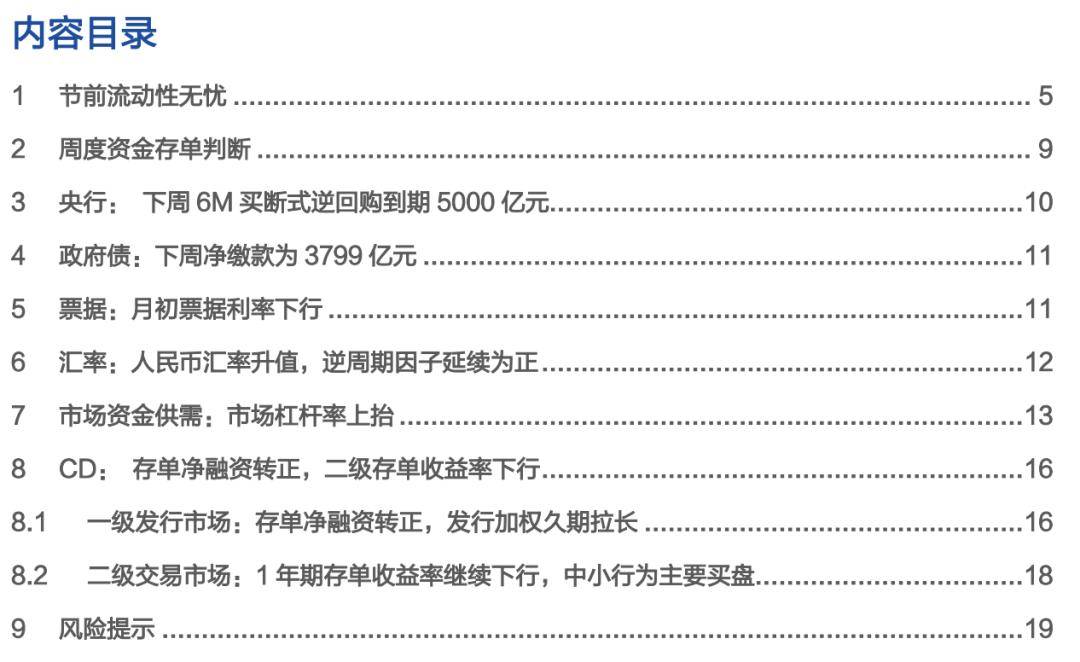
Group 1 - The core viewpoint of the article indicates that the funding pressure in the upcoming week is expected to be manageable, with a focus on the central bank's operations, particularly the 6-month buyout reverse repos [1][3][21] - The central bank has shown a clear intention to support the funding environment around the New Year and specific time points, which is beneficial for the stability of the funding market [2][12][13] - Recent trends show that large banks have continued to increase net financing, suggesting that while credit may weaken, the pressure from deposit outflows is not significant [2][15][18] Group 2 - The upcoming week will see a decrease in the maturity of reverse repos, with a total of 4,055 billion yuan in 7-day reverse repos and 5,000 billion yuan in 6-month buyout reverse repos maturing, indicating reduced funding disturbances [5][26][32] - Government bond net payment pressure is slightly decreasing, which may further reduce funding disturbances, while the recent positive net financing of certificates of deposit (CDs) is noteworthy [5][27][35] - The market is expected to see a total of 9,473.5 billion yuan in CDs maturing, with a significant concentration in the 12-month and 6-month maturities [5][61][58] Group 3 - The article highlights that the yield on one-year AAA CDs has decreased to 1.585%, with demand primarily coming from small and medium-sized banks, while non-bank buying power has diminished [4][23][80] - The overall market liquidity remains stable, with the central bank's actions contributing to a neutral and slightly loose funding environment [6][56][44] - The article notes that the issuance of long-term government bonds may limit the buying enthusiasm from non-bank entities, but the continued loose funding environment suggests that there is no significant adjustment pressure on CDs [4][23][24]

美国加息在即,所有资产承压后爆发?
Sou Hu Cai Jing· 2026-02-08 03:54
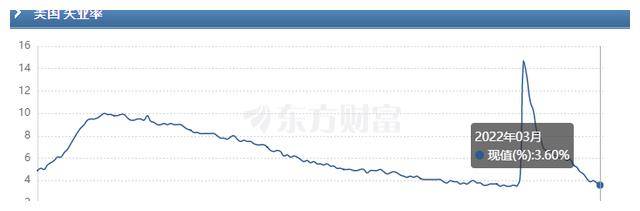
Economic Overview - The current unemployment rate in the U.S. stands at 3.6%, showing little change from 3.5% in February 2020, indicating a near full employment scenario where only about 4 out of 100 job seekers remain unemployed [1] - Despite low unemployment, the U.S. faces a high turnover rate, with 4.4 million people leaving their jobs in February, driven primarily by low wages [3] Wage and Inflation Dynamics - In February, the wage growth rate in the U.S. was 5.1%, while the Consumer Price Index (CPI) surged to 7.9%, indicating that real wage growth is negative [3] - Housing prices have increased significantly, with many areas seeing over a 20% rise, and rents have also risen by more than 15% [3] Labor Market Conditions - There are over 11 million job openings in the U.S., which supports the high turnover as employees seek better-paying positions [3] - Companies are under pressure to raise wages due to the high number of job vacancies, but their ability to do so is limited by rising production costs [3][6] Inflation Control Challenges - The U.S. government, including President Biden, faces challenges in controlling inflation without reducing wages, especially with midterm elections approaching [6] - The Federal Reserve's ability to manage inflation through interest rate hikes is critical, as failure to control inflation could lead to complex economic issues [6] Domestic Economic Sentiment - The domestic economic situation in China shows signs of distress, with declines in the A-share market and the renminbi's depreciation, indicating capital outflow [7] - The Chinese regulatory authorities are maintaining a patient approach, refraining from immediate stimulus measures despite market downturns, suggesting a wait-and-see strategy for economic stabilization [7]
上海,书写新一页传奇|上海两会
Guo Ji Jin Rong Bao· 2026-02-08 03:46
Core Insights - Shanghai aims for a GDP of 5.67 trillion yuan by 2025, with a growth rate of 5.4%, exceeding expectations [3] - The "15th Five-Year Plan" outlines a target of approximately 5% annual GDP growth over the next five years [13] Economic Performance - Shanghai's GDP increased from 4.16 trillion yuan to 5.67 trillion yuan during the "14th Five-Year Plan," marking a significant milestone as the first city in China to surpass a GDP of 5 trillion yuan [3] - The city's public budget revenue reached 850 billion yuan, with a growth of 1.5% [3] - The average urban unemployment rate was 4.2%, and consumer prices rose by only 0.1% [3] Industrial Development - R&D expenditure reached 4.5% of GDP, nearing levels of major innovative countries [4] - The output of strategic emerging industries grew by 6.5%, accounting for 45% of industrial output [4] - Key industries such as integrated circuits, biomedicine, and artificial intelligence surpassed a combined scale of 2 trillion yuan [4] Trade and Investment - Total foreign trade volume reached 4.51 trillion yuan, with exports growing by 10.8% [4] - Actual foreign investment amounted to 16.06 billion USD, equivalent to 114.8 billion yuan [4] Social Welfare - Per capita disposable income for residents reached 92,000 yuan, growing by 4.1% [6] - PM2.5 concentration averaged 26.3 micrograms per cubic meter, a decrease of 7.4% [6] - The city added 127 parks, achieving a total of 1,100 parks, with 89.4% open 24 hours [6] Strategic Initiatives - The construction of the "Five Centers" (international economic, financial, trade, shipping, and technological innovation centers) is a key strategic mission for Shanghai [7] - The eighth China International Import Expo achieved record participation and transaction amounts, with intent sales reaching 83.49 billion USD, a 4.4% increase [7] Future Outlook - The "15th Five-Year Plan" emphasizes the importance of technological innovation as a driving force for development [10] - Representatives expressed a strong desire for advancements in sectors like biomedicine, integrated circuits, and artificial intelligence [13] - The focus on enhancing the financial system to support innovation and industry integration is crucial for future growth [12]

头部金店紧急调整回购规则!啥信号?
Xin Lang Cai Jing· 2026-02-08 02:40
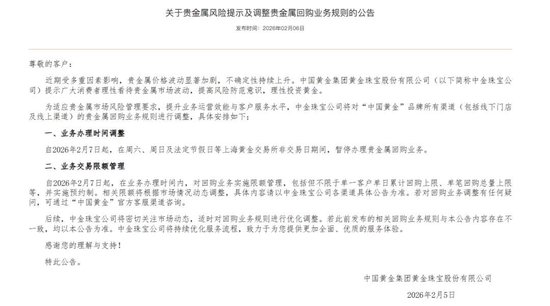
Core Viewpoint - The company, China Gold Group, announced that it will suspend precious metal repurchase services during non-trading days starting February 7, 2026, due to significant price volatility in the precious metals market [1][12]. Group 1: Business Adjustments - Starting February 7, 2026, China Gold will halt precious metal repurchase services on weekends and public holidays when the Shanghai Gold Exchange is closed [1][12]. - The company will implement limit management on repurchase transactions during business hours, including daily repurchase limits per customer and total transaction limits, with a reservation system in place [2][9]. - Other companies, such as Cai Bai Jewelry, will also adjust their precious metal repurchase services similarly, indicating a broader industry trend [9][17]. Group 2: Market Conditions - Precious metal prices have experienced significant fluctuations, with international gold prices rising nearly 15% and silver prices over 8% since the beginning of the year [6][15]. - On February 6, 2026, gold prices saw a drop of over 2% before rebounding to above $4,950 per ounce, while silver prices dropped nearly 10% before recovering to above $77 per ounce [6][15]. - The trading sentiment in the precious metals market has shifted from risk aversion to speculation, increasing trading volatility and valuation risks [18]. Group 3: Company Performance - China Gold's stock price has shown significant volatility, peaking at 14.85 yuan per share on January 30, 2026, a 77.21% increase from 8.38 yuan on January 22, 2026, before falling to 11.42 yuan by February 6, 2026, a decline of 23.1% from the peak [6][15]. - The company has been increasing its gold reserves, reporting 7,419 million ounces at the end of January 2026, up from 7,415 million ounces at the end of December 2025, marking the 15th consecutive month of increases [10][18].
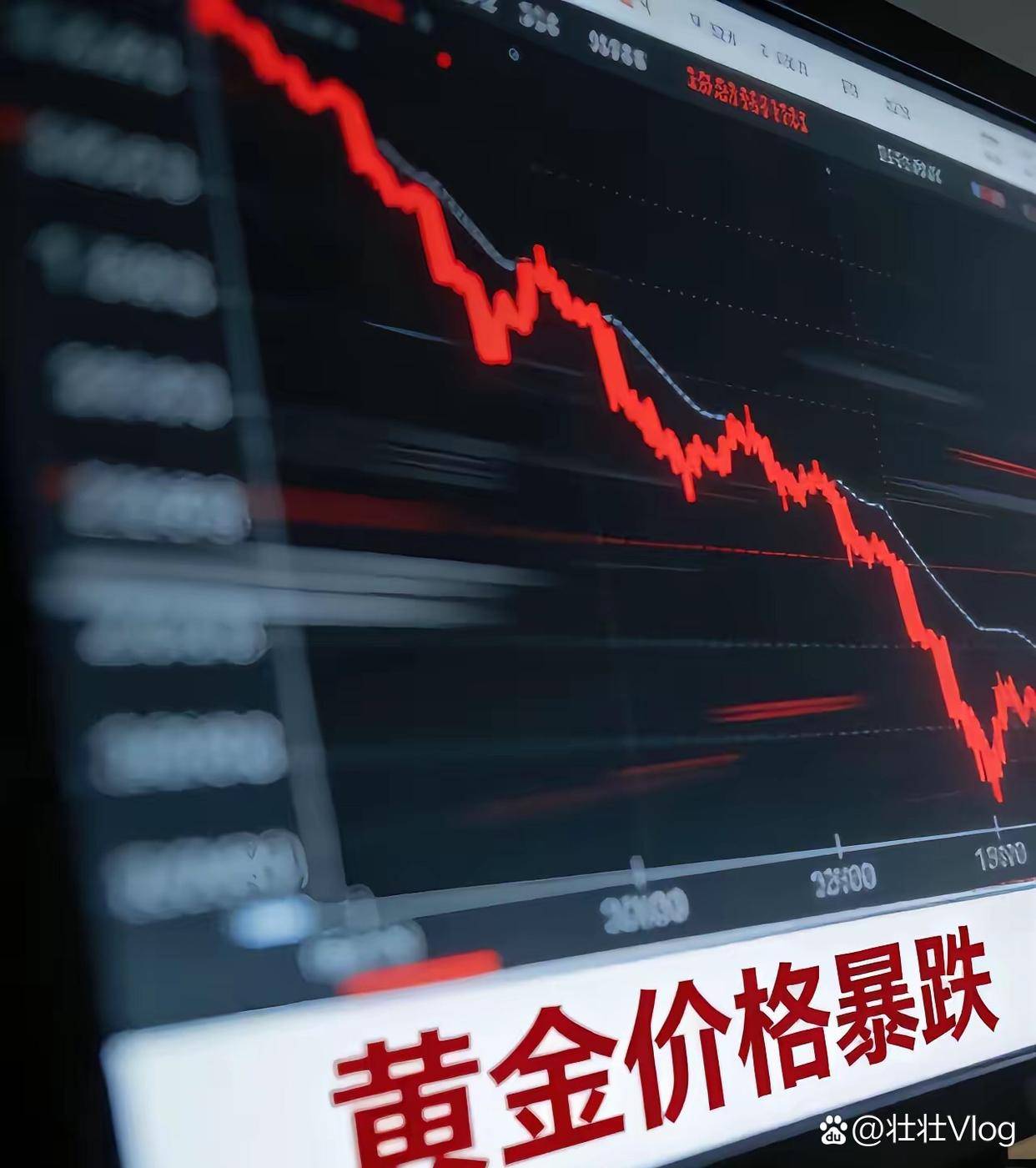
为何美国能断崖式拉爆黄金,把炒黄金的人直接闷杀最根本的原因就是,美国手中掌握了两个大杀器。第一个就是掌握了全球最大的国际资金流通管道,第二个就是掌握了大宗商品的定价权。很多早起看盘的投资者,盯着屏幕上那条直线跳水的绿色K线,脑子里大概只会蹦出一个词:凭什么?这确实反直觉。你看着...
Sou Hu Cai Jing· 2026-02-08 02:33
Core Viewpoint - The article discusses how the U.S. controls the global gold market through its financial systems and pricing power, leading to significant declines in gold prices despite geopolitical tensions [1][2]. Group 1: U.S. Financial Control - The U.S. possesses two major tools for controlling the gold market: a global financial flow system and commodity pricing power [1]. - The SWIFT system, which accounts for 48% of global payment transactions, allows the U.S. to influence capital flows significantly [3]. - The Federal Reserve's interest rate hikes can lead to massive withdrawals from gold markets, as seen in 2022 when over $3 billion flowed out of North American gold funds in a single month [3]. Group 2: Impact of Stablecoins - By 2025, the total market value of global stablecoins is projected to reach $263.6 billion, with 95% pegged to the U.S. dollar, enhancing the speed of capital return to the U.S. [4][5]. - The new regulations require stablecoin issuers to hold U.S. Treasury securities or cash, effectively tying digital currency investments to U.S. debt [5]. Group 3: Pricing Power and Market Manipulation - The true pricing of gold is controlled by major financial institutions in the COMEX futures market, where daily transactions of "paper gold" contracts far exceed actual physical gold production [6]. - The strategy of "targeted demolition" involves withdrawing buying power and flooding the market with sell orders, leading to sudden price drops that trigger stop-loss orders among retail investors [6][7]. - This creates a cycle where the U.S. uses high yields on Treasury bonds as bait, draining liquidity from the gold market before manipulating prices downward [7][8].
——信用周报20260207:如何看待近期二永与普信债走势分化?
Huachuang Securities· 2026-02-08 00:20
Group 1: Market Overview - Credit bond yields generally declined this week, with credit spreads widening passively[1] - The overall equity market was weak, while the central bank supported the liquidity ahead of the Spring Festival, leading to a stronger bond market[1] - The 5-year credit spreads for Puxin bonds widened significantly after a previous compression, while 1-2 year AA real estate bonds performed well with a substantial narrowing of spreads[1] Group 2: Divergence in Bond Performance - The overall demand structure for bank perpetual bonds may be weaker compared to Puxin bonds due to regulatory impacts and changing investment preferences[2] - After a compression of excess spreads, the coupon value of perpetual bonds has decreased, influenced by weak market trading sentiment[2] - Concerns over redemption pressures in secondary bond funds have increased due to volatility in the equity market, leading to heightened selling pressure on perpetual bonds[2] Group 3: Investment Strategy - Current market conditions lack a clear trading theme, with short-term pricing factors expected to be neutral[3] - Focus on high convexity products is recommended, particularly in the 3-year and under category, where fund and wealth management demand is high[3] - For 4-5 year products, Puxin bonds near 4 years are highlighted for their high convexity, with yields around 2.5%[3]
【大宗周刊】代表委员热议大宗商品市场发展新动向
Qi Huo Ri Bao· 2026-02-08 00:10
Group 1 - The core viewpoint of the articles revolves around the development of the commodity market in China, emphasizing high-quality economic growth and the optimization of resource allocation in the context of a new development pattern [1][3][4] - Various regions, including Shanghai's Putuo District, are focusing on creating trillion-level commodity trading platforms to enhance regional economic growth and competitiveness [2][3] - The integration of digital technology and financial services is highlighted as essential for industry upgrades, with proposals for building smart platforms that connect various industry stakeholders [9][10] Group 2 - Guangdong's approach to enhancing international competitiveness involves transitioning from policy-based to capability-based and systematic openness, aiming to support medium-sized enterprises in their internationalization efforts [5][7] - The construction of the "Golden Passage" in Yunnan is aimed at addressing logistics bottlenecks and enhancing trade, with significant growth in trade volumes reported [14][15] - The establishment of a comprehensive knowledge framework for the commodity industry is proposed to address systemic challenges and improve operational efficiency, focusing on the integration of digital transformation and financial services [16][18][19]
金价下跌后去哪买金?价差240元暗藏多少消费陷阱?
Sou Hu Cai Jing· 2026-02-07 23:16
Core Viewpoint - The recent fluctuations in gold prices have led to significant changes in the jewelry market, with major brands like Chow Tai Fook and Lao Feng Xiang experiencing sharp declines in their gold prices, reflecting a broader emotional and market-driven response to gold's perceived value and pricing dynamics [1][3]. Group 1: Price Dynamics - International gold prices have seen a dramatic drop, causing domestic gold jewelry prices to fall sharply, with Chow Tai Fook's price dropping to 1482 yuan per gram and Lao Feng Xiang retreating to around 1500 yuan [3]. - In contrast, wholesale markets are offering gold at prices approximately 240 yuan lower than retail, indicating a significant price disparity between retail and wholesale channels [1][5]. Group 2: Consumer Behavior - Consumers are increasingly questioning the value of brand-name gold jewelry versus the intrinsic value of gold itself, as evidenced by the stark price difference between retail and raw gold prices [5]. - The emotional response of consumers is evident, with previous buyers feeling regret over their purchases while potential buyers are torn between excitement and hesitation regarding entry into the market [3][5]. Group 3: Recycling Market - The gold recycling market remains stable, with prices in major cities like Beijing and Shanghai hovering between 1040 to 1060 yuan, suggesting a balance in the market despite retail volatility [5]. - This stability in the recycling market serves as a safety net for gold holders, reinforcing the idea that gold's value extends beyond mere purchasing to include holding and circulation [5]. Group 4: Investment Perspective - For those viewing gold as an asset rather than a decorative item, banks are offering investment gold bars at around 1250 yuan, which eliminates the brand premium and aligns more closely with the concept of gold as a hard currency [6]. - This presents a choice for consumers between paying a premium for aesthetics and brand versus opting for a more straightforward investment approach with lower premiums and higher liquidity [6]. Group 5: Market Reflection - The current market fluctuations provide an opportunity for consumers to reassess their understanding of "true gold" and "value," prompting a more rational approach to purchasing decisions in the gold market [8].