
银行业

Search documents
——2026年2月流动性月报:货币政策前置下宽松维持负债压力减弱或缓释分层-20260206
Huafu Securities· 2026-02-06 03:48
Group 1 - The report indicates that the excess reserve ratio in December increased by 0.4 percentage points to 1.6%, which is relatively low for year-end months and below the expected 0.3 percentage points, primarily due to a lower-than-expected decline in government deposits [1][13][17] - In December, government deposits decreased by approximately 1 trillion, which is lower than the previously expected 2 trillion, reaching a historical high of 5 trillion [1][13][17] - The report highlights that the general public budget revenue and expenditure did not meet the annual budget targets, with the expenditure completion rate being the lowest in recent years, leading to a significant fiscal deficit of 2.66 trillion in December, exceeding expectations by about 500 billion [2][16][17] Group 2 - The report forecasts that the broad fiscal surplus for January is expected to be around 410 billion, which is at a neutral level compared to previous years, with government deposits anticipated to increase by approximately 1.25 trillion, potentially impacting liquidity [2][26][35] - In January, the monetary issuance is projected to increase by about 600 billion, with the reserve requirement ratio expected to rise by approximately 350 billion, indicating a tightening effect on liquidity [2][26][35] - The report notes that the funding rates in January have marginally increased compared to December, but the overall liquidity remains loose, with the average DR001 rate reaching 1.34%, higher than December's 1.28% [3][43][45] Group 3 - The report suggests that the fiscal deficit in February may reach the highest level for the same period in previous years, with government deposits expected to decrease by about 370 billion [7][35] - It is anticipated that the monetary issuance in February will remain high, with an expected increase of around 900 billion, influenced by the timing of the Chinese New Year [7][35] - The report indicates that the central bank's monetary policy has subtly shifted, focusing on guiding reasonable growth in financial totals rather than excessively loosening financial conditions [8][35]
总统意志与利率之手:美联储独立性的再度受压
Sou Hu Cai Jing· 2026-02-06 03:45
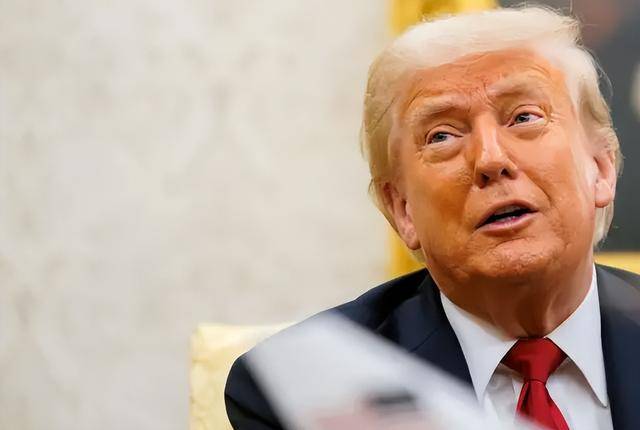
文︱陆弃 在美国政治语境中,很少有一句话能像"他不支持降息,就得不到这份工作"这样,迅速击中制度神经。 特朗普在接受NBC独家专访时抛出的这句话,并非情绪化脱口而出,而是一种带着清晰指向的政治表 态。它所触及的,不只是一位候任美联储主席的态度问题,而是美国金融治理体系中那条被反复拉扯的 边界线。 美联储"理论上是一个独立机构",特朗普在采访中这样说,紧接着又补上一句:它应当听从他的领导, 因为他"几乎比任何人都更了解"经济。这种并置并非偶然,而是一种熟悉的修辞方式。独立性在话语中 被承认,在行动逻辑中被重新解释。承认制度的存在,并不等于接受制度的约束。 特朗普对降息的笃定,来自一种直觉式判断。"它们本就该更低。"这句话没有参数、没有模型、没有通 胀预期的复杂计算,却精准击中了政治层面的需求。低利率意味着更轻的债务负担、更活跃的市场情 绪,也更容易被转化为执政成绩。在这种叙事中,货币政策被简化为一种工具,而不是一套需要与通 胀、就业、金融稳定反复平衡的机制。 多家媒体指出,调查鲍威尔等人可能适得其反。这种判断并非基于同情,而是基于政治现实。对美联储 的持续攻击,正在引发国会层面的防御反应。沃什作为"主流"候选人 ...

欧洲央行,维持不变
Jin Rong Shi Bao· 2026-02-06 03:43
Core Viewpoint - The European Central Bank (ECB) has decided to maintain key interest rates unchanged, signaling a cautious approach to monetary policy despite recent inflation data indicating a decline below target levels [1][2]. Group 1: Interest Rate Decisions - On February 5, the ECB kept the eurozone's three key interest rates steady at 2.00% for the deposit facility rate, 2.15% for the main refinancing rate, and 2.40% for the marginal lending rate, marking the fifth consecutive month of maintaining this stance since July of the previous year [1]. - ECB President Christine Lagarde emphasized the importance of a data-driven approach to policy decisions, indicating that the ECB aims to retain flexibility in future monetary policy [1][4]. Group 2: Inflation Data and Economic Outlook - The eurozone's inflation rate fell to 1.7% in January, down from 2.0% in December and 2.1% in November, marking the lowest level since September 2024 and breaching the 2% policy threshold [2]. - Core inflation, excluding volatile items like energy and food, decreased to 2.2%, the lowest since October 2021, while service sector inflation slowed to 3.2% [2]. - Lagarde downplayed concerns over excessive deflation, attributing the decline in inflation to base effects and reaffirming that the ECB's medium-term inflation expectations remain stable at the 2% target [2]. Group 3: Currency and Economic Integration - Lagarde praised Bulgaria's progress towards joining the eurozone, highlighting it as a testament to the enduring benefits of the single currency and European integration [3]. - Bulgaria's transition to the euro will officially begin on January 1, 2026, with a dual circulation period for the Bulgarian lev and the euro until January 31, 2026, after which the euro will become the sole legal currency [3]. Group 4: Market Reactions and Future Projections - The ECB is closely monitoring the recent depreciation of the US dollar, which has been influenced by US trade policies and political signals, including indications from President Trump regarding a preference for a weaker dollar [4]. - Analysts suggest that while the ECB is likely to maintain interest rates, there is a greater risk of a rate cut rather than an increase, especially if the euro continues to strengthen and inflation pressures persist [4].
香港首批稳定币牌照或在3月面世,谁将脱颖而出?
Guo Ji Jin Rong Bao· 2026-02-06 03:32
Core Viewpoint - The Hong Kong Monetary Authority (HKMA) is evaluating 36 applications for stablecoin issuer licenses, aiming to issue licenses by March 2024, but the number of licenses granted will be limited to ensure a cautious approach [1][2]. Group 1: Licensing Process - The stablecoin licensing mechanism in Hong Kong has undergone four stages: policy exploration, sandbox testing, legislative implementation, and license approval, starting from early 2022 and culminating in the official enactment of the Stablecoin Ordinance on August 1, 2025 [1][3]. - The HKMA's evaluation criteria for stablecoin license applicants focus on three main aspects: 100% high liquidity reserve assets, an independent third-party custody mechanism, and clear, actionable payment scenarios [1][2]. Group 2: Potential Licensees - Local banks in Hong Kong are likely to be among the first to receive stablecoin licenses due to their established reserve systems and anti-money laundering capabilities [3][4]. - The first batch of licensed institutions is expected to be limited to around 3 to 5 entities, with a strong emphasis on compliance and risk management [4]. Group 3: Regulatory Environment - The regulatory framework in Hong Kong is designed to ensure that any cross-border activities by stablecoin operators comply with local regulations, particularly for those engaging in retail activities [2][6]. - The strict regulatory environment in mainland China regarding virtual currencies creates a unique complementary relationship with Hong Kong's proactive approach to stablecoin innovation, providing a buffer against cross-border risks [7][8]. Group 4: Market Implications - The issuance of stablecoin licenses is anticipated to create a clear compliance hierarchy in the market, differentiating between licensed and unlicensed entities, which will affect transaction costs and operational capabilities [8][9]. - The introduction of a compliant Hong Kong dollar stablecoin represents a significant upgrade to the financial infrastructure, establishing a direct value bridge between the local financial system and the Web3 ecosystem, enhancing payment efficiency and cross-border trade [9].
人民银行连续两日进行14天期逆回购操作,金额总计6000亿元
Bei Jing Shang Bao· 2026-02-06 03:21
Group 1 - The People's Bank of China conducted a 315 billion yuan 7-day reverse repurchase operation at a fixed rate of 1.4% on February 6 [1] - A 3000 billion yuan 14-day reverse repurchase operation was also carried out using a fixed quantity, rate bidding, and multiple price levels [1] - On the same day, 4775 billion yuan of reverse repos matured, resulting in a net withdrawal of 1460 billion yuan [1] Group 2 - This marks the second consecutive day that the People's Bank of China has conducted 14-day reverse repurchase operations, totaling 6000 billion yuan [1]
央行重启14天期逆回购操作,资金面稳中偏松,债市整体回暖
Dong Fang Jin Cheng· 2026-02-06 03:12
Group 1: Report Summary - The bond market showed signs of recovery on February 5, with the central bank restarting the 14 - day reverse repurchase operation and the money market remaining stable and slightly loose. The convertible bond market followed the decline of the equity market, and the yields of US Treasury bonds and most European government bonds decreased [1]. Group 2: Bond Market News Domestic News - The State Administration for Market Regulation will promote the construction of a unified national market and stimulate the vitality of business entities [3]. - In 2025, China's service trade imports and exports reached 80823.1 billion yuan, a year - on - year increase of 7.4%. Knowledge - intensive service trade maintained growth [4]. - The "zero - tariff" policy for inbound goods consumed by residents in Hainan Free Trade Port was implemented [5]. International News - US job openings in December 2025 hit a five - year low, indicating weakening labor demand, but the labor market did not collapse [7]. - The European Central Bank maintained the deposit rate at 2% for the fifth consecutive time, emphasizing the need to enhance the resilience of the eurozone [8]. Commodities - International crude oil futures prices declined, while natural gas prices continued to rise. WTI March crude futures fell 2.84% to $63.29 per barrel, and Brent April crude futures fell 1.14% to $68.67 per barrel. COMEX gold futures dropped 4.01% to $4763.2 per ounce, and NYMEX natural gas prices rose 1.45% to $3.508 per ounce [9]. Group 3: Money Market Open - market Operations - On February 5, the central bank conducted 1185 billion yuan of 7 - day reverse repurchase operations at an interest rate of 1.40% and 3000 billion yuan of 14 - day reverse repurchase operations. With 3540 billion yuan of reverse repurchases maturing, the net capital injection was 645 billion yuan [11][12]. Money Market Rates - The money market was stable and slightly loose. DR001 decreased by 0.06bp to 1.319%, and DR007 decreased by 0.95bp to 1.482%. Other rates also showed various changes [13][14]. Group 4: Bond Market Dynamics Interest - rate Bonds - The yields of most active bonds of treasury bonds and policy - bank bonds decreased. For example, the yield of the 10 - year treasury bond active bond 250016 decreased by 0.50bp to 1.8080%, and the yield of the 10 - year policy - bank bond active bond 250215 decreased by 1.29bp to 1.9460% [16][17]. - Several bonds were issued, with details such as issue scale, winning bid yield, and multiples provided [18]. Credit Bonds - Two industrial bonds had a price deviation of over 10%. "H1 Bidi 03" rose over 20%, and "H0 Zhongjun 02" rose over 264% [19]. - Zhongnan Construction plans to extend the principal repayment of "20 Zhongnan Construction MTN002" by 6 or 12 months [20]. Convertible Bonds - The A - share market declined, and the main convertible bond indices followed suit. The CSI Convertible Bond Index, Shanghai Stock Exchange Convertible Bond Index, and Shenzhen Stock Exchange Convertible Bond Index fell 0.84%, 0.95%, and 0.66% respectively. The trading volume of the convertible bond market was 740.66 billion yuan, a decrease of 132.66 billion yuan from the previous trading day [21]. - Some companies had announcements related to convertible bonds, such as Shouhua Convertible Bond announcing early redemption, and Libo Convertible Bond, Huachen Convertible Bond, and Huicheng Convertible Bond announcing no early redemption [24]. Overseas Bond Markets - In the US bond market, yields of US Treasury bonds across all maturities decreased significantly. The 2 - year US Treasury bond yield fell 10bp to 3.47%, and the 10 - year yield fell 8bp to 4.21% [25]. - In the European bond market, except for the 10 - year UK government bond yield rising 1bp, the 10 - year government bond yields of other major European economies generally decreased [28]. - The daily price changes of Chinese - funded US - dollar bonds showed that some bonds had significant price increases or decreases [30].
CA Markets:美联储政策转向或加速资产再定价
Sou Hu Cai Jing· 2026-02-06 03:00
Core Viewpoint - The global financial market is at a critical juncture, with the Federal Reserve's monetary policy changes being a core variable influencing market dynamics. The divergence between the Fed's hawkish stance and the market's dovish expectations is causing significant volatility across various asset classes [1][18]. Group 1: Federal Reserve Policy and Market Expectations - The Federal Reserve is currently in a "hawkish wait-and-see" position, which is the root cause of market volatility and asset repricing. The Fed's recent statements emphasize the need to maintain high interest rates until inflation stabilizes at the 2% target [2][4]. - In January 2026, the Fed decided to keep the federal funds rate unchanged at 3.50%-3.75%, signaling a pause in the rate-cutting cycle and removing language that suggested progress on inflation, which has led to a shift in market expectations [2][5]. - Market participants are betting on a rate cut in June 2026, with a probability of 68%, while the expectation for a March rate cut has dropped to 17.1%, indicating a significant shift in sentiment [6]. Group 2: Market Reactions and Asset Volatility - The divergence between Fed policy and market expectations has led to dramatic fluctuations in global asset markets, particularly in the U.S. Treasury market, where the 10-year Treasury yield fell from 4.3% to 3.8%, marking a significant drop [7]. - The tech sector has experienced a sell-off, with the Nasdaq 100 index declining over 4% in three consecutive trading days, reflecting concerns over tightening liquidity and high valuations in the tech space [8][9]. - The S&P 500 index is approaching a critical support level at 4800 points, and a breach of this level could trigger further panic selling, indicating a potential spiral downwards [10]. Group 3: Asset Repricing Trends - The tightening liquidity environment is expected to accelerate the repricing of global assets, with a fundamental shift in asset allocation logic anticipated. The Fed's uncertain policy direction will be a key driver of this process [11]. - The U.S. Treasury market is expected to experience continued volatility, with yields likely to trend lower as the market anticipates a rate cut in June, potentially stabilizing around 3.6%-3.8% [11]. - The stock market is expected to see increased differentiation, with high-valuation tech stocks facing ongoing pressure while value stocks and defensive sectors may attract more investment [12]. Group 4: Investment Opportunities and Strategies - The A-share and H-share markets are showing valuation advantages, potentially becoming a safe haven for international funds amid declining global risk appetite [13]. - Investors are advised to focus on structural opportunities in oil and industrial commodities, which are expected to benefit from global economic recovery and geopolitical tensions [12][13]. - A balanced approach to U.S. equities is recommended, with a shift away from high-valuation tech stocks towards value stocks and defensive sectors to mitigate risk [14].
贵金属价格飙升推高奖牌价值 米兰冬奥奖牌或成奥运史上最昂贵奖牌
Huan Qiu Wang· 2026-02-06 02:50
Group 1 - The value of Olympic medals has significantly increased due to the sharp rise in precious metal prices, with gold prices soaring approximately 107% and silver prices increasing by 200% since the Paris Olympics in July 2024 [1] - The metal value of gold medals is around $2,300, more than double the value during the Paris Olympics, while silver medals are valued close to $1,400, tripling in value compared to two years ago [1] - The surge in precious metal prices is driven by multiple factors, including increased gold reserves by central banks amid global political instability and strong demand from retail investors for silver [1] Group 2 - The medals for the current Winter Olympics are not made of pure gold; they are crafted from recycled metals by the Italian Mint, with gold medals weighing 506 grams (16 troy ounces) containing only 6 grams of pure gold, while copper medals weigh 420 grams (15 ounces) [2] - The historical context shows that Olympic gold medals have not been made of pure gold since the 1912 Stockholm Olympics, where the gold medal weighed 26 grams (0.8 troy ounces) and was valued at less than $20 at the time [2] - The collectible value of Olympic medals often exceeds their metal value, as they are linked to prestigious sporting events, with past sales demonstrating significant appreciation in auction prices [2][3] Group 3 - Most Olympic medals are unlikely to appear on the auction market, as athletes typically regard them as precious symbols of honor and rarely choose to sell them [3]
IC外汇平台:通胀明确回落前 美联储将继续维持利率稳定
Sou Hu Cai Jing· 2026-02-06 02:48
近期多位美联储官员重申,在通胀尚未稳定回落至2%目标前,维持当前利率水平仍是更合适的政策选 择。 这一表态反映出决策层对通胀黏性的高度警惕,以及对政策可信度的重视。亚特兰大联储主席博斯蒂克 指出,当前通胀仍然偏高且持续时间较长,因此货币政策需要保持适度限制性,以巩固市场对美联储控 通胀决心的信心。 在就业方面,官员们承认劳动力市场正在降温,但整体仍具韧性。 失业率虽较前期低点上升,但从历史维度看仍处于相对强劲区间。职位空缺回落与招聘节奏放缓更多体 现为市场再平衡,而非需求塌陷。博斯蒂克认为,这种温和调整为维持现行利率提供了空间,使政策能 够继续聚焦通胀。 外部环境的不确定性正在上升。贸易与移民政策变化可能影响企业成本结构和劳动力供给,加大价格与 就业之间的权衡难度。在这种背景下,政策制定者更倾向于依赖数据,而非预设路径,以降低误判风 险。 美联储当前策略是在确认通胀持续回落前维持利率稳定,同时密切监测就业和外部冲击。这种取向旨在 防止通胀反复,并减少政策摇摆对市场预期的干扰。 短期内,利率政策更可能保持观望姿态,其调整节奏将取决于通胀改善的持续性与劳动力市场的变化。 他认为,如果过早转向宽松,可能削弱政策效果 ...
欧镑区间拉锯 央行决议指引方向
Jin Tou Wang· 2026-02-06 02:31
当前市场核心聚焦欧、英两大央行政策决议。欧央行预计按兵不动,拉加德对通胀与增长的表态将主导 预期:强调复苏乏力、通胀回落或暗示降息,将施压欧元;警惕通胀韧性、维持政策耐心,则支撑欧元 相对强势。英国央行大概率维持3.75%利率不变,货币政策报告及贝利对降息节奏的表述为关键:承认 通胀快速回落、劳动力市场转弱,将提升降息预期利空英镑;担忧通胀粘性、强调政策审慎,或提振英 镑并抑制欧元兑英镑上行。汇市已进入央行措辞驱动的预期再定价阶段,政策鹰派程度直接决定货币相 对强弱。 技术面,欧元兑英镑处于区间震荡格局,汇价在0.8611-0.8796区间内拉锯,当前0.8670位于区间中轴。 上方0.8700为关键心理与交易阻力,突破后需站稳0.8744反弹高点,方可再度试探0.8796前高;下方支 撑聚焦0.8643前期低点及0.8611阶段底部,若英央行偏鹰或欧元区数据走弱,支撑失守将打开下行空 间,整体维持区间博弈、等待央行决议指引方向。 2月6日回溯2月5日周四,欧元兑英镑欧洲时段于0.8670附近交投,日内涨幅超0.30%。欧元此番反弹并 非自身动能走强,而是英镑在英国央行利率决议前遭短线抛压,市场谨慎情绪升温推 ...