半导体

Search documents
未知机构:3月4日股市早报氦气油气天然气户储变压器电解铝CCL等-20260304
未知机构· 2026-03-04 02:30
Summary of Key Points from Conference Call Records Industry Overview - **Helium and Oil & Gas**: The geopolitical tensions, particularly the US-Iran conflict, are impacting helium and oil prices, with helium prices expected to rise significantly due to supply chain disruptions in the Strait of Hormuz [1][2]. - **Natural Gas**: The ongoing supply interruptions from Qatar have led to a substantial increase in European natural gas prices, which have risen over 100% in recent days [2][3]. - **Energy Storage**: The rise in natural gas prices is anticipated to shorten the investment recovery period for household energy storage systems in Europe [3][4]. - **Transformer Industry**: The approval of $75 billion in transmission expansion projects by major US grid operators is set to enhance the transformer market [6]. - **Aluminum Production**: The conflict in the Middle East has led to significant production halts in aluminum due to natural gas supply issues, affecting global market share [7][8]. - **Chemical Industry**: Iran's role as a major producer of chemical raw materials is highlighted, with significant implications for global supply chains [11]. - **Coal Demand**: The rise in oil prices due to geopolitical tensions is expected to increase the demand for coal as a substitute energy source, benefiting the domestic coal chemical industry [12]. Company-Specific Insights - **Shanshan Co., Ltd.**: If the restructuring is successful, the controlling shareholder will change to the Anhui State-owned Assets Supervision and Administration Commission [1]. - **Runtou Co., Ltd.**: The price of disperse dye black has increased by approximately 9,000 yuan per ton recently [1]. - **Tianhai Defense**: The shipbuilding order fulfillment cycle is long, with some orders scheduled for completion as late as 2028 [1]. - **Baiwei Storage**: The company expects a profit of 1.5 billion to 1.8 billion yuan for January and February, indicating a supply-demand imbalance in the storage industry [1]. - **CCL Products**: Mitsubishi Gas Chemical announced a price increase of 30% for certain products due to rising raw material and labor costs, effective April 1 [9]. Market Trends and Predictions - **Oil Prices**: Analysts predict that if the Strait of Hormuz remains blocked, Brent crude oil prices could exceed $120 per barrel [2]. - **Aluminum Prices**: The aluminum market is closely monitored, with prices expected to rise significantly due to energy supply issues [8]. - **Energy Storage Demand**: The demand for household energy storage systems in Europe is likely to surge due to rising electricity prices driven by natural gas costs [4]. Additional Insights - **Shipping Industry**: The daily income for benchmark oil tankers has reached a record high of $481,200, indicating strong demand in the shipping sector [10]. - **Domestic Computing Power**: China has made significant advancements in computing technology, with a notable increase in model usage and performance metrics [12]. - **Stem Cell Standards**: International standards for stem cell data characteristics have been established, showcasing China's leadership in this field [13]. - **Photovoltaic Industry**: The Ministry of Industry and Information Technology has issued guidelines to promote the comprehensive utilization of photovoltaic components [14][15]. This summary encapsulates the critical insights and trends from the conference call records, providing a comprehensive overview of the current state of various industries and companies.
可重构芯片第一股要来了!
是说芯语· 2026-03-04 02:27
Core Viewpoint - Qingwei Intelligent Technology Co., Ltd. has officially initiated its A-share IPO process, aiming to become the first listed company in the "non-GPU" new architecture chip sector in China, leveraging its unique reconfigurable computing technology to carve out a new path for domestic computing power [1][9]. Company Overview - Established in 2018, Qingwei Intelligent is a hard-tech enterprise focused on the research and industrialization of domestically produced reconfigurable chips (RPU), originating from Tsinghua University's technological foundation [2]. - The core team has over a decade of experience in the reconfigurable computing field, aiming to create a domestically controlled reconfigurable general computing ecosystem [2]. Technology and Product Innovation - Qingwei's RPU technology addresses the "impossible triangle" of generality, energy efficiency, and flexibility in traditional chip design, combining the strengths of GPUs and TPUs while overcoming their limitations [2]. - The flagship TX81 AI computing chip utilizes innovative C2C Mesh computing grid technology, allowing direct data interaction between chips, servers, and cabinets, effectively solving traditional data center challenges [3]. - The TX81 chip achieves high-end computing performance without relying on advanced processes, using cost-effective DDR memory instead of expensive HBM, resulting in a 50% cost reduction and a 3-fold increase in energy efficiency compared to industry peers [3]. Market Position and Growth Potential - Qingwei has successfully mass-produced two series of chips, covering diverse scenarios from edge to cloud computing, with significant deployments in smart security and autonomous driving [5]. - The company has shipped over 30 million reconfigurable chips, ranking among the top domestic commercial enterprises in AI acceleration card shipments [6]. - The backing of diverse investors, including national funds and industry giants, provides strong financial support for technology development and market expansion [8]. - The AI chip market in China is projected to grow from 142.54 billion yuan in 2024 to 1,336.79 billion yuan by 2029, with a compound annual growth rate of 53.7%, positioning reconfigurable chips as one of the fastest-growing segments [8]. Industry Impact - Qingwei's IPO marks a significant milestone for the semiconductor industry in the new architecture field, demonstrating a viable and efficient technological path beyond the GPU-dominated landscape [9].

北交所收并购周跟踪第九期(20260228):海能技术、太湖雪拟拓展业务布局,三元基因拟增资珂芮珍
Hua Yuan Zheng Quan· 2026-03-04 02:23
Group 1: Mergers and Acquisitions Overview - In the period from February 1 to February 28, 2026, a total of 9 significant merger and acquisition transactions were disclosed, with a total transaction value of approximately 11.3 billion yuan. This includes 3 major asset restructuring cases in the semiconductor and high-end manufacturing sectors [6][5][17] - Notable transactions include Jinghe Integration's acquisition and capital increase of Jingyi Integration for 100% equity, and New Sharp's acquisition of 70% equity in Hui Lian Electronics and WINWIN [6][7] - The report highlights a shift in merger activities from quantity to quality, driven by policy incentives, with a focus on compliance and efficiency in the restructuring process [5][6] Group 2: Investment and Capital Increase Activities - There were no new acquisition or sale events reported during this period, but 8 new investment and capital increase events were recorded, focusing on horizontal business expansion and international layout [9][8] - Examples include Sanyuan Gene's capital increase in Keruizhen for 11.0407% equity, and Haineng Technology's establishment of a joint venture with Mingye Management [9][10] - The report indicates a trend towards strategic investments aimed at enhancing business capabilities and market presence [9][10] Group 3: Policy Dynamics - The Beijing Stock Exchange introduced a package of measures to optimize refinancing, aimed at supporting the high-quality development of innovative small and medium-sized enterprises [12][13] - Key principles include encouraging second growth curve businesses, supporting companies in a state of decline through market-oriented refinancing methods, and enhancing regulatory oversight to prevent fraudulent financing [12][13] - The report emphasizes the importance of aligning fundraising with core business development and the need for flexibility in the refinancing process [12][13] Group 4: Data Summary - In January and February 2026, the Beijing Stock Exchange recorded a total of 7 equity events, including 2 acquisitions, 3 sales, and 2 capital increases, with a total transaction value of 490 million yuan [17][20] - The report notes a high level of merger activity, particularly in the technology and advanced manufacturing sectors, indicating a trend towards industry consolidation and resource allocation to emerging fields [24][27] - Historical data shows a growing trend in large-scale acquisitions, with a focus on vertical integration and horizontal business expansion [27][28]
早盘直击|今日行情关注
申万宏源证券上海北京西路营业部· 2026-03-04 02:13
Group 1 - The core viewpoint of the articles highlights the impact of geopolitical tensions in the Middle East on market risk appetite, leading to significant declines in A-shares, particularly in the technology sector, while the oil and chemical sectors see gains [1] - The A-share market is experiencing a rotation where the strong performance of the oil sector negatively affects the technology growth sector, indicating a clear negative correlation between these sectors [1] - The uncertainty surrounding the Middle East situation and its potential impact on global oil supply is difficult to assess, with rising oil prices likely to exacerbate market concerns and influence sector performance [1] Group 2 - As March approaches, the annual report season is expected to focus on high-performance sectors, with technology hardware, advanced manufacturing, and price-increasing cycles showing promising results [2] - The trend of AI hardware remains strong, with increasing token usage for major AI models, suggesting a peak in AI applications by 2026, warranting continued attention on this growth trajectory [2] - The domestic and overseas demand for new energy materials is rapidly increasing, leading to supply shortages and price hikes, with this trend expected to continue into 2026 [2]

信达国际控股港股晨报-20260304
Xin Da Guo Ji Kong Gu· 2026-03-04 02:04
Market Overview - The Hang Seng Index (HSI) is expected to find short-term support around 25,500 points due to escalating tensions between the US and Iran, which may impact market sentiment and performance [2] - The upcoming National People's Congress will focus on economic growth targets, deficit rates, and fiscal stimulus, which could influence asset markets [2] - The HSI has shown weakness, with a technical head-and-shoulders pattern indicating potential further declines if it falls below the December low of 25,554 points [2] Macro Focus - The US Federal Reserve maintained interest rates in January, indicating a cautious approach to future adjustments based on economic data and geopolitical tensions [5] - Recent economic data has shown resilience, but concerns over rising oil prices due to geopolitical instability may limit the scope for further rate cuts [5] - The People's Bank of China reported a significant increase in government bond net financing, indicating robust financial market activity [9] Company News - ASMPT reported a 1.6 times increase in profit for the last year, with a total profit of HKD 9.02 billion and a revenue increase of 10.04% to HKD 137.36 billion [11] - Apple launched a new generation of MacBook Air featuring the M5 chip, aimed at enhancing performance for AI-related tasks [11] - Huawei's senior vice president highlighted the potential for AI applications to reshape the telecommunications industry, emphasizing the transition from resource services to AI services [11] Industry Insights - The global smartphone shipment is projected to grow by 2% in 2025, with Huawei expected to lead the Chinese market with a 17% share [9] - The AI sector is experiencing rapid growth, with significant advancements in semiconductor technology driving demand [11] - The oil market is expected to remain volatile due to geopolitical tensions, particularly in the Middle East, affecting supply and prices [8][10]


苹果芯片,惊人改变
半导体行业观察· 2026-03-04 01:53
Core Insights - Apple has introduced the M5 Pro and M5 Max chips, marking a significant advancement in performance for professional-grade laptops, utilizing a new Fusion Architecture that integrates two silicon chips into a single system-on-chip (SoC) [14][15] - The M5 series features an 18-core CPU architecture, including 6 high-performance "super cores" and 12 new performance cores, enhancing multi-threaded performance by up to 30% compared to previous models [14][17] - The M5 Max chip is designed for demanding workloads, featuring up to 40 GPU cores and supporting a maximum of 128GB of unified memory with a bandwidth of 614GB/s, significantly improving performance for AI tasks and graphics processing [19][12] Technical Details - The M5 Pro and M5 Max utilize a new Fusion Architecture that combines two chips into one, with one chip handling CPU and I/O functions and the other focused on graphics processing, both manufactured using TSMC's 3nm process [3][4] - The M5 Pro features up to 20 GPU cores and a memory bandwidth of 307GB/s, while the M5 Max doubles the GPU cores to 40 and increases memory bandwidth to 614GB/s [4][12] - The new CPU architecture includes a third type of core, optimized for multi-threaded performance, which is distinct from the super cores and efficiency cores used in previous models [6][7] Performance Comparisons - Compared to the M4 Pro, the M5 Pro has 4 additional cores, resulting in a multi-threaded performance increase of up to 30%, while the M5 Max shows a similar performance increase over the M4 Max [17][19] - The M5 series chips demonstrate a significant improvement in AI processing capabilities, with peak GPU performance for AI tasks increasing by over 4 times compared to previous generations [15][19] - The M5 Max's graphics performance is enhanced by up to 30% for applications utilizing ray tracing technology compared to the M4 Max [19][15] Market Positioning - The M5 Pro is tailored for professionals such as data modelers and sound designers, requiring robust processing power and graphics performance for complex projects [17] - The M5 Max targets 3D animators and AI researchers, providing the necessary computational power and memory bandwidth for handling large datasets and complex scenarios [19] - The introduction of the M5 series raises questions about the future of Apple's Ultra chips, particularly whether they will continue to combine two Max chips or develop independent architectures for the Ultra line [13]
AI正在改写芯片并购
半导体行业观察· 2026-03-04 01:53
Core Insights - The semiconductor merger and acquisition (M&A) transaction value is projected to surge from $2.7 billion in 2023 to $45 billion in 2024, continuing this growth trend into 2026 [2] - The focus of transactions has shifted from acquiring patent portfolios to securing wafer capacity and packaging channels, particularly in the memory sector [2][5] - AI is driving the semiconductor industry's supply chain dynamics, making supply chain positions the most valuable assets, as evidenced by the memory supercycle [2][9] Group 1: Changes in Transaction Dynamics - The shift in focus for buyers began during the chip shortage of 2021-2022, leading to an evaluation of geographic supply chain risks [2] - By 2023-2024, the emphasis has moved to packaging delivery cycles, with wafer supply commitments becoming a primary concern in transactions [2][3] - The physical impact of memory demand is significant, with high-bandwidth memory (HBM) consuming approximately three times the wafer capacity of traditional DDR5 [2][4] Group 2: Supply Chain and Valuation Adjustments - Wafer supply constraints are now a critical factor affecting target company valuations, with supply chain access being integrated into transaction premiums [3][8] - Long-term supply agreements are being treated similarly to contract revenue reserves, and packaging access is being valued like strong intellectual property [3] - The semiconductor industry is adjusting valuation models to account for supply constraints, with capacity-adjusted revenue multiples becoming a standard tool [8] Group 3: Demand Growth and Technological Advancements - The acceleration in demand is not solely due to training workloads; complex AI models are increasing memory requirements beyond the expansion capabilities of HBM or DRAM [4] - NAND flash memory has structural advantages, allowing for simultaneous expansion across four dimensions, making it a more cost-effective option compared to DRAM [4][5] - Technologies like SanDisk's high-bandwidth flash memory (HBF) are gaining attention for their ability to provide significant capacity at competitive costs [5] Group 4: Geopolitical Influences and Market Dynamics - Geopolitical factors are accelerating industry consolidation, with the CHIPS and Science Act promoting domestic semiconductor growth through tax incentives and subsidies [7] - The ongoing export controls on advanced technologies to China are creating a bifurcated market, influencing valuations based on geographic supply chain security [7] - The integration of geographic and policy factors into due diligence processes is becoming essential, as supply constraints dictate strategic decisions in production and procurement [7][8] Group 5: Long-term Industry Outlook - The semiconductor industry is undergoing a structural reorganization, with supply constraints shifting from wafers to packaging and substrates [9] - The winners in the semiconductor M&A market over the next decade will be those who recognize that the most valuable assets are not just design capabilities but also manufacturing, packaging, and delivery capabilities [9]

越南芯片,迎来最大风口
半导体行业观察· 2026-03-04 01:53
Core Viewpoint - The United States is assisting Vietnam in establishing a semiconductor industry by removing it from the strategic export control list, allowing Vietnam to transition from chip assembly to manufacturing, thereby becoming a partner in the U.S. semiconductor industry [2][3]. Group 1: U.S. Support for Vietnam's Semiconductor Industry - President Trump announced the removal of Vietnam from the strategic export control list, which previously restricted advanced technology purchases from U.S. companies [2]. - This decision marks a significant shift for Vietnam, enabling it to evolve from a backend assembly hub to an upstream manufacturing and design partner in the semiconductor supply chain [2][3]. - The Biden administration elevated U.S.-Vietnam relations to a comprehensive strategic partnership in 2023, continuing the policies initiated by the Trump administration [2]. Group 2: Developments in Vietnam's Semiconductor Sector - Vietnam's first domestic chip manufacturing plant, operated by state-owned Viettel, is set to begin trial production of 32-nanometer chips by the end of 2027, focusing on building its semiconductor industry from the ground up [3][4]. - The Vietnamese government aims to increase the number of chip engineers from approximately 7,000 to 50,000 by 2030, indicating a strong commitment to workforce development in this sector [4]. - Qualcomm has established its third-largest global R&D center in Vietnam, while Amkor has invested $1.6 billion in a packaging facility, the largest of its kind globally [4]. Group 3: Strategic Meetings and Partnerships - High-level meetings between Vietnamese officials and representatives from ASML, a key supplier of advanced chip manufacturing equipment, signal Vietnam's intent to enhance its semiconductor capabilities [3][4]. - The rapid sequence of events, including the groundbreaking of the chip plant and meetings with ASML, suggests a well-coordinated effort to strengthen Vietnam's influence in Washington [4]. - Analysts project that Vietnam's share of the global chip packaging market will grow from 1% in 2022 to nearly 9% by 2032, highlighting the potential for significant growth in this area [4].

HBM正在重塑芯片
半导体行业观察· 2026-03-04 01:53
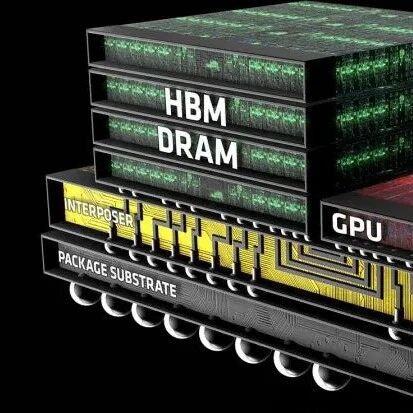
Core Viewpoint - The export landscape of AI memory is rapidly changing, with a significant decline in reliance on China for semiconductor exports, particularly high bandwidth memory (HBM) [2][3] Group 1: Export Trends - The export of HBM to Taiwan has surged, with Taiwan's share of total exports rising to 30%, nearly equal to that of China [2] - In 2022, South Korea's total semiconductor exports reached $94.613 billion, with exports to China amounting to $30.99 billion, representing 32.7% of the total, a sharp decline from the previous 70% [2] - Exports to Taiwan increased significantly, reaching $27.076 billion in 2022, up 87.2% from $14.46 billion the previous year, raising Taiwan's share of total semiconductor exports to 28.6% [2][3] Group 2: Structural Changes in Exports - The reliance on the Chinese market is decreasing, with exports diversifying to the US, Taiwan, and Vietnam, indicating a structural shift in South Korea's semiconductor export landscape [3] - The share of exports to Taiwan is expected to rise from 6% in 2020 to 14.5% by 2024, with export values projected to grow from approximately $3 billion in 2023 to $14.46 billion in 2024 [3] Group 3: HBM4 Development - Samsung and SK Hynix are in fierce competition for the next-generation HBM4 market, which is crucial for the AI era and the future of the South Korean economy [4] - SK Hynix is innovating HBM packaging technology to enhance stability and performance without major process changes, with initial mass production of HBM4 already underway [5][6] Group 4: Performance Challenges - HBM4 faces performance challenges, with NVIDIA requiring a maximum performance of 11.7 Gbps per pin, significantly higher than the original 8 Gbps standard, complicating development [6][7] - Supply chain stability is a concern, as NVIDIA's latest AI accelerator may face supply shortages if high specifications are maintained [6][7] Group 5: New Packaging Techniques - SK Hynix is developing a new packaging method to address performance bottlenecks related to increased I/O port numbers in HBM4, which has doubled to 2048 ports compared to previous generations [8][9] - The new packaging aims to enhance stability by increasing the thickness of upper DRAM layers and reducing the spacing between DRAM chips, improving energy efficiency [9][10]
19万家小公司,面临芯片危机
半导体行业观察· 2026-03-04 01:53
Core Insights - The report from DigiTimes indicates that memory prices are now fluctuating hourly due to an AI-driven memory shortage, with small businesses facing significant risks of price hikes within minutes if they cannot prepay for orders [2] - The market is polarized, with around 100 top buyers having bargaining power to secure supply, while over 190,000 small and medium enterprises are competing for the remaining memory [2] - Major players like cloud service providers, leading automotive manufacturers, and smartphone giants such as Apple and Samsung have the financial strength to resist price increases and maintain priority supply relationships with memory manufacturers [2] - Companies like Samsung, SK Hynix, and Micron prioritize these large clients, who are increasingly opting for prepayment or cash transactions, making it difficult for smaller companies to accept such terms [2] - Starting from the second half of 2025, companies are expected to struggle with rising memory costs, leading to demand forecast reductions as a "stop-loss survival" strategy [2] - TrendForce has raised its Q1 2026 DRAM contract price forecast to a quarter-on-quarter increase of 90-95%, with NAND flash prices expected to rise by 55-60% [3] - DigiTimes predicts a further 70% surge in DRAM prices in Q2 2026, while IDC warns that DRAM shortages may persist until 2027 [3] - HP disclosed that DRAM memory costs currently account for 35% of its PC assembly costs, up from 15-18% in the previous quarter [3] - Gartner forecasts that due to rising memory costs, PC shipments will decline by over 10% and smartphone shipments by about 8% in 2026 [3] - If a significant number of small businesses exit the market due to inability to bear premium prices, it could lead to a situation where supply tightness turns into oversupply, making the perceived shortage "misleading" [3]