美妆

Search documents
“好品山东”练就质量金招牌——山东打造品牌建设新范式
Zhong Guo Zhi Liang Xin Wen Wang· 2025-07-29 06:29
Core Insights - The event highlighted the high-quality development of brands in Shandong, emphasizing innovation as a key driver for growth and the integration of manufacturing processes and product connections [1] Company Summaries - **Furida**: Focuses on creating skincare products tailored for Chinese consumers, having developed the first domestic hyaluronic acid essence and a series of micro-ecological skincare products. The company holds over 170 patents and has achieved a sales scale of 1 billion yuan within five years [2] - **Hisense**: After ten years of development, Hisense has successfully created the RGB-Mini LED technology, with a key component being the "Xin Chip H7," which offers three times the light control precision of traditional LCDs. This innovation has positioned Hisense as a leader in display technology [3] - **Huaguang Guoci**: Innovates in high-end ceramics, developing various advanced materials and techniques, including lead-free glazes and antibacterial glazes, while promoting traditional Chinese culture through brand initiatives [4] - **Luhua**: Invests heavily in R&D to produce high-oleic peanuts, achieving over 75% oleic acid content. The company’s unique 5S physical pressing process enhances nutritional retention and flavor, contributing to the agricultural sector's growth [4] Industry Trends - The "chain development" model in Shandong is fostering growth not only for individual companies but also for the entire industry chain, with Hisense leading investments in 25 companies in 2024 and 28 in 2025 [5] - Furida is establishing a multi-brand group operation and a dual beauty ecosystem, with a projected annual output value of 4 billion yuan from its new innovation park [5] - Luhua's approach extends from edible oils to agricultural products, creating a full industry chain that enhances both economic and ecological benefits [6] - The collective efforts of these companies illustrate Shandong's commitment to high-quality development through technological strength, brand enhancement, and ecological synergy, with an increasing number of Shandong brands gaining international recognition [6]


快消行业如何反“内卷”,CLTV如何打造品牌增长“永动机”?
首席商业评论· 2025-07-28 13:23
Core Insights - The article emphasizes the importance of the Customer Lifetime Value (CLTV) system in driving sustainable growth for brands in a competitive market where traditional advertising methods are becoming less effective [5][12][20]. Group 1: Brand Performance - Pop Mart achieved global revenue exceeding 13 billion, with 46 million members and 11.72 million new members, where nearly half (49.4%) are repeat buyers [1]. - Lin Qingxuan reported a high repurchase rate of 34.6% with 4.3 million active users [2]. - Proya's revenue surpassed 10.7 billion, growing over 20% year-on-year, and net profit reached 1.55 billion, marking it as the first domestic beauty brand to enter the "billion club" [12][14]. Group 2: Market Dynamics - The market has shifted from an incremental to a stock market, leading to rational consumer decision-making and challenges for brands that previously dominated the Chinese market [11]. - International brands are withdrawing from the market, while domestic brands like Proya and Lin Qingxuan are experiencing growth due to their effective user relationship management [11][12]. Group 3: CLTV System Implementation - The CLTV system focuses on building long-term trust with users and continuously extracting user value, likened to nurturing a fruit orchard rather than just harvesting [8][20]. - The system comprises three core strategies: precise customer acquisition, refined retention, and transforming customers into lifelong assets [15][19][20]. Group 4: GAIN Model - The GAIN model, introduced by Tmall, serves as a practical framework for implementing the CLTV system, focusing on user value extraction rather than just user acquisition [22][28]. - It evaluates user value growth through four dimensions: demand drivers, demographic strategies, participatory interaction, and long-term growth [29][35][38]. Group 5: Case Studies - Helena's strategy includes creating product bundles and leveraging live streaming to enhance cross-category purchasing intentions [38]. - Huaxizi effectively targets Gen Z consumers by incorporating traditional elements into product design and focusing on platforms like Bilibili and Xiaohongshu for marketing [33]. - Natural Hall's membership operations emphasize consumer insights and engagement, transforming one-way transactions into two-way interactions [37]. Group 6: Tmall's Role - Tmall provides comprehensive support for the CLTV system through data analysis tools and a complete marketing ecosystem, facilitating the implementation of the GAIN model [45]. - The "Red Cat Plan" exemplifies innovative cross-platform operations that convert traffic into sustainable user engagement [46][49].



拼多多或二次上市;阿里将发自研AI眼镜;欧莱雅任命印度公司总裁
Sou Hu Cai Jing· 2025-07-28 13:19
Listing Dynamics - Pinduoduo is reportedly seeking a secondary listing in Hong Kong, having engaged Ernst & Young for the review of its financial statements, which is a common step for companies planning to list in Hong Kong [3] - This move aligns with previous strategies employed by Alibaba and JD.com before their Hong Kong listings, indicating a substantial preparatory step despite Pinduoduo's official denial of such plans [3] Brand Dynamics - Pernod Ricard has agreed to sell its Imperial Blue business to Indian liquor manufacturer Tilaknagar for €412.6 million, focusing on streamlining its operations and concentrating on more profitable brands [5] - Alibaba is set to launch its first self-developed AI glasses, which will feature advanced hardware specifications and will be part of its A1toC strategy [7] - The beauty brand Kose has opened its first overseas store in Singapore, showcasing popular products and introducing new shades tailored for local consumers [12] Personnel Dynamics - Santa Maria Novella appointed Ludivine Pont as CEO, who has extensive experience in luxury brand marketing, aiming to enhance the brand's visibility [15] - L'Oreal's Indian subsidiary has restructured its management, promoting Aseem Kaushik to president, reflecting the company's ambition in the dynamic Indian beauty market [18] - Coty announced several personnel changes, including the appointment of Beatrice Ballini as lead independent director, amidst a strategic restructuring [20] - Yves Rocher appointed Philippe Duchossois as CEO for the Asia region, leveraging his extensive experience to drive growth [22] - Magnum has established a new legal leadership team, which is expected to accelerate its independent listing timeline [25][26]



颐莲如何以文化为锚,在美妆红海开辟新航道?
FBeauty未来迹· 2025-07-28 09:27
Core Viewpoint - The article emphasizes the importance of cultural resonance in the beauty industry, highlighting how brands like Yilian are shifting from merely functional products to those that embody cultural values and narratives [2][4]. Group 1: Brand Cultural Development - Yilian hosted its first Brand Cultural Communication Conference, integrating traditional Song culture with modern beauty concepts, aiming to explore sustainable brand vitality through cultural roots [2][4][6]. - The conference featured experts from various fields discussing the coexistence of traditional culture and modern branding, emphasizing that culture is the foundation of a brand's identity [6][7]. - Yilian's "Five Commons" values—co-creation, co-progress, sharing, win-win, and co-existence—reflect its commitment to cultural ethics and the elevation of Chinese manufacturing to cultural ambassadors [7][8]. Group 2: Market Insights - China is the world's largest cosmetics market, with a projected market size of 1,073.82 billion yuan in 2024, where domestic brands account for over 55.2% [7]. - Despite the growth, only one domestic brand among the top 50 in 2024 is expected to exceed 10 billion yuan in retail sales, indicating a concentration of domestic brands in the mid-to-low-end market [7]. Group 3: Cultural Asset Utilization - Experts suggest that the key to breaking through market challenges lies in "cultural assetization," proposing a three-step approach: from symbolic borrowing to spiritual resonance, activating ancient formulas with modern technology, and establishing a "Chinese fragrance" standard [8][10]. - The government is increasingly prioritizing brand promotion, making the development of high-end Chinese cosmetic brands a national strategy [10]. Group 4: Cultural Integration in Branding - Yilian's cultural narrative transforms scientific terms like "hyaluronic acid" into emotional symbols of skin care, making the brand's scientific strengths more relatable to consumers [27]. - The brand's cultural initiatives are deeply integrated with its product offerings, ensuring that cultural elements are not merely superficial marketing tactics but are embedded in the entire consumer experience [27][28]. Group 5: Future Directions - Experts believe that future cultural communication in the beauty industry should focus on "lifestyle," "scene-based," and "participatory" approaches, emphasizing that the best cultural dissemination is through immersion rather than education [28]. - Yilian's recent cultural collaborations and immersive experiences aim to bring traditional cultural elements into consumers' daily lives, making culture a living part of the brand experience [30].


上城一城宋韵共潮生
Hang Zhou Ri Bao· 2025-07-28 02:36
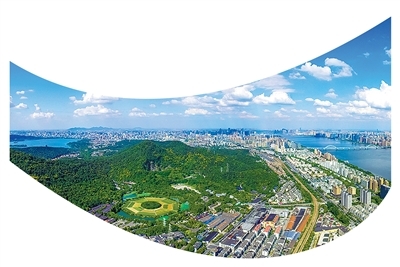
Core Viewpoint - The article highlights the cultural revitalization and economic development in Hangzhou's Shangcheng District, emphasizing the integration of historical heritage with modern urban life and tourism, driven by the "Song Yun" cultural theme. Group 1: Cultural Revitalization - The Shangcheng District is leveraging its rich historical background from the Southern Song Dynasty to enhance cultural tourism and local engagement, creating a vibrant urban atmosphere that blends tradition with modernity [8][10]. - Events like the "Blind Box Concert" and the "West Lake Big Show" are examples of how the district is transforming public spaces into interactive cultural experiences for residents and tourists alike [12][13]. Group 2: Economic Development - The district has seen significant tourism growth, with 35.825 million visitors in the first half of the year, generating a total tourism revenue of 30.01 billion yuan, ranking first in the province [11]. - The integration of cultural resources with various industries, including technology and tourism, is driving economic innovation and creating a new urban brand identity [12][13]. Group 3: Community Engagement - Community initiatives, such as the "Best Cool Tea Stall" and various volunteer programs, are fostering a sense of belonging and cultural pride among residents, enhancing the social fabric of the district [15][16]. - The establishment of public cultural spaces and events is promoting continuous community interaction and cultural participation, with 175 quality cultural life circles created, the highest in the city [16].
科技领航,工业稳舵,消费承压
2025-07-28 01:42
Summary of Key Points from Conference Call Records Industry Overview - **Global Investment Strategy**: Focus remains on the US (60% allocation), followed by Europe (15%), Japan and South Korea (7%), and Southeast Asia (6%). The research covers 11 countries, emphasizing opportunities in the technology sector, benefits in the industrial sector from manufacturing return, and pressure in the consumer sector [1][2]. Core Insights and Arguments - **US-Japan Trade Dynamics**: Japan plans to invest $550 billion in the US, with 90% of profits returning to the US. Investment areas include energy, semiconductors, AI, pharmaceuticals, and steel. The completion is expected within 3-4 years, although details remain vague [1][8]. - **AI Computing Demand Surge**: The US stock market's computing and communication sectors are rising, with North American cloud providers increasing capital expenditure expectations by over 40% for 2025. Custom AI chips are accelerating production, and Ethernet penetration is improving [1][12][13]. - **Optical Module Market Potential**: The market for 800G optical modules is expanding, with 1.6T modules expected to launch soon. The overall sector is projected to maintain high growth rates, with potential revenue guidance upgrades [1][14][15]. - **Industrial Sector Recovery**: The global capital goods index is rising, with Europe showing the most significant gains. The US manufacturing PMI is rebounding, indicating a recovery in the industrial sector, although downstream demand remains weak [3][5][28][29]. - **Consumer Market Divergence**: The luxury goods sector is slowing, with mixed performance in sportswear and beauty markets. The US restaurant sector is experiencing a slowdown in same-store sales, with notable differences between fast food and casual dining [3][4][40][41][46]. Additional Important Insights - **Electric Equipment Demand**: The US electric equipment new orders index is growing, with significant price increases for gas turbine equipment and grid devices. Companies like General Electric and Siemens Energy are expected to see growth in their high-voltage grid businesses [3][32][34]. - **Financial and Raw Materials Sector Outlook**: The financial sector is expected to benefit from a relaxed regulatory environment in the US. Opportunities exist in specific raw materials sectors, such as gold and copper, with price fluctuations impacting profitability [7][56][57]. - **Emerging Market Trends**: Emerging markets are showing signs of recovery, particularly in the Middle East, while facing pressures in Africa and Latin America. The demand for energy drinks is increasing in the US and international markets [48][51]. - **Cloud Computing and AI Trends**: The cloud computing sector is expected to grow, driven by AI supply chain developments and increased demand for data governance. Companies like Google and ServiceNow are leading in AI performance [20][21][23]. - **Consumer Goods Sector Performance**: The consumer goods sector is experiencing a slowdown, with companies adjusting their growth forecasts due to weak demand in mature markets. However, some signs of stabilization are emerging [50][52][53]. This summary encapsulates the key points from the conference call records, highlighting the current state and future outlook of various industries and sectors.
日本已经被逼上不归路!美日关税谈判后:日本或将矛头对向中国
Sou Hu Cai Jing· 2025-07-28 01:06
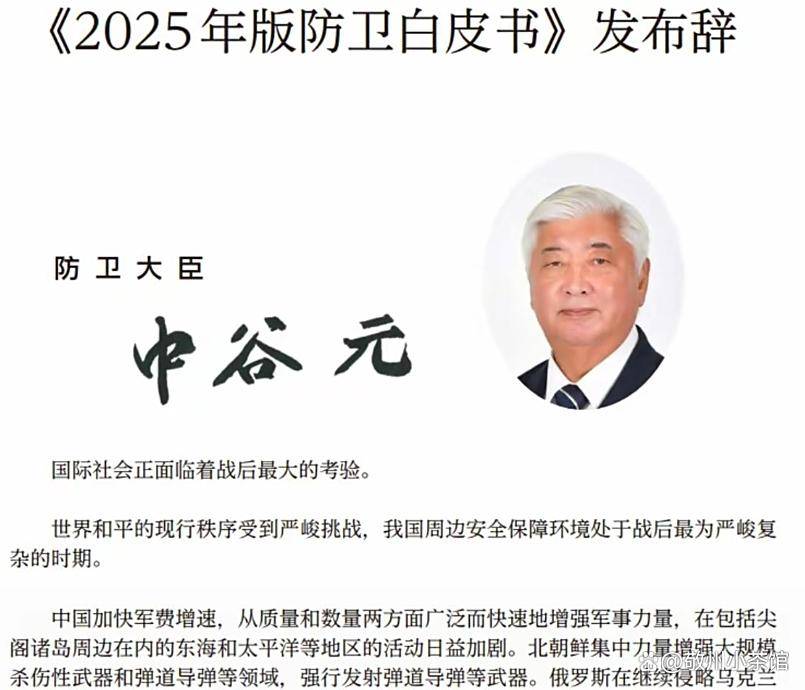
Group 1 - The core viewpoint is that Japan's reliance on the U.S. and its strategic miscalculations are leading to significant economic and geopolitical challenges, while the integration with China's economy presents a potential path for recovery [1][2][4][12] - Over 32,000 Japanese companies in China, with 78% stating they will not withdraw, indicate a strong commitment to the Chinese market, as seen in the actions of companies like Shiseido and Toyota [1] - Japan's automotive industry faces severe threats from both Chinese electric vehicle competition and U.S. tariffs, with a projected trade deficit with China reaching $42.4 billion in 2024 [2][6] Group 2 - Japan's economic structure is deteriorating, with a significant reliance on the U.S. leading to unfavorable trade agreements, exemplified by the humiliating terms of the U.S.-Japan tariff negotiations [6] - The Japanese government is increasing its defense budget, with plans to deploy advanced military capabilities in response to perceived threats from China, reflecting a shift in its defense strategy [9] - The potential for economic revitalization exists through deeper integration with East Asia, particularly through the RCEP and a proposed free trade agreement among China, Japan, and South Korea, which could unlock significant market opportunities [12]

中金 • 全球研究 | 科技领航,工业稳舵,消费承压:2Q25业绩预览
中金点睛· 2025-07-27 23:47
Core Viewpoint - The report highlights a mixed performance across various sectors in Q2 2025, with technology showing strong potential for exceeding expectations, while consumer sectors are experiencing deterioration. The financial sector is performing well, and industrial sectors are seeing varied results based on sub-segments [2][5][6]. Group 1: Technology Sector - The technology sector is expected to outperform in Q2 2025, driven by strong AI infrastructure demand and IT spending. The communication and software segments are likely to see significant growth, while the consumer electronics segment is expected to meet company guidance due to seasonal factors [3][8][13]. - AI infrastructure is projected to be a key growth driver, with companies in this space likely to revise their revenue guidance upwards for 2025 [8][13]. Group 2: Industrial Sector - The industrial sector is experiencing overall recovery, with the MSCI global capital goods index up 21% year-to-date. However, performance is mixed across sub-segments, with discrete automation showing improvement while process automation faces pressure due to high base effects [4][17]. - The U.S. power equipment demand remains strong, but major suppliers may not exceed expectations due to reliance on past order volumes [23][24]. Group 3: Consumer Sector - The consumer sector is facing challenges, particularly in discretionary spending, with notable declines in sectors like luxury goods and apparel. Essential goods are showing more resilience, but overall momentum remains weak [5][41][44]. - The automotive sector is seeing mixed results, with traditional automakers performing well in the U.S. and Europe, while electric vehicle penetration is under pressure [32][33]. Group 4: Financial Sector - The financial sector in the U.S. has recorded positive absolute and relative returns in the first half of 2025, driven by earnings improvements and regulatory easing. The outlook for the second half remains optimistic [6][70]. Group 5: Mining and Commodities - The mining sector, particularly gold and copper, has shown strong performance in Q2 2025, with gold prices reaching historical highs. The agricultural sector is stable, while the chemical sector has downgraded its outlook due to currency headwinds and weak demand [7][74][91]. Group 6: Regional Performance - U.S. companies are benefiting from a weaker dollar, while European firms face headwinds from currency fluctuations. Japanese companies are under pressure from weak domestic growth [2][5].

首届颐莲品牌文化传播大会共绘文化香妆新图景
Qi Lu Wan Bao· 2025-07-26 13:57
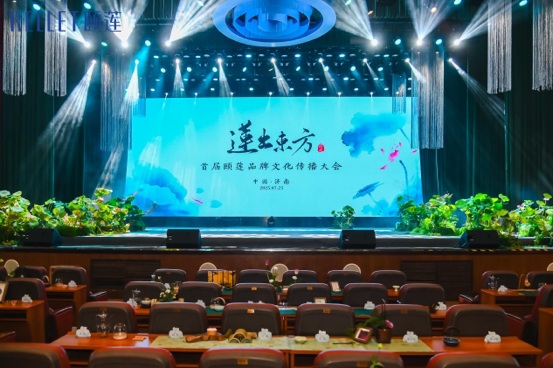
Core Viewpoint - The event "Lotus from the East" aims to integrate traditional culture with modern beauty industry practices, emphasizing that culture is the lifeblood of brands and a key to industry upgrade [1][3][10] Group 1: Cultural Empowerment in the Beauty Industry - The beauty industry faces intensified homogenization, prompting the Yilian brand to adopt the value proposition of "more Chinese, more cultural, more Yilian" [3] - The first Brand Culture Communication Conference was held on July 25, focusing on the integration of traditional culture and modern beauty [3] - The "Chinese Culture Empowerment Fragrance and Cosmetics Brand Construction Project" was officially launched, with Yilian as the first practitioner, demonstrating the depth of cultural integration in the beauty sector [3][7] Group 2: Product Innovation and Cultural Resonance - Yilian launched the "Fuguang Qinzhu" product line, which combines modern technology with lotus culture, offering dual benefits of skin brightness and firmness [5] - Each product serves as a cultural carrier, reflecting both technological advancements and the embodiment of Eastern aesthetics [5] Group 3: Collaborative Ecosystem for Cultural Beauty Industry - The conference attracted over a hundred representatives from academia, industry, and distribution channels to discuss the value of cultural heritage and the rebirth of Eastern aesthetics [7] - A collaborative model involving brands, academia, and distributors is proposed to create a virtuous cycle of culture, industry, and market [7] Group 4: Immersive Cultural Experience - The conference featured an innovative dual-track format combining a cultural forum with a Song-style gathering, allowing participants to engage in traditional activities [9] - The immersive experience included poetry creation and interactive activities, enhancing the cultural connection with the brand [9] Group 5: Long-term Cultural Commitment - Yilian has demonstrated over twenty years that culture is not merely a marketing gimmick but the foundation for brand longevity [10] - The integration of modern skincare technology with traditional cultural elements positions Yilian to take a more prominent role on the global beauty stage [10]
“深耕中国”成了全球竞争力,外资们提前当上进博九年“全勤生”
Di Yi Cai Jing· 2025-07-26 08:37
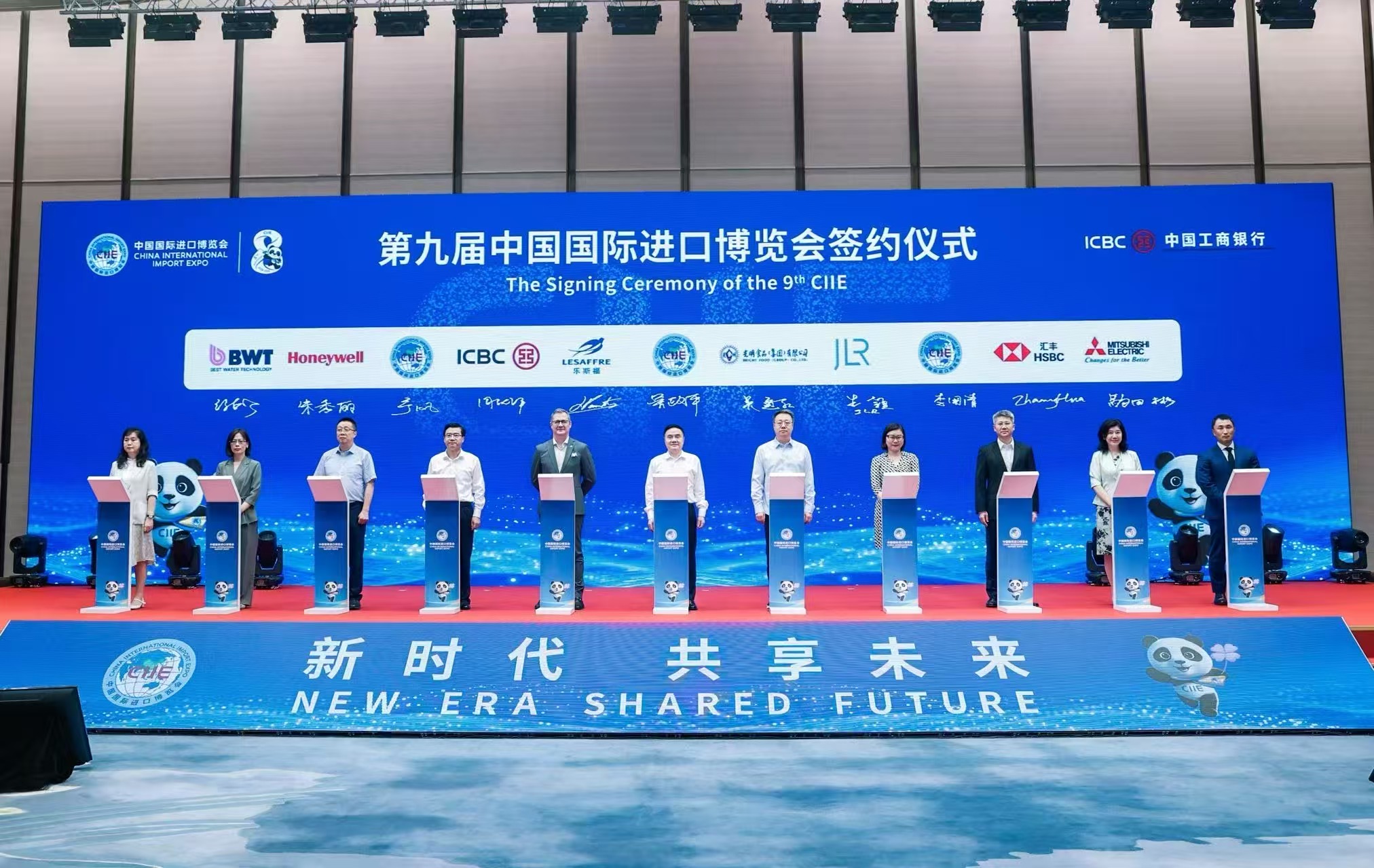
Group 1 - The advantages and status of China's super market remain strong, with multinational companies leveraging China's manufacturing scale and complete industrial chain to expand into the Asia-Pacific and larger international markets [3][4] - The 9th China International Import Expo (CIIE) has already seen over 40 companies sign up as early exhibitors, with a total exhibition area of 30,000 square meters [1][10] - Companies like GE Healthcare, Novartis, Honeywell, Mitsubishi Electric, Jaguar Land Rover, L'Oreal, and HSBC are among the first exhibitors to commit to the 9th CIIE [1] Group 2 - Emerson views the CIIE as a crucial bridge for global companies to deepen their engagement with the Chinese market, having established a complete localized value chain in China [4] - Boston Scientific plans to showcase over 80 innovative minimally invasive products at the CIIE, with several making their debut in Asia and China [5][8] - Medtronic will present over 100 innovative medical technology products at the CIIE, emphasizing its commitment to local medical innovation and value chain development in China [9] Group 3 - International brands are increasingly recognizing opportunities in China's high-end market and demographic trends such as aging and declining birth rates [11] - New Zealand's New Zealand Dairy is set to launch new products targeting the elderly market at the CIIE, reflecting the growing demand for high-quality nutritional products [11] - The Argentina (Shanghai) Innovation Center, a product of the CIIE, has expanded its services to include a bonded display and trading center for Argentine goods, benefiting local SMEs [12] Group 4 - The D商集团 has participated in the CIIE for eight consecutive years, showcasing nearly 200 products from six countries, demonstrating the expo's spillover effects [13] - Shanghai is the largest import port for consumer goods in China, with significant growth in imports of dairy products and fruits in the first half of the year [13][14] - Cross-border e-commerce imports in Shanghai have seen substantial growth, with a 24.5% increase in import value in the first half of the year [14]