茶饮

Search documents
柠檬价格暴涨,头部茶饮或调整柠檬水配方
2 1 Shi Ji Jing Ji Bao Dao· 2025-06-26 02:49
Price Surge - Lemon prices have surged significantly, with the average selling price reaching 7.0 yuan per jin on June 25, 2025, compared to 3.75 yuan per jin at the beginning of the year, marking an increase of 113% in just half a month [1] - The wholesale price of lemons in Anju County has doubled compared to the same period last year, reaching around 8 yuan per jin [1] Production Impact - The production of lemons in Anju County is expected to decline due to adverse weather conditions, including late spring cold snaps, which may affect the spring-flowering lemons that typically account for over 60% of total production [5] - Globally, lemon production is projected to decrease by approximately 6% in 2025, particularly in Turkey and Argentina, due to unfavorable weather during the flowering period [6] Industry Response - The rising lemon prices are impacting the supply chain, with companies considering substituting fresh lemons with lemon liquid in their products if prices continue to rise [7] - A senior executive from a leading tea beverage brand expressed concerns about the supply pressure from Anju County [8]
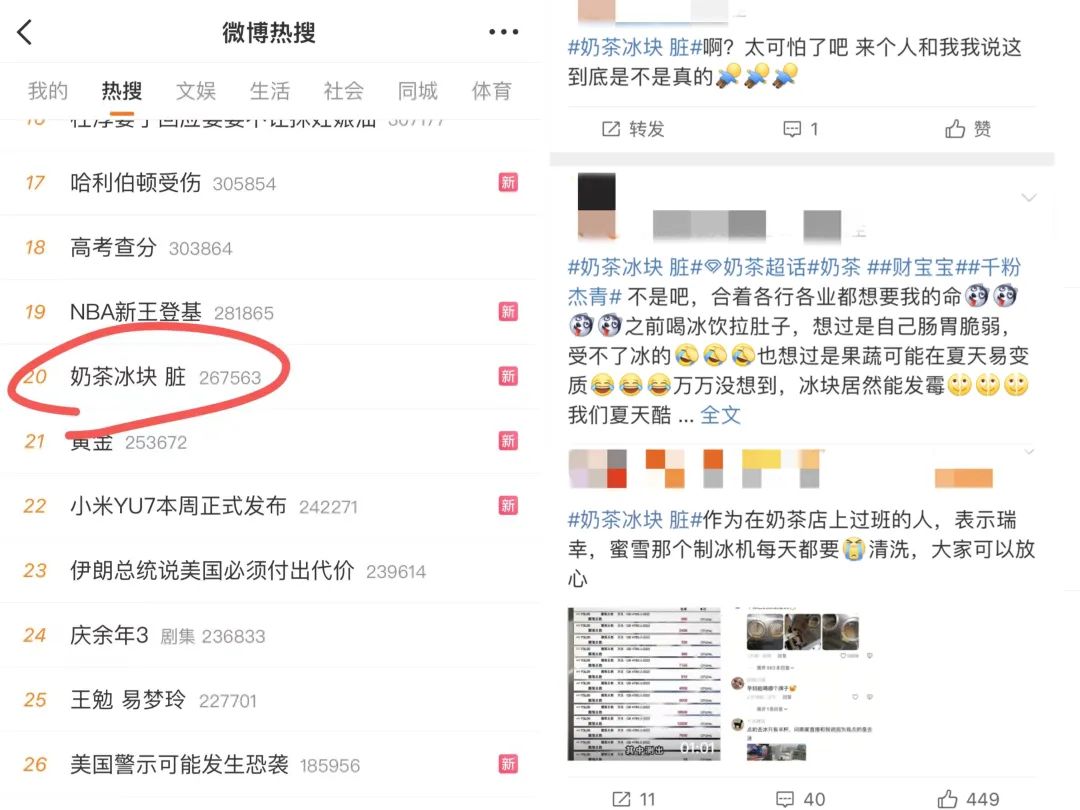
“奶茶店冰块菌落超标”上热搜,我做了一番调查
3 6 Ke· 2025-06-26 02:08
Core Viewpoint - The hygiene of ice cubes used in tea and beverage shops has come under scrutiny following a sampling test that revealed high levels of bacterial contamination in many popular brands, leading to public concern and debate about the safety of consuming ice in drinks [1][3]. Group 1: Ice Hygiene Controversy - A recent evaluation by a popular testing blogger found that out of 13 sampled beverage outlets, 11 had exceeded the acceptable bacterial count, with 4 showing high levels of coliform bacteria [1][3]. - The public reaction has been significant, with many consumers expressing anxiety about the safety of ice in drinks, while others question the scientific validity of the testing standards used [3][7]. - Notably, no pathogenic bacteria were detected in the samples, and the bacterial counts were primarily related to total bacterial colonies and some coliforms, not harmful pathogens [3][5]. Group 2: Standards and Procedures - The testing standards referenced by the blogger are primarily aimed at frozen products and do not apply to freshly made beverages, raising questions about the appropriateness of the standards used [5][7]. - Industry experts emphasize that the presence of some bacteria in ice is normal due to environmental exposure, and proper hygiene practices are in place in many beverage brands [7][10]. Group 3: Industry Response and Improvements - Leading beverage brands have implemented rigorous internal safety protocols and regular self-inspections to ensure ice hygiene [10][12]. - New ice-making machines are being adopted that enhance cleanliness and simplify maintenance, reducing the risk of contamination [12][15]. - Standard Operating Procedures (SOPs) are established for the cleaning and usage of ice tools, ensuring that hygiene practices are consistently followed across all outlets [15][17]. Group 4: Oversight and Accountability - Regular audits and third-party inspections are conducted to maintain high hygiene standards, with brands employing professional testing agencies to verify ice quality [19][22]. - The industry is moving towards a more transparent management approach, advocating for the establishment of specific regulatory standards for ice used in freshly made beverages [23][24].

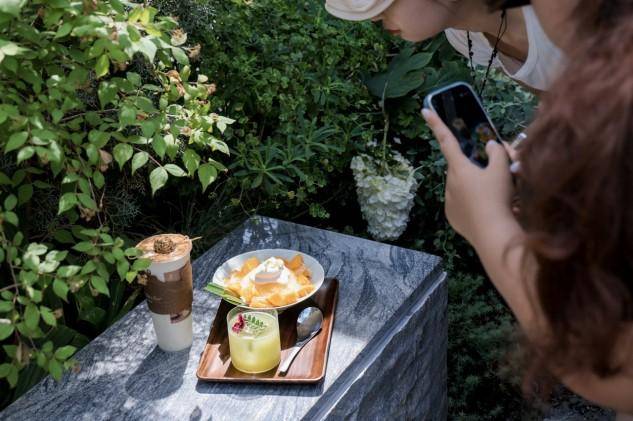
茶百道全球首家手作门店在青羊“首发”,体验型消费人气高
Sou Hu Cai Jing· 2025-06-25 15:08
Core Insights - The article highlights the opening of the first handmade store of Cha Baidao, named "Cha Baidao · Tan Chuan Mi Yin," located in the Kuanzhai Alley area of Chengdu, which has attracted both locals and tourists due to its innovative drinks and unique space design [1][2] Group 1: Store Features - The flagship store covers an area of approximately 460 square meters, featuring an outdoor courtyard and a two-level seating area, designed with traditional artistic elements to reflect Chengdu's cultural heritage [1][2] - The store offers a unique experience where consumers can enjoy drinks while engaging in activities like "roof climbing," enhancing the immersive cultural experience [1] - The store transitions to a night mode, creating a distinct "day tea, night wine" consumption scene for customers [1] Group 2: Product Offerings - The store introduces a new product line, including handmade fresh milk tea and fruit tea, as well as specialty tea cocktails and desserts, emphasizing the local craftsmanship and ingredients [2] - Signature products such as "Piao Xue" (Jasmine Tea) and "Mo Ran Qing Feng" (Black Tea) showcase the essence of Sichuan tea culture [2] Group 3: Cultural Integration - Cha Baidao collaborates with Chengdu's cultural tourism to launch limited-edition cultural products, enhancing the cultural experience for consumers [4] - The store's design and offerings aim to create an immersive experience that reflects Chengdu's rich cultural heritage, moving from functional consumption to experiential consumption [5]
蜜雪冰城创始人晋升河南新首富
第一财经· 2025-06-25 13:06
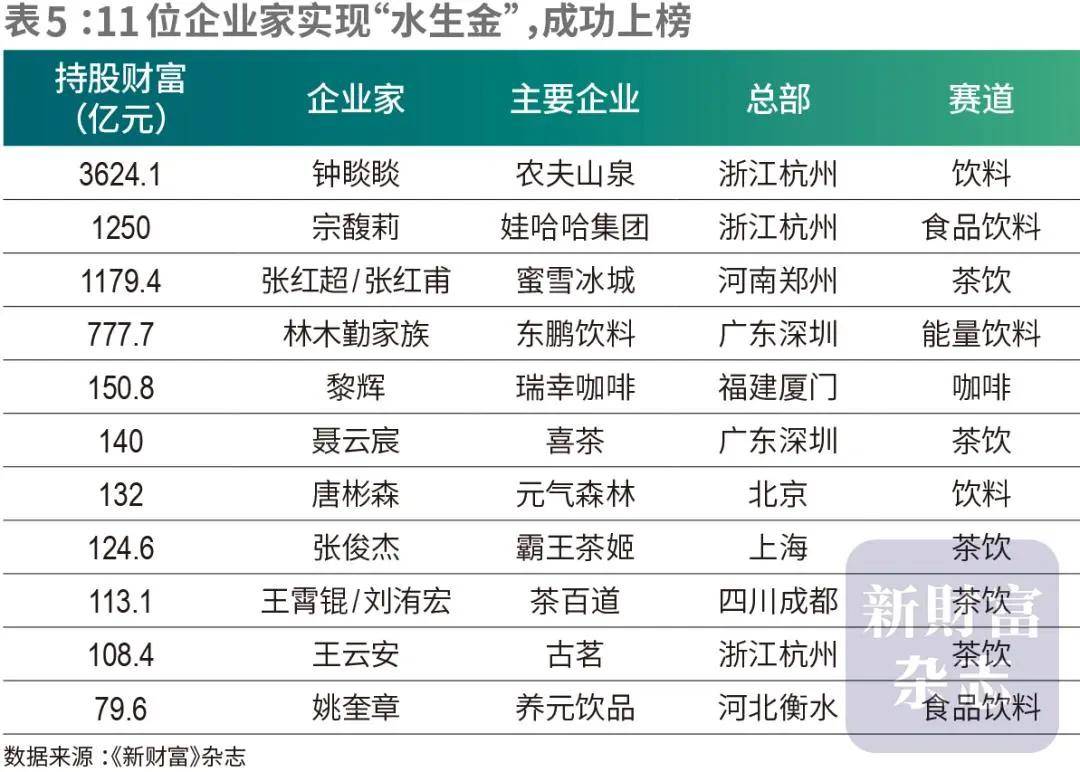
Core Insights - The article highlights the rise of Zhang Hongchao and Zhang Hongfu, founders of Mixue Ice City, as the richest individuals in Henan, with a net worth of 117.94 billion yuan, ranking them 16th on the "New Fortune" 500 Rich List [1][2] Company Overview - Mixue Ice City was founded in 1999 by Zhang Hongchao, who initially started with a modest investment of 3,000 yuan from family funds, focusing on perfecting the recipe for shaved ice [2] - The company has grown to become the largest fresh beverage enterprise globally, surpassing Starbucks, with over 46,000 stores across China and 11 other countries by the end of 2024 [2] - The company went public on the Hong Kong Stock Exchange on March 3, 2025, under the name "Mixue Group" (02097.HK) [3] Ownership and Structure - Mixue Ice City was established in April 2008, with a registered capital of 360 million yuan, and its legal representative is Zhang Hongfu [4] - Zhang Hongchao holds approximately 95.6% of the shares, making him the largest shareholder and the actual controller of the company [4]
存量调改成风 | 2025年6月商业地产零售业态发展报告
Sou Hu Cai Jing· 2025-06-25 09:54
Core Viewpoint - The retail sector in commercial real estate is experiencing a transformation driven by consumer promotion policies and the expansion of the duty-free economy across major cities in China, leading to increased consumer spending and inbound tourism [3][5][6]. Group 1: Retail Sector Performance - Major retail operators such as CR Land, Longfor Group, and Link REIT are showing varied performance, with some projects achieving significant growth while others struggle with older assets requiring continuous investment [3][9]. - The retail property portfolio of Link REIT in mainland China reported a total revenue and net property income growth of 29.7% and 28.9% respectively, driven by strong performance from specific projects in Shanghai and Shenzhen [9][12]. Group 2: Consumer Promotion Policies - Cities like Shenzhen, Chongqing, and Chengdu have introduced consumer promotion policies aimed at boosting local economies, with initiatives such as the establishment of new retail stores and events to attract consumers [5][6]. - The focus on green consumption and the establishment of new retail formats, such as duty-free shops in urban areas, are part of a broader strategy to enhance consumer engagement and stimulate economic activity [5][8]. Group 3: Experience and Content Enhancement - Existing retail spaces are undergoing significant upgrades to enhance consumer experience, with a shift towards immersive and engaging environments to attract foot traffic [14][17]. - New entrants in the outlet market are leveraging unique themes and experiences to differentiate themselves, such as health and wellness concepts in shopping centers [13][19]. Group 4: Cross-Border E-commerce Expansion - Cross-border e-commerce platforms like TikTok Shop are expanding into new European markets, indicating a strategic move to capture a broader customer base [30][31]. - Domestic platforms are also enhancing their international competitiveness, with initiatives like JD's collaboration with Xiaohongshu to improve conversion rates and customer engagement [34]. Group 5: REITs and Investment Trends - The approval of new consumption infrastructure REITs, such as the China Green Development REIT, reflects a growing trend towards light-asset operations and the optimization of commercial assets [35][36]. - Existing REITs are showing stable operations, with a reported cash distribution rate of 4.19% for the recently restructured Huaxia First Creation Outlet REIT [36][37].
星巴克中国值50-60亿美元吗?遭瑞幸库迪及新式茶饮围剿 2024财年营收、同店销售额下滑
Xin Lang Zheng Quan· 2025-06-25 09:10
Core Viewpoint - Starbucks China is facing significant challenges in the competitive landscape, with declining performance metrics and increasing pressure from local coffee brands and new tea beverage companies, raising questions about its valuation of $5-6 billion [1][6]. Group 1: Market Dynamics - Since 2019, local coffee brands like Luckin Coffee and Kudi have rapidly gained market share through aggressive pricing strategies and innovative marketing, leading to increased competition for Starbucks China [2][5]. - The ready-to-drink tea market is also saturated, prompting leading tea brands to expand into coffee, further intensifying competition in the coffee sector [2][5]. Group 2: Pricing and Product Innovation - Starbucks China has implemented significant price reductions, averaging a decrease of 5 yuan on several popular products, marking its first large-scale price adjustment in over 20 years [3][4]. - Despite these price cuts, Starbucks still struggles to compete on price, with local brands offering lower-priced options, such as Luckin Coffee's promotions at 6 yuan [3][5]. Group 3: Financial Performance - For the fiscal year 2024, Starbucks China's revenue declined by 1.4% to $2.958 billion, marking its first negative growth in recent years [4][6]. - Same-store sales fell by 8%, with average transaction value also decreasing by 8%, indicating a challenging sales environment [5][6]. Group 4: Competitive Positioning - As of March 2025, Starbucks China had 7,758 stores, while Luckin Coffee had expanded to 24,097 stores, highlighting a significant gap in market presence [7]. - Starbucks' market share has dropped from a peak of 60% to approximately 14%, while Luckin Coffee leads with a 35% market share [7][8]. Group 5: Valuation Comparison - Luckin Coffee's total revenue for 2024 was $4.724 billion, with a market capitalization of $10 billion, resulting in a P/S ratio of 2.1 [8]. - If Starbucks China is valued at $5-6 billion, it would correspond to a P/S ratio of 1.7-2.03, which is lower than Luckin's, reflecting its weaker growth prospects and market performance [8].

锚定情感共鸣打造长线爆款:爷爷不泡茶如何逆势破局
Cai Fu Zai Xian· 2025-06-25 06:52
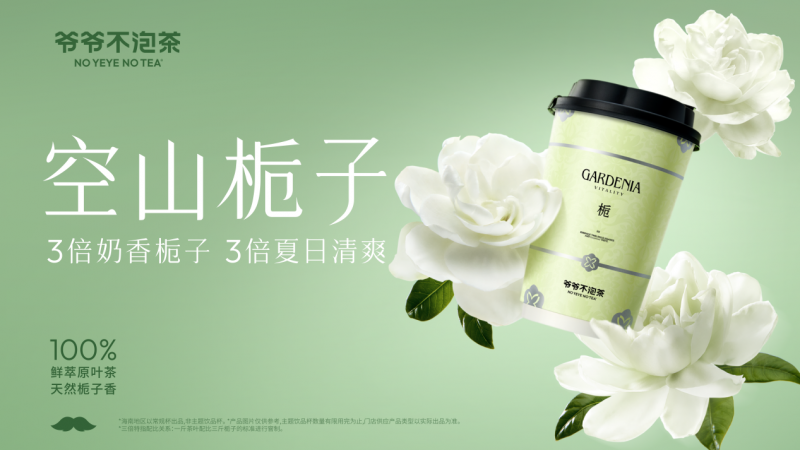
Core Insights - The tea beverage market in China is becoming increasingly competitive, with a projected market size of 312.7 billion yuan in 2024, reflecting a growth of 20.97% from the previous year [1] - The brand "爷爷不泡茶" has emerged as a leader in this saturated market, achieving an eightfold increase in store count within a year, highlighting its successful strategy of tapping into emotional value and creating long-lasting popular products [1][3] Market Overview - The Chinese ready-to-drink tea market is expected to reach 368.9 billion yuan by 2025, with growth rates slowing due to market saturation and intense competition among numerous tea brands [1] - The brand "爷爷不泡茶" has capitalized on this competitive landscape by rapidly expanding its presence and product offerings [1][9] Product Strategy - "爷爷不泡茶" has developed a signature product, "空山栀子," which combines high-quality ingredients and innovative recipes, achieving a repurchase rate three times higher than similar new products [3][6] - The brand's product line includes "栀子龙眼椰" and "荔枝冰酿," which have gained popularity among consumers, particularly the younger demographic [3][4] Emotional Value and Brand Positioning - The company emphasizes the importance of emotional value in its products, aiming to provide not just refreshments but also a means to enhance consumer experiences [6] - The brand's marketing strategies include collaborations with popular figures and social media campaigns to resonate with younger audiences [6][7] Supply Chain and Expansion - "爷爷不泡茶" has successfully expanded to over 2,200 stores across more than 30 provinces, with an average of 2.7 new stores opening daily, while maintaining product quality through effective supply chain management [9] - The company has established temperature-controlled storage facilities and a cold chain logistics system to ensure product consistency and quality [9][10] Collaboration and Innovation - The establishment of a "栀子花绿茶实验室" in 下姜村 aims to leverage local agricultural resources for product development, showcasing the brand's commitment to quality and community engagement [10]
环球市场动态:内地财政对资金面压力将明显增加
citic securities· 2025-06-25 03:42
环球市场动态 内 地 财 政 对 资 金 面 压 力 将 明 显 增 加 股 票 以色列伊朗停战,全球股市情绪大 幅反弹。A 股上涨,沪指重回 3400 店;港股全线上涨,权重的科技股、 金融股纷纷走高;欧洲交易时段尽 管以色列和伊朗双方都指责对方破 坏停火协议,但市场乐观情绪仍较 高推动强劲收涨;鲍威尔国会证词 提及降息,美股三大指数均涨超 1%,金龙中国指数涨 3%。 外 汇 / 商 品 以伊停火协议缓解供应担忧,并且 特朗普表示中国可以继续购买伊朗 石油,原油价格连续第二天重挫; 中东局势降温减弱避险需求,周二 国际金价下跌近 2%;美国消费者 信心弱于预期,鲍威尔降息前景发 出偏平衡的信号,美元指数下跌 0.6%至 97.86。 固 定 收 益 美国短期国债领涨;地缘政治局势 缓和;美国消费者信心意外下降; 鲍威尔重申观望立场,未排除 7 月 降息可能;两年期美债拍卖中标利 率略低于发行前水平,需求略显平 淡。亚洲债市情绪改善,中国投资 级债券利差收窄 1-3bp。 产品及投资方案部 注:bp/bps=基点;pt/pts=百分点 中信证券财富管理 (香港) 免责声明请参考封底 2025 年 6 月 2 ...
蜜雪冰城创始人张红超晋升河南新首富,低价策略如何成就百亿身家
Sou Hu Cai Jing· 2025-06-25 01:21
Core Insights - The article highlights the remarkable growth of the brand "Mixue Ice City," which started from a tricycle selling ice cream in 2007 to becoming a major player with 46,000 stores, surpassing Starbucks in scale [1][8] - The founders, Zhang Hongchao and Zhang Hongfu, have amassed a fortune of 117.9 billion yuan, making them the richest individuals in Henan province by capitalizing on affordable beverages [1][8] Company Overview - Mixue Ice City began with a focus on affordable products, selling ice cream for 2 yuan, which resonated with consumers, particularly students [1][3] - The company has developed a robust supply chain, including 27 warehouses and a self-owned cold chain delivery system, achieving 97% of stores receiving deliveries within 12 hours [6][9] - The brand's strategy includes a low-cost model, with a focus on rural markets, where 57.2% of its stores are located in third-tier cities and below [6][8] Financial Performance - The company has a production capacity of 1.65 million tons annually, with a cost structure that allows for a 30% lower cost per drink compared to industry averages [6][9] - Despite its rapid expansion, the company faced challenges in 2024, including the closure of 1,600 stores and a decline in average daily sales per store [9][11] Market Strategy - Mixue Ice City employs a "direct supply" model, which allows it to reduce procurement costs by over 20% compared to competitors [5][6] - The brand's philosophy emphasizes accessibility, aiming to be a "national milk tea" that everyone can afford, which has contributed to its market penetration [8][12] Employment Impact - The company has created 785,000 jobs and increased income for 167,000 farmers, demonstrating its significant impact on local economies [8][9] - The logistics operations have also improved the livelihoods of delivery drivers, showcasing the brand's broader economic influence [9][12] Future Challenges - The company is addressing the "scale trap" by slowing down its expansion and focusing on niche markets such as campuses and hospitals [11] - There is a need for brand upgrading to appeal to younger consumers while maintaining its core values of affordability and accessibility [11][12]
从城中村刨冰摊到千亿茶饮帝国:蜜雪冰城创始人晋升河南新首富
Sou Hu Cai Jing· 2025-06-24 16:41
Core Insights - The rise of Zhang Hongchao and Zhang Hongfu, founders of Mixue Ice City, as the "new richest" in Henan with a net worth of 117.9 billion yuan reflects a significant shift in China's consumer market, highlighting the potential for grassroots entrepreneurs to reshape the wealth landscape through "extreme cost performance" and "lower-tier market dividends" [2][11] Company Overview - Zhang Hongchao started with 3,000 yuan from his grandmother to set up a small ice stall in Zhengzhou, overcoming multiple relocations and failures before achieving success with a 1 yuan ice cream in 2005. His brother joined in 2007, with clear division of responsibilities: product development and supply chain management by Zhang Hongchao, and brand expansion by Zhang Hongfu [4] - Mixue Ice City has rapidly expanded from a local ice stall to the largest global beverage chain, driven by a core strategy of "low price + extreme supply chain," with key products like ice lemon water (4 yuan/cup) and ice cream (3 yuan/stick) dominating consumer preferences, selling a cumulative 9 billion cups by 2024 [5] Financial Performance - 99% of Mixue's revenue comes from selling raw materials and equipment to franchisees rather than franchise fees. In the first three quarters of 2024, the company reported revenue of 18.7 billion yuan, with 94.3% from product sales and a gross margin of 32.4%. Franchisees enjoy a gross margin of about 55% per cup, creating a "thin profit, high sales" cycle [7] - The company has established five production bases and 27 smart warehouses, achieving over 60% self-sufficiency in core raw materials, which allows it to maintain costs more than 20% lower than industry averages. The annual production capacity at its Henan base reached 500,000 tons in 2024, with the cost per cup of milk tea reduced to below 1 yuan [7][9] Market Context - The success of Mixue Ice City is closely tied to Henan's agricultural strengths, contributing significantly to the food industry, which has produced numerous wealthy individuals. The company benefits from lower raw material costs and a large consumer base in the lower-tier market of 100 million people [9] - The changing landscape of Henan's wealth, with Zhang brothers surpassing previous richest individuals, indicates the potential of the consumer sector in driving domestic demand. The New Fortune list shows that the daily consumer goods sector produced 53 billionaires, emphasizing the wealth creation opportunities in consumption upgrades and lower-tier markets [11] Brand and Cultural Impact - Mixue Ice City's branding, including its "Snow King" IP and catchy songs, has transcended commercial symbols to become a source of happiness for ordinary people, explaining its popularity among younger generations as a "national brand." The story of the Zhang brothers is set to be a significant chapter in Chinese business history, not just for their wealth but for making "sweetness" accessible to all [15]