冰淇淋

Search documents
年收入近80亿的雀巢咖啡中国,将迎来一位全新“女掌门”
3 6 Ke· 2025-07-31 02:26
Core Insights - Nestlé's coffee business in China, generating nearly 8 billion RMB in annual revenue, is set to have a new leader, Pamela Takai, starting from Q3 [1][12] - The coffee segment is crucial for Nestlé, serving as a strategic vehicle for brand management, product innovation, and consumer loyalty [1][12] Leadership Transition - Pamela Takai, currently leading Nestlé's dairy health and nutrition solutions in the Philippines, will take over the coffee business in China, reporting directly to Kais Marzouki, Chairman and CEO of Nestlé Greater China [1][3] - Takai has over 20 years of experience in fast-moving consumer goods, having previously worked at Unilever and Mondelēz, focusing on brand management and marketing [3][5] - The previous head of the coffee business, Jiang Haiying, is leaving to pursue new opportunities after a year in the role [7][8] Performance and Strategy - Takai is recognized for her strong track record in driving performance growth and business transformation, having successfully revitalized the dairy business in the Philippines [5][10] - Under Jiang's leadership, the coffee business focused on local innovation and product upgrades, launching new ready-to-drink coffee products inspired by local market trends [10][12] - The coffee segment is seen as a fundamental part of Nestlé's business, with a significant contribution to overall revenue, growing at approximately 8% annually over the past three years, generating around 240 billion Swiss Francs (approximately 197.4 billion RMB) [12][13] Market Dynamics - The coffee market is experiencing a shift towards high-end products and diverse consumption scenarios, with younger consumers seeking innovative ways to enjoy coffee at home [16][18] - Nestlé aims to cater to these evolving consumer preferences by developing solutions that allow coffee consumption throughout the day, not just in the morning [16][18] - The competitive landscape in China has intensified, with Nestlé's coffee business revenue showing little change compared to previous years, reflecting challenges in growth [14][16]


包装越小,生意越大?拆解食品饮料“迷你化”的产品逻辑
3 6 Ke· 2025-07-31 00:19
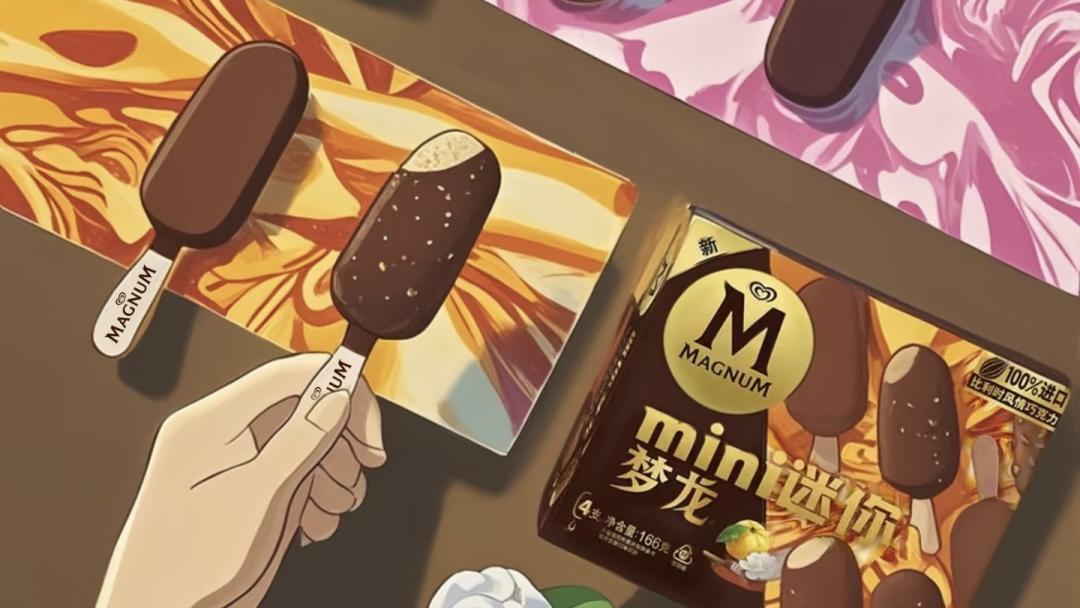
规格是食品饮料重要的产品策略之一。 我们分析过东方树叶的产品规格策略,通过三次产品规格的升级(330ml、900ml和1.5L装),不断巩固自己在无糖茶市场的龙头地位。我们也写过,即饮 咖啡近一年走红的9.9元/1升的产品,是通过包装和价格的性价比优势,来争夺过去被外卖抢走的咖啡消费市场份额。 饮料规格很多都是越变越大,相反的是,冰淇淋却越来越"迷你"了。不仅越卖越小,小雪糕还在努力地"成团",经常以"mini多支装"的组合出现,吸引消 费者的注意。 "变小"不只是在冰淇淋行业,货架上的薯片、啤酒、方便面也悄悄加入,和大瓶装饮料的性价比不同,小包装的食品正在卷起行业另外一种"精致萌"的潮 流。 一、"小"趋势从何而来? 伊利旗下的巧乐兹,在2019年推出了mini的巧乐兹小V筒,开始布局迷你类冰品的细分市场。而甜筒冰淇淋的代表可爱多,推出迷你版的时间更早,在 2017年就已经推出。 根据我们的观察,更多品牌的加入是在最近几年,单支份量显著缩小,取而代之的是多支装的组合产品。 梦龙在2023年4月推出迷你梦龙,将单支雪糕的克重从65g减少为42g左右,一上市便受到欢迎。随后,和路雪旗下品牌千层雪,也加入"迷你家 ...
哈根达斯还是不够贵
创业邦· 2025-07-30 10:10
Core Viewpoint - Haagen-Dazs is facing significant challenges in the Chinese market, with declining sales and increased competition from both ice cream brands and new beverage categories like tea drinks. The brand's high-end positioning is becoming less sustainable as consumer preferences shift towards more affordable options [4][10][33]. Group 1: Market Performance - In the third quarter of the 2025 fiscal year, General Mills reported a 5% year-over-year decline in net sales, with Haagen-Dazs experiencing a double-digit percentage drop in customer traffic in China [10][11]. - Over the past five years, General Mills' related revenue has decreased from $820 million to $720 million [12]. - Haagen-Dazs once accounted for over 50% of General Mills' ice cream business revenue, but has since closed 81 stores nationwide, indicating a significant contraction [6][8]. Group 2: Competitive Landscape - The rapid expansion of Dairy Queen (DQ) and the aggressive pricing strategy of brands like Mixue Ice Cream have intensified competition, squeezing Haagen-Dazs' market share [7][8]. - New tea drink brands have emerged as formidable competitors, with their pricing strategies and marketing approaches drawing consumers away from traditional ice cream offerings [23][30]. - Haagen-Dazs has attempted to diversify its offerings by introducing coffee and yogurt products, but these efforts have not significantly improved its competitive position [28][36]. Group 3: Brand Positioning and Strategy - Haagen-Dazs has historically positioned itself as a luxury brand, with its double-scoop ice cream priced at $9.89 in China, the highest globally [14][16]. - The brand's strategy involved aligning with luxury brands and creating a premium in-store experience, but this approach is now challenged by the rise of more affordable alternatives [22][44]. - The brand's reliance on physical stores and high-end locations has become a liability as consumer preferences shift towards more casual and affordable dining experiences [19][31]. Group 4: Supply Chain and Operational Challenges - Haagen-Dazs faces high operational costs due to the need for cold chain logistics, which complicates its ability to compete with lower-cost tea drink brands [47][48]. - The brand's ice cream products have a short shelf life and require strict temperature controls, making it difficult to scale operations in the same way as tea brands [47][49]. - Despite attempts to boost retail and e-commerce channels, the inherent nature of ice cream as a product limits its online sales potential, with only 20% penetration in 2021 [35][36].

哈根达斯还是不够贵
36氪· 2025-07-30 09:11
Core Viewpoint - Haagen-Dazs is facing significant challenges in the Chinese market, with declining sales and increased competition from both ice cream brands and new beverage categories like milk tea, leading to a potential reevaluation of its business strategy in China [3][4][5][7]. Group 1: Market Performance - In the past year, Haagen-Dazs closed 81 stores nationwide, reflecting a struggle to maintain its market presence amid fierce competition [5]. - General Mills reported a 5% year-over-year decline in net sales for the third quarter of fiscal year 2025, with Haagen-Dazs experiencing a double-digit percentage drop in customer traffic in China [7]. - Over the past five years, General Mills' related revenue has decreased from $820 million to $720 million [9]. Group 2: Competitive Landscape - Haagen-Dazs is being squeezed not only by direct competitors like Dairy Queen (DQ) and Mixue Ice Cream but also by the rising popularity of milk tea brands, which have become significant competitors in the dessert space [5][19]. - The entry of new players like Heytea and Nayuki has shifted consumer preferences, leading to a decline in Haagen-Dazs' market share [24][25]. Group 3: Brand Positioning and Strategy - Haagen-Dazs has historically positioned itself as a premium brand, with the average price of a double scoop ice cream in China at $9.89, the highest globally [11][12]. - The brand's strategy included creating a luxurious in-store experience and leveraging gift-giving opportunities, such as the introduction of Haagen-Dazs mooncakes, which once accounted for 28% of its revenue in China [16]. - However, the brand's high-end positioning is now at risk as it competes with more affordable options from milk tea brands, which have successfully captured a larger consumer base [27][30]. Group 4: Operational Challenges - Haagen-Dazs has attempted to pivot towards retail and e-commerce channels, establishing a new division to integrate various sales channels, but faces challenges due to the low online penetration of ice cream sales [25][26]. - The brand's ice cream products are difficult to scale due to high supply chain costs and the need for strict temperature controls during transportation and storage [37][38]. - Despite promotional efforts, such as discounted coffee to attract customers, the core ice cream product line remains constrained in terms of pricing flexibility [36][39]. Group 5: Future Outlook - The brand's immediate challenge is to redefine its product offerings and pricing strategy to remain relevant in a market increasingly dominated by lower-priced competitors [43][44].

梦龙拟投资生产线;迅销旗下GU关中国首店;保乐力加韩国任命CEO
Sou Hu Cai Jing· 2025-07-29 17:35
Investment Dynamics - Menglong plans to invest several million dollars in its ice cream factory in Heppenheim, Germany, to establish new production lines, cold storage, and energy infrastructure [3] - The Heppenheim production line is expected to be established in 2024, with an annual output exceeding 2 billion units, primarily targeting the German market and some European countries [3] Financial Activities - Lancang Ancient Tea announced a placement of 24 million H-shares at HKD 2.46 per share, representing a discount of 16.61% from the closing price on July 25, aiming to raise approximately HKD 59 million for operational funding [6] - The placement shares account for 16% of the enlarged total share capital, with net proceeds estimated at around HKD 58.04 million [6] Strategic Partnerships - ADM has signed an exclusive agreement with Asahi Group, allowing Asahi to leverage ADM's extensive global network and R&D centers to expand its lactic acid bacteria ingredient business [9] Mergers and Acquisitions - Fuling Pickle is actively pursuing the acquisition of a 51% stake in Sichuan Weizimei Food Technology Co., Ltd., through a combination of share issuance and cash payment [12] - This acquisition is expected to enable Weizimei to quickly access advantageous resources and open up a second growth market through the extensive C-end distribution network of the listed company [12] Market Adjustments - Fast fashion brand GU, under Japan's Fast Retailing Group, confirmed the closure of its flagship store in Shanghai on August 24, 2025, as part of a strategic adjustment in the Chinese market [17] - The store, opened in 2013, was seen as a key entry point into the Chinese market, and its closure indicates a shift in operational strategy rather than an exit from the market [18] Financial Performance - Laopugold (HK: 6181) reported expected revenue of approximately RMB 12 billion to 12.5 billion for the first half of 2025, representing a year-on-year growth of about 241% to 255% [20] - The net profit is projected to be around RMB 2.23 billion to 2.28 billion, reflecting a year-on-year increase of approximately 279% to 288% [20] Technological Innovations - Unilever has launched the "AI for Science" innovation platform, developed by its Chinese R&D team, aimed at optimizing scientific research and product development through artificial intelligence [22] - This initiative highlights Unilever's exploration in AI technology application and provides new momentum for digital upgrades in the fast-moving consumer goods sector [22] Policy Developments - The national childcare subsidy scheme will be implemented starting January 1, 2025, providing annual subsidies of RMB 3,600 per child for those under three years old [23] - This initiative is part of a broader set of policies aimed at creating a more supportive environment for childbirth and child-rearing in the country [24] Leadership Changes - Pernod Ricard Korea has appointed Fadil Tasgin as the new CEO, effective September 1, with a background in various leadership roles within the company [27] - Tasgin is expected to lead the development of Pernod Ricard Korea by focusing on the tastes and needs of Korean consumers [27]



哈根达斯还是不够贵
Hu Xiu· 2025-07-29 13:17
Group 1 - Haagen-Dazs China significantly contributed to General Mills' ice cream business, accounting for half of its revenue in 2017, but rumors of selling its Chinese stores have emerged for 2025 [1] - General Mills denied the sale plans, but Haagen-Dazs is facing increasing competition and has closed 81 stores nationwide in the past year [2][3] - The brand's sales have declined, with a reported 10% drop in customer traffic in its Chinese stores, reflecting broader struggles in the global market [6] Group 2 - Haagen-Dazs' revenue in the past five years fell from $820 million to $720 million, indicating a significant downturn [7] - The brand's premium pricing strategy, with an average price of $9.89 for a double scoop in China, is the highest globally, but it faces challenges from lower-priced competitors [9][11] - The brand's historical positioning as a luxury product has shifted, as it now competes with a variety of cold dessert products, including tea drinks [4][19] Group 3 - The rise of new tea beverage brands has intensified competition, with Haagen-Dazs struggling to maintain its market share [20][28] - The brand's attempt to diversify by opening a coffee shop in Shanghai was a response to the competitive landscape, but it still faces challenges from established players like Starbucks [21][22] - Haagen-Dazs has shifted focus to retail and e-commerce channels, but the ice cream market's low online penetration complicates this strategy [29][30] Group 4 - The pricing strategies of new tea brands have shifted, with products now priced between 15-25 yuan, making them more accessible to a broader audience [32] - The expansion of tea brands into shopping centers has displaced traditional ice cream brands like Haagen-Dazs, which has struggled to adapt [27][33] - Haagen-Dazs' high operational costs and supply chain challenges hinder its ability to compete effectively with the more agile tea brands [43][45] Group 5 - The brand's ice cream products face limitations in scaling due to their perishable nature and high cold chain costs, making it difficult to compete on price [43][44] - Haagen-Dazs has attempted promotional strategies to attract customers, but its core ice cream line remains difficult to expand rapidly [42][46] - The brand's future may depend on finding unique ingredients and repositioning itself in the market to maintain its premium image [49][50]
哈根达斯还是不够贵
远川研究所· 2025-07-29 13:15
Core Viewpoint - Haagen-Dazs is facing significant challenges in the Chinese market, with declining sales and increased competition from both ice cream brands and new beverage categories like tea drinks. The brand's high-end positioning is becoming less sustainable as consumer preferences shift towards more affordable options. Group 1: Market Performance - In FY2025 Q3, General Mills reported a 5% decline in net sales, with Haagen-Dazs experiencing a double-digit percentage drop in customer traffic in China [9] - Over the past five years, General Mills' related revenue has decreased from $820 million to $720 million [10] - Haagen-Dazs once had 400 out of 900 global stores in China, contributing over 50% of its profits, but has since closed 81 stores nationwide [5][13] Group 2: Competitive Landscape - The rapid expansion of Dairy Queen (DQ) and the rise of brands like Mixue Ice City, which offers ice cream at 2 yuan, have significantly squeezed Haagen-Dazs' market space [6] - New tea drink brands have emerged as formidable competitors, with Haagen-Dazs inadvertently entering the same market segment [22][34] - The shift in consumer preferences towards tea drinks has led to Haagen-Dazs losing its competitive edge, as evidenced by its store relocations and downsizing [34][35] Group 3: Brand Positioning and Strategy - Haagen-Dazs has historically positioned itself as a luxury brand, with the highest average price for a double scoop ice cream in China at $9.89 [12][14] - The brand's strategy included creating a luxurious in-store experience and leveraging gift-giving opportunities, such as the introduction of mooncakes [17][21] - However, the brand's high pricing strategy is now being challenged by the increasing affordability of competing products, particularly in the tea drink segment [38][40] Group 4: Operational Challenges - Haagen-Dazs has attempted to pivot towards retail and e-commerce channels, but the ice cream market's low online penetration (20% as of 2021) poses significant challenges [35] - The brand faces high cold chain costs and short shelf life for its products, making it difficult to compete with the operational efficiency of tea brands [47][49] - Despite promotional efforts, such as discounted coffee to attract customers, the core ice cream product line remains difficult to scale due to its inherent supply chain constraints [50][52]

冰杯市场迎来农夫山泉、伊利、蒙牛等多方巨头,这个夏天又卖爆了
Xi Niu Cai Jing· 2025-07-29 06:42
Core Insights - The ice cup market is experiencing intense competition with numerous brands entering the space, including Yuanqi Forest, Yili, Mengniu, and others, all of which have found success in this segment [2] - The price of ice cups has increased significantly, with some products priced at nearly three times the cost of the water used to make them, indicating a shift in consumer willingness to pay for convenience and novelty [2] - Consumer habits are evolving, with ice cups becoming a popular choice for refreshing drinks during summer, leading brands to capitalize on this trend by enhancing their ice cup offerings [3] Market Dynamics - The ice cup market has seen a dramatic increase in sales, with a reported growth rate exceeding 300% over the past two years, particularly in first-tier cities where the average annual consumption is 48 cups per person [3] - The future growth of ice products in instant retail channels is projected to reach 39% over the next three years, significantly outpacing the overall channel growth of 8% [3] - Despite the current dominance of plain water ice cups, there is potential for flavor diversification, which could become a key competitive factor in the market [3] Consumer Behavior - Ice cups are increasingly viewed as a solution for consumers seeking convenience, especially in scenarios where traditional ice acquisition is difficult, thus enhancing the appeal of these products [3] - The emotional value and experiential aspect of ice cups are driving consumer interest, as they cater to modern consumers' desires for personalized and immediate consumption experiences [4] - The seasonal nature of ice cups presents challenges, with potential sales peaks followed by periods of low demand, indicating a need for brands to innovate and maintain consumer engagement year-round [3][4]


拼多多或二次上市;阿里将发自研AI眼镜;欧莱雅任命印度公司总裁
Sou Hu Cai Jing· 2025-07-28 13:19
Listing Dynamics - Pinduoduo is reportedly seeking a secondary listing in Hong Kong, having engaged Ernst & Young for the review of its financial statements, which is a common step for companies planning to list in Hong Kong [3] - This move aligns with previous strategies employed by Alibaba and JD.com before their Hong Kong listings, indicating a substantial preparatory step despite Pinduoduo's official denial of such plans [3] Brand Dynamics - Pernod Ricard has agreed to sell its Imperial Blue business to Indian liquor manufacturer Tilaknagar for €412.6 million, focusing on streamlining its operations and concentrating on more profitable brands [5] - Alibaba is set to launch its first self-developed AI glasses, which will feature advanced hardware specifications and will be part of its A1toC strategy [7] - The beauty brand Kose has opened its first overseas store in Singapore, showcasing popular products and introducing new shades tailored for local consumers [12] Personnel Dynamics - Santa Maria Novella appointed Ludivine Pont as CEO, who has extensive experience in luxury brand marketing, aiming to enhance the brand's visibility [15] - L'Oreal's Indian subsidiary has restructured its management, promoting Aseem Kaushik to president, reflecting the company's ambition in the dynamic Indian beauty market [18] - Coty announced several personnel changes, including the appointment of Beatrice Ballini as lead independent director, amidst a strategic restructuring [20] - Yves Rocher appointed Philippe Duchossois as CEO for the Asia region, leveraging his extensive experience to drive growth [22] - Magnum has established a new legal leadership team, which is expected to accelerate its independent listing timeline [25][26]


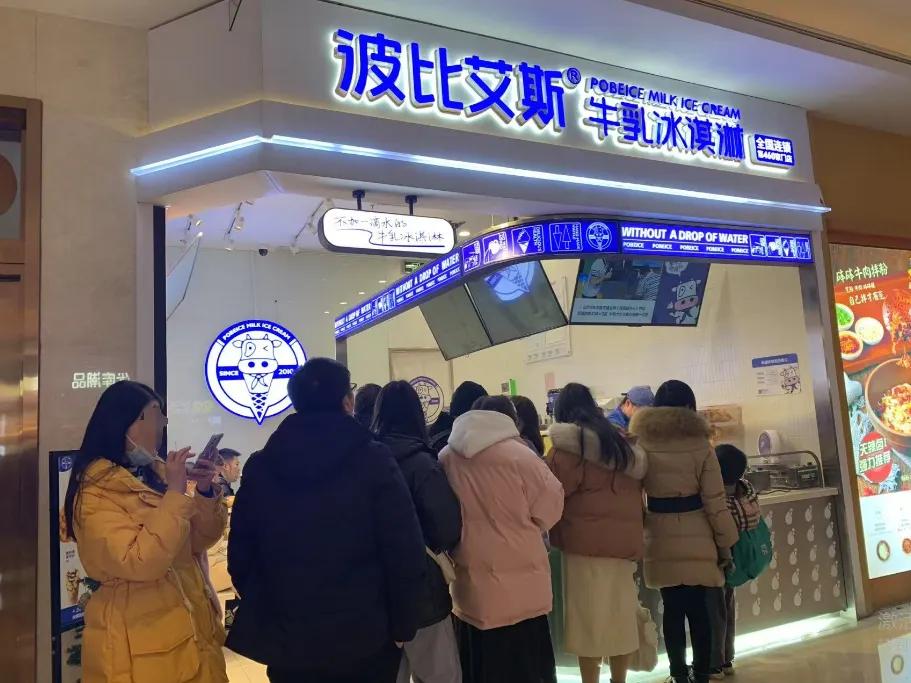
本土玩家“剿杀”冰淇淋赛道
3 6 Ke· 2025-07-28 04:06
Core Insights - Domestic brands are rapidly rising and may redefine the ice cream market landscape [1] - The ice cream market is experiencing intense competition, with local players thriving while international giants face challenges [1][8] Company Overview - The ice cream brand "Bobby Ice" has surpassed 1,150 stores across 27 provinces and over 150 cities as of July 24 [1][3] - Bobby Ice's rapid expansion includes adding over 650 stores in the past year and a half, which is 1.3 times the total number of stores opened in the previous 13 years [3] Product Innovation - Bobby Ice's unique selling point is the use of freshly baked waffles as a base for ice cream, enhancing the product's appeal [3] - The brand offers around 30 SKUs, including ice cream desserts, waffle series, sundae ice creams, and more, with prices starting from 10 to 16 yuan [4][5] - The introduction of customizable toppings has increased product personalization and average transaction value [4] Market Trends - The overall ice cream market is projected to grow, with an estimated 44,000 ice cream stores nationwide by May 2025, reflecting an 18.97% increase from the end of 2022 [8] - New Chinese-style ice cream brands are emerging, offering affordable options compared to traditional high-end Italian Gelato [10] Competitive Landscape - Established brands like "Mr. Wildman" and "Zhongyaotang" are also expanding rapidly, with Mr. Wildman opening over 160 stores in 2024 alone [10] - Traditional brands like Häagen-Dazs are struggling, with reports of store closures and a significant reduction in total store count [12][14] - The market is witnessing a shift as some brands, such as Moutai Ice Cream, are retracting from the market after initial success [14]