
航空

Search documents
高盛闭门会-全球策略-HALO效应-人工智能时代重资产-低淘汰风险
Goldman Sachs· 2026-03-04 14:17
Investment Rating - The report indicates a positive outlook for capital-intensive sectors, suggesting a shift in investment preference towards these areas due to macroeconomic factors and structural changes in the market [1][3]. Core Insights - The report highlights a significant revaluation of capital-intensive assets post-pandemic, with a notable increase in their performance compared to light capital sectors, which had previously outperformed from 2010 to 2020 [1][3]. - It predicts a structural turning point in earnings, with capital-intensive sectors expected to see a 14% growth in EPS by 2026, surpassing light capital sectors for the first time in years [1][11]. - The macroeconomic environment is favorable for capital-intensive industries, with improvements in manufacturing and service sector PMI, and a recovery in the global capital expenditure to sales ratio [1][11]. Summary by Sections Investment Rating - The report suggests a favorable investment rating for capital-intensive sectors, particularly utilities, telecommunications, and defense, while cautioning about the light capital sectors due to competitive pressures [1][3]. Market Dynamics - The report discusses the "Halo Effect," where capital-intensive companies are expected to benefit from stable cash flows and lower risk of technological obsolescence, especially in the context of AI's impact on the market [4][5]. - It notes that the valuation gap between capital-intensive and light capital sectors has narrowed significantly, primarily driven by upward adjustments in the valuations of capital-intensive firms [5][6]. Earnings Forecast - Analysts forecast a 14% EPS growth for capital-intensive sectors in 2026, marking a significant shift in earnings expectations compared to light capital sectors [11]. - The report emphasizes that the performance of capital-intensive firms will be driven by earnings realization rather than mere valuation adjustments [11]. Macro Environment - The report identifies a positive macroeconomic backdrop for capital-intensive industries, with rising capital expenditure and a favorable manufacturing environment [12]. - It highlights the importance of monitoring fiscal spending and capital-intensive sectors such as infrastructure and defense for future performance [12]. Sector Analysis - The report categorizes industries based on capital intensity, noting that traditional sectors like utilities and telecommunications exhibit strong capital-intensive characteristics, while software and digital sectors lean towards light capital [5][10]. - It emphasizes the need for a nuanced approach to evaluating light capital sectors, particularly in light of competitive pressures and profit margin uncertainties [10][11].
港航板块全面发力-交运基础设施估值修复
2026-03-04 14:17
Summary of Conference Call Records Industry Overview - **Industry**: Maritime and Transportation Sector - **Key Events**: Closure of the Strait of Hormuz due to escalating conflicts, significantly impacting oil and gas transportation Key Points and Arguments Maritime Transportation Impact - The closure of the Strait of Hormuz has led to a drastic reduction in shipping traffic, from over 100 voyages to just 5 on March 2, indicating a substantial blockade and congestion [1][3] - Oil and gas transportation is heavily reliant on the Strait, with crude oil, LPG, and refined oil trade accounting for approximately 38%, 29%, and 19% respectively [1][3] - The global oil trade faces a disruption risk of over 20% due to the blockade, with limited alternatives available through pipelines [1][4] Oil Prices and Shipping Rates - Oil shipping rates have surged, with Middle Eastern routes exceeding $420,000 per day, while Brazilian and US Gulf routes have risen to $260,000 and $220,000 per day respectively [1][5] - If the blockade persists for 2-4 weeks, oil prices could reach a fair value of $80-$90 per barrel, with significant adjustments in shipping routes expected [5][6] Port Sector Dynamics - The port sector is experiencing a valuation recovery supported by strategic asset re-evaluation, price increases, and foreign capital inflows, with current valuations around 10 times earnings [1][12] - Recommended stocks include China Merchants Port and COSCO Shipping Ports, which have high container and overseas asset ratios [1][15] Airline Sector Performance - The airline sector has seen a recovery in spring travel, with passenger traffic increasing by approximately 7% and ticket prices rising by about 5% [1][20][21] - However, rising oil prices due to geopolitical tensions are a significant risk, with a 1% increase in oil prices potentially impacting major airlines' profits by around $400 million [1][25] Risks and Future Outlook - The ongoing conflict in the Middle East is expected to maintain high levels of risk for shipping routes, with potential for further escalation in attacks and disruptions [2][6] - If the situation stabilizes, there may be a gradual recovery in shipping routes, but prolonged disruptions could lead to a significant decline in maritime trade volumes [6][7] Investment Recommendations - Focus on companies with high exposure to container shipping and overseas assets, as they are likely to benefit from the valuation uplift and improved shipping conditions [1][15] - The port sector is expected to see continued interest from foreign investors, driven by its defensive characteristics and potential for steady returns [1][14] Conclusion - The maritime and transportation sectors are currently facing significant challenges due to geopolitical tensions, but there are opportunities for investment in strategically positioned companies within the port and shipping industries. The airline sector remains under pressure from rising fuel costs, necessitating close monitoring of oil price movements and geopolitical developments [1][26]
国泰海通晨报-20260304
GUOTAI HAITONG SECURITIES· 2026-03-04 00:43
Fixed Income Research - Geopolitical conflicts typically impact bond markets for only a few weeks, with inflation expectations and monetary policy being the primary drivers of interest rates [2] Transportation Research: Aviation - Spring Festival travel demand is strong, with post-holiday ticket prices continuing to rise, and Q1 industry profitability is expected to improve [2] - As of March 1, 2026, the total flow of people during the Spring Festival increased by 5.8% year-on-year, with air travel up by 6.9% [4][22] - Domestic air ticket prices are estimated to have risen by approximately 4-5% year-on-year during the Spring Festival, with a significant increase of nearly 8% during the holiday period [6][23] - The geopolitical situation in the Middle East has led to rising oil prices, but this does not alter the long-term value of airlines, suggesting a rare opportunity for reverse positioning [7][24] Power Equipment and New Energy Research - The cessation of natural gas production in Qatar has led to a significant increase in natural gas prices, which is expected to drive demand for distributed solar storage [9][10] - European electricity prices are likely to rise due to the surge in natural gas prices, impacting the wholesale electricity market [11][20] - The demand for distributed solar and storage solutions is anticipated to grow significantly as a result of the current energy supply challenges [12][21]
美股芯片股重挫!
证券时报· 2026-03-03 23:56
当地时间3月3日(周二),美国股市三大股指全线收跌,其中道琼斯工业指数盘中一度下跌超过1200点,后收窄跌幅,截至收盘下跌403.51点,较盘 中最低点回升超过800点。 值得注意的是,美股市场芯片股整体重挫,费城半导体指数重挫逾4%,创年内最大单日跌幅。 美股三大股指收跌 当地时间3月3日(周二),美国股市三大股指全线收跌,其中道琼斯工业指数跌0.83%,报48501.27点,该指数盘中一度下跌超过1200点,后收窄跌幅, 截至收盘下跌403.51点,较盘中最低点回升超过800点。 抗疫概念股全线下跌,诺瓦瓦克斯医药、BioNTech均跌逾6%,Moderna跌超5%,吉利德科学跌逾1%,阿斯利康跌近1%。 航空股多数下跌,但跌幅普遍不大。西南航空跌逾1%,美国航空、美联航跌幅均不足1%。达美航空小幅上涨,涨幅不足1%。 费城半导体指数重挫逾4% 创年内最大单日跌幅 标准普尔500指数与纳斯达克指数也有类似的走势,其中标准普尔500指数收盘跌0.94%,报6816.63点,纳斯达克指数收盘跌1.02%,报22516.69点。 美股市场大型科技股涨跌互现,典型科技股方面,特斯拉跌超2%,英伟达跌逾1%,谷歌跌 ...


国泰海通 · 晨报260304|固收、交运、光储
国泰海通证券研究· 2026-03-03 14:08
Group 1: Fixed Income - Historical data indicates that geopolitical conflicts primarily create "emotional pulses" rather than driving trends in U.S. Treasury yields, with limited fluctuations observed during events like the Gulf War and the Vietnam War [3] - As of February, the 10-year U.S. Treasury yield has decreased by approximately 28 basis points to 3.95%, driven by factors such as heightened risk aversion due to geopolitical tensions, weak macroeconomic indicators, and strong institutional demand for U.S. Treasuries [3] - Short-term support for U.S. Treasuries remains due to ongoing reassessment of interest rate cuts, a strong credit market, and unchanged allocation logic from international institutions [4] Group 2: Transportation - The Spring Festival travel demand is robust, with a year-on-year increase of 5.8% in overall personnel flow, and air travel showing a growth rate of 6.9% [9] - Air ticket prices have continued to rise post-holiday, with an estimated increase of 4-5% year-on-year for domestic ticket prices during the Spring Festival period, indicating strong profitability potential for airlines [10] - The escalation of the Middle East situation has led to increased geopolitical oil price risks, but this does not alter the long-term value of airlines, suggesting a strategic opportunity for investment in the aviation sector [11] Group 3: Energy and Renewables - Qatar's cessation of natural gas production has caused a significant spike in European natural gas prices, increasing by over 50%, which is expected to drive demand for distributed solar and storage solutions [16] - The European electricity market is likely to experience upward pressure on prices due to the surge in natural gas prices, which will affect the wholesale electricity market [17] - The ongoing conflict may lead to sustained increases in natural gas and electricity prices, benefiting household solar and storage solutions, with a focus on the potential for demand growth in these sectors [18]

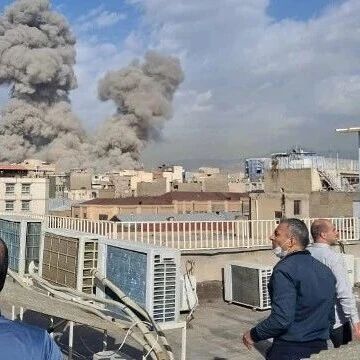
枢纽停摆、财政承压,美伊冲突下中东投资环境生变?
第一财经· 2026-03-03 13:57
Core Viewpoint - The recent military actions by the US and Israel against Iran have significantly impacted the Gulf region, particularly affecting the aviation and logistics sectors, leading to a temporary halt in economic activities in cities like Dubai and Abu Dhabi [3][4]. Group 1: Impact on Aviation and Logistics - Major airports in the Gulf region, including Dubai International Airport, Doha International Airport, and Abu Dhabi International Airport, are facing operational difficulties, with thousands of flights canceled, affecting around 90,000 passengers daily [6]. - The ongoing crisis may lead to a shift in passenger preferences towards direct flights rather than connecting flights through the Gulf, potentially benefiting other hubs like Singapore and traditional European airports [6]. - The Dubai Ports World announced the suspension of operations at Jebel Ali Port, the largest artificial port in the Middle East, due to regional tensions, which could further disrupt logistics and trade [7]. Group 2: Economic Diversification and Investment - Gulf countries, traditionally reliant on oil and gas revenues, are seeking economic diversification and are welcoming Chinese capital and technology to support this transition [4]. - The real estate market in Dubai has seen significant growth, with sales values increasing over 30% year-on-year in 2025, but the current security situation may lead to a reassessment of property desirability [7]. - The financial stability of countries like Saudi Arabia is under pressure due to low oil prices and increased spending on economic diversification projects, which may affect international investment confidence [9]. Group 3: Historical Context and Future Outlook - The historical context of instability in the region, such as the decline of Beirut as a financial hub, serves as a cautionary tale for Gulf countries that require a stable environment to maintain their economic growth and international image [8]. - The potential closure of the Strait of Hormuz, a critical oil transport route, could severely impact the finances of Gulf nations, with significant implications for international capital flows and lending practices [9].
【美股盘前】三大期指齐跌超1%;石油股多数上涨,美国能源涨超18%;内存股普跌,美光跌超6%;明星科技股普跌,英伟达跌3%;联合创始人计划出售2.8亿美元股票,Palantir跌超3%
Mei Ri Jing Ji Xin Wen· 2026-03-03 10:28
Market Overview - Major U.S. stock index futures fell over 1%, with Dow futures down 1.14%, S&P 500 futures down 1.50%, and Nasdaq futures down 1.96% [1] Energy Sector - Oil stocks saw a pre-market increase, with U.S. Energy up 18.26%. Notable gains included ExxonMobil up 2.00%, Chevron up 1.56%, and ConocoPhillips up 2.49%. WTI crude oil futures rose 5.19% to $74.97 per barrel [1] Defense Sector - Defense stocks collectively strengthened in pre-market trading, with Lockheed Martin up 1.56% and Raytheon Technologies up 0.82% [1] Airline Sector - U.S. airline stocks experienced a pre-market decline, with American Airlines down 3.12%, Delta Air Lines down 3.05%, and United Airlines down 2.91% [1] Memory Stocks - Memory stocks faced a pre-market downturn, with Micron Technology down 6.15%, Western Digital down 5.04%, and Seagate down 4.80% [1] Technology Sector - Prominent technology stocks also saw a pre-market decline, with Nvidia down 3%, Google down 2.68%, AMD down 3.71%, and Microsoft down 1.70% [1] Palantir - Palantir's co-founder Peter Thiel plans to sell up to 2 million shares worth $280 million, leading to a drop of 3.46% in Palantir's stock [2] Precious Metals - Precious metal stocks declined in pre-market trading, with Hecla Mining down 6.21%, Newmont Gold down 3.53%, and Pan American Silver down 4.6%. Spot gold prices fell 1.11% to $5260 per ounce, while spot silver prices dropped 6.04% to $83.96 per ounce [2] Paramount Global - Following Paramount's acquisition of Warner Bros, Fitch Ratings downgraded Paramount's corporate rating and long-term issuer rating to BB+, classifying it as junk status due to the company incurring $79 billion in net debt [2]




【美股盘前】三大期指齐跌超1%;石油股多数上涨,美国能源涨超18%;内存股普跌,美光跌超6%;明星科技股普跌,英伟达跌3%;联合创始人计划出售2.8亿美...
Mei Ri Jing Ji Xin Wen· 2026-03-03 10:23
Market Overview - Major U.S. stock index futures fell over 1%, with Dow futures down 1.14%, S&P 500 futures down 1.50%, and Nasdaq futures down 1.96% [1] Energy Sector - Oil stocks saw a pre-market increase, with U.S. Energy up 18.26%. Notable gains included Exxon Mobil up 2.00%, Chevron up 1.56%, and ConocoPhillips up 2.49%. WTI crude oil futures rose 5.19% to $74.97 per barrel [1] Defense Sector - Defense stocks collectively strengthened in pre-market trading, with Lockheed Martin up 1.56% and Raytheon Technologies up 0.82% [1] Airline Sector - U.S. airline stocks experienced a pre-market decline, with American Airlines down 3.12%, Delta Air Lines down 3.05%, and United Airlines down 2.91% [1] Memory Stocks - Memory stocks faced a pre-market downturn, with Micron Technology down 6.15%, Western Digital down 5.04%, and Seagate down 4.80% [1] Technology Sector - Prominent technology stocks also saw a pre-market decline, with Nvidia down 3%, Google down 2.68%, AMD down 3.71%, and Microsoft down 1.70% [1] Palantir - Palantir's co-founder Peter Thiel plans to sell up to 2 million shares worth $280 million, leading to a drop of 3.46% in Palantir's stock [2] Precious Metals - Precious metal stocks declined in pre-market trading, with Hecla Mining down 6.21%, Newmont Gold down 3.53%, and Pan American Silver down 4.6%. Spot gold prices fell 1.11% to $5260 per ounce, while spot silver prices dropped 6.04% to $83.96 per ounce [2] Paramount Global - Following Paramount's acquisition of Warner Bros, Fitch Ratings downgraded Paramount's corporate rating and long-term issuer rating to BB+, classifying it as junk status due to the company incurring $79 billion in net debt [2]
小摩:亚洲供应链重塑 看好中远海运东方海外国际等
Zhi Tong Cai Jing· 2026-03-03 09:24
Core Viewpoint - The escalation of the Middle East conflict and the closure of the Strait of Hormuz by Iran are fundamentally reshaping the Asian transportation and industrial ecosystem due to geopolitical shocks, tightening regulations, and shifts in trade flows [1] Group 1: Container Shipping - JPMorgan favors COSCO Shipping (01919), Orient Overseas International (00316), and Evergreen Marine (2603.TT) in the container shipping sector due to their global scale and network flexibility [1] - Companies in container shipping and regional operators are benefiting from their network coverage and pricing power [1] Group 2: Oil and Bulk Shipping - The oil tanker and bulk shipping sectors are benefiting from supply tightening and prudent capital allocation strategies [1] Group 3: Ports and Supply Chains - Leading companies in ports and supply chains are profiting from changes in shipping routes and warehousing revenues [1] Group 4: Defense Industry - The defense industry is entering a structural upcycle due to the global shift in strategic focus [1] Group 5: Air Transportation - The spillover effects in air and sea transportation are expanding, with shippers turning to air freight to avoid bottlenecks in sea transport [1] - Cathay Pacific (00293) and Singapore Airlines are well-positioned to capture new demand due to their prudent fuel hedging strategies, mature route network management, and unique access to Russian airspace for Hong Kong/China mainland carriers [1]


小摩:亚洲供应链重塑 看好中远海运(01919)东方海外国际(00316)等
智通财经网· 2026-03-03 09:15
Core Viewpoint - The report from JPMorgan highlights that the escalation of the Middle East conflict and the closure of the Strait of Hormuz are fundamentally reshaping the Asian transportation and industrial ecosystem due to geopolitical shocks, tightening regulations, and shifts in trade flows [1] Group 1: Container Shipping - JPMorgan favors COSCO Shipping (01919), Orient Overseas International (00316), and Evergreen Marine (2603.TT) in the container shipping sector due to their global scale and network flexibility [1] - Container shipping operators are benefiting from their network coverage and pricing power amid the ongoing geopolitical tensions [1] Group 2: Airlines - JPMorgan has assigned an "overweight" rating to Cathay Pacific (00293) and Singapore Airlines, indicating a positive outlook for these companies [1] - The airline sector is expected to capitalize on increased demand as shippers shift from sea to air transport to avoid bottlenecks, with Cathay and Singapore Airlines leveraging their fuel hedging strategies and established route management [1] Group 3: Broader Transportation and Supply Chain - Companies with scale advantages, flexibility, and strategic positioning in container shipping, tankers, bulk shipping, ports, supply chains, defense, and aviation are poised to seize upward opportunities [1] - Port and supply chain leaders are benefiting from changes in shipping routes and increased warehousing revenues [1] Group 4: Defense Industry - The defense sector is entering a structural upcycle due to the global shift in strategic focus, presenting new opportunities for growth [1]