科技

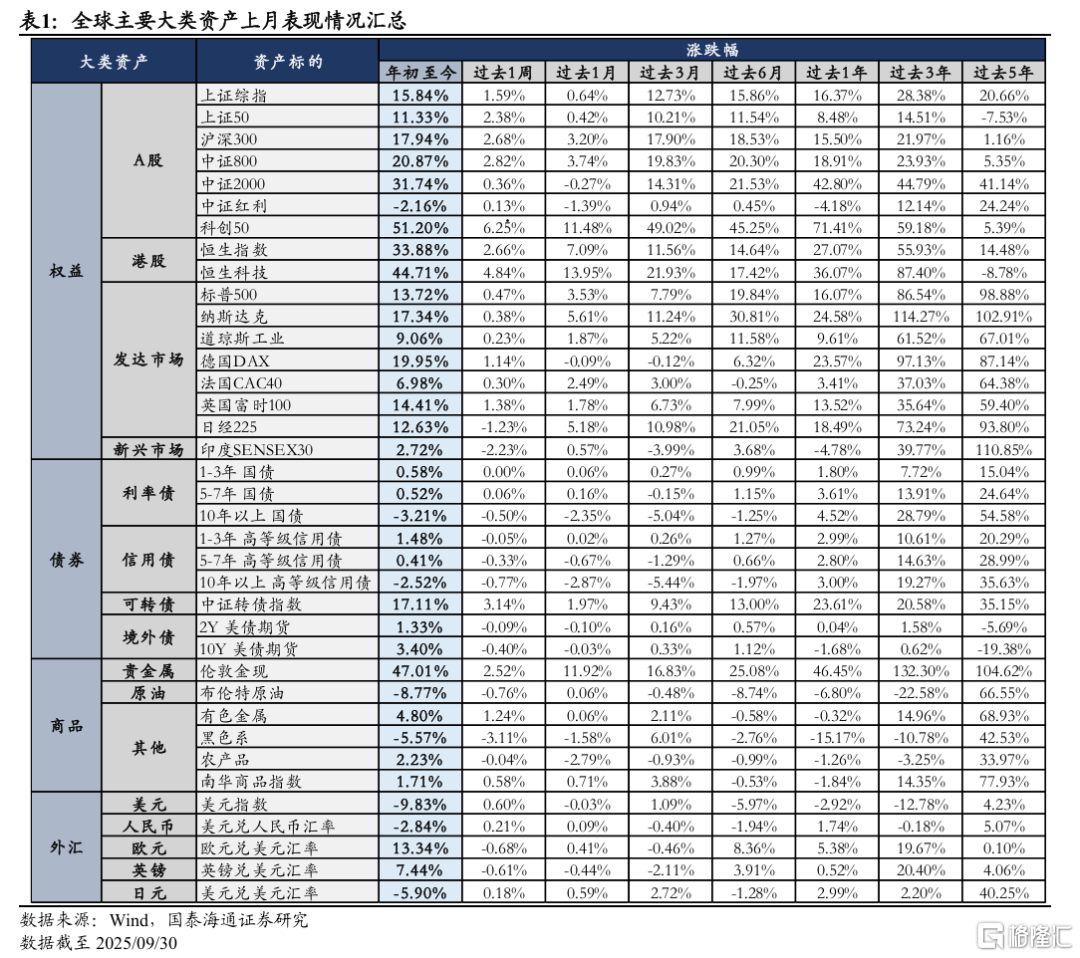
Search documents
泡泡玛特,年轻人的第一个社会信仰
3 6 Ke· 2025-10-16 02:23
Core Insights - The article discusses the phenomenon of "cult-like" consumer behavior surrounding Pop Mart, likening it to a modern form of religion where fans exhibit extreme loyalty and emotional investment in collectible toys [1][10][11] - Pop Mart's marketing strategies, including limited editions and hidden variants, create a sense of scarcity and exclusivity, driving up demand and prices in the secondary market [6][7][12] Group 1: Consumer Behavior - Pop Mart has become a leading brand in the collectible toy market, attracting significant attention and interaction from high-profile figures, including Apple's CEO Tim Cook [2] - Fans exhibit extreme behaviors, such as waiting in long lines for store openings, which can lead to conflicts and chaotic scenes when products are sold out or purchased by resellers [4][6] - The emotional highs and lows experienced by fans during the purchasing process reflect a deeper psychological connection to the brand, akin to religious fervor [1][11] Group 2: Market Dynamics - The resale market for Pop Mart toys has seen prices soar, with items originally priced at 59 yuan being resold for 100-500 yuan, and some limited editions reaching prices up to thousands of yuan [6][12] - The brand's ability to create a "cult" following is evident in the willingness of fans to pay inflated prices to obtain rare items, demonstrating a shift in consumer values from utility to emotional significance [11][12] - Pop Mart's marketing effectively manipulates consumer emotions, creating a sense of community and shared experience among fans, which enhances brand loyalty and market demand [10][12]



国信证券荀玉根: 基本面或持续修复 科技股仍是市场主线
Zhong Guo Zheng Quan Bao· 2025-10-15 20:17
Core Viewpoint - The current economic fundamentals are showing signs of improvement, which is expected to gradually spread across more industries, supported by macro policies aimed at reducing competition and enhancing market sentiment [1] Group 1: Technology Sector - The technology sector is expected to remain the main focus of the market, driven by the AI wave that has opened up new growth opportunities across multiple industries since September 2024 [2] - Historical data shows significant profit growth in technology sectors during previous waves, such as the increase in net profit growth of the computer sector from 3% in Q1 2013 to 175% in Q1 2016 [2] - The outlook for the next year remains positive for the technology sector, particularly in AI applications [2] Group 2: Value Sector - The value sector is also seen as having investment potential, with expectations of a rotation in industries and potential for catch-up gains [2] - Three specific areas of focus within the value sector include real estate, brokerage firms, and consumer goods [3] Group 3: Real Estate Sector - The real estate sector has undergone significant adjustments and currently has low overall valuations, with expectations for more supportive policies to stabilize the market [3] - Low-valued real estate stocks are believed to have recovery potential [3] Group 4: Brokerage Sector - The brokerage sector is expected to benefit from a recovering market, with a noticeable increase in trading volume and a significant year-on-year rise in net profits [3] - Further market sentiment recovery could lead to increased trading volumes and enhanced profitability for brokerages [3] Group 5: Consumer Sector - The consumer sector, particularly the liquor industry, is highlighted for its potential, with the liquor index having declined for five consecutive years, leading to high dividend yields and improved cost-effectiveness [3] - The recovery in the stock market is anticipated to boost consumer spending, further supporting the upward movement of the consumer sector [3]

外资机构纷纷发声 投下A股“信任票”
Shang Hai Zheng Quan Bao· 2025-10-15 18:35
Group 1 - The A-share market is experiencing fluctuations, but foreign investment giants like Fidelity, Allianz, and Invesco are optimistic about its long-term potential, particularly in technology stocks [1][2] - External factors causing market adjustments are seen as opportunities for long-term positioning, with a focus on structural growth driven by earnings [1][3] - The current market environment is characterized by a favorable macroeconomic policy and a revaluation of Chinese assets, enhancing the long-term investability of the A-share market [1] Group 2 - Allianz Fund highlights ten reasons for global investors to embrace A-shares, emphasizing China's technological advancements and diverse investment opportunities in sectors like advanced driving assistance systems and electric vehicles [2] - Invesco's research indicates that technology stocks remain a key investment theme, with significant interest from foreign institutions in companies like Rongbai Technology and Weili Transmission [3] - Fidelity International notes that Chinese technology stocks are gaining attractiveness, supported by strong fundamentals and management teams, despite the market's recovery this year [3]
前IMF首席经济学家警告全球过度依赖美股风险
Sou Hu Cai Jing· 2025-10-15 14:59
Core Viewpoint - The global dependence on the U.S. stock market has become dangerously high, with potential unprecedented impacts on the world economy if a significant downturn occurs [1][3]. Group 1: Market Dynamics - Recent volatility in the U.S. stock market is driven by escalating trade tensions, yet it remains close to historical highs [2]. - The current market rally is fueled by the AI boom, reminiscent of the late 1990s tech bubble, which ultimately led to the 2000 internet crash [2][4]. Group 2: Wealth Impact - A market correction similar to the internet bubble could result in over $20 trillion in lost wealth for American households, equating to about 70% of the U.S. GDP in 2024 [4]. - Foreign investors could face wealth losses exceeding $15 trillion, representing around 20% of the GDP of other countries, significantly higher than the losses during the internet bubble [4]. Group 3: Global Economic Interconnections - The interconnectedness of global markets means that a sharp decline in the U.S. market would have widespread repercussions [4][5]. - The traditional role of the U.S. dollar as a safe haven during crises may no longer hold, as recent trends show a weakening of the dollar against major currencies [5]. Group 4: Structural Vulnerabilities - Current economic conditions present stronger headwinds than in 2000, including high U.S. government debt and trade tensions, which contribute to increased uncertainty [5][6]. - The need for other regions to find new growth drivers is critical to mitigate the imbalance created by the U.S. market's dominance [7]. Group 5: Future Outlook - There are signs of capital beginning to flow back into emerging markets, but sustained growth in these economies is essential to maintain this trend [8]. - The potential consequences of a market crash today could be more severe than those experienced after the internet bubble, with less policy space available to cushion the impact [8][9].

IMF's Adrian: Stocks 'perhaps 10% overvalued on average'
Youtube· 2025-10-15 12:57
Valuation and Market Concentration - Current stock valuations are estimated to be about 10% overvalued on average, which is less severe than the 20% overvaluation seen during the tech bubble of 1999 [1] - There is a high concentration of profitability among a small number of stocks, particularly those benefiting from the AI narrative, which raises concerns about how this concentration will affect future valuations [2][3] - The interconnectedness of these top-performing stocks could increase downside risks if negative shocks occur, although no such reassessment of valuations has been observed to date [3] Federal Reserve and Monetary Policy - The Federal Reserve's dual mandate focuses on price stability and full employment, with financial conditions influencing the transmission of monetary policy but not being a direct target [4][5] - There are discussions about whether the Fed should consider cutting interest rates due to asset price concerns, which could exacerbate growth cycles [4] Investment Trends and Safe Havens - There is a notable shift of investment into gold and cryptocurrencies as a response to concerns about currency debasement and market uncertainty [6] - The rise in gold prices is attributed to high levels of policy uncertainty, including tariff issues and broader global fragmentation concerns [7]

美联储10月降息概率飙升97.3%:普通人如何守住钱袋子?
Sou Hu Cai Jing· 2025-10-15 09:45
Core Insights - The Federal Reserve is expected to initiate a rate cut cycle, with a 97.3% probability of a 25 basis point cut in October, marking a significant policy shift since 2019 [1][4] - Current economic indicators show a combination of high inflation and weakening employment, suggesting that this rate cut cycle may be more abrupt and intense than in 2019 [4] Group 1: Economic Signals - Powell's speech highlighted three key signals: the ongoing deterioration of the U.S. labor market, the economic impact of a potential government shutdown, and the possibility of halting balance sheet reduction [1] - The core PCE price index stands at 3.7%, significantly higher than the 1.6% recorded in 2019, indicating persistent inflationary pressures [4] Group 2: Impact on Housing and Savings - Historical data suggests that a Fed rate cut typically leads to a decrease in domestic LPR rates within 1-2 quarters, potentially lowering mortgage rates by 0.15%-0.3%, which could reduce monthly payments by 200-400 CNY for a 1 million CNY 30-year loan [5] - Following the initiation of a rate cut cycle, domestic bank deposit rates are expected to decline, with three-year large-denomination time deposits likely falling below 2.5% [6] Group 3: Market Reactions - Based on past experiences, the S&P 500 index has historically risen by 12% within three months following the first rate cut, with potential benefits for A-share consumer and gold sectors [8] - In the 2019 rate cut cycle, gold prices increased by 23%, while the U.S. stock market exhibited a "buy the rumor, sell the news" pattern, suggesting that asset price volatility may be more pronounced in the current environment [11] Group 4: Investment Strategies - It is recommended to allocate 40%-50% of assets to low-risk instruments such as government bonds, with a current 10-year government bond yield of approximately 2.8% [11] - Investors should consider a 1-3 month window for potential rebounds in U.S. tech stocks post-Fed policy shift, while implementing strict stop-loss measures [12] Group 5: Currency and Risk Management - The U.S. dollar index may fall below the 105 mark, prompting investors holding dollar-denominated assets to consider gradual currency conversion [13] - The attractiveness of RMB assets is expected to increase, although monitoring the China-U.S. interest rate differential remains crucial [13] Group 6: Conclusion - The rate cut cycle represents a process of cash devaluation and asset revaluation, with conservative investors advised to increase bond allocations to over 50% [14] - Maintaining liquidity is essential for seizing future opportunities, especially with another potential 50 basis point cut anticipated in December [14]

馬斯克應該被「開除」?特斯拉需要的是「庫克」還是「瘋子」? #馬斯克 #庫克 #特斯拉 #蘋果 #CEO #領導力 #ElonMusk #TimCook #商業思維 #科技
大鱼聊电动· 2025-10-15 08:46
網上有個聲音 說馬斯克應該 「炒掉」自己 你敢信嗎? 這種觀點認為 現在特斯拉的 售後品控這些事 馬斯克顯然 已經「懶得管了」 他的心早就 飛到 AI 和 機器人那邊去了 所以很多人就提議 乾脆讓馬斯克 專心去當他 的「夢想家」 然後給特斯拉 請一個像蘋果庫克 那樣的「管家」 來負責賣車 一個負責顛覆未來 一個負責賺錢養家 這聽起來 是不是特別完美? 但一個 真正懂行的人 說了一句讓我 毛骨悚然的話 他說那個能為未來 下大注的大腦 根本就不擅長 把現在的 利益最大化 你試圖把 馬斯克的「瘋狂」 和特斯拉的 「日常」分開 就像硬要把一枚 硬幣的兩面掰開 你猜結果是什麼? 你得到的 不是兩枚 閃閃發光的硬幣 而是兩片 一文不值的廢鐵!. ...


真牛,重上3900点!
Wind万得· 2025-10-15 07:07
10月15日,A股主要股指集体收高。 上证指数涨超1%,重上3900点;创业板指涨超2%,热门科技权重全线反弹。电力设备及新能源、汽车、保险等板块涨幅居前。 Wind金融终端输入命令 WBUY(万得交易快线) 一次开户,基金市场一键链接 国家统计局发布最新物价数据显示, 9月PPI同比下降2.3%,降幅比上月收窄0.6个百分点;9月核心CPI同比上涨1.0%,为近19个月以来涨幅首次降至 1%。 此外,10月15日早上,人民币兑美元中间价报7.0995,上调26点, 为去年11月来首次升至7.10元上方 。离岸人民币兑美元一度直线拉升超100点。 广发证券认为,本次美国政府停摆对经济数据的影响可能更大,金融市场的不确定性加大,加速资金从美国向非美国家流动。美元指数及人民币汇率反应 较上一轮更迅速,美元贬值、人民币迅速升值。跨境回流对国内流动性的支撑预计持续到明年一季度,但年底可能面临购汇额度等因素短期扰动。 海外方面,当地时间10月14日,美联储主席鲍威尔暗示,可能在未来几个月停止收缩资产负债表,他承认货币市场出现了紧缩的"一些迹象"。 鲍威尔还暗示 ,即使政府停摆严重削弱了美联储对经济形势的掌握程度,但仍 ...

美股IPO vs 港股/A股:中国企业出海上市的利弊与选择策略
Sou Hu Cai Jing· 2025-10-15 06:49
Group 1 - The choice of listing location is a critical decision in the internationalization strategy of Chinese companies, influenced by their development stage, industry attributes, and strategic goals [1] - The U.S. capital market attracts Chinese companies with innovative genes and global visions due to its deep funding pool, high liquidity, and international influence, but it also imposes strict regulatory requirements and compliance costs [2] - The Hong Kong market serves as an important bridge for Chinese companies to connect with global capital, offering a more inclusive listing system, but it faces challenges such as lower liquidity compared to the U.S. market and higher stock price volatility [4] - The A-share market is preferred by domestic demand-driven enterprises due to its local valuation premium and policy support, although it has higher listing thresholds and longer review cycles [6] Group 2 - Companies must evaluate multiple factors when choosing a listing location, including industry attributes, capital strategy, risk tolerance, and long-term brand strategy [8] - The evolving global capital market landscape is leading Chinese companies to adopt diversified listing strategies, such as "A+H" and secondary listings, to enhance capital operation flexibility [8] - Strengthening core business, improving governance, and enhancing transparency are fundamental to gaining the trust of global investors, regardless of the chosen listing path [8]

国泰海通:10月超配权益与黄金,标配债券
Ge Long Hui· 2025-10-15 03:57
Core Viewpoint - The company has developed a "three-part" asset allocation framework consisting of Strategic Asset Allocation (SAA), Tactical Asset Allocation (TAA), and Major Event Review Adjustments to guide investment decisions. This framework aims to diversify macro risks, set long-term allocation benchmarks, and adjust based on short-term risk-return characteristics and significant events [1][10]. Group 1: Strategic Asset Allocation (SAA) - The SAA framework aims to mitigate macro risks by establishing a long-term allocation benchmark to ensure portfolio stability [1][10]. - The recommended asset allocation for October includes 41.25% in equities, 45% in bonds, and 13.75% in commodities, with specific allocations for A-shares, H-shares, and gold [1][2]. Group 2: Tactical Asset Allocation (TAA) - The TAA approach utilizes quantitative methods to identify assets with superior short-term risk-return characteristics, allowing for moderate adjustments to portfolio weights to enhance returns [1][10]. - The company remains optimistic about Chinese equities, suggesting an overweight position in A-shares and H-shares, while maintaining a neutral stance on bonds and a slightly optimistic view on commodities, particularly gold [2][3]. Group 3: Major Events Review - The company emphasizes the importance of subjective review of major events in conjunction with quantitative results to refine investment strategies, particularly in response to geopolitical uncertainties and market volatility [1][52]. - Recent events, such as the Chinese government's financial reforms and the U.S. Federal Reserve's interest rate adjustments, are expected to influence market dynamics positively, particularly for A-shares and gold [54]. Group 4: Performance Metrics - The performance of various asset classes has shown significant fluctuations, with notable increases in the Shanghai Composite Index and other Chinese indices over the past year, indicating a robust recovery in the equity market [6]. - The macro factor risk parity model has demonstrated effectiveness in enhancing returns while maintaining a balanced asset allocation, achieving an annualized return of 26.5% in 2025 with a Sharpe ratio of 2.59 [48][50].