
交通运输

Search documents
130个夏夜特色活动扎堆!2025上海夜生活节来了
Guo Ji Jin Rong Bao· 2025-06-06 23:54
Core Points - The 2025 Shanghai Night Life Festival kicked off on June 6, showcasing 45 diverse projects and brands that highlight Shanghai's vibrant 24-hour city life, serving as a prelude to the "Shanghai Summer" international consumption season [1] - The festival will run from June to September under the theme "Night Live Goes On," featuring 130 themed summer night activities, including trendy sports nights and e-sports months, aimed at enhancing the experience of Shanghai's inclusive nightlife [4] Economic Indicators - The "2025 China Urban Night Economy Index" was released, indicating that Shanghai ranks first nationally in night economy metrics, evaluated across five dimensions: nighttime travel activity, number of bars, nighttime lighting intensity, active late-night cinema screenings, and public transport activity at night [5] - In 2024, Shanghai recorded 4.03 million nighttime active trips, with 2,906 bars, nighttime lighting covering 75% of the city, 264,900 late-night cinema screenings, and public transport active across 1,975 square kilometers, leading the nation in four key dimensions of nighttime economy [8] New Consumption Scenarios - The festival will introduce new urban nighttime consumption scenarios across seven dimensions: night shopping, night dining, night shows, night entertainment, night tourism, night activities, and night reading, with 130 unique summer night activities planned [9] - Notable events include Starbucks introducing handcrafted cocktails and coffee brews, a new "night economy + sports + cultural tourism" model at Hongqiao Sports Park, and various themed night markets and festivals, such as "Havana Night" and a beer festival featuring nearly 70 craft beer brands [12][13]


以破局者姿态“趟路子”,长三角这一年探出了哪些新模式?
Di Yi Cai Jing· 2025-06-06 13:07
Economic Overview - In 2024, the GDP of the Yangtze River Delta region surpassed 33 trillion yuan, with a year-on-year growth of 5.5%, accounting for 24.7% of the national total [1] - The number of "trillion-yuan cities" increased to 9, representing one-third of the national total [1] Infrastructure Development - The completion of the Fangting Water Courtyard marks significant progress in cross-regional projects, enhancing transportation and ecological integration [2][3] - The Nanjing North Station, with a total area of approximately 29.67 million square meters, is set to improve the railway hub layout and facilitate economic integration in the region [11] Ecological Cooperation - The Fangting Water Courtyard serves as a model for ecological governance, with a total investment of approximately 52 billion yuan over five years to address pollution and enhance water quality [3] - A cross-regional cooperative governance model has been established, focusing on joint management of water bodies between Shanghai and Jiangsu [3] Technological Innovation - The establishment of the Nantong North High-tech Zone exemplifies cross-regional collaboration in technology innovation, attracting over 300 high-quality tech enterprises [5][7] - A mother fund of no less than 300 million yuan will be set up to support leading industries in the high-tech zone, promoting R&D and commercialization [7] Transportation Connectivity - The Yangtze River Delta's rail network expanded by 667.6 kilometers in 2024, enhancing connectivity and creating a "one-hour friend circle" among cities [12] - The Hai-Tai Yangtze Tunnel, the longest underwater highway tunnel in the world, is expected to significantly reduce travel time between regions upon completion [12]

山东上市公司2024年报纵览:四大新特点推动山东绿色低碳高质量发展
Jing Ji Guan Cha Wang· 2025-06-06 10:02
Economic Overview - In 2024, Shandong's GDP reached 98,565.8 billion yuan, growing by 5.7% year-on-year, with the primary, secondary, and tertiary industries contributing 6.7%, 40.2%, and 53.1% respectively [2] - The province's listed companies are crucial for economic development, focusing on green, low-carbon, and high-quality growth while enhancing technological innovation [2] Performance of Listed Companies - Shandong's listed companies achieved a total revenue of 2.95 trillion yuan in 2024, a year-on-year increase of 4.61%, while net profit was 175.9 billion yuan, down 3.20% [4] - 78.96% of the companies reported profits, which is 5.27 percentage points higher than the national average, indicating better performance despite challenges in traditional industries [4][5] Contribution to Economic Growth - Listed companies in Shandong contributed 29.92% of the province's GDP, with an added value of 705.18 billion yuan, reflecting their significant role in regional economic growth [5] - The labor productivity of listed companies was 483,600 yuan per person, 2.78 times the national average, showcasing their efficiency [5] Innovation and Growth of SMEs - In 2024, 67 companies on the Growth Enterprise Market reported revenues of 177.98 billion yuan, up 15.13%, and net profits of 11.74 billion yuan, up 49.42%, indicating strong growth in innovative SMEs [6] - The total R&D expenditure for these companies was 6.44 billion yuan, a 8.11% increase, highlighting their commitment to innovation [6] Market Capitalization and Value Management - By the end of 2024, the market capitalization of Shandong's listed companies reached 3.63 trillion yuan, a 4.18% increase, ranking seventh nationally [8] - 125 companies conducted share buybacks, totaling 9.568 billion yuan, reflecting a strong commitment to value management [8] Characteristics of Listed Companies - Private listed companies in Shandong accounted for 62.14% of the total, achieving revenues of 838.06 billion yuan, up 4.64%, and net profits of 431.87 billion yuan, up 16.49% [9][10] - Companies with overseas business generated 842.85 billion yuan in foreign income, a year-on-year increase of 8.89%, indicating the importance of international markets [12] Mergers and Acquisitions - In 2024, 13 listed companies in Shandong participated in mergers and acquisitions, with a total transaction value of 38.75 billion yuan, a 3.58-fold increase [14][15] - The trend of state-owned enterprises merging with peers is becoming more common, enhancing market competitiveness [15] Sustainable Development and ESG - Shandong's listed companies showed a 44.34% ESG report disclosure rate, slightly above the national average, indicating a growing recognition of sustainability [16][17] - The average ESG score for Shandong's companies was 5.79, higher than the national average, with two companies scoring above 9.00 [17] Innovation and Digital Transformation - R&D expenses for Shandong's listed companies reached 84.51 billion yuan, a 3.94% increase, with a focus on enhancing innovation capabilities [18] - The digital economy's core companies reported revenues of 330.38 billion yuan, up 27.57%, demonstrating significant growth in this sector [20] Traditional Industry Transformation - Traditional industries in Shandong are undergoing digital and intelligent transformations, with companies like Shandong High-Speed adopting advanced technologies to enhance operational efficiency [23] - The integration of digital and green technologies is seen as essential for fostering new productive forces in traditional sectors [24]



传统文化圈粉国际旅客,今年前5月跨境旅游企业注册量同比增长9.09%
Qi Cha Cha· 2025-06-06 06:25
Group 1 - The core viewpoint of the article highlights the significant growth in cross-border tourism enterprises in China, with a 9.09% year-on-year increase in registrations for the first five months of the year [1][3] - The total number of existing cross-border tourism-related enterprises in China is reported to be 116,200 [2] - The registration of cross-border tourism enterprises in 2023 is projected to reach 116,000, marking a remarkable year-on-year growth of 170.93%, the highest in nearly a decade [2] Group 2 - As of now, 5,624 cross-border tourism-related enterprises have been registered this year, with 5,533 of those registered in the first five months [3] - The majority of existing cross-border tourism enterprises, over 70%, belong to the leasing and business services sector, accounting for 74.36% [4] - Other sectors include transportation, warehousing, and postal services, which make up 5.86%, and scientific research and technical services, which account for 4.14% [4]
2023Q1转债信用评分、负面事件梳理出炉-20250606
HUAXI Securities· 2025-06-06 05:04
Credit Ratings Overview - The report updates the credit ratings for convertible bonds as of Q1 2025, covering a total of 448 non-financial convertible bonds[2] - Infrastructure, retail, and light asset service sectors saw an increase in credit ratings compared to the previous quarter, while consumer healthcare, manufacturing, and cyclical sectors experienced a decline[2] Sector Breakdown - Infrastructure sector includes 37 bonds, retail sector has 12, public utilities 21, light asset services 22, consumer healthcare 90, manufacturing 162, and cyclical 104[2] - The credit ratings for public utilities remained relatively stable compared to the previous quarter[2] Risk Factors - The credit analysis framework for convertible bonds is noted to be incomplete, and the assessment of issuers' creditworthiness lacks detail[3] - Potential unexpected adjustments to convertible bond regulations pose a risk to the market[3] Future Updates - The company plans to continue updating the credit ratings for convertible bonds on a quarterly basis, encouraging investors to stay informed[2]
【光大研究每日速递】20250606
光大证券研究· 2025-06-05 13:36
Group 1 - The number of public REITs in China reached 66, with a total issuance scale of 174.39 billion yuan as of May 31, 2025 [4] - The weighted REITs index closed at 139.99 with a monthly return rate of 3.71%, outperforming A-shares, gold, pure bonds, and crude oil [4] - The return rates of major asset classes are ranked as follows: US stocks > convertible bonds > REITs > A-shares > gold > pure bonds > crude oil [4] Group 2 - The SAF (Sustainable Aviation Fuel) policy in Europe is set to require a mandatory 2% addition, which is expected to drive price increases in related products [5] - Domestic channels for exporting bio-aviation fuel have been successfully established, indicating promising future development [5] Group 3 - The company Guming has expanded its presence to over 200 cities across 17 provinces in China, with a total of 9,914 stores, making it the largest mass-market fresh tea drink brand in the country [6] - Guming has achieved an average quarterly repurchase rate of 53% and a store operating profit margin of approximately 20%, both leading the industry [6] Group 4 - NIO reported a total revenue of 12.04 billion yuan in Q1 2025, reflecting a year-on-year increase of 21.5% but a quarter-on-quarter decrease of 38.9% [8] - The gross margin for NIO was 7.6%, with a year-on-year increase of 2.7 percentage points but a quarter-on-quarter decrease of 4.1 percentage points [8] - The Non-GAAP net loss for NIO expanded by 28.2% year-on-year to 6.28 billion yuan, although it narrowed by 4.2% quarter-on-quarter [8]
6月4日医药生物、计算机、机械设备等行业融资净买入额居前
Zheng Quan Shi Bao Wang· 2025-06-05 02:36
6月4日各行业融资余额环比变动 截至6月4日,市场最新融资余额为17949.26亿元,较上个交易日环比增加22.38亿元,分行业统计,申万 所属一级行业有22个行业融资余额增加,医药生物行业融资余额增加最多,较上一日增加9.23亿元;融 资余额增加居前的行业还有计算机、机械设备、传媒等,融资余额分别增加4.68亿元、4.14亿元、2.88 亿元;融资余额减少的行业有9个,非银金融、通信、有色金属等行业融资余额减少较多,分别减少 4.31亿元、3.90亿元、1.33亿元。 以幅度进行统计,交通运输行业融资余额增幅最高,最新融资余额为339.36亿元,环比增长0.82%,其 次是综合、医药生物、纺织服饰行业,环比增幅分别为0.80%、0.74%、0.73%;融资余额环比降幅居前 的行业有通信、农林牧渔、建筑材料等,最新融资余额分别有604.01亿元、249.76亿元、109.54亿元, 分别下降0.64%、0.51%、0.47%。(数据宝) | 房地产 | 301.13 | -0.36 | -0.12 | | --- | --- | --- | --- | | 商贸零售 | 209.57 | -0.38 | -0 ...
A股市场大势研判:市场全天震荡反弹,创业板指领涨
Dongguan Securities· 2025-06-05 01:33
Market Overview - The A-share market experienced a rebound with the ChiNext index leading the gains, closing up by 1.11% [4] - The Shanghai Composite Index closed at 3376.20, up 0.42%, while the Shenzhen Component Index rose by 0.87% to 10144.58 [2] Sector Performance - The top-performing sectors included Beauty Care (up 2.63%), Comprehensive (up 2.53%), and Textile & Apparel (up 2.41%) [3] - Conversely, the sectors that underperformed were Transportation (down 0.58%), Defense & Military (down 0.24%), and Utilities (down 0.12%) [3] Concept Index Performance - Among concept indices, Beer Concept led with a gain of 3.85%, followed by Tobacco at 2.65% and Hat Removal at 2.63% [3] - The weakest performers included Glyphosate (down 0.26%) and Terahertz (down 0.16%) [3] Future Outlook - The market is expected to maintain a stable upward trend, supported by resilient domestic economic fundamentals and favorable policies [6] - The manufacturing PMI for May was reported at 49.5%, indicating a slight recovery in the manufacturing sector [6] - Suggested sectors for investment include Finance, Non-ferrous Metals, Consumer Goods, and TMT (Technology, Media, and Telecommunications) [6]
A股公司,密集发布!
Zheng Quan Shi Bao· 2025-06-04 12:39
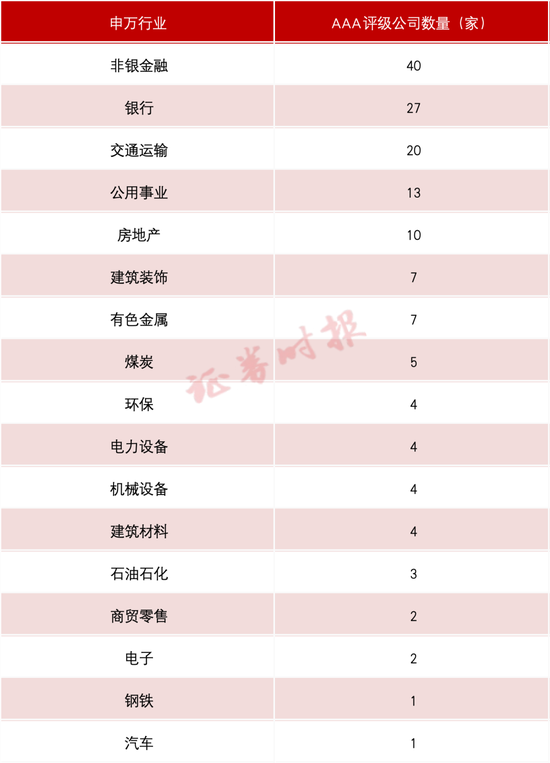
炒股就看金麒麟分析师研报,权威,专业,及时,全面,助您挖掘潜力主题机会! 证券时报记者根据Wind数据统计,今年以来,已有300家上市公司公布了评级机构对公司的评级报告, 289家公司的主体信用评级保持不变,但同时也有12家公司的主体信用评级被调整。 上市公司主体信用评级被调低,一般缘于公司基本面存在瑕疵,包括业绩亏损、债务压力攀升、征信状 况恶化、股票退市等情形。比如,山石网科发布公告称,信用评级机构联合资信在对公司经营状况及相 关行业进行综合分析与评估的基础上,于今年5月28日出具了《山石网科通信技术股份有限公司向不特 定对象发行可转换公司债券2025年跟踪评级报告》,下调公司主体信用等级为A,山石转债信用等级为 A,评级展望为"负面"。 联合资信认为,截至2025年3月末,公司发行的山石转债余额为2.67亿元。2024年,公司经营活动现金 流入量对山石转债的保障程度较强,但公司EBITDA和经营活动现金流量净额均为负,对山石转债均无 覆盖能力,整体看,公司长期偿债能力指标表现弱,且整体看公司对山石转债的保障能力有所下降。 联合资信进一步指出,未来,随着公司持续进行组织架构调整和优化,ASIC安全专用芯片 ...
行业轮动全景观察:市场整体情绪修复,传统行业走强而科技承压
ZHONGTAI SECURITIES· 2025-06-04 12:38
- The report introduces the **Industry Basic Tracking Model**, which monitors industry fundamentals and identifies the top-performing industries based on their sentiment and activity levels. The model highlights transportation, food & beverage, and coal as the industries with the highest sentiment, while media, communication, and banking show lower sentiment levels[3][8][9] - The **Crowding Factor** is introduced to measure the disparity between leading and lagging stocks within an industry across three dimensions: volatility, liquidity, and systemic risk. Higher crowding factors indicate elevated risks such as high volatility, active trading turnover, or increased beta exposure. For example, the food & beverage industry shows historically high crowding factors, while industries like agriculture, pharmaceuticals, machinery, consumer services, and coal exhibit historically low crowding factors[3][17][18] - The **Crowding Factor** is calculated using metrics such as stock volatility, liquidity, and beta exposure. It reflects the degree of market concentration and trading activity within an industry. Higher values suggest speculative trading and heightened systemic risk, while lower values indicate reduced market activity and risk exposure[17][18][28] - The pharmaceutical industry demonstrates a divergence between sentiment and crowding factors, with sentiment decreasing by 0.06 and crowding factors increasing by 0.28. This is attributed to short-term policy benefits, event-driven catalysts, and market sentiment, despite the lack of comprehensive recovery in industry fundamentals[12][15][17] - The report emphasizes that industries with high crowding factors, such as food & beverage, may face risks of speculative trading and systemic volatility. Conversely, industries with low crowding factors, such as agriculture, pharmaceuticals, machinery, consumer services, and coal, may present opportunities for stable investment due to reduced speculative activity[17][18][28]