电动汽车

Search documents
美国还在打关税算盘,中国已引领全球标准,战略格局对比高下立判
Sou Hu Cai Jing· 2025-07-22 09:46
Group 1 - The article highlights the contrasting strategies of the US and China, with the US focusing on tariffs while China is actively rewriting global business rules through standardization [1][19] - China has recently taken the lead in global rule-making, as evidenced by the International Organization for Standardization (ISO) releasing two new compliance management standards led by Chinese experts [3][12] - Historically, China was a follower in international standardization, but has now established itself as a leader, as seen in the development of the first international standard for refractory materials [5][9] Group 2 - The new ISO standards represent a shift from fragmented compliance management to a systematic approach, addressing how to check for violations and how to cultivate compliance talent [12][18] - The effectiveness evaluation guideline establishes a quantifiable assessment system for companies to self-diagnose their compliance status, enhancing dynamic management systems [14][18] - The capability management guideline emphasizes the importance of compliance talent, requiring companies to develop a skills model that includes legal knowledge and risk identification [16][18] Group 3 - The impact of these standards is significant for small and medium-sized enterprises, providing actionable compliance pathways and lowering internationalization barriers [18] - China's strategy contrasts with the US's tariff policies, which have led to increased costs for American companies, while China's standardization efforts promote long-term collaborative governance [19][23] - China's approach to standardization is characterized by a deep integration of standards with industry, as seen in the strict 3C certification for mobile power supplies, which has helped Chinese companies capture a significant market share [21][23] Group 4 - The article emphasizes China's unique institutional advantages in standardization, involving collaboration between government, enterprises, and academic institutions to drive innovation [25] - As global governance evolves, China is positioning itself to reshape international order through its compliance management standards, promoting cooperation rather than division [27]


还没记住教训?特朗普开辟新战场,美国对华再加93.5%,事情不简单
Sou Hu Cai Jing· 2025-07-22 09:46
Core Viewpoint - The U.S. Department of Commerce has decided to impose a 93.5% anti-dumping tax on imported anode-grade graphite from China, leading to a total effective tariff of 160%, significantly impacting the electric vehicle industry and related supply chains [1][3][4]. Group 1: Impact on Electric Vehicle Industry - The new tariff will affect approximately $340 million worth of imports based on 2023 figures, with two-thirds of the 180,000 tons of graphite imported by the U.S. last year coming from China [3][4]. - The increase in costs due to the tariffs is projected to raise the average cost of automotive power batteries by $7 per kilowatt-hour, potentially eroding one to two quarters of profit for battery manufacturers [3][4]. - Major companies like Tesla and Panasonic have opposed the tariffs, highlighting that the domestic graphite industry cannot meet current demand, which could lead to battery prices increasing by $1,000 or more [4][6]. Group 2: Domestic Industry Challenges - The U.S. lacks sufficient domestic natural graphite reserves and the existing production cannot meet the needs of American companies, making it difficult to fill the supply gap created by the tariffs [6][9]. - Despite calls from the U.S. Active Anode Materials Producers Association for punitive tariffs as high as 920%, the fundamental issues of domestic industry development remain unaddressed [6][9]. Group 3: Global Supply Chain Implications - The imposition of tariffs is expected to disrupt the stability of the global graphite supply chain, as the U.S. relies heavily on Chinese graphite products [9]. - The attempt to reshape supply chains and reduce dependency on China is unlikely to succeed in the short term and may adversely affect the U.S.'s position in the global supply chain [9]. - The situation reflects broader economic interests and political considerations, with potential retaliatory measures from China if its interests are significantly harmed [7][9].
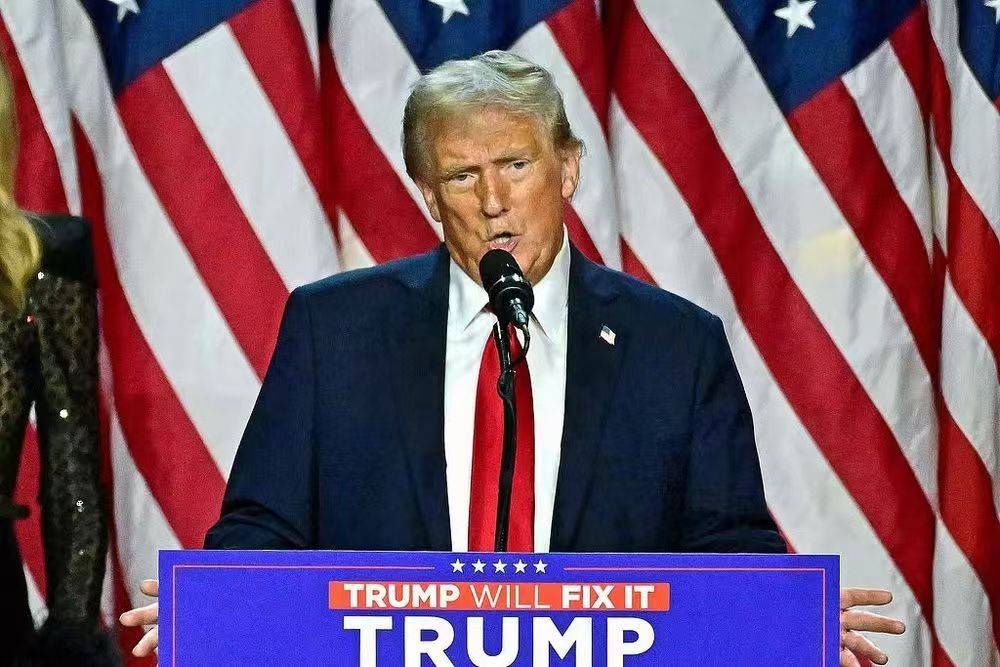
马来西亚寻求20%关税,但拒绝在电动车优惠和外资持股上让步
Hua Er Jie Jian Wen· 2025-07-22 07:44
Core Viewpoint - Ongoing tariff negotiations between the US and Malaysia face significant disagreements on sensitive issues, impacting Malaysia's economic growth expectations. Group 1: Tariff Negotiations - The US plans to impose tariffs ranging from 25% to 40% on imports from 14 countries, including a 25% tariff on Malaysian products starting August 1 [1] - Malaysia's negotiation team aims for a tariff rate below 25%, ideally around 20%, to align with neighboring countries like Indonesia and Vietnam [1][2] - The outcome of these negotiations is crucial for Malaysia's economic growth, with the government projecting a growth target of 4.5% to 5.5% for the year, contingent on the final tariff levels [1] Group 2: Controversial Issues - The extension of tax exemptions for US-made electric vehicles is a contentious point, with Malaysian officials hesitant to agree due to potential implications for other countries [2] - Malaysia is unwilling to lower foreign ownership limits in sensitive sectors like electricity and finance, reflecting the political sensitivity of these issues [2] - The request to reduce local fisheries subsidies and overfishing is seen as interference in domestic affairs, affecting key voter groups, particularly among the Malay fishermen [3] Group 3: Semiconductor Cooperation - Malaysia has shown willingness to cooperate on high-performance semiconductors, implementing stricter export controls for AI chips to the US [4]
行业巨头加快技术革新 固态电池商业化竞赛进入下半场
Zhi Tong Cai Jing· 2025-07-22 07:16
Group 1 - The race for innovation in solid-state battery technology for electric vehicles is intensifying, with major automakers and battery manufacturers making recent announcements that reignite hope for commercialization in the next 5 to 10 years [1] - Solid-state batteries are expected to have significantly higher energy density compared to traditional lithium-ion batteries, which could drive the next generation of electric vehicles [2] - The introduction of semi-solid state batteries by companies like NIO and Zhiji in the latter half of last year has catalyzed the industry, with many players aiming for large-scale production by the end of this decade [2] Group 2 - Solid-state batteries utilize solid electrolytes made from materials like ceramics, offering potential benefits such as enhanced safety, lower costs, and improved performance, along with reduced supply chain risks [3] - Critics highlight challenges such as high production costs, battery swelling during charging, and performance degradation after multiple charges, leading some manufacturers to prefer semi-solid state batteries [3] Group 3 - Key players in the solid-state battery race include Volkswagen, Mercedes-Benz, Stellantis, BYD, Nissan, and Toyota, with BYD and CATL seen as having a better chance of achieving commercial production due to their extensive battery manufacturing experience [4] - Western automakers like BMW and Mercedes are considered to be in a leading position due to significant investments in R&D and partnerships aimed at mitigating risks [4] - Nissan aims to achieve solid-state battery mass production by 2028, with the CEO emphasizing the importance of market readiness before making substantial investments [4] Group 4 - Negative sentiment in the industry has been exacerbated by delays and technical issues faced by leading Western companies like Quantumscape, which has pushed back product launch timelines [6] - Recent advancements in existing technologies, such as CATL's lithium iron phosphate battery that can increase range by 520 kilometers with just a 5-minute charge, have raised concerns about the market viability of solid-state batteries [6] - As existing technologies improve and specifications become more similar, the high costs of solid-state batteries may become less justifiable, potentially diminishing their market value proposition [6]


《经济学人》感慨:苹果折进去10年,中企打了胜仗
Guan Cha Zhe Wang· 2025-07-22 06:35
【文/观察者网 阮佳琪】 在英国《经济学人》看来,同样是手机制造商"跨行"造车,小米在苹果的"折戟之地"取得了胜利。并且 在攻克汽车制造领域后,这家中国企业正将目光投向全球市场。 报道细数道,未来几年,小米计划将海外门店从去年的几百家扩张至1万家,用于展示旗下的时尚新车 和消费电子产品。与此同时,它还计划继续拓展新业务领域,比如人形机器人CyberOne、自研芯片"玄 戒O1"等,布局之广"令人眼花缭乱(vertiginous)。" 6月27日,上海,小米YU7上市,在小米徐汇百联旗舰店,不少消费者前来看车。视觉中国 《经济学人》这篇发布于当地时间21日的文章回顾称,过去几年,小米的崛起势头迅猛,令人惊讶: 首先,在全球智能手机方面,(今年第二季度)小米的销量仅次于苹果和三星;其次,其旗下智能互联 设备品类丰富,从空调、扫地机器人到电动滑板车、电视,应有尽有。 在经历了2022年的低迷后,这家公司强势回升,去年营收增长35%,市值一度飙升至1.54万亿港元。 文章随即特别强调,尤其随着第二款电动车YU7的成功上市,小米实现了苹果未能实现的"壮举":苹果 耗费十余年、投入数十亿美元研发电动车,最终却放弃了这一计 ...



增配中国资产!全球主权财富基金新动向
天天基金网· 2025-07-22 06:27
Core Viewpoint - Global sovereign wealth funds are significantly increasing their investment interest in the Chinese market, with a notable shift in strategy towards selective investment approaches [3][4][8]. Investment Trends - Sovereign wealth funds are prioritizing emerging markets, with 59% of respondents identifying China as a high or medium priority market, marking a significant change since 2024 [3][4]. - 59% of respondents expect to increase their allocation to Chinese assets over the next five years, with 88% of Asia-Pacific sovereign funds and 73% of North American funds planning similar increases [3][4]. Investment Drivers - Attractive local returns are the primary driver for investment in China, indicating that investors find the valuation and profit potential in China more appealing compared to other markets [4]. - Diversification is the second key reason, as investors view China as a source of differentiated growth [4]. Focus Areas - The most attractive investment sectors in China include digital technology and software, advanced manufacturing and automation, and clean energy and green technology [6][8]. - Sovereign wealth funds are adopting a more cautious industry focus strategy, targeting sectors where China is expected to achieve global leadership, such as semiconductors, cloud computing, artificial intelligence, electric vehicles, and renewable energy infrastructure [8]. Investment Strategy Shift - There is a notable shift towards active investment strategies, with over 70% of sovereign wealth funds employing active strategies in fixed income and equities [9]. - 52% of sovereign wealth funds plan to increase their active equity holdings in the next two years, while 47% intend to boost active fixed income holdings [9]. - This trend is particularly pronounced among larger institutions, with 75% of sovereign funds managing over $100 billion having shifted to more active equity investment strategies in the past two years [9].


比亚迪日本扩张迅猛,年内门店将破百家,日媒感叹:比亚迪特斯拉主导日本电车转型
Qian Zhan Wang· 2025-07-22 04:46
Core Insights - Tesla and BYD are accelerating their expansion into the Japanese electric vehicle (EV) market, potentially leading the country's EV transformation [2] - Tesla plans to increase its store count in Japan from 23 to 50 by the end of 2026, with the possibility of expanding to 100 stores [2] - In the first half of 2025, Tesla's sales in Japan are expected to grow by 70% year-on-year to approximately 4,600 vehicles, showcasing strong growth momentum [2] - In contrast, Japan's domestic automakers are lagging behind, with the country's EV penetration rate being low compared to other developed nations [2] - Japan's EV sales in the first half of 2025 were only 27,321 units, a 7% year-on-year decline, marking two consecutive years of negative growth [2] - Japanese consumers have primarily favored hybrid vehicles, resulting in the lowest penetration rate for pure electric vehicles among developed countries [2] - The global EV market is increasingly dominated by a few key players, with Tesla leading through technological innovation and global presence, while BYD excels in the Chinese market and commercial vehicle sector [2] Company Profiles - **Tesla**: A globally recognized electric vehicle manufacturer based in the U.S., led by Elon Musk, focusing on clean energy and electric transportation. Tesla produces high-performance electric vehicles, including Model S, Model 3, Model X, and Model Y, and is involved in energy storage and solar power [2] - **BYD**: A leading Chinese electric vehicle manufacturer established in 1995, headquartered in Shenzhen. BYD produces a wide range of electric vehicles, including passenger cars and commercial vehicles, and has introduced the world's first electric bus [2] - **NIO**: A high-end electric vehicle manufacturer from China, focusing on luxury electric SUVs and innovative battery-swapping technology to address charging time concerns [2] - **Volkswagen Group**: The largest automotive manufacturer globally, headquartered in Germany, committed to electric vehicle production through its ID series, including ID.3, ID.4, and ID. BUZZ [2] - **Mercedes-Benz**: A high-end automotive brand under Daimler AG, known for its EQ series of electric vehicles, including EQC, EQA, EQB, and EQS, covering various market segments [2] Market Overview - The global electric vehicle market is characterized by a "dual-core" driving pattern led by China and the U.S. In 2022, global sales exceeded 10.52 million units, with China holding a 24.4% market share, followed by Europe at 17.3%. Japan and India have penetration rates below 5% [2]

马来西亚力争将美国关税降至20% 拒绝核心领域让步
news flash· 2025-07-22 02:33
金十数据7月22日讯,据知情人士透露,马来西亚政府正寻求将美国总统特朗普拟加征的关税税率降至 约20%,但拒绝在电动汽车政策及外资持股限制等关键领域作出让步。知情人士称,马来西亚总理安瓦 尔的谈判团队正努力将关税从8月1日起实施的25%降至更低水平,目标是与印尼、越南等区域邻国的税 率看齐。目前马来西亚已在解决美国关注的高性能半导体走私问题上取得进展,但拒绝了其三项核心要 求:延长美国电动汽车税收优惠、放宽电力及金融等敏感行业的外资持股上限、削减对本土渔民的补 贴。 马来西亚力争将美国关税降至20% 拒绝核心领域让步 ...
马斯克今年已作跑12位高管
36氪· 2025-07-22 00:36
Core Viewpoint - The article discusses a significant wave of executive departures from companies led by Elon Musk, particularly Tesla and X (formerly Twitter), highlighting the potential underlying issues related to leadership and company performance [3][33]. Group 1: Executive Departures - Tesla has experienced a notable executive turnover, with 12 executives leaving between March and July 2025, averaging three departures per month [10][11]. - Key departures include Troy Jones, the North American Sales VP, who left after 15 years, and several others from Tesla's battery and engineering teams, indicating a troubling trend for the company [13][18]. - The departures are not limited to Tesla; X has also seen significant executive turnover, including the resignation of CEO Linda Yaccarino after two years, raising questions about leadership stability [6][36]. Group 2: Reasons Behind Departures - While some executives cited personal reasons such as wanting to spend more time with family, others faced performance-related issues, particularly in sales [23][24]. - The article suggests that the declining sales figures for Tesla, particularly a nearly 28% drop in May in Europe, may have contributed to the pressure leading to these departures [24][29]. - The overall atmosphere of chaos and pressure under Musk's leadership is highlighted as a potential reason for the high turnover rate among executives [33][38]. Group 3: Impact on Companies - The article indicates that the high turnover could negatively impact Tesla's ongoing projects, especially in battery technology, which is crucial for the company's future [17][31]. - The leadership changes at X have also been linked to a failure to regain advertiser confidence, with revenue still significantly below pre-acquisition levels [37][38]. - The article raises concerns about Musk's management style and its implications for the companies' operational effectiveness and market performance [41][51].
景顺报告:60%中东主权基金增配中国资产,27万亿美元押注四大创新领域!
Sou Hu Cai Jing· 2025-07-21 23:51
Core Insights - Foreign institutional investors are significantly changing their allocation strategies towards Chinese assets, with around 60% of Middle Eastern sovereign wealth funds planning to increase their investments in China over the next five years [1][3]. Group 1: Investment Trends - In addition to the Middle East, 88% of sovereign funds in the Asia-Pacific region and 80% in Africa also plan to increase their investments in China, while about 73% of North American sovereign funds hold a positive outlook towards investing in China [3]. - The main drivers for sovereign funds to increase their allocation to Chinese assets include strong returns, portfolio diversification, and improved access to foreign markets [3]. Group 2: Attractive Investment Sectors - Sovereign wealth funds are betting on China's strengths in digital technology, renewable energy, and advanced manufacturing, entering innovation-driven sectors with a sense of urgency previously directed at Silicon Valley [4]. - The most attractive investment areas in China include digital technology and software, advanced manufacturing and automation, clean energy and green technology, as well as healthcare and biotechnology [4]. - A Middle Eastern sovereign fund representative noted that China has no real competitors in the clean energy and green technology sectors, predicting that China will dominate the solar, wind, electric vehicle, and battery markets in the coming decades [4]. Group 3: Market Performance - The A-share market has shown strong performance, with the Shanghai Composite Index and the ChiNext Index reaching new highs for the year, increasing by 0.72% and 0.87% respectively [5]. - The Hong Kong stock market has also been robust, with the Hang Seng Index briefly surpassing 25,000 points, marking a 24.6% increase for the year [5]. - A major hydropower project in the Yarlung Tsangpo River basin, with a total investment of approximately 1.2 trillion yuan, is expected to boost market sentiment and support various sectors, including non-ferrous metals and steel [5].