
公募基金

Search documents
工银瑞信投教基地走进中国政法大学开展《SQL基础入门》之存储过程课程
Xin Lang Ji Jin· 2025-10-21 01:27
Group 1 - The event titled "New Era, New Fund, New Value" focuses on the high-quality development of public funds in Beijing, aiming to enhance financial knowledge among students [1][2] - The workshop held at China University of Political Science and Law on October 20, 2023, included a series of courses on SQL basics, emphasizing practical and professional knowledge in financial data processing [1] - The session covered key technical aspects such as stored procedures, functions, and cursors, demonstrating their applications in processing financial transaction data effectively [1] Group 2 - The ICBC Credit Suisse Investment Education Base aims to integrate investor education into national educational strategies, leveraging group advantages and collaborating with educational institutions [2] - The initiative focuses on cultivating financial talents with solid professional knowledge, high moral standards, and a sense of social responsibility, contributing to the sustainable development of the public fund industry [2]
华商基金投教系列:“非法集资”难分辨 遇上“这些”须警惕丨北京公募基金高质量发展在行动
Xin Lang Ji Jin· 2025-10-20 09:59
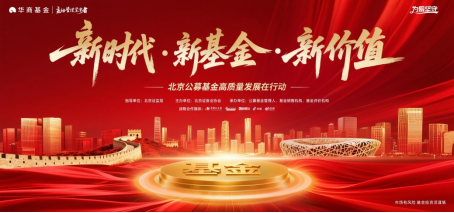
Group 1 - The core theme of the event is "New Era, New Fund, New Value," aimed at promoting high-quality development in the public fund industry in Beijing [1] - The initiative is guided by the Beijing Securities Regulatory Bureau and involves collaboration with various stakeholders, including fund managers, sales institutions, and media [1] - The activities will span over a month and focus on investor education, protection, and enhancing the public fund industry's ability to serve the real economy [1] Group 2 - Huashang Fund is actively promoting financial and investment knowledge, advocating for long-term and rational investment concepts [1] - The organization aims to enhance public awareness of risk prevention and contribute to the high-quality development of the industry [1]

把握中长期趋势公募基金围绕三大方向“掘金”
Shang Hai Zheng Quan Bao· 2025-10-19 12:31
Group 1 - Public funds are reassessing and adjusting investment strategies in response to recent market adjustments, with a focus on three main directions: technology, new energy, and new consumption [2][3] - Despite short-term fluctuations, the overall upward trend of Chinese equity assets remains intact, supported by various indicators such as equity risk premium and A-share total market value to GDP ratio [3] - There is a notable influx of funds into the market, indicating a recovery in market confidence, with significant net inflows into industry-themed ETFs and a record number of new fund establishments this year [5] Group 2 - Fund managers remain optimistic about the long-term market outlook, particularly in technology, new energy, and new consumption sectors, with specific attention on sub-sectors like AI, semiconductor, and consumer goods [6] - The technology sector is highlighted as a key investment area, with specific focus on supply chain components such as optical modules and AI servers, as well as applications in gaming and smart driving [6] - In the new consumption sector, significant changes in retail efficiency, emotional consumption, and content e-commerce are creating unique investment opportunities [6]

北京公募高质量发展系列活动 | 惠升基金走进方庄街道办事处
Xin Lang Ji Jin· 2025-10-17 09:53
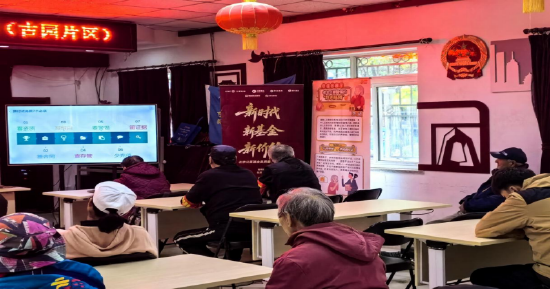
Group 1 - The core initiative is the "Beijing Public Fund High-Quality Development Series Activities," aimed at promoting financial literacy and fraud prevention among residents, particularly the elderly [3][4] - The event on October 17, organized by Huisheng Fund, focused on educating the community about prevalent fraud schemes, including "pension investment scams" and "fake health product investments" [3][4] - The educational approach included real-life case studies and interactive scenarios to help residents recognize and respond to fraudulent tactics [4] Group 2 - The event featured a "fraud scenario interaction" segment where the education team simulated fraud situations, guiding residents on how to identify scams and report them [4] - Educational materials such as the "Community Residents Anti-Fraud Guide" and "Regular Financial Product Inquiry Manual" were distributed to residents, providing essential information on common scams and reporting channels [4] - Huisheng Fund plans to continue its efforts in community education, adapting content to meet local needs and enhancing financial safety for residents [4]
厚植中国特色金融文化根基 汇安基金积极践行“五要五不”原则 以硬核文化软实力 筑牢高质量发展堤坝
Xin Lang Ji Jin· 2025-10-17 02:45
Core Viewpoint - The article emphasizes the importance of cultivating a distinctive Chinese financial culture to promote high-quality development in the financial sector, highlighting the "Five Musts and Five Must Nots" as essential principles for the industry [1]. Group 1: Integrity and Responsibility - Integrity is fundamental to the public fund industry, serving as the foundation for sustainable capital markets. The industry must prioritize investor interests and adhere to fiduciary duties [2]. - Since its establishment in 2016, the company has integrated integrity into all aspects of investment management, customer service, and product innovation, fostering a trustworthy environment [2]. Group 2: Balancing Ethics and Profit - The company believes that ethical considerations and profit are not mutually exclusive, advocating for a value-oriented approach that aligns company interests with those of clients [3]. - The governance structure encourages long-term decision-making, focusing on both short-term and long-term benefits while optimizing investment portfolios to support the real economy [3]. Group 3: Risk Management - Risk prevention is a perpetual theme in finance, necessitating a balance between development and safety to avoid systemic risks [4]. - The company enhances its risk management capabilities through advanced technology and rigorous analysis, ensuring that risk considerations are integrated throughout the investment process [4]. Group 4: Innovation and Practicality - Innovation is vital for the financial sector, but it must be grounded in serving the real economy to avoid detachment from core principles [6]. - The company promotes practical innovation by supporting national strategies and developing products that meet evolving investor needs while enhancing investor protection [6]. Group 5: Compliance and Value Creation - Compliance is the cornerstone of industry survival and development, with the company emphasizing a culture of compliance and integrity [7]. - The company integrates party leadership into its governance and operational strategies, fostering a cohesive approach to compliance and cultural development [7].
金融知识进社区,护好居民幸福家——工银瑞信投教基地走进方庄街道开展防非讲座
Xin Lang Ji Jin· 2025-10-17 02:45
Core Points - The initiative "New Era, New Fund, New Value" aims to enhance financial literacy and awareness of illegal financial activities among community residents during the 2025 World Investor Week [1][2] - The program includes educational lectures that address common financial risks and illegal activities, such as stock market scams and high-yield investment schemes [2][3] - The initiative emphasizes the importance of rational investment and long-term value investing, encouraging residents to be cautious of high-return promises [2][3] Group 1 - The educational activities are designed to help residents recognize and prevent financial risks, with a focus on practical knowledge [1][2] - The program has received support from local authorities and positive feedback from residents, who found the information useful for their daily lives [2][3] - The organization aims to continue expanding its investor education efforts to build a stronger financial safety net for the community [3]
中加基金:信义为本、体系为基,构建高质量发展新生态
Xin Lang Ji Jin· 2025-10-17 02:45
Core Viewpoint - The article emphasizes the importance of prioritizing investor interests in the public fund industry, marking a significant shift towards creating value for investors and ensuring high-quality development in the sector [1]. Group 1: Prioritizing Investor Interests - The core of fiduciary responsibility is to place investor interests at the center of company operations, influencing product design, investment operations, and sales services throughout the entire process [2]. - The investment team at Zhongjia Fund adheres to long-termism and risk control principles, focusing on both short-term performance and long-term value creation, while maintaining a strict risk-reward ratio [2]. Group 2: Constructing a Comprehensive Risk and Compliance Ecosystem - A robust risk and compliance system is essential for high-quality development in public funds, with Zhongjia Fund establishing a "four-in-one" risk and compliance framework that integrates risk prevention and compliance management into business processes [3]. - The fund actively supports sectors like technology innovation and green finance, while implementing a comprehensive risk monitoring mechanism to manage market, credit, and liquidity risks dynamically [3]. Group 3: Serving the Real Economy and Enhancing Resident Wealth - Zhongjia Fund is committed to lowering investor costs and has proactively adjusted management fees following the introduction of the public fund industry fee reform plan [4]. - The fund focuses on long-term value-oriented product innovation and actively participates in investor education initiatives to promote a long-term investment mindset [4]. Group 4: New Journey Towards High-Quality Development - Looking ahead, Zhongjia Fund aims to integrate fiduciary responsibility into its corporate DNA, enhancing research and investment capabilities to achieve a virtuous cycle of scale, quality, and returns [5]. - The fund recognizes that high-quality development is a long-term endeavor and is dedicated to optimizing fiduciary responsibility mechanisms and improving its ability to serve the real economy and enhance resident wealth [6].
校企携手育英才——工银瑞信投教基地走进中国政法大学开展《SQL基础入门》之表与视图课程
Xin Lang Ji Jin· 2025-10-16 09:21
Core Insights - The article emphasizes the importance of integrating investor education into national education as part of the public fund industry's mission for inclusive finance [1][2] - The event at China University of Political Science and Law focused on teaching SQL basics, aiming to enhance students' understanding of financial digitalization and professional skills [1] - The teaching approach included practical applications of financial data management, making abstract concepts more accessible to students [1] Group 1 - The event was part of a series aimed at promoting high-quality development in public funds, with a specific focus on financial technology and investor protection [2] - The course was designed to create a strong foundation in both theoretical knowledge and practical skills, aligning with the digital transformation needs of the financial industry [2] - The interactive nature of the class encouraged students to engage actively, leading to a better understanding of the application value of digital technology in finance [1] Group 2 - The initiative aims to cultivate a new generation of professionals who are well-versed in both finance and technology, contributing to the broader goal of integrating investor education into the national curriculum [2] - Future plans include enhancing the curriculum with more targeted and practical course content to meet the evolving demands of the financial sector [2]
长周期考核如何改变行业生态
Xin Lang Ji Jin· 2025-10-16 08:51
Core Insights - The China Securities Regulatory Commission (CSRC) has officially released the "Action Plan for Promoting the High-Quality Development of Public Funds," marking a new chapter for the industry [1] - The introduction of a long-term assessment mechanism is seen as a core pivot for profound changes in the industry ecosystem [1] Group 1: Impact of Long-Term Assessment Mechanism - The long-term assessment mechanism aims to break the short-term focus dilemma in the public fund industry, shifting the emphasis from quarterly and annual performance rankings to long-term value [2] - The new framework mandates that at least 80% of the assessment weight for medium to long-term returns over three years and five years will be core evaluation indicators, significantly reducing the focus on short-term operational metrics like scale and ranking [2] Group 2: Shift from Short-Term Speculation to Long-Term Value Investment - The implementation of the long-term assessment mechanism will transform fund managers' investment decision-making processes, allowing them to focus on long-term growth potential rather than short-term performance pressures [3] - This shift is expected to enhance long-term portfolio returns and reduce investment risks by enabling fund managers to make more rational investment decisions [3] Group 3: Focus on Long-Term Products and Investor Services - Fund companies will increasingly prioritize products suitable for long-term holding, such as index-enhanced funds and pension-targeted funds, which aim for stable long-term growth [4] - There will be a greater emphasis on investor education and personalized investment advice, enhancing the overall investment experience for clients [4] Group 4: Supporting National Strategies and Promoting Industrial Upgrades - The long-term assessment mechanism will enable the public fund industry to better leverage its professional advantages, guiding capital towards innovative and high-potential sectors in the real economy [5] - Public funds are actively investing in sectors like technology innovation and green development, contributing to national strategic initiatives such as the "Belt and Road" and rural revitalization [6] Group 5: Future Outlook - The comprehensive implementation of the long-term assessment mechanism represents a significant transformation in the public fund industry, laying a solid foundation for high-quality development [7] - The industry is expected to return to its core mission of enhancing investor returns while strengthening investment management capabilities and optimizing product structures [7]
养老规划投教先行|银华基金:养老投资为何优选Y份额?
Xin Lang Ji Jin· 2025-10-16 01:59
Group 1 - The core viewpoint of the articles is the launch of the "Beijing Public Fund High-Quality Development Series Activities" to promote the high-quality development of the public fund industry in China, following the release of the "Action Plan for Promoting High-Quality Development of Public Funds" in May [1] - The personal pension system in China, which was officially implemented in November 2022, is a significant direction for the high-quality development of public funds, with the first batch of personal pension funds expanding from single FOF types to passive index and enhanced index products [1] - As of June 30, 2025, the scale of 288 personal pension Y-share funds reached 12.409 billion, reflecting a growth of 1.019 billion from the previous quarter, with 281 funds showing positive growth [1] Group 2 - Y-shares are specifically designed for personal pension investment, offering lower management and custody fees, typically at a 50% discount compared to A-shares [2] - The net asset value calculation for Y-shares differs from A-shares due to the inclusion of fee factors, leading to different net values [2] - Y-shares can only be purchased through personal pension accounts, and redemption proceeds are transferred back to the personal pension account rather than being available for cash withdrawal [2]