
航天

Search documents
【特稿】马斯克又改口:先造月球城市 再登陆火星
Xin Hua She· 2026-02-09 08:47
2025年马斯克曾说,其目标是在2026年底前向火星发射无人航天器。2020年他曾表示,有信心在2026年 底前载人登陆火星,"如果我们幸运,也许4年"。 不到一周前,马斯克宣布SpaceX收购他旗下的人工智能(AI)公司xAI。在这笔交易中,对SpaceX的估值 为1万亿美元,对xAI的估值为2500亿美元。 卜晓明 美国企业家埃隆·马斯克8日说,其名下太空探索技术公司(SpaceX)已将重点转向在月球建设一座"自我生 长的城市",这可能在不到10年内实现。 马斯克在社交媒体X平台上写道,SpaceX仍打算在未来5到7年内启动其长期以来在火星上建城的计划, 但当务之急是确保"文明的未来",而登陆月球可更快实现这一目标。 他写道,每26个月才有一次向火星旅行的发射窗口(行程6个月),而每10天就可向月球发射一次(行 程2天),"这意味着我们迭代完成月球城市建设的速度要比火星城市快得多"。 马斯克上述言论呼应美国《华尔街日报》6日一篇报道。报道称,SpaceX已告知投资者,将优先登陆月 球,并推迟前往火星的尝试,目标是2027年3月实现无人登月。 马斯克又改口:先造月球城市 再登陆火星 据路透社援引上述并购支持 ...
10年造月球城市,马斯克“太空狂想”又引爆A股!
Ge Long Hui· 2026-02-09 08:46
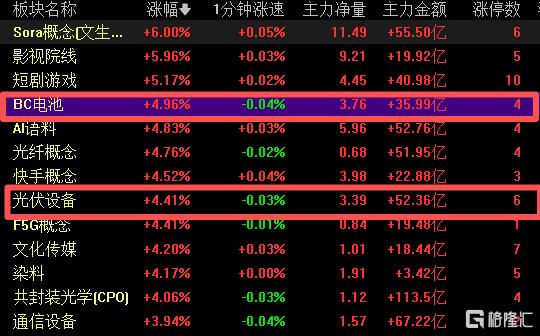
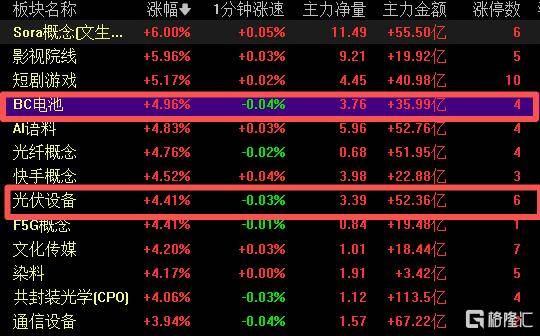
Group 1: SpaceX Developments - SpaceX is shifting its focus towards building a self-sustaining city on the Moon, with a timeline of less than 10 years for completion, while Mars colonization is projected to take over 20 years [3] - The company aims to conduct lunar missions every 10 days, significantly faster than the 26-month window for Mars missions [3] - SpaceX has informed investors of its priority on lunar missions, targeting an unmanned lunar landing by March 2027 [6] Group 2: Tesla Solar Manufacturing - Tesla is accelerating its solar manufacturing efforts to achieve an annual production target of 100 gigawatts of solar cells [9] - The company is considering expanding its Buffalo, New York facility to 10 gigawatts and potentially building additional factories in New York, Arizona, or Idaho [9] - Musk highlighted the underestimated potential of solar energy, emphasizing that space could become the most cost-effective location for AI deployment within the next three years due to the efficiency of solar panels in space [9] Group 3: Market Reactions and Opportunities - The commercial space, solar power, and battery sectors experienced significant stock price increases following these announcements, with companies like Juhua Materials and GCL-Poly Energy hitting their daily price limits [1] - Analysts predict exponential growth in space solar power demand, with major Chinese solar equipment manufacturers likely to benefit from partnerships with Tesla and SpaceX [11] - The market for space solar power is projected to reach substantial values, with estimates suggesting a potential market space of 29,179 billion yuan by 2030 under optimistic scenarios [12]


马斯克:将在月球和火星上建城市
Guo Ji Jin Rong Bao· 2026-02-09 08:44
Core Viewpoint - SpaceX aims to establish self-sustaining cities on the Moon and Mars, with a potential timeline of under 10 years for the Moon and over 20 years for Mars [1] Group 1: Moon and Mars City Plans - SpaceX has shifted its focus to building a self-sustaining city on the Moon, with a goal to achieve this in less than 10 years [1] - The company plans to initiate work on establishing a city on Mars within 5 to 7 years [1] Group 2: Acquisition of xAI - SpaceX has acquired xAI, an artificial intelligence company also founded by Elon Musk, to integrate AI with its space technologies [1] - The acquisition aims to create a comprehensive innovation engine that combines AI, rocket technology, space internet, and communication systems [1] - Analysts view this merger as a significant step towards developing "interstellar AI" [1]
马斯克:向中国学习
投资界· 2026-02-09 07:19
Core Viewpoint - Space is predicted to become the preferred location for AI infrastructure within 30 to 36 months, with annual AI computing power in space expected to exceed the cumulative total on Earth within five years [1][12][20]. Group 1: AI and Space Infrastructure - The total intelligence of AI may surpass human intelligence within five to six years, with human intelligence potentially constituting less than 1% of all intelligence [2][25]. - Companies entirely composed of AI and robots are expected to outperform any company with human involvement [2][31]. - The energy supply is a critical factor for building data centers in space, as energy production outside of China is stagnating while chip production is rapidly increasing [3][6]. Group 2: Energy and Cost Efficiency - Solar panels in space can generate power at five times the efficiency of those on Earth, eliminating the need for batteries, thus reducing costs significantly [4][9]. - The cost of solar panels is currently around $0.25 to $0.30 per watt in China, and costs could decrease by up to tenfold when deployed in space [9][23]. - The average electricity consumption in the U.S. is about 500 GW, and achieving 1 TW of power generation in space would require significant advancements in energy production [5][20]. Group 3: Challenges in Energy Production - Building power plants is complex, requiring extensive infrastructure and facing regulatory hurdles, which slows down the process [6][10]. - The demand for electricity for data centers is underestimated, with actual needs being much higher due to cooling and maintenance requirements [10][21]. - The U.S. is facing a bottleneck in energy production, which could hinder the launch of large-scale AI chip operations [21]. Group 4: Manufacturing and Supply Chain - The manufacturing of chips is constrained by existing foundries, which are unable to meet the growing demand for AI chips [19][18]. - There is a significant backlog in turbine orders, which complicates the establishment of new power generation facilities [11][12]. - SpaceX and Tesla aim to produce 100 GW of solar panels annually, controlling the entire supply chain from raw materials to finished products [8][34]. Group 5: Competitive Landscape - Without breakthrough innovations in the U.S., China is poised to dominate the AI and manufacturing sectors [2][37]. - China's energy production is projected to exceed that of the U.S. by three times, indicating its industrial capabilities [37]. - The U.S. faces challenges in maintaining a competitive edge due to lower birth rates and a declining workforce, making advancements in robotics and AI crucial [36][37].

每日市场观察-20260209
Caida Securities· 2026-02-09 06:57
Market Performance - The Shanghai Composite Index fell by 0.25%, the Shenzhen Component Index decreased by 0.33%, and the ChiNext Index dropped by 0.73% on February 9, 2026[1] - A total of 2,609 stocks rose while 2,475 stocks declined, with total trading volume exceeding 2.14 trillion yuan, showing a slight decrease compared to the previous period[1] Market Trends - The market is experiencing a low opening followed by a high rise and then a retreat, indicating a lack of clear direction[1] - Investors are advised to either look for a breakout above the 5-day and 10-day moving averages or seek support near the 60-day moving average[1] Sector Performance - Resource sectors such as mining, energy metals, jewelry, batteries, chemicals, and oil saw significant gains due to rising prices driven by geopolitical tensions and economic recovery[1] - Conversely, sectors like commercial retail, liquor, tourism, aerospace, media, and airports faced notable declines[1] Fund Flows - On February 6, 2026, net inflows into the Shanghai Stock Exchange amounted to 16.369 billion yuan, while the Shenzhen Stock Exchange saw net inflows of 19.644 billion yuan[4] Economic Indicators - The global manufacturing Purchasing Managers' Index (PMI) rose to 51% in January 2026, an increase of 1.5 percentage points from the previous month, indicating improved manufacturing activity[5][6] - The Asian manufacturing PMI slightly decreased to 51%, while the Americas' PMI increased to 51.8%[6] Investment Insights - Investors are encouraged to selectively buy into resource-related stocks as prices of upstream raw materials are expected to rise further with economic recovery[1] - In January 2026, global gold ETFs attracted a record inflow of 18.7 billion USD, bringing total assets under management to 669 billion USD, marking a historical high[12]
10年造月球城市、100吉瓦光伏,马斯克又引爆A股!
Sou Hu Cai Jing· 2026-02-09 06:47
Core Viewpoint - Recent developments in commercial space, AI computing power, and space photovoltaics have garnered positive attention, particularly with Elon Musk's announcement regarding SpaceX's focus on building cities on the Moon and Mars, prioritizing lunar development [1][3][6]. Group 1: SpaceX Developments - SpaceX is shifting its focus to constructing a self-sustaining city on the Moon, with a timeline of less than 10 years for completion, while Mars city construction is projected to take over 20 years [2][3]. - The frequency of lunar missions can be as short as every 10 days, compared to Mars missions which occur every 26 months, indicating a faster development pace for lunar infrastructure [3]. - SpaceX is actively recruiting engineers in Austin and Seattle to develop AI satellites and space data centers, signaling a significant investment in AI capabilities [4]. Group 2: Tesla's Solar Manufacturing Expansion - Tesla is accelerating its solar manufacturing efforts to achieve a target of producing 100 gigawatts of solar cells annually, with plans to expand production capacity at its Buffalo, New York facility to 10 gigawatts [9][10]. - Musk emphasized the underestimation of solar energy opportunities and highlighted the advantages of deploying AI in space, predicting that within three years, space will become the most cost-effective location for AI deployment due to its consistent solar energy availability [9][10]. Group 3: Market Reactions and Future Projections - The commercial space, solar photovoltaics, and battery sectors experienced significant stock price increases following these announcements, with companies like 聚合材料, 协鑫集成, and TCL中环 reaching their daily price limits [1]. - Analysts predict exponential growth in space photovoltaics demand, with potential market space for space solar power reaching 29,179 billion yuan by 2030 under optimistic scenarios [11][12].
【新华社】大国重器彰显创新底气——我国加快绘就高水平科技自立自强新图景
Xin Hua She· 2026-02-09 03:40
Core Viewpoint - The article emphasizes China's advancements in technology and innovation, showcasing significant achievements in various scientific fields and the development of major national projects, which are seen as essential for high-quality economic growth and self-reliance in technology [10][19]. Group 1: Major Technological Achievements - The 300 MW F-class heavy-duty gas turbine is China's first independently developed turbine of its kind, consisting of over 50,000 precision components and representing a significant leap from "learning by following" to "independent research and development" [11][12]. - The "Tianwen-2" probe was successfully launched, marking a new phase in China's planetary exploration efforts, with a record 92 space launches planned for 2025 [13]. - The "Fendouzhe" manned submersible achieved a world-first deep dive in the Arctic, showcasing China's capabilities in deep-sea exploration [13]. Group 2: Research and Development Initiatives - The "China Sky Eye" FAST telescope made significant breakthroughs in radio astronomy, revealing the origins of fast radio bursts, highlighting China's leading position in this field [15]. - The Jiangmen neutrino experiment involves over 700 researchers from 75 institutions across 17 countries, reflecting China's commitment to international collaboration in scientific research [16]. - The "Lasso" cosmic ray observatory has made significant advancements in understanding cosmic ray origins, driven by a dedicated team of young researchers [18]. Group 3: Innovation Ecosystem and Policy Support - Continuous investment and reforms in the research funding system have empowered scientific teams, allowing for greater autonomy and focus on groundbreaking research [15][19]. - The establishment of major scientific infrastructure in regions like Beijing and Shanghai has positioned China as a hub for scientific research and innovation [16]. - The article highlights the importance of nurturing talent and breaking down institutional barriers to foster a vibrant innovation ecosystem [19].
金融界财经早餐:国常会重磅!促进有效投资政策,深入谋划推动重大项目;证监会开年重拳出击,A股零容忍持续升级!央行连续15个月增持黄金;预制菜国标出炉(2月9日)
Jin Rong Jie· 2026-02-09 01:03
Economic Policies - The State Council, led by Li Qiang, emphasized the importance of promoting effective investment for stabilizing economic growth and enhancing development momentum, focusing on infrastructure, urban renewal, public services, and emerging industries [1] - The People's Bank of China and eight departments issued a notice to further prevent and manage risks related to virtual currencies, stating that virtual currencies do not have the same legal status as fiat currencies [1] Capital Market Developments - Goldman Sachs warned of potential volatility in the US stock market due to algorithmic selling, with the S&P 500 index falling below a short-term trigger point, which could lead to over $33 billion in sell-offs [4] - International asset management giants, including Point72 and BlackRock, have been actively researching A-shares, particularly in high-end manufacturing and technology innovation sectors, indicating a significant increase in foreign interest [4] - Public funds are increasingly participating in hard technology sector financing, with 12 listed companies completing financing rounds, significantly increasing the amount raised compared to the previous year [4] Industry Highlights - The Ministry of Industry and Information Technology announced the construction of national computing power interconnection nodes to enhance the standardization and efficient flow of computing resources across regions and industries [6] - The humanoid robot sector is seeing increased production expectations, with companies like Qingtian Rent launching affordable experience plans, benefiting upstream material suppliers [6] - The AI medical field is set to benefit from the release of domestic high-performance GPUs, which will enhance efficiency in medical AI applications [6] - The solid-state battery industry is focusing on collaborative innovation to drive technological breakthroughs and industrialization [6] - The National Health Commission released a draft standard for pre-prepared dishes, emphasizing food safety and excluding certain food categories from this standard [6] Company Updates - Shanshan Holdings announced a restructuring plan that could change its actual controller to the Anhui State-owned Assets Supervision and Administration Commission [7] - Yongtai Technology plans to acquire a 25% stake in Yongtai High-tech from CATL, making CATL a shareholder [7] - Yunlu Co.'s chairman has had restrictions lifted and is now able to participate in daily operations [7] - Tiancheng Automation received a notification to supply products to a leading domestic automotive company [7] - Linyang Energy's major shareholder plans to increase its stake in the company by 50 to 100 million yuan within the next 12 months [7] - Meitu Inc. expects a significant increase in net profit for 2025, projecting a growth of 60% to 66% year-on-year [7] - Zhongsheng Pharmaceutical's subsidiary has reported positive results from two Phase III clinical trials for a new influenza treatment [7]
央行继续增持黄金:申万期货早间评论-20260209
申银万国期货研究· 2026-02-09 00:47
Group 1 - The People's Bank of China has increased its gold reserves for the 15th consecutive month, reaching 7.419 million ounces (approximately 2307.57 tons) as of January 2026, up by 40,000 ounces (1.24 tons) from December 2025 [1] - The U.S. initial jobless claims rose to 231,000, exceeding the forecast of 212,000, indicating increased economic slowdown risks which may reduce energy demand [1] - The ongoing negotiations between Iran and the U.S. regarding nuclear issues have caused fluctuations in oil prices, with expectations of increased oil production from Venezuela [1] Group 2 - Precious metals have rebounded after significant volatility, primarily influenced by the nomination of Kevin Warsh as the next Federal Reserve Chairman, which has cooled interest rate cut expectations and strengthened the dollar [2] - The long-term support factors for gold remain intact, with expectations that it will return to a steady upward trend after market adjustments [2] - Investors are advised to remain cautious regarding silver due to its higher volatility compared to gold, and the current gold-silver ratio being relatively low [2] Group 3 - Oil prices increased by 1.83% amid indirect negotiations between Iran and the U.S., with both parties agreeing to continue discussions [3] - Kazakhstan's oil exports are expected to decline by up to 35% in February due to slow recovery from a fire at the Tengiz oil field [3] - Copper prices rose by 1.39%, with tight supply conditions continuing, although smelting profits are at breakeven levels [3] Group 4 - The A-share ETF market is experiencing a dichotomy, with mainstream broad-based ETFs facing significant redemptions while thematic ETFs in sectors like chemicals and non-ferrous metals are gaining investor interest [8]

“十五五”开局怎么干?这场主题记者会向中外媒体重磅发布
Xin Lang Cai Jing· 2026-02-09 00:44
Economic Growth and Development - In 2025, Shanghai's GDP is projected to reach 5.67 trillion yuan, representing a 5.4% increase from the previous year, successfully meeting the annual and "14th Five-Year" economic growth targets [3] - The growth target for 2023 is set at around 5%, focusing on deepening reform and opening up, promoting consumption, expanding effective demand, and enhancing the quality of life [3] Industrial Development - Shanghai's industrial output value exceeded 4 trillion yuan last year, marking a historical high, with a focus on high-end industries as a key driver for high-quality development [4][5] - The city aims to create new trillion-level industries in sectors like smart terminals and commercial aerospace during the "15th Five-Year" period, while optimizing the business environment for enterprises [5] Foreign Investment and Trade - By the end of last year, Shanghai had recognized 1,076 multinational company regional headquarters and 636 foreign R&D centers, with plans to establish over 6,300 new foreign enterprises by 2025, reflecting a 6.8% year-on-year growth [6] - The foreign trade volume is expected to exceed 4.5 trillion yuan by 2025, with growth rates for imports and exports projected to surpass national averages [10] Employment and Skills Development - Shanghai plans to create over 600,000 new jobs by 2026, with a focus on enhancing skills and supporting long-term unemployed youth [12] - The city will leverage the upcoming World Skills Competition to promote new skills and align vocational training with market needs [12] Technological Innovation - Shanghai ranks first in comprehensive technological innovation among Chinese provinces and aims to increase R&D expenditure to 4.5% of GDP by 2025, with a focus on basic research [13] - The city is committed to fostering innovation ecosystems and enhancing the efficiency of its innovation system [13] Elderly Care and Consumer Services - Shanghai has established 122 smart elderly care facilities and plans to enhance technology-driven services in community and home-based elderly care [8] - The city has introduced guidelines for building senior-friendly shopping environments to cater to the elderly population [8]
