
服装

Search documents
波司登入围《经济观察报》2024—2025年度受尊敬企业
Jing Ji Guan Cha Wang· 2025-10-13 09:57
Core Insights - Bosideng has demonstrated outstanding performance in quality operations, innovative breakthroughs, and social contributions, leading to its nomination for the 2024-2025 Most Respected Enterprises by Economic Observer [1] Group 1 - Bosideng's strong performance metrics include quality operations, innovation, and social contributions [1]

中国9月出口增长超预期
Ge Lin Qi Huo· 2025-10-13 09:36
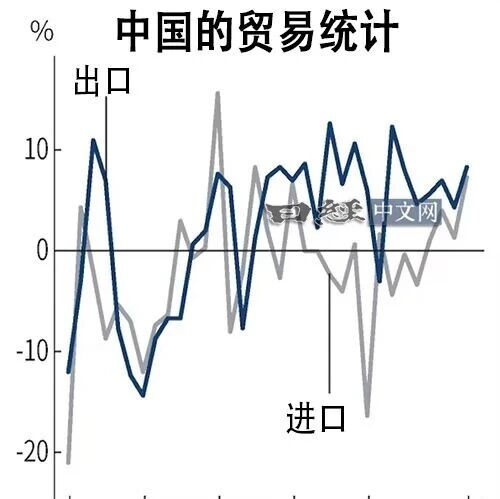
Group 1: Overall Trade Performance - China's September exports denominated in US dollars increased by 8.3% year-on-year, exceeding the forecast of 5.7% and the previous value of 4.4%; imports increased by 7.4% year-on-year, exceeding the forecast of 1.4% and the previous value of 1.3%; the trade surplus was $90.45 billion, compared with a previous surplus of $102.33 billion [1][4]. - From January to September, China's cumulative export amount increased by 6.1% year-on-year, compared with a 5.82% increase for the whole of last year; the cumulative import amount decreased by 1.1% year-on-year, compared with a 1.03% increase for the whole of last year [4]. Group 2: Export by Region - In September, China's exports to ASEAN increased by 15.6% year-on-year (14.7% from January to September, 12% for the whole of last year); exports to the EU increased by 14.2% year-on-year (8.2% from January to September, 3.0% for the whole of last year); exports to the US decreased by 27.0% year-on-year (-16.9% from January to September, 4.9% for the whole of last year); exports to South Korea increased by 7.0% year-on-year (-0.3% from January to September, -1.8% for the whole of last year); exports to Japan increased by 1.8% year-on-year (4.4% from January to September, -3.5% for the whole of last year) [2][5]. - In September, China's exports to countries and regions other than the top five export destinations increased by 16.5% year-on-year, faster than the overall export growth rate of 8.3% [2][5]. - In the first nine months of this year, China's exports to countries participating in the Belt and Road Initiative increased by 11.4% year-on-year; exports to Africa from January to September increased by 28.3% year-on-year, compared with a 3.5% increase for the whole of 2024; exports to Latin America from January to September increased by 6.9% year-on-year, compared with a 13.0% increase for the whole of 2024 [2][5]. Group 3: Export by Product Category - In the first nine months, China's exports of mechanical and electrical products reached $1.55 trillion, a year-on-year increase of 8.6% (8.1% from January to August, 7.5% for the whole of last year); high-tech product exports increased by 7.1% year-on-year (6.4% from January to August, 4.8% for the whole of last year); integrated circuit exports increased by 23.3% year-on-year (22.1% from January to August, 17.4% for the whole of last year); exports of automobiles (including chassis) increased by 10.8% year-on-year (10.8% from January to August, 15.5% for the whole of last year); exports of ships increased by 21.4% year-on-year (18.3% from January to August, 57.3% for the whole of last year) [2][8]. - In the first nine months, exports of household appliances decreased by 2.2% year-on-year (-1.2% from January to August, 14.1% for the whole of last year); exports of mobile phones decreased by 9.8% year-on-year (-11.5% from January to August, -3.1% for the whole of last year); exports of clothing and clothing accessories decreased by 2.5% year-on-year (-1.7% from January to August, 0.3% for the whole of last year); exports of toys decreased by 8.3% year-on-year (-5.2% from January to August, -1.7% for the whole of last year); exports of furniture and parts decreased by 4.8% year-on-year (-5.3% from January to August, 5.8% for the whole of last year); exports of luggage and similar containers decreased by 11.5% year-on-year (-11.5% from January to August, -3.2% for the whole of last year) [2][8]. Group 4: Import Performance - In September, China's imports exceeded expectations. The import of integrated circuits was 55.5 billion units, a year-on-year increase of 12%, with an amount of $41 billion, a year-on-year increase of 14%; the import of copper ore concentrates was 2.59 million tons, a year-on-year increase of 6%, and the amount spent was $7.3 billion, a year-on-year increase of 24% due to the year-on-year increase in copper prices; the import of iron ore concentrates was 116 million tons, a year-on-year increase of 12%, and the amount spent was $11.3 billion, a year-on-year increase of 13% as the price was slightly higher than the same period last year; the import of crude oil was 47.25 million tons, a year-on-year increase of 4%, and the amount spent was $23.8 billion, a year-on-year decrease of 7% as the crude oil price fell compared with the same period last year; the import of automobiles (including chassis) was 41,000 units, a year-on-year decrease of 26%, and the amount spent was $2 billion, a year-on-year decrease of 36% [3][9][10]. - In September, the largest year-on-year increase in imports was for aircraft with an empty weight of more than 2 tons. 27 were imported, a year-on-year increase of 93%, and the amount spent was $2 billion, a year-on-year increase of 201% [10]. Group 5: International Trade Environment and Outlook - In September, South Korea's exports increased by 12.7% year-on-year (1.3% in August), and Vietnam's exports increased by 24.7% year-on-year (14.5% in August), indicating that the overall international trade environment in September was good [3][11]. - In September, the eurozone's manufacturing Purchasing Managers' Index (PMI) was 49.5, falling below the boom - bust line again, indicating that the eurozone's manufacturing industry was in recession; the US ISM manufacturing PMI new orders index in September was 48.9, falling back below the boom - bust line, and the US ISM services PMI index in September was 50.0 [3][11]. - In the fourth quarter, China's year-on-year export growth rate is expected to slow down due to the high base last year, and the results of a new round of Sino - US trade negotiations will also have a certain impact on China's exports [3][11]. - The World Trade Organization raised its forecast for global goods trade growth in 2025 from 0.9% to 2.4% on October 7, and significantly lowered its forecast for global goods trade growth in 2026 to 0.5%, compared with 1.8% in August [11].
李宁入围《经济观察报》2024—2025年度受尊敬企业
Jing Ji Guan Cha Wang· 2025-10-13 09:35
2025年10月13日,李宁在优质运营、创新突破、社会贡献等指标中表现优异,根据经观受尊敬企业组委 会初步评估,入围《经济观察报》2024—2025年度受尊敬企业。 ...

中国对美出口9月减少27%,连续6个月负增长
日经中文网· 2025-10-13 08:00
Group 1 - China's overall export value has increased for seven consecutive months, with a year-on-year growth of 8.3% in September, reaching 328.5 billion USD [2][4] - The growth rate of exports has expanded compared to August's 4.4%, while imports grew by 7.4%, totaling 238.1 billion USD, marking four months of consecutive growth [4] - The trade surplus, calculated as exports minus imports, stands at 90.4 billion USD, with the surplus expanding year-on-year due to faster export growth compared to imports [4] Group 2 - By export categories, the export of electric vehicles (EVs) grew by 11%, and rare earth exports also exceeded the same month last year, while exports of smartphones, toys, and clothing declined [5] - Regionally, exports to the United States decreased by 27%, marking six consecutive months of negative growth, while exports to ASEAN increased by 16% and to the EU by 14%, with exports to Japan also surpassing the previous year [5]

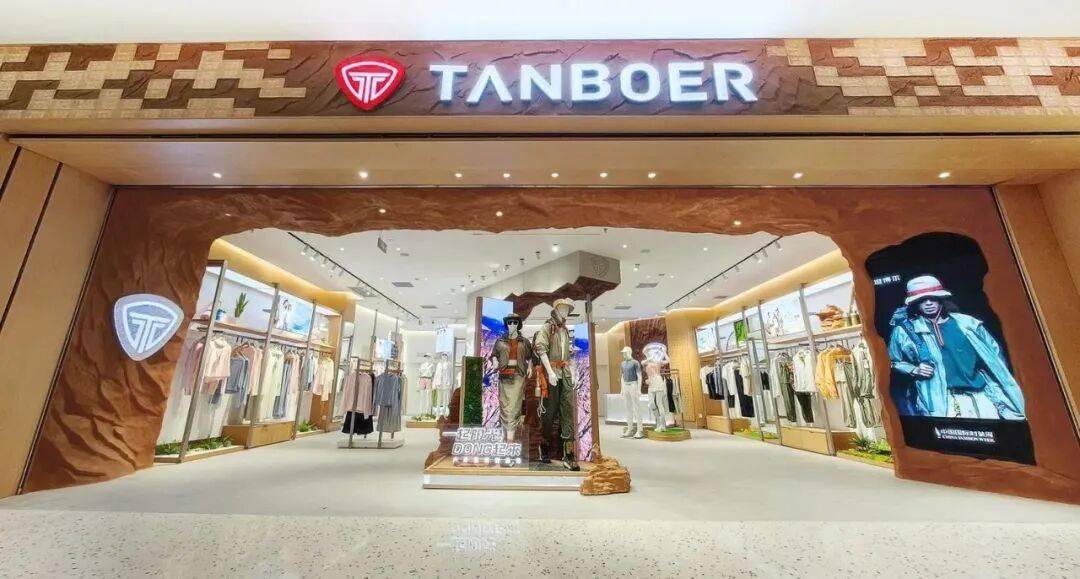
羽绒品牌坦博尔申请港股上市,股东“突击式”分红2.9亿
Sou Hu Cai Jing· 2025-10-13 07:58
Core Viewpoint - Tambor Group Co., Ltd. is seeking to go public on the Hong Kong main board, positioning itself as a leading professional outdoor apparel brand in China [2] Financial Performance - Revenue is projected to grow from RMB 732 million in 2022 to RMB 1.302 billion in 2024, with a compound annual growth rate (CAGR) of 33% [2] - For the first half of 2025, revenue reached RMB 658 million, representing an 85% increase compared to the same period last year [2] - Online revenue surged from RMB 226 million in 2022 to RMB 347 million in the first half of 2025, accounting for 52.7% of total revenue [2][4] Channel Strategy - The company is optimizing its offline channels by terminating partnerships with 83 distributors and focusing on efficient outlets in lower-tier cities [4] - As of June 30, 2025, Tambor operates 568 permanent offline stores, including 257 self-operated and 311 distributor-operated stores [4] Product Portfolio - Tambor has expanded from a domestic down jacket brand to include a comprehensive outdoor sports product line, with 687 SKUs as of June 30, 2023 [5] - The urban light outdoor series generated approximately RMB 448 million in revenue for the first half of 2025, making up 68.2% of total revenue [5] Market Position - Tambor is recognized as the fastest-growing brand among the top ten professional outdoor apparel brands in China, with an 80.3% increase in online retail sales compared to 2023 [5] Dividend Policy - The company declared a total dividend of RMB 35 million for the year 2022 and plans to distribute RMB 290 million in dividends for 2025 [5] Profitability - Net profit margins for the years 2022 to 2025 are reported as 11.7%, 13.6%, 8.2%, and 5.5% respectively, indicating a downward trend in profitability [6]
品牌星球:小内容趋势报告2025-碎片化时代下的品牌新叙事
Sou Hu Cai Jing· 2025-10-13 05:57
Core Insights - In the fragmented era, brands face collective anxiety due to media restructuring and changing consumer demands, leading to a shift towards "small content" as a key strategy for brands to navigate these challenges [1][2] Group 1: Necessity of Small Content - Traditional large-scale advertising is becoming less effective, with brands reducing their spending and seeking innovative, cost-effective ways to engage consumers [9][10] - The rise of user-generated content (UGC) and social media has blurred the lines between commercial advertising and everyday content, making consumers more receptive to authentic and relatable messaging [9][10] Group 2: Characteristics and Definition of Small Content - Small content is defined as lightweight, human-centered, highly interactive, and easily shareable expressions that facilitate dialogue between brands and users [18] - It emphasizes specific, relatable moments rather than grand narratives, allowing brands to connect with consumers on a more personal level [26][34] Group 3: Strategies for Utilizing Small Content - Brands are exploring various paths, such as leveraging founders' personalities to create relatable content, developing long-term content IPs for stable consumer connections, and enhancing user experiences through gamified interactions [2] - Emotional value has become a core focus, with brands using small content to meet consumers' emotional needs and stand out in a crowded market [2] Group 4: Trends Towards 2025 - The shift towards small content reflects a broader trend of rational consumer behavior, where brands are expected to deliver meaningful, relatable content with limited budgets [12][10] - As consumer preferences evolve, brands must adapt their content strategies to foster deeper connections and engagement with their audiences [10][12]

陈光炎长文剖析稀土与贸易平衡:美国超过8成精炼稀土来自中国,短期内难以改变
聪明投资者· 2025-10-13 03:33
Core Viewpoint - The article emphasizes China's strategic position in the rare earth elements (REEs) sector and its implications for U.S.-China trade relations, particularly in light of recent export controls and tariffs [8][54][86]. Group 1: China's Export Control Measures - In October 2025, China announced stricter export controls on rare earth elements and processing technologies, particularly for military and semiconductor applications [4][11]. - The export license system implemented by China has a validity period of six months, impacting global supply chains and prompting industries to adapt [8][11]. - China's management of rare earth exports reflects the vulnerabilities in the U.S. industrial and defense supply chains, leading to adjustments in trade negotiations [12][54]. Group 2: U.S. Dependency on Chinese Rare Earths - The U.S. relies on China for over 80% of its refined rare earths, which are critical for defense, electronics, and clean energy sectors [8][53]. - Experts estimate that establishing an independent U.S. supply chain for rare earths could take 5 to 15 years, highlighting the challenges in reducing dependency on China [10][54]. - The U.S. has initiated measures such as the Defense Production Act to boost domestic rare earth production, but these efforts face significant obstacles [55][61]. Group 3: Impact on Trade Relations - The role of rare earths has become a key factor in U.S.-China trade negotiations, with both sides recognizing the importance of these resources [9][12]. - China's export management of rare earths has led to a shift in trade dynamics, with the U.S. showing a willingness to make concessions in negotiations [12][90]. - The recent trade tensions have prompted the U.S. to reconsider its approach to tariffs and trade policies, particularly concerning critical materials [93][95]. Group 4: Strategic Importance of Rare Earths - Rare earth elements are essential for modern military systems, including advanced weaponry and communication technologies [42][45]. - The geopolitical significance of rare earths has increased, with China leveraging its dominance in this sector to influence international trade and security discussions [86][88]. - The ongoing tensions and management of rare earth resources underscore their role as strategic assets in global economic interactions [17][85].

嘉曼服饰10月10日获融资买入277.10万元,融资余额1.75亿元
Xin Lang Cai Jing· 2025-10-13 01:36
Group 1 - On October 10, Jiaman Apparel's stock rose by 0.91%, with a transaction volume of 39.72 million yuan [1] - As of October 10, the total margin balance for Jiaman Apparel was 175 million yuan, accounting for 17.84% of its market capitalization, indicating a high level of financing [1] - For the same day, Jiaman Apparel had a net margin buy of -13.01 million yuan, with a financing buy of 2.77 million yuan and a repayment of 15.78 million yuan [1] Group 2 - As of June 30, Jiaman Apparel had 12,300 shareholders, an increase of 9.51% from the previous period, with an average of 3,742 circulating shares per shareholder, up by 9.53% [2] - For the first half of 2025, Jiaman Apparel reported a revenue of 497 million yuan, a year-on-year increase of 3.51%, while the net profit attributable to shareholders decreased by 30.65% to 64.05 million yuan [2] Group 3 - Since its A-share listing, Jiaman Apparel has distributed a total of 199 million yuan in dividends [3] - As of June 30, 2025, among the top ten circulating shareholders, Nuoan Multi-Strategy Mixed A (320016) was the fourth largest shareholder with 555,100 shares, marking its entry as a new shareholder [3] - Huashang Leading Enterprises Mixed (630001) has exited the list of the top ten circulating shareholders [3]
嘉曼服饰(301276)半年报点评:暇步士男女装占比逐步提升
Xin Lang Cai Jing· 2025-10-13 00:35
Core Viewpoint - The company reported a decline in net profit for the first half of 2025, despite a slight increase in revenue, indicating challenges in profitability and operational efficiency [1][2]. Financial Performance - In Q2 2025, the company achieved revenue of 200 million, a year-on-year increase of 5%, while the net profit attributable to the parent company was 20 million, a decrease of 50%. The net profit after deducting non-recurring items was 6 million, down 64% [1]. - For the first half of 2025, the company reported revenue of 500 million, a year-on-year increase of 4%. The net profit attributable to the parent company was 60 million, down 31%, and the net profit after deducting non-recurring items was 40 million, down 28% [2]. Brand Development - The company began self-operating the Hush Puppies brand for men's and women's clothing from mid-last year, with expectations that by the end of 2024, this category will account for 10.06% of total revenue. In the first half of this year, the revenue share from men's and women's clothing increased to 22.87% [2]. - The growth rate of Hush Puppies men's and women's clothing aligns with the company's expectations, and there is confidence in further market expansion due to product upgrades and channel restructuring [3]. Brand Portfolio - Hush Puppies, established in 1958, is the company's main proprietary brand, with a recent acquisition of its full-category IP assets in mainland China and Hong Kong and Macau [4]. - The company also owns the "Water Children" brand, founded in 1995, focusing on children's clothing, and has a strong market presence [4]. - The authorized brand Hazzys, launched in 2000, is known for its British campus style and is part of the company's diverse brand portfolio, which includes high-end children's clothing brands like EMPORIO ARMANI, KENZO KIDS, and HUGO BOSS [4]. Profit Forecast Adjustment - Based on the financial performance in the first half of 2025 and the acquisition of Hush Puppies, the company has adjusted its profit forecasts, expecting revenues of 1.14 billion, 1.21 billion, and 1.30 billion for 2025-2027, with net profits of 140 million, 160 million, and 190 million respectively [5].
天风证券晨会集萃-20251013
Tianfeng Securities· 2025-10-13 00:12
Group 1 - The current gold bull market has just initiated the most elastic range for gold stocks, with the Wande Gold Industry Index rising by 38% from August 22, 2025, to September 30, 2025, while the price increase is less than previous bull markets [1][26][27] - Gold stocks tend to amplify their volatility in sync with gold prices, often experiencing price increases that are three times greater than the increase in spot gold prices [1][28] - Valuation metrics suggest that market capitalization per unit of production is more suitable for evaluating gold stocks during rapid price increases, as traditional PE ratios may distort due to the rapid rise in EPS [1][28] Group 2 - The precious metals sector continues to show an upward trend, and it is recommended to maintain positions in this sector [3][35] - The macroeconomic environment is expected to show moderate recovery, with manufacturing PMI indicating slight improvements, although still in contraction territory [4][6] - The anticipated economic growth rates for the third and fourth quarters are approximately 4.8% and 4.6% year-on-year, respectively [6] Group 3 - The solid-state battery equipment sector faces challenges related to isostatic pressing technology, which is crucial for improving battery performance and mass production [9][18] - Leading companies in the solid-state battery equipment field, such as Nakanor and AVIC, are focusing on key technologies, although the equipment remains in the R&D and validation stages [9][18] Group 4 - The airline industry is experiencing a surge in inbound tourism, with a 52% increase in foreign visitors from January to August 2025, driven by optimized visa policies [18][19] - The expected growth in inbound tourism is likely to improve supply-demand dynamics in the airline sector, potentially leading to an increase in ticket prices [18][19]