
水电工程

Search documents
雅下概念估值陷阱:短线狂欢后,价值终回归
3 6 Ke· 2025-09-03 02:56
Core Viewpoint - The Yarlung Tsangpo River downstream hydropower project (referred to as "Yaxia Project") has become a highlight in the A-share market in July, with significant market enthusiasm following its announcement and subsequent stock price surges [1][2]. Market Reaction - The Yaxia Project's groundbreaking ceremony on July 19 led to a rapid increase in the Yaxia concept index, which rose nearly 40% over four trading days, with 33 stocks hitting the daily limit on the first trading day [1]. - Following the initial excitement, the market began to rationalize, with the Yaxia concept index experiencing a correction of over 3% from its peak [1]. Stock Performance - Leading stocks like Shanhe Intelligent saw a near 100% increase since July 21, while others like Zhongyan Dadi faced significant declines, returning to their initial prices or even lower [1]. - The volatility in stock performance highlights the divergence in investor sentiment and the impact of speculative trading [2]. Characteristics of Theme Trading - Theme trading in the A-share market often experiences significant fluctuations, primarily driven by speculative sentiment rather than fundamental business performance [2][3]. - As the market matures, investors tend to revert to rationality, leading to a prolonged value correction for theme stocks lacking substantial financial returns [2]. Historical Context - The Yaxia Project's dynamics mirror past theme trading examples, such as the Xiong'an New Area concept, which saw initial surges followed by long-term corrections due to a lack of fundamental support [3][4]. - Stocks that do not have direct benefits from the project often experience sharp declines once the initial excitement fades [4]. Valuation Concerns - The rapid price increases in the Yaxia sector have likely already reflected the expected incremental benefits from the project, making further price appreciation challenging without new catalysts [5][6]. - For instance, the projected demand for explosives in the Yaxia Project indicates a potential annual revenue of approximately 2.44 billion yuan, but the current valuations of related companies may already exceed historical averages [6][7]. Investment Strategy - Investors are advised to focus on companies with substantial business operations and financial performance rather than merely chasing speculative themes [9][10]. - The complexity and long duration of projects like the Yaxia Project make it difficult for average investors to align their investment horizons with project timelines, leading to potential misalignment and speculative behavior [9][10].

大基建爆发,西藏经济狂飙
第一财经· 2025-08-12 16:30
Core Viewpoint - The article highlights the rapid economic growth in Tibet driven by multiple super projects, including the establishment of the New Tibet Railway Company to connect Xinjiang and Tibet, which is expected to further boost the region's economy [3][9]. Economic Growth Data - In the first half of 2025, Tibet's GDP reached 138.27 billion, with a year-on-year growth of 7.2% [3]. - Tibet's GDP for 2023 was 239.27 billion, growing by 9.5%, and for 2024, it was 276.49 billion, with a growth rate of 6.3% [4]. Investment Impact - Fixed asset investment in Tibet increased by 24.8% in the first half of the year [5]. - In 2023, fixed asset investment grew by 35.1%, with the second industry increasing by 47.7% and the third industry by 35.4% [7]. - In 2024, fixed asset investment rose by 19.6%, with private investment growing by 52.9% [7]. Infrastructure Projects - Major infrastructure projects include the ongoing construction of the Sichuan-Tibet Railway and the new Tibet Railway, which are expected to significantly enhance connectivity and economic activity in the region [10][11]. - The Yarlung Tsangpo River hydropower project, with an investment of approximately 1.2 trillion, is also underway [10]. Economic Diversification - The article emphasizes the need for environmentally friendly industries and the development of green technology sectors in Tibet, alongside traditional infrastructure projects [12].


大基建爆发 西藏经济狂飙
Di Yi Cai Jing· 2025-08-12 13:56
Core Insights - The establishment of multiple super projects in Tibet, including the new Xinjiang-Tibet Railway, is expected to drive rapid economic growth in the region [1][5][6] - Tibet's GDP growth has consistently ranked first in the nation, with a reported GDP of 2,392.67 billion yuan in 2023, reflecting a 9.5% increase from the previous year [2][3] - Significant investment in fixed assets has been a major contributor to Tibet's economic growth, with a 24.8% year-on-year increase in the first half of the year [2][3] Economic Growth - Tibet's GDP for the first half of 2025 is projected to reach 1,382.72 billion yuan, with a year-on-year growth rate of 7.2% [1] - The region's GDP growth rate has improved significantly post-pandemic, with a notable increase of 8.3 percentage points in 2023 compared to the previous year [2] - The fixed asset investment in Tibet has shown remarkable growth, with a 35.1% increase in 2023, particularly in the second industry, which grew by 47.7% [3][4] Investment Trends - The fixed asset investment in Tibet is expected to grow by 19.6% in 2024, with significant increases in private investment, which rose by 52.9% [3][4] - The number of private enterprises and individual businesses in Tibet has reached 143,200 and 414,800 respectively, indicating a robust growth in the private sector [4] - The contribution of private investment to the region's economy is highlighted by a 46.4% year-on-year increase in the first quarter of the year [4] Infrastructure Development - Major infrastructure projects, including the Sichuan-Tibet Railway and the Yarlung Tsangpo River hydropower project, are set to enhance connectivity and energy supply in Tibet [5][6] - The total investment for the Sichuan-Tibet Railway exceeds 300 billion yuan, with the Xinjiang-Tibet Railway expected to have a similar investment scale [6] - These infrastructure developments are anticipated to not only boost Tibet's economy but also contribute positively to the broader Chinese economy by stimulating related industries [6][7]
大基建爆发,西藏经济狂飙
Di Yi Cai Jing· 2025-08-12 12:17
Core Viewpoint - The announcement of multiple super projects in Tibet has drawn attention to the region's investment construction and economic growth, with significant contributions from infrastructure projects [2][6]. Economic Growth - Tibet's GDP reached 138.27 billion yuan in the first half of 2025, showing a year-on-year growth of 7.2% [2]. - In 2023, Tibet's GDP was 239.27 billion yuan, growing by 9.5% compared to the previous year, marking an increase of 8.3 percentage points [3]. - The GDP for 2024 is projected to be 276.49 billion yuan, with a year-on-year growth of 6.3% [3]. Investment Trends - Fixed asset investment in Tibet grew by 24.8% year-on-year in the first half of 2023 [3]. - In 2023, fixed asset investment increased by 35.1%, with the second industry growing by 47.7% and the third industry by 35.4% [4]. - In 2024, fixed asset investment is expected to grow by 19.6%, with projects over 50 million yuan seeing a 39.7% increase [4]. Private Sector Growth - As of this year, Tibet has 143,200 private enterprises and 414,800 individual businesses, with a year-on-year increase in private investment of 46.4% [5]. - The tax revenue from the private economy reached 8.41 billion yuan, accounting for 79.3% of the total tax revenue in the region, with a year-on-year growth of 15.9% [5]. Infrastructure Projects - The establishment of the New Tibet Railway Company aims to advance the construction of the Xinjiang-Tibet railway, connecting key regions [2][8]. - Major projects include the ongoing construction of the Sichuan-Tibet Railway and the Yarlung Tsangpo River hydropower project, with total investments expected to exceed 1.2 trillion yuan [8]. - These infrastructure developments are anticipated to significantly boost Tibet's economy and enhance its connectivity with other regions [8][9].
治大国必治边疆,重投资必重基建
Hu Xiu· 2025-08-11 11:59
Group 1 - The establishment of the New Tibet Railway Company with a registered capital of 95 billion yuan is a significant development, comparable to the Yajiang downstream hydropower project [1][2] - The New Tibet Railway's investment scale is expected to reach several hundred billion yuan, with construction aimed to start within the year [2] - The New Tibet Railway will connect key regions in Xinjiang and Tibet, ending the historical lack of railway access in Ali [2][3] Group 2 - The New Tibet Railway's route is likely to parallel the New Tibet Highway, enhancing China's strategic presence in the border areas with India [3] - The combination of the New Tibet Railway, Sichuan-Tibet Railway, and Yajiang hydropower project will strengthen economic ties between Tibet and the mainland, and enhance China's geopolitical stance in the region [2][4] - The current infrastructure push is seen as a response to the need for economic stimulation, similar to past initiatives during the 1998 and 2008 financial crises, but with a focus on border regions [5][6][10] Group 3 - The strategic governance of Xinjiang and Tibet is crucial for China's national interests, positioning these regions as central to the broader Asian context rather than merely peripheral [7][8] - The current infrastructure projects are expected to drive demand and stimulate various sectors of the economy, reflecting a shift in policy focus from real estate to large-scale infrastructure [10][11]
中国化学(601117.SH):正在与雅江集团就雅鲁藏布江下游水电工程相关业务进行对接
Ge Long Hui· 2025-08-04 08:08
Core Viewpoint - China Chemical is actively responding to national strategic initiatives by engaging with Yajiang Group regarding the downstream hydropower project of the Yarlung Tsangpo River, although no formal projects have been established yet [1] Group 1 - China Chemical is in discussions with Yajiang Group for potential collaboration on hydropower projects [1] - The company emphasizes its commitment to national strategic goals [1] - Currently, there are no officially launched projects related to this initiative [1]

中泰国际每日晨讯-20250804
ZHONGTAI INTERNATIONAL SECURITIES· 2025-08-04 01:48
Market Overview - The Hang Seng Index fell by 3.5% last week, closing at 24,507 points, while the Hang Seng Tech Index dropped by 4.9% to 5,397 points, indicating a short-term pullback after a recent upward trend[1] - The average daily trading volume reached over HKD 282 billion, with net inflows into Hong Kong Stock Connect amounting to HKD 53.1 billion, suggesting a renewed acceleration in capital inflow[1] Economic Data - China's July official and Caixin PMI fell below the expansion threshold for four consecutive months, reflecting economic weakness[2] - The U.S. Q2 GDP growth slowed to 2.0%, with July non-farm payrolls adding only 73,000 jobs, significantly below the expected 104,000[3] - The labor force participation rate in the U.S. decreased to 62.2%, while the unemployment rate rose to 4.2%, indicating a growing number of unemployed individuals[3] Sector Performance - NIO's stock rose by 8.6% on Friday after the launch of its new L90 SUV, while its stock increased by 38% in July[4] - The healthcare sector saw a 1.9% increase in the Hang Seng Healthcare Index, driven by positive sentiment towards innovative drug companies[4] - The renewable energy sector experienced declines, with major solar stocks like Xinyi Solar and GCL-Poly Energy falling by 4.9% and 5.7%, respectively[5] Company Insights - WuXi AppTec's revenue for H1 2025 is projected to grow by 20.6% to RMB 20.8 billion, with Non-IFRS adjusted net profit expected to rise by 44.4% to RMB 6.31 billion[6] - The company plans to distribute a mid-term dividend of RMB 3.50 per 10 shares, which is expected to boost market confidence[8] - The target price for WuXi AppTec has been raised to HKD 121.00, with an upgraded rating to "Buy" based on improved revenue forecasts[9]
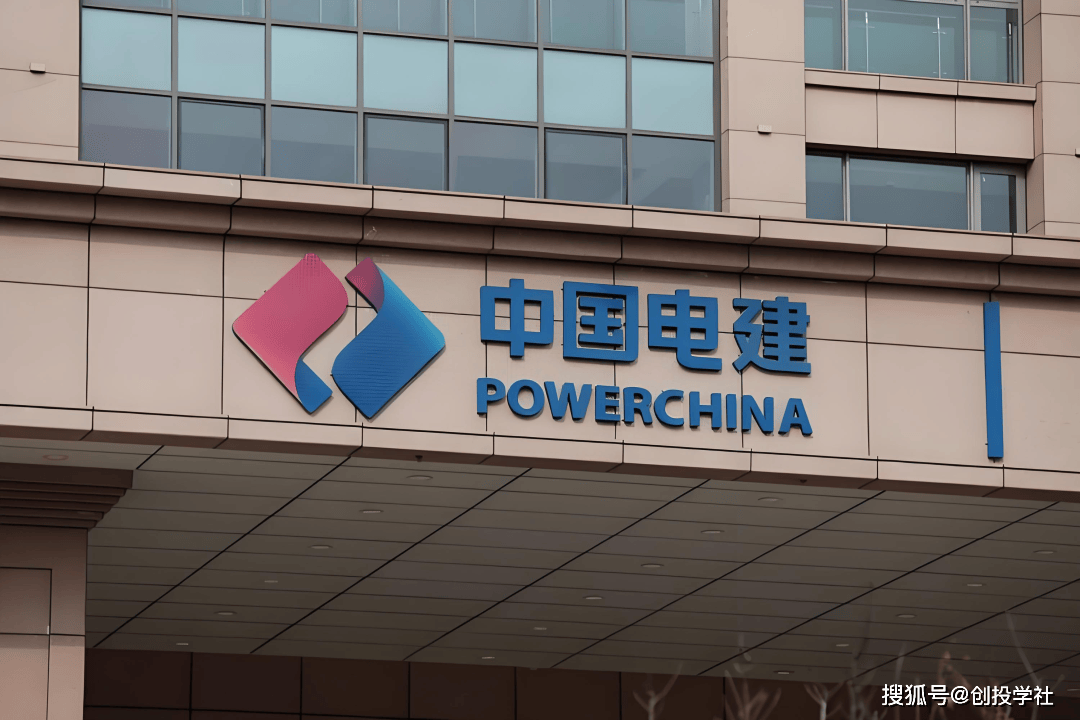
每天解读一家上市企业:全球水电龙头—中国电建
Sou Hu Cai Jing· 2025-07-31 06:00
Company Overview - China Power Construction Group Co., Ltd. (China Power Construction) was established on November 30, 2009, and listed on the Shanghai Stock Exchange in 2011 under the stock code 601669 [2][3] - The company is a subsidiary of China Power Construction Group, a large state-owned enterprise approved by the State Council in September 2011, headquartered in Haidian District, Beijing [2] Industry Position - China Power Construction ranks first globally in integrated hydropower construction capabilities and performance [2] - The company has been listed among the top 150 of the Fortune Global 500 for four consecutive years and has consistently topped the ENR Global Engineering Design Companies list [3][5] - The company has a domestic hydropower engineering market share exceeding 90% and operates in over 130 countries [5] Business Development - The company aims to become a "world-class green and low-carbon energy supplier" by 2024, with a target of over 90% of its installed capacity coming from clean energy by 2025 [3] - Major projects include the Three Gorges Project and the Baihetan Hydropower Station, as well as international collaborations such as the Poland railway restoration project and the Laos hydropower station [3] Financial Performance - In 2024, the company reported revenue of 633.685 billion yuan, a year-on-year increase of 4.07%, and a net profit of 12.015 billion yuan [11] - The company’s operating cash flow increased by 10.34% year-on-year, reaching 24.546 billion yuan [11] - The total contract backlog was 2.13 trillion yuan, reflecting a 15.37% year-on-year growth [11] Market Dynamics - The announcement of the 1.2 trillion yuan investment in the Yarlung Tsangpo River downstream hydropower project has generated significant interest in the capital market, leading to a three-day stock price surge [10][9] - The company’s market capitalization reached approximately 120 billion yuan as of July 30, 2025 [11] Technological and Competitive Advantages - The company holds a leading position in the engineering contracting sector, ranking 6th among global contractors and leading in the domestic market [11] - It has a comprehensive service model that integrates surveying, design, construction, and operation across the entire industry chain [11] - The company has a strong focus on R&D, with 24.3 billion yuan allocated for research expenses in 2024, marking a 4.3% increase [11]

量化观市:市场轮动上行,量价因子持续表现
SINOLINK SECURITIES· 2025-07-29 13:39
- The macro timing strategy model recommended an equity position of 50% for July, with a signal strength of 100% for economic growth and 0% for monetary liquidity[4][27][28] - The macro timing strategy's year-to-date return as of the end of June 2025 was 1.34%, compared to the Wind All A Index return of 1.04%[4][27] - The micro-cap/large-cap index relative net value rose to 2.00 times, above its 243-day moving average of 1.48 times, indicating strong short-term momentum for micro-cap stocks[5][31] - The volatility congestion ratio was -13.56% year-on-year, well below the 55% risk threshold, indicating that the risk warning has been completely lifted[5][31] - The 10-year government bond yield was -21.85% year-on-year, also below the 30% interest rate risk control line, indicating that medium-term risks are under control[5][31] - Value factor in the CSI 300 pool had an IC of 12.36%, while the growth factor in the CSI 500 pool had an IC of -14.01%[37] - Quality factor in the CSI 500 and CSI 1000 pools had ICs of -18.32% and -2.99%, respectively[37] - Market capitalization factor in the All A-share pool had an IC of -7.07%[37] - Value factor in the CSI 300 pool recorded a weekly return of approximately 3.05%, while the consensus expectation factor in the CSI 500 pool had a drawdown of approximately -1.23%[37] - Market capitalization factor in the All A-share pool had a drawdown of approximately -0.56%, while the reversal factor in the CSI 300 pool recorded a return of approximately 2.09%[37] - Quality factor in the All A-share pool recorded a return of approximately 0.40%[37] - The quantifiable bond selection factors for convertible bonds showed significant differentiation in performance, with the stock growth factor leading with a weekly return of approximately 1.25%[41] - The stock consensus expectation factor followed closely with a weekly return of approximately 1.14%, while the stock quality factor recorded a return of approximately -0.13%[41] - The stock value factor had a drawdown of approximately -0.30%, and the convertible bond valuation factor had the deepest decline with a weekly return of -0.68%[41]
首席周观点:2025年第30周-20250725
Dongxing Securities· 2025-07-25 08:34
Investment Rating - The industry investment rating is "positive," indicating a relative performance stronger than the market benchmark index by over 5% [33]. Core Insights - The global silver market has entered a new phase of structural supply-demand gap expansion, with signs of a rightward shift in the demand curve [1]. - Industrial demand is the primary component of silver demand, accounting for 58.5% of the total demand in 2024, with a total global silver demand projected at 36,207 tons [1][2]. - The compound annual growth rate (CAGR) for global silver demand from 2019 to 2024 is 3%, with industrial silver demand growing at a CAGR of 5.4% during the same period [2]. - The electronic and electrical sectors are the main drivers of industrial silver demand, with the photovoltaic industry being a significant contributor [3][5]. Summary by Sections Silver Demand Composition - In 2024, silver demand is composed of industrial demand (21,165 tons, 58.5%), jewelry (6,491 tons, 17.9%), and physical investment (5,939 tons, 16.4%) [1]. - The demand from the silverware and photography sectors is relatively minor, at 1,684 tons (4.7%) and 792 tons (2.2%) respectively [1]. Industrial Silver Demand Growth - From 2019 to 2024, industrial silver demand increased from 16,281 tons to 21,165 tons, contributing 98% to the total growth in silver demand during this period [2]. - The electronic and electrical sector's silver demand is projected to reach 14,323 tons in 2024, accounting for 67.7% of industrial silver demand [3]. Photovoltaic Industry Impact - The shift from P-type to N-type solar cells is expected to increase silver consumption in the photovoltaic sector, with N-type cells requiring significantly more silver per gigawatt [6]. - The projected silver consumption in the photovoltaic sector for 2025-2027 is expected to grow steadily, reaching 6,552 tons, 7,128 tons, and 7,500 tons respectively [6]. Automotive Sector Contribution - The growth of the new energy vehicle sector is anticipated to further drive silver demand, with projected consumption in the automotive sector reaching 2,566 tons, 2,799 tons, and 2,926 tons from 2025 to 2027 [7]. Overall Silver Demand Forecast - The global silver demand is expected to grow at a CAGR of 2.9% from 2024 to 2027, reaching 39,457 tons by 2027, with industrial demand's share increasing from 58.5% to 59.7% [9]. - The supply-demand gap for silver is projected to widen, with supply growth expected to lag behind demand growth, leading to a tightening market [9].


