电子产品

Search documents
菏泽:“考后经济”席卷夏日,掀起消费新热潮
Qi Lu Wan Bao Wang· 2025-06-19 02:09
Group 1: Post-Exam Consumption Trends - The end of the high school entrance examination has triggered a wave of post-exam consumption, particularly in the electronics and service sectors, indicating significant consumer potential among students [1] - The sales of electronic products, especially smartphones, have surged by approximately 30% compared to regular sales, with various promotional activities and government subsidies enhancing this trend [2] - Online platforms like JD and Tmall are also actively participating in this consumption boom, offering substantial discounts and promotions specifically for students [2] Group 2: Dining and Entertainment Promotions - Restaurants and entertainment venues are offering exclusive discounts and special packages for graduates, making dining and entertainment a popular way for students to celebrate their achievements [3] - Graduates are utilizing their exam admission tickets as "VIP cards" to access various discounts, enhancing their celebratory experience [3] - The beauty industry is experiencing increased demand as graduates seek to enhance their appearance before starting university, contributing to the overall post-exam economic activity [3] Group 3: Driving Lessons and License Acquisition - Learning to drive has become a common priority for graduates, with driving schools experiencing a surge in enrollment as students take advantage of their free time [4] - Many driving schools are offering targeted promotions and flexible scheduling to accommodate the influx of new students, with a notable preference for automatic transmission lessons among graduates [4] - The proactive approach of parents in pre-registering their children for driving lessons indicates a strong market demand and potential for growth in the driving education sector [4]
甘肃:惠民生促发展 打造多元消费业态
Sou Hu Cai Jing· 2025-06-18 07:56
Group 1 - Consumption is a key driver of economic growth, reflecting people's pursuit of a better life, with various regions leveraging policy guidance and resource integration to stimulate market vitality [1] - In Lanzhou's Qilihe District, the "ticket root economy" has been innovatively constructed, linking over 300 brand stores to provide additional discounts and services, enhancing overall consumption [3] - The "old-for-new" policy has significantly boosted retail sales in various categories, with home appliances and audio-visual equipment retail sales increasing by 87.8%, communication equipment by 42.0%, and furniture by 22.6%, while new energy vehicle sales rose by 55.0% in the first four months of the year [3] Group 2 - In Tianshui's rural market, a "replacement" trend is emerging, with major appliance retailers offering multiple discounts, leading to a surge in consumer inquiries and purchases [5] - Tianshui's Qinzhou District is actively implementing the national "old-for-new" policy, expecting to drive consumption to exceed 200 million yuan for the year through combined policy and discount incentives [5] - The province is focusing on expanding consumer bases, enhancing service consumption, and promoting new and integrated consumption, with retail sales in the first four months showing a 24.1% year-on-year increase through online channels [7]


准备有条件接受美国10%关税?欧盟否认
Guan Cha Zhe Wang· 2025-06-17 07:58
Group 1 - The core viewpoint of the article is that the European Union (EU) has denied reports suggesting it is prepared to accept a 10% tariff proposed by the United States, emphasizing that such claims are speculative and do not reflect the current state of negotiations [1][4] - The EU has consistently opposed what it considers "unfair and illegal tariffs" imposed by the US, and negotiations are ongoing without any agreements reached so far [1][4] - EU officials indicated that any acceptance of the 10% tariff would be conditional and not permanent, aimed at avoiding higher tariffs on specific products like automobiles, pharmaceuticals, and electronics [1][3] Group 2 - In exchange for potentially accepting the 10% tariff, the EU is willing to lower tariffs on American cars and facilitate the sale of US-manufactured vehicles in Europe [3] - The EU has also proposed a complete ban on purchasing Russian natural gas, which could increase demand for American producers [3] - The US currently imposes a 10% baseline tariff on the EU, with threats of punitive tariffs up to 50% if no agreement is reached by July 9, alongside existing tariffs of 25% on automobiles and 50% on steel and aluminum [3][4]
特朗普拿到稀土,美国对华关税不再调整,中方对美提了一个要求
Sou Hu Cai Jing· 2025-06-16 02:46
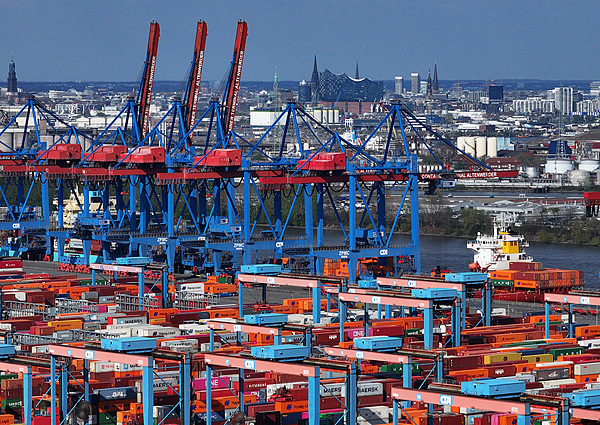
Group 1: Trade Relations and Tariffs - The Trump administration is considering reducing tariffs on China while hoping for China to lift restrictions on rare earth exports, indicating a potential shift in U.S.-China trade relations [1] - Following the imposition of a 145% tariff on Chinese goods, China retaliated with a 125% tariff on U.S. exports, escalating trade tensions significantly [4][6] - U.S. industry associations have urged the Trump administration to reconsider the tariffs, citing negative impacts on American businesses and consumers [4][6] Group 2: Rare Earth Elements - China dominates the global rare earth market, supplying approximately 80% of the world's rare earth elements, which are critical for various U.S. industries, including military and technology [1][3] - The U.S. has been seeking to reduce its dependence on Chinese rare earths, but establishing a competitive domestic supply chain poses significant challenges [1][3] - China's recent export controls on certain rare earth elements have raised concerns in the U.S. about potential supply disruptions in key industries [3] Group 3: Economic Impact - High tariffs have led to increased costs for American consumers and businesses, particularly those reliant on Chinese materials, resulting in potential layoffs and production cuts [6] - The ongoing tariff situation may contribute to a slowdown in U.S. economic growth and could lead to inflationary pressures if maintained [6] - The urgency for the Trump administration to adjust tariffs is underscored by the economic strain felt across various sectors [6]
【宝鸡】以旧换新带动消费升级
Shan Xi Ri Bao· 2025-06-16 00:12
Group 1 - The core viewpoint of the articles highlights the efforts of Baoji City to boost consumer spending through various policies, particularly focusing on the "trade-in" program for consumer goods, which has led to significant market activity and growth in consumption [1][2] - As of May 15, Baoji City has sold 223,200 units of trade-in eligible consumer goods, with a subsidy fund of 209 million yuan, driving a total consumption of 1.482 billion yuan [1] - The automotive sector has seen a notable increase in trade-in activities, with a significant proportion of consumers opting to replace their vehicles during the "May Day" holiday, indicating a shift towards green and intelligent consumption [1] Group 2 - In the realm of new energy vehicles, the trade-in program has resulted in the sale of 2,434 units, generating 10.5 million yuan in consumption [2] - The implementation of the "trade-in" policy has been a key strategy for stimulating consumer demand, with over 200 promotional events organized to enhance market activity [2] - During the "May Day" holiday, key monitored enterprises in Baoji achieved sales of 49.09 million yuan, reflecting a year-on-year growth of 13.75%, while the Dragon Boat Festival saw sales of 23.15 million yuan, up 11.77% year-on-year [2]
美国要谈,中方大门敞开,40艘货船将开进中国,特朗普亮“白旗”
Sou Hu Cai Jing· 2025-06-11 07:45
Core Viewpoint - The recent U.S. tariff imposition on China has led to a swift response from the U.S. government, indicating a potential willingness to negotiate after only a few days of enforcement [1][9]. Group 1: Economic Impact - The U.S. and China are both suffering from the trade conflict, but China is better positioned to endure short-term economic pressures due to its role as a seller, while the U.S. faces immediate needs for essential goods [4]. - The U.S. is struggling to find alternative sources for critical components, such as chips and semiconductors, which are primarily sourced from China, leading to potential business failures in the U.S. if the situation persists [5]. - The Oxford Economics expert suggests that while China may not immediately offset the impacts of a complete economic decoupling, it has long-term strategies to adapt, including diversifying its export markets through initiatives like the Belt and Road [7]. Group 2: U.S. Policy Adjustments - On November 11, the U.S. announced a list of nearly 1,000 products, including electronics and raw materials, that would be subject to lower tariffs, effectively exempting them from the high tariffs previously imposed [9]. - This exemption is seen as a significant concession from the Trump administration, aimed at facilitating negotiations with China, as the U.S. relies heavily on Chinese imports for many essential goods [10]. - The U.S. media has interpreted this move as a sign of Trump's desire to negotiate, although he still seeks to maintain a strong position domestically by not appearing to back down [12]. Group 3: Agricultural Shifts - China has historically relied on the U.S. for agricultural imports, particularly soybeans, but has begun to shift its sourcing to countries like Brazil and Argentina, which are now major suppliers [14][15]. - Brazil's soybean exports to China are projected to reach 74.65 million tons in 2024, accounting for 71.1% of China's total soybean imports, indicating a significant shift in trade dynamics [15]. - The U.S. agricultural sector's reliance on China has diminished, as China has prepared for these changes, highlighting the contrasting adaptability of both nations in response to trade pressures [16][18].
2025年中国品牌⾛向全球
Sou Hu Cai Jing· 2025-06-08 09:50
Overall Growth Trends and Key Changes - Since 2020/21, Chinese brands have shown significant growth on the global stage, particularly in social channels, e-commerce platforms, and official websites. Three key changes have been observed since 2024: enhancing market access through specific country/region websites and strategic e-commerce platforms; increasing presence on social media (especially Douyin) and optimizing content quality; and strengthening DTC website functionality and customer support [1][12][17]. Industry Performance and Leading Brands - Electronics remain the dominant category on the international stage, with 54 out of the top 100 brands being in this sector. The electric vehicle segment also holds substantial potential globally [2][23]. Emerging Champions in Niche Markets - Numerous "potential champions" have emerged in specific fields, such as Anker and Ecoflow in mobile power, Roborock and Ecovacs in robotic vacuums, and DJI in drones [3]. Impact of Digital Platforms - Brands like SHEIN, Temu, and TikTok have significant influence, not only achieving success themselves but also serving as launch channels for other emerging brands [4]. Success Factors and Challenges - Successful brands focus on clear value propositions, target customer segments, and localized content and sales channels. "Hidden champions" like Tuya stand out by concentrating on specific functions and providing quality service. Challenges include brands lacking unique value or local adaptation struggling to grow, while mature brands pursue growth through acquisitions, facing impacts from brand equity and geopolitical factors [5][18]. Ranking and Evaluation Methodology - The sample covers 664 brands, focusing on consumer and retail brands while excluding media and IT types. Brand scores are derived from website traffic (40%) and social media presence (60%), with varying weights for platforms like Douyin and Facebook [6][21]. Ranking Changes - The top three brands are realme, SheIn, and Huawei, with new entrants like Insta360 and Halara making the list. Brands such as FAW and Geely have seen notable ranking improvements, while some brands have declined [7]. Regional Expansion and Strategies - Target markets include mature regions like North America, Europe, and Asia, with rapid growth in emerging markets such as the Middle East and Africa, where digitalization scores have increased by 69.8% [8][46]. Localization and Channel Strategies - Brands are enhancing localized website content and services, leveraging e-commerce platforms alongside offline networks, though there remains room for improvement in brand engagement [9][45]. Future Recommendations - Focus on core markets to enhance engagement and avoid blind expansion. Leverage digital advantages by integrating Chinese experiences with global strategies. Strengthen local partnerships, listen to customer needs, and improve brand marketing capabilities to move beyond reliance on acquisitions [10][11]. Chinese Brands' Global Expansion - Chinese brands are demonstrating strong growth momentum in a complex global environment, with optimized strategies and enhanced brand value potentially leading to breakthroughs in more sectors [12].






印度出口订单飙升至14年高位:下一个世界工厂,可能是印度
Sou Hu Cai Jing· 2025-06-04 08:41
Core Viewpoint - The recent US-China trade agreement has created uncertainty for India's aspirations to become a global manufacturing hub, as it may hinder the flow of manufacturing investments from China to India [2][4]. Group 1: Trade Dynamics - The US has significantly reduced tariffs on Chinese goods from 145% to 30%, while maintaining tariffs on Indian goods at approximately 27%, which poses a challenge for India's manufacturing ambitions [2][6]. - India's manufacturing sector may face stagnation or a reversal of investment as companies reconsider their supply chains in light of the new trade agreement [4][5]. - Despite short-term setbacks, long-term trade tensions between the US and China could still benefit India's manufacturing sector [8]. Group 2: Manufacturing Challenges - India's manufacturing sector currently contributes only 15% to its GDP, showing little change over the past two decades, indicating a need for significant improvement [14]. - The country faces challenges such as a poor business environment, inadequate infrastructure, and a lack of skilled labor, which hinder its ability to attract foreign investment [14][17]. - The profit margins for Indian assembly of products like iPhones are low, with Apple earning around $450 per unit sold in the US, while India only sees about $25, highlighting the low value-added nature of its manufacturing [15][17]. Group 3: Competitive Landscape - Other Asian countries like Vietnam, Thailand, and Malaysia are seen as more attractive for manufacturing due to lower labor costs and favorable trade agreements, putting India at a disadvantage [14]. - India's reliance on China for essential components limits its ability to fully capitalize on the shift in supply chains [15]. - The future manufacturing landscape may evolve into a dual structure where China dominates high-end manufacturing while India supplements low-end production [17].
特朗普政府的关税困局:法律博弈、社会反弹与国际反制
Sou Hu Cai Jing· 2025-05-29 17:04
关税政策已在美国国内引发广泛反弹。企业层面,12 个州联合起诉特朗普政府,指控其关税政策 "颠覆宪法秩序"。纽约州总检察长利蒂希娅・詹姆斯直 言:"总统没有权力随心所欲地提高税收"。美国消费者技术协会警告,若关税持续,2025 年该行业购买力将下降 900 亿至 1430 亿美元,笔记本电脑、智能 手机等产品销量可能暴跌 37%-68%。汽车行业首当其冲:斯泰兰蒂斯集团因关税成本暂停北美工厂生产,解雇 900 名工人。 民生层面,关税直接推高物价。耶鲁大学预算实验室研究显示,特朗普的关税政策使 2025 年美国通胀率上升 2.3%,每个家庭年均损失 3800 美元,皮革、 外套等商品价格涨幅超 15%。密歇根大学消费者信心指数从年初的 64.7 暴跌至 5 月的 50.8,创 2020 年以来新低,显示民众对经济前景的悲观情绪加剧。沃 尔玛首席执行官道格・麦克米利恩指出,消费者已出现 "月底前钱花光" 的现象,被迫转向廉价品牌。 政治层面,国会内部裂痕扩大。共和党参议员查克・格拉斯利联合民主党提出《2025 贸易审查法案》,要求总统加征关税需国会批准,并在 60 天后自动失 效。尽管特朗普威胁否决该法案,但已 ...
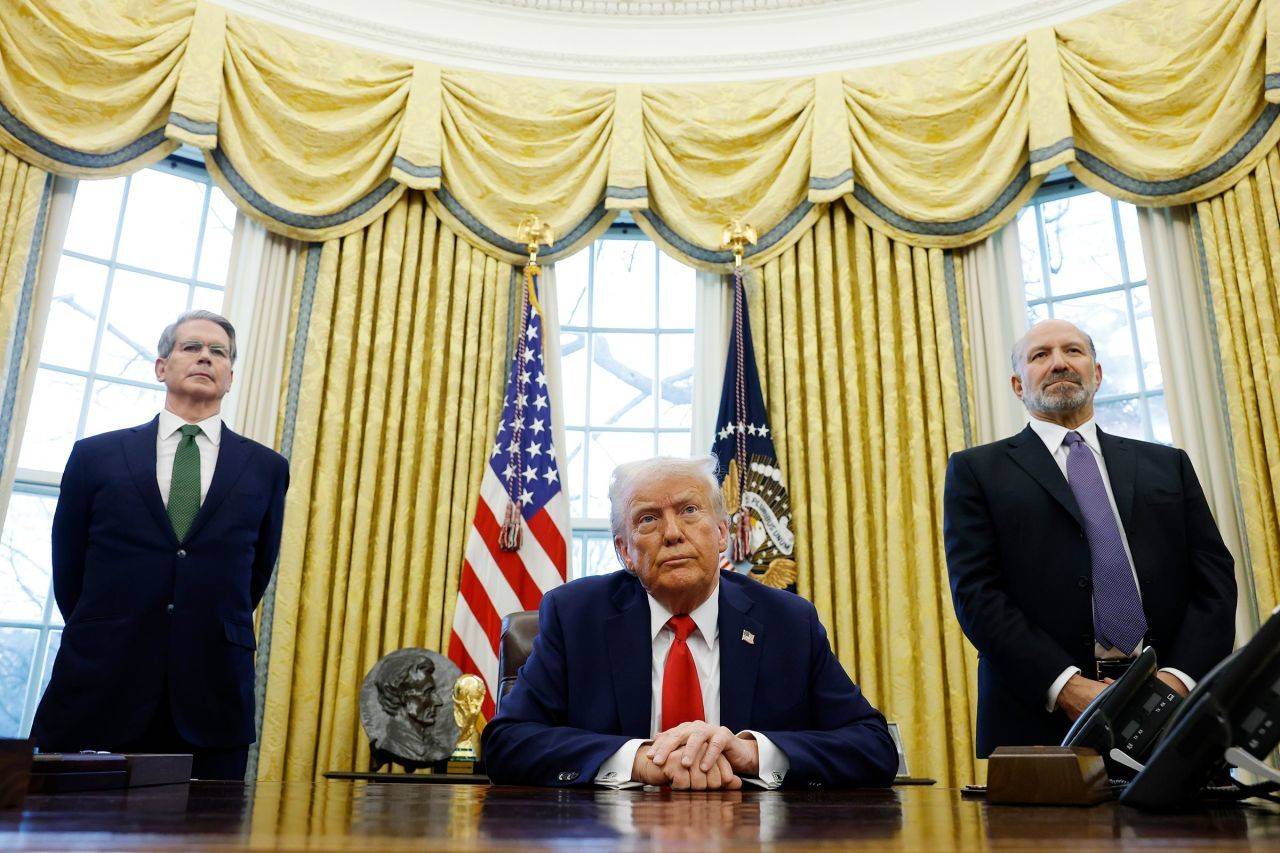
特朗普关税谈判:想法很多,执行拉垮
Hu Xiu· 2025-05-28 01:50
1)把中国和其他国家分开,先易后难,尝试谈妥其他国家后再以优势地位开启对华谈判。 2)把安全问题与贸易问题进行捆绑,找控制力最强、对美最依赖且具有代表意义的日本、韩国来打样。 3)各方为了降低关税,必须从不同角度对美让利,如:扩大进口美货、增加对美投资、承担更多军费分摊义务 等,但美方不会取消10%的基准关税,且涉及特定行业的关税需一事一议。 想法很美好,落地却困难。 美国最初制定的关税谈判策略大致是这样的: 经过近两个月紧锣密鼓的磋商,特朗普政府一共只达成了两项拿得出手的协议:一个是5月8日美国和英国就贸易 框架达成一致,另一个是5月13日美国和中国宣布90天缓期。 近期有西方媒体报道,通过与各国贸易谈判官员以及美国商界领袖进行沟通,发现许多会谈中的分歧越来越大, 包括那些急于达成协议的政府,也意识到对美贸易谈判将是一场持久战。 据专业媒体分析,现阶段最有可能与特朗普政府达成协议的国家是印度和越南。 其中,美印协议更像是一个未来谈判的框架,有可能在6月份落地;而越南因面临46%的高关税,且对美出口关乎 经济命脉,因此最有可能做出重大让步。 除此之外,日本7月份要举行参议院选举,石破茂政府如果能谈出一个漂亮协 ...