可再生能源

Search documents
胜负已分!美国研发的可再生能源技术,中国用它做到了全球第一
Sou Hu Cai Jing· 2026-01-12 22:48
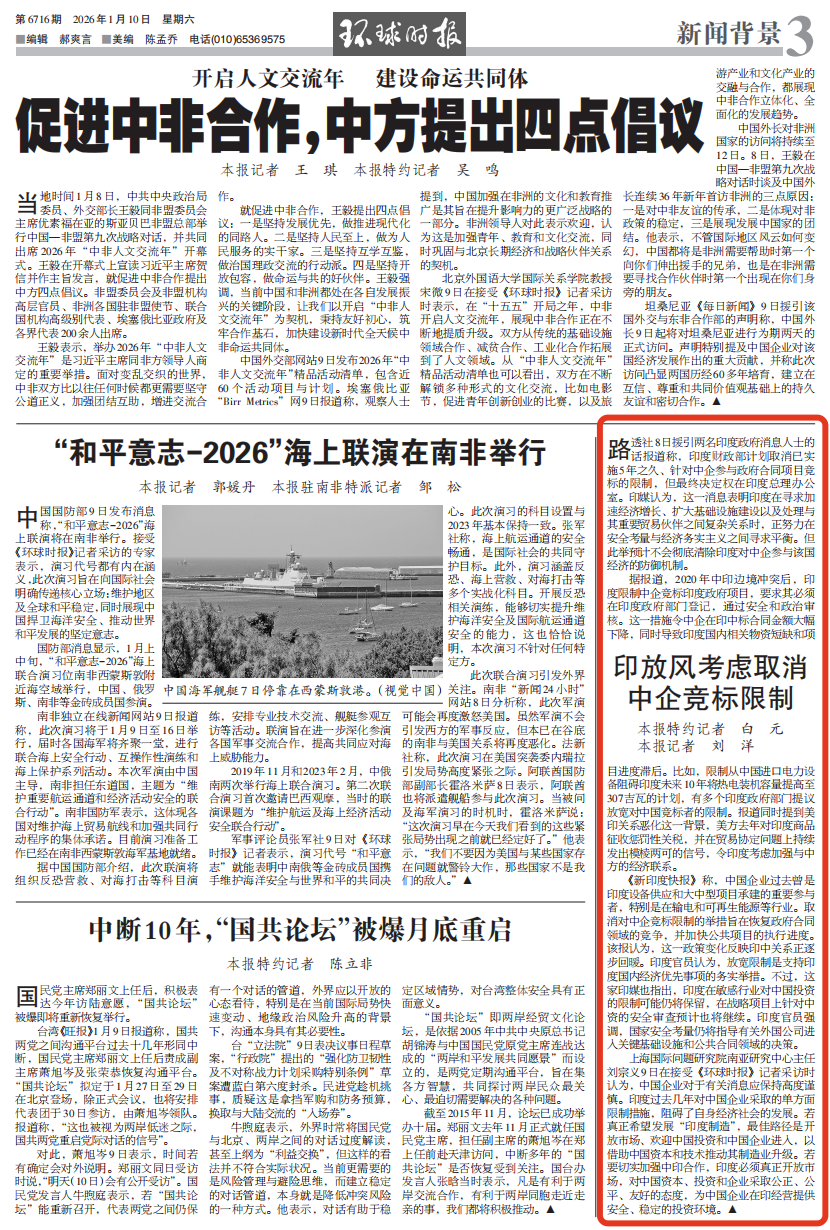
Core Insights - The leading scientific journal "Science" recognized "global renewable energy growth" as the top scientific breakthrough of the year, attributing this transformation primarily to China [1][21] Group 1: Renewable Energy Production - China produces 80% of the world's solar panels, 70% of wind turbines, and 70% of lithium batteries, indicating a significant dominance in renewable energy manufacturing [2][11] - Since 2016, China has been the largest producer of renewable energy, surpassing the U.S., and has increased its renewable energy generation capacity from 40% to 60% as part of its 14th Five-Year Plan [5][11] Group 2: Investment and Economic Impact - In 2024, China's investment in clean energy technology manufacturing is projected to be nearly $680 billion, surpassing the combined investments of the U.S. and the EU [11] - The contribution of green technology to China's economic growth is expected to exceed 10% in 2024, indicating that renewable energy is becoming a significant economic driver rather than just a superficial initiative [11][13] Group 3: Technological Leadership and Global Influence - China is not only manufacturing products but is also exporting standards and solutions in renewable energy technology, positioning itself as a global leader [14][18] - The advancements in technology, such as rapid electric vehicle charging solutions, showcase China's capability to address global energy challenges effectively [16][18] Group 4: Geopolitical Implications - The shift in renewable energy leadership from the U.S. to China signifies a change in global power dynamics, where countries with advanced renewable technologies will hold significant geopolitical leverage [18][21] - The ability to meet global climate goals, such as those outlined in the Paris Agreement, is increasingly dependent on China's technological advancements in renewable energy [18][19]

冠军科技集团拟折让约20.00%配售1.97亿股配售股份
Zhi Tong Cai Jing· 2026-01-12 12:55
Core Viewpoint - Champion Technology Group (00092) announced a placement agreement with a placement agent to issue 197 million shares at a price of HKD 0.176 per share, representing a discount of approximately 20% from the market price on the agreement date [1] Group 1: Placement Details - The placement price of HKD 0.176 per share is approximately 20% lower than the closing price of HKD 0.220 on January 12, 2026 [1] - The placement price also reflects a discount of about 3.084% compared to the average closing price of HKD 0.1816 over the last five trading days prior to the last trading day [1] - Additionally, the placement price shows a slight discount of approximately 0.170% compared to the average closing price of HKD 0.1763 over the last ten trading days prior to the last trading day [1] Group 2: Financial Implications - The estimated net proceeds from the placement, after deducting placement commissions and other expenses, will be approximately HKD 34 million [1] - The company plans to allocate around HKD 12 million of the net proceeds for general working capital and approximately HKD 22 million for the operational funding of its existing renewable energy and green energy businesses, as well as for other investments when opportunities arise [1]
冠军科技集团(00092)拟折让约20.00%配售1.97亿股配售股份
智通财经网· 2026-01-12 12:51
Core Viewpoint - Champion Technology Group (00092) announced a placement agreement with a placement agent to issue 197 million shares at a price of HKD 0.176 per share, representing a discount of approximately 20% from the closing price on January 12, 2026 [1] Group 1: Placement Details - The placement price of HKD 0.176 per share is approximately 20% lower than the closing price of HKD 0.220 on the date of the agreement [1] - The average closing price over the last five trading days before the agreement was HKD 0.1816, indicating a discount of about 3.084% [1] - The average closing price over the last ten trading days before the agreement was HKD 0.1763, reflecting a discount of approximately 0.170% [1] Group 2: Financial Implications - The estimated net proceeds from the placement, after deducting commissions and other expenses, will be approximately HKD 34 million [1] - The company plans to allocate around HKD 12 million of the net proceeds for general working capital and approximately HKD 22 million for operational funding in its existing renewable energy and green energy businesses, as well as for other investments when opportunities arise [1]
中国科技三箭齐发:从能源革命到人类起源,改写世界规则!
Sou Hu Cai Jing· 2026-01-12 02:08
Renewable Energy: China's Role as a Global Green Engine - China produces 80% of the world's solar cells, 70% of wind turbines, and 70% of lithium batteries, with renewable energy generation surpassing coal for the first time last year [2] - The largest single photovoltaic power station in the Ningxia Gobi Desert reduces carbon dioxide emissions by 3 million tons annually [2] - Traditional energy giants like Saudi Arabia are beginning to import Chinese photovoltaic technology for future city developments [2] Ancient DNA Decoding: Unraveling Human Origins - The discovery of a 146,000-year-old skull by a Chinese team has rewritten human evolutionary history, confirming it belongs to the mysterious Denisovans [3] - This breakthrough highlights China's disruptive innovation capabilities in fundamental scientific research [3] - While Western scholars search for human origin evidence in Africa, Chinese scientists have unearthed fossils that could change textbooks [3] Food Security: The Global Temperature Gauge of a Seed - The QT12 gene discovered by Huazhong Agricultural University increases rice yield by 78% under high nighttime temperatures, presenting a new direction for agricultural technology [4] - This discovery is crucial as global warming is expected to reduce major grain-producing areas by 10% [4] - The QT12 gene is being applied to improve Thai jasmine rice and Indian Basmati rice, potentially allowing each hectare of rice fields to feed five more people [4]

高盛闭门会-亚洲和中国2026股票策略-超配中韩印的理由-首席策略师谈中国四大主题
Goldman Sachs· 2026-01-12 01:41
Investment Rating - Goldman Sachs upgrades the investment rating for the Asia-Pacific region, specifically the MX APJ index, with a 12-month target raised to 825 points, indicating a 14% price return in USD and a total return of 17% [1][2]. Core Insights - The macroeconomic environment is viewed as constructive, with U.S. GDP growth expected to exceed market consensus at 2.6%, and the Federal Reserve likely to cut interest rates twice before mid-year, which typically benefits Asian markets [3][4]. - Earnings growth for 2026 is projected to be strong, increasing from 10% to 19%, with significant contributions from North Asia, India, and cyclical sectors [1][5]. - Valuations are considered reasonable but slightly high, with a forecasted slight compression from 15x to 14.6x, indicating that corporate earnings will be the primary driver of stock market returns [6]. Summary by Sections Macroeconomic Outlook - The macroeconomic outlook is positive, with U.S. GDP growth at 2.6% and AEG growth around 4.8%. The Federal Reserve is expected to lower interest rates twice this year, leading to a weaker dollar, which is favorable for Asian markets [3][4]. Earnings Expectations - Earnings growth is anticipated to rise significantly, with overall growth expected to reach 19%. The recovery in quarterly earnings is attributed to easing base effects, and the ERI indicator suggests a positive outlook for earnings revisions [5]. Valuation Perspective - Current valuations are slightly above historical averages, with the region's price-to-earnings ratio at 1.2 standard deviations above the long-term mean. Earnings will be crucial for driving stock market returns this year [6]. Fund Flow Trends - There has been a significant outflow of approximately $100 billion from overseas investors, with current mutual fund allocations 75 basis points below benchmarks, indicating potential for rebuilding positions in the region [7][8]. Sector and Industry Focus - Investment in large-scale enterprises is expected to grow by 34% to approximately $550 billion, benefiting sectors such as hardware, semiconductors, and AI. The "Asian Energy Upgrade" theme is highlighted, focusing on nuclear power, electricity, and renewable energy [9]. - The geopolitical tension between the U.S. and China presents opportunities for U.S. re-industrialization, with countries like South Korea and Japan increasing investments in response to U.S. demand [10]. China Market Outlook - The Chinese stock market is expected to remain robust, with the MSCI China index projected to rise by 15%-17% and the CSI 300 index by about 10%. Profit growth is forecasted to increase significantly from 4% to 14% [13][14]. India Market Strategy - The Indian market rating has been upgraded to "overweight," with expected earnings growth of around 15%. Key sectors include finance, consumer goods, and industrials, particularly in defense and energy security [16][19].
生命、家园、深空与智能
Xin Lang Cai Jing· 2026-01-11 21:22
Key Insights - The year 2026 is anticipated to witness significant breakthroughs in scientific experiments, climate actions, and space missions, driven by advancements in artificial intelligence (AI) technology [1][2][3] Group 1: Medical Innovations - Gene editing technology is expected to gain momentum in 2026, with two clinical trials focusing on rare diseases, including personalized treatments for children with rare metabolic disorders [1][2] - AI is predicted to play a crucial role in disease screening and diagnosis, with a focus on AI-driven biomarker detection that may surpass traditional methods [2][3] - The intersection of gene editing and AI is expected to lead to effective new therapies for cancer and various genetic diseases [2] Group 2: Climate Action - The global average temperature is projected to exceed pre-industrial levels by 1.4 degrees Celsius in 2026, continuing a trend of rising temperatures [3] - The transition to renewable energy is deemed essential in combating climate change, with significant advancements in renewable energy sources outpacing traditional energy [3] - China aims to increase its renewable energy supply, with plans to add over 20 million kilowatts of wind and solar power capacity in 2026 [3] Group 3: Space Exploration - 2026 is set to be a busy year for lunar exploration, with China planning to launch the Chang'e 7 mission targeting the challenging lunar south pole [4] - The U.S. will focus on lunar missions, including the Artemis 2 mission, which will send astronauts to orbit the Moon [4][5] - Various space telescopes and observatories are expected to be active in 2026, including the launch of the Plato space telescope by the European Space Agency [5] Group 4: AI in Research - AI is transforming research processes, with predictions of significant scientific breakthroughs driven by AI in 2026 [6] - The development of small-scale AI models capable of learning from limited data is expected to be a focus area [6] - The integration of generative AI is anticipated to create commercial value across various sectors in the coming year [6]
双碳研究 | 电网瓶颈加剧:欧洲2024年弃电逾10太瓦时
Sou Hu Cai Jing· 2026-01-11 14:13
Core Insights - The issue of renewable energy curtailment in Europe is worsening, with over 10 terawatt-hours (TWh) of electricity expected to be curtailed in 2024, and projections indicate that by 2030, the curtailment in the UK, Spain, and Italy alone could approach 22 TWh [4][5] - The European renewable energy market has seen over 150% growth in installed capacity over the past decade, and to support this expansion, an estimated investment of approximately €1.5 trillion will be required by 2050 [4] - The development risks remain a key constraint on the growth of renewable energy in Europe, with over 1,000 gigawatts (GW) of renewable projects currently awaiting grid connection approval [5] Investment Needs - By 2030, Europe will require around €600 billion in new investments to meet climate goals and replace aging fossil fuel power generation facilities [6] - Power Purchase Agreements (PPAs) are expected to remain the primary market entry path for renewable energy projects, although their attractiveness varies significantly across different countries and technologies [6] Market Mechanisms - Two-sided Contracts for Difference (CfDs) will continue to be the main support mechanism in most European markets, with 162 GW of renewable capacity planned for procurement through auctions by 2030 [7] - Recent auction challenges in offshore wind sectors in Germany, the Netherlands, and Denmark have raised concerns about investor confidence due to supply chain pressures and political uncertainties [7] Price Pressures - The increasing frequency of negative electricity prices poses a systemic risk, with many markets expected to exceed 2024 levels of negative pricing hours by 2025 [8] - The expectation is that negative price pressures may ease after 2035 as electricity demand rises and the flexibility of the power system improves [8] Policy and Regulatory Framework - The European Grids Package is seen as a step in the right direction to accelerate approval processes and unlock stalled projects, which is crucial for realizing the potential of the upcoming investment wave in renewable energy [8]

中国金融结构正在发生历史性转折!连平、郭磊、余向荣等大咖最新发声
券商中国· 2026-01-10 15:06
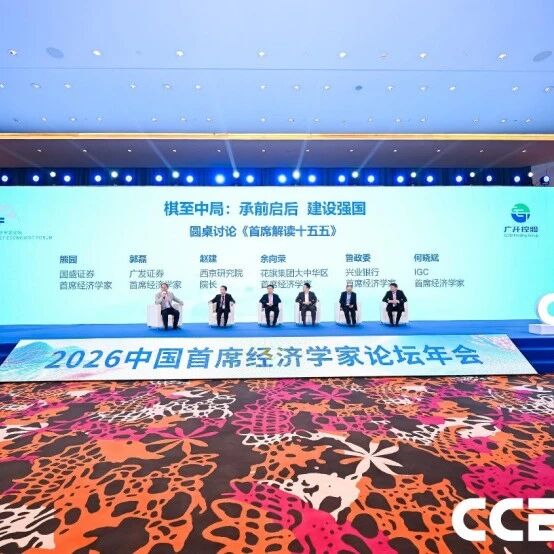
Core Viewpoint - The article discusses the insights and predictions from the 2026 China Chief Economist Forum, highlighting the historical shift in China's financial structure and the investment opportunities during the "15th Five-Year Plan" period. Group 1: Economic Outlook - The global economy is expected to experience low growth as a norm by 2025, with instability arising more from structural issues than cyclical ones [2][3] - China aims to provide stability to the world economy through its own stable development, addressing external uncertainties with internal certainties [3] Group 2: Financial Structure Changes - China's financial structure is undergoing a historic transformation, with a steady increase in the proportion of direct financing compared to indirect financing, which has seen a decline [4][5] - As of November 2025, the proportion of direct financing increased by 4.7 percentage points compared to November 2019, indicating a faster growth rate than indirect financing [4] Group 3: Investment Opportunities - The "15th Five-Year Plan" is seen as a critical period for China to embrace a new wave of technological revolution, particularly in renewable energy and artificial intelligence [10] - Investment opportunities are identified in three main areas: AI application, large finance, and cyclical sectors, with a focus on companies that integrate AI into their business models [13] - The manufacturing sector is expected to benefit from the completion of the "Made in China 2025" initiative, with related companies entering a profit release phase [14] Group 4: Policy and Market Dynamics - The Chinese stock market is anticipated to recover steadily, supported by a surge of high-tech companies and unprecedented policy support from regulatory bodies [6][7] - The real estate market is undergoing significant changes, with a shift away from previous high-demand patterns, leading to a more stable market environment [7]
印度考虑取消,专家:中企应高度谨慎
中国能源报· 2026-01-10 10:11
Core Viewpoint - India is considering lifting restrictions on Chinese companies participating in government contract bids, indicating a balance between security concerns and economic pragmatism in its efforts to accelerate economic growth and infrastructure development [1][2]. Group 1: Policy Changes - The Indian Finance Ministry plans to remove a five-year restriction on Chinese companies bidding for government contracts, although the final decision rests with the Prime Minister's Office [1]. - This potential policy shift aims to restore competition in government contracts and expedite public project execution, reflecting a gradual warming of India-China relations [2]. Group 2: Economic Implications - The restrictions imposed after the 2020 India-China border conflict significantly reduced the contract amounts awarded to Chinese companies, leading to shortages of related materials and delays in project timelines in India [1]. - For instance, limitations on importing electrical equipment from China hindered India's goal to increase thermal power capacity to 307 GW over the next decade [1]. Group 3: Strategic Considerations - Despite the potential lifting of restrictions, India is expected to maintain some limitations on Chinese investments in sensitive sectors, with ongoing security reviews for strategic projects [2]. - Experts suggest that for India to genuinely enhance cooperation with China, it must adopt a fair and welcoming approach towards Chinese investments, ensuring a safe and stable investment environment for Chinese companies [2].

印度考虑取消,专家:中企应高度谨慎
Huan Qiu Wang· 2026-01-10 07:05
Core Viewpoint - India is considering lifting the five-year restriction on Chinese companies participating in government contract bidding, indicating a balance between security concerns and economic pragmatism in its relationship with China [1][2]. Group 1: Government Policy Changes - The Indian Ministry of Finance plans to remove restrictions on Chinese companies bidding for government contracts, which were implemented after the 2020 India-China border conflict [1]. - The restrictions have significantly reduced the contract amounts awarded to Chinese companies and led to shortages of related materials in India [1]. - Several Indian government departments have proposed easing the restrictions on Chinese bidders to accelerate infrastructure projects [1]. Group 2: Economic Implications - The move to lift restrictions aims to restore competition in the government contract sector and expedite public project execution, particularly in sectors like power transmission and renewable energy [2]. - Indian officials view the easing of restrictions as a pragmatic step to support domestic economic priorities, reflecting a gradual warming of India-China relations [2]. Group 3: Security Considerations - Despite the potential lifting of restrictions, India is expected to maintain some limitations on Chinese investments in sensitive sectors and continue security reviews for strategic projects involving Chinese capital [2]. - National security considerations will still guide decisions regarding foreign companies' access to critical infrastructure and public contracts in India [2]. Group 4: Expert Opinions - Experts suggest that Chinese companies should remain cautious regarding the news, as India's past unilateral restrictions have hindered its own economic development [2]. - To genuinely enhance India-China cooperation, India must open its market and adopt a fair and friendly attitude towards Chinese investments and enterprises [2].