油气

Search documents
A股指数开盘涨跌不一:沪指跌近1%,有色金属、油气等板块跌幅居前
Feng Huang Wang Cai Jing· 2026-02-02 01:30
Market Overview - The three major indices opened mixed, with the Shanghai Composite Index down 0.93% and the Shenzhen Component Index down 0.54%, while the ChiNext Index opened up 0.65% [1] - Key sectors showing gains include electric grid equipment, photovoltaic, and airports, while sectors such as non-ferrous metals and oil & gas experienced declines [1] Index Performance - Shanghai Composite Index: 4079.71, down 0.93%, with 579 gainers and 1486 losers, trading volume of 101.3 million shares worth 13.951 billion [2] - Shenzhen Component Index: 14128.87, down 0.54%, with 635 gainers and 2028 losers, trading volume of 124.5 million shares worth 19.692 billion [2] - ChiNext Index: 3368.14, up 0.65%, with 345 gainers and 937 losers, trading volume of 294.7 million shares worth 8.748 billion [2] Institutional Insights - CITIC Securities maintains a long-term positive outlook on the "technology + resource products" dual main line, noting that the market sentiment has cooled due to ETF sell-offs and international gold and silver price fluctuations, but expects stabilization before the Spring Festival [3] - Huatai Securities emphasizes that the core drivers for the spring market have not fundamentally changed, suggesting a focus on high-performing and low-position sectors, including electric power equipment and semiconductor devices [4] - China Galaxy Securities anticipates continued sector rotation leading up to the Spring Festival, highlighting strong fundamental support for sectors like non-bank financials and automotive, while also noting the potential for structural opportunities within the market [5]


地缘政治+极端寒潮驱动油气表现,关注石油ETF(561360)
Mei Ri Jing Ji Xin Wen· 2026-02-02 01:05
上周油气资产表现强劲,主要受地缘政治风险加剧与极端寒潮天气双重驱动。受中东局势紧张的担忧持 续升温影响,特别是美国对伊朗潜在军事行动的言论引发供应中断预期,国际油价涨幅达7.3%,同 时,美国墨西哥湾沿岸遭遇历史性冬季风暴,导致原油日产量一度减少约200万桶,进一步收紧短期供 应预期,支撑油价短期强劲反弹。 (文章来源:每日经济新闻) 基本面上,原油供过于求或仍然延续,目前的原油库存水平仍然较高且有上行趋势。但目前市场对原油 过剩或已有充分预期,基本面的不利要素或已经被部分计价。近期在宏观高波动环境下市场的合力也证 明油在大类资产中的相对优势。 展望远期,油价60左右筑底或已经比较确定,地缘扰动以及潜在金油比修复可能有望催化向上空间,长 周期角度油价具有性价比。油气产业有望受益于油价上行,具备配置价值。 此外,近期欧洲和北美地区的寒潮活动也导致了对天然气的需求激增。本周天然气价格大涨,极端天气 带来的短期供需错配直接支撑油气价格短期反弹。 ...
委就油气改革法案举行磋商
Xin Lang Cai Jing· 2026-02-01 19:22
(来源:法治日报) 当地时间1月26日,委内瑞拉全国代表大会就油气改革相关法案举行公开磋商会议。代总统罗德里格斯 出席并发表讲话指出,委内瑞拉拒绝任何外部干涉,将通过改革成为真正的石油生产大国。罗德里格斯 说:"我们希望通过此次改革,吸引大量国际投资和国内投资。一直以来,我们始终向本国投资者和国 内私营部门敞开大门。这些模式并行发展,相互配合,目标只有一个,我们必须从'全球最大石油存储 国'转变为'真正的石油生产大国'。"针对美国财政部长近期发表的一些不恰当的冒犯性言论,罗德里格 斯回应称:"委内瑞拉人民不接受任何外部势力的指令、不服从任何外部力量。" (本报记者 吴琼 整 理) 转自:法治日报 ...
流动性转为下行趋势
Guolian Minsheng Securities· 2026-02-01 13:34
Quantitative Models and Factor Analysis Quantitative Models and Construction Methods Model 1: ETF Hot Trend Strategy - **Model Name**: ETF Hot Trend Strategy - **Model Construction Idea**: The strategy is based on selecting ETFs with the highest and lowest prices in an upward trend and further filtering them based on the steepness of the regression coefficients of the highest and lowest prices over the past 20 days[31] - **Model Construction Process**: 1. Select ETFs where both the highest and lowest prices are in an upward trend 2. Construct support and resistance factors based on the steepness of the regression coefficients of the highest and lowest prices over the past 20 days 3. Choose the top 10 ETFs with the highest turnover rate in the past 5 days relative to the past 20 days to construct a risk parity portfolio[31] - **Model Evaluation**: The strategy achieved a return of 61.41% since 2025, with an excess return of 38.22% compared to the CSI 300 Index[31] Model 2: ETF Three-Strategy Fusion - **Model Name**: ETF Three-Strategy Fusion - **Model Construction Idea**: The strategy combines three industry rotation strategies driven by quantitative fundamentals, quality low volatility, and distressed reversal to achieve factor and style complementarity and reduce the risk of a single strategy[34] - **Model Construction Process**: 1. Construct industry rotation strategies based on quantitative fundamentals, quality low volatility, and distressed reversal 2. Combine the three strategies in equal weights to select industries from different dimensions[34] - **Model Evaluation**: The strategy achieved a cumulative return of 12.24% from April 10, 2017, to January 30, 2026, with a Sharpe ratio of 0.74[39] Model 3: All-Weather Strategy - **Model Name**: All-Weather Strategy - **Model Construction Idea**: The strategy aims to achieve stable returns by avoiding the "prediction" dilemma through diversified risk. It follows three basic principles: asset selection, risk adjustment, and structural hedging[53] - **Model Construction Process**: 1. Select assets 2. Adjust risks 3. Perform structural hedging to achieve balanced allocation and smooth out volatility[53] - **Model Evaluation**: The high-volatility version achieved an annualized return of 11.8% with an average maximum drawdown of 3.6% and a Sharpe ratio of 2.3. The low-volatility version achieved an annualized return of 8.8% with an average maximum drawdown of 2.0% and a Sharpe ratio of 3.4[61] Model Backtesting Results ETF Hot Trend Strategy - **Return**: 61.41% since 2025[31] - **Excess Return**: 38.22% compared to CSI 300 Index[31] ETF Three-Strategy Fusion - **Cumulative Return**: 12.24% from April 10, 2017, to January 30, 2026[39] - **Sharpe Ratio**: 0.74[39] All-Weather Strategy - **High-Volatility Version**: - **Annualized Return**: 11.8%[61] - **Average Maximum Drawdown**: 3.6%[61] - **Sharpe Ratio**: 2.3[61] - **Low-Volatility Version**: - **Annualized Return**: 8.8%[61] - **Average Maximum Drawdown**: 2.0%[61] - **Sharpe Ratio**: 3.4[61] Quantitative Factors and Construction Methods Factor 1: Profitability Yield Factor - **Factor Name**: Profitability Yield Factor - **Factor Construction Idea**: Measures the profitability of stocks to identify high-profitability stocks[63] - **Factor Construction Process**: Calculate the profitability yield of stocks and select those with the highest profitability yield[63] - **Factor Evaluation**: Achieved a positive return of 3.24% this week, indicating that high-profitability stocks regained market favor[63] Factor 2: Value Factor - **Factor Name**: Value Factor - **Factor Construction Idea**: Measures the value of stocks to identify high-value stocks[63] - **Factor Construction Process**: Calculate the value of stocks and select those with the highest value[63] - **Factor Evaluation**: Achieved a positive return of 2.67% this week, reflecting that high-value stocks gained market attention[63] Factor 3: Leverage Factor - **Factor Name**: Leverage Factor - **Factor Construction Idea**: Measures the leverage of stocks to identify high-leverage stocks[63] - **Factor Construction Process**: Calculate the leverage of stocks and select those with the highest leverage[63] - **Factor Evaluation**: Achieved a positive return of 1.32% this week, indicating that high-leverage stocks gained market attention[63] Factor Backtesting Results Profitability Yield Factor - **Weekly Return**: 3.24%[63] Value Factor - **Weekly Return**: 2.67%[63] Leverage Factor - **Weekly Return**: 1.32%[63]
图解1月ETF涨跌幅、资金流
Ge Long Hui· 2026-02-01 09:04
Group 1 - In January 2026, the A-share ETF market showed a clear divergence, with over 200 billion yuan flowing into industry-themed ETFs such as non-ferrous metals, gold, chemicals, and satellite, while core broad-based ETFs like CSI 300 and CSI 1000 experienced a net outflow exceeding 1 trillion yuan [1][6] - The Shanghai Composite Index rose by 3.76% in January, reaching above the 4100-point mark, while the Sci-Tech 50 Index saw an increase of over 12% [2] - Significant gains were observed in various ETFs, with semiconductor and gold stock ETFs rising over 40%, and mining and non-ferrous metal ETFs increasing by over 20% [2][3] Group 2 - In January, the banking ETF fell by over 6%, along with declines in the automotive and battery ETFs [4] - On January 28, a notable increase in ETF trading volume was recorded, with the Huatai-PineBridge CSI 300 ETF exceeding 40 billion yuan in trading volume, marking the highest since 2015 for the SSE 50 ETF [5] - Over 1 trillion yuan was withdrawn from broad-based ETFs in January, with significant outflows from the CSI 300, CSI 1000, and SSE 50 ETFs, while industry-themed ETFs saw net inflows exceeding 10 billion yuan [6] Group 3 - In January, there was a substantial inflow of overseas funds into Chinese stock assets, with a net inflow of 16.659 billion USD into mainland Chinese stock funds, according to Goldman Sachs [7]
掘金有色,把握主线:有色及贵金属月度策略(第15期)-20260201
Guo Tai Jun An Qi Huo· 2026-02-01 08:18
Report Industry Investment Rating No information provided in the content. Core Viewpoints of the Report - In 2026, hold non - ferrous metals, oil and gas, and rare earths until the US economy faces a recession crisis. The long - end interest rate in the US is likely to rise, and the US economy may overheat. The macro market's political volatility will decline, and the trading will focus on economic and policy factors. Gold is expected to reach around $6,000 per ounce, and silver's high is expected to be around $120 per ounce. Copper prices are expected to remain firm due to Fed rate cuts and supply - demand gaps. The electrolytic aluminum market may have an upward trend, with a global supply shortage [10][35][98]. Summary by Directory Asset Allocation: Macroeconomic Contradictions and Allocation Strategies - The US Treasury drives currency and inflation. The continuous growth of US Treasury debt is backed by GDP. Since 2000, the US government's expenditure/GDP ratio has been rising, and the deficit rate is high. If the stock market has a crisis, it may bring opportunities for commodities. The sensitivity of non - ferrous metals to interest rates has increased since 2020, and the game between the Fed and global commodity inflation has intensified [4][13]. - In 2026, hold non - ferrous metals, oil and gas, and rare earths. The US economy may overheat, and the long - end interest rate is likely to rise. The macro market's political volatility will decline, and trading will focus on economic and policy factors [10][35]. Precious Metals: Where Are Gold, Silver, Platinum, and Palladium Headed? - Gold is at a new starting point. Due to geopolitical risks and dovish Fed expectations, it is recommended to increase gold allocation, focus on unilateral long positions and call option strategies. For silver, it is recommended to take profit on long positions and consider long positions in the gold - silver ratio. In 2026, gold is expected to reach around $6,000 per ounce, and silver is expected to have a high of around $120 per ounce [29][35]. - Platinum and palladium are driven by the precious metals sector. They have strong follow - up elasticity but are also affected by the callback of gold and silver. The current upward trend of platinum is relatively healthy, and there is a possibility of a new high. Palladium may have supplementary upward momentum [36]. Copper: How to Choose the Trading Mode under the Background of Weak Reality and Strong Expectations? - In terms of trading, copper price volatility has declined, and the positions of SHFE and LME copper are at historical highs. The term structure of SHFE copper has weakened, and the spot import loss has narrowed. Globally, the total copper inventory is at a historical high, and the LC spread has narrowed [37][44][48]. - The global copper mine supply in 2025 was lower than expected, and the increase in 2026 is limited. The supply disturbance has increased, mainly due to factors such as reduced ore grades, strikes, and geopolitics. The domestic smelting capacity is expanding, and the refined copper output is expected to increase by 68.75 million tons in 2026 [62][66][69]. - In terms of consumption, high - quality consumption such as AI computing centers and new energy consumption contribute significantly to copper consumption. The "14th Five - Year Plan" in China supports power grid investment, which will drive copper consumption. Traditional industries also show an increase in copper consumption, but there are differences among countries [75][80][92]. - The global refined copper supply will shift from surplus in 2025 to a shortage in 2026. It is expected that the global copper supply will have a shortage of 197,000 tons in 2026, and the Chinese market will have a shortage of 191,500 tons. Copper prices are expected to remain firm in 2026 [95][96][98]. Electrolytic Aluminum: How to Grasp the Contradictions and Rhythms after the Abnormal Breakthrough? - In 2025, the electrolytic aluminum market was in a state of shock convergence. In the fourth quarter, the stock - futures linkage opened up the upward elasticity. In 2026, it is expected that the market will continue the upward - looking trend, with a global supply shortage of 420,000 - 760,000 tons. The short - term rhythm needs to pay attention to the decline in photovoltaic enterprise production, and the risks include macro - recession and over - production in Indonesia [100][101][104]. - Currently, the Shanghai aluminum is in a high - level shock, with a neutral - strong position. The short - term micro - demand is weak, but the macro - risk preference is optimistic, and it has marginal upward momentum [110]. Over - the - Counter Options: How to Use Option Hedging Tools under High Volatility and High Prices? - For long positions, when the price is high, consider replacing with in - the - money call options to retain the upside potential and control the maximum drawdown. You can also use spread options to optimize costs with a capped upside [118][122]. - For selling hedging of inventory, consider buying put collar options to optimize the hedging cost, limit inventory price fluctuations between $100,000 - $120,000, and receive an option premium of $150 per ton [126].
印度NIFTY50指数跌超2%
Jin Rong Jie· 2026-02-01 07:50
印度股市跌幅扩大,印度NIFTY50指数跌超2%,国防指数跌超8%,公有 银行指数跌6%,金融服务指 数、 汽车指数跌2.5%,油气指数下跌2.1%。 ...
迎峰度冬燃料储备充足
Ren Min Ri Bao· 2026-01-31 05:24
与此同时,能源安全保障关键领域有效投资持续扩大,跨省份跨区输电通道加快建设,能源资源互 补互济水平持续提升;民营企业投资保持较快增长,重点项目完成投资额同比增长12.9%,高于全国能 源重点项目完成投资额增速约2个百分点。民营企业投资重点在太阳能发电、风电、煤炭开采等领域, 其中陆上风电、分布式光伏领域投资保持两位数增长。 "2025年,国家能源局加大政策供给、强化政策联动,推动能源向'绿'而兴、投资向'新'而行。"邢 翼腾说,例如需求侧方面,出台绿电直连政策,为新能源和用户开启"绿电直通车",目前已有20多个省 份的数据中心、芯片制造、生物制药、电解铝产业以及工业园区、零碳园区等加快项目落地。 2026年,国家能源局将围绕激发市场活力、优化发展环境等加大政策支持力度,打通项目落地"最 后一公里"。一方面,强化政策靶向发力,让收益看得见。出台多用户绿电直连政策,加快零碳园区、 工业微电网等落地,促进耗能大户实现清洁替代。完善适应高比例新能源的市场机制,稳定新能源发展 预期。另一方面,健全制度保障体系,让项目转得动。强化用地用海等要素保障,形成政策与市场同频 发力、协同推进的能源投资导向。 人民日报记者 丁怡婷 ...
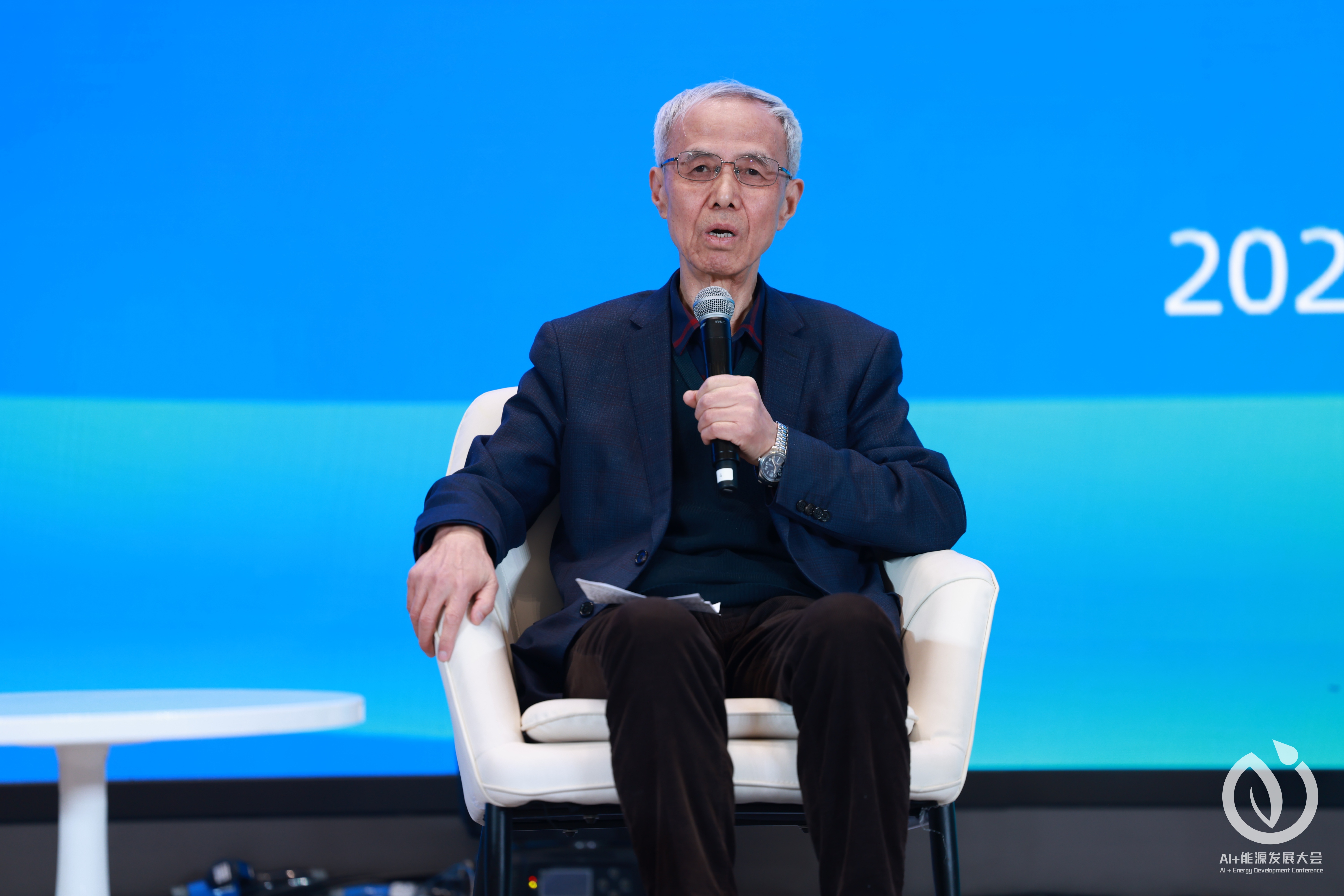
国家能源局原副局长张玉清谈“AI+能源”:示范先行 + 协同攻关 + 产学研用
Zhong Guo Neng Yuan Wang· 2026-01-31 03:17
2026年1月30日,以"智赋未来.能启新篇"为主题的AI+能源发展大会在中关村会议中心举行。在大会圆桌论坛环节,国家能源局原副局长张玉清围绕人工智 能与能源行业融合发展展开分享,深度解读国家发改委、能源局《人工智能+能源高质量发展的实施意见》出台背景,阐释人工智能赋能能源行业的核心价 值,并提出三大实践路径,为推动AI与能源行业深度融合、助力能源产业高质量发展提供了清晰的实践指引。 张玉清指出,《人工智能+能源高质量发展的实施意见》的出台,是深入贯彻党中央、国务院关于发展人工智能的决策部署,落实国务院深入实施"人工智 能+"行动的具体举措。其核心目的,是抓住人工智能发展的重大战略机遇,推动人工智能技术在能源行业的落地应用,通过人工智能与能源行业的深度融 合,激活能源产业发展新动能,进而推动能源行业实现高质量发展。 在张玉清看来,人工智能对能源行业的赋能价值覆盖全产业链,成为推动能源产业升级的重要抓手。从生产、传输到加工、利用,能源行业的各个核心环节 都能借助AI技术实现创新突破,既可以推动传统能源行业的转型升级,也能优化新能源的消纳与利用效率,助力新能源产业高质量发展。而人工智能与能 源行业的深度融合,最终 ...
人民日报丨国家能源局公布2025年全国能源投资成绩单 迎峰度冬燃料储备充足
国家能源局· 2026-01-31 03:02
Core Viewpoint - The National Energy Administration reported that the total investment in key energy projects exceeded 3.5 trillion yuan for the first time, with a year-on-year growth of nearly 11%, indicating a robust increase in energy investment and a shift towards green energy transition [2][3]. Investment Growth - The investment in key energy projects showed a year-on-year increase of nearly 11%, outpacing the growth rates of infrastructure and manufacturing by 12.9 and 10.1 percentage points respectively [2]. - Five provinces, including Inner Mongolia, Xinjiang, Shandong, Guangdong, and Jiangsu, each completed investments exceeding 200 billion yuan [2]. Renewable Energy Transition - By 2025, renewable energy generation capacity is expected to exceed 60%, with an estimated generation of approximately 4 trillion kilowatt-hours, surpassing the total electricity consumption of the 27 EU countries [2]. - Investment in onshore wind power projects increased by nearly 50% year-on-year, while investments in new energy storage and hydrogen industries doubled compared to the previous year [2]. Hydrogen Energy Development - By the end of 2025, the cumulative production capacity of renewable hydrogen projects in China is expected to exceed 250,000 tons per year, marking a doubling in capacity from the previous year [2]. - Key hydrogen production, storage, and application projects in regions such as Xinjiang and Inner Mongolia have been successfully launched, indicating progress in the hydrogen energy supply chain [2]. Private Sector Investment - Private sector investment in energy projects grew at a rate of 12.9%, exceeding the national average growth rate for key energy projects by approximately 2 percentage points [3]. - Investments from private enterprises are primarily focused on solar power, wind power, and coal mining, with significant growth in onshore wind and distributed photovoltaic sectors [3]. Policy Support and Market Environment - The National Energy Administration plans to enhance policy support and market environment to stimulate energy investment, including the introduction of green electricity direct connection policies [3]. - The government aims to facilitate the implementation of projects in zero-carbon parks and industrial microgrids, ensuring a stable development outlook for renewable energy [3]. Energy Supply Stability - The overall fuel reserves in the country are sufficient, with coal production maintaining high levels, ensuring stable electricity supply during peak winter demand [5]. - As of January 27, the national coal inventory for power plants was 220 million tons, sufficient for 26 days of operation, indicating a solid foundation for coal supply [5]. - Natural gas consumption during the heating season reached 119.52 billion cubic meters, a year-on-year increase of 4.6%, with stable operations in both domestic and imported gas supplies [5].