美妆

Search documents
深度 | 美妆科学传播的下一个浪潮是什么?
FBeauty未来迹· 2026-01-19 12:34
Core Insights - The beauty science communication has shifted from a "one-way output of scientific strength" to a "temperature dialogue with consumers" over the past 25 years, focusing on social emotional insights rather than just scientific data [2][4] - The NUTE model (Need-Unique-Technology-Evidence) is introduced as a methodology for scientific communication, emphasizing the importance of translating hard science into relatable solutions for consumers [3][5] Evolution of Beauty Science Communication - The initial phase focused on creating market buzz through ingredient efficacy and scientific concepts [4] - The explosion of scientific content saw many beauty companies entering the field, but it lacked consumer focus [4] - The communication evolved to a consumer-centric approach, aiming for empathy and understanding [4] - The current phase emphasizes co-creation of brand trust, where consumers focus less on scientific data and more on brand reliability [4] Case Studies in Effective Communication - Natural Hall's "anti-fatigue" marketing effectively resonated with consumers by translating abstract concepts into relatable experiences, such as "post-overtime fatigue" [6] - Zhanmiya utilized cinematic storytelling to connect with the emotional expectations of consumers regarding "China's technological rise," showcasing the journey of artificial skin [8] - Brands like Zhenyan addressed information gaps in post-surgery care by prioritizing knowledge dissemination over direct product promotion [10] The Role of Social Emotion - Social emotion acts as a "translator" in scientific communication, transforming deep research into consumer-friendly language and practical solutions [12] - The understanding of consumer needs is crucial, as effective communication is not about what brands research but what consumers need to know [12] Unique Research Frameworks - Establishing a unique research framework is essential for brands to create an irreplaceable competitive edge, allowing them to transition from "ingredient followers" to "category definers" [13] - Brands must avoid merely showcasing single-point technologies and instead build comprehensive frameworks or focus on specialized breakthroughs [13][14] Challenges in Consumer Acceptance - Concepts like ECM (extracellular matrix) are difficult for consumers to grasp; thus, brands must create relatable scenarios to make advanced theories accessible [16][18] - Shiseido's innovative approach to anti-aging through "memory T cells" represents a reverse strategy in a market focused on collagen supplementation [19][22] Evidence-Based Communication - The beauty industry is adopting a structured evidence chain similar to that in clinical research, categorizing evidence into various levels to enhance credibility [34][36] - Brands like HBN are leading the way in establishing standardized guidelines for efficacy evidence, promoting transparency and scientific rigor [41] Visualizing Scientific Evidence - OLAY's use of 3D technology to visualize the effects of their products represents a shift towards making scientific evidence more comprehensible and relatable to consumers [42][44] - The focus is on reducing the complexity of scientific data to enhance consumer trust and understanding [45] Future Directions - The industry is moving towards a model where storytelling is used to explain science, fostering a two-way relationship between brands and consumers [47] - The expectation is for brands to create relatable narratives that connect scientific advancements with everyday consumer experiences, enhancing trust and engagement [47]


“犒赏经济”走红
Xin Hua She· 2026-01-19 08:53
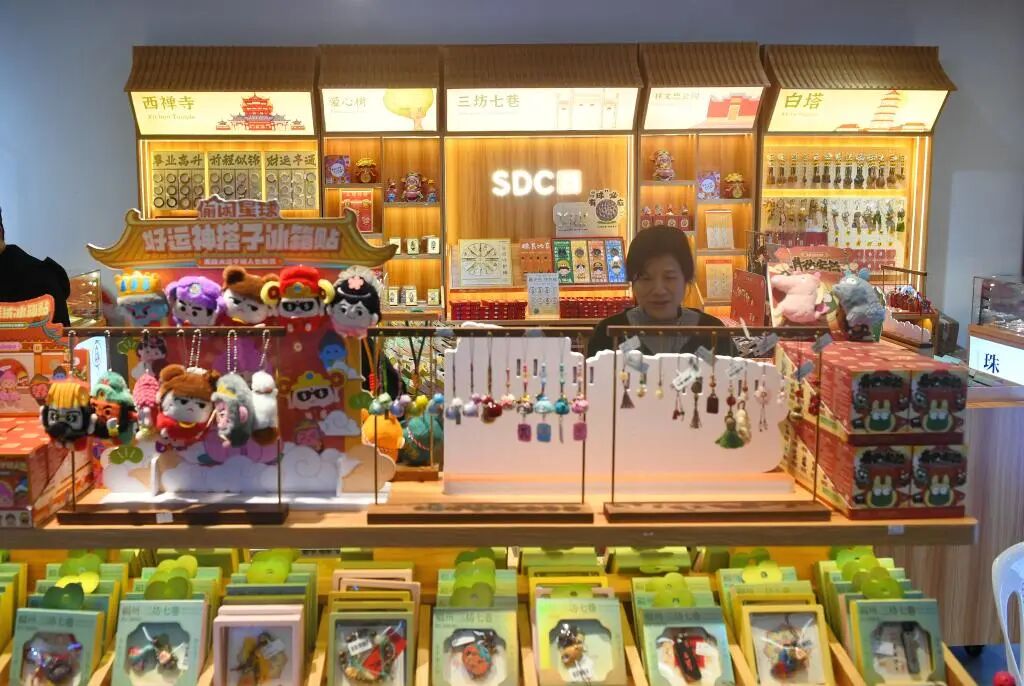
Group 1 - The concept of "Reward Economy" has emerged in China, characterized by consumers purchasing non-essential items or experiences to gain immediate pleasure and self-affirmation in response to work and life pressures [2][3] - The rise of the "Reward Economy" reflects a shift in consumer values from functional utility to emotional value, indicating a transition from "buying useful" to "buying happiness" [3][6] - The development of the "Reward Economy" is a manifestation of China's growing consumer potential, with experiential rewards becoming a significant new trend in consumption [5][6] Group 2 - The潮玩 (trendy toy) market is a major driving force behind the "Reward Economy," with predictions indicating that the market size will reach 110.1 billion yuan by 2026 [6] - Various industries are adapting to emotional consumption demands by transforming products and services towards personalization, IP integration, and experiential offerings [6] - The rise of the "Reward Economy" highlights the resilience and vitality of the Chinese economy, showcasing an upgrade in consumer concepts that will empower domestic demand expansion and industrial upgrading [6]
林里柠檬茶获融资;东鹏饮料通过港交所聆讯;费列罗任命新董事长
Sou Hu Cai Jing· 2026-01-19 07:42
Investment Dynamics - Beijing Ruifen Biotechnology Co., Ltd. has completed a C round financing of over 1 billion yuan, led by Xingxiang Capital, with Ruipeng Xiangyu Fund participating. The funds will be used to promote commercialization and new capacity construction, accelerating R&D innovation and market expansion in both human and animal health platforms [3]. - The lemon tea brand "Linlee" has completed a tens of millions A round financing, with Qianhai Ark Fund as the sole investor. The funds will primarily be used for brand building, supply chain upgrades, and organizational improvements. Linlee has over 1,900 stores across 31 provinces and over 200 cities, targeting a GMV of 2.7 billion yuan by 2025 [6]. - Unilever Ventures has invested in two Indian beauty brands, Secret Alchemist and SkinInspired, to increase its presence in the Indian market. SkinInspired is a high-end skincare brand, while Secret Alchemist is a pioneer in pure perfume in India [8]. Listing Dynamics - Dongpeng Beverage Group has passed the listing hearing on the Hong Kong Stock Exchange, with Huatai International, Morgan Stanley, and UBS as joint sponsors. The company aims for a target transaction scale of approximately 1 billion USD, with plans to start pre-listing promotions soon [9][10]. - Dongpeng Beverage is recognized as China's leading functional beverage company, with the highest revenue growth among the top 20 listed soft drink companies globally [10]. Brand Dynamics - Xibei Catering will close 102 stores nationwide, accounting for 30% of its total stores. This decision follows a significant external crisis related to pre-made dishes, leading to a 50% year-on-year decline in store revenue [12]. - Condé Nast's fashion magazine "GQ" is set to return with a new account, GQStudio, indicating a revival of the brand after previous collaborations fell through [14]. Personnel Dynamics - Achilles Ion Gabriel will step down as the creative director of Camper and CamperLab after over six years. The internal creative team will take over the creative direction following his departure [16]. - Ferrero Group has appointed Massimo Micieli as the new chairman, marking a transition period for the family-controlled global candy giant [19]. - Mondelez has appointed Claudio Parrotta as the executive vice president and global chief supply chain officer, responsible for managing a complex global supply chain [22]. - Heineken's CEO Dolf van den Brink will resign on May 31, 2026, after over 28 years with the company, with a search for a new CEO already underway [25].


从“必需”到“悦己”:中国兴起“犒赏”消费新势力
Xin Hua Wang· 2026-01-19 04:10
Group 1 - The concept of "reward economy" is emerging in China, where consumers purchase non-essential items or experiences to gain immediate pleasure and self-affirmation in response to work and life pressures [2][3] - The rise of the "reward economy" reflects a shift in consumer values from functional utility to emotional value, indicating a transition from "buying useful" to "buying happiness" [3][5] - Experience-based rewards, such as DIY workshops and themed exhibitions, are becoming a significant trend in consumer behavior, particularly among younger demographics [5][7] Group 2 - The "reward economy" is indicative of the continuous release of China's consumption potential, with experiential rewards gaining popularity in various shopping districts [5][7] - The潮玩 (trendy toy) market is a major driver of the "reward economy," with predictions indicating that the market size will reach 110.1 billion yuan by 2026 [7] - Companies are increasingly focusing on emotional consumption needs, transforming products and services to be more personalized, IP-driven, and experiential, thereby enhancing consumer engagement [7]
美妆行业周度市场观察-20260118
Ai Rui Zi Xun· 2026-01-18 05:08
Investment Rating - The report does not explicitly provide an investment rating for the beauty industry Core Insights - The Chinese beauty industry is witnessing a strategic shift towards technology and upstream investments, with leading companies like Proya investing in biopharmaceuticals to enhance raw material R&D capabilities and build technological barriers [4] - The oral care market is experiencing significant growth, with Q1 2025 sales reaching 1.72 billion yuan, a year-on-year increase of 27.7%, driven by innovative products that address diverse consumer needs [4] - Starbucks is transitioning its strategy to include beauty products, appointing a former executive from E.L.F. to enhance its marketing efforts, aiming to alleviate growth anxieties in the North American market through sensory marketing [7] - Sephora has introduced six domestic beauty brands, aiming to attract younger consumers while facing challenges related to its high-end positioning [7] - Huaxizi has made a significant entry into the U.S. market by partnering with Ulta Beauty, marking a milestone for Chinese beauty brands in global expansion [8] - Lin Qingxuan is set to become the first "high-end domestic skincare stock" listed on the Hong Kong Stock Exchange, with a projected revenue of 1.052 billion yuan in the first half of 2024, reflecting a 98.3% year-on-year growth [8] Industry Trends - The beauty industry is increasingly focusing on building an ecological closed loop through investments in upstream technology and new brands, enhancing competitiveness [4] - The oral care segment is evolving with new product innovations that cater to health needs and technical upgrades [4] - The trend of cross-industry collaboration is evident, as brands like Starbucks seek to redefine their market presence through beauty products [7] - The introduction of domestic brands in high-end retail spaces indicates a shift in consumer preferences and retail strategies [7] - The global expansion of Chinese beauty brands highlights their growing international competitiveness and cultural integration [8]

海南自贸港全岛封关运作满月,本地产货物成“香饽饽”
Xin Lang Cai Jing· 2026-01-18 04:04
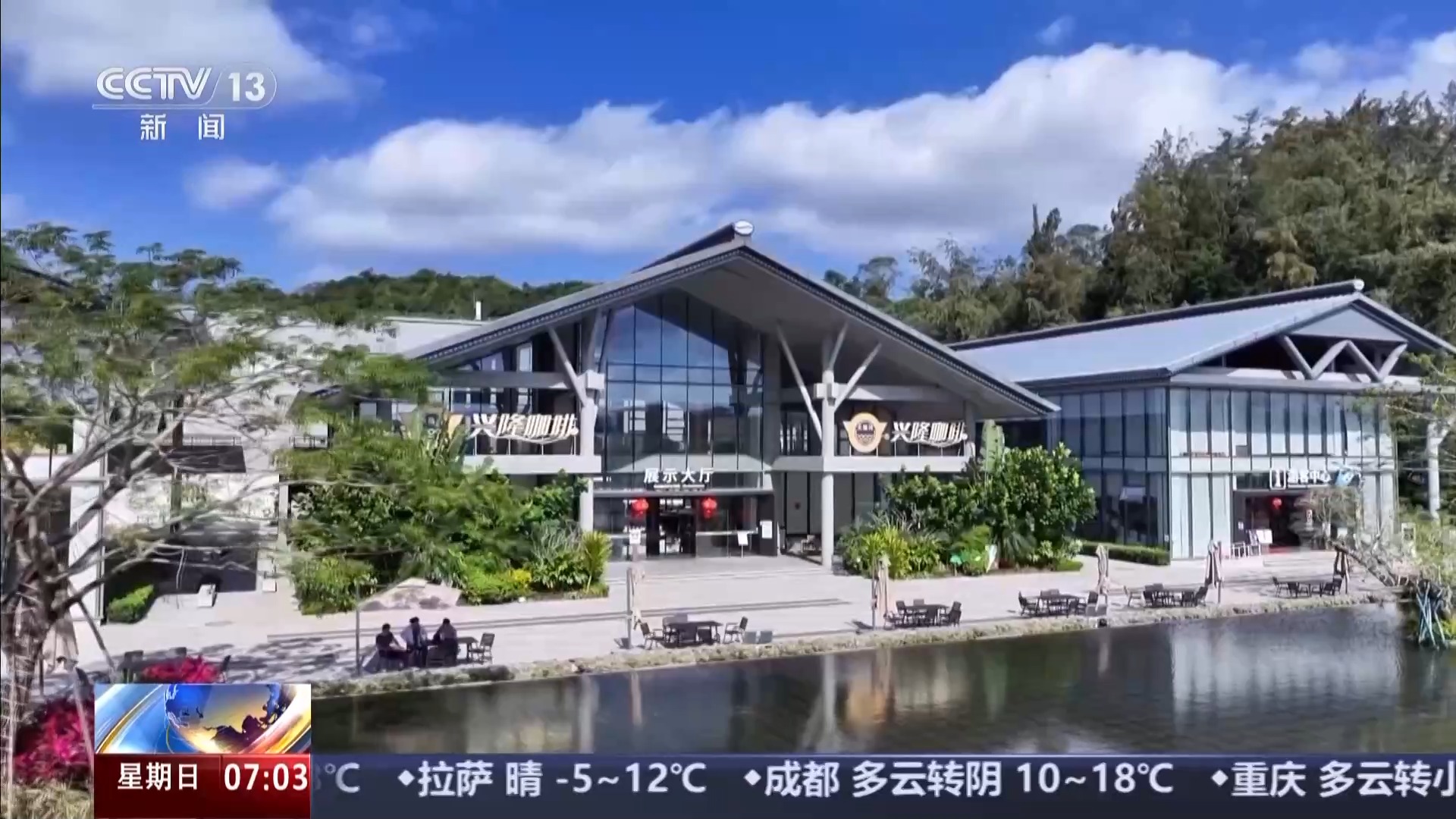
Core Insights - The Hainan Free Trade Port has successfully implemented its closure policy for one month, allowing local products to be included in the tax-exempt processing value range, creating new development opportunities for local agricultural producers and processing companies [1] Group 1: Agricultural Development - The policy has led to increased interest from domestic and international clients in Hainan's specialty agricultural products, such as coffee, with local farmers expecting to expand their cultivation area by approximately 200 acres this year [1] - Coffee growers are experiencing a surge in inquiries and collaboration opportunities from international partners and domestic food companies [1] Group 2: Export and Processing Opportunities - The "two ends outside" model, which involves importing raw materials for local processing and then exporting, has opened new avenues for businesses, exemplified by a coffee company successfully executing its first import-export trade [3] - The core policy of the Free Trade Port allows for a tax exemption on goods that achieve over 30% processing value added, encouraging local coffee companies to incorporate Hainan-grown products into their blends, thus creating a unique "Hainan flavor" [4] Group 3: Broader Industry Impact - The first month of the closure policy has seen local products, such as sea salt and coconut, being utilized in various industries, including nut processing and beauty products, providing new opportunities for businesses and individuals [6] - Nearly 30 companies have already benefited from the tax-exempt processing value policy, with a focus on exporting pharmaceuticals, food, and medical equipment [6]
纪梵希美妆正式宣布赵丽颖为全球彩妆及香氛代言人
Xin Lang Cai Jing· 2026-01-17 23:54
纪梵希美妆欣然宣布赵丽颖成为全球彩妆及香氛代言人,以全新身份,诠释不拘定义的先锋美学,以无 畏本色,大胆破界,共启高定新程。 赵丽颖,从《知否知否应是绿肥红瘦》中沉静勇敢的盛明兰,到《风吹半夏》里恣意盛放的许半夏,再 到《小城大事》中为月海描绘蓝图的镇长李秋萍。她勇于挑战多种题材,不断拓宽艺术创作维度。 来源:北青网 基于相似的无畏精神,赵丽颖以纪梵希全球彩妆及香氛代言人身份,生动演绎品牌心无禁忌系列香水。 首款心无禁忌香水最初由品牌创始人纪梵希先生为其挚友奥黛丽·赫本特别调制。当纪梵希先生询问赫 本是否可以将这款为她专属打造的香水公诸于世时,这位传奇女星回应道:"Je vous l'interdis!"("我禁 止你这么做!")。正是这句俏皮又叛逆的妙语,赋予了这一标志性香水其经典之名和灵魂。自1957年 起,这款香水便以其大胆与优雅的气质,献予更广泛的公众,成为跨时代深入人心的嗅觉印记。 香气流传至今,于2018年被重新诠释——心无禁忌经典香氛在全球问世。它打破常规三段式香调,以创 意黑白对撞香调冲击感官,唤启悸动渴望,突破自我,探索自由边界。2026年,作为系列全新力作,心 无禁忌香精延续高定调香技艺, ...

涌入成人网站,时尚品牌「下海」谋生了?
36氪· 2026-01-17 13:52
Core Viewpoint - The article discusses the trend of fashion brands and designers entering the OnlyFans platform, traditionally associated with adult content, as a means to break free from mainstream social media constraints and engage directly with niche audiences [10][12][39]. Group 1: Brand Engagement on OnlyFans - Urban Decay, a makeup brand under L'Oréal, collaborated with creator Ari Kytsya for a campaign that generated over 18.7 million views on TikTok, showcasing a bold approach to brand identity [11][12]. - Rick Owens, known for his avant-garde designs, also joined OnlyFans, using the platform to share content that aligns with his artistic vision, such as close-up photos of his feet [13][18]. - Designer Elena Velez utilized OnlyFans as an official partner for her fashion show, offering exclusive behind-the-scenes content and merchandise, emphasizing a cultural commentary on American femininity [20][22]. Group 2: The Appeal of OnlyFans - OnlyFans provides a unique space for creators to express themselves without the fear of censorship prevalent on platforms like Instagram and TikTok, where content related to body and sexuality faces strict scrutiny [29][32]. - The platform operates on a subscription model, allowing creators to retain 80% of their earnings, which contrasts with traditional social media that relies on ad revenue and algorithm-driven exposure [34][36]. - The direct financial relationship between creators and their audience fosters a more engaged and loyal following, enabling brands to deepen their aesthetic language and style without compromising their identity [35][40]. Group 3: Industry Trends and Challenges - The fashion industry is experiencing a decentralization process, with brands seeking direct communication with consumers, bypassing traditional media channels [38]. - OnlyFans is attracting a diverse user base, including LGBTQ+ and niche art communities, which aligns well with the target audiences of many avant-garde fashion brands [39]. - Despite the opportunities, brands face challenges regarding brand perception and audience alignment, as entering OnlyFans may risk being misinterpreted as a decline in brand value [41][43].

西贝宣布将关停102家门店,涉及约4000员工
Xin Lang Cai Jing· 2026-01-17 09:29
Core Viewpoint - The public feud between Xibei's founder Jia Guolong and Luo Yonghao has ended with both parties being silenced on social media, following a series of controversies regarding Xibei's use of pre-prepared dishes and the company's operational struggles, culminating in the closure of 102 stores and significant financial losses [1][2][3]. Group 1: Company Situation - Xibei plans to close 102 stores, affecting approximately 4,000 employees, with the closures concentrated in major cities like Shanghai, where 18 stores will shut down [1]. - The company anticipates a cumulative loss exceeding 600 million yuan from September 2025 to March 2026 [1]. - Xibei currently operates 357 stores across 26 provinces and 61 cities, meaning the closures represent nearly 30% of its total outlets [1]. Group 2: Crisis Management - Despite implementing self-rescue measures such as adjusting menu processes and issuing vouchers, Xibei has been unable to reverse its declining fortunes [2]. - The public discourse has shifted from whether Xibei uses pre-prepared dishes to broader questions about how companies manage public relations and respond to crises [3][4]. - The resignation of Xibei's public relations vice president indicates internal turmoil amid the ongoing crisis [3]. Group 3: Industry Insights - The situation with Xibei serves as a cautionary tale for the restaurant industry and other customer-facing businesses regarding the importance of public relations [6][7]. - Many business leaders fail to recognize the significance of public relations, which can directly impact consumer choices and company operations [7]. - The case of Xibei highlights the need for companies to develop systematic capabilities for public dialogue, especially during crises [7][8].
“达人直播的佣金比例越来越高”
第一财经· 2026-01-17 04:35
Core Viewpoint - The beauty industry in China is facing a flow dilemma, with increasing commission rates for live streaming influencers, which has led to a significant rise in marketing costs and a decline in profit margins for local brands [3][4][8]. Group 1: Industry Challenges - The commission rate for influencers in live streaming is projected to rise from 40% in 2024 to 60% in 2025, indicating a growing cost burden for beauty brands [8]. - Local beauty brands, such as Proya, have heavily relied on traffic-driven strategies, resulting in high sales expenses. In 2024, Proya's sales expenses reached 5.16 billion yuan, accounting for 47.9% of its revenue of 10.77 billion yuan [8][17]. - The marginal returns on channel expenses are diminishing, as Proya's revenue growth rate fell 8 percentage points behind its sales expense growth rate in 2024 [8]. Group 2: Shift in Marketing Strategies - Many companies are transitioning from influencer-driven sales to self-operated content, as the era of influencer marketing is perceived to be declining [9][10]. - The CEO of Youmai Technology noted that the current trend is moving away from reliance on influencers, with brands needing to develop strong in-house content capabilities to survive [12]. - Proya has established its content department in 2025 to adapt to the changing landscape and improve its marketing effectiveness [12]. Group 3: R&D Investment Concerns - The beauty industry in China has a common issue of under-investing in research and development (R&D). Proya's R&D expenditure was only 210 million yuan in 2024, representing just 1.9% of its revenue [16]. - The lack of R&D capabilities among most beauty companies is a significant concern, especially as the market becomes more competitive and consumers demand higher quality products [16][17]. - The disparity in R&D investment between local brands and multinational companies is stark, with companies like L'Oréal investing approximately 10 billion yuan in R&D in 2024, nearly equivalent to Proya's total revenue [17]. Group 4: Market Dynamics and Future Outlook - The beauty market has seen a slowdown in new brand emergence, with the flow of traffic becoming more expensive and less accessible [14][18]. - The competitive landscape is intensifying, with local brands needing to focus on brand building and R&D to avoid being outperformed by more established competitors [16][18]. - The path to becoming a globally recognized brand is challenging for local companies, as they must overcome significant organizational and operational differences compared to multinational firms [17].