养殖

Search documents
长江期货养殖产业月报-20251009
Chang Jiang Qi Huo· 2025-10-09 06:47
Report Industry Investment Ratings No relevant content provided. Core Views of the Report - For the hog industry, in the short term, the hog price is expected to fluctuate weakly due to increasing supply, high hog weights, and limited demand. In the long term, the supply will continue to grow until the first half of next year, and the price is under pressure. However, the price may strengthen in the second half of next year due to expected capacity reduction, but caution is needed due to continuous cost - cutting in the industry [3][6][51][52]. - For the egg industry, in the short term, after the Mid - Autumn Festival and National Day, the demand weakens seasonally, and the egg price is expected to be weak. In the long term, the supply growth rate slows down, but the supply pressure still exists, and the market needs time to clear the excess capacity [59][60][88][89]. - For the corn industry, in the short term, the market is expected to be weak due to sufficient supply from new grain listings and limited terminal demand recovery. In the long term, the import remains low, the old - crop inventory is not high, and the demand is gradually recovering, with strong cost support at the bottom [97][99]. Summary by Relevant Catalogs Hog Section Market Review - As of October 8, the national hog price was 11.52 yuan/kg, down 2.03 yuan/kg from the end of last month. The Henan hog average price was 11.71 yuan/kg, down 1.94 yuan/kg. On September 30, the main 11 - contract price was 12355 yuan/ton, down 1200 yuan/ton (8.85% decline) from the end of last month. The 11 - contract basis was - 645 yuan/ton, down 740 yuan/ton from the end of last month. In September, the hog price continued to decline due to increased supply and limited demand. During the National Day, the hog price hit a new low [6][11]. Supply - The inventory of breeding sows was in a balanced upper - limit range, with production performance improving. The supply of hogs in the fourth quarter is at a high level, and the supply pressure before the first half of next year is still large. The hog inventory increased, and the proportion of large hogs decreased. The planned出栏量 of enterprises in September increased, and the出栏 pressure in October is still large [6][16][21]. Demand - In September, the daily average slaughter of key slaughtering enterprises was 134508 heads, up 14.28% from the previous month and 21.57% year - on - year. The fresh - sales rate decreased, and the terminal demand was weak. After the double festivals, the consumption may decline, but the demand will gradually increase with the cooling weather. However, due to factors such as weak macro - economic recovery and frozen - product inventory, the demand increase is limited [6][32][33]. Cost - The prices of piglets and breeding sows decreased, and the breeding profit was in the red. The long - term breeding cost decreased. As of September 30, the selling price of 15 - kg piglets was 334 yuan/head, down 111 yuan/head from the end of last month. The price of binary sows was 1589 yuan/head, down 11 yuan/head [6][41]. Policy - The government requires the top 25 enterprises to reduce 1 million breeding sows by the end of January. The national pig - grain ratio fell below the warning level, and the state carried out pork procurement and rotation. The procurement is expected to be a total of 50,000 tons, which mainly boosts market sentiment [6][47]. Driving Summary - In the short term, the hog price is expected to fluctuate weakly. In the long term, the price is under pressure until the first half of next year and may strengthen in the second half of next year [51][52]. Valuation - The basis of the hog futures contracts weakened, and the valuation was relatively high [53][54]. Egg Section Market Review - As of September 30, the average price of eggs in the main producing areas was 3.41 yuan/jin, up 0.27 yuan/jin from the end of August. The average price in the main selling areas was 3.43 yuan/jin, up 0.3 yuan/jin. The main contract price was 3038 yuan/500 kg, up 68 yuan/500 kg. The main basis was - 78 yuan/500 kg, up 182 yuan/500 kg from the end of August. The monthly egg price first rose and then fell [60][64]. Supply - In October, the number of newly - opened laying hens was still relatively high. The supply was sufficient in the short term and the pressure was still large in the long term, but the supply growth rate slowed down [60]. Demand - After the "double festivals", the terminal demand weakened. However, with the cooling weather, the storage period of eggs lengthened, and the low egg price may stimulate inventory demand [60]. Driving Summary - In the short term, the egg price is expected to be weak. In the long term, the supply growth rate slows down, but the market needs time to clear the excess capacity [88][89]. Valuation - The main egg futures contract was at the lowest level since 2020, and the basis was at an average level, with a neutral valuation [93]. Corn Section Market Review - As of September 30, the FOB price of corn at Jinzhou Port, Liaoning was 2300 yuan/ton, up 10 yuan/ton from the end of August. The main 2511 - contract price was 2143 yuan/ton, down 48 yuan/ton. The main basis was 157 yuan/ton, up 58 yuan/ton. The monthly corn price was weak, and the futures price followed the spot price [99][103]. Supply - The old - crop inventory of traders was not high. With the large - scale listing of new grain, the market supply was sufficient, and the price was seasonally pressured. In August, the corn import was 40,000 tons, a significant year - on - year decrease. The North and South port inventories decreased [99][115][131]. Demand - The increase in livestock and poultry inventories drove the increase in feed demand, but the high corn - wheat price difference and the new - grain listing led to a decrease in corn feed demand. The deep - processing industry remained in the red, and the start - up rate was low [99]. Driving Summary - In the short term, the market is expected to be weak. In the long term, the import remains low, the old - crop inventory is not high, the demand is gradually recovering, and there is strong cost support at the bottom [99]. Valuation - The futures price was at the lowest level in the same period in the past six years, and the basis was at a relatively high historical level [137].
唐人神9月30日获融资买入806.46万元,融资余额4.58亿元
Xin Lang Zheng Quan· 2025-10-09 01:21
Core Points - Tangrenshen's stock price decreased by 0.62% on September 30, with a trading volume of 89.15 million yuan [1] - The company reported a financing net buy of -8.62 million yuan on the same day, with a total financing and securities balance of 459 million yuan [1] - As of June 30, the company achieved a revenue of 12.468 billion yuan for the first half of 2025, representing a year-on-year growth of 15.05% [2] Financing and Securities - On September 30, Tangrenshen had a financing buy of 8.06 million yuan, with a current financing balance of 458 million yuan, accounting for 6.66% of the circulating market value [1] - The financing balance is above the 50% percentile level for the past year, indicating a relatively high position [1] - The company had a securities lending balance of 1.16 million yuan, which is below the 10% percentile level for the past year, indicating a low position [1] Shareholder Information - As of June 30, the number of shareholders decreased by 10.95% to 78,400, while the average circulating shares per person increased by 12.29% to 18,252 shares [2] - The top three circulating shareholders include Guotai Zhongxin Livestock Breeding ETF, which increased its holdings by 825,200 shares, and Southern Zhongxin 1000 ETF, which increased its holdings by 254,800 shares [2]

创业板指高开高走涨2.74%
Chang Jiang Shang Bao· 2025-09-29 23:39
Market Performance - The market experienced a strong upward trend, with all three major indices rising collectively [1] - The Shanghai Composite Index closed at 3862.53 points, up 0.90%; the Shenzhen Component Index closed at 13479.43 points, up 2.05%; and the ChiNext Index closed at 3238.01 points, up 2.74% [1] - The total trading volume in the Shanghai and Shenzhen markets reached 2.16 trillion yuan [1] Sector Performance - Sectors that saw significant gains included batteries, energy metals, MLCC, precious metals, geothermal energy, power battery recycling, securities, and fluorine chemicals [1] - Conversely, sectors that declined included education, coal, pork concepts, tax refund stores, and chicken concepts [1] Market Outlook - Everbright Securities suggests that the market is likely to continue its upward trend after the National Day holiday, with the supporting logic for the stock market's rise remaining unchanged [1] - The current market valuation is considered reasonable, with no significant overextension observed, indicating a high probability of returning to an upward range post-holiday [1] - Shenwan Hongyuan Strategy notes that historically, A-shares tend to rise in the short term after the National Day holiday, influenced by policies, external events, liquidity, fundamentals, and overseas market performance during the holiday [1] - The short-term outlook for A-shares may continue to show a fluctuating trend, with limited risks during the holiday period [1]

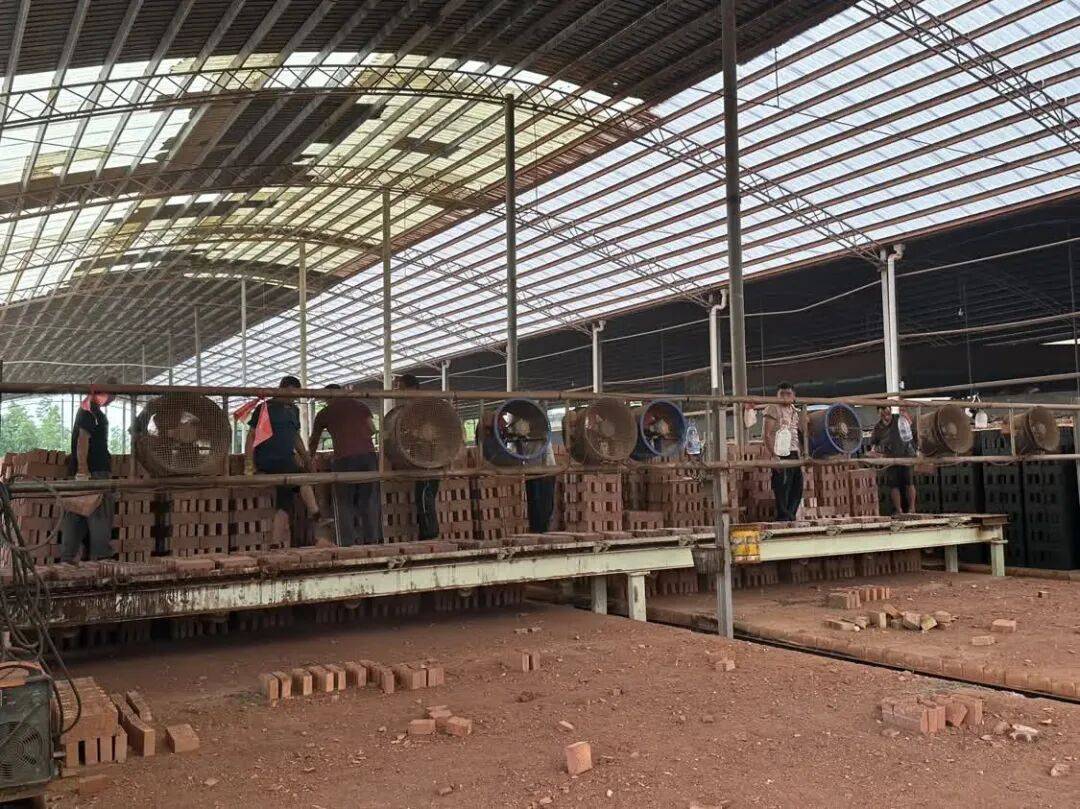
“他们被像水牛一样买卖”:上官正义撕开黑砖厂的真相
Hu Xiu· 2025-09-29 13:25
Core Viewpoint - The article highlights the ongoing issue of forced labor in illegal brick factories across multiple provinces in China, emphasizing the efforts of an activist, Shang Guanzheng, who has reported 27 such factories and rescued over 200 disabled workers since June 2023 [2][4][9]. Group 1: Forced Labor and Rescue Efforts - Shang Guanzheng has been actively reporting illegal brick factories, rescuing over 200 disabled workers from harsh working conditions [2][9]. - The working environment for these rescued individuals is described as extremely poor, with many suffering from malnutrition and physical deformities due to excessive labor without proper compensation [10][11][15]. - The phenomenon of forced labor among disabled individuals is not new, with some workers missing for decades, indicating a systemic issue that persists despite previous legal actions against similar practices [4][8][10]. Group 2: Criminal Networks and Business Models - The article discusses the existence of family-based criminal networks that exploit disabled individuals for labor, often using online platforms to facilitate these transactions [24][30]. - Brick factory owners and local labor contractors are often aware of the exploitation but choose to overlook it due to the low cost and high productivity of disabled workers [26][27]. - The labor conditions are so severe that local authorities and factory owners may turn a blind eye, as the financial benefits outweigh the moral implications [39][40]. Group 3: Challenges in Law Enforcement - Despite reports and evidence, law enforcement often struggles to act effectively, with many perpetrators fleeing before authorities arrive [33][34]. - The article raises concerns about the adequacy of existing laws, particularly the lack of legal provisions addressing the trafficking of adult males, which hampers efforts to combat forced labor comprehensively [50]. - There is a call for more robust legal frameworks to address the exploitation of disabled individuals and to ensure that law enforcement agencies take these issues seriously [50].

深交所向天邦食品股份有限公司、张邦辉、章湘云发出监管函
Mei Ri Jing Ji Xin Wen· 2025-09-29 10:14
Group 1 - The Shenzhen Stock Exchange issued a regulatory letter to Tianbang Food Co., Ltd. regarding a lawsuit filed by Anhui Guoyuan Tianbang Equity Investment Fund Co., Ltd. demanding payment for share repurchase and legal fees [1] - The company failed to disclose the first-instance judgment of the lawsuit in a timely manner, only doing so on April 30, 2025, which violated multiple provisions of the stock listing rules [1] - The chairman and general manager of the company, Zhang Banghui, was found to have not fulfilled his duties and responsibilities, leading to significant accountability for the violations [1] Group 2 - For the first half of 2025, ST Tianbang's revenue composition was as follows: breeding accounted for 63.82%, food accounted for 33.25%, feed and feed raw materials accounted for 2.85%, and others accounted for 0.08% [2] - As of the report date, ST Tianbang had a market capitalization of 6.5 billion yuan [2]

陈果:海外再通胀交易有望继续
Sou Hu Cai Jing· 2025-09-28 13:07
Core Viewpoint - The A-share and Hong Kong stock markets continue to exhibit "volatile differentiation + internal rotation of technology style," with capital preference focusing on power equipment, non-ferrous metals, and electronics sectors [1][4] Economic Environment - The U.S. August core PCE data did not show significant inflationary pressure, increasing market bets on two more rate cuts by the Federal Reserve this year [1][18] - The "Great American Rescue Plan" is expected to gradually take effect in the second half of the year, alongside fiscal and monetary expansion in Europe, which may boost global demand recovery [1][11] Industry Performance - The technology-related overseas sectors are performing strongly due to ongoing capital expenditure expansion related to AI, while traditional manufacturing and consumption sectors are relatively weak due to high interest rates suppressing demand [2][8] - The A-share and Hong Kong markets are seeing a rotation in capital towards sectors with clear improvement in profitability, such as power equipment and non-ferrous metals [4][6] Investment Opportunities - The AI sector remains a mid-term industry prosperity mainline, with potential for short-term trading adjustments as valuations digest [3][18] - Key areas to watch include battery, engineering machinery, and the anti-involution price increase chain (express delivery, breeding, fiberglass) [3][18] - The overseas capital goods chain is worth early-stage exploration, particularly in non-ferrous metals, engineering machinery, and petrochemicals [3][18] Market Trends - Historical analysis shows that after the Fed resumes rate cuts, improvements in the U.S. job market often lag, while PMI and CPI rebound more quickly [14][18] - The current high interest rate environment is expected to gradually improve housing mortgage rates and corporate financing rates, potentially leading to a recovery in the real estate sector and traditional industry investment willingness [11][18]

养殖ETF(159865)净流入超2000万份,盘中涨超1%,“含猪量”约60%
Mei Ri Jing Ji Xin Wen· 2025-09-26 05:58
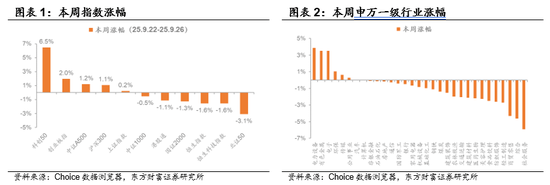
Group 1 - The article highlights a significant inflow of 24 million units into the Livestock ETF (159865), indicating strong investor interest in livestock assets [1] - The swine breeding industry is experiencing ongoing supply pressure, with a 0.80% month-on-month decrease in the number of breeding sows in August, and a notable decline in pork prices, with the price per kilogram dropping by 2.74% to 13.15 yuan as of September 18 [1] - The Ministry of Agriculture and Rural Affairs, along with the National Development and Reform Commission, held a meeting on September 16, 2025, to discuss swine production capacity control, emphasizing a reduction in production tasks for major breeding groups by the end of the year [1] Group 2 - The poultry farming sector is facing uncertainties due to frequent outbreaks of avian influenza, which has led to a 20.69% month-on-month increase in the number of grandparent stock updates in August, positively impacting the white feather chicken industry chain prices in the medium to long term [1] - The recent low pork prices are crucial for stabilizing the Consumer Price Index (CPI), as pork accounts for over 20% of its weight, highlighting the macroeconomic significance of price stability [1] - Investors without stock accounts are encouraged to consider the Guotai CSI Livestock Breeding ETF Connect A (012724) and Connect C (012725) as alternative investment options [1]
养殖油脂产业链日报策略报告-20250924
Fang Zheng Zhong Qi Qi Huo· 2025-09-24 05:22
Report Industry Investment Rating No relevant information provided. Report's Core View - **Soybean Oil**: The intraday soybean oil futures price dropped significantly due to Argentina's decision to cancel export taxes on soybeans, soybean meal, and soybean oil before October 31. With sufficient domestic supply and the fermentation of negative news, the price has a technical breakdown. It is expected to fluctuate widely in the near term. The Y2601 contract is recommended for temporary observation, with support at 7950 - 8000 yuan/ton and resistance at 8330 - 8350 yuan/ton [3]. - **Rapeseed Oil**: China's temporary anti - dumping measures on Canadian rapeseed imports may reduce Canadian rapeseed purchases. Russian/Dubai rapeseed oil and Australian rapeseed imports can partially compensate. If Canadian rapeseed imports are significantly reduced, domestic rapeseed oil will continue the de - stocking process. It is recommended to go long with a light position, with support at 9655 - 9698 and resistance at 10300 - 10333 [3]. - **Palm Oil**: Argentina's temporary cancellation of export taxes on soybeans and their derivatives brings cost - side negatives. Combined with phased sales pressure, the oil and oilseed sector has a need for a bearish adjustment. Although Malaysian palm oil production in September 1 - 20 decreased, exports increased, and there is no obvious inventory accumulation pressure. Indonesia may increase the mandatory palm oil blending ratio in biodiesel. It is expected to have a bearish adjustment, with support at 8756 - 8800 and resistance at 9570 - 9590 [4]. - **Soybean Meal and Soybean No. 2**: Due to Argentina's cancellation of export taxes and potential delays in biofuel rules, with high domestic inventories and negative news, the prices are expected to be weak in the near term. It is recommended to exit long positions in the main contracts [5]. - **Rapeseed Meal**: With the expected increase in Canadian rapeseed production, the price of rapeseed at the origin is under pressure. If Canadian rapeseed imports are significantly reduced, domestic rapeseed meal may have a de - stocking expectation. It is expected to have a bearish adjustment, with support at 2300 - 2365 and resistance at 2552 - 2572 [6]. - **Corn and Corn Starch**: The external market has both positive and negative factors, and the domestic market is in a game between low - channel inventory procurement enthusiasm and seasonal pressure. The 11 - contract is expected to continue to find the bottom. Options strategies such as selling wide - straddle combinations or out - of - the - money call options are recommended [7]. - **Soybean No. 1**: With the new domestic soybeans gradually coming onto the market and Argentina's export tax cancellation, the price is under pressure. It is recommended to hold short positions, with resistance at 3950 - 4000 yuan/ton and support at 3800 - 3830 yuan/ton [8]. - **Peanut**: With an expected increase in production and a decrease in planting costs, there is seasonal supply pressure. However, the futures price has partially reflected the increase in production, and Mid - Autumn Festival stocking has boosted demand. It is expected to fluctuate in the short term, with support at 7500 - 7510 and resistance at 8020 - 8162 [9]. - **Live Pig**: The futures price is in a process of finding the bottom. It is recommended to wait for capacity reduction to be confirmed and then consider buying at low prices. Cautious investors can hold long - short spreads, and it is advisable to wait and see for single - side trading [10]. - **Egg**: The futures price has fallen below historical lows. It is not recommended to chase short positions. Cautious investors can wait and see, while aggressive investors can consider buying the 2511 contract at low prices, with a reference range of 3000 - 3200 points [10]. Summary by Relevant Catalogs First Part: Sector Strategy Recommendation 1. Market Judgment - Various varieties in the feed, livestock, and oil sectors are analyzed, including their market logic (supply - demand), support and resistance levels, market trends, and reference strategies. For example, the soybean No. 1 11 - contract is expected to fluctuate bearishly, and it is recommended to hold short positions [13]. 2. Commodity Arbitrage - Cross - period and cross - variety arbitrage strategies for different sectors are provided, including reference strategies and target levels. For example, for the 01 - contract soybean oil - palm oil spread, a bearish operation is recommended [15]. 3. Basis and Spot - Futures Strategies - Spot prices, price changes, and basis changes of different varieties in each sector are presented [16]. Second Part: Key Data Tracking Table 1. Oil and Oilseed - **Daily Data**: Import costs of soybeans, rapeseeds, and palm oil from different origins and shipping periods are provided, including arrival premiums, CBOT or ICE futures prices, CNF prices, and arrival - duty - paid prices [17]. - **Weekly Data**: Inventory and operating rates of various oil and oilseed products are given, such as soybean port inventory, soybean meal factory inventory, etc. [19]. 2. Feed - **Daily Data**: Import costs of corn from Argentina and Brazil in different months are presented [19]. - **Weekly Data**: Consumption, inventory, operating rates, and other data of corn and corn starch in deep - processing enterprises are provided [20]. 3. Livestock - **Daily Data**: Spot prices, price changes, and other data of live pigs and eggs in different regions are given [21][22]. - **Weekly Data**: Key weekly data of live pigs and eggs, including prices, costs, profits, inventory, and sales, are provided [23][25]. Third Part: Fundamental Tracking Charts - **Livestock (Live Pigs and Eggs)**: Charts show the closing prices of live pig and egg futures contracts, spot prices, and related prices such as piglet prices and chicken fry prices [28][29]. - **Oil and Oilseed**: - **Palm Oil**: Charts display Malaysian palm oil production, exports, inventory, import profits, and domestic inventory and trading volume [37][38]. - **Soybean Oil**: Charts show US soybean crushing volume, soybean oil inventory, domestic soybean oil factory operating rates, and inventory [45][46]. - **Peanut**: Charts present peanut arrival and shipment volumes, processing profits, and inventory [54][57]. - **Feed**: - **Corn**: Charts show corn futures and spot prices, inventory, import volume, and processing profits [60][64]. - **Corn Starch**: Charts display corn starch futures and spot prices, operating rates, and inventory [67][68]. - **Rapeseed**: Charts show rapeseed meal and rapeseed oil spot prices, inventory, and basis [70][74]. - **Soybean Meal**: Charts present US soybean growth indicators, domestic inventory, basis, and spreads [77][89]. Fourth Part: Feed, Livestock, and Oil Options Situation - Charts show the historical volatility of various products such as rapeseed meal, rapeseed oil, and soybean oil, as well as the trading volume, open interest, and put - call ratio of corn options [92][93]. Fifth Part: Feed, Livestock, and Oil Warehouse Receipt Situation - Charts display the warehouse receipt situations of various products such as rapeseed meal, rapeseed oil, and soybean oil, as well as the futures warehouse receipt volume and open interest of corn, live pigs, and eggs [95][96].
天风证券晨会集萃-20250924
Tianfeng Securities· 2025-09-24 00:13
Group 1: Fixed Income and Monetary Policy - The report discusses the anticipation surrounding the resumption of government bond trading, highlighting a shift from "buying long" to "buying short" under supportive monetary policy, with a focus on liquidity management [2][4][27] - It is expected that if interest rate cuts occur, the impact on the bond market will depend on the magnitude of the cuts, with a likely continuation of a 10 basis point reduction seen in the first half of the year [2][28][29] - The report emphasizes that regardless of whether bond trading resumes, liquidity concerns are manageable due to the central bank's diverse monetary policy tools [27][28][29] Group 2: Pharmaceutical Industry - The Chinese innovative drug industry is transitioning towards global commercialization, with a strong pipeline of quality projects expected to drive growth [6][9] - The report notes that the early drug development process in China is significantly faster than the global average, saving 30%-50% of time [9] - Future prospects for the industry are optimistic, with increased innovation expected to unlock greater commercial value [9] Group 3: Agricultural Sector - The dairy sector is experiencing a strong supply contraction, with expectations that the phase of destocking is nearing its end [10] - The meat cattle sector is entering a super cycle, with domestic supply tightening due to reduced imports and a long replenishment cycle [10] - The report suggests that the interconnection between dairy and meat cattle sectors will enhance profitability for related enterprises [10] Group 4: Technology Sector - The report highlights the rapid growth of Meige Intelligent, driven by demand in the smart connected vehicle and edge AI hardware markets, with a 44.50% increase in revenue year-on-year [32] - The company is expanding its applications in various sectors, including drones, AR glasses, and robotics, showcasing its strong capabilities in edge AI [34][35] - Despite a decline in overall gross margin, the company anticipates improvements in profitability in the latter half of the year [33][36] Group 5: Investment Recommendations - The report recommends focusing on sectors such as innovative pharmaceuticals, new energy, and new consumption, which are expected to benefit from seasonal demand and improving economic conditions [11] - Specific companies to watch include China Shengmu, Guangming Meat, and Fucheng Co., which are positioned well within the agricultural sector [10]



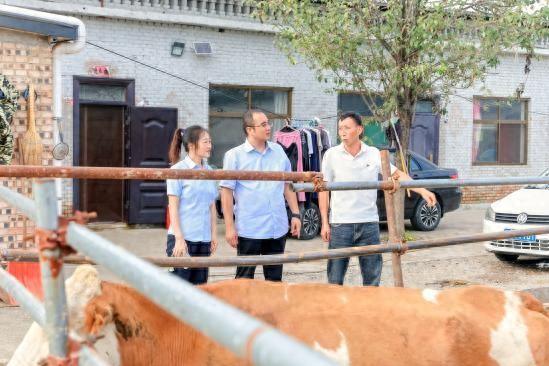
金融赋能+智慧养殖 山西汾西养殖产业跑出加速度
Zhong Guo Xin Wen Wang· 2025-09-23 09:02
Core Viewpoint - The beef cattle farming industry in Fenxi County, Shanxi Province, is undergoing a transformation through a model of "scale + standardization + intelligence + insurance," supported by local financial institutions like Postal Savings Bank [1][6]. Group 1: Industry Development - Fenxi County has approximately 690 beef cattle farmers with a total herd size exceeding 20,000 heads [1]. - The local government has introduced a combination of target price insurance, subsidy policies, and casualty insurance, covering 5,753 heads of cattle and providing a total compensation of 1.5396 million yuan to mitigate market price fluctuations and disease risks [1]. - The core objectives for beef cattle farming include increasing herd size by 30,000 heads by the end of the 14th Five-Year Plan, achieving an average of one beef cattle per agricultural household, and targeting an output of 1 million heads and a production value of 160 million yuan by 2024 [1][2]. Group 2: Financial Support - Postal Savings Bank has launched three financial products: "Industry Loan," "Agricultural and Animal Husbandry Loan," and "Rapid Credit Loan," providing over 50 million yuan in loans to more than 300 farmers [5][6]. - The "Industry Loan" is tailored to local agricultural characteristics, with a maximum credit limit of 30 million yuan and a maximum term of 60 months [5]. - The "Agricultural and Animal Husbandry Loan" offers unsecured online loans up to 500,000 yuan, with a quick approval process based on business flow [5][6]. Group 3: Technological and Ecological Initiatives - The county is promoting the construction of standardized bases and projects like Zhongying Agriculture and Animal Husbandry, utilizing smart collars and automated feeding systems to enhance breeding and fattening efficiency [2]. - An ecological cycle is being established with zero-carbon biogas and organic fertilizer plants, creating a closed-loop system of "breeding - biogas - organic fertilizer - returning to the fields" [2]. Group 4: Case Studies - The Hongxing Breeding Cooperative, which received a 150,000 yuan loan from Postal Savings Bank, has expanded its herd to 140 heads, demonstrating effective financial support [4]. - The Kangruilai Biotechnology Company has received 6.524 million yuan in loans, significantly enhancing its product competitiveness and achieving annual sales exceeding 20 million yuan [8][9].