
电信

Search documents
每日投行/机构观点梳理(2025-12-26)
Jin Shi Shu Ju· 2025-12-26 12:32
Group 1 - UBS Wealth Management predicts that the Chinese stock market will continue to have upward potential through 2026, driven by advanced manufacturing and technology as new growth engines [1] - The technology sector, which accounts for about half of the MSCI China Index, is becoming increasingly resilient to external shocks and U.S. economic cycles [1] - The Hang Seng Tech Index is expected to see a 37% growth in earnings per share by 2026, with approximately 7 trillion RMB in excess household savings likely to flow into the stock market [1] Group 2 - Barclays anticipates that the Bank of Japan will raise interest rates in July and December of 2026, influenced by the spring wage negotiation cycle [2] - The report emphasizes the importance of wage negotiations as a key factor in the Bank of Japan's monetary policy and its response to the risk of yen depreciation [2] Group 3 - OANDA reports that multiple factors are driving a historic surge in precious metals, with gold potentially reaching $5,000 per ounce and silver $90 per ounce in the coming year [3] - The report attributes the rise to speculative trading, low liquidity at year-end, expectations of long-term Fed rate cuts, a weaker dollar, and increased geopolitical risks [3] - Platinum and palladium prices have surged due to supply constraints and strong industrial demand, with platinum up approximately 165% and palladium over 90% year-to-date [3] Group 4 - CICC suggests focusing on asset trend changes rather than specific gold price predictions, as current gold prices are above short-term valuation models, indicating potential bubbles [4] - The report anticipates that the gold bull market may not end soon, but volatility is expected to increase as prices deviate from fundamental indicators [4] - CICC maintains an optimistic outlook on Chinese assets, emphasizing the benefits of the AI technology wave and ample liquidity, while suggesting a focus on technology growth in the short term [5][6] Group 5 - CITIC Securities highlights the importance of maintaining macro liquidity stability through tools like reserve requirement ratio cuts and interest rate reductions [6] - The report predicts a 5%-10% increase in the overall A-share market in 2026, with Hong Kong stocks expected to experience a rebound in performance [6] - The outlook for commodities includes expectations for gold to challenge $5,000 per ounce and copper prices to rise to $12,000 per ton due to supply constraints and demand drivers [6] Group 6 - CITIC Securities notes a trend of diminishing focus on quantitative targets by the People's Bank of China, with an emphasis on long-term structural reforms [7] - The report indicates that the central bank's policy may shift towards addressing supply-side issues and reducing financing costs [7] Group 7 - Huatai Securities states that the current appreciation of the RMB is likely to enhance foreign interest in RMB-denominated assets, creating a positive feedback loop for capital inflows [8] - The report suggests that the strengthening of the RMB will continue to support the valuation of both onshore and offshore RMB assets [8] Group 8 - CITIC Jin Investment reports that rising storage costs have begun to impact consumer electronics prices, with several manufacturers increasing product prices by 100-200 RMB [9] - The report indicates that the cost pressures from rising storage prices are likely to lead to a temporary decline in consumer electronics sales [9] Group 9 - Galaxy Securities notes that leading liquor companies are adjusting their strategies for 2026, focusing on maintaining price stability and channel profitability amid cyclical pressures [10] - The report emphasizes the importance of developing new consumer segments and adapting to new consumption trends as part of long-term transformation efforts [10]
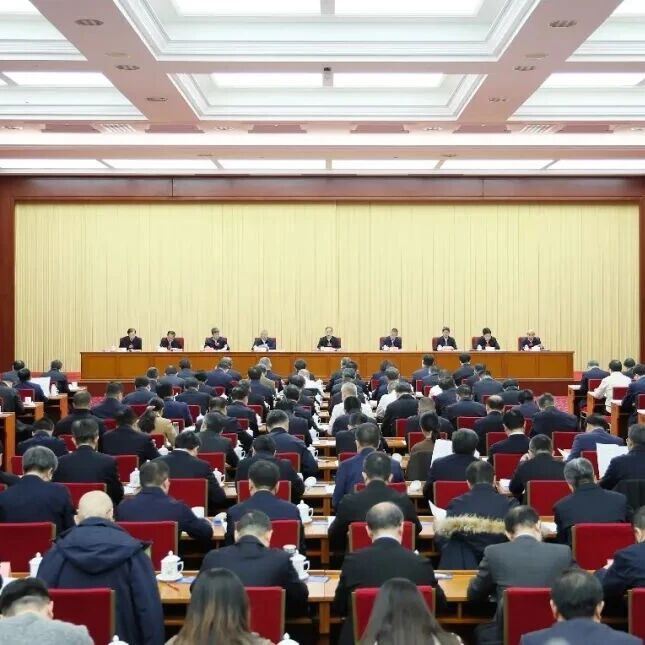
工信部重要会议,2026年这样干!
证券时报· 2025-12-26 09:07
Core Viewpoint - The article discusses the key tasks and strategies for the industrial and information technology sectors in China for the year 2026, emphasizing the importance of new industrialization and high-quality development under the guidance of Xi Jinping's thoughts [1][6]. Summary by Sections 2025 Achievements - In 2025, the industrial economy showed resilience and vitality, with telecommunications and software business revenues expected to grow by approximately 9% and 12% respectively, and digital industry revenue also projected to increase by around 9% [3]. - The high-tech manufacturing and equipment manufacturing sectors saw value-added growth of 9.2% and 9.3% year-on-year from January to November [3]. - The artificial intelligence core industry surpassed 1 trillion yuan, and exports of new energy vehicles exceeded 2 million units [3]. 2026 Key Tasks - The year 2026 marks the beginning of the "15th Five-Year Plan," focusing on consolidating the industrial economy's positive momentum and enhancing the resilience and safety of industrial chains [6][7]. - Key areas of focus include improving technological innovation capabilities, optimizing traditional industries, and fostering new and future industries such as integrated circuits and biotechnology [8][9]. Industrial Development Strategies - The strategies for 2026 include: 1. Supporting industrial provinces and stabilizing effective investment in manufacturing [7]. 2. Enhancing the resilience of industrial chains through targeted actions [7]. 3. Accelerating technological innovation and establishing a national manufacturing pilot service network [8]. 4. Promoting green and low-carbon development in industries [9]. 5. Strengthening the cultivation of high-quality enterprises and improving industry governance [10]. Governance and Leadership - The article emphasizes the importance of the Party's leadership in ensuring the successful implementation of these strategies, highlighting the need for political construction and the enhancement of talent and cadre teams [11][12].

工信部:推进AI+制造专项行动,培育一批重点行业智能体
Nan Fang Du Shi Bao· 2025-12-26 08:17
Core Insights - The conference highlighted the expected growth in telecommunications and software business revenues by approximately 9% and 12% respectively for 2025, with digital industry revenue also projected to grow by around 9% [1] - The manufacturing sector is undergoing a transformation, with significant increases in high-tech and equipment manufacturing value added, and the establishment of numerous advanced smart factories and green factories [1] - The meeting outlined ten key focus areas for 2026, emphasizing the cultivation of emerging industries such as integrated circuits, new materials, and artificial intelligence [2] Group 1 - The total telecommunications business volume and software business revenue are expected to grow by 9% and 12% respectively in 2025 [1] - The value added of high-tech manufacturing and equipment manufacturing increased by 9.2% and 9.3% year-on-year [1] - The core AI industry has surpassed 1 trillion yuan, and exports of new energy vehicles have exceeded 2 million units [1] Group 2 - The conference set a focus on nurturing emerging industries, including integrated circuits, new displays, and aerospace [2] - There is a strong emphasis on the deep integration of information technology and industrialization, with initiatives to create high-quality industry data sets and digital transformation scenarios [2] - The meeting also stressed the importance of improving industry governance efficiency and curbing low-price, low-quality competition [2]
高端制造与数字产业齐发力 2025年工业经济实现稳中有进新跃升
Yang Shi Wang· 2025-12-26 07:39
Group 1 - The core viewpoint of the articles indicates that China's industrial economy is showing steady growth, with significant contributions from high-tech and equipment manufacturing sectors [1][2][4] - From January to November, the added value of high-tech manufacturing and equipment manufacturing increased by 9.2% and 9.3% year-on-year, respectively [1] - The number of advanced and excellent smart factories has reached over 7,000 and 500, respectively, while 6,430 national green factories and 491 green industrial parks have been cultivated [1] Group 2 - The Ministry of Industry and Information Technology forecasts a 5.9% year-on-year growth in industrial added value for the entire year of 2025 [2] - Six industries, including electrical and mechanical sectors, contributed 58.2% to industrial growth, with nine out of ten major industrial provinces exceeding the national growth index [4] - Industrial investment increased by 4% year-on-year from January to November, with manufacturing investment growing by 1.9% [4] Group 3 - The digital industry is expected to see a revenue growth of approximately 9% in 2025, with telecom business volume and software revenue growing by 9% and 12%, respectively [4] - As of the end of November, the total number of 5G base stations reached 4.83 million, accounting for 37.4% of all mobile base stations, while 5G mobile phone users reached 1.193 billion, representing 65.3% of mobile phone users [4] Group 4 - The implementation of the "Artificial Intelligence + Manufacturing" initiative is fully underway, with an AI industry investment fund of 60 billion yuan established, and the AI application rate among manufacturing enterprises reaching 30% [5]
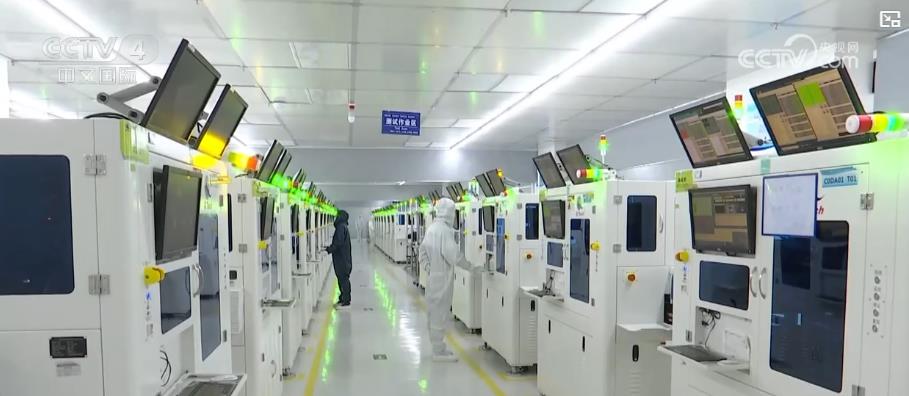
工信部最新发文,事关航空航天、人工智能
21世纪经济报道· 2025-12-26 07:30
Core Viewpoint - The national industrial and information technology work conference emphasized the importance of implementing the new development philosophy and accelerating the construction of a modern industrial system, aiming for high-quality development and a strong industrial economy in the upcoming "15th Five-Year Plan" period [1][7]. Summary by Sections Industrial Economic Performance - In 2025, the industrial economy is expected to show steady progress, with telecommunications business volume and software business revenue projected to grow by approximately 9% and 12% year-on-year, respectively. The digital industry revenue is also anticipated to increase by around 9% [3]. - From January to November, the added value of high-tech manufacturing and equipment manufacturing industries grew by 9.2% and 9.3% year-on-year, respectively. The core AI industry surpassed 1 trillion yuan, and exports of new energy vehicles exceeded 2 million units [3]. Key Tasks for 2026 - The conference outlined ten key areas of focus for 2026, including: 1. Consolidating the positive trend of the industrial economy and supporting major industrial provinces [8]. 2. Enhancing the resilience and safety of industrial supply chains [8]. 3. Accelerating the improvement of industrial technological innovation capabilities [8]. 4. Optimizing traditional industries through standards and technological upgrades [8]. 5. Cultivating emerging and future industries, including integrated circuits and biomedicine [8]. 6. Promoting deep integration of information technology and industrialization [9]. 7. Advancing green and low-carbon development in industries [9]. 8. Supporting high-quality development in the information and communication sector [9]. 9. Fostering high-quality enterprises and addressing overdue payments [10]. 10. Improving industry governance effectiveness [10]. Governance and Leadership - The conference stressed the importance of the Party's leadership in ensuring the success of various initiatives and called for strengthening political construction and enhancing the capabilities of the workforce [11][12]. Conclusion - The conference concluded with a call for unity around the central leadership and a commitment to achieving the goals set for the upcoming year, contributing to the modernization of China [12].

2025年全国数字产业业务收入预计同比增长约9%
Xin Hua Wang· 2025-12-26 07:04
全国工业和信息化工作会议于12月25日至26日在北京召开。 【纠错】 【责任编辑:施歌】 制造业转型升级步伐加快。累计建成7000余家先进级、500余家卓越级智能工厂,全国工业5G专网 项目超过2万个、5G工厂超过8000家,累计培育国家绿色工厂6430家、绿色工业园区491家,大宗工业 固废综合利用率达到57%。 服务企业与社会民生取得新成效,累计培育科技和创新型中小企业超60万家、高新技术企业达50.4 万家、专精特新中小企业超14万家、"小巨人"企业1.76万家、制造业单项冠军企业1862家。信息通信业 服务经济社会发展能力持续增强,防范治理电信网络诈骗纵深推进。行业治理现代化稳步推进,一批标 志性改革举措出台实施,综合整治"内卷式"竞争成效显现。 工业和信息化部部长李乐成在会上表示,要深刻认识"十五五"时期面临的形势,准确把握"十五 五"时期使命任务,全面提升产业科技创新能力,大力发展先进制造业,推动制造业智能化、绿色化、 融合化发展,加强优质企业培育,筑牢产业发展安全屏障,提升行业治理现代化水平,推动新型工业化 取得重大进展,推动以先进制造业为骨干的现代化产业体系建设取得重大突破,稳步迈向世界制造强 ...
带宽缩水不应是“行业常态”
Zhong Guo Xin Wen Wang· 2025-12-26 05:49
Core Viewpoint - The ongoing criticism of telecom broadband services highlights issues of bandwidth reduction and consumer rights violations, as companies promote high bandwidth without transparency about actual service capabilities [1][3]. Group 1: Consumer Complaints - Many consumers, like Mr. Zhang from Qingdao, have experienced discrepancies between promised and actual internet speeds, leading to frustration and inadequate responses from service providers [2]. - Mr. Zhou from Nanjing faced similar issues, where the actual speed of his broadband service was significantly lower than advertised, despite the operator's claims of compliance with industry standards [2]. Group 2: Legal Perspective - The Consumer Rights Protection Law guarantees consumers the right to know the true nature of products or services, emphasizing that telecom operators must not mislead consumers with exaggerated claims [3]. - Operators found to engage in fraudulent practices are subject to punitive damages, which can amount to three times the service fee, highlighting the legal implications of misleading advertising [4]. Group 3: Industry Responsibility - The telecom industry, characterized by high infrastructure costs and natural monopoly traits, must uphold social responsibility and ensure transparency in service offerings to protect consumer rights [4]. - Consumers are encouraged to document evidence of service discrepancies and pursue legal action or complaints to regulatory bodies to safeguard their rights [4].
稳经营、提质效——中央企业推动关键产业向新向优
Ren Min Ri Bao· 2025-12-26 04:43
Core Insights - Central enterprises are expected to enhance their roles in serving the national economic development and improving people's livelihoods, contributing significantly to China's modernization efforts [1] Group 1: Strengthening Scale and Capability - Central enterprises have seen their total assets exceed 90 trillion yuan, with significant advancements in various sectors, including the successful operation of the world's first commercial supercritical carbon dioxide power generation unit and the launch of the largest green hydrogen-ammonia integrated project [2] - The cumulative R&D expenditure of central enterprises has surpassed 5 trillion yuan, with an annual investment growth rate in emerging industries exceeding 20% [2] - The number of technology talents in central enterprises has increased by nearly 50%, enhancing their scale, value creation capabilities, and brand influence [2] Group 2: Industrial Upgrading and Innovation - Central enterprises are focusing on technological innovation to drive industrial transformation, with 438 technology breakthroughs achieved this year [3] - The implementation of the "Artificial Intelligence +" initiative has led to over 800 application scenarios and the establishment of 1,854 smart factories [3] - During the "14th Five-Year Plan" period, energy consumption per unit of output and carbon dioxide emissions per unit of output have decreased by 12.8% and 13.9%, respectively [3] Group 3: Strategic Function and Governance - The establishment of 9 new central enterprises has been completed as part of the deepening reform of state-owned enterprises, with a focus on strategic restructuring [4] - The management levels of central enterprises are now controlled within four tiers, improving management efficiency and transparency [5] - The State-owned Assets Supervision and Administration Commission (SASAC) has implemented a more scientific regulatory approach, including a tailored assessment for each enterprise and the establishment of a national property information database [5]





对于2026年,这是高盛顶级科技交易员最关心的10个问题
美股IPO· 2025-12-26 00:24
Core Viewpoint - The focus of technology stocks is shifting from hardware speculation to a deeper examination of AI investment returns and market breadth as 2026 approaches, according to Goldman Sachs trader Callahan [1][3]. Group 1: Market Trends and Performance - Despite the Nasdaq 100 index rising over 20% in 2025, it was not an easy year, with the "Magnificent 7" contributing approximately $3.5 trillion to market cap growth, a slowdown from $5.4 trillion in 2024 and $4.8 trillion in 2023 [3]. - Over 30% of the Nasdaq 100 components ended 2025 in decline, indicating significant internal market differentiation [3]. Group 2: AI Investment and Sustainability - Investors are increasingly focused on whether generative AI (GenAI) can deliver on its high capital expenditure promises over the next 12 months, with discussions centering on the sustainability of AI infrastructure spending, which could reach $3 trillion to $4 trillion annually by 2030 according to Nvidia [5] [6]. - Callahan outlined ten key questions that will dominate the technology stock narrative in 2026, addressing both sector rotations and fundamental macroeconomic and technological cycles [6]. Group 3: Key Questions for 2026 - The ten core questions include the direction of AI debates, the potential shift towards "physical AI" (robots, autonomous vehicles, smart glasses), and which companies will emerge as productivity winners [7]. - Other questions involve how software companies will repair valuations, the implications of GenAI-driven efficiency, and the potential cyclical turning points in housing and commercial real estate [7][8]. - The report also questions the future of large language models (LLMs) and their market dynamics, including the role of Chinese models and the potential for productization versus remaining in the "primitive intelligence" competition [8]. Group 4: Investment Strategies and Outlook - Callahan suggests that the Nasdaq 100 index's return outlook remains robust, with potential gains skewed towards the first half of 2026 due to recent market consolidation and low expectations surrounding AI spending sustainability [9]. - The investment theme for 2026 should focus on "expansion trades," where capital flows from crowded AI infrastructure stocks to other sectors, seeking "second derivatives" of AI that leverage cost reductions and new revenue streams [9].


对话2026年关键词:科技篇
2025-12-24 12:57
Summary of Conference Call Records Industry Overview - The current static price-to-earnings (P/E) ratio of the A-share non-financial market is at 36 times, with the Sci-Tech Innovation Board (STAR Market) valuations also at high levels, indicating potential pressure on remaining liquidity [1][2] - M2 growth has increased from a year-on-year low of 6% to a peak of 8.8% in August, but social financing has not shown significant growth, suggesting that monetary easing policies are channeling funds more into financial markets rather than the real economy [2] - Small-cap stocks and the STAR Market have performed well, but the central bank's macroeconomic easing may weaken in the coming year, which could lead to a need for performance growth to alleviate valuation pressures [2][3] Key Insights on AI and Technology - AI technology has emerged as a significant highlight in the tech industry over the past year, with the potential for further valuation increases driven by performance growth [2][3] - The AI mobile phone, launched by Doubao, has attracted market attention, showcasing a new direction for integrating AI with consumer products, which could provide new monetization channels for cloud vendors [4][5] - The development of AI mobile phones is expected to revolutionize user interfaces, similar to the transition from DOS to Windows, and companies that fail to adapt may face obsolescence [4][5] Future Trends in AI and Computing - Over the next five years, the AI industry is anticipated to grow rapidly, with model vendors and cloud providers optimizing training to deliver higher-quality models [6] - The focus for 2026 is on overseas computing power sectors, particularly companies within the NVIDIA supply chain, which are expected to see explosive growth starting from Q3 2024 [7] - Key innovations in AI mobile phones will include advancements in main control chips (SoC), storage requirements, battery life, and motherboard specifications [8][9] Enterprise Applications and Market Dynamics - AI applications in enterprises are set to accelerate, transitioning from chat-based interactions to actionable insights across various sectors, including advertising, programming, decision-making, and vertical industries like industrial and medical [10] - The core focus remains on computing infrastructure, with significant attention on breakthroughs under Moore's Law and the progress of domestic production [11] - Quantum computing and commercial aerospace are highlighted as critical areas for development, with the need for rapid satellite deployment to secure space resources [11]