高端制造

Search documents
2025中国民营企业国际化发展报告发布 民企出海表现持续向好
Jing Ji Ri Bao· 2025-11-29 23:05
Core Insights - The report indicates that the scale of overseas operations for private enterprises in China is expanding, with total overseas income projected to reach 52,149.66 billion yuan in 2024, reflecting an increase of 11.93% [1] - Among the 84 industries involved, 80 reported profitability, highlighting the overall positive performance of internationalized private enterprises [1] - Export trade has seen significant growth, with total exports expected to reach 32,839.04 billion yuan in 2024, marking an increase of 11.21% [1] Industry Performance - Key industries such as electronics, automotive, and chemicals experienced an export growth of 10.51%, while high-end manufacturing saw a remarkable increase of 41.63% [1] - The total foreign direct investment by internationalized private enterprises is projected to be 1,593.54 billion yuan in 2024, with traditional industries, new energy vehicles, and lithium battery sectors maintaining high investment levels [1]
若不出意外,中国一半人口或将涌入到这4个城市,房价或将回升
Sou Hu Cai Jing· 2025-11-29 17:15
Core Insights - The urbanization process in China is transitioning from scale expansion to quality enhancement, leading to profound changes in resource allocation logic, which significantly impacts urban development [1] - Major cities like Chongqing, Shanghai, Beijing, and Chengdu are experiencing population growth, each surpassing 20 million residents, showcasing their robust development vitality and strong attraction [3][5] - The competitive advantage of these mega cities is not solely based on scale but is supported by a multi-dimensional framework including industrial ecology, public services, and development space [5][7] Urban Development Dynamics - Core cities and key urban clusters are increasingly demonstrating agglomeration effects, forming a new ecosystem of urban development characterized by clear hierarchies and collaborative competition [3] - The Pearl River Delta cities attract a large influx of population due to their complete industrial clusters, becoming significant gathering places for individuals seeking opportunities [3][9] - The employment market in these mega cities is diverse and comprehensive, providing high-end job opportunities and platforms for skilled talent [7] Economic and Industrial Insights - Chongqing and Chengdu are emerging as core destinations for population inflow in the western region, leveraging their unique geographical advantages and complementary industrial layouts [7][9] - The Pearl River Delta cities have established a robust industrial matrix covering high-tech, trade logistics, and various manufacturing sectors, fostering a collaborative and complementary industrial ecosystem [9][11] - Shenzhen has become a hub for top tech talent, driven by leading companies like Huawei and Tencent, which have created a complete high-tech industrial chain [11] Emerging City Competitiveness - New first-tier cities like Hangzhou and Chengdu are rising strongly, injecting new vitality into the urban competition landscape by balancing industrial upgrades and living quality [13][15] - The real estate market is witnessing structural differentiation, with cities like Hangzhou and Chengdu stabilizing prices and improving market conditions driven by demand for better living conditions [17] - The shift in young people's city selection logic is moving towards rational decision-making based on industrial depth, living costs, and public services [19][21] Future Urban Trends - The construction of transportation networks, such as the Chengdu-Chongqing high-speed rail, is enhancing connectivity and supporting a dual-core development model [21] - The urbanization process in China is entering a high-quality development phase, with a clear trend of population and capital concentrating in core cities and urban clusters [23][25] - Sustainable urban development relies on optimizing living costs, enhancing public service levels, and establishing differentiated competitive advantages [25][26]

这个千亩产业用地面向全球“招亲”
Sou Hu Cai Jing· 2025-11-28 10:46
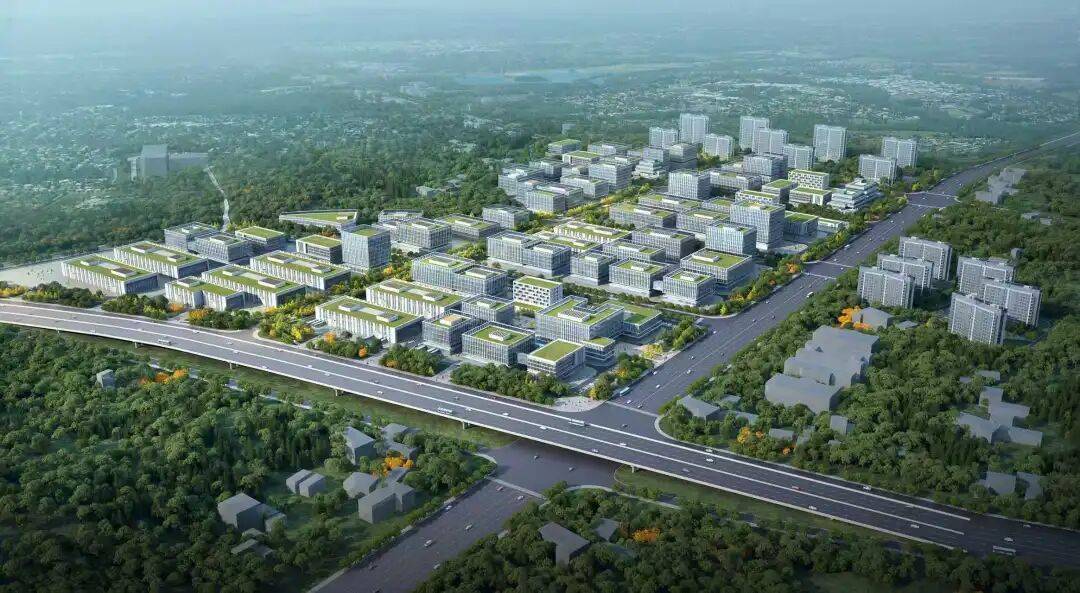
效果图。 莲花片区规划总面积约1013亩,其中净用地面积约760亩,包括658亩一类工业用地和102亩住宅用地,可满足企业从百亩至千亩不等的用地需求。 作为湘江新区战略门户,该片区地处长株潭都市圈核心区域,交通便捷,区位优势显著。片区周边已形成"三横三纵"骨干路网体系,半小时可达长株潭核 心商圈,3小时辐射武汉、南昌,10小时通达京沪广深等主要城市,为企业布局供应链、拓展市场提供了有力支撑。 11月27日,湖南湘江新区莲花片区千亩产业用地正式启动招商。该片区位于长沙城区西南门户,由长沙麓山投资控股集团有限公司统筹开发,是当前城区 内极为罕见的连片产业用地,被视为推动区域产业升级、培育新质生产力的重要载体。 据悉,片区位于黄桥大道先进制造产业带核心枢纽,可串联望城经开区与湘江科学城、对接九华新能源汽车产业城,可与这些片区形成资源联动。 此外,作为湘江科学城成果转化与产业链布局的核心区域之一,莲花片区将重点承接高端制造、新一代信息技术、人工智能、智能网联汽车等战略性新兴 产业,可与湘江实验室、岳麓山实验室等科研平台紧密联动,并依托中南大学、湖南大学的科研人才优势,推动"研发—生产—市场"全链条创新生态构 建。目前 ...
锚定“双碳”战略!铂钯期货上市引关注,机构称明年价格中枢或上移|大宗风云
Sou Hu Cai Jing· 2025-11-28 09:51
来源:华夏时报 本报(chinatimes.net.cn)记者叶青 北京报道 11月27日,广州期货交易所(下称"广期所")新能源金属品种板块迎来新成员——铂、钯期货和期权, 这是广期所继工业硅、碳酸锂、多晶硅之后,新增上市的绿色新能源金属品种。铂族金属中的铂和钯被 称为"工业维生素",在清洁能源转型中扮演着重要角色,从氢能催化到汽车尾气净化,从光伏制造到油 气炼化,均发挥着重要作用。 "首日上市的铂期货2606合约和钯期货2606合约成交活跃,成交金额分别为273.18亿元和122.90亿元,一 方面是近年铂、钯价格波动加剧,产业链上下游企业面对日益频繁的价格波动,对期货套期保值工具的 需求极为迫切;另一方面得益于挂牌基准价较为合理,激发市场交易热情,吸引产业客户入场交 易。"南华期货贵金属新能源研究组负责人夏莹莹接受《华夏时报》记者采访时表示。 铂期货一手保证金36450元 11月27日,铂、钯期货在市场热切关注中正式挂牌交易,铂主力合约2606开盘价441元/克,较405元/克 的挂牌基准价跳空高开,随后快速上行至457.15元/克后震荡回落,最终收盘涨幅为6.25%,呈现"高开 回落但强势收涨"的行情 ...

股市面面观 | A股4000点三问:震荡何因?差异何在?未来何往?
Xin Hua Cai Jing· 2025-11-28 02:17
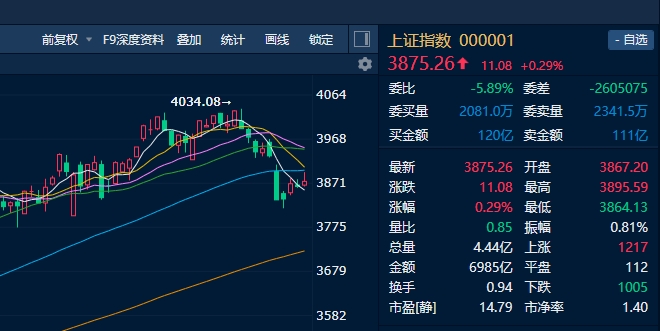
Core Viewpoint - The recent fluctuations around the 4000-point mark of the Shanghai Composite Index are attributed to a battle between bullish and bearish factors, alongside a transformation in market structure. Compared to historical instances, the current A-share market shows significant advantages in growth logic, valuation levels, and industrial foundation, suggesting a potential for a more stable mid-to-long-term market trend as multiple positive factors continue to unfold [1][2][7]. Group 1: Market Fluctuations - The 4000-point level serves as a crucial psychological barrier, leading to intense market fluctuations due to the clash of bullish and bearish sentiments. The Shanghai Composite Index briefly surpassed 4000 points on October 29, 2023, but subsequently fell below this level, indicating ongoing volatility [2][3]. - The internal structure of the market reveals that sector rotation and profit-taking demands are direct causes of the fluctuations. The recent rally has been primarily driven by AI technology stocks, which have seen rapid short-term gains, leading to adjustments as investors lock in profits [3][5]. Group 2: Market Structure Changes - The current market structure, valuation levels, and growth logic have undergone profound changes compared to previous instances of the index reaching 4000 points. The contribution of technology stocks to the index's rise has significantly increased, with their weight in the index rising from less than 5% in 2015 to 17% now [6]. - Valuation comparisons indicate that the current price-to-earnings (PE) ratio remains relatively reasonable, fluctuating between 16-17 times, compared to historical PE ratios that often exceeded 20-30 times when the index previously reached 4000 points [5][6]. Group 3: Future Outlook - Despite the current fluctuations, many institutions maintain a positive outlook for the A-share market, believing it can surpass the historical "curse" associated with the 4000-point level. Factors supporting this optimism include a low interest rate environment, ongoing industrial upgrades, and supportive policies aimed at encouraging investment and financing [7][8]. - The market is expected to transition from a previous focus on technology stocks to a more balanced structure, with an emphasis on sectors that demonstrate strong performance and growth potential. Investment strategies may include a "barbell" approach, focusing on both high-growth technology stocks and undervalued defensive sectors [8][9].
深市公司悉尼路演
Sou Hu Cai Jing· 2025-11-27 23:16
【深圳商报讯】(记者 钟国斌)11月26日,深交所组织上市公司赴澳大利亚举办"投资中国新机 遇"——深市上市公司悉尼路演交流会,旨在向当地投资者面对面讲好上市公司创新发展故事,展示"十 五五"时期中国经济高质量发展前景,宣介中国资本市场发展动态与深市投资新机遇。 参与路演的深市上市公司向澳大利亚的投资机构介绍了企业研发及技术突破情况。 近70名来自澳大利亚大型养老金、知名资产管理公司等投资机构的代表参会。与会澳大利亚投资机构代 表普遍表示,看好新一轮科技革命和产业变革下深市相关公司的长期发展前景与投资价值。 本次活动是深交所连续第二年组织上市公司赴澳大利亚路演,天齐锂业、金风科技、欣旺达、麦格米 特、胜宏科技、立讯精密等6家来自绿色低碳、高端制造等新质生产力领域的深市代表性上市公司参与 路演。 ...
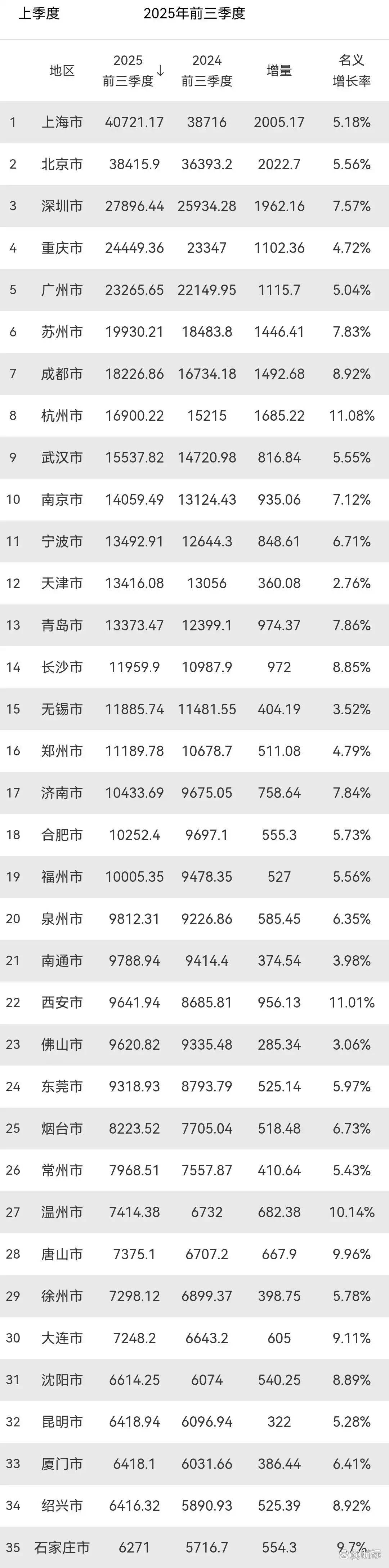
最新公开!全国GDP35强城市大洗牌:深圳近3万亿,宁波逆袭天津,徐州落后唐山!
Sou Hu Cai Jing· 2025-11-26 19:09
Core Insights - The economic landscape of Chinese cities is undergoing dynamic adjustments driven by regional coordination policies and new productive forces, with significant growth observed in the top 35 cities, highlighting the resilience of the Chinese economy [1] Group 1: Economic Performance - In the first three quarters of 2025, Shenzhen's GDP reached 27,896.44 billion, with a nominal growth rate of 7.57%, nearing the 30 trillion mark [2][4] - Shanghai and Beijing also showed strong performance, with GDPs of 40,721.17 billion and 38,415.9 billion respectively, reflecting growth rates of 5.18% and 5.56% [2][3] - Ningbo surpassed Tianjin with a GDP of 13,492.91 billion, achieving a growth rate of 6.71% compared to Tianjin's 2.76% [6][7] Group 2: Sectoral Insights - Shenzhen's growth is attributed to its strategic positioning as a "pilot demonstration zone" and the integration of technology, industry, and finance, with a notable increase in patent applications and digital trade [4][5] - Ningbo's economic surge is linked to its port and new manufacturing capabilities, with a significant increase in container throughput and a 15.4% growth in high-end petrochemical industry value [6][7] - Tangshan's growth is driven by the acceleration of traditional industry upgrades, particularly in steel production, while Xuzhou is experiencing a slower transition due to its reliance on traditional manufacturing [8][10]
深市企业组团澳洲路演 圈粉海外长期资本
Zheng Quan Shi Bao· 2025-11-26 18:12
Group 1 - The event organized by the Shenzhen Stock Exchange in Australia aims to showcase the innovative development stories of listed companies and highlight the high-quality development prospects of China's economy during the 14th Five-Year Plan period [1] - Six representative listed companies from Shenzhen, including Tianqi Lithium (002466) and Goldwind Technology (002202), participated in the roadshow, focusing on sectors such as green low-carbon and high-end manufacturing [1] - Nearly 70 representatives from major Australian pension funds and well-known asset management companies attended the event, facilitating direct communication about China's industrial upgrades and capital market investment opportunities [1] Group 2 - Australian investment representatives expressed that Chinese companies are accelerating technological innovation and transitioning from "technology followers" to "standard setters," indicating a shift in China's industrial system towards quality enhancement [2] - The face-to-face interactions with company executives provided Australian investors with a clearer understanding of the companies' operational status, strategic layout, and international competitiveness, leading to optimism about the long-term development prospects of related companies [2] - The Shenzhen Stock Exchange plans to further enhance the quality of services connecting listed companies with foreign investors, aiming to create a favorable investment environment for international investors [2]
在数千家企业中,寻找穿越周期的商业力量
经济观察报· 2025-11-26 15:16
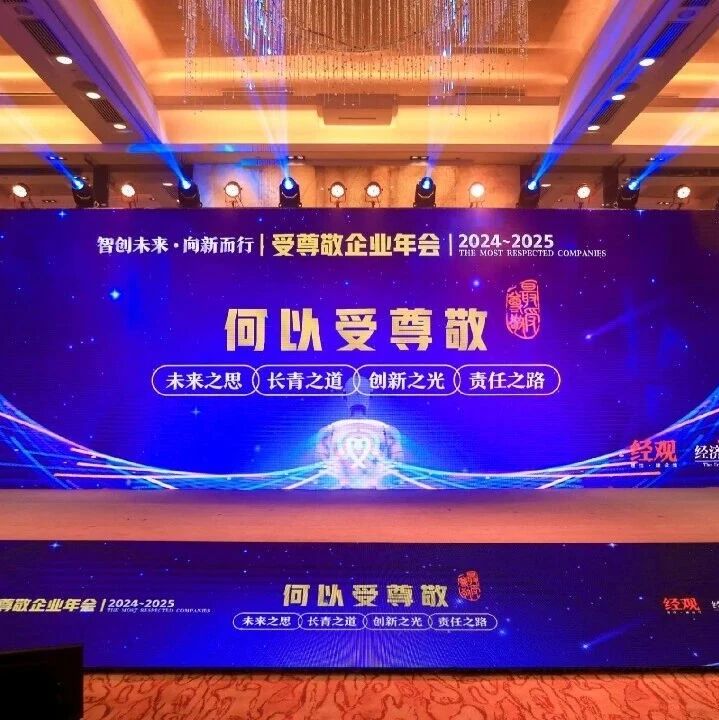
Core Viewpoint - The conference emphasized the importance of innovation and long-term vision for companies in navigating the complexities of the digital economy and achieving high-quality development in China [2][3][4]. Group 1: Respected Enterprises - The "2024-2025 Respected Enterprises" and "Respected Leading Enterprises" were honored based on extensive research across thousands of companies and key industries, focusing on operational quality, innovation, public trust, social contribution, and annual impact [3]. - Notable companies recognized include Anta, BYD, Huawei, JD.com, Meituan, Qingdao Beer, China Ping An, and China Feihe, which are seen as pivotal in driving growth and forming the foundation for high-quality development in China [3]. - The concept of "respected" has evolved to mean that these companies should not only contribute to economic growth but also address social issues and create societal value [3]. Group 2: Role of Entrepreneurs - Entrepreneurs play an irreplaceable role in the new development cycle, focusing on long-termism and the overall welfare of stakeholders, not just short-term profits [4]. - The pursuit of being "respected" can be viewed as part of a company's premium, reflecting higher aspirations beyond mere commercial success [4]. Group 3: Innovation and Quality - High quality is deemed the solid foundation for respected enterprises, with a focus on innovation and management capabilities [7]. - Companies are encouraged to prioritize quality innovation to meet the evolving demands of consumers and navigate uncertainties in the market [7]. Group 4: Financial Sector Insights - Beijing Bank reported a 20% increase in technology financial loans and a 26% increase in green loans, emphasizing the importance of serving the real economy [9]. - China Ping An highlighted the role of AI in reshaping the financial industry, implementing a comprehensive "AI in All" strategy to enhance operations and customer service [11]. Group 5: Regulatory Environment - The implementation of antitrust laws is seen as a catalyst for improving product quality and pushing industries towards higher standards [14]. - Antitrust compliance is viewed as a means to foster fair competition, compelling companies to focus on quality products to gain market share [14]. Group 6: Future Outlook - The development of new productive forces is rooted in technological self-reliance and innovation, with China building a robust computing infrastructure to support AI and other advanced technologies [17]. - The emergence of AI and related technologies is expected to disrupt various industries, creating new opportunities for growth and innovation [17].
顺创产投的「耐心」哲学:从「投资」到「服务」,做企业成长的同行者
36氪· 2025-11-26 09:27
Core Viewpoint - The concept of "patience" in investment is not merely about long-term holding but involves understanding industrial and economic development patterns, serving as a partner to entrepreneurs to navigate economic cycles together [2][3]. Investment Philosophy - Shunchuang Chantuo emphasizes "patient capital" in its investment philosophy, which is rooted in a deep understanding of industry and economic trends, and aims to support entrepreneurs through various economic cycles [3][6]. Investment Strategy and Performance - Since its establishment in January 2023, Shunchuang Chantuo has launched 12 funds with a total scale exceeding 4 billion yuan, focusing on hard technology sectors such as autonomous driving, high-end manufacturing, and synthetic biology [3]. - The firm has invested in innovative technology companies like Zhuxian Technology and Zhongke Hongtai, which possess core innovation capabilities [3]. Role as a Service Provider - Shunchuang Chantuo positions itself as a service provider rather than just an investor, addressing the specific pain points and real demands of portfolio companies by offering strategic guidance, management consulting, and resource integration [6][9]. - For instance, in its management of Zhuxian Technology, the firm has facilitated connections with key potential clients in the logistics sector and supported the company in navigating market strategies [9]. Focus on Micro-Innovation - The firm believes that true innovation does not always come from revolutionary technologies but often from stable, reliable, and cost-effective solutions that can be quickly applied in real-world scenarios [12][13]. - Companies like Zhongke Hongtai and Juyuan Robotics exemplify this approach, achieving breakthroughs in cost-effective production methods and automation in challenging work environments [14][15]. Diverse Perspectives in Investment Decisions - Shunchuang Chantuo benefits from a diverse LP structure, which includes financial institutions and industrial enterprises, providing a multifaceted perspective on risk control and industry judgment [17]. - The firm employs a fund segmentation strategy to balance the diverse demands of its LPs, ensuring clarity and efficiency in investment decisions [17]. Definition of Investment Success - Success is not solely defined by financial returns but also by the validation of economic cycles, industry, and founder judgments, which reflect the team's commitment to the "patient capital" philosophy [18][19].