
快餐

Search documents
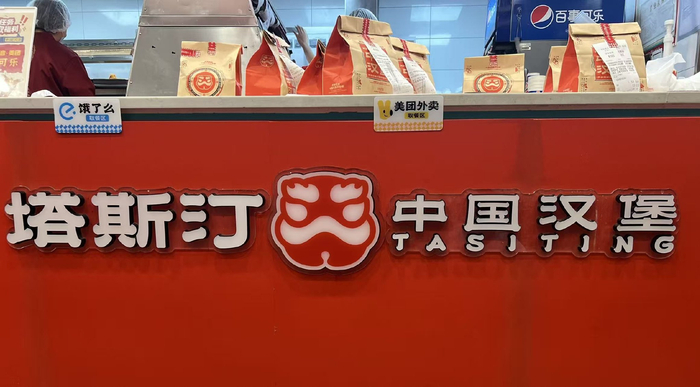
塔斯汀关店,加盟商为疯狂扩张买单
Xin Lang Cai Jing· 2025-12-04 03:06
Core Insights - Tasting, a rapidly expanding Chinese hamburger brand, is facing challenges with a high rate of store closures despite reaching over 10,000 locations [1][4][10] Group 1: Store Expansion and Closure Dynamics - Tasting opened 968 new stores and closed 907 in the past 90 days, resulting in approximately 10,296 operating stores [1] - Compared to established brands like Wallace and KFC, Tasting has a significantly higher closure rate, indicating potential instability in its expansion strategy [1][10] - The rapid expansion of Tasting, which reached 10,000 stores in just 13 years, was faster than Wallace and KFC, which took 18 and 36 years respectively [7][9] Group 2: Franchise and Market Challenges - The high closure rate may be attributed to over-saturation in certain areas, leading to poor performance and unsustainable operations for many franchisees [3][5] - Tasting's aggressive entry into first-tier cities has resulted in fierce competition with established brands, which may have better consumer acceptance and promotional strategies [5][10] - The average payback period for franchisees has extended to around two years, indicating a decline in profitability opportunities [12] Group 3: Strategic Implications and Future Outlook - Despite closures, Tasting continues to seek new franchisees, particularly in key regions like Beijing and Shanghai, suggesting ongoing expansion plans [10] - The brand's management may be strategically closing underperforming stores to optimize franchise quality and improve overall brand performance [14] - Tasting's future growth will depend on its ability to attract quality franchisees and effectively communicate its value proposition to potential investors [10][14]

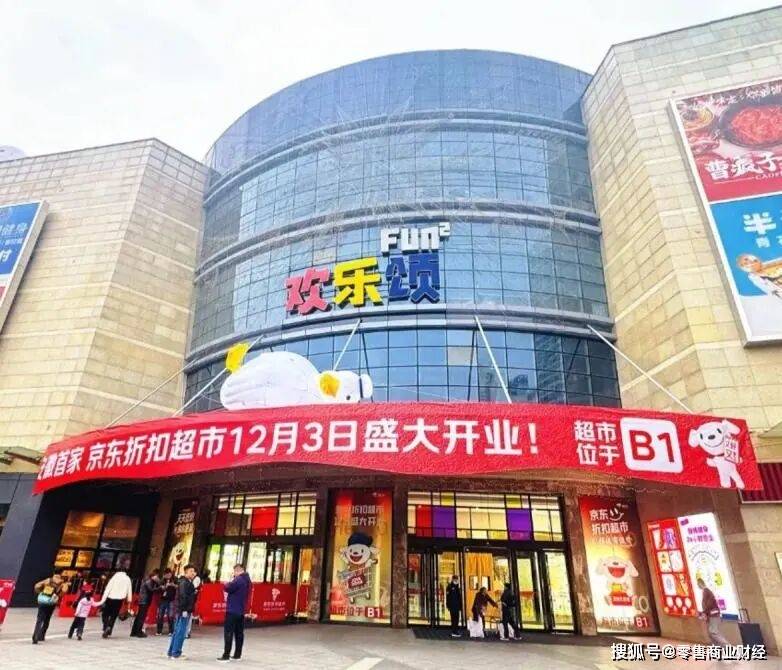
京东折扣超市安徽首店开业;林清轩再次递表港交所
Sou Hu Cai Jing· 2025-12-04 00:18
Group 1: JD Discount Supermarket - JD Discount Supermarket opened its first store in Anhui, located in Hefei, with long queues on the opening day [1] - The store follows JD's "large store, multiple SKUs" model, utilizing a self-built warehouse of 14,000 square meters for efficient delivery within a 25-kilometer radius [1] - The product selection focuses on high-cost performance nationwide goods while incorporating local Anhui specialties [1] Group 2: Dingdong Maicai - Dingdong Maicai launched a seafood processing service nationwide, offering various processing options for popular fish types [3] - In Jiangsu, over 70% of users opted for processing services when purchasing black fish, with sliced processing accounting for 60% of those choices [3] Group 3: Meituan and Starbucks - Meituan Longzhu's founder revealed that they exited the first round of bidding for Starbucks China due to failed verification [5] - The founder predicts a slowdown in the tea beverage market growth after reaching a scale of 400 billion yuan, while the coffee market is expected to grow to 600 billion yuan [5] Group 4: Walmart - Walmart announced a $350 million investment to build a second milk processing plant in Valdosta, Georgia, to strengthen its supply chain [12] - The new facility will create over 400 jobs and supply milk to more than 650 Walmart and Sam's Club locations in the southeastern U.S. [12] Group 5: Alibaba Foundation - Alibaba Foundation released a report on its progress in assisting people with disabilities, highlighting the increasing role of AI in creating accessible environments [13] - The foundation's initiatives have helped over 18,000 disabled individuals earn income through various projects [13] Group 6: Cainiao - Cainiao's unmanned vehicle delivery network has expanded to over 30 cities in China, enhancing supply chain efficiency [14] - The solution allows for real-time replenishment and dynamic route planning, upgrading the traditional delivery model [14] Group 7: KFC Expansion - KFC plans to double the number of its restaurants in Europe over the next five years, marking a significant expansion [15] Group 8: Lin Qingxuan - Lin Qingxuan submitted a new application for listing on the Hong Kong Stock Exchange, planning to issue up to 16.06 million shares [17] Group 9: Tianjin Snack Growth - Tianjin's Le Ba potato chips saw a tenfold increase in sales on Pinduoduo, leveraging innovative flavors and nostalgic appeal [18] Group 10: New Store Openings - Sushi Lang will open two new stores in Shanghai, marking its first locations in the city [20] - Beijing added over 960 new stores in the first 11 months of 2025, highlighting the growth of the first-store economy [22]

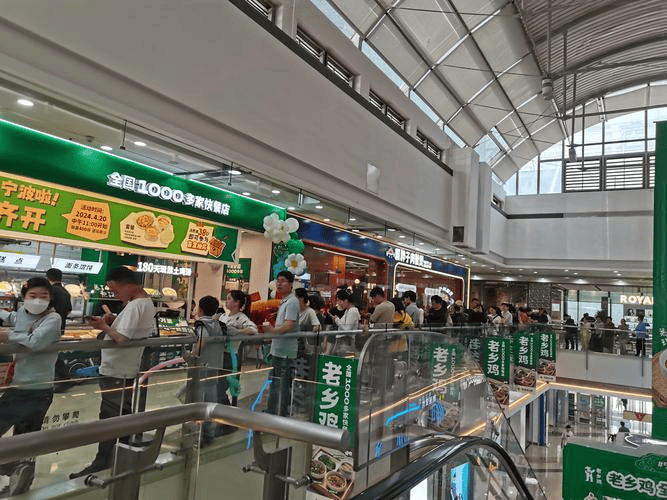
老乡鸡如何以亲民价格锚定中式快餐龙头地位
Sou Hu Cai Jing· 2025-12-02 11:12
Core Insights - The article highlights the competitive landscape of the Chinese fast food market, emphasizing the importance of pricing as a key factor in consumer decision-making and market share acquisition [1] - The company, Lao Xiang Ji, has established a strong foothold in the market through a "family kitchen" concept and a precise pricing strategy, achieving steady growth in both scale and profit [1] Pricing Strategy - Lao Xiang Ji's pricing is closely aligned with consumer demand, maintaining a competitive and sustainable price range, with an average consumer spending of 27.5 yuan in direct stores and 28.9 yuan in franchise stores for 2024 [3] - The pricing strategy is regionally differentiated, with average spending varying from 26.3 yuan to 29.5 yuan across different provinces, catering to local consumption capabilities while maintaining brand consistency [3] - The introduction of vegetable-based dishes, priced lower than meat dishes, has effectively attracted health-conscious consumers, increasing foot traffic and repeat purchases despite a slight decrease in overall average spending [3] Cost Management - The company has implemented meticulous cost control across its entire supply chain, from breeding to logistics, which supports its stable pricing system [4] - Lao Xiang Ji operates three green chicken farms in Anhui for standardized meat supply, collaborates with over 500 suppliers to mitigate risks, and utilizes two automated central kitchens to lower processing costs [4] - The logistics network, consisting of eight distribution centers, ensures timely delivery of ingredients, reducing waste and logistics costs, thereby enhancing resilience against raw material price fluctuations [4] Competitive Advantage - The brand's pricing strategy adheres to the principle of "quality-price matching," ensuring affordable prices while maintaining consistent quality through standardized operations [5] - The average daily sales per store reached 15,100 yuan in 2024, with a turnover rate of 4.4, both exceeding industry averages, demonstrating the effectiveness of combining pricing strategy with quality assurance [5] - Lao Xiang Ji's operational logic provides significant insights for the industry, particularly in navigating the dual pressures of consumer upgrading and rising costs, through a three-dimensional strategy of cost reduction, differentiated pricing, and value assurance [5]

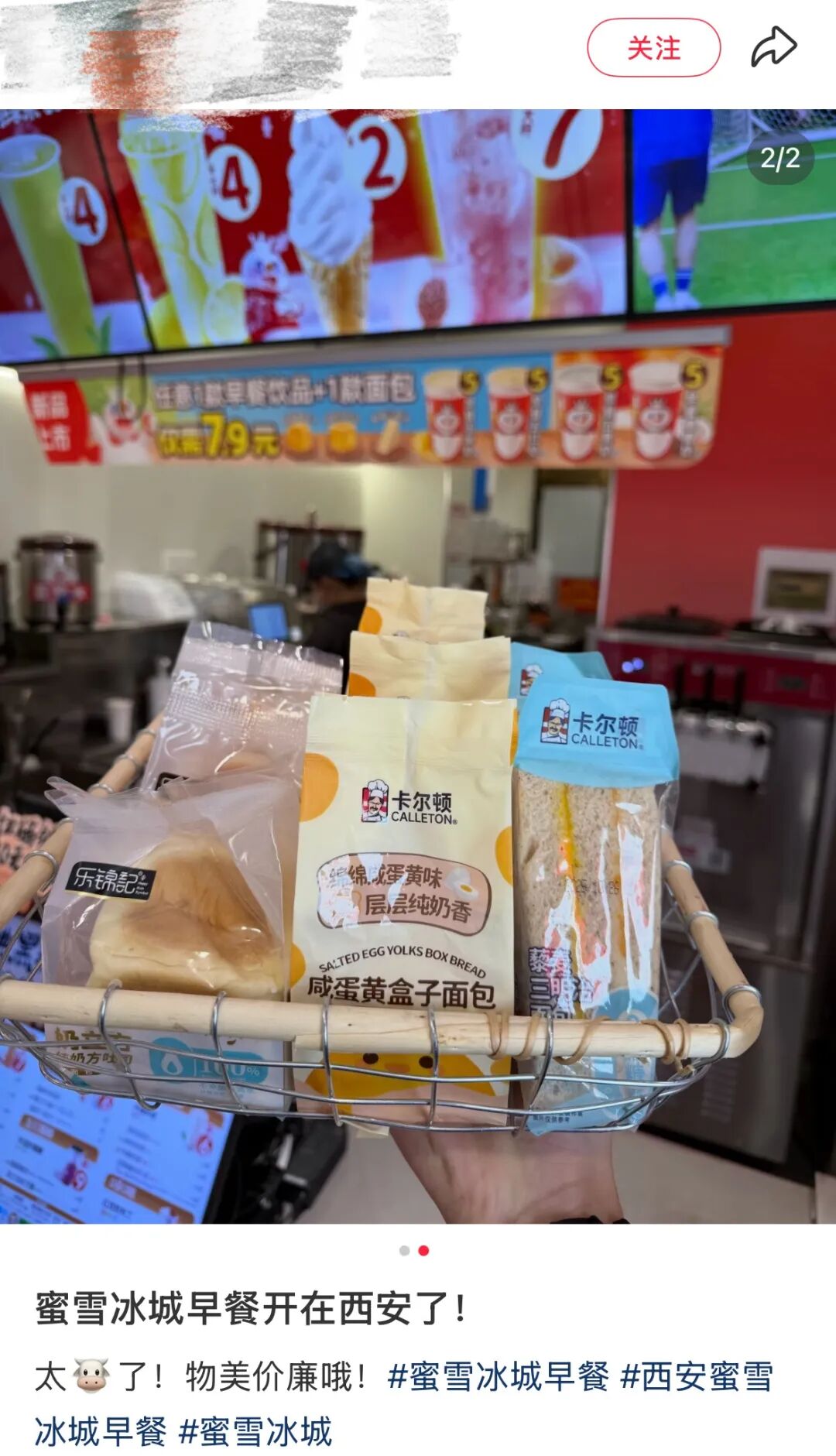
早餐套餐开卖,蜜雪冰城太想进步了
3 6 Ke· 2025-12-02 10:57
Core Insights - The entry of the chain restaurant brand into the breakfast market indicates that it is not yet saturated, as evidenced by the recent testing of breakfast items in various cities [1][10] - The breakfast offerings include a combination of drinks and staple foods, with prices set at competitive levels compared to other market players [5][8] Company Strategy - The company is conducting a broad survey and small-scale trials to assess consumer interest in breakfast items, indicating a formal launch of its breakfast plan [1][10] - The breakfast menu features a mix of familiar items, such as drinks priced at 5 yuan and staple foods at 2.9 yuan each, aiming to attract a wide customer base [5][6] Market Positioning - The breakfast products are designed to fill a market gap, providing a cleaner and more affordable option compared to street vendors while being cheaper than premium coffee shops [8][9] - The company aims to extend operational hours to maximize store utilization and maintain a presence in the high-frequency morning consumption period [9][10] Competitive Landscape - The breakfast segment is highly competitive, with established brands like KFC and McDonald's also expanding their breakfast offerings, highlighting the importance of this market [11] - The company’s strategy may involve testing the overall viability of breakfast sales to enhance store efficiency and stimulate sales, rather than focusing solely on specific product performance [10][12] Future Considerations - The success of the breakfast initiative will depend on the ability to provide suitable services in appropriate locations, as not all stores may be ideal for breakfast sales [11][12] - The company is exploring ways to increase sales volume and improve store efficiency, which is critical in a market where breakfast is often a low-margin business [12]
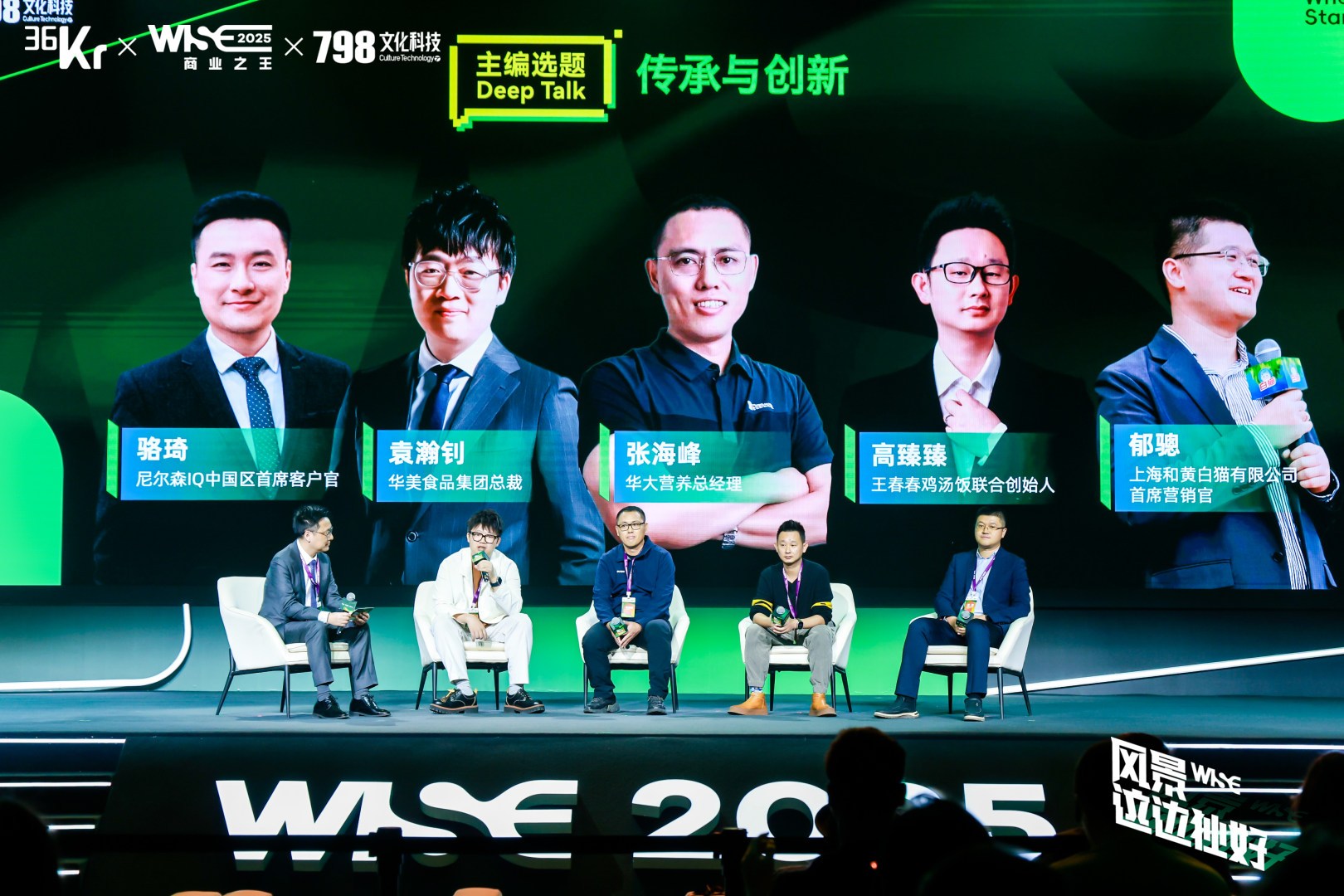
消费蝶变 传承与创新| 36氪 WISE2025 商业之王大会
3 6 Ke· 2025-12-02 09:45
Core Insights - The WISE 2025 Business King Conference, held in Beijing, emphasizes an immersive experience rather than a traditional summit, focusing on trends in technology and business practices for 2025 [1] - The conference aims to dissect the underlying logic of various business practices and innovations, highlighting the importance of cultural integration and technological advancements in traditional industries [1] Group 1: Industry Transformation - Traditional enterprises are encouraged to innovate amidst rapid market changes, with a focus on maintaining quality and brand stability [9][10] - The concept of "cultural empowerment" is introduced as a strategy for traditional brands to resonate with modern consumers, exemplified by the establishment of China's first mooncake museum by Huamei Foods [11][12] - The importance of adapting to consumer preferences while preserving traditional values is emphasized, showcasing how companies can thrive by blending heritage with modern demands [12][18] Group 2: Company Innovations - Huada Nutrition has pioneered a personalized approach to gut health, utilizing individual gut microbiome data to create tailored probiotic solutions, marking a significant shift in the industry [14][16] - Wangchun Chicken Soup has introduced innovative products targeting specific consumer needs, such as beauty and wellness, while maintaining traditional culinary practices [19][20] - Bai Mao's strategy focuses on creating differentiated value through product innovation, such as the introduction of foam pump dishwashing liquid, catering to the preferences of younger consumers [29][30]
传安踏参与竞购彪马;百胜中国2030年将开至3万家店;中国奢侈品市场有复苏迹象|品牌周报
36氪未来消费· 2025-11-30 11:10
Group 1: Anta's Acquisition of Puma - Anta has joined the bidding for Puma, competing with Li Ning, Asics, Authentic Brands Group, and CVC [3] - Puma's stock surged 18.91% following the news of Anta's interest, although its market value has decreased to €2.5 billion [3] - Puma has faced significant challenges, with a cumulative decline of over 50% in stock price this year and expected losses in 2023 [3][4] Group 2: Yum China Expansion Plans - Yum China aims to open 30,000 stores by 2030, significantly increasing from its current 17,000+ locations [6] - The company plans to double its store count by 2026, with KFC and Pizza Hut as core growth drivers [6][7] - Yum China's aggressive expansion is a response to increasing competition in the Chinese fast-food market, which is projected to reach ¥1.2 trillion by 2024 [7] Group 3: Recovery in Luxury Goods Market - Several luxury brands, including LVMH and Cartier, have reported positive growth in China for Q3 2025 [8][9] - The recovery is attributed to improved macroeconomic conditions and a resurgence in consumer spending, as indicated by rising stock indices [9] - The luxury sector's performance in Q4 will be crucial to determine if a sustained recovery is underway [9] Group 4: New Retail Strategies - Belle International has opened its first concept store in Shenzhen, focusing on immersive shopping experiences [11] - Dongpeng Beverage is launching a new sugar-free tea product, targeting the 3 yuan ready-to-drink tea market [12] - The multi-category strategy is essential for Dongpeng as it faces declining revenue from energy drinks, with energy drink sales dropping to 74.63% of total revenue [12] Group 5: Marketing Innovations - FamilyMart and Bright Dairy have collaborated on a short drama to enhance customer engagement and drive sales [14] - McDonald's "cat nest" marketing campaign has generated significant social media buzz, leveraging the popularity of pets to enhance brand appeal [15] Group 6: Corporate Developments - Skechers' acquisition negotiations have faced challenges, with a hedge fund seeking a reassessment of the company's valuation [17] - IFBH Limited, the parent company of if coconut water, has seen its stock price drop over 60% since its peak in July [17] - EssilorLuxottica is reportedly looking to acquire 5-10% of Giorgio Armani's shares following the founder's passing [18]



披萨赛道又迎来了万店巨头
东京烘焙职业人· 2025-11-30 08:33
Core Viewpoint - Tastin is strategically re-entering the pizza market by leveraging its successful experience in the Chinese hamburger sector, aiming to redefine pizza with a "Chinese flavor" approach and a focus on cost-effectiveness [4][7][50]. Group 1: Business Strategy - Tastin's re-launch of its pizza business is not a simple return but a strategic attempt to apply its successful product logic from the hamburger sector, specifically "Chinese fillings + handmade dough," to the pizza category [7][32]. - The company aims to redefine the pizza category by integrating "Chinese flavor" into its offerings, targeting a price range below 30 yuan to attract mainstream consumers [8][24]. Group 2: Store Image and Product Strategy - The new store design has shifted from a traditional "Chinese red" to a bright yellow color scheme, enhancing the fast-food attributes and creating a lively dining atmosphere [9][10][12]. - Tastin has developed a pizza matrix that combines Chinese-style pizzas with Western-style options, featuring unique flavors such as Kung Pao Chicken and Peking Duck [17][21][23]. Group 3: Pricing Strategy - Tastin's pricing strategy focuses on the mainstream market with pizzas priced between 18-28 yuan, aligning with consumer trends that favor affordable options [24][26]. - The company aims to offer high value for money, with a significant portion of the pizza market projected to be under 30 yuan by 2025 [26]. Group 4: Market Context and Growth Potential - Despite achieving over 10,000 stores, Tastin faces slowing growth and is seeking new avenues for expansion, with the pizza market presenting a significant opportunity due to its large size and the absence of dominant brands [28][31]. - The pizza market is projected to exceed 50 billion yuan by 2025, with a substantial share of consumers preferring affordable options, which aligns with Tastin's strategy [31]. Group 5: Competitive Landscape and Challenges - Tastin's entry into the pizza market faces competition from established brands like "Zunbao Pizza" and "Zhigen Zhidian," which have already captured significant market share with competitive pricing [41][42]. - The company must navigate challenges related to product differentiation and operational expertise, as the pizza segment requires distinct knowledge compared to hamburgers [44][45]. Group 6: Future Outlook - Tastin's approach to re-entering the pizza market is seen as a calculated move to enhance its brand identity and explore new growth avenues, focusing on a gradual and steady development strategy [48][50].
从产品出海到模式出海,鱼你在一起解码餐饮供应链新质力
Qi Lu Wan Bao· 2025-11-30 07:25
Core Insights - The upcoming full closure of Hainan is seen as a historic opportunity for Chinese cuisine to expand internationally, particularly in Southeast Asia [1][3] - The forum held in Hainan focused on the new development landscape of the restaurant supply chain under the backdrop of the closure, highlighting the potential for lower costs and higher efficiency for Chinese brands [1][3] Group 1: Policy and Economic Context - Hainan is set to implement a special tax system characterized by "zero tariffs, low tax rates, and simplified tax systems" by the end of 2025, which will benefit industries like food processing and cross-border trade [3] - In 2024, Hainan's trade with RCEP countries is projected to exceed 1029.8 billion, with a significant increase in trade with ASEAN countries, which reached 579.1 billion, marking a 62.3% growth [3] Group 2: Company Strategy and Market Expansion - The founder of "Fish You Together" emphasized that the closure of Hainan is not merely a policy benefit but a restructuring of the supply chain, allowing for deeper market penetration in Southeast Asia [1][3] - The brand has successfully opened multiple locations in Malaysia and Thailand, demonstrating strong market acceptance and growth potential [3] Group 3: Supply Chain and Quality Management - The company has invested heavily in supply chain management and product quality, establishing a rigorous supplier admission mechanism and obtaining various international certifications [5][7] - The focus on supply chain efficiency is seen as crucial for maintaining high product quality across global locations, with a commitment to a traceable quality control system [7][9] Group 4: Strategic Vision for Globalization - The company aims to build a resilient and agile global supply chain to support its international expansion, combining global standardization with local sourcing [9] - A high-level food safety management system is being developed to enhance quality control as a core competitive advantage [9]

星巴克、汉堡王接连卖身,用控股权换生存?
Sou Hu Cai Jing· 2025-11-29 15:06
Group 1 - McDonald's sold most of its stake in its mainland China and Hong Kong operations in 2017, leading to a name change to "Golden Arches (China) Co., Ltd," which sparked widespread discussion online [1] - The initial perception was that this represented a retreat of an international giant, but over the years, other global brands like Starbucks, Burger King, and COSTA have followed similar paths, indicating a broader trend [1] - This trend suggests a fundamental change in the rules of the game within the Chinese market [1] Group 2 - International brands have historically leveraged strong brand power, standardized operations, and advanced concepts like the "third space" to successfully educate and develop the Chinese market and consumers [2]

快餐帝国(01843)发布中期业绩 股东应占亏损103.4万坡元 同比盈转亏
Zhi Tong Cai Jing· 2025-11-28 11:34
Core Viewpoint - Fast Food Empire (01843) reported a significant shift from profit to loss in its interim results for the six months ending September 30, 2025, indicating potential challenges in maintaining profitability [1] Financial Performance - The company achieved revenue of 16.179 million Pogo dollars, representing an increase of 11.47% year-on-year [1] - The loss attributable to equity holders amounted to 1.034 million Pogo dollars, marking a transition from profit to loss compared to the previous year [1] - Basic loss per share was reported at 0.12 Pogo cents [1]