
保险

Search documents
兼评3月PMI数据:PMI重回扩张,预计Q1GDP同比约5.0%
KAIYUAN SECURITIES· 2026-03-31 12:16
Manufacturing Sector - March manufacturing PMI improved to 50.4%, up 1.4 percentage points month-on-month, indicating a return to expansion[3] - The production index rose by 1.8 percentage points to 51.4%, while new orders increased by 3.0 percentage points to 51.6%[14] - Industrial raw material prices have rebounded significantly, with March PPI expected to rise by approximately 0.3% year-on-year[20] Non-Manufacturing Sector - Construction PMI increased by 1.1 percentage points to 49.3%, benefiting from the gradual resumption of projects post-holiday[22] - Service sector PMI rose to 50.2%, a 0.5 percentage point improvement, although new orders remain weak[30] Economic Outlook - Q1 GDP is projected to grow by approximately 5.0% year-on-year, supported by AI demand and fiscal spending[6] - The growth forecast includes primary, secondary, and tertiary industries at approximately 3.5%, 5.2%, and 5.0% respectively[34] - Input inflation may pressure profits in downstream enterprises, necessitating timely policy responses to support economic recovery[33] Risks - Potential risks include unexpected policy changes and a possible recession in the U.S. economy impacting domestic exports[35]
保险行业2025年年报综述:资负双轮驱动利润增长,上市险企增配二级权益1.5万亿元
Shenwan Hongyuan Securities· 2026-03-31 12:16
Investment Rating - The report maintains a positive outlook on the insurance sector, recommending specific companies such as China Ping An, China Pacific Insurance, China Life (H), New China Life, and China Taiping, while suggesting to pay attention to ZhongAn Online and China Taiping [4][6]. Core Insights - The insurance sector in A-shares is projected to achieve a total net profit attributable to shareholders of 425.3 billion yuan in 2025, reflecting a year-on-year growth of 22.4% [4][10]. - The net profit growth is driven by both asset and liability sides, with insurance service performance and investment performance contributing significantly [4][11]. - The new business value (NBV) for A-share insurance companies is expected to grow by 35.8% year-on-year to 126.7 billion yuan, with new single premiums increasing by 11.1% to 696.2 billion yuan [4][43]. - The investment scale in secondary equity for listed Chinese insurance companies is anticipated to increase by 1.5 trillion yuan, with a 63% growth compared to the beginning of the year [4][10]. Summary by Sections Profitability - The total net profit attributable to shareholders of A-share insurance companies is projected to reach 425.3 billion yuan in 2025, with a year-on-year increase of 22.4% [4][10]. - The profit structure is balanced, with pre-tax profit contributions from liabilities and assets at 46.9% and 55.0%, respectively [4][11]. - The insurance service performance is expected to grow by 19.7% year-on-year to 257 billion yuan, while investment performance is projected to increase by 39.3% to 301.2 billion yuan [4][14]. New Business Value (NBV) - The NBV for A-share insurance companies is expected to grow by 35.8% year-on-year to 126.7 billion yuan, driven by a robust increase in new single premiums [4][43]. - The contribution from the bancassurance channel is significant, with a year-on-year increase of 116.8% to 32.8 billion yuan, enhancing its importance in the overall business [4][51]. Investment Scale - The secondary equity investment scale of listed Chinese insurance companies is projected to increase by 1.5 trillion yuan, reflecting a 63% growth compared to the beginning of the year [4][10]. - The total investment income for A-share insurance companies is expected to grow by 21.8% year-on-year to 962.6 billion yuan, with various components contributing to this growth [4][29]. Dividend and Shareholder Returns - The report indicates that cash dividends are a core strategy for market value management among listed insurance companies, with dividend per share (DPS) expected to increase [4][32]. - The dividend yield for listed insurance companies ranges from 2.3% to 6.4%, indicating an attractive return for investors [4][32].



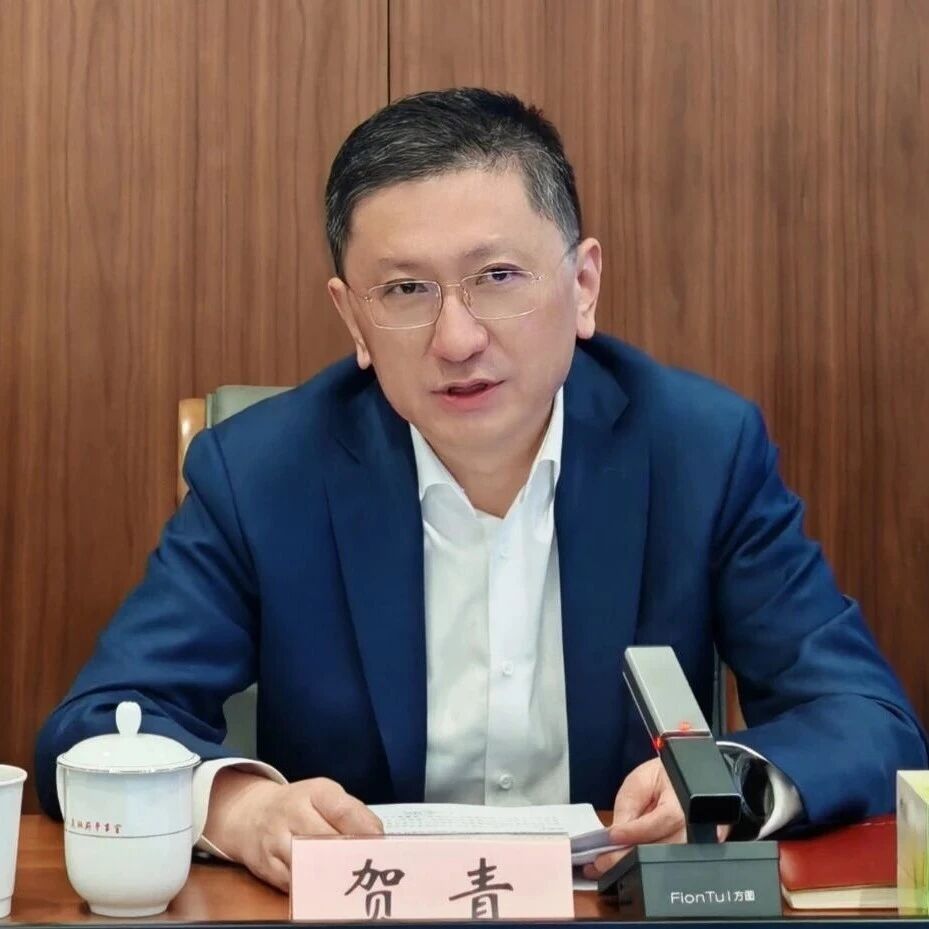
贺青,任上海市副市长!
券商中国· 2026-03-31 11:52
据"上海人大"微信公众号消息,上海市十六届人大常委会第二十九次会议今天(3月31日)通过有关 人事任免事项,决定任命贺青为上海市副市长。 贺青此前担任上海市国资委党委书记、主任。 贺青职业生涯起步于金融业,从业经历横跨"银、保、证"三大金融领域,金融履历丰富。 公开信息显示,贺青,1972年2月生,籍贯湖南湘潭,1994年毕业于上海工程技术大学技术经济专业。甫一毕 业,贺青便加入了中国工商银行上海市分行,担任国际业务部科员、出口组组长等职位,开启了他在银行业20 多年的生涯。 1998年,贺青加入美国大通银行上海分行;2001年又加入上海银行浦东分行,担任国际业务部经理、行长助理 等职位。2004年至2007年,贺青担任上海银行总行国际业务部总经理、公司金融部总经理、行长助理。2007 年,贺青担任上海银行副行长兼上海闵行上银村镇银行股份有限公司董事长。 2007年至2009年,贺青在中欧国际工商学院学习,获高层管理人员工商管理硕士学位。贺青在上海银行任职15 年间,曾是上海银行最年轻的副行长,后从银行业转战保险业。 2015年11月,贺青加入中国太平洋保险(集团)股份有限公司,担任党委副书记、副总裁;201 ...

2026年3月PMI分析:需求回暖强于生产,价格波动明显放大
Yin He Zheng Quan· 2026-03-31 11:39
Economic Indicators - The manufacturing PMI for March 2026 is 50.4%, up 1.4 percentage points from the previous month, indicating expansion[1] - The production index recorded 51.4%, an increase of 1.8 percentage points, while the new orders index reached 51.6%, up 3.0 percentage points, marking the first time in 23 months that new orders exceeded production[3] Demand and Supply Dynamics - Demand recovery is stronger than production, with new orders showing significant improvement driven by high-tech manufacturing, equipment manufacturing, and consumer goods[1][4] - New export orders increased by 4.1 percentage points to 49.1%, the highest since May 2024, indicating resilient external demand despite geopolitical tensions[3] Price Trends - The main raw materials purchase price index rose to 63.9%, a significant increase of 9.1 percentage points, while the factory price index increased to 55.4%, up 4.6 percentage points[4][6] - Brent crude oil averaged $98.71 per barrel in March, up 42% month-on-month, contributing to rising costs in logistics and raw materials[6] Inventory and Procurement - The procurement index rose to 50.9%, indicating a return to expansion, while raw materials inventory index remained at 47.7%, indicating a cautious approach to inventory replenishment[7] - Finished goods inventory index decreased to 46.7%, reflecting limited recovery in stock levels despite improved procurement activities[7] Sector Performance - The PMI for high-tech manufacturing reached 52.1%, while equipment manufacturing and consumer goods sectors recorded PMIs of 51.5% and 50.8%, respectively, indicating broad-based sectoral recovery[4][8] - Small and medium enterprises showed marginal improvement, with PMIs of 49.3% and 49.0%, respectively, still below the expansion threshold[8]
2026年3月PMI点评:制造业供需两旺,价格指数加速上行
EBSCN· 2026-03-31 11:06
Manufacturing Sector - The manufacturing PMI for March 2026 is reported at 50.4%, an increase of 1.4 percentage points from the previous month, indicating a return to the expansion zone[2][4] - The production index rose by 1.8 percentage points, while the new orders index increased by 3.0 percentage points, reflecting a positive trend in manufacturing activities[4][12] - The proportion of companies reporting insufficient demand decreased to 48.5%, down 6.6 percentage points from the previous month, marking the first drop below 50% since July 2022[12] External Demand and Trade - The new export orders index surged to 49.1%, up 4.1 percentage points from the previous month, indicating a significant improvement in external demand[18] - The import orders index also rose to 49.8%, reflecting a synchronized recovery in trade activities[18] Price Trends - The raw material purchase price index increased by 9.1 percentage points to 63.9%, outpacing the factory price index, which rose by 4.8 percentage points to 55.4%, indicating rising cost pressures for businesses[21] - Both raw material and finished goods inventory indices saw a slight increase, with raw material inventory rising to 47.7% and finished goods inventory to 46.7%[22] Service Sector - The service sector PMI improved to 50.2%, a 0.5 percentage point increase from the previous month, driven by post-holiday resumption of work[24] - Key sectors such as transportation and financial services showed strong business activity indices above 55.0%, while retail and hospitality sectors experienced a decline[24]
中国再保险:2025:利润承压,分红大幅增长-20260331
HTSC· 2026-03-31 10:40
Investment Rating - The report maintains a "Buy" rating for the company with a target price of HKD 1.90 [9][7]. Core Insights - The company's net profit for 2025 is projected to be RMB 9.77 billion, a decrease of 7.4% year-on-year. The insurance service performance is expected to decline by 49.3%, while investment performance is anticipated to increase by 18.8% [2]. - The company plans to significantly increase its dividend payout, with a Dividend Per Share (DPS) of RMB 0.07, representing a 38% increase and a payout ratio rising to 30% from the previous year's 20% [2]. - The report indicates a mixed performance in the reinsurance sector, with property reinsurance showing a net profit decline of 1.2%, while life reinsurance is impacted by updated business assumptions and impairment provisions [3][4]. Summary by Sections Property Reinsurance - The net profit for the property reinsurance segment is expected to account for 50% of the company's total net profit, with a combined operating ratio (COR) of 95.98%, reflecting a significant year-on-year increase of 3.21 percentage points [3]. - The domestic property insurance COR is projected to rise due to the release of initial losses from agricultural insurance in 2024, while the overseas COR is expected to decrease by 3.52 percentage points to 81.19% [3]. Life Reinsurance - The life reinsurance segment is expected to see a 2.5% increase in insurance service revenue, primarily driven by the growth of protection-type products. However, net profit is projected to decline by 7.4% to RMB 3.9 billion due to updated business assumptions and impairment provisions [4]. Property Insurance - The direct property insurance business, mainly conducted by Dadi Insurance, is expected to have a COR of 99.17%, indicating a slight deterioration in underwriting performance with a year-on-year increase of 1.50 percentage points [5]. - Insurance service revenue is projected to increase by 4.2%, with non-auto insurance segments showing higher growth rates compared to auto insurance [5]. Investment Performance - The net investment yield is expected to decline by 0.27 percentage points to 3.69%, with the total investment return also decreasing slightly to 4.66% [6]. Earnings Forecast and Valuation - The earnings per share (EPS) estimates for 2026, 2027, and 2028 have been revised down to RMB 0.22, RMB 0.25, and RMB 0.28 respectively, reflecting adjustments of -20%, -17%, and -14% [7]. - The report maintains a discounted cash flow (DCF) valuation method, resulting in a target price of HKD 1.90 [7].
如何构建一个完善的投资体系?答案在社保基金的持仓里
市值风云· 2026-03-31 10:19
Core Viewpoint - The article analyzes the investment strategy of the social security fund, highlighting its preference for stable investments in the banking sector and strategic positions in resource stocks, reflecting a balanced approach to risk and return [1][14]. Group 1: Social Security Fund Holdings - As of March 29, the social security fund appeared in the shareholder lists of 139 companies, demonstrating both patience and decisiveness in its investment approach [3]. - The fund maintains significant holdings in major banks, with Industrial and Commercial Bank of China and Bank of Communications holding 4.57% and 11.91% respectively, totaling over 180 billion yuan in market value [5]. - The fund's top holdings include China Life Insurance with a market value of 51 billion yuan, indicating a strong preference for stable, large-cap stocks [5]. Group 2: Investment in Specific Sectors - The social security fund slightly increased its stake in BYD by 2.05 million shares, bringing its total holdings to 39.02 million shares, valued at approximately 3.8 billion yuan [7]. - The fund's strategy includes a focus on financial stocks, with five of its top twenty holdings in the financial sector, including major banks and insurance companies [10]. - Resource stocks, particularly in aluminum and gold, are also favored, with companies like China Aluminum and Nanshan Aluminum being notable mentions [10][20]. Group 3: Long-term Holdings and Performance - The fund has consistently held shares in China Jushi for 36 quarters, reflecting confidence in the company's resilience and profitability, especially as its net profit nearly doubled in 2025 [15][17]. - The article notes that 19 out of 20 long-term holdings reported profits, with significant growth in companies like Jushi and Chifeng Gold, reinforcing the fund's strategy of investing in stable and profitable firms [23]. - The fund's long-term holdings strategy is complemented by a tactical approach in the fourth quarter, where it initiated positions in 35 new stocks and increased stakes in 43 others, indicating responsiveness to market changes [24]. Group 4: Recent Additions and Increases - In the fourth quarter, the fund significantly increased its holdings in companies like Hengmingda and Xinxing Technology, with some holdings doubling, reflecting confidence in their growth potential [26]. - New additions such as Shouhua Gas and Gao Neng Environment have shown impressive performance, with Shouhua Gas achieving a revenue increase of 82.06% in 2025 [28][31]. - Gao Neng Environment's net profit grew by 140% year-on-year, showcasing the fund's focus on companies with strong growth trajectories [34].





友邦保险(01299.HK)3月31日耗资2.28亿港元回购269.5万股
Ge Long Hui· 2026-03-31 10:10
Group 1 - AIA Group (01299.HK) announced a share buyback on March 31, spending HKD 228 million to repurchase 2.695 million shares [1] - CMB International upgraded AIA Group's target price to HKD 101 while maintaining a "Buy" rating [1]
一年亏掉200多亿元!复星国际郭广昌为亏损致歉
Xin Lang Cai Jing· 2026-03-31 09:57
Core Viewpoint - Fosun International reported a significant loss for the fiscal year 2025, with a revenue decline of 9.74% and a loss of 23.396 billion RMB, marking a 437.86% increase in losses year-on-year. The chairman attributed the losses to non-cash impairment charges rather than a deterioration in operational fundamentals [1][5][6]. Financial Performance - For the fiscal year 2025, Fosun International achieved total revenue of 173.425 billion RMB, down from the previous year [1][5]. - The company recorded a loss attributable to shareholders of approximately 23.396 billion RMB, which is a substantial increase compared to the previous year's losses [1][5]. - The core businesses, including pharmaceuticals and insurance, continue to show stable growth despite the overall financial downturn [6]. Business Segments - The four core enterprises of Fosun International—Fosun Pharma, Yuyuan, Fosun Portugal Insurance, and Fosun Tourism—generated a total revenue of 128.2 billion RMB, accounting for 74% of the group's total revenue, an increase of 3% year-on-year [2][6]. - Fosun Pharma's innovative drug revenue reached 9.893 billion RMB, a year-on-year increase of 29.59%, representing 33.16% of the pharmaceutical business revenue [2][6]. - Fosun Portugal Insurance reported a gross premium income of 6.53 billion EUR, with a net profit of 201 million EUR, reflecting a 15.8% increase [2][7]. - Domestic insurance companies under Fosun, including Fosun Baodexin Life, achieved a premium income of 13.28 billion RMB, up 41.6%, and a net profit of 650 million RMB, a 492% increase [7]. Strategic Initiatives - The chairman described the impairment charge as a "roof repair on a sunny day," indicating a proactive approach to address past investment misalignments and refocus resources on high-growth sectors [2][6]. - Fosun aims to gradually restore a profit scale of 10 billion RMB and reduce total group liabilities to below 60 billion RMB, targeting an "investment-grade" rating [3][7]. Stock Buyback - Fosun International is increasing its share buyback efforts to instill market confidence, planning to repurchase shares worth up to 1 billion HKD following the 2025 annual results announcement [4][8].

友邦保险3月31日斥资2.28亿港元回购269.5万股
Zhi Tong Cai Jing· 2026-03-31 09:56
Group 1 - The company AIA Group Limited (01299) announced a share buyback plan, committing to repurchase 2.28 billion Hong Kong dollars worth of shares [1] - The buyback will involve acquiring 2.695 million shares at a price range of 83.6 to 85.8 Hong Kong dollars per share [1]