数字经济

Search documents
宜宾市翠屏区:坚持高质量发展主线 百强区进位实现“五连升”
Si Chuan Ri Bao· 2025-11-25 21:07
Economic Growth and Ranking - During the "14th Five-Year Plan" period, the regional GDP of Cuiping District is projected to grow from 104.658 billion yuan in 2020 to 161.630 billion yuan in 2024, maintaining the 5th position among county-level regions in the province and improving its national ranking from 68th to 53rd, marking five consecutive years of upward movement [2][3][4] Industrial Development - Cuiping District has established a "2+2+2" modern industrial system, featuring two trillion-level industrial clusters in liquor and power batteries, two traditional industries in equipment manufacturing and green food processing, and two emerging industries in digital economy and intelligent manufacturing [4][5] - The liquor industry has developed a complete industrial chain ecosystem, while the power battery sector has achieved significant growth, with 30 supporting enterprises in the Yangtze River Industrial Park [4][5] Infrastructure and Urban Development - The Cuiping Economic Development Zone is being developed as a new economic growth area, with the first batch of major projects launched and a focus on intelligent connected vehicles and smart manufacturing [5][6] - Urban expansion has been emphasized, with 300 key projects implemented and over 50 billion yuan invested, resulting in a new urban area of 6.22 square kilometers [6][7] Agricultural and Rural Development - The district has promoted a "5+2" characteristic agricultural industry, establishing seven modern agricultural parks, including a five-star and a four-star park [3][7] - Efforts have been made to protect arable land and enhance food security, with the establishment of urban-rural integration development pilot zones [7] Cultural and Tourism Development - Cuiping District has rich cultural resources, with significant efforts in cultural heritage protection and tourism development, leading to a 1.5 times increase in tourist reception to 38.6 million by 2024 and tourism revenue exceeding 120 billion yuan [8][9] - The district has been recognized as a national tourism city and has created several cultural landmarks, enhancing its tourism competitiveness [9]


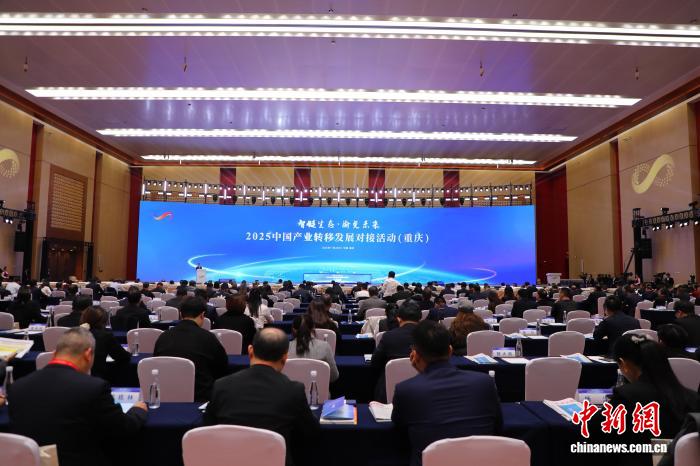
签约金额超千亿元 2025中国产业转移发展对接活动(重庆)举行
Zhong Guo Xin Wen Wang· 2025-11-25 18:09
中新网重庆11月25日电 (梁钦卿)11月25日,2025中国产业转移发展对接活动(重庆)启幕。开幕式上举行 了产业转移合作项目签约仪式,集中签约159个重点项目,涵盖智能网联新能源汽车、高端装备制造、 数字经济等领域,合同金额超1100亿元。 11月25日,2025中国产业转移发展对接活动(重庆)正式启幕。梁钦卿摄 开幕式上,"中国企业评价协会汽车分会"正式成立。该分会将开展汽车领域企业竞争力评价研究,推动 企业在科技创新、可持续发展等方面提质升级,为中国汽车产业迈向世界强国注入动力。 工业和信息化部副部长谢远生在致辞中表示,推动制造业有序转移,是优化生产力空间布局、推动区域 协调发展的重要途径。支持中西部地区立足资源禀赋、产业基础和优势产业链配套需求,精准承接产业 转移,发展壮大特色优势产业。支持重庆发挥比较优势、后发优势,有序承接智能网联新能源汽车、新 一代电子信息制造业、新材料等产业转移,加快建设先进制造业集群,培育更多带动区域发展的增长极 增长带。 此次活动搭建了产业转移合作的高效对接平台,集中展示重庆在产业创新、生态构建等方面的显著成 效,将为重庆加快建设现代化产业体系、持续巩固壮大实体经济带来利 ...
金融价值观|在变局中开新局 在改革中聚合力
Xin Hua Wang· 2025-11-25 09:21
2025年,我国经济呈现稳中有变、变中有机的态势,在曲折中显露向好趋势,为"十五五"规划的系 统部署奠定了坚实基础。一方面,居民消费从信心筑底走向温和改善,企业盈利压力逐步缓解、应收账 款增速明显回落,经济运行的微观根基持续巩固。另一方面,外部环境仍存不确定性,但外部经贸摩擦 的边际扰动趋于弱化,有助于稳定企业预期。同时,新阶段供给侧结构性改革的政策框架日益明晰,改 革的系统性增强为培育新动能打开了更广阔空间。 过去数年,多方面因素共同导致经济循环一度受阻。针对这些结构性掣肘,国家相继推出"反内 卷"、账款清理、发展现代服务业、稳妥化解地方债务等一系列举措,着力疏通堵点、修复循环、提振 预期。随着政策持续显效,微观活力正在逐步恢复,经济具备进一步向好的基础。在此背景下,2026年 作为"十五五"规划的开局之年,其重要性愈加凸显。开局之年不仅承担着稳预期、强动能的任务,也关 系到未来五年现代化建设的整体布局。要巩固恢复势头、增强增长后劲,改革必须在更深层次、更宽领 域同步推进,以提升经济体系的韧性与竞争力。 构建现代化产业体系 构建现代化产业体系,是提升国家竞争力、推动高质量发展的核心抓手。 从整体看,传统产业 ...
黑龙江“十五五”规划建议发布
Jing Ji Guan Cha Bao· 2025-11-25 03:52
Core Viewpoint - The "15th Five-Year Plan" period is crucial for Heilongjiang's construction of a modern socialist strong province, emphasizing the need for high-quality development and innovation-driven growth while addressing challenges and opportunities in the evolving international and domestic landscape [2][3][4]. Group 1: Achievements During the 14th Five-Year Plan - Heilongjiang has made significant progress in various sectors, including a 20% annual increase in provincial science and technology special funds, and the number of national high-tech enterprises rising from 1,932 to 5,040 [2]. - The province's agricultural output reached over 160 billion jin, maintaining its position as the top producer in China, with over 40% of the national soybean output [2]. - Infrastructure improvements include the completion of major railways and highways, enhancing connectivity and trade [2]. Group 2: Challenges and Opportunities for the 15th Five-Year Plan - The international environment is complex, with rising protectionism and geopolitical tensions, while domestic conditions remain stable with strong economic fundamentals [3][4]. - The plan aims to leverage the advantages of Heilongjiang's resources, ecology, and industrial capabilities to achieve high-quality development [4]. Group 3: Overall Requirements for High-Quality Development - The guiding ideology emphasizes Marxism, socialism with Chinese characteristics, and the importance of high-quality development as the central theme [7]. - Key principles include maintaining the Party's leadership, prioritizing people's needs, and focusing on high-quality development and comprehensive reform [8][9]. Group 4: Major Goals for the 15th Five-Year Plan - Significant improvements in high-quality development, with a focus on enhancing the quality and efficiency of economic growth [11]. - Comprehensive enhancement of technological innovation capabilities, aiming to establish Heilongjiang as a regional center for technology and innovation [12]. Group 5: Industrial Revitalization and Economic Structure - The plan emphasizes the development of a modern industrial system, targeting a total scale of 1 trillion yuan for digital economy, bio-economy, ice and snow economy, and creative design industries [15]. - The focus will be on fostering emerging industries and optimizing traditional sectors to enhance competitiveness [20][21]. Group 6: Agricultural Modernization - The strategy aims to achieve a comprehensive agricultural capacity of 200 billion jin by 2030, enhancing food security and agricultural modernization [29]. - Emphasis on developing modern agriculture through technology and sustainable practices, while promoting rural revitalization [30]. Group 7: Regional Coordination and Development - The plan outlines strategies for regional coordination, enhancing collaboration with other provinces and optimizing resource allocation [33][34]. - Focus on developing county economies and promoting urban-rural integration to foster balanced regional growth [36].
经济观察|建设国际化消费环境 中国15城迎国家级试点
Zhong Guo Xin Wen Wang· 2025-11-25 02:40
Core Insights - China has announced national-level policy support for 15 cities in the "international consumption" sector, aiming to enhance their roles as international consumption centers [1][3] Group 1: Selected Cities and Their Economic Impact - The selected cities include Beijing, Shanghai, Guangzhou, Tianjin, and Chongqing, which have already been recognized as international consumption center cities since 2021 [1] - As of July this year, these five cities accounted for over 12.5% of the national retail sales of consumer goods and over 50% of the country's consumer goods imports [1] - The newly added cities, including Shenzhen and Chengdu, are also significant consumption hubs, with retail sales expected to exceed 1 trillion yuan in 2024 [1] Group 2: Characteristics of New Cities - Cities like Xi'an, Nanjing, Changsha, Wuhan, and Hangzhou are provincial capitals with strong economic growth and renowned tourist attractions, making them popular among international visitors [1] - Kunming, Qingdao, and Xiamen have distinct geographical advantages, with Kunming serving as a gateway to South and Southeast Asia, Qingdao being a major northern consumption city, and Xiamen having significant port and expatriate resources [2] Group 3: Development Strategies - Many cities have already proposed specific action plans to build international consumption centers, leveraging their unique industrial resources and cultural advantages [4] - For instance, Chongqing plans to focus on developing its night economy, with projections indicating that over 60% of its retail sales will occur at night in 2024 [4] - The Ministry of Finance and the Ministry of Commerce have outlined support for enhancing high-quality consumption supply, optimizing foreign payment services, and improving international service levels [4]
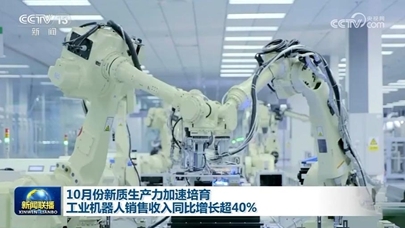
10月份新质生产力加速培育 工业机器人销售收入同比增长超40%
Yang Shi Wang· 2025-11-24 14:17
0:00/1:37 此外,数实融合不断突破。10月份,数字经济核心产业销售收入同比增长8.5%,全国企业采购数 字技术金额同比增长9.6%,反映数字产业化和产业数字化持续推进。其中,数字产品服务业、数字技 术应用业销售收入同比分别增长10.2%和13.1%,数字消费拉动作用明显,为经济发展持续注入新活 力。 国家税务总局发布的最新增值税发票数据显示,10月份,我国新质生产力持续培育壮大,创新产业 加快发展,高技术产业销售收入同比增长13.6%,延续较快增长。其中,高技术服务业、高技术制造业 销售收入同比均保持两位数以上增长,特别是随着"人工智能+"行动加快落地,集成电路、工业机器 人、无人机制造销售收入同比分别增长32.5%、41.7%和38.4%。 同时,高端制造持续发力。10月份,装备制造业销售收入同比增长7.3%,今年以来持续高于制造 业平均水平,占制造业比重已近一半。其中,计算机通信设备制造业、船舶及相关装置制造业、电池制 造业销售收入同比分别增长10.1%、24.4%和27.2%,展现强劲发展势头。 ...

四个月前挥舞关税大棒,11月20日特朗普急撤40%巴西关税
Sou Hu Cai Jing· 2025-11-24 06:57
Group 1 - The core point of the article is that Trump's decision to cancel tariffs on Brazilian goods, including beef and coffee, represents a strategic retreat rather than a loss, driven by political and economic pressures [3][7][15] - The initial justification for the tariffs, which was to punish Brazil's government, collapsed after a Brazilian court sentenced former President Bolsonaro to 27 years in prison, undermining the rationale for U.S. intervention [9][19] - The U.S. food processing industry faced significant cost increases due to the tariffs, with beef prices rising nearly 15% and coffee prices up 12% year-over-year, leading to discontent among Trump's voter base [21][23] Group 2 - The article highlights three main pressures that forced the U.S. to compromise: the collapse of political justification, backlash from domestic industries, and the need to maintain strategic influence in Latin America [17][21][25] - Brazil's response to U.S. tariffs included asserting judicial independence and implementing digital service taxes on U.S. tech companies, showcasing a strategic counteraction [31][33] - The article suggests a shift in global power dynamics towards a "chip replacement" model, where countries engage in strategic negotiations rather than outright confrontations, emphasizing the importance of understanding domestic pressures [39][42][45]

奋力打造全市产业科创新高地 新质生产力重要增长极
Xin Hua Ri Bao· 2025-11-23 22:06
Core Insights - The article highlights significant achievements in the development of Jianye District over the past five years, emphasizing economic growth, quality of life improvements, and strategic initiatives for future development [1][2]. Economic Performance - The district's GDP has averaged a growth rate of 5.2% annually since 2021, with public budget revenue surpassing two districts and ranking third in the city [2]. - Total tax revenue has ranked among the top three in the province for three consecutive years, and the district has maintained the highest level in the city's quality development assessments for four years [2]. Industry Development - Jianye has positioned itself as a financial center and digital economy hub, with financial institutions accounting for 63% of the city's total, and the financial sector's added value leading the city for four consecutive years [2]. - The number of enterprises in the core digital economy sector has increased nearly threefold, with major R&D centers from companies like Alibaba, Xiaomi, and BMW contributing significantly [2]. Community and Social Initiatives - The "Jianye Partner Accompanying Action" has been implemented for four years, providing support to local businesses, and the "Momo" service has been recognized as a top case in the city's work style construction [2]. - The district has been recognized for its public childcare services and has been featured in national media, receiving commendation from relevant ministries [2]. Future Development Plans - The district aims to achieve a GDP of 200 billion yuan and a public budget revenue exceeding 20 billion yuan by the end of the 14th Five-Year Plan, with a service population exceeding 1 million [3]. - The "3C" strategy will focus on enhancing the Central Business District (CBD), Central Innovation District (CID), and Central Ecological District (CED) to foster economic dynamism and innovation [3]. Technological Integration - Plans to establish a benchmark demonstration area for the "Artificial Intelligence +" industry are underway, with an annual budget of 30 million yuan allocated for digital innovation subsidies [4]. - The district aims to create a vibrant environment for young people, enhancing public services in education, healthcare, and childcare to attract and retain talent [4].
悦尚花客服同比增超三倍!A股再融资规模破万亿,主板受理单数占据“半壁江山”
Sou Hu Cai Jing· 2025-11-22 09:52
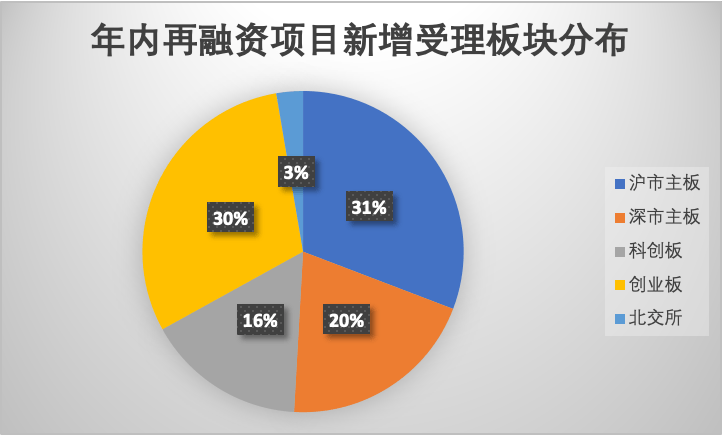
Group 1 - The core viewpoint of the article highlights the significant growth in the A-share refinancing market, with a total of 205 companies raising 10,180.72 billion yuan, representing a 368% increase compared to the same period last year [1][5][10] - The number of newly accepted refinancing applications reached 224, with October alone accounting for 65 applications, marking a new monthly high for the year [1][2] - The main board of the Shanghai and Shenzhen stock exchanges accounted for 51% of the new refinancing applications, indicating strong demand from traditional industries and large-cap companies [2][5] Group 2 - The increase in refinancing activity is driven by policy optimization and the need for industrial upgrades, with a notable "scissors gap" between refinancing and IPOs [5][6] - Companies engaging in refinancing are primarily from traditional and emerging industries, focusing on expanding production capacity, market development, and technological upgrades [5][6] - The average financing scale for main board companies exceeds 15 million yuan, with funds primarily allocated for hard investments such as capacity expansion and technology upgrades [6][11] Group 3 - The recovery of the refinancing market has positively impacted the performance of investment banks, with a 23.46% year-on-year increase in net income from investment banking activities among 42 comparable securities firms [7][8] - The top five firms dominate the refinancing business, accounting for nearly 70% of the total underwriting revenue in the industry [8][10] - The characteristics of qualified refinancing projects have evolved, focusing on profitability quality, cash flow stability, and strategic investment purposes [10][11]




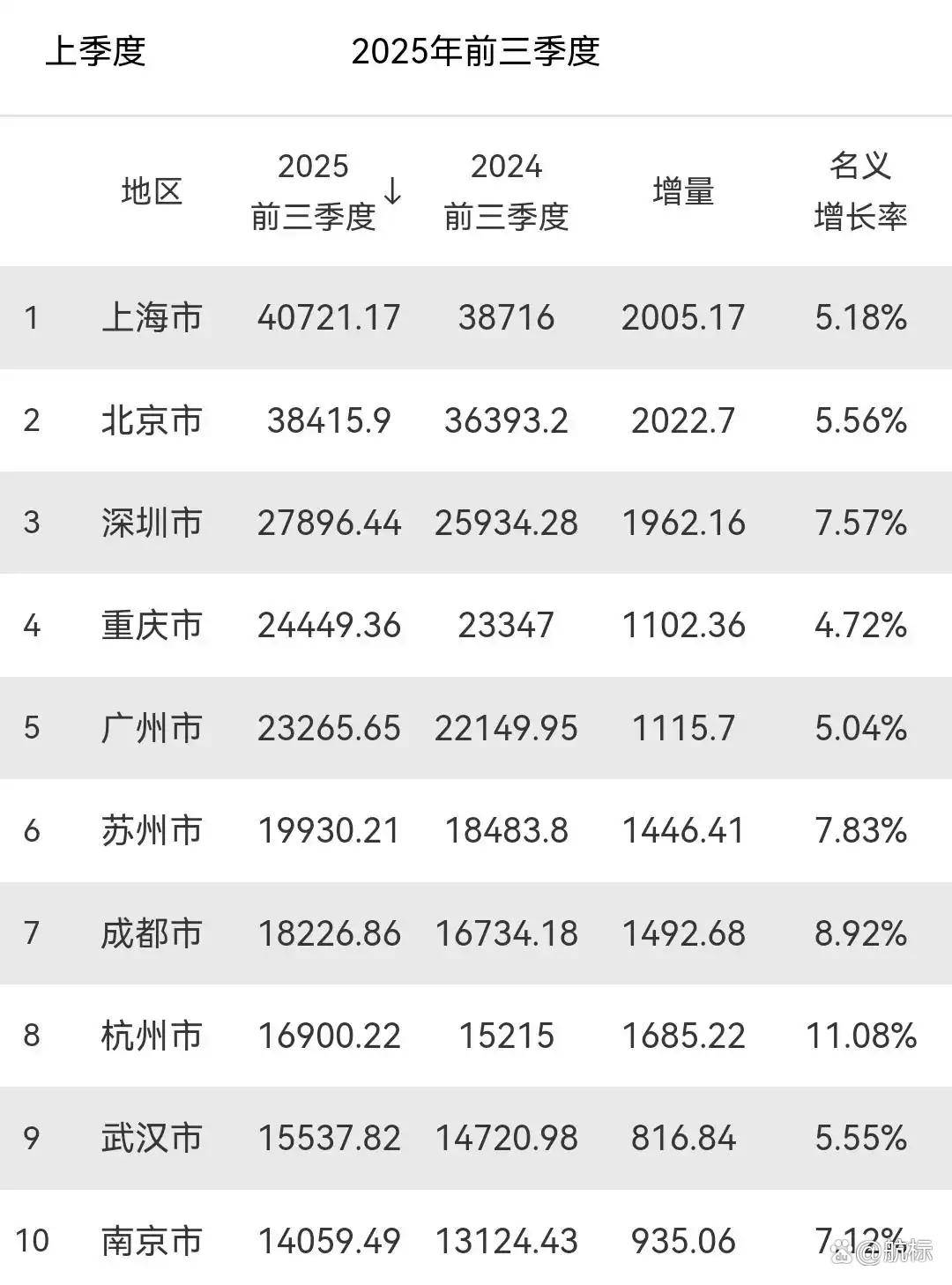
我国GDP10强城市更新:上海稳居第1,广州逼近重庆,杭州增速第1!
Sou Hu Cai Jing· 2025-11-22 08:52
Core Insights - The economic performance of China's top ten cities in the first three quarters of 2025 shows a competitive landscape, with Shanghai maintaining its lead, while Guangzhou and Chongqing are in close competition, and Hangzhou emerging as a standout with significant growth [1][5][11] Group 1: Economic Performance of Top Cities - Shanghai ranks first with a GDP of 40,721.17 billion, showing a year-on-year increase of 2,005.17 billion and a growth rate of 5.18% [4][5] - Beijing follows with a GDP of 38,415.9 billion, reflecting a growth of 2,022.7 billion and a rate of 5.56% [4] - Shenzhen's GDP stands at 27,896.44 billion, with a growth of 1,962.16 billion and a rate of 7.57% [4] - Chongqing's GDP is 24,449.36 billion, with a growth of 1,102.36 billion and a rate of 4.72% [4][6] - Guangzhou's GDP is 23,265.65 billion, showing a growth of 1,115.7 billion and a rate of 5.04% [4][6] - Hangzhou achieves a GDP of 16,900.22 billion with an impressive growth rate of 11.08% [4][8] Group 2: Competitive Dynamics - The competition between Guangzhou and Chongqing is highlighted, with a narrow gap of 1,183.71 billion in GDP, and Guangzhou's growth rate surpassing Chongqing's [6][7] - Chongqing benefits from the Chengdu-Chongqing economic circle, but faces challenges in its automotive sector, impacting overall growth [6] - Guangzhou leverages its position in the Guangdong-Hong Kong-Macau Greater Bay Area, with significant growth in foreign trade and the automotive sector [6] Group 3: Sectoral Insights - Hangzhou's growth is driven by the digital economy, with a 23% increase in cross-border e-commerce and significant advancements in AI applications [8][9] - The city's digital economy is transitioning from scale expansion to practical applications, enhancing its growth sustainability [8][9]