
航空

Search documents
春节假期,重庆交通出行服务指南请收好
Xin Lang Cai Jing· 2026-02-12 18:30
Group 1: Airport Operations - Chongqing Jiangbei International Airport has increased flight capacity in response to rising travel demand, with daily flight departures exceeding 1000 for the first ten days of the Spring Festival travel period, reaching a record high of 1086 on February 7 [2] - During the first ten days of the Spring Festival, the airport handled a total of 10,451 flight departures and welcomed 1.5528 million passengers, representing year-on-year growth of 4.02% and 4.25% respectively [2] - The average passenger load factor for the airport during this period was 86.11%, ranking third among the top ten airports in China, exceeding the national average by 2.52 percentage points [2] Group 2: Train Services - Chongqing Railway Station is experiencing a peak in passenger flow, with an expected 300,000 travelers on February 11 and a cumulative total of 2.423 million passengers sent since the start of the travel period, marking a year-on-year increase of 5.8% [5] - To accommodate the demand, the station has added 91 pairs of trains and will operate 38 additional night high-speed trains from February 12 to 15, enhancing service to various regions [5] - The railway department is also implementing a "one-day-one-map" strategy to optimize train capacity for popular destinations [6] Group 3: Public Transport - The 441 bus route in Chongqing has adjusted its schedule to ensure timely service for passengers connecting to the earliest train arrivals, with the first bus departing at 6:00 AM [7] - The bus service has maintained a strong record of punctuality during the Spring Festival, with drivers committed to ensuring passengers reach their destinations on time [8] - The bus drivers have a collective understanding to operate until the last train arrives, demonstrating a commitment to passenger service during the holiday season [8] Group 4: Travel Trends - Domestic flight routes to major cities and popular winter destinations are in high demand, with international routes to cities like Madrid and Paris also seeing increased interest [4] - Predictions for the 2026 Spring Festival indicate that the airport will handle over 40,000 flight departures and more than 6.25 million passengers, with peak daily passenger throughput expected to exceed 160,000 [4]

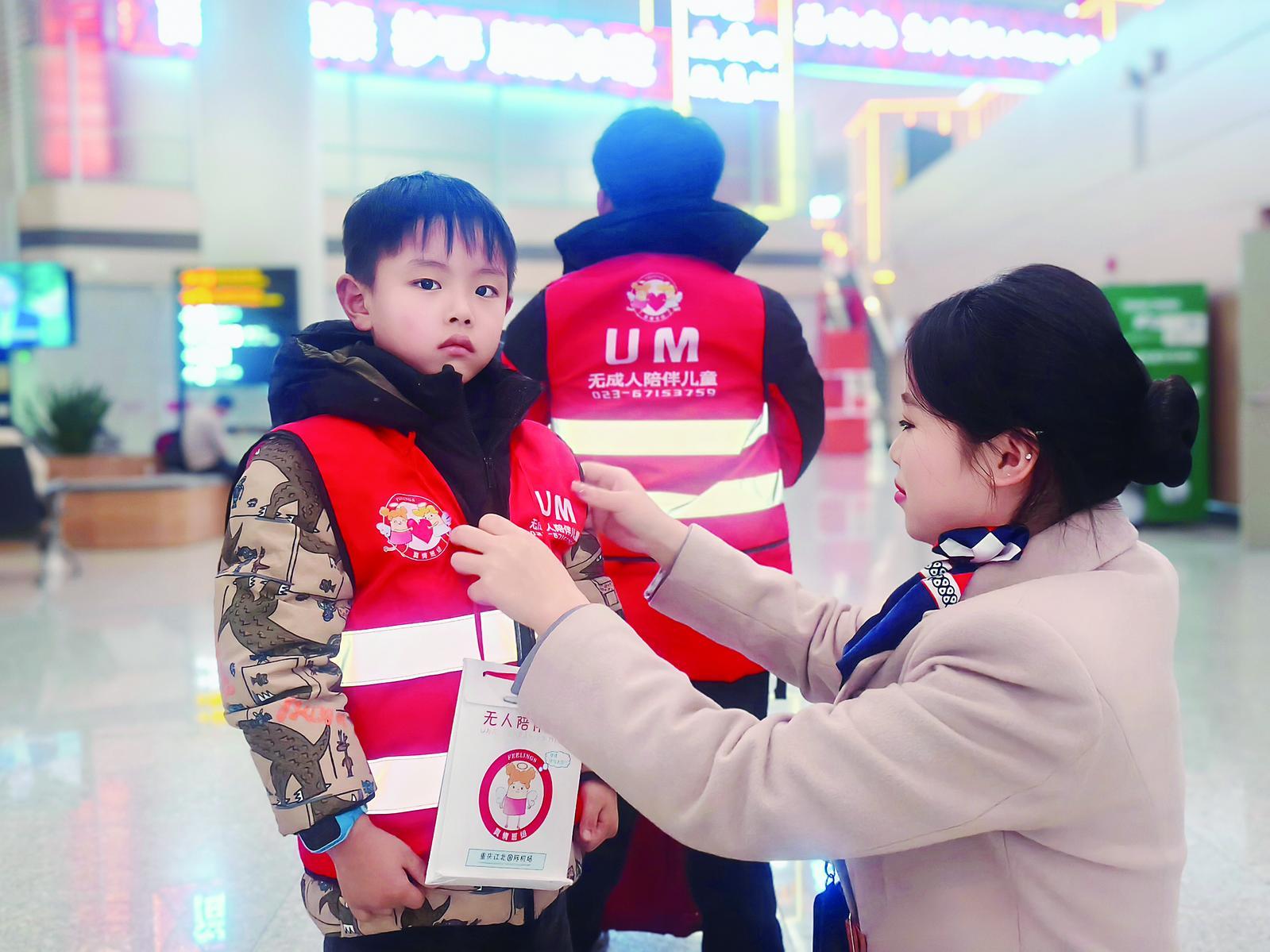
本周末将迎来节前客流最高峰
Xin Lang Cai Jing· 2026-02-12 17:29
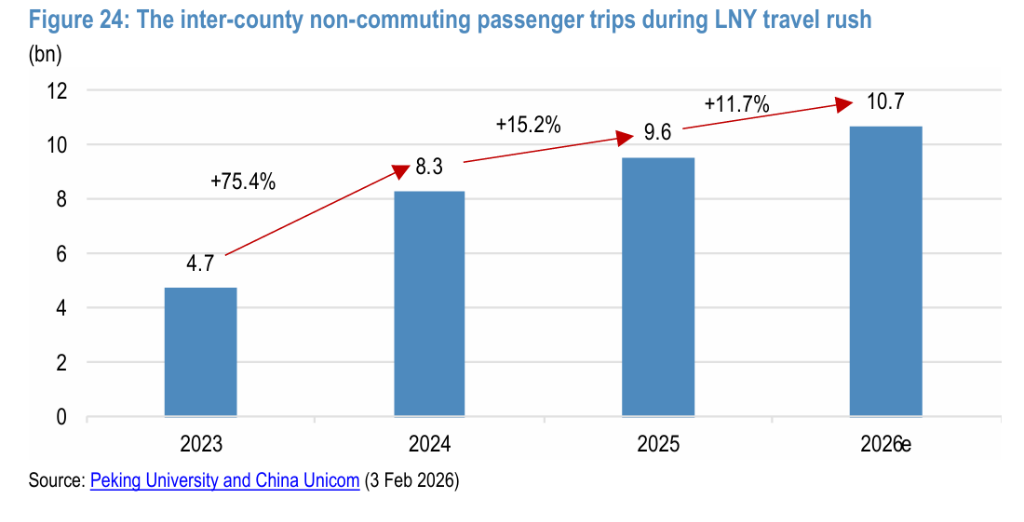
Core Viewpoint - The 2026 Spring Festival travel season is expected to see a total of 9.5 billion trips, with self-driving trips accounting for approximately 80% of the total [1] Group 1: Railway Transportation - The Yangtze River Delta railway department plans to add 437.5 pairs of passenger trains, with a peak of over 1,700 pairs running daily during the peak period [2] - The expected peak travel days before the festival are February 14-15, with an average of 174,000 passengers per day [2] - The first peak day after the festival is anticipated on February 24, with 175,000 passengers, and the second peak on February 28, with 180,000 passengers [2] Group 2: Civil Aviation - Hefei Airport is expected to operate 12,000 passenger flights during the Spring Festival, averaging over 300 flights per day, with a total passenger throughput of approximately 1.62 million, a 6% increase year-on-year [3] - The peak travel period for civil aviation is expected from February 11 to February 15, with an average throughput of 43,000 passengers per day [3] - The return peak is expected on February 22-23, with daily throughput potentially exceeding 46,000 passengers [3] Group 3: Highway Transportation - The provincial highway system is expected to see approximately 71 million vehicle exits during the Spring Festival, averaging about 1.78 million exits per day, a 9% year-on-year increase [4] - The total traffic on the provincial highway network is projected to reach 140 million trips, also a 9% increase year-on-year [4] - The highway congestion is expected to exhibit a "double peak" pattern, with the return peak occurring on February 21 and the highest traffic on February 22-23 [4] Group 4: Traffic Management and Free Passage - During the Spring Festival, small passenger vehicles (7 seats or fewer) will enjoy free passage on highways from February 15 to February 23, totaling 9 days [5] - Key congestion points have been identified, including specific highway segments, service areas, and toll stations that travelers should avoid [5] - New highway segments have been added to improve traffic capacity, although some areas will still have construction, requiring travelers to plan alternative routes [5]
这个春节,三亚彻底火了!游客8499元订的民宿被临时毁约,附近民宿涨到三四万,机票价同比翻倍!95后、00后也多起来了
Mei Ri Jing Ji Xin Wen· 2026-02-12 14:10
Core Insights - The article highlights the significant increase in tourism and accommodation prices in Sanya, with average hotel prices during the Spring Festival rising over 200% compared to the previous year [1][3] - A notable shift in the demographic of tourists visiting Sanya is observed, with a growing number of younger travelers, particularly from the post-95 and post-00 generations, actively seeking travel experiences and shopping opportunities [9][10] Group 1: Price Increases and Booking Trends - Sanya's accommodation prices have surged, with a specific case showing a rise from 8,499 yuan to 30,000-40,000 yuan for similar stays, indicating a price increase of three to four times [1] - Data from OTA platforms shows that Sanya has seen over 100% year-on-year growth in pre-bookings, making it one of the top domestic travel destinations [6] - The average flight ticket price to Sanya during the Spring Festival has increased by 116% compared to the previous year, reflecting a broader trend of rising travel costs [1] Group 2: Changing Tourist Demographics - The tourist demographic in Sanya is becoming younger and more international, with a significant increase in inquiries from younger travelers, particularly those born after 1995 [9][10] - The proportion of young travelers and new senior demographics has increased by over 10 percentage points compared to previous years, indicating a shift in the target audience for tourism [9] - The influx of international tourists, particularly from countries like South Korea, Thailand, and Malaysia, has also contributed to the changing landscape of Sanya's tourism [11] Group 3: Shopping Trends - Younger tourists are increasingly interested in shopping, particularly in duty-free stores, with many actively seeking information about shopping opportunities [10] - The shopping behavior has shifted from being a reluctant part of the travel experience to an eagerly anticipated activity, with tourists often exceeding their initial budgets [10] - Popular items among tourists include electronics and skincare products, with significant discounts compared to official prices, further driving the shopping trend [10]
“商品大王”吉姆·罗杰斯:中国发展韧性独一无二
Mei Ri Jing Ji Xin Wen· 2026-02-12 10:37
Group 1: Economic Outlook - Jim Rogers warns that the U.S. is heading towards a severe crisis due to its status as the world's largest debtor nation, with a national debt of $38 trillion [1][6] - He predicts that the next crisis will be the worst he has ever seen, driven by overwhelming global debt levels [1][6][7] - Historical patterns indicate that countries in similar debt situations eventually face significant crises, with the U.S. potentially following the path of past global powers like the UK [6][7] Group 2: Investment Strategy - Rogers has liquidated all his U.S. stock holdings and views gold, silver, and copper as essential assets for protection against economic turmoil [1][2] - He emphasizes the importance of holding physical metals, stating they serve as a "perfect insurance policy" [2][3] - The demand for copper is expected to rise due to its critical role in electric vehicles and infrastructure, while supply remains limited, making it a valuable investment [4] Group 3: Market Trends - Silver prices surged by 147% in 2025, driven by increased industrial demand, leading to a potential decoupling from gold prices [3] - Rogers believes that the importance of copper will continue to grow, as it is used in various technologies and industries [4] Group 4: Global Dynamics - The dollar's status as the world's primary reserve currency is under threat due to the U.S.'s massive debt, prompting investors to seek alternatives [6] - Rogers notes that small issues in less significant economies can trigger larger financial crises, as seen in historical precedents [7][8] Group 5: China’s Economic Potential - Rogers remains optimistic about China's economic future, citing its historical resilience and the potential for growth in sectors like tourism and agriculture [10][12] - He highlights the significant talent pool in China, particularly in engineering, which can drive innovation and economic development [12][13] - Current investments include holdings in Chinese airline stocks, reflecting confidence in the tourism industry's recovery [14]
84岁罗杰斯急呼:2026年,将爆发我一生中见过的最惨烈的全球金融危机
Sou Hu Cai Jing· 2026-02-12 09:56
Core Viewpoint - Legendary investor Jim Rogers predicts that a severe global financial crisis will erupt in 2026, worse than the 2008 subprime crisis, due to overwhelming global debt levels and irrational market behaviors [3][5][6]. Debt Crisis - Rogers highlights alarming global debt statistics, with U.S. national debt exceeding $38 trillion, translating to over $110,000 per citizen, and growing at a rate of $4.4 billion daily [5][6]. - Global debt has surpassed $337 trillion, accounting for over 350% of global GDP, indicating a precarious situation for many countries facing increasing default risks [6]. Market Behavior - The current U.S. stock market is characterized by an AI bubble, with many companies' valuations significantly detached from their fundamentals, reminiscent of past market euphoria before crises [6][7]. - Rogers warns that crises often begin with seemingly minor events that escalate, and there are already signs of debt defaults in smaller countries [7]. Investment Strategy - Rogers has completely liquidated his U.S. stock holdings, viewing the current market as a bubble, and has shifted his investments into gold, silver, and copper, which he considers "crisis insurance" [9][10]. - He emphasizes the importance of holding physical metals as a safeguard against future financial turmoil, planning to pass these assets to his children [9][11]. Focus on China - Despite global pessimism, Rogers maintains a long-term bullish outlook on Chinese assets, stating he will never abandon investments in China and holds significant Chinese stocks [4][14]. - He believes in China's unique historical resilience, its undervalued assets compared to the U.S. market, and strong fundamental support from a well-educated workforce [16][17][18]. Key Sectors in China - Rogers identifies three key sectors in China for investment: tourism and transportation, agriculture, and high-end manufacturing and technology [19][20][21]. - He sees significant growth potential in tourism and transportation due to increased consumer spending, agriculture as a strategic necessity, and high-end manufacturing driven by innovation and a skilled labor force [19][20][21]. Investment Philosophy - Rogers advocates for a contrarian investment approach, focusing on core assets and avoiding speculative investments [21][22]. - He emphasizes the importance of capital preservation, long-term investment strategies, and the need to remain vigilant during market euphoria and panic [23][24].

三部门:推动将强制投保要求纳入飞行活动审批等管理环节的审查前置条件
Bei Jing Shang Bao· 2026-02-12 09:50
Group 1 - The core viewpoint of the article is the release of the "Implementation Opinions" aimed at promoting the high-quality development of low-altitude insurance by the National Development and Reform Commission, the Financial Regulatory Administration, and the Civil Aviation Administration of China [1] Group 2 - The "Implementation Opinions" emphasize the need to incorporate mandatory insurance requirements for unmanned aerial vehicles into the pre-approval conditions for flight activities [1] - It highlights the importance of strengthening verification of insurance status during flight operation management and mandates thorough checks during accident handling [1] - The document proposes the establishment of regulations related to responsible parties, liability recognition, and handling procedures associated with mandatory insurance [1]
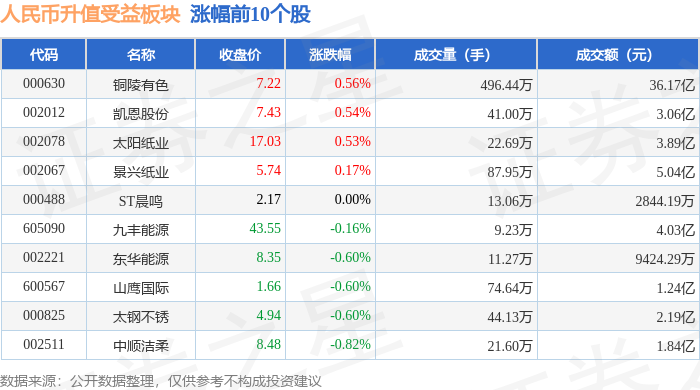
人民币升值受益板块2月12日跌1.61%,中国东航领跌,主力资金净流出9.16亿元
Sou Hu Cai Jing· 2026-02-12 09:16
Core Viewpoint - The appreciation of the Renminbi has led to a decline of 1.61% in the benefiting sectors on the previous trading day, with China Eastern Airlines leading the drop [1]. Group 1: Market Performance - On February 12, the Shanghai Composite Index closed at 4134.02, up 0.05%, while the Shenzhen Component Index closed at 14283.0, up 0.86% [1]. - The Renminbi appreciation benefiting sector saw a net outflow of 916 million yuan from main funds, while retail investors contributed a net inflow of 713 million yuan [2]. Group 2: Individual Stock Performance - China Eastern Airlines (600115) closed at 6.00, down 3.07%, with a trading volume of 1.51 million shares and a transaction value of 9.19 million yuan [2]. - Other notable declines include China Duty Free Group (601888) down 2.92% and China Southern Airlines (600029) down 2.27% [2]. - In contrast, Tongling Nonferrous Metals (000630) saw a slight increase of 0.56%, closing at 7.22 with a transaction value of 3.617 billion yuan [1]. Group 3: Fund Flow Analysis - The main funds showed a net inflow of 86.56 million yuan for Tongling Nonferrous Metals, while retail investors had a net outflow of 33.51 million yuan [3]. - For Sun Paper (002078), main funds had a net inflow of 22.31 million yuan, while retail investors had a net outflow of 5.22 million yuan [3]. - The overall trend indicates a mixed sentiment among institutional and retail investors within the Renminbi appreciation benefiting sector [2][3].

春节交易大红包,除了AI,还有消费、人民币……
Hua Er Jie Jian Wen· 2026-02-12 09:15
Core Insights - The Chinese consumer market is showing positive signals ahead of the 2026 Spring Festival, with a focus on consumer sentiment and corporate pricing power [1] - Three key trends are emerging: structural recovery in consumption, changes in risk appetite due to a stronger RMB, and the redistribution of profits due to rising upstream costs [1] Consumption: "More Rational Upgrades" - JPMorgan defines the main theme for Spring Festival trading as "upside options in consumption," noting that household leverage has decreased to slightly below 60% of GDP, indicating continued capacity for consumption but with a more pragmatic mindset [2] - A Bank of America survey shows that 45% of respondents reported increased spending in February, up from 38% in December, with 49% expecting to increase spending in the next six months [2] Consumption Stratification - The increase in spending intentions during the Spring Festival is primarily driven by high-income groups, with 76% of those earning over 500,000 RMB expecting to spend more, compared to only 44% of low-income groups [4] - High-end products such as premium smartphones, liquor, and travel are expected to see increased demand, with specific examples like the price of Moutai rising from approximately 1,495 RMB to 1,710 RMB per bottle [4] Travel and Services: Short-Cycle Certainty - Travel intentions are rising, with domestic short trips increasing to 36% from 25% year-on-year, and plans for trips to Hong Kong and Macau rising to 21% [7] - However, caution is advised regarding the film box office, which may see a slight decline due to high base effects from 2025 [9] RMB: Risk Appetite "Tailwind" - A stronger RMB typically correlates with a decrease in risk premium for Chinese assets, benefiting growth and cyclical sectors [10] - JPMorgan anticipates a "moderate appreciation" of the RMB in 2026, leading to differentiated impacts on companies based on their ability to pass on costs [10] Valuation and Profitability - The stability of exchange rate expectations may enhance foreign investment interest in RMB assets, particularly benefiting high-beta sectors [12] - Companies in the aviation sector are expected to benefit significantly due to their cost structure, while those in manufacturing with high export ratios may face pressure [12] Cost Pressures: Reevaluation of Pricing Power - Rising costs in metals, chips, and materials are becoming more systemic, prompting a reevaluation of corporate profitability based on pricing power and product upgrades [13] - The combination of rational consumer upgrades and rising supply costs may lead to a positive outcome for CPI and nominal growth [13] Comprehensive Assessment - Post-Spring Festival, the market will need to address three key questions: the sustainability of consumption recovery, the persistence of improved risk appetite due to a stronger RMB, and the extent of profit differentiation under rising costs [14] - Investment strategies should focus on "consumption + services" while emphasizing precise selection around pricing power, reflecting a narrative of "moderate recovery + structural differentiation" in 2026 [14]
机票价格翻倍、酒店涨超200%!海南封关后首个春节 年轻人为何扎堆涌入三亚?
Mei Ri Jing Ji Xin Wen· 2026-02-12 08:53
Core Viewpoint - The tourism landscape in Sanya is experiencing significant changes, with a notable increase in prices and a shift in the demographic of visitors, particularly towards younger and more international travelers [2][4][10]. Price Trends - A significant price increase has been observed in Sanya's accommodation, with prices for similar stays rising from 8,499 yuan last year to 30,000-40,000 yuan this year, marking a three to fourfold increase [2]. - The average flight ticket price to Sanya during the peak Spring Festival period has risen by 116% compared to the previous year, while hotel prices have seen a year-on-year increase of over 200% [2]. Visitor Demographics - The current tourist demographic in Sanya is becoming younger and more diverse, with a notable increase in visitors from the post-95 and post-00 generations, who now make up over 30% of inquiries received by local tour guides [7][10]. - The overall visitor structure is becoming more balanced and younger, with the participation of the post-00 and post-95 groups increasing by over 10 percentage points compared to previous years [7]. International Tourism Growth - There has been a fivefold increase in inbound flight tickets to Sanya as of January 1, with a 28% increase in inbound tourists during the first week of January, primarily from visa-free countries such as South Korea and Thailand [9]. - The proportion of international tourists in Sanya's hotel occupancy during the Spring Festival reached nearly 50%, indicating a strong influx of foreign visitors [9]. Shopping Trends - Young travelers are increasingly interested in duty-free shopping, with many actively seeking information about shopping opportunities, leading to higher-than-expected spending [8]. - Popular items among tourists in duty-free shops include electronics and skincare products, with significant discounts compared to official prices [8]. Overall Tourism Recovery - Sanya is witnessing a robust recovery in tourism, with over 100% year-on-year growth in pre-bookings, positioning it among the top ten domestic travel destinations for the upcoming Spring Festival [4]. - The overall hotel booking heat in Hainan has increased by 191%, with Sanya's hotel bookings specifically rising by 167% [4].
美联储降息预期延后至7月 低利率下国内非银存款占比达10.6% 各行业迎结构性机会
Sou Hu Cai Jing· 2026-02-12 03:55
Group 1 - The global market is experiencing significant changes in asset allocation logic and industry dynamics due to the ongoing low interest rate environment and fluctuating expectations regarding the Federal Reserve's interest rate cuts [1] - In January, the U.S. non-farm payrolls increased by 130,000, exceeding market expectations, which led traders to push back the anticipated rate cut to July [1] - The low interest rate environment is accelerating the financialization of residents' asset allocation, with a shift from low-risk assets like cash and deposits to equity assets in the U.S. [2] Group 2 - The banking sector is seeing a decline in the average interest rate for new loans, which has dropped to 3.15% as of December 2025, with expectations of stabilization at low levels [2] - The express delivery sector shows strong demand resilience, with industry leader Zhongtong Express enhancing shareholder returns through low-interest convertible bonds [2] - The construction and decoration industry is benefiting from improved bond issuance data, with increased financing for infrastructure projects supported by special bonds and state-owned enterprise orders remaining stable [3] Group 3 - The precious metals sector, particularly gold, is viewed positively in the medium to long term due to macroeconomic uncertainties and a weakening U.S. dollar [3] - The copper market is supported by a tight supply of copper concentrate and gradually recovering domestic demand [3] - The aluminum industry is characterized by a strong demand against weak supply, with clear expectations for price increases [3]