软饮料

Search documents
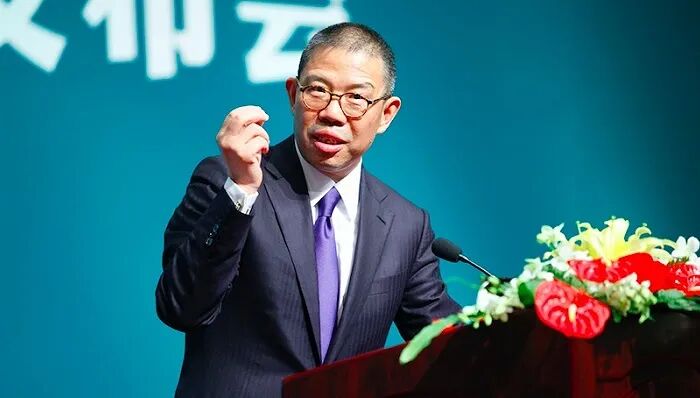
钟睒睒四度登顶中国首富
Xin Lang Cai Jing· 2025-10-28 13:22
Core Insights - The 2025 Hurun Rich List reveals a significant increase in the number of billionaires and total wealth in China, with 1434 individuals having a net worth of over 5 billion RMB, marking a 31% increase from last year [2] - Total wealth on the list approaches 30 trillion RMB, reflecting a 42% growth, equivalent to an increase of 9 trillion RMB [2] - The number of billionaires with a net worth exceeding 100 billion RMB has risen to 41, while those with over 1 billion USD increased to 1021 [2] Individual Wealth Highlights - Zhong Shanshan, founder of Nongfu Spring, saw his wealth increase by 190 billion RMB, reaching 530 billion RMB, making him the richest person in China for the fourth time and setting a new record for wealth [2] - Zhang Yiming, founder of ByteDance, experienced a wealth increase of 120 billion RMB, driven by advancements in AI, but fell to second place with a net worth of 470 billion RMB [2] - Ma Huateng, founder of Tencent, gained 150 billion RMB, maintaining third place with a wealth of 465 billion RMB [2] Notable Growth Stories - Lei Jun of Xiaomi was named the "Growth King," with a wealth increase of 196 billion RMB, attributed to explosive growth in Xiaomi's automotive business and high-end smartphone profitability [2] - Wang Ning, founder of Pop Mart, saw a wealth increase of 154.5 billion RMB due to the global popularity of Labubu [2] - Chen Tian Shi of Cambricon experienced a wealth increase of 148 billion RMB, benefiting from rapid performance growth and AI chip advancements, with stock prices surpassing Kweichow Moutai in August [2]






最好的投资方法,往往是看起来最平庸的那一个
雪球· 2025-10-28 13:01
Core Viewpoint - The article emphasizes that the most effective investment strategies are often perceived as "mundane methods" rather than flashy techniques, which tend to be high-risk and unsustainable [3][5]. Group 1: The Flaws of Flashy Methods - Investment markets are filled with "legendary stories" of stocks doubling in value or extraordinary profits from derivatives, which attract investors but often come with high risks [5]. - Retail investors in the A-share market frequently fall into a cycle of "one profit, two breakeven, seven losses," primarily due to their obsession with short-term gains [5]. - Flashy investment methods are characterized by their non-replicability and high uncertainty, relying on precise market predictions or extreme risk tolerance, which can fail when market conditions change [5][6]. Group 2: Effectiveness of Mundane Strategies - Effective "mundane methods" simplify complex logic into executable principles, focusing on "embracing the ambiguous correct" rather than seeking perfect decisions [8]. - The investment logic of renowned investors like Warren Buffett illustrates the value of long-term holding of understandable companies at reasonable prices, avoiding macroeconomic predictions [8]. - Mundane strategies utilize "mechanical discipline" to counter human weaknesses, such as greed and fear, allowing time to work in favor of returns [8]. - These strategies leverage the "compounding effect" to achieve gradual wealth accumulation, outperforming over 90% of short-term speculators in the long run [8][9]. Group 3: Barriers to Embracing Mundane Strategies - Ordinary investors often exhibit cognitive biases, such as overconfidence in their stock-picking abilities or loss aversion, leading to frequent portfolio adjustments that undermine long-term strategies [11]. - Media and industry narratives often glorify "star fund managers" and short-term success stories, marginalizing mundane strategies that lack compelling narratives [12]. Group 4: Returning to Mundane Strategies - For most investors, the focus should be on "asset allocation" based on investment goals and risk tolerance, diversifying funds across various asset classes to mitigate volatility [14]. - Selecting low-cost broad-based index funds as core investments can prevent excessive focus on sector themes or active fund selection [14]. - Setting long-term goals and avoiding frequent trading can help investors withstand short-term market fluctuations [14][15]. Group 5: Investment Philosophy - The essence of investing is not about seeking "stunning moments" but achieving "long-term stability" [15]. - Letting go of the obsession with the "extraordinary" and embracing the wisdom of "mundane" can lead to a more stable and enduring investment journey [16].

香飘飘的“最后一搏”
Xin Lang Cai Jing· 2025-10-28 12:07
Core Insights - The company has shifted from a "never offline" strategy to opening physical stores, indicating a significant strategic pivot in response to declining sales and market pressures [1][3] - The financial performance has deteriorated, with a 12.21% year-over-year revenue decline and net losses reported in the first half of 2025 [1][2] - The company is facing intense competition from the ready-to-drink tea market, which has seen substantial growth, while its traditional instant tea segment has contracted significantly [2][4] Group 1: Market Dynamics - The instant tea market has shrunk from 113 billion yuan in 2012 to 76 billion yuan in 2023, a decline of 32.7%, while the ready-to-drink tea market has grown tenfold to reach a trillion yuan [2] - The company’s sales channels are under pressure, with a 17% decline in revenue from its distribution network, totaling 844 million yuan in the first half of 2025 [2] - E-commerce sales, although showing a 12.39% increase in the first half of 2025, had previously declined by 25.42% in 2024, indicating volatility in this channel [2] Group 2: Strategic Shifts - The company opened its first offline store in Hangzhou, marking a departure from its previous stance against physical retail, which has generated significant public interest [3] - Despite the opening of physical stores, the company is cautious about its approach, recognizing the different business models between instant and ready-to-drink tea [3] - The company’s attempts to innovate with new product lines have been criticized as lacking clear strategic direction, leading to ineffective resource allocation [4] Group 3: Internal Challenges - The company has experienced high turnover among professional managers, with the recent resignation of a key executive highlighting governance issues within the organization [6] - The family-controlled structure of the company has been identified as a barrier to effective management and strategic agility, with nearly 80% of shares held by the founding family [6] - The company’s marketing expenditures have increased significantly, with a sales expense ratio of 31.97%, raising concerns about the sustainability of its marketing-driven innovation approach [5]

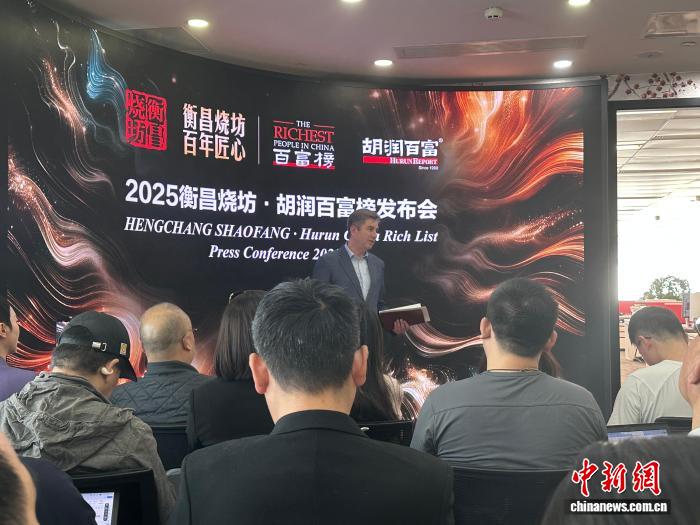
2025胡润百富榜:钟睒睒以5300亿元第四次成为中国首富
Zhong Guo Xin Wen Wang· 2025-10-28 11:21
Core Insights - The 2025 Hurun Rich List reveals that Zhong Shanshan, founder of Nongfu Spring, has become China's richest person for the fourth time with a wealth of 530 billion RMB, setting a new record for the wealth of a Chinese billionaire [1][3] - The total wealth of the 1,434 entrepreneurs listed has reached nearly 30 trillion RMB, reflecting a 42% increase compared to 2024 [3] - The list indicates significant wealth growth in sectors such as new energy vehicles, consumer electronics, biomedicine, and securities services [3][4] Summary by Categories Wealth Growth - Zhong Shanshan's wealth increased by 190 billion RMB from 2024, while Zhang Yiming of ByteDance saw an increase of 120 billion RMB, placing him second with 470 billion RMB [3] - Tencent's founder, Ma Huateng, experienced a wealth increase of 150 billion RMB, maintaining third place with 465 billion RMB [3] Economic Context - Despite a "cool" economic sentiment, the wealth of entrepreneurs has grown significantly, attributed to the binding of their wealth to enterprise value, which reflects future profit-generating capabilities [3][4] - The list highlights a structural change in the entrepreneurial landscape, with nearly 60% of the listed entrepreneurs not being on the list a decade ago, indicating a shift towards industrial products, health, and consumer goods [3][4] Industry Trends - The performance of the past year has been particularly strong in sectors like new energy vehicles, consumer electronics, biomedicine, and securities services [3] - The list serves as a reflection of the private economy in China transitioning towards new productive forces and high-quality development [4]
研报掘金丨中邮证券:维持东鹏饮料“买入”评级,特饮稳健、补水啦表现亮眼
Ge Long Hui· 2025-10-28 10:37
Core Viewpoint - Dongpeng Beverage achieved significant growth in Q3 2025, with total revenue, operating income, net profit attributable to shareholders, and net profit excluding non-recurring items increasing by 30.36%, 30.36%, 41.91%, and 32.74% respectively, indicating strong performance in the beverage sector, particularly in functional drinks and hydration products [1] Financial Performance - Q3 2025 total revenue increased by 30.36% [1] - Q3 2025 operating income also rose by 30.36% [1] - Q3 2025 net profit attributable to shareholders surged by 41.91% [1] - Q3 2025 net profit excluding non-recurring items grew by 32.74% [1] Product Performance - The functional beverage segment showed robust growth [1] - Hydration products performed exceptionally well in the third quarter [1]

欢乐家:公司高度重视大宗原料的产业链源头
Zheng Quan Ri Bao Wang· 2025-10-28 10:11
Core Viewpoint - The company emphasizes the importance of securing a stable supply chain for coconut-related raw materials, particularly from Southeast Asian countries like Indonesia, which are significant suppliers of coconuts globally [1] Group 1 - The company recognizes the substantial demand for coconuts in its main product, coconut juice beverages [1] - The project aims to enhance the company's upstream supply chain layout, thereby strengthening the competitiveness of its core product's raw material supply [1] - The initiative will help the company gradually establish its own raw material supply system, improving the stability and security of its raw material supply [1]
首富的“水战争”:农夫山泉如何用一瓶水打败所有互联网巨头?
Sou Hu Cai Jing· 2025-10-28 09:43
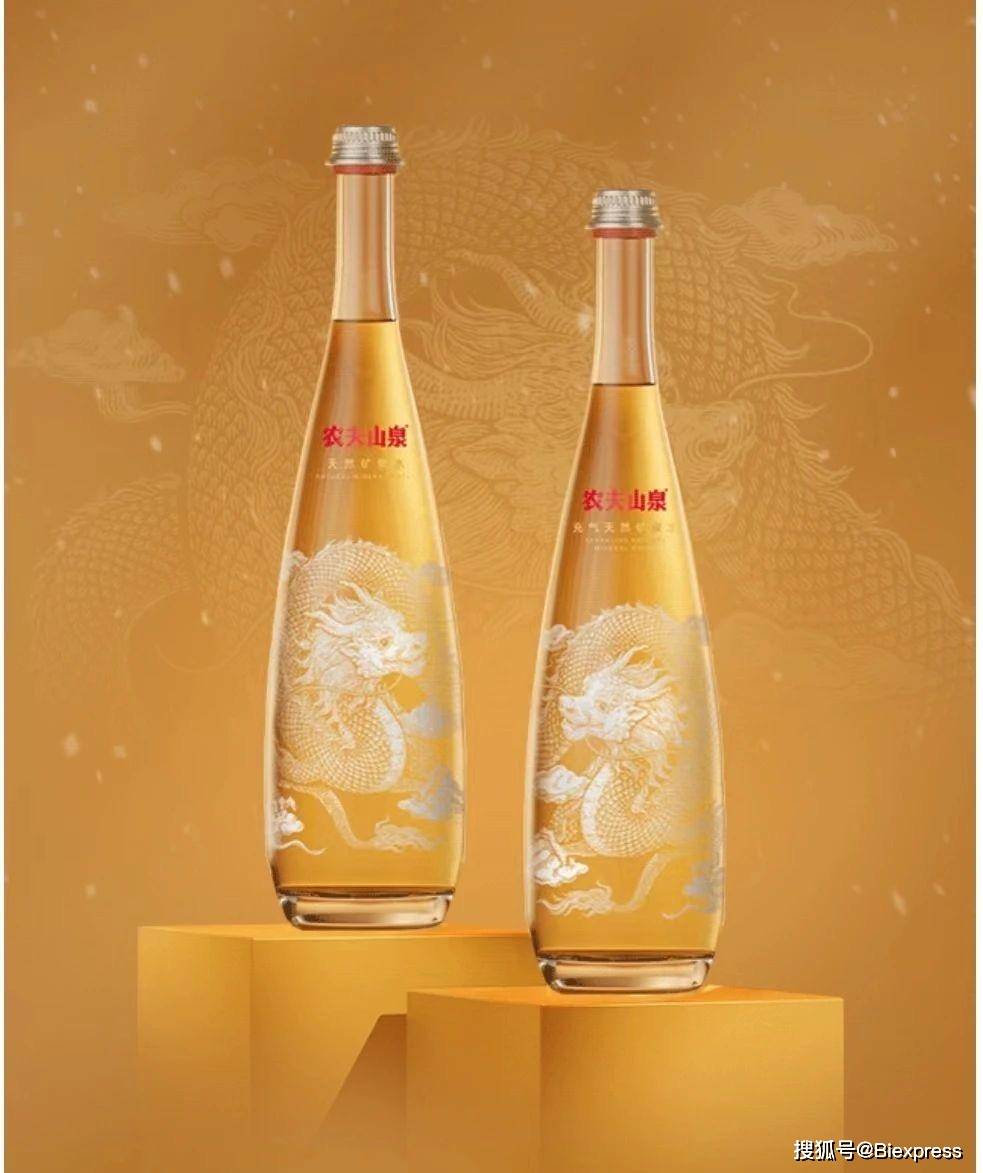
Core Insights - Zhong Shanshan has reclaimed the title of China's richest person with a wealth of 530 billion yuan, surpassing tech giants like Zhang Yiming and Ma Huateng [3] - His wealth is primarily derived from two businesses: Nongfu Spring and Wantai Biological Pharmacy, which focus on essential consumer needs [3][4] - The combination of high-margin products and unique offerings has allowed Zhong to create a significant competitive advantage in a seemingly narrow market [5] Business Model Analysis - Nongfu Spring operates with a gross margin of 60%, capitalizing on the low-cost production of bottled water while positioning it as a health-conscious necessity [4] - Wantai Biological's HPV vaccine represents a high-demand product with substantial technical barriers, further solidifying Zhong's wealth foundation [4] - This strategy of focusing on "necessity goods" and unique product categories has enabled Zhong to avoid the intense competition seen in more volatile sectors [5] Market Trends - The current wealth rankings highlight a stark contrast between "fast money" sectors like AI and new energy, and Zhong's "slow money" approach, which emphasizes stable cash flow and high profit margins [6] - While tech giants face challenges related to growth and market saturation, Zhong's businesses continue to generate consistent profits [7] Entrepreneurial Insights - Zhong's success serves as a reminder for entrepreneurs to focus on enduring market needs rather than chasing fleeting trends [8] - The concept of finding a "source of water"—a stable, high-demand area where one can establish a competitive edge—is emphasized as a key to long-term success [8][9] - The narrative suggests that understanding and catering to fundamental human needs can yield more sustainable wealth than pursuing the latest market fads [9]
钟睒睒再次登顶,雷军时隔十年闯进前五,2025胡润百富榜揭晓
Zheng Quan Shi Bao· 2025-10-28 05:24
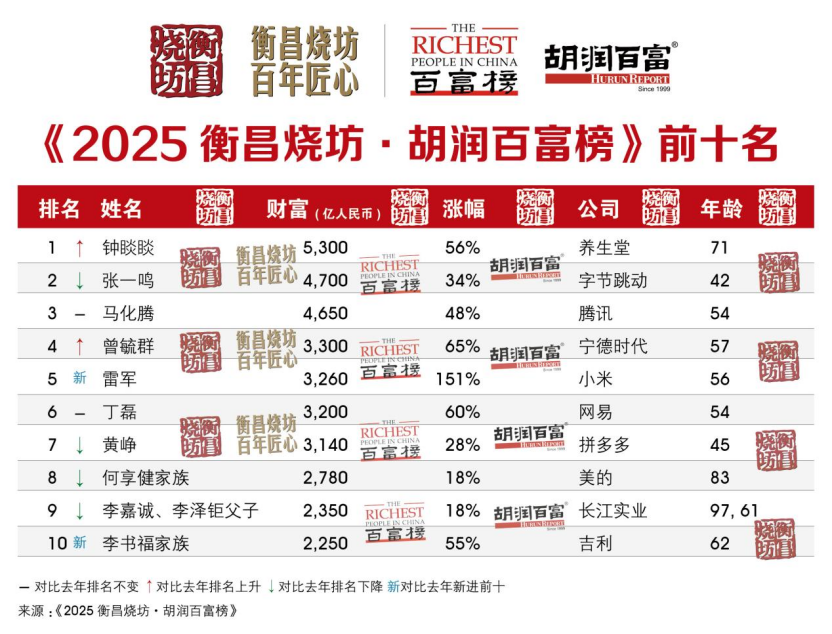
Core Insights - The 2025 Hurun Rich List reveals a significant increase in the number of billionaires, with 1,434 individuals having a wealth of over 5 billion RMB, an increase of 340 from last year, and total wealth approaching 30 trillion RMB, up 42% from the previous year [1][3]. Group 1: Wealth Rankings - Zhong Shanshan, founder of Nongfu Spring, tops the list for the fourth time with a wealth of 530 billion RMB, marking a record for the richest person in China [1][4]. - Zhang Yiming, founder of ByteDance, ranks second with 470 billion RMB, having seen a wealth increase of 1.2 billion RMB, or 34% [5][6]. - Lei Jun, founder of Xiaomi, ranks fifth with 326 billion RMB, experiencing the highest percentage increase in wealth at 151% [6][10]. Group 2: Geographic Distribution - Beijing, Shanghai, and Shenzhen remain the top three cities with the most billionaires, with Shenzhen housing 147 billionaires whose total wealth amounts to 2.9 trillion RMB, accounting for 9.6% of the total [1][13]. - The Yangtze River Delta region has 483 billionaires, making up 34% of the total, while the Guangdong-Hong Kong-Macau Greater Bay Area has 363 billionaires, representing 25% [14]. Group 3: Newcomers and Growth Sectors - A total of 376 newcomers made the list this year, a sevenfold increase from last year, with notable entries from the gold and card game sectors [8][9]. - Key sectors showing strong performance include new energy vehicles, consumer electronics, and AI, with significant contributions from companies like Xiaomi and CATL [10][11]. Group 4: Notable Company Performances - ByteDance reported a revenue exceeding 650 billion RMB in the first half of the year, with a 25% year-on-year growth, and 75% of its revenue coming from the Chinese market [5][6]. - CATL's stock price surged due to the growing demand for new energy vehicles, contributing to the wealth increase of its founder, Zeng Yuqun, who ranks fourth with 330 billion RMB [6][10]. Group 5: Industry Trends - The report highlights a trend of wealth concentration among entrepreneurs with "new quality productivity" characteristics, particularly in sectors like new energy, smart technology, and high-end manufacturing [7][10]. - The biotechnology sector also saw significant wealth increases, particularly among entrepreneurs involved in innovative cancer treatments [12].
胡润百富榜出炉:钟睒睒再成首富、张一鸣、马化腾紧随其后
Di Yi Cai Jing· 2025-10-28 03:52
Core Insights - The 2025 Hurun Rich List has been released, with ByteDance founder Zhang Yiming ranking second after previously being the richest [1] - Zhang Yiming's wealth increased by 120 billion yuan, primarily driven by the growth of AI business boosting the company's valuation [1] - Nongfu Spring founder Zhong Shanshan became the richest person in China for the fourth time, with a wealth increase of 190 billion yuan, setting a new record for the wealth of a Chinese billionaire [1] - Tencent founder Ma Huateng's wealth rose by 150 billion yuan, maintaining the third position with a total of 465 billion yuan [1] - The Ma family ranked 11th, while the Wang Ning family of Pop Mart, benefiting from the popularity of Labubu, ranked 17th [1] - Cambrian founder Chen Tian Shi ranked 18th, with a wealth increase of 148 billion yuan, as Cambrian's stock price has frequently surpassed that of Moutai [1]
苍原资本:A股市场慢涨行情有望延续
Sou Hu Cai Jing· 2025-10-28 03:47
Market Performance - The A-share market showed strong performance on October 27, with the Shanghai Composite Index approaching the 4000-point mark, indicating a bullish trend [1][4] - The market sentiment is gradually stabilizing, with active funds' reduction behavior nearing its end, reflecting a steady correction in investor confidence [4] Sector Analysis - Key sectors performing well include communication equipment, electronic components, consumer electronics, and non-ferrous metals, while gaming, wind power equipment, engineering consulting services, and mining sectors lagged [1] - The storage chip sector showed strength, with local stocks in Fujian performing well, and the computing hardware sector remained active [4] Economic and Policy Influences - Multiple factors such as the Fourth Plenary Session setting the tone for the "14th Five-Year Plan," the opening of the Federal Reserve's interest rate cut cycle, and the easing of China-US trade relations are contributing to a gradual upward trend in the A-share market [1] - The market is expected to continue its slow upward trend in the short term, with close attention needed on policy, capital flow, and external market changes [1] Technical Analysis - From a technical perspective, the index has broken through key resistance levels, with significant volume expansion indicating active market sentiment [4] - The Shanghai Composite Index has surpassed its previous trading range, suggesting potential for further upward movement [4] Mid-term Outlook - Despite potential supply-demand pressures in the spring of next year, the gradual clearing of production capacity and the effects of policies are expected to stabilize the economic and market bottom, serving as a key driving force for a new market rally [4] - Supportive factors for the fourth quarter include anti-involution policies, increased household savings entering the market, Federal Reserve interest rate cuts, and a reversal in technical indicators, suggesting a bullish outlook for A-shares [4]