
咖啡

Search documents
可口可乐公司宣布CEO继任计划;2026年元旦假期国内热门城市酒店预订单量同比增长3倍 | 消费早参
Mei Ri Jing Ji Xin Wen· 2025-12-11 23:14
Group 1: Coca-Cola CEO Succession Plan - Coca-Cola announced its CEO succession plan, with Henrique Braun set to become CEO on March 31, 2026, while current CEO James Quincey will transition to Executive Chairman [1] - The succession plan reflects Coca-Cola's mature talent pipeline, with Braun's global operational experience being crucial for the company's strategic positioning in the Asia-Pacific market [1] Group 2: Domestic Hotel Bookings Surge - Data from Qunar indicates that hotel bookings in popular domestic cities for the New Year holiday in 2026 have increased by over three times year-on-year [2] - The surge is significantly driven by the concert economy, with hotel bookings in Nanning, where concerts by Hu Xia and Hua Chenyu are held, increasing by 17 times [2] - Shanghai Disneyland ticket bookings rose by 5.2 times, while Beijing Universal Resort saw nearly a threefold increase in ticket reservations [2] Group 3: Nova Coffee Store Expansion - Nova Coffee announced that its global store count has surpassed 10,000, covering over 300 cities in China and expanding into Australia and Southeast Asia [3] - The company views the 10,000-store milestone as a starting point, focusing on supporting partners and franchisees for business and profit growth [3] - The competitive landscape includes established players like Luckin and Koolearn, making it essential for Nova to solidify its single-store profitability and customer loyalty [3] Group 4: Wu Yue Joins Pop Mart Board - Wu Yue has been appointed as a non-executive director of Pop Mart, following the resignation of He Yu due to other work commitments [4] - Wu Yue's extensive experience with LVMH and Sony in the Chinese market positions Pop Mart to leverage LVMH's resources to enhance its consumer base and brand influence [4] - This collaboration offers Pop Mart insights into young consumer trends, while LVMH can better predict future consumption patterns through this partnership [4]


后瑞幸时代,挪瓦咖啡凭什么冲击行业第二?
远川研究所· 2025-12-11 13:10
Core Viewpoint - After defeating Starbucks, Luckin Coffee's success raises the question of who will be the next leader in the affordable coffee chain industry, with Nova Coffee emerging as a strong contender due to its rapid growth and innovative business model [5]. Group 1: Nova Coffee's Growth and Market Position - Nova Coffee has achieved a compound annual growth rate of over 100% in its first five years, with a year-on-year growth rate exceeding 400% this year [5]. - The company opened 1,800 new stores in a single month, leading the industry in growth, and has surpassed 10,000 total stores while expanding into international markets [5]. - Nova Coffee's success is attributed to its unique approach of "not following trends, but creating" [5][13]. Group 2: Business Model Innovation - The scale is crucial for affordable coffee, allowing for cost reduction through economies of scale, but most players struggle to enter the market due to high operational costs [7]. - Nova Coffee has restructured its business model to focus on low-cost expansion through a combination of delivery and partnership with existing retail outlets, such as convenience stores and bakeries [8][9]. - The company has capitalized on the rapid growth of the Chinese delivery market, with a projected increase in order volume from 1 billion to approximately 2 billion by 2025 [8]. Group 3: Health-Conscious Product Development - In response to consumer health concerns, Nova Coffee has launched a "nutritional choice" labeling system and developed healthier products, including the world's first zero-fat latte [17]. - The company has introduced various health-focused beverages, which have quickly gained popularity, contributing significantly to sales [18]. - Nova Coffee's brand image as a health-conscious option has allowed it to collaborate with fitness brands and events, further expanding its market reach [19]. Group 4: Sustainable Business Practices - Unlike many competitors, Nova Coffee avoids price wars and focuses on sustainable business practices, with most products priced between 9.9 and 15 yuan [24]. - The company has invested heavily in its supply chain, establishing coffee plantations and roasting facilities to ensure quality and cost efficiency [26]. - Nova Coffee's approach emphasizes the importance of self-sustaining growth, which is essential for long-term success in the competitive coffee market [26]. Group 5: Future Outlook - Nova Coffee has completed six rounds of financing, attracting significant investment from notable firms, indicating strong confidence in its business model and operational capabilities [27]. - The company aims to continue its rapid expansion, with expectations to exceed 10,000 stores, marking the beginning of a new growth phase rather than an endpoint [27].


瑞幸咖啡:醇香中淬炼可持续未来,推动产业与生态共荣
Di Yi Cai Jing· 2025-12-11 13:09
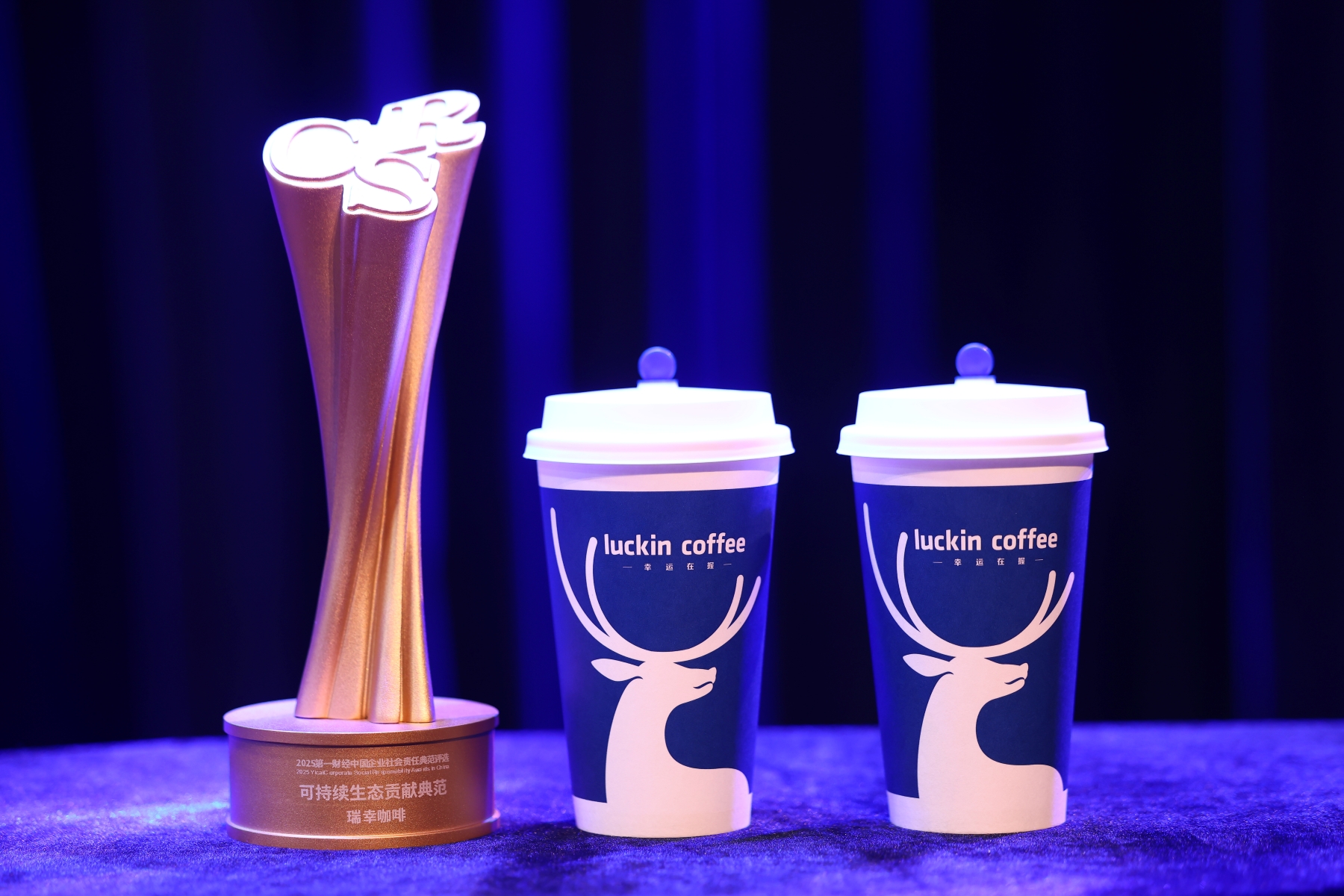
Core Viewpoint - Luckin Coffee has achieved significant commercial success while leading the industry with a comprehensive green sustainable development strategy, recently awarded the "Sustainable Ecological Contribution Model Award" at the First Financial China Corporate Social Responsibility Model Selection [1] Group 1: Sustainable Development Strategy - The 2025 First Financial China Corporate Social Responsibility Model Selection focuses on "sustainable competitiveness," assessing how Chinese companies transform social responsibility practices into long-term capabilities that drive business, environmental, and social resilience [3] - Luckin Coffee's "Towards a Better Tomorrow" strategy emphasizes corporate social responsibility, providing innovative solutions for business innovation, environmental friendliness, and ecological protection, setting a benchmark for new consumer brands [3] Group 2: Green Value Chain Initiatives - Luckin Coffee has built a green value chain, utilizing technological innovation to drive industry progress, including the establishment of a fresh fruit processing plant in Yunnan, which employs advanced water treatment technologies to achieve zero industrial wastewater discharge and significantly reduce water usage [3] - The Jiangsu roasting base, operational since 2024, integrates green operational principles and received the LEED BD+C Platinum certification in May 2025, with ongoing construction of two additional factories in Qingdao and Xiamen also adhering to the highest LEED Platinum and Chinese Green Building Three-Star standards [5] Group 3: Front-End Consumer Engagement - Luckin Coffee extends its sustainability standards to front-end consumption, developing a standardized LEED store model, with three stores in Xiamen, Tianjin, and Hangzhou achieving LEED Gold certification, demonstrating excellence in energy conservation, water saving, and indoor environmental quality [7] - The flagship store in Beijing's Zhongguancun received the LEED v4 ID+C Platinum certification, serving as a positive example for the domestic coffee industry [7] Group 4: Biodiversity and Social Responsibility - Luckin Coffee actively engages in biodiversity protection and social welfare, launching a "Business for Good" biodiversity project in collaboration with WWF and OPF, focusing on the conservation of the endangered Blue-throated Bee-eater, with its population increasing from 119 in 2023 to nearly 500 by July 2025 [7] - The company supports the "Benevolence Campus Health Action" by donating eight "Benevolence Medical Rooms" in Yunnan and Xinjiang, and has partnered with the Red Cross Foundation to assist children with congenital heart disease from these regions [10] Group 5: Long-term Strategic Shift - Luckin Coffee's sustainable development practices are integrated into its core business strategy, transitioning from a focus on scale growth to prioritizing quality, responsibility, and sustainable competitiveness, positioning itself as an advocate for sustainable lifestyles and a pioneer in harmonious coexistence between industry and ecology [10]
从高黎贡山到手中杯:瑞幸与云南共筑“中国咖啡名片”
第一财经· 2025-12-11 12:31
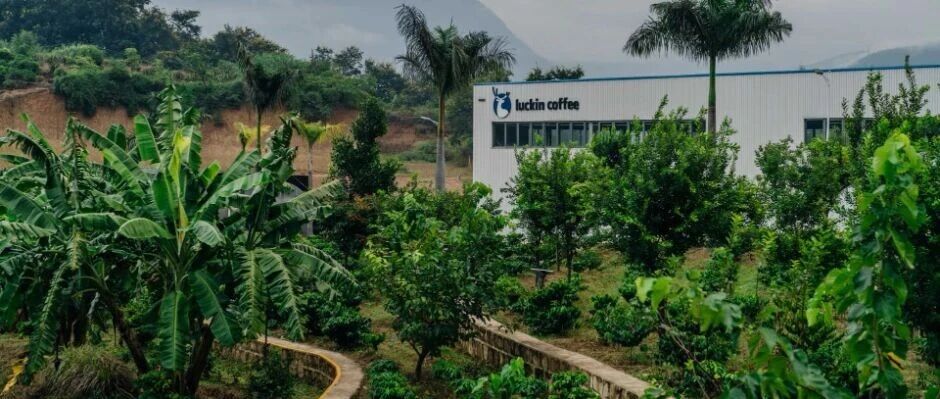
Core Viewpoint - The article highlights the transformation of Yunnan's coffee industry, emphasizing the integration of ecological protection, technological innovation, and collaborative efforts among various stakeholders to achieve sustainable development and high-quality growth in coffee production [1][11][14]. Industry Overview - By 2023, China surpassed the United States with 49,700 brand coffee stores, becoming the world's largest market for coffee shops, with a total of 254,370 coffee stores nationwide by October 15, 2025 [3]. - Luckin Coffee, a leading domestic brand, has nearly 30,000 stores, driving the growth of the coffee industry in Yunnan [3]. Ecological and Quality Foundations - Yunnan coffee's unique quality is attributed to its natural ecology, with processing facilities located in the Gaoligong Mountain National Nature Reserve, home to many endangered species [5][6]. - The region's specific terrain, climate, and volcanic ash soil create a microenvironment that produces the distinct flavor profile of Baoshan coffee [6]. Sustainable Practices and Innovations - Luckin Coffee collaborates with the World Wildlife Fund (WWF) to implement ecological responsibility, restoring habitats for endangered species and achieving significant increases in local bird populations [8]. - The company promotes intercropping techniques to help farmers generate income while cultivating coffee, enhancing both economic viability and coffee quality [10]. Collaborative Ecosystem - The transformation of Yunnan coffee requires a symbiotic network involving government, enterprises, research institutions, international organizations, and local communities [11]. - The Baoshan processing facility serves as a hub for sustainable practices and biodiversity training, directly benefiting local farmers and enhancing industry efficiency [13]. Growth Metrics - During the 14th Five-Year Plan period, the Baoshan coffee industry experienced a compound annual growth rate of over 110%, with the proportion of specialty coffee rising from 10% to 75% and deep processing rates increasing from 30% to 90% [13]. Cultural Significance - The integration of Yunnan's coffee production with Luckin Coffee's brand represents a new narrative for Chinese coffee, transforming it from a foreign commodity to a cultural symbol [14].
比星咖啡获数千万元B轮加持 三年四轮融资背后的破局密码
Sou Hu Cai Jing· 2025-12-11 09:01
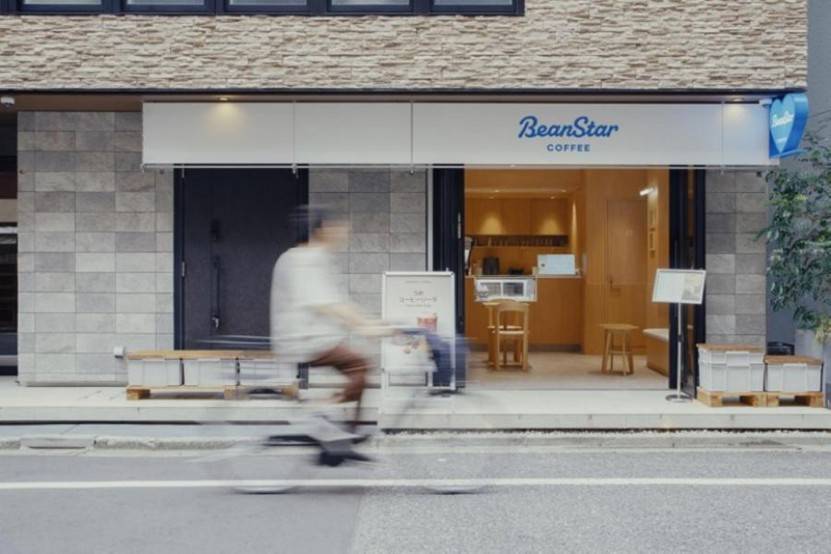
Core Insights - Bixing Coffee has successfully completed a Series B financing round of several tens of millions, led by Suzhou Agricultural Industry Science and Technology Innovation Fund and Jiangsu Diquan Agricultural Development Fund, marking its fourth round of financing in three years, reflecting strong investor confidence in its growth path [1] - Since opening its first store in Suzhou in June 2022, Bixing Coffee has focused on a boutique coffee shop franchise model, achieving over 500 signed stores and nearly 300 operational stores, doubling its store count since the Series A financing [1] - The brand has made significant strides in international expansion, entering markets such as Indonesia, Japan, and Italy, with Indonesia showing particularly strong performance, achieving an average daily sales of 700 cups [1] Pricing Strategy - Bixing Coffee's core strategy is to maintain a "high cost-performance boutique creative coffee" positioning, targeting a price range of 15-20 yuan, which is a market gap overlooked by leading brands [3] - The company emphasizes continuous iteration of products, brands, and services as its competitive moat, moving away from the high-price coffee era and focusing on the balance of price and value for consumers [3] - Innovative products like "Purple Basil Lemon Iced Americano" and "White Grape Sparkling Cold Brew" have been introduced to maintain consumer interest and build unique brand assets [3] Franchise Model Optimization - The company continues to implement a precise channel strategy, focusing on office buildings, industrial parks, shopping malls, and communities, while also penetrating universities, hospitals, and transportation hubs [4] - Bixing Coffee has optimized its investment model by introducing standard and light stores, controlling single-store investment between 200,000 to 300,000 yuan, attracting a broader range of franchisees [4] - The average performance of stores has improved by 30%-40% this year, indicating the effectiveness of the validated store model [4] Supply Chain Development - In a highly competitive coffee market, stable supply chains and cost control are crucial for long-term brand development [5] - The investment from Suzhou Agricultural Industry Fund not only provides financial support but also enhances resource integration and supply chain optimization for Bixing Coffee [5] - The company aims to shift its focus from rapid market expansion to deep control and optimization of the supply chain, establishing long-term competitive advantages in quality and cost [5] Future Plans - Bixing Coffee aims to grow from 300 to 1,000 stores by 2026, with plans to reach 5,000 stores in the following two to three years, having prepared its model, team, and systems for large-scale operations [5] - The founder expresses confidence that the industry will return to brand efficiency and product essence, which are core capabilities that Bixing Coffee is continuously building [5]
挪瓦咖啡全球门店数突破10000家 跑出行业新标杆
Zheng Quan Ri Bao Wang· 2025-12-11 06:45
Core Insights - Nova Coffee has officially surpassed 10,000 global stores, covering over 300 cities in China and expanding into Australia and Southeast Asia, positioning itself as a potential new benchmark in the Chinese coffee market [1][4] - The company has experienced a compound annual growth rate of over 100% in revenue over the past few years, with projections indicating a fourfold increase in revenue by 2025 [1][2] - Nova Coffee's rapid expansion includes opening up to 1,800 stores in a single month, making it the fastest-growing coffee chain globally [1] Business Model and Product Focus - The company has shifted its product focus towards health-oriented coffee, featuring zero sugar, zero fat, and low-calorie options, which aligns with rising consumer health demands [2] - Nova Coffee has eliminated high-calorie products and emphasizes value-driven branding rather than price competition [2] - The brand's early positioning in the low-sugar beverage market has provided a solid foundation for its rapid expansion [2] Marketing and Consumer Engagement - Nova Coffee has demonstrated strong marketing insights by collaborating with popular IPs to engage younger consumers, resulting in significant increases in sales and membership growth [2] - A recent collaboration with a toy brand led to a daily average of nearly 1,000 cups sold at participating stores, with membership acquisition efficiency increasing by over 1,100% [2] Operational Excellence - The company is recognized as the fastest-growing beverage brand on delivery platforms, leveraging partnerships with major platforms like Douyin and Meituan [3] - A deep collaboration with a delivery platform resulted in a 210% year-over-year increase in daily cup sales within just four days of launching in 650 trial stores [3] - Nova Coffee has established 15 distribution centers, including a coffee bean roasting factory, and is set to launch a dedicated coffee production facility in 2025 [3] Financial Performance and Growth Potential - The company has achieved significant sales growth in convenience stores, with coffee sales increasing tenfold to thirtyfold after introducing Nova Coffee products [3] - The introduction of Nova Coffee has also boosted sales of non-coffee items, with some partners reporting a nearly 50% increase in total daily revenue [3] - The rapid return on investment for partners, with some achieving breakeven in just three months, contrasts sharply with the industry norm of 1.5 to 2 years for ready-to-drink tea [3]
这条300米长小巷里,开了家无障碍咖啡店
Hang Zhou Ri Bao· 2025-12-11 02:40
Core Insights - The establishment of Luckin Coffee's first accessible store in Hangzhou aims to create employment opportunities for students with disabilities from the Zhejiang Special Education Vocational College [1][2] Group 1: Store Features and Employment Opportunities - The new Luckin Coffee store incorporates various accessibility features such as an entrance ramp, lowered service counters, sign language indicators, tablets for text communication, and wheelchair charging stations, fostering an inclusive environment [2] - A student from the college, who is hearing impaired, has successfully transitioned into a barista role at the store after completing an interview and training, demonstrating the potential for students with disabilities to thrive in the workforce [2] Group 2: Collaborative Ecosystem - The coffee shop is part of a larger employment and entrepreneurship base called "He Mai Xiang," which spans approximately 4,000 square meters and includes various business types such as coffee, baking, massage, handicrafts, and e-commerce [3] - The college's curriculum integrates practical experience in real work environments, allowing students to gain hands-on skills from their second year, which enhances their employability [3] - The local community is actively involved in this initiative, exploring new models of integration between party building and disability assistance, helping over 10 individuals with disabilities secure stable employment [3][4]
哥伦比亚2025年出口或难达500亿美元
Shang Wu Bu Wang Zhan· 2025-12-10 18:16
Core Insights - Colombia's exports are expected to remain sluggish over the next two years, with projections indicating that export values may fall below $50 billion by 2025, and potentially decline further in 2026 [2] Group 1: Export Performance - The president of Colombia's Foreign Trade Association, Diaz, anticipates a continued decline in mineral energy exports due to government-led energy transition initiatives [2] - Coffee exports are expected to reach a historic peak in 2025, but both production and international prices are projected to decrease in 2026 [2] Group 2: Trade Policy and Competition - Concerns are raised regarding the direction of U.S. trade policies in 2026 and ongoing political tensions, which are believed to negatively impact Colombia's foreign trade performance [2] - The U.S. has recently adjusted tariff policies, reducing tariffs to zero on several Colombian agricultural products, including coffee, cocoa, avocado, and bananas; however, other products still require bilateral negotiations for tariff reductions [2] - Colombia faces competitive disadvantages as Brazil, Ecuador, and Central American countries are accelerating agreements with the U.S. [2]
氪星晚报|周靖人成为阿里合伙人,通义实验室持续调整应对激烈竞争;美团AI转向,前字节视觉模型AI平台负责人潘欣加入;泡泡玛特:委任LVMH大中华区集团总...
3 6 Ke· 2025-12-10 11:37
Group 1 - Xiaomi Group repurchased approximately 2.4 million Class B shares for about HKD 100 million, with a repurchase price ranging from HKD 41.82 to HKD 41.92 per share [1] - Pop Mart appointed Wu Yue, President of LVMH Greater China, as a non-executive director, effective December 10, 2023, following the resignation of He Yu due to other work commitments [2] - Luckin Coffee established a new company in Yunnan with a registered capital of USD 10 million, focusing on food sales, production, and catering services [3] Group 2 - Zhou Jingren became a partner at Alibaba, with recognition for his leadership in the Tongyi Laboratory, which has maintained the competitive edge of the Qwen model [4] - Qianwen App launched four new AI features, achieving over 30 million monthly active users within 23 days of public testing [4] - Fliggy reported a nearly 30% year-on-year increase in car rental users for 2025, with the average rental period exceeding six days [5] Group 3 - Nissan announced a partnership with UK-based Wayve Technologies to develop autonomous driving technology, aiming for hands-free driving on urban roads and highways by 2027 [6] - Meituan hired Pan Xin, former head of ByteDance's visual model AI platform, to lead multi-modal AI innovation [6] Group 4 - "Mys Topology" completed nearly CNY 100 million in angel round financing, with funds directed towards the construction of a medical isotope production base [8] - Alibaba Cloud launched the AgentRun function, a one-stop AI infrastructure platform that integrates serverless features with AI applications, aiming to reduce total cost of ownership by 60% [8] Group 5 - Swire Properties announced the expansion of Qiantan Place, which includes two super Grade A office buildings, expected to be completed by the end of 2026 [9]



咖啡企业天好中国第三季度营收4.2亿元 ,门店增至1030家
Xin Jing Bao· 2025-12-10 11:36
Core Insights - Tims China reported a total revenue of RMB 358 million for Q3 2025, with system sales reaching RMB 420 million, reflecting a year-on-year growth of 12.8% [1] - The total number of stores increased to 1,030, with 15 new stores added during the reporting period [1] - The company has successfully issued approximately $89.9 million in secured convertible bonds, improving its financial structure and providing crucial funding for future development [1] Financial Performance - The company achieved a same-store sales growth of 3.3% in its direct-operated stores [2] - Other income profit increased by 58.2% year-on-year, contributing to stable cash flow and profitability from franchise and retail operations [2] Market Strategy - Tims China is focusing on optimizing its store network while consolidating its competitive advantage in core cities [1] - The company is implementing a differentiated "coffee + warm food" strategy to enhance customer experience and drive sales [2]